
Dec . 02, 2025 17:29 Back to list
Shaft Wiper Seal | Durable & Efficient Sealing Solutions for Rotating Shafts
Understanding Shaft Wiper Seals: What They Are and Why They Matter
In the world of machinery and engineering, even the smallest components can make a huge difference. The shaft wiper seal is one such humble yet essential part. It might sound technical (and okay, it is), but at its core, this seal helps protect equipment from dirt, dust, and contamination — keeping systems running smoothly worldwide. From industrial plants in Europe to remote agricultural machines in Africa, understanding shaft wiper seals means longer equipment life, less downtime, and ultimately, lower costs. That matters whether you’re a multinational corporation or a small workshop somewhere off the beaten path.
To get a solid grip on this, let’s look beyond the jargon — into why it matters globally and how advances in these seals are quietly changing makers’ lives everywhere.
Why Shaft Wiper Seals Have a Global Impact
Here’s an interesting fact: According to the International Organization for Standardization (ISO), equipment failures cause millions of dollars in losses annually worldwide, much of it due to inadequate sealing against contaminants. Shaft wiper seals target that problem head-on.
Equipment exposed to dust, grit, moisture, or chemicals often falters. That’s not just an industrial headache — it trickles down to energy waste, increased emissions, and safety hazards. The UN Environmental Program (UNEP) emphasizes sustainable industries as a key pillar to achieving responsible resource use and reducing emissions. Enter sealing technology: by minimizing contaminants entering critical engines or pumps, shaft wiper seals indirectly support cleaner, safer production systems worldwide.
In short: as industries scale, the demand for reliable sealing doesn’t just grow — it becomes a foundational part of sustainable manufacturing and infrastructure. And the wiper seal is often the unsung hero.
What Exactly Is a Shaft Wiper Seal?
Put simply, a shaft wiper seal is a specialized type of seal that fits around a rotating shaft, designed to scrape away dirt, debris, or liquids from the shaft’s surface before they enter the internal parts of machines. Think of it like a wiper blade on a windshield, but for machinery shafts.
Its job is straightforward: keep out the bad stuff to protect bearings and components inside. You find these seals in everything from agricultural tractors to automotive engines and industrial compressors. Without them, dust and moisture would sneak in, causing premature failure.
Interestingly, modern versions often blend traditional rubber with innovative materials to tackle extreme temperatures or chemical exposure. That flexibility echoes how industries adapt rapidly to new challenges — from renewable energy installations in harsh deserts to emergency water pumps supporting disaster relief.
Key Factors That Define Shaft Wiper Seal Performance
Durability
Durability is king. Seals undergo constant friction against the rotating shaft, sometimes in aggressive environments. The better the material withstands abrasion, the longer the seal lasts. This means less frequent replacements and downtime — a huge plus in remote sites or continuous operations.
Material Compatibility
The seal’s material must resist chemicals or temperature extremes. For example, nitrile rubber offers good oil resistance, while Viton suits high-temperature applications. Selecting the right compound isn’t just a technical footnote—it guarantees sealing integrity over a machine's life.
Design Precision
The seal lip shape, tension, and fit all matter. Too loose, and contaminants sneak past; too tight, and it causes excess wear and power loss. That delicate balance is a focus of engineering ingenuity — many manufacturers continually refine profiles for optimal performance.
Cost Efficiency
Though seals don’t cost much individually, their importance grows with scale. Effective shaft wiper seals reduce maintenance expenses and prevent costly machinery failures. Operators often say a “great seal is like insurance” — an investment returning peace of mind.
Environmental Impact
Interestingly, better seals contribute to sustainability by reducing lubricant leakage and contamination ingress, decreasing waste and preventing environmental hazards. This ties into broader industrial eco-standards, showing seals are not just technical accessories but parts of greener operations.
User-Friendly Installation
Field technicians prefer seals that are easy to install or replace without special tools, especially in harsh conditions. Manufacturers who consider ergonomic designs or modular parts tend to win long-term loyalty.
Typical Specifications of a Shaft Wiper Seal
| Parameter | Typical Range | Notes |
|---|---|---|
| Shaft Diameter | 5 mm – 300 mm | Varies by application |
| Temperature Range | -40°C to +200°C | Material dependent |
| Material | Nitrile, Viton, PTFE | Selected per environment |
| Max Shaft Speed | Up to 15 m/s | Depends on design |
| Pressure Rating | Up to 1.5 bar | Standard for sealing |
Mini takeaway: Shaft wiper seals are a perfect storm of design, material choice, and real-world application priorities — a small part with a big engineering brain behind it.
Where Shaft Wiper Seals Make a Difference Globally
Industries spanning agriculture, automotive, manufacturing, and energy all depend on these seals. For example:
- Remote agricultural machinery: Farming equipment in dusty, rugged terrains in South America relies on robust seals for uptime during critical planting seasons.
- Industrial pumps and compressors: Chemical plants in Europe use high-grade seals to avoid costly contamination and leaks.
- Disaster relief equipment: Pump seals that keep waterways clean and functioning after floods, protecting public health in disaster-prone zones.
That breadth of use shows how critical a shaft wiper seal is in both everyday and emergency scenarios.
Vendor Comparison: Popular Shaft Wiper Seal Providers
| Vendor | Material Options | Temperature Range | Price Range | Global Availability |
|---|---|---|---|---|
| HKAI Seal | Nitrile, Viton, PTFE hybrids | -40°C to 200°C | Mid-range | Worldwide |
| SealTech Global | Standard Nitrile, EPDM | -30°C to 150°C | Budget-friendly | Europe, Asia |
| DynoSeal Tech | Viton, Silicone, PTFE | -50°C to 230°C | Premium | Global |
Benefits and Long-Term Value of Quality Shaft Wiper Seals
The advantages go beyond the obvious savings on repairs. For businesses, reliable shaft wiper seals mean operational trust — you schedule maintenance, not emergencies. That also tops safety charts by preventing lubricant leaks or dust ingress, which can cause hazards or equipment fires.
On an emotional level, operators and engineers gain peace of mind. Knowing the machine’s heart is guarded keeps work satisfying rather than stressful. Plus, there’s a growing sense of responsibility to choose environmentally responsible materials that reduce waste and pollution.
Emerging Trends in Shaft Wiper Seals
Sustainability is shaping innovation here. New bio-based materials and recyclable compounds are in development. Meanwhile, digital sensors embedded within seals for real-time condition monitoring aren't far off — imagine a seal that signals wear or leaks before downtime hits.
Automation in manufacturing demands seals that can be mass-produced with flawless consistency. Also, with the global push for greener energy, seals custom-tailored for wind turbines or solar tracking gears are becoming hot topics.
Facing Challenges Head-On
One ongoing challenge is balancing cost with performance, especially in cost-sensitive markets. Another is dealing with highly abrasive environments where seals wear quickly.
Some manufacturers are tackling these by using multi-layered designs that combine strength and flexibility or by developing coatings that repel dirt more effectively.
FAQ: Your Questions About Shaft Wiper Seals Answered
- Q: How do I know which shaft wiper seal material suits my machine?
A: Consider your operating temperature, chemical exposures, and shaft speed. Nitrile is good for oils and moderate temps, Viton for high heat and chemicals, PTFE for extreme wear. - Q: How often should shaft wiper seals be replaced?
A: Typically every 1-3 years depending on use. Regular inspections help catch wear early, especially if you notice leaks or contamination inside equipment. - Q: Can I install shaft wiper seals myself?
A: Yes, with basic mechanical skills and proper tools. Follow manufacturer guidelines to avoid damaging the seal or shaft. - Q: Do shaft wiper seals help reduce environmental impact?
A: Absolutely — by preventing lubricant leaks and keeping contaminants out, they minimize pollution and extend machine lifespans, supporting greener operations. - Q: Are there custom shaft wiper seal solutions available?
A: Yes, many vendors offer bespoke seals tailored to specific shaft diameters, materials, and environmental conditions.
In Conclusion: Why Shaft Wiper Seals Are Worth Your Attention
In sum, it’s the quiet guardianship of shaft wiper seals that often decides whether your machinery works trouble-free or grinds to a halt. They matter not only in economics but also for safety, sustainability, and operational confidence. If you’re looking to optimize your installations or want to explore high-quality sealing solutions, now is the time to learn more.
Explore trusted industry options at HKAI Seal and see how upgrading seals extends your equipment's life and your peace of mind.
Mini takeaway: Sometimes it’s the smallest parts that hold the biggest stories in engineering. Shaft wiper seals quietly keep the wheels — and shafts — turning worldwide.
References
-
Guide to Choosing the Right High Quality hydraulic ram kit
NewsApr.16,2026
-
Premium Hydraulic Cylinder Packing Kits for Peak Performance
NewsApr.09,2026
-
Comprehensive Guide to Hydraulic Cylinder Oil Seal Kits for Optimal Performance
NewsApr.07,2026
-
Comprehensive Guide to Choosing the Right Cylinder Seal Kits for Peak Performance
NewsApr.04,2026
-
Comprehensive Guide to Seal Kits for Cylinders Ensuring Optimal Performance
NewsMar.31,2026
-
Comprehensive Guide to Hyd Cylinder Seals for Optimal Hydraulic System Performance
NewsMar.28,2026
-
Comprehensive Guide to Hyd Cylinder Seal Kit Selection and Installation
NewsMar.26,2026
Products categories
-
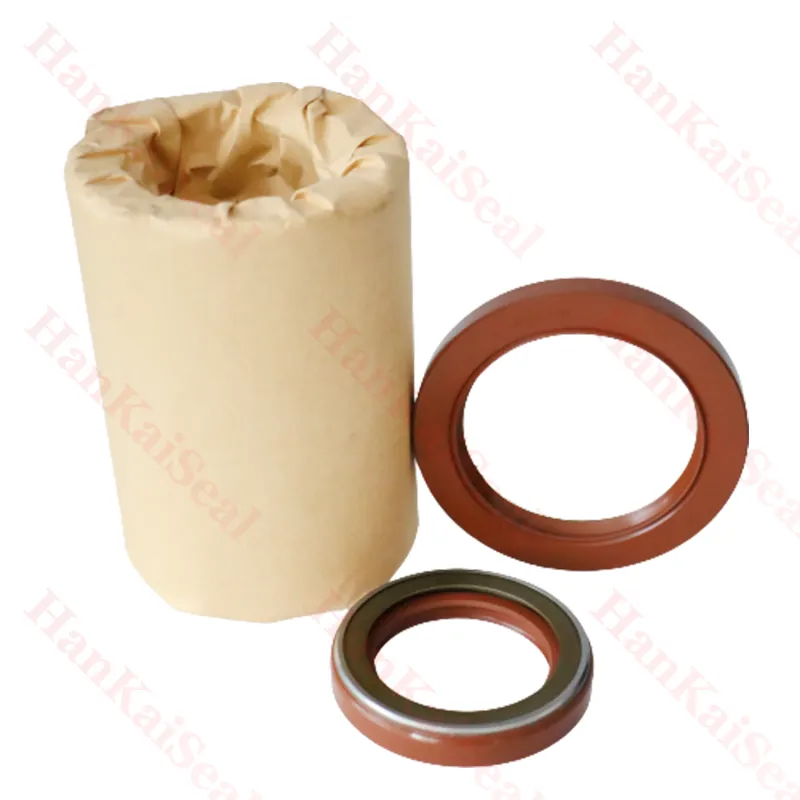
Standard oil seal BP0494 High pressure TCN oil seal
-
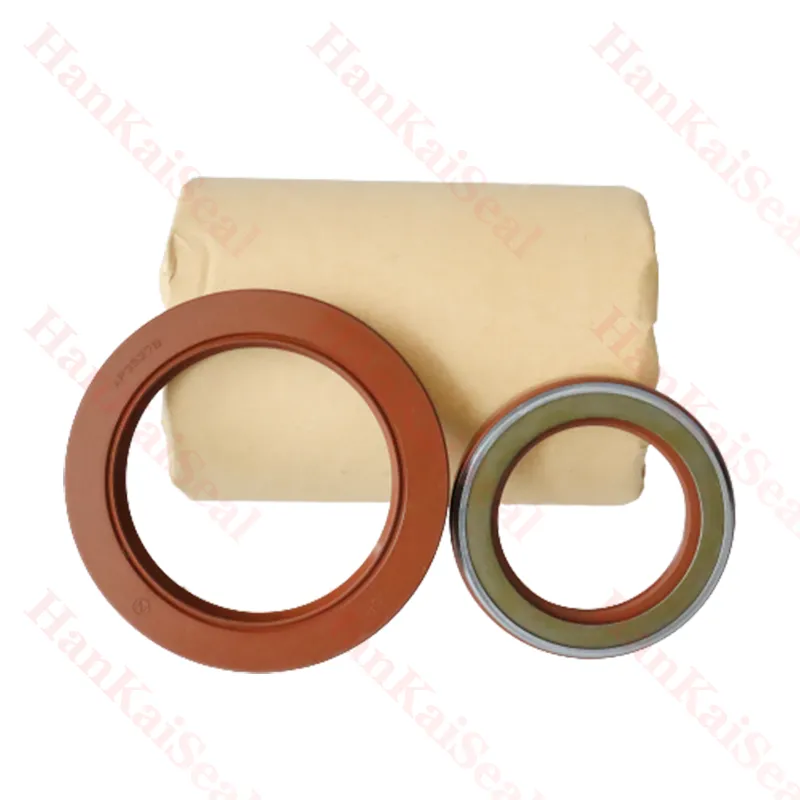
Hydraulic pump seal AP4624G high pressure TCN oil seal
-
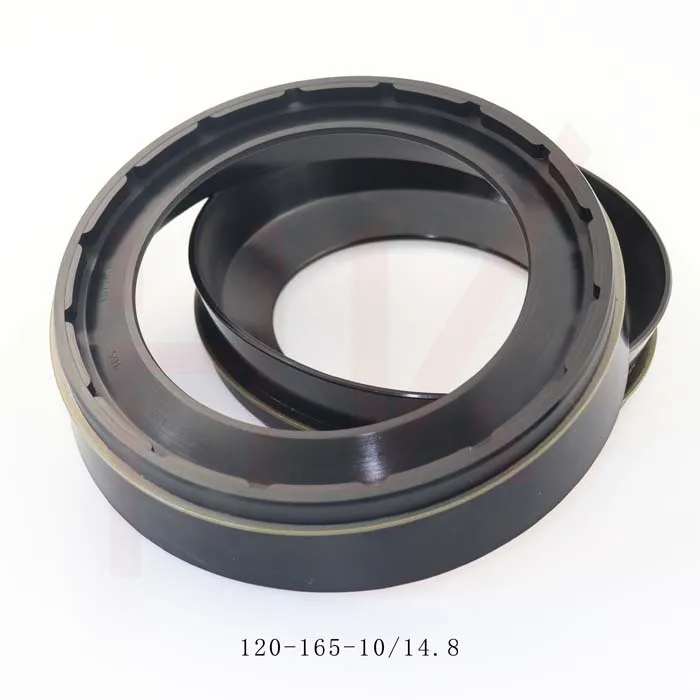
0734307418 0750112169 120*165*10/14.8 concrete mixer reducer oil seal
-
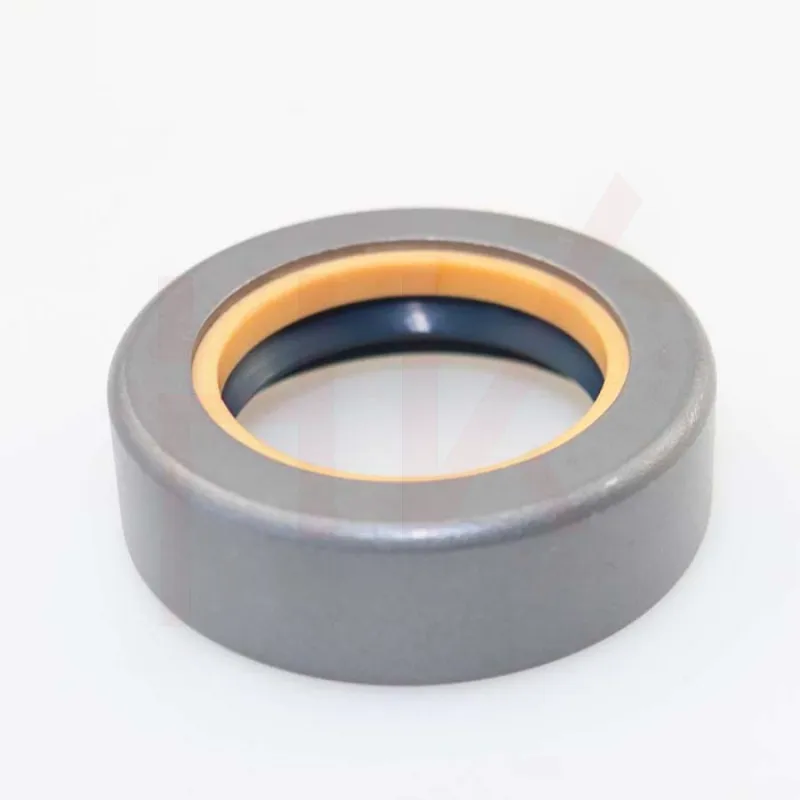
35*52*16 Standard Wheel Hub Oil Seal For Agricultural Machinery
-
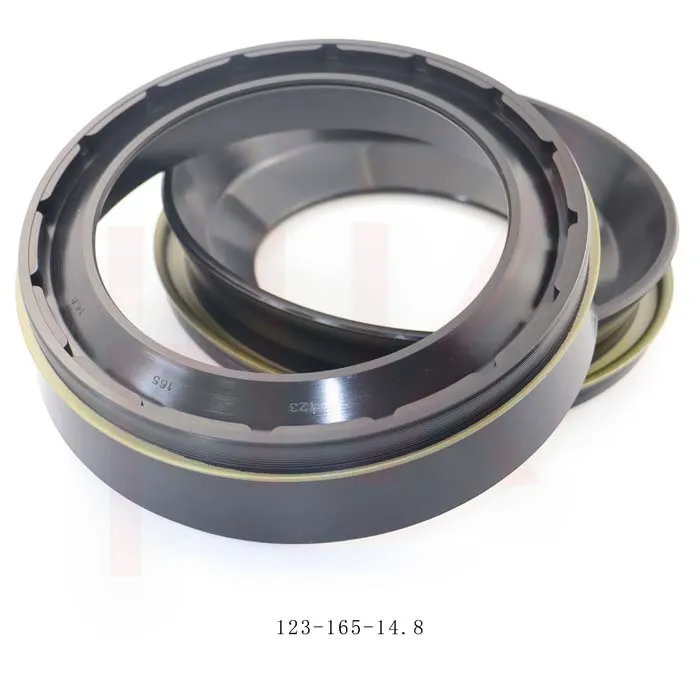
123*165*14.8 concrete mixer truck reducer oil seal
-
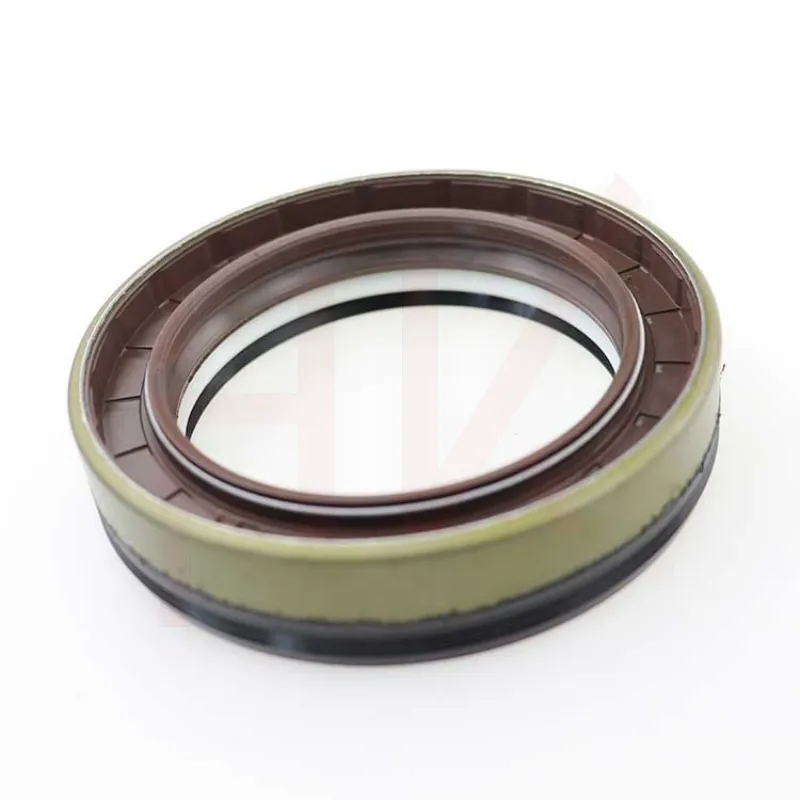
Tractor shaft oil seal 65-90-20 COMBI SF19 hub oil seal
-
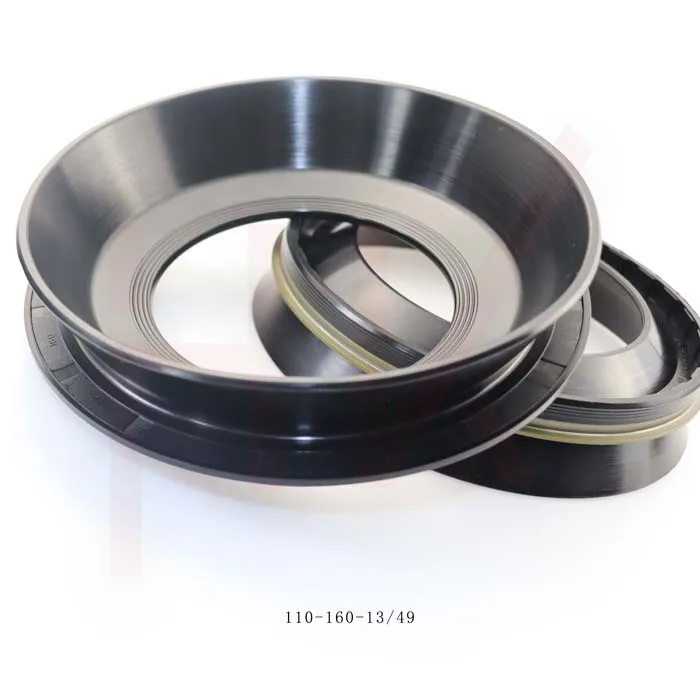
110*160*13/49 NBR reducerConcrete mixer truck oil seal
-
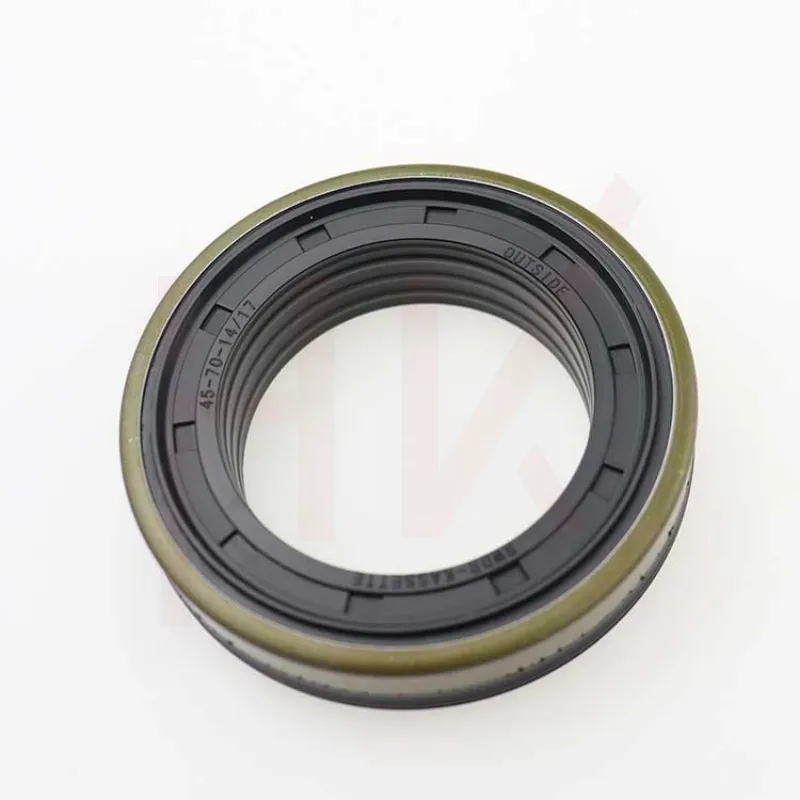
Hub oil seal 40*65*13/14.5 suitable for tractor Cat 12018035b
-
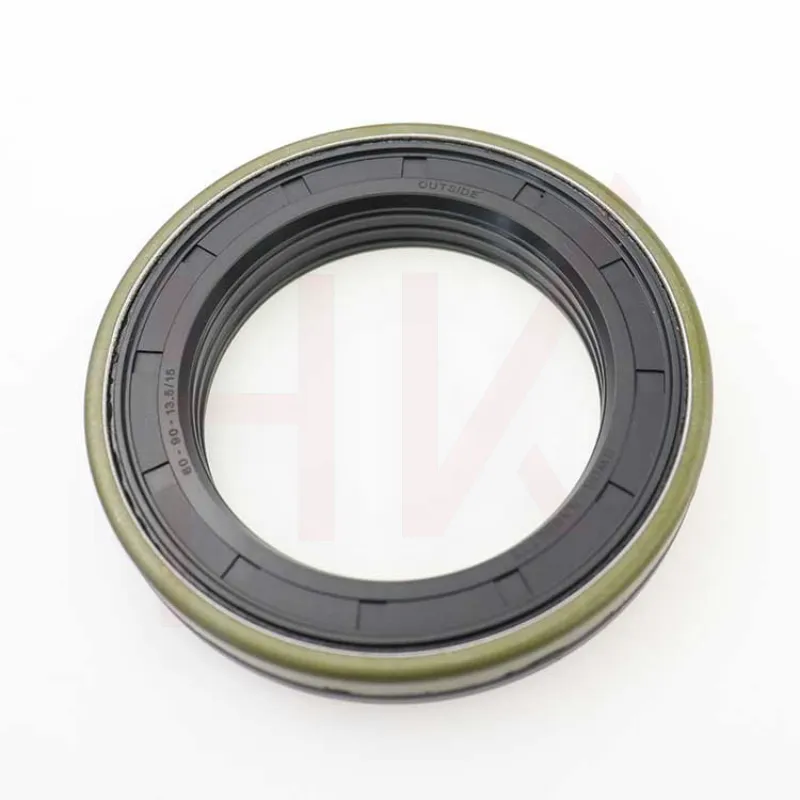
Tractor accessories cassette oil seal hub oil seal 60-90-13.5/15
-
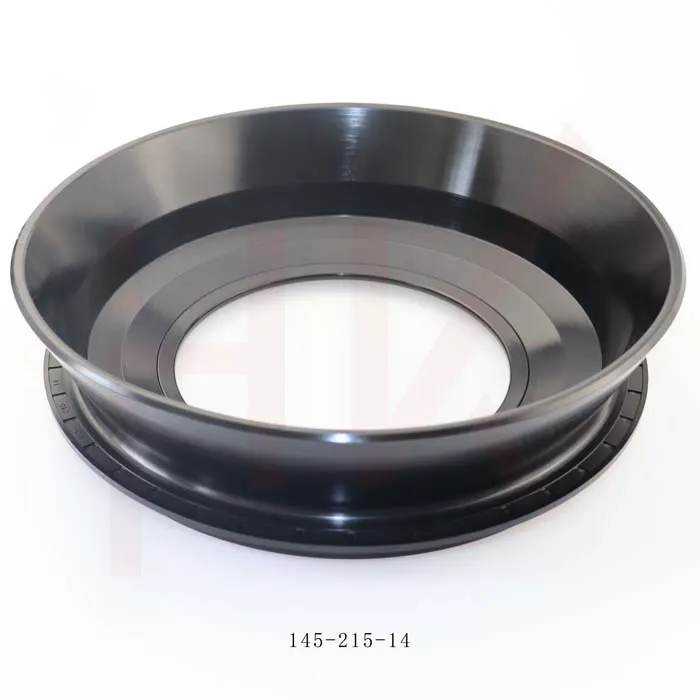
Factory concrete mixer truck oil seal 145*215*14 reducer gearbox oil seal
-
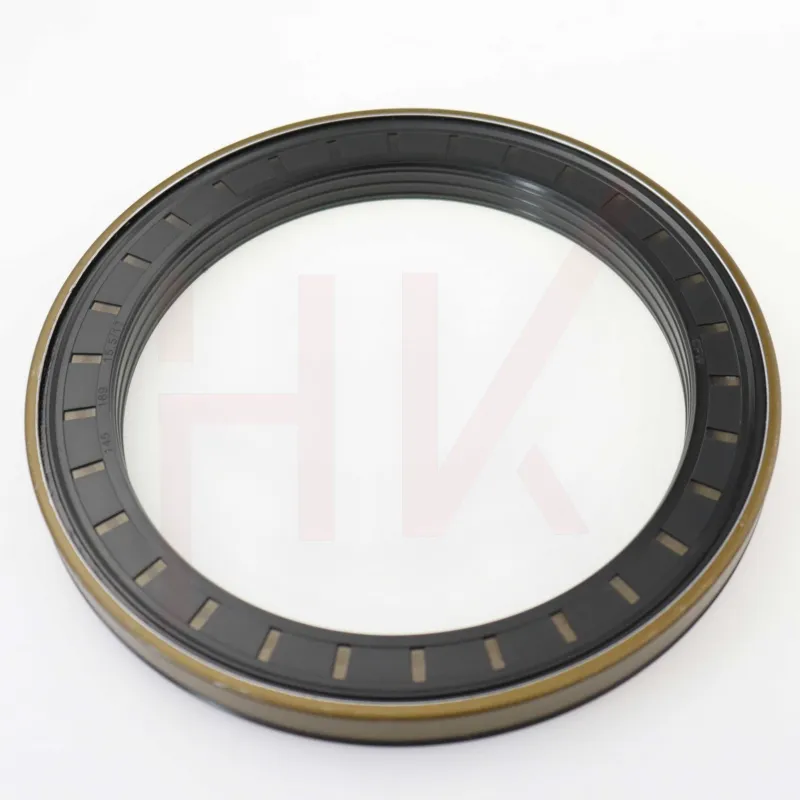
145*189*15.5/17 Cassette Seal NBR Hub Oil Seal 1508044
-
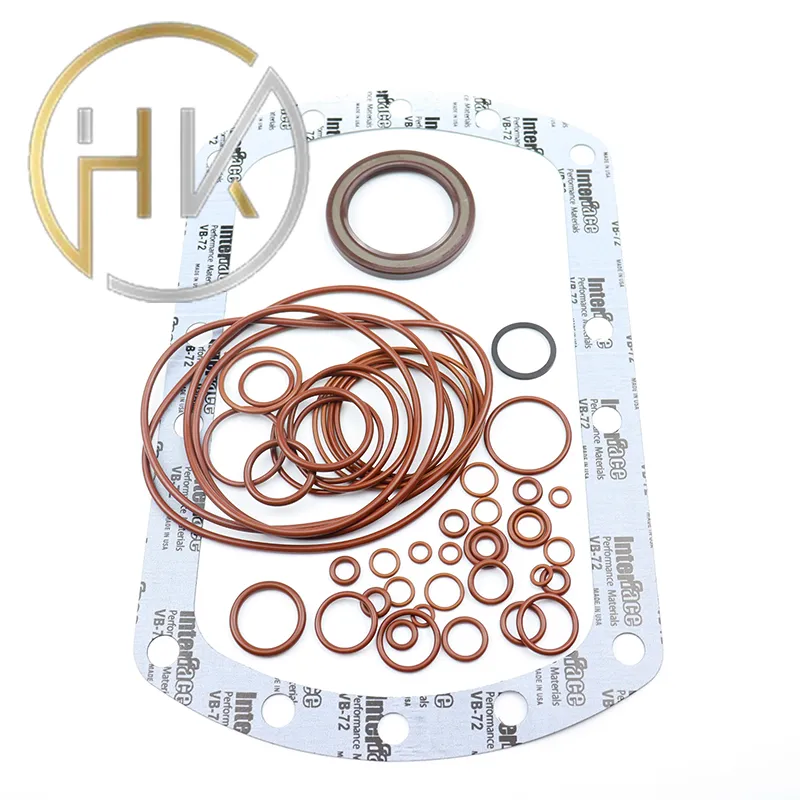
Factory direct sales hydraulic pump motor seal kit A8VO140
-
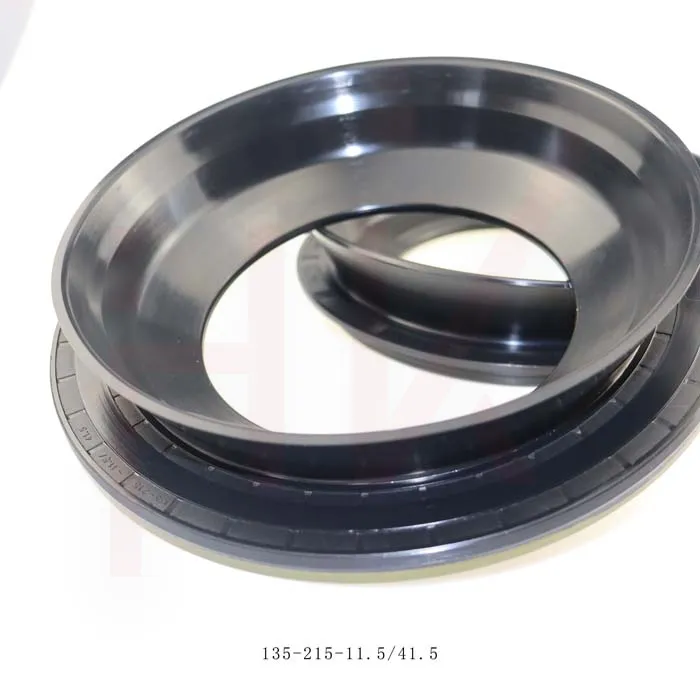
Brand new cement tanker oil seal 135*215*11.5/41.5 concrete mixer oil seal
-
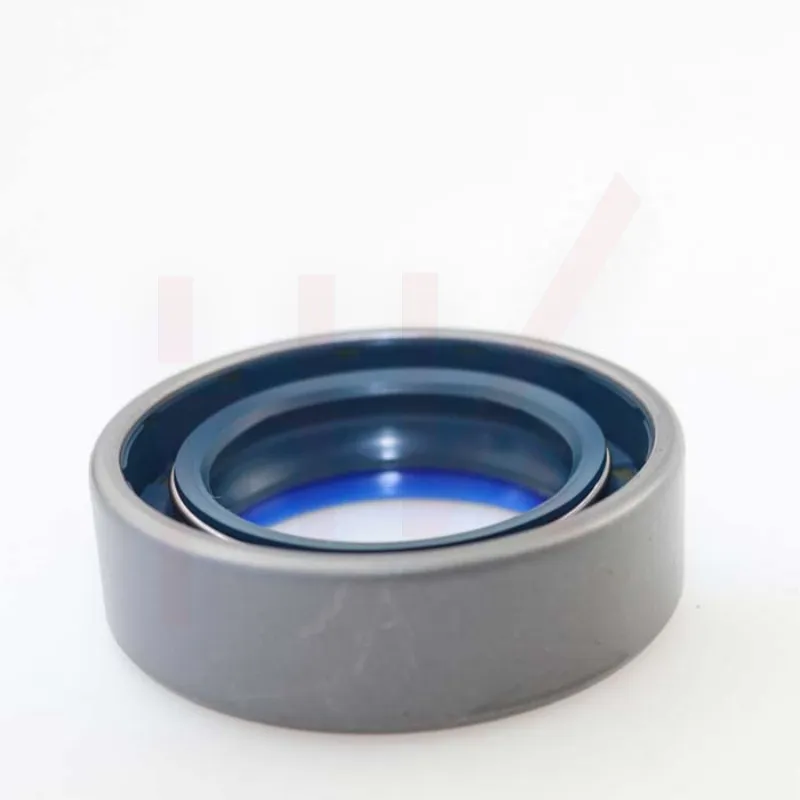
45*65*15 Combi oil seal JCB 90450009 COMBI SF1 SEAL
-
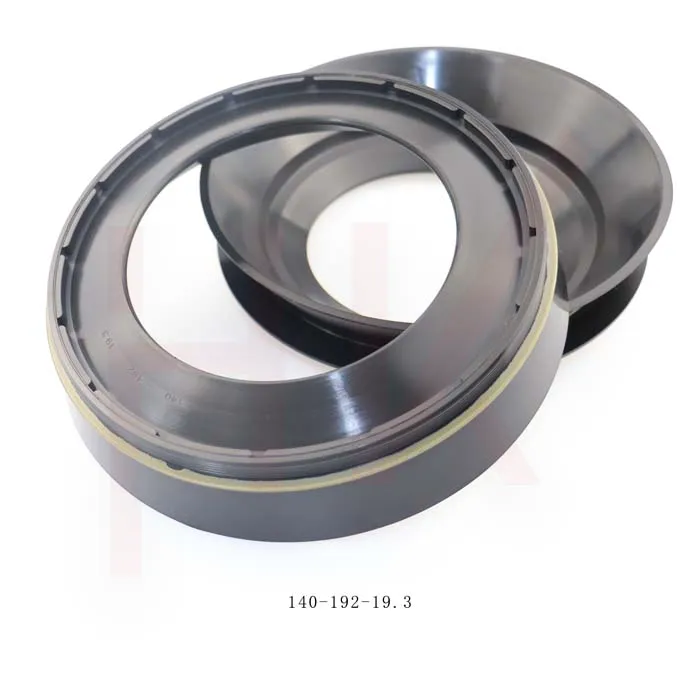
Gear box concrete mixer oil seal 140*192*19.3 nbr reducer oil seal
-
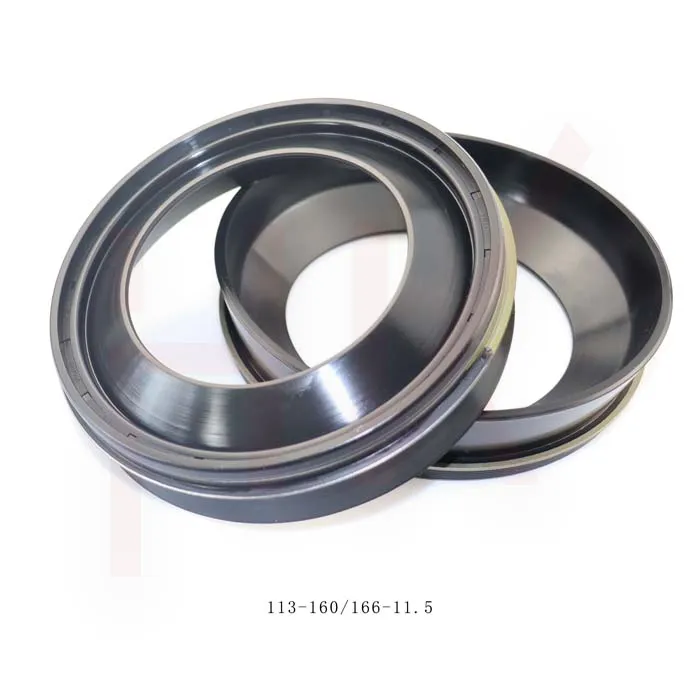
Seals factory direct sales 113*160/166*11.5/38 excavator truck reducer oil seal