
Dec . 02, 2025 17:29 Back to list
Cylinder Wiper: Essential Industrial Sealing for Reliability & Longevity
Understanding Cylinder Wipers: Why They Matter in Industry and Beyond
Cylinder wipers might not be the flashiest component on an assembly line, but they play a surprisingly vital role in the smooth operation of hydraulic and pneumatic cylinders worldwide. Put simply, a cylinder wiper is a sealing element designed to clean the rod of a cylinder as it retracts into its housing, preventing dirt, dust, and moisture from contaminating the internal parts. While this may sound mundane, the global stakes are quite high: contamination can reduce equipment life, cause costly downtime, and even lead to hazardous failures in critical machinery. With machinery heavily relied upon by industries ranging from automotive to construction, agriculture, and even humanitarian relief equipment, understanding cylinder wipers is essential for engineers, maintenance teams, and supply chain managers. Their benefits? Extending equipment lifespan, reducing maintenance costs, and ensuring operational reliability — all key pieces in the puzzle of global industrial sustainability. ---A Global Look: Why Cylinder Wipers Are More Important Than You Think
It’s easy to underestimate the humble cylinder wiper until you reflect on how frequently hydraulic systems run across the globe. According to the International Organization for Standardization (ISO), hydraulic equipment powers an estimated 70% of manufacturing processes worldwide, from large factories in Europe and North America to remote mines in Africa and Asia. Dirty rods lead to dust, grit, and moisture sneaking into cylinders, escalating wear and downtime — a problem costing billions annually in lost productivity, according to World Bank industrial reports. This translates into both economic losses and environmental impacts. For example, poorly maintained hydraulic equipment consumes more energy, leading to unnecessary carbon emissions. Cylinder wipers address these issues head-on. By shielding cylinder internals, they help industries cut costs, conserve energy, and maintain safety standards, connecting a small piece of rubber and metal directly to big-picture sustainability goals. ---What Exactly Is a Cylinder Wiper?
In simple terms, a cylinder wiper is a sealing ring fixed at the entrance of a hydraulic cylinder. Its job is to "wipe" the piston rod clean as it retracts—much like a car windshield wiper clears away debris and rain to improve visibility. The wiper removes dirt, dust, and even light moisture that could otherwise seep past the external rod seal into the cylinder chamber. This protective action prevents external contamination from damaging internal seals, valves, and the cylinder barrel itself. That’s crucial because even microscopic particles can cause scratches and corrosion, shortening the life of expensive machinery. Beyond machine reliability, cylinder wipers also have an indirect humanitarian angle. Heavy machinery used in disaster recovery or agricultural development often operates under harsh conditions—dusty, muddy, wet environments. The durability granted by good cylinder wipers keeps these critical machines running, supporting rapid deployment of aid and economic development in vulnerable regions. ---Key Features of Quality Cylinder Wipers
Let’s peel the onion and look more closely at what makes a cylinder wiper effective. Engineers typically consider these factors crucial:- Durability: The material must resist abrasion, weather, and chemicals. A polyurethane compound or nitrile rubber often does the trick.
- Compatibility: It has to work smoothly with the sealing system and the piston rod’s surface finish to avoid damage during operation.
- Flexibility & Resilience: Able to maintain form while adapting to minor rod irregularities or misalignment.
- Ease of Installation & Replacement: Downtime is expensive, so designs that simplify maintenance are favored.
- Cost Efficiency: Balancing high-quality materials with affordability ensures widespread use.
Product Specification Snapshot: Typical Cylinder Wiper
| Specification | Typical Values |
|---|---|
| Material | Polyurethane / Nitrile Rubber (NBR) |
| Temperature Range | -40°C to +120°C (-40°F to 248°F) |
| Rod Diameter Range | 10mm to 1600mm |
| Hardness (Shore A) | 70 to 90 |
| Installation Type | Snap-on, Press-fit, or Retained by Covers |
Real-World Applications of Cylinder Wipers
Cylinder wipers crop up across countless fields worldwide. Here are a few real-life use cases:- Construction Equipment: Excavators and loaders work in dusty, sandy conditions. Wipers protect their hydraulic rams, reducing costly breakdowns.
- Agricultural Machinery: Tractors and harvesters encounter soil and debris daily. Wipers ensure their hydraulics stay sealed and reliable through planting seasons.
- Industrial Automation: In factory robots and presses, cylinder wipers prevent dust contamination that could jam precise components.
- Disaster Relief Equipment: Heavy machinery for flood or earthquake zones faces mud and moisture—well-designed cylinder wipers sustain functionality under such extremes.
Vendor Comparison for Cylinder Wipers
| Vendor | Material Options | Customization | Global Reach | Typical Lead Time |
|---|---|---|---|---|
| HKAiseal | Polyurethane, NBR, FKM | High (sizes, materials, install types) | Worldwide | 2-3 weeks |
| SealTech Co. | NBR, Silicone | Medium | Asia & Europe | 4-6 weeks |
| GlobalSeal | Polyurethane only | Low | North America | 1-2 weeks |
The Advantages and Long-Term Value of Cylinder Wipers
There’s a good reason the saying goes: “Do the little things well, and the big things follow.” Cylinder wipers represent one such essential detail packed with benefits:- Cost Savings: Avoiding contamination prevents frequent repairs and replacements—saving money over time.
- Sustainability: Longer machine life means less waste and fewer discarded parts. It’s a step toward greener manufacturing.
- Safety: Equipment failure due to leaks or seal damage can be hazardous. Cylinder wipers help keep operations safe.
- Performance Reliability: Consistent operation without unexpected shutdowns boosts productivity and worker confidence.
- Emotional Value: For operators working in tough environments, knowing the equipment is well protected offers peace of mind.
Future Trends Shaping Cylinder Wiper Technology
Looking forward, the humble cylinder wiper is not frozen in time. Innovations on the horizon include:- Advanced Materials: Bio-based and highly wear-resistant polymers are being tested to reduce environmental impact.
- Smart Sensors: Integration of IoT to monitor seal wear and predict maintenance needs automatically.
- Automation-Friendly Designs: Quick-install wipers optimized for robotic assembly lines.
- Eco-conscious Manufacturing: Reduced solvent use and energy-efficient production methods are becoming standard.
Challenges and Innovative Solutions
Of course, cylinder wipers face some hurdles:- Environmental Stress: Harsh temperatures and chemical exposure can degrade materials prematurely.
- Installation Errors: Improper fitting can cause leakages or premature failure.
- Customization Limitations: Off-the-shelf designs don’t always meet unique applications.
FAQ: Cylinder Wiper Essentials
Q1: How often should a cylinder wiper be replaced?
Replacement frequency depends largely on operating conditions. In harsh environments like mining, wipers may need changing every 6–12 months. Under lighter use, it can extend beyond 2 years if inspected regularly.
Q2: Can cylinder wipers be retrofitted to existing equipment?
Yes, many cylinder wipers are designed for easy installation on both new and older cylinders, although compatibility checks for rod size and seal groove dimensions are important.
Q3: What materials are best for extreme temperature applications?
Fluorocarbon elastomers (FKM) and specially formulated polyurethane compounds are generally preferred for high heat or freezing conditions due to their chemical stability.
Q4: Is it worth investing in custom-designed cylinder wipers?
If your machine works in a highly specialized environment or has non-standard dimensions, custom wipers can save costs over time by better protecting machinery and reducing downtime.
---In Conclusion: Why the Small Details in Cylinder Wipers Matter Big
The cylinder wiper might seem like a minor player in the grand machinery of global industry, but its role in extending equipment life, reducing downtime, and supporting cleaner, safer operations can’t be overstated. So next time you see a piece of heavy machinery in action, spare a thought for this indispensable seal—without it, many of our world's machines might just grind to a halt sooner than we expect. For those interested in diving deeper or sourcing quality cylinder wipers tailored to your needs, feel free to visit cylinder wiper suppliers like HKAiseal, who combine expertise with customization. ---References
-
Guide to Choosing the Right High Quality hydraulic ram kit
NewsApr.16,2026
-
Premium Hydraulic Cylinder Packing Kits for Peak Performance
NewsApr.09,2026
-
Comprehensive Guide to Hydraulic Cylinder Oil Seal Kits for Optimal Performance
NewsApr.07,2026
-
Comprehensive Guide to Choosing the Right Cylinder Seal Kits for Peak Performance
NewsApr.04,2026
-
Comprehensive Guide to Seal Kits for Cylinders Ensuring Optimal Performance
NewsMar.31,2026
-
Comprehensive Guide to Hyd Cylinder Seals for Optimal Hydraulic System Performance
NewsMar.28,2026
-
Comprehensive Guide to Hyd Cylinder Seal Kit Selection and Installation
NewsMar.26,2026
Products categories
-
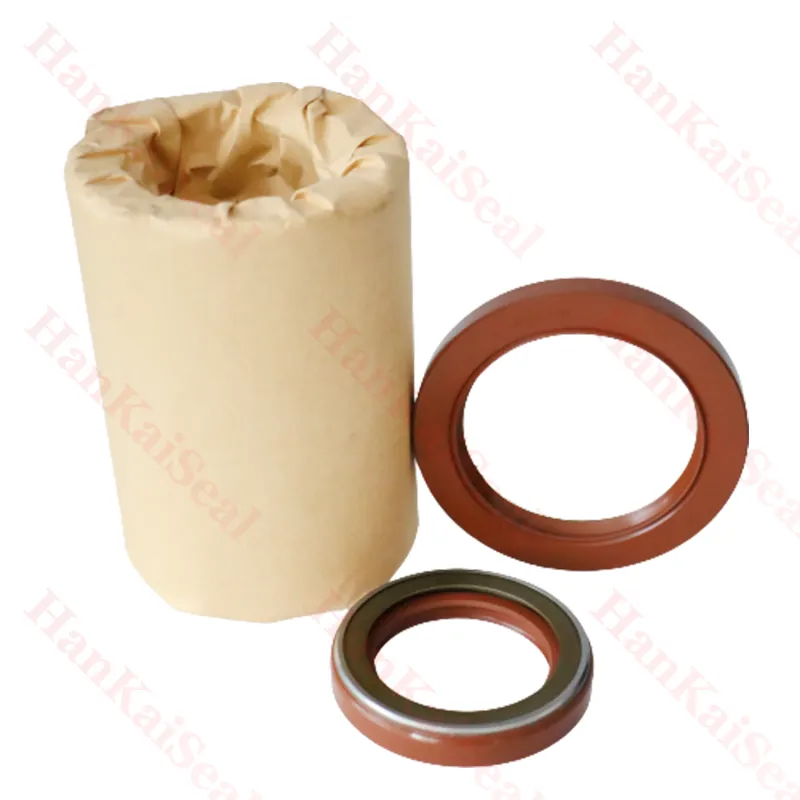
Standard oil seal BP0494 High pressure TCN oil seal
-
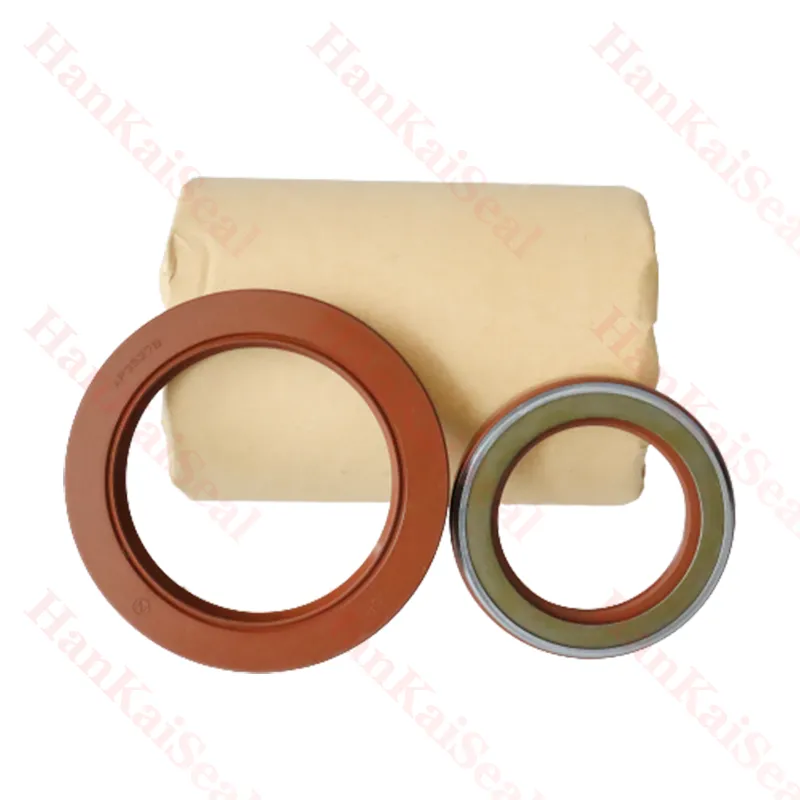
Hydraulic pump seal AP4624G high pressure TCN oil seal
-
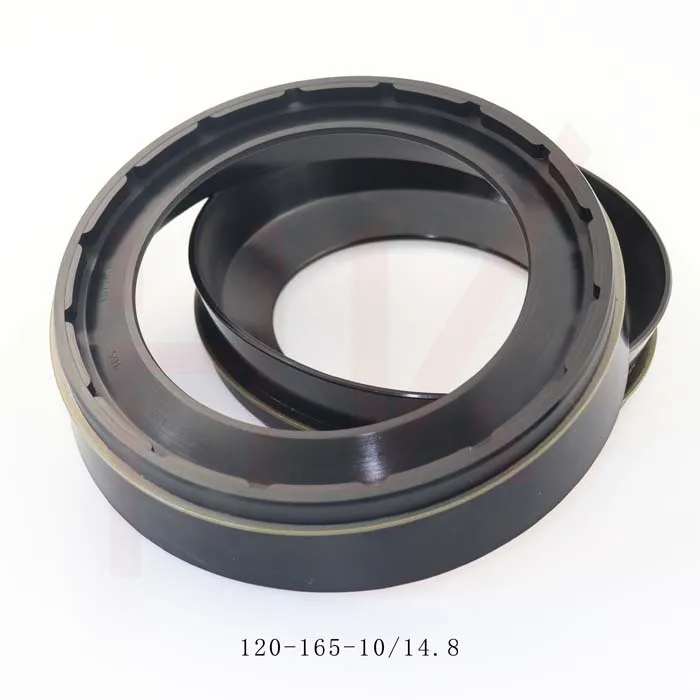
0734307418 0750112169 120*165*10/14.8 concrete mixer reducer oil seal
-
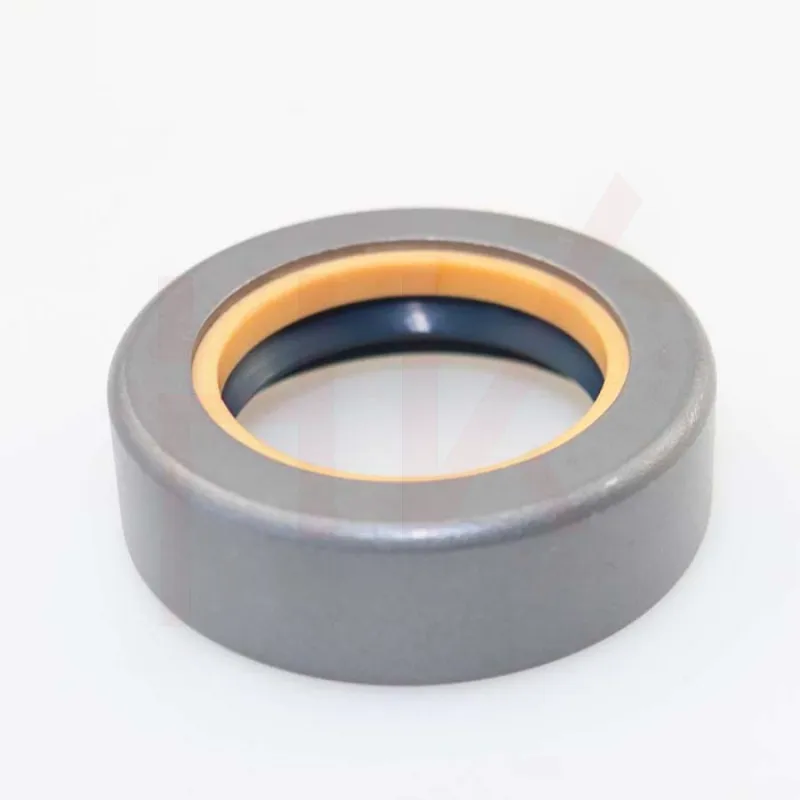
35*52*16 Standard Wheel Hub Oil Seal For Agricultural Machinery
-
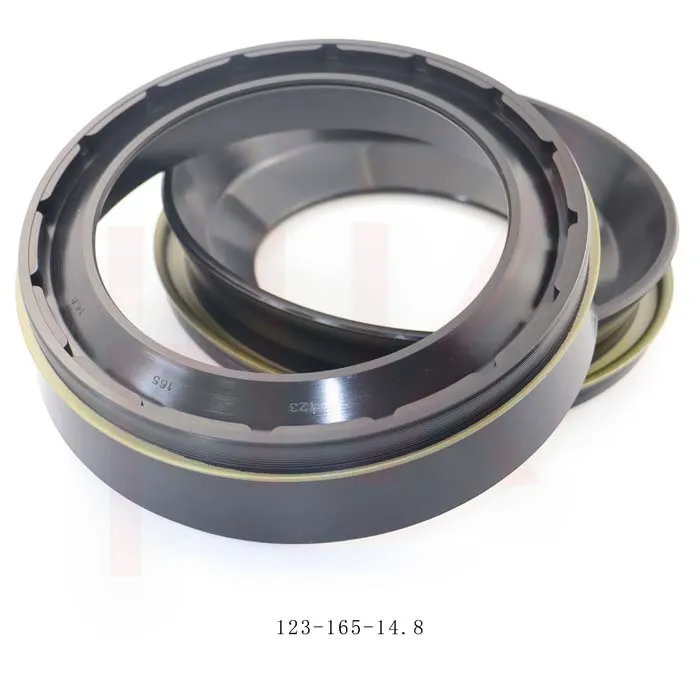
123*165*14.8 concrete mixer truck reducer oil seal
-
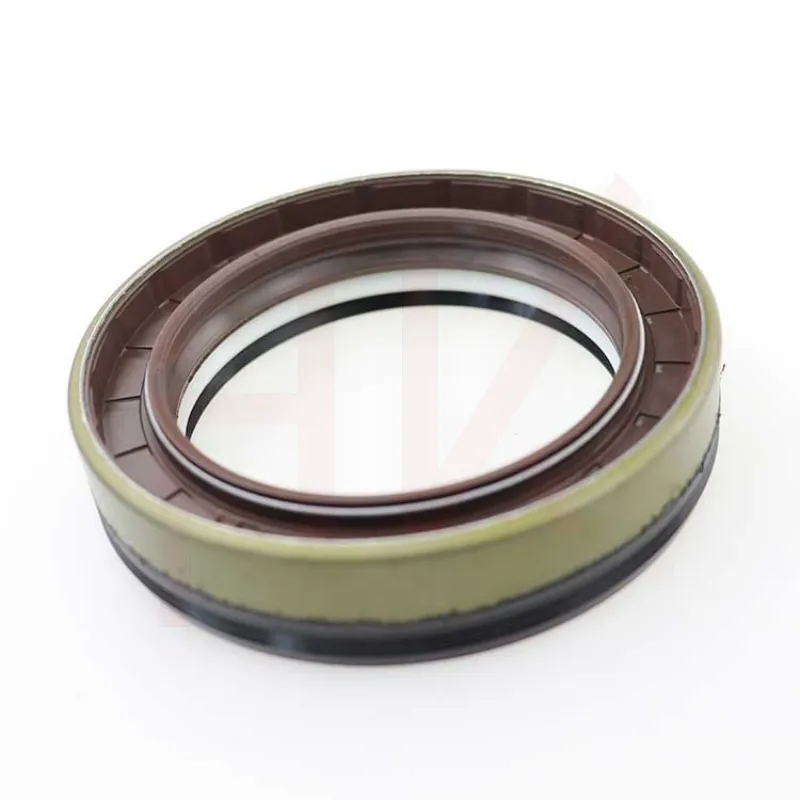
Tractor shaft oil seal 65-90-20 COMBI SF19 hub oil seal
-
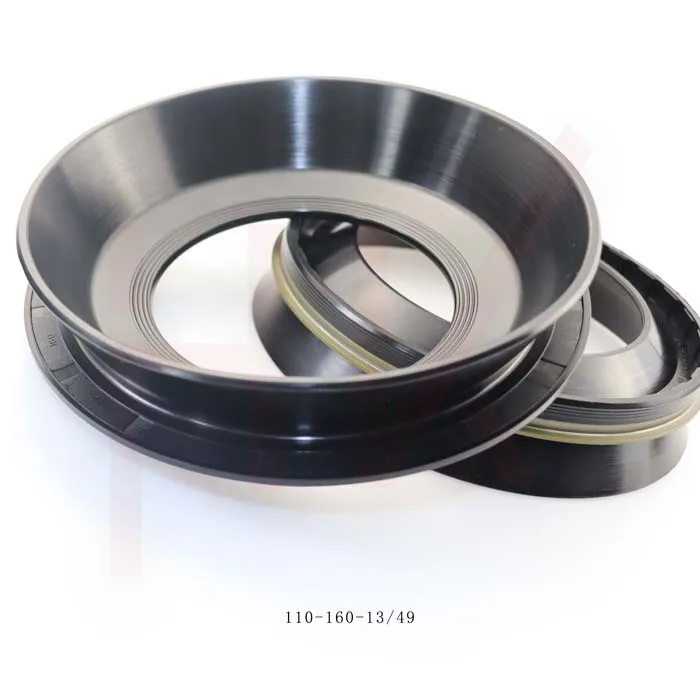
110*160*13/49 NBR reducerConcrete mixer truck oil seal
-
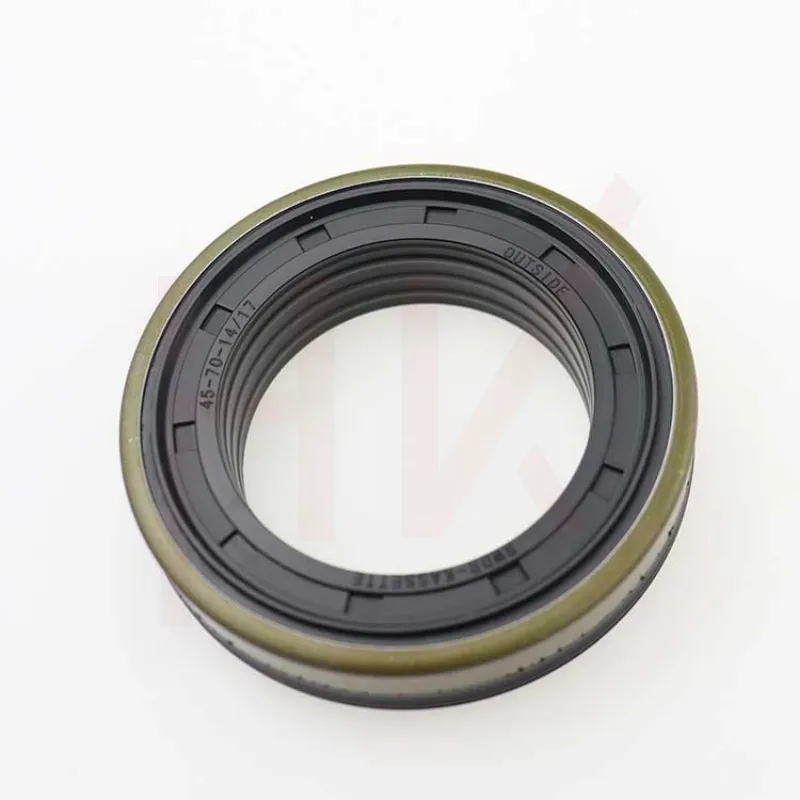
Hub oil seal 40*65*13/14.5 suitable for tractor Cat 12018035b
-
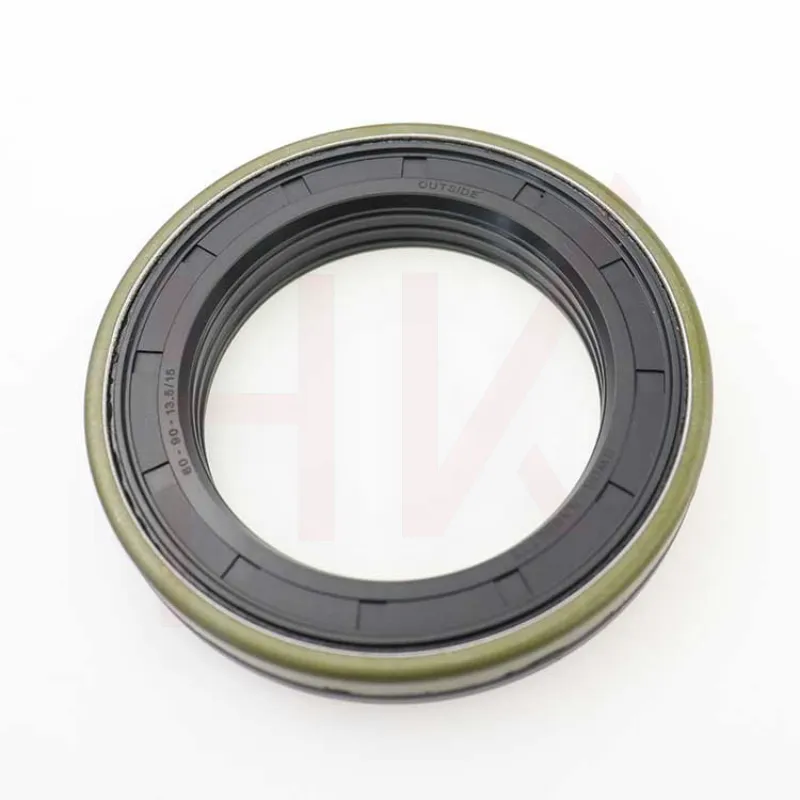
Tractor accessories cassette oil seal hub oil seal 60-90-13.5/15
-
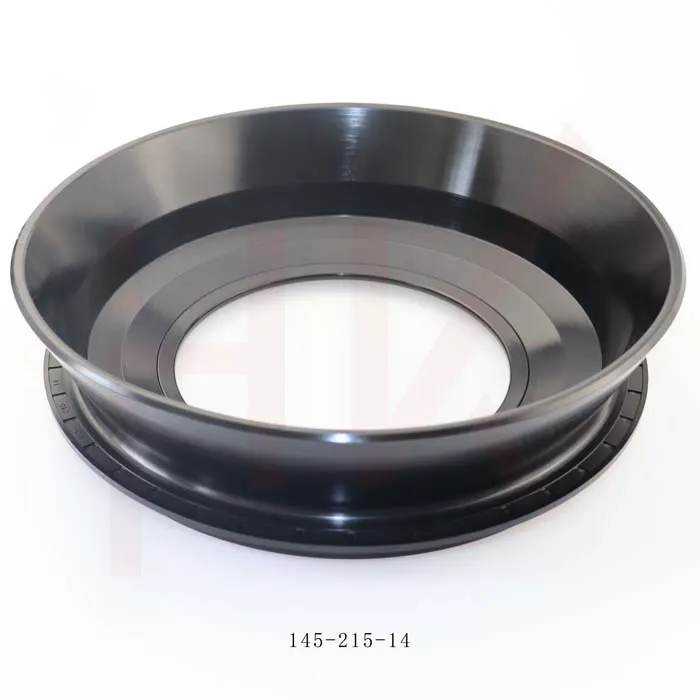
Factory concrete mixer truck oil seal 145*215*14 reducer gearbox oil seal
-
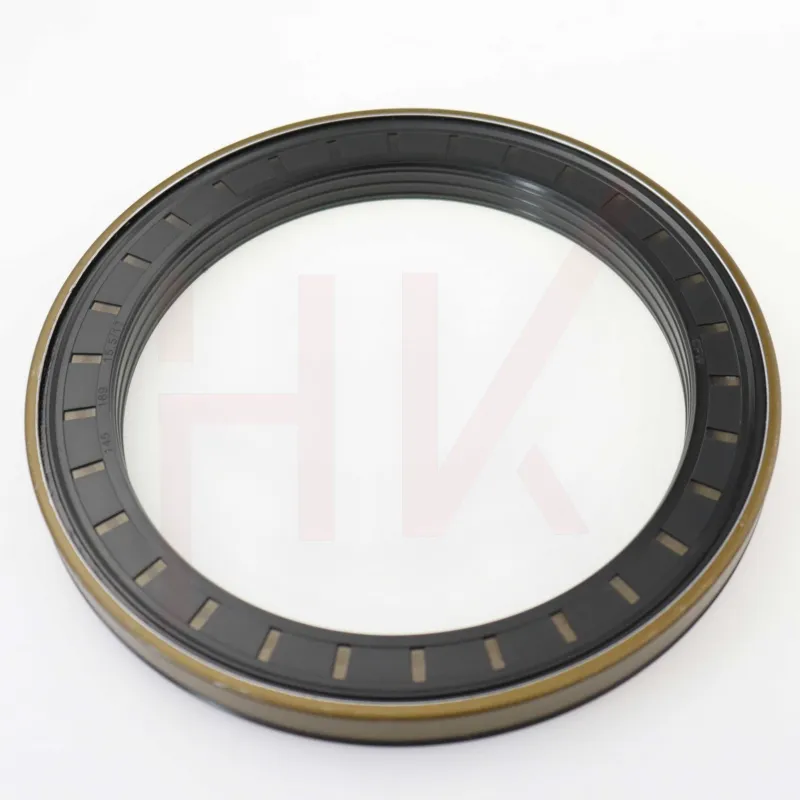
145*189*15.5/17 Cassette Seal NBR Hub Oil Seal 1508044
-
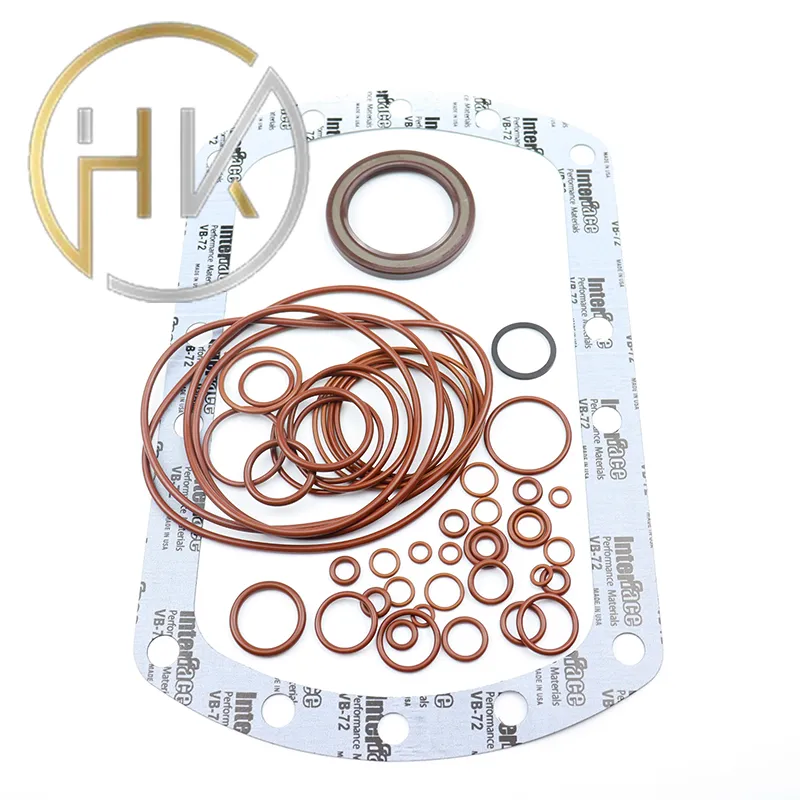
Factory direct sales hydraulic pump motor seal kit A8VO140
-
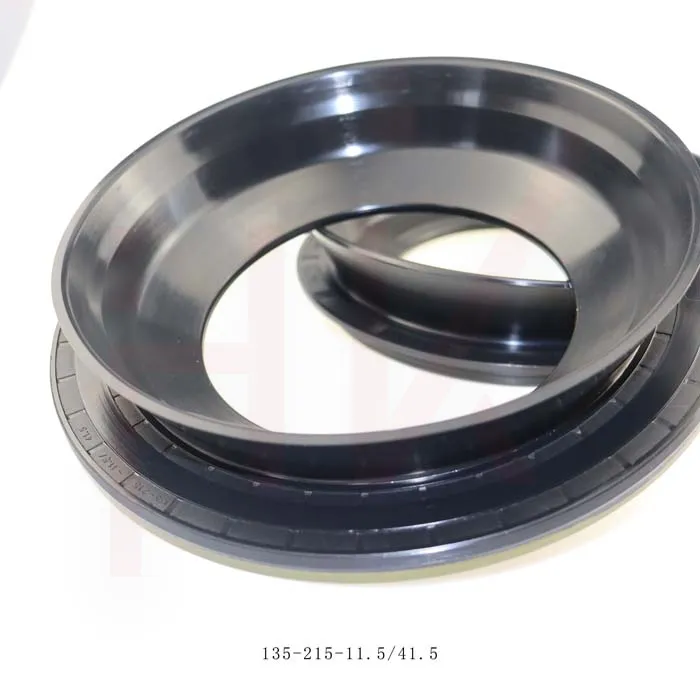
Brand new cement tanker oil seal 135*215*11.5/41.5 concrete mixer oil seal
-
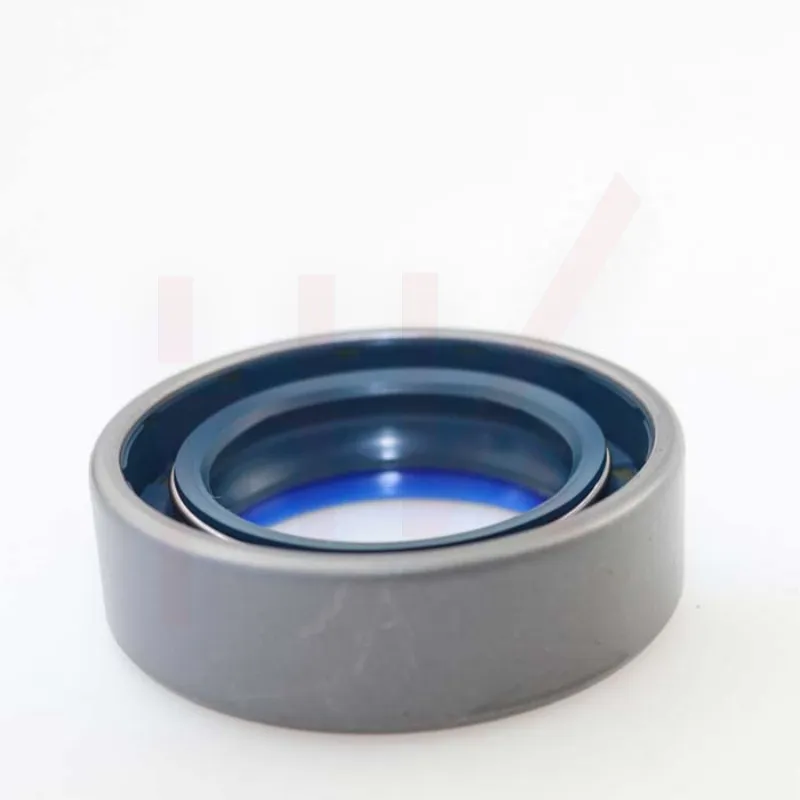
45*65*15 Combi oil seal JCB 90450009 COMBI SF1 SEAL
-
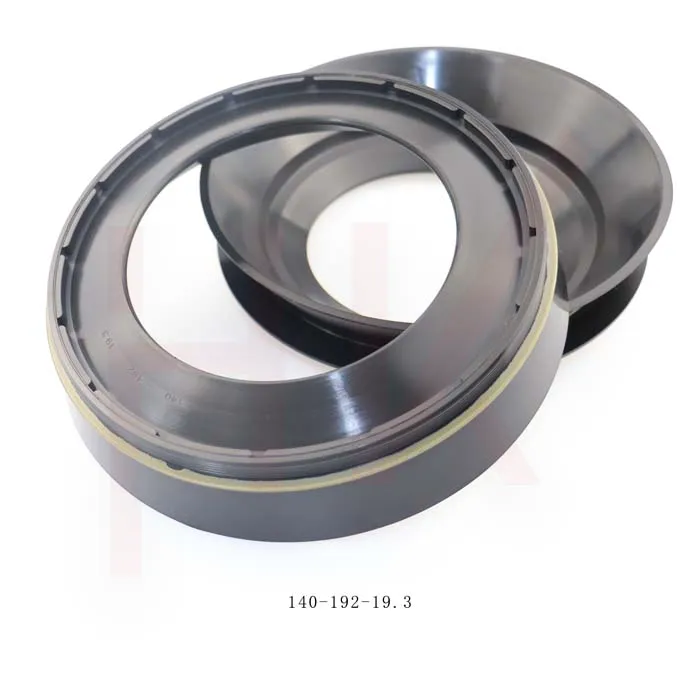
Gear box concrete mixer oil seal 140*192*19.3 nbr reducer oil seal
-
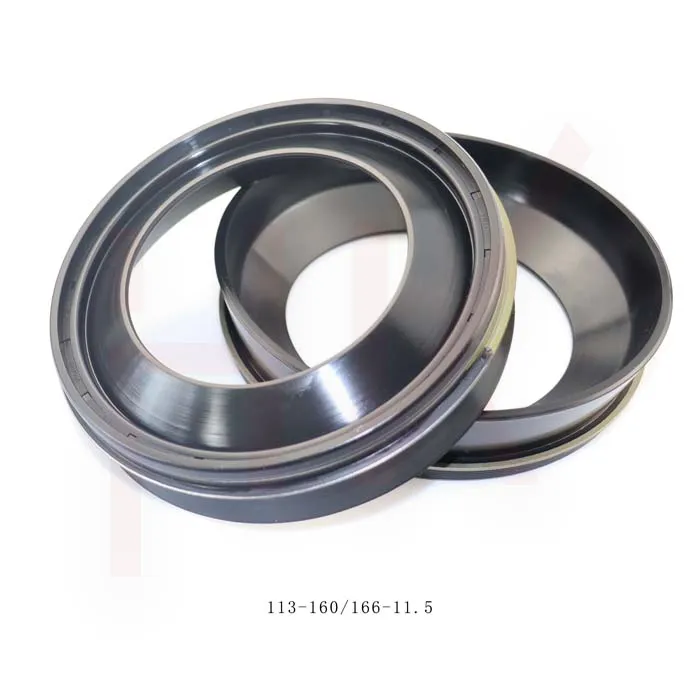
Seals factory direct sales 113*160/166*11.5/38 excavator truck reducer oil seal