
Dec . 02, 2025 06:35 Back to list
Rotary Shaft Seal: Global Insights, Applications & Future Trends
Understanding the Rotary Shaft Seal: Why It’s a Backbone of Modern Industry
So, what exactly is a rotary shaft seal, and why does it matter beyond the nuts and bolts of machinery? At first glance, it might seem like a tiny, almost invisible piece of equipment—a rubber lip hugging a spinning shaft—yet its role is absolutely critical. Globally, rotary shaft seals help prevent costly leaks, contamination, and equipment failures, impacting everything from automotive assembly lines to renewable energy turbines. Understanding these seals means saving downtime, reducing environmental risk, and improving safety across countless industries.
The Global Context of Rotary Shaft Seals
Across the world, industries depend heavily on machines with rotating shafts—think of engines, pumps, gearboxes. According to the International Organization for Standardization (ISO), failures in such critical components account for billions in lost productivity annually. Nearly every manufacturing sector, whether in North America, Europe, or Asia, deals with this problem. Rotary shaft seals are the unsung heroes that keep lubricants in and dirt out, especially in harsh environments.
In emerging economies where industrial automation is accelerating rapidly, proper sealing technology is crucial to sustaining growth and avoiding costly breakdowns. For instance, the World Bank reports a rise in heavy machinery imports for infrastructure projects, underscoring the increasing demand for reliable sealing solutions.
What is a Rotary Shaft Seal?
Simply put, a rotary shaft seal is a mechanical component designed to seal the interface between a rotating shaft and the stationary housing around it. Picture it like the "gatekeeper," ensuring that lubricants stay inside bearings while contaminants such as dust, water, or chemicals are kept out.
In humanitarian terms, rotary shaft seals play a quiet but vital role in machinery used in relief efforts—like water pumps and generators—that function in extreme and often dirty environments. Machines fail less often with effective sealing, and equipment uptime can translate to saved lives.
Key Features of Rotary Shaft Seals
1. Durability
These seals must withstand months or years of continuous rotation, extreme temperatures, and chemical exposure. Materials like nitrile rubber (NBR), fluorocarbon (FKM), or silicone are carefully selected for their resilience.
2. Precision Fit
The seal’s lip needs to maintain close contact with the shaft without causing excessive friction. This delicate balance reduces wear and energy loss.
3. Lubrication Compatibility
Different machinery uses oils or greases, so seals are often tailored to be compatible—otherwise, they degrade prematurely.
4. Scalability
From tiny motors in consumer electronics to massive turbines, rotary shaft seals come in numerous sizes and complexities, scaling with the needs of industry.
5. Cost Efficiency
Since they’re consumables, rotary shaft seals must be cost-effective while still performing reliably, sometimes in difficult-to-access locations.
Mini Takeaway:
Rotary shaft seals blend material science, precision engineering, and practical design to keep machines humming efficiently worldwide. Their durability and adaptability ensure they fit the diverse spectrum of industrial demands.
Product Specifications of a Typical Rotary Shaft Seal
| Specification | Typical Performance |
|---|---|
| Shaft Diameter Range | 5 mm - 500 mm |
| Operating Temperature | -40°C to 200°C (depending on material) |
| Rotational Speed | Up to 15,000 rpm |
| Pressure Resistance | Up to 2 bar |
| Material Options | NBR, FKM, Silicone, PTFE |
Global Applications & Industry Use Cases
Rotary shaft seals are everywhere. In automotive manufacturing hubs like Germany and Japan, they ensure engines and transmissions last thousands of kilometers without leakage. In the energy sector—think wind turbines in Denmark or pipelines in the Middle East—sealing technology is pivotal to maintain safe and efficient operations.
In remote industrial zones, such as mining operations in Australia or South America, rotary shaft seals protect machinery against harsh dust and moisture, extending equipment life and reducing maintenance trips into challenging environments.
Even humanitarian organizations rely on generators and pumps where seal failure is not an option. Reliable sealing ensures that clean water pumps don’t contaminate supplies, or emergency vehicles remain operational through taxing conditions.
Vendor Comparison: Selected Rotary Shaft Seal Suppliers
| Vendor | Material Range | Typical Applications | Lead Time | Price Range |
|---|---|---|---|---|
| SealMaster Co. | NBR, FKM | Automotive, Industrial Pumps | 2-3 weeks | $$ |
| Global Sealings Ltd. | Silicone, PTFE | Food Processing, Pharma | 1-2 weeks | $$$ |
| EcoSeal Innovations | Recycled NBR, Eco-Polymers | Renewable Energy, Agriculture | 3-4 weeks | $ |
Advantages and Long-Term Value of Rotary Shaft Seals
It’s not just about preventing leaks—though that’s a huge part of it. Rotary shaft seals contribute to cost savings by reducing unscheduled downtime and extending machine life. For industries grappling with environmental regulation, seals help prevent oil leaks that could pollute soil and waterways, aligning with sustainability goals.
From a social perspective, reliable machinery means safer workplaces and less stress for operators. Trust in equipment builds when seals—those unglamorous yet vital parts—do their job flawlessly. Innovators in sealing technology continually refine designs to minimize energy loss and environmental footprint.
Future Trends and Innovations
The industry isn’t standing still. Advances in polymer chemistry are producing seals that tolerate higher speeds and greater pressures. Some firms experiment with coatings that reduce friction, boosting energy efficiency. As electric vehicles grow, seals that fit novel motors and coolants present new challenges and opportunities.
Digitally enhanced condition monitoring is becoming a thing too—embedded sensors can inform maintenance teams before seal failure occurs, avoiding downtime. Finally, greener materials dominate the conversation, with suppliers pushing bio-based polymers and recycling programs.
Challenges and Practical Solutions
Despite advances, challenges persist. Poor installation can cause early failure; contamination by abrasive particles might wear seals prematurely. But training programs for technicians, improved seal designs, and cleaner operating environments go a long way. Engineers also recommend proactive, scheduled replacement strategies over “wait for failure” approaches.
FAQ: Frequently Asked Questions About Rotary Shaft Seals
- Q1: What materials are best for rotary shaft seals in high-temperature environments?
A1: Fluorocarbon (FKM) and silicone materials withstand high temperatures up to around 200°C, making them ideal for demanding applications. - Q2: How long does a rotary shaft seal typically last?
A2: Lifespan varies due to conditions but commonly ranges from 3 to 5 years under proper operating and maintenance conditions. - Q3: Can rotary shaft seals be customized for unique shaft sizes?
A3: Yes, many suppliers offer custom sizing to fit non-standard equipment, ensuring optimal sealing performance. - Q4: Are rotary shaft seals recyclable or environmentally friendly?
A4: Some newer seals use recycled materials or bio-based polymers, helping reduce environmental impact, though traditional seals are less recyclable.
Conclusion & Call to Action
At the end of the day, the rotary shaft seal might not be the flashiest component, but it’s a linchpin in mechanical reliability worldwide. Its ability to keep machines running smoothly, protect the environment, and safeguard workers’ safety cannot be overstated. For anyone interested in exploring the best sealing options or custom solutions, I’d suggest visiting our website — a trusted source for quality rotary shaft seals tailored to your industry’s unique needs.
It’s fascinating how something so small makes such a big difference.
References
-
Guide to Choosing the Right High Quality hydraulic ram kit
NewsApr.16,2026
-
Premium Hydraulic Cylinder Packing Kits for Peak Performance
NewsApr.09,2026
-
Comprehensive Guide to Hydraulic Cylinder Oil Seal Kits for Optimal Performance
NewsApr.07,2026
-
Comprehensive Guide to Choosing the Right Cylinder Seal Kits for Peak Performance
NewsApr.04,2026
-
Comprehensive Guide to Seal Kits for Cylinders Ensuring Optimal Performance
NewsMar.31,2026
-
Comprehensive Guide to Hyd Cylinder Seals for Optimal Hydraulic System Performance
NewsMar.28,2026
-
Comprehensive Guide to Hyd Cylinder Seal Kit Selection and Installation
NewsMar.26,2026
Products categories
-
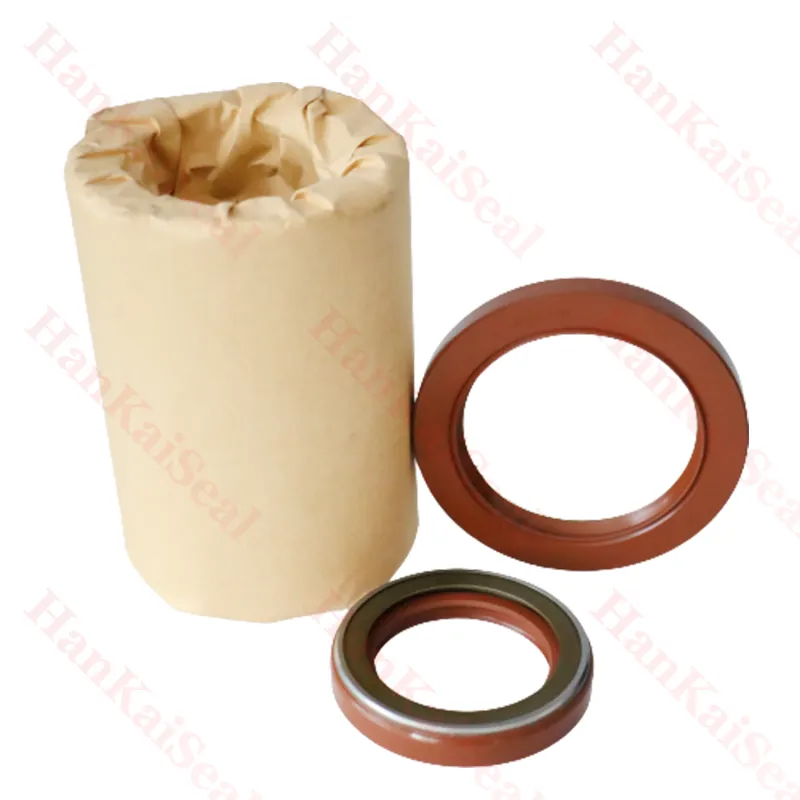
Standard oil seal BP0494 High pressure TCN oil seal
-
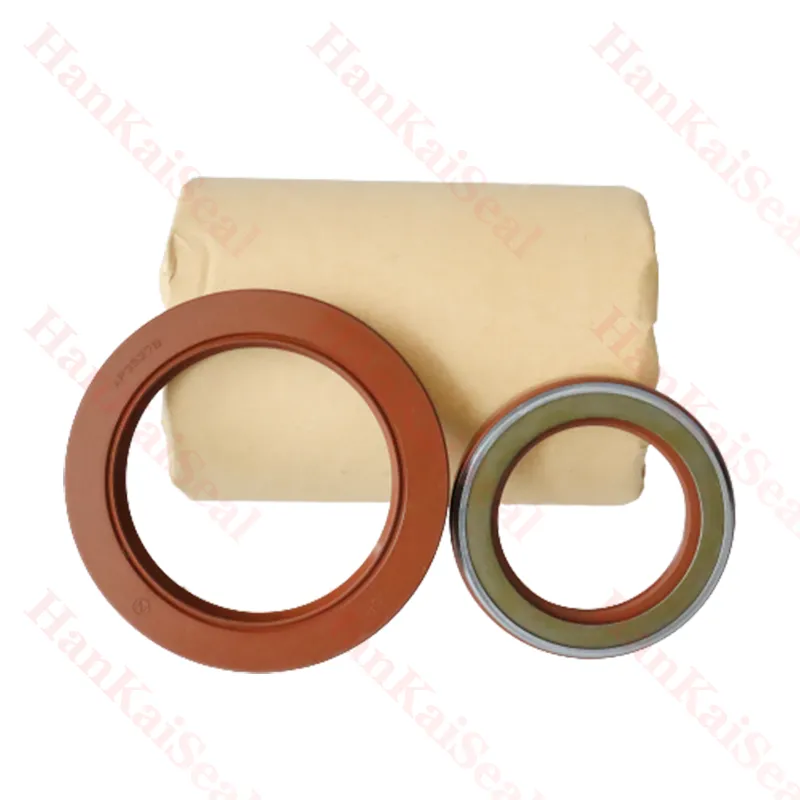
Hydraulic pump seal AP4624G high pressure TCN oil seal
-
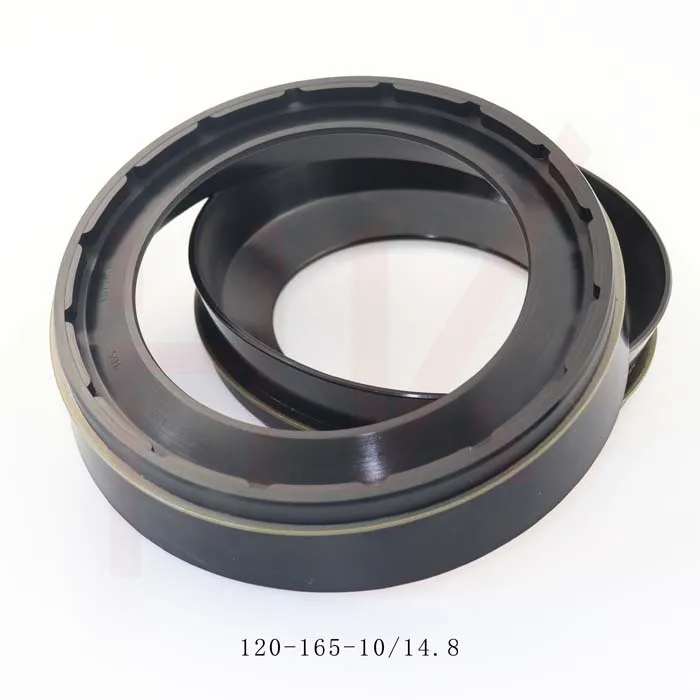
0734307418 0750112169 120*165*10/14.8 concrete mixer reducer oil seal
-
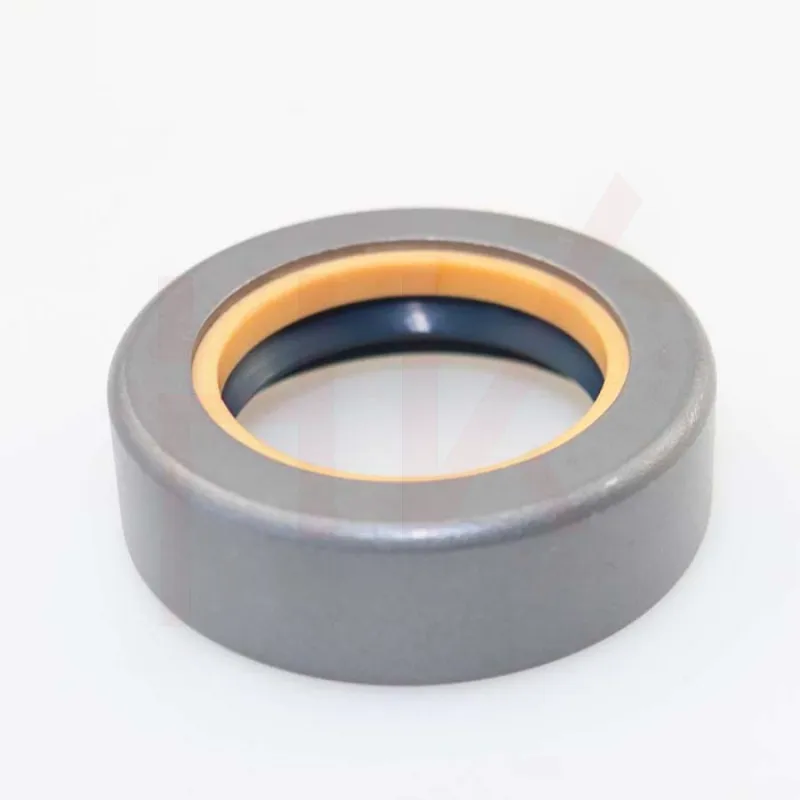
35*52*16 Standard Wheel Hub Oil Seal For Agricultural Machinery
-
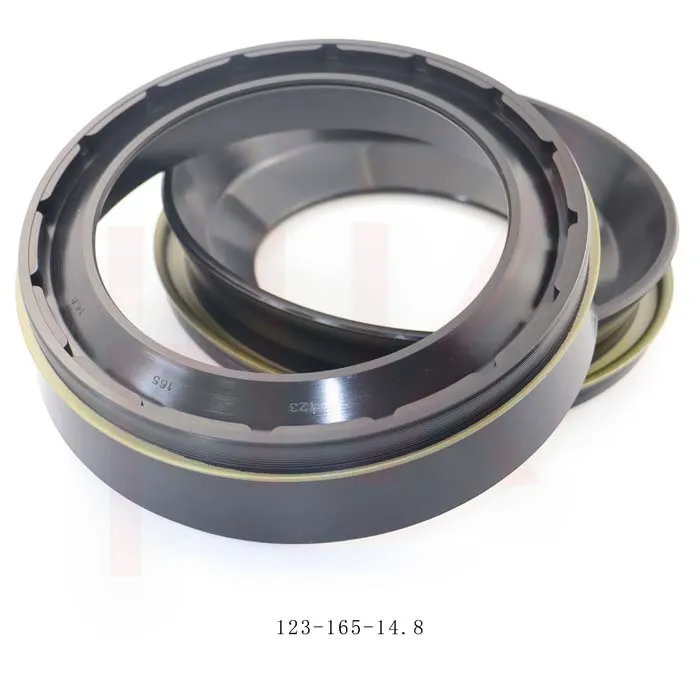
123*165*14.8 concrete mixer truck reducer oil seal
-
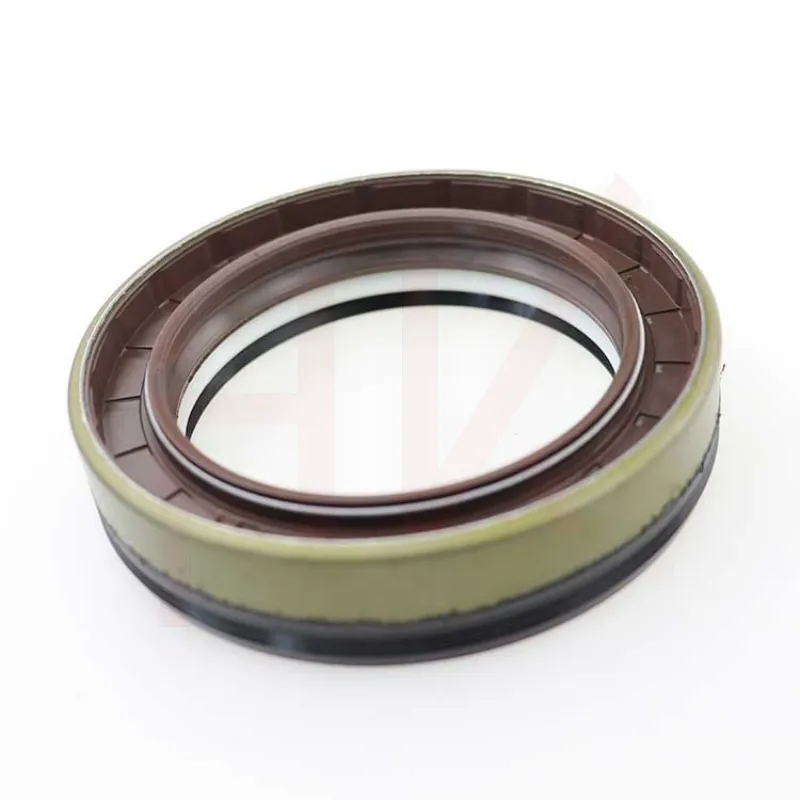
Tractor shaft oil seal 65-90-20 COMBI SF19 hub oil seal
-
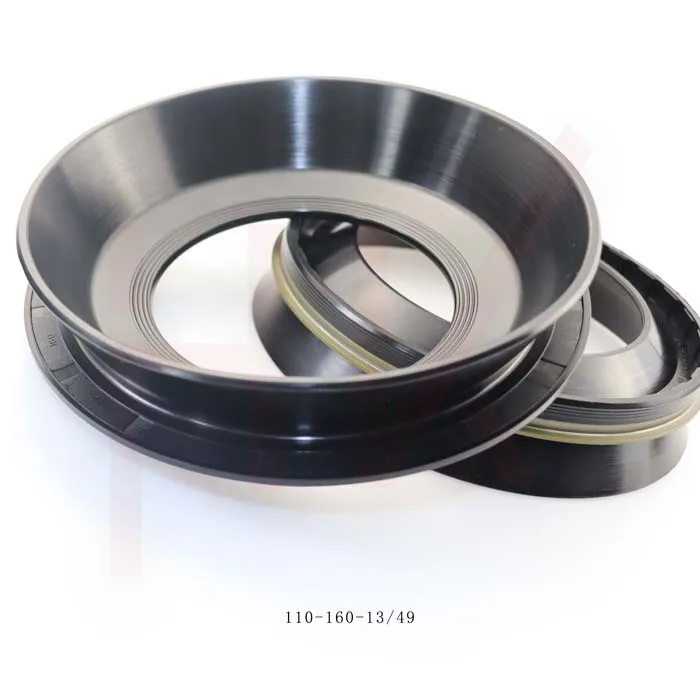
110*160*13/49 NBR reducerConcrete mixer truck oil seal
-
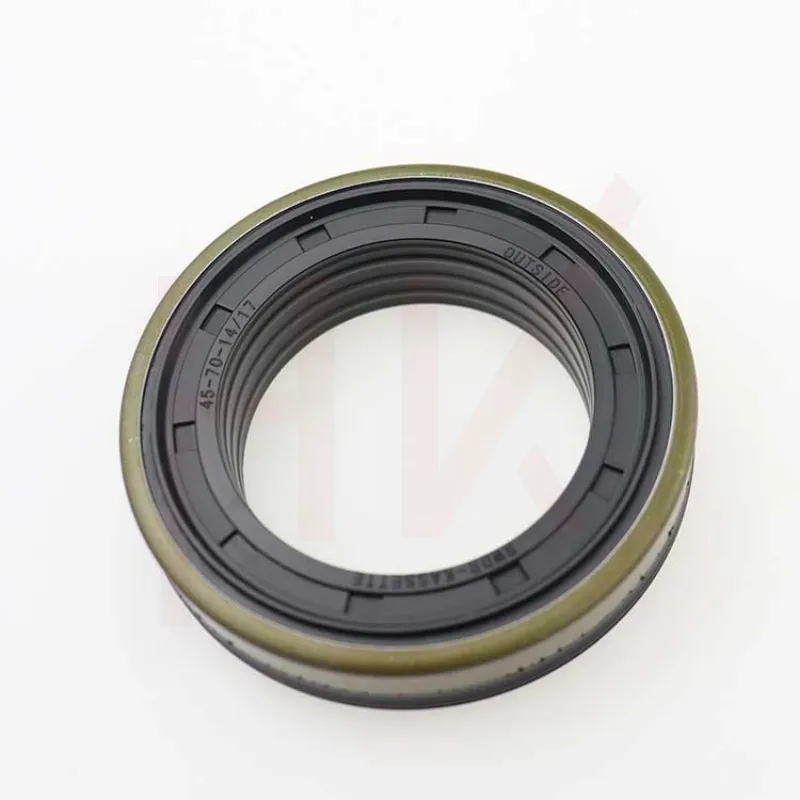
Hub oil seal 40*65*13/14.5 suitable for tractor Cat 12018035b
-
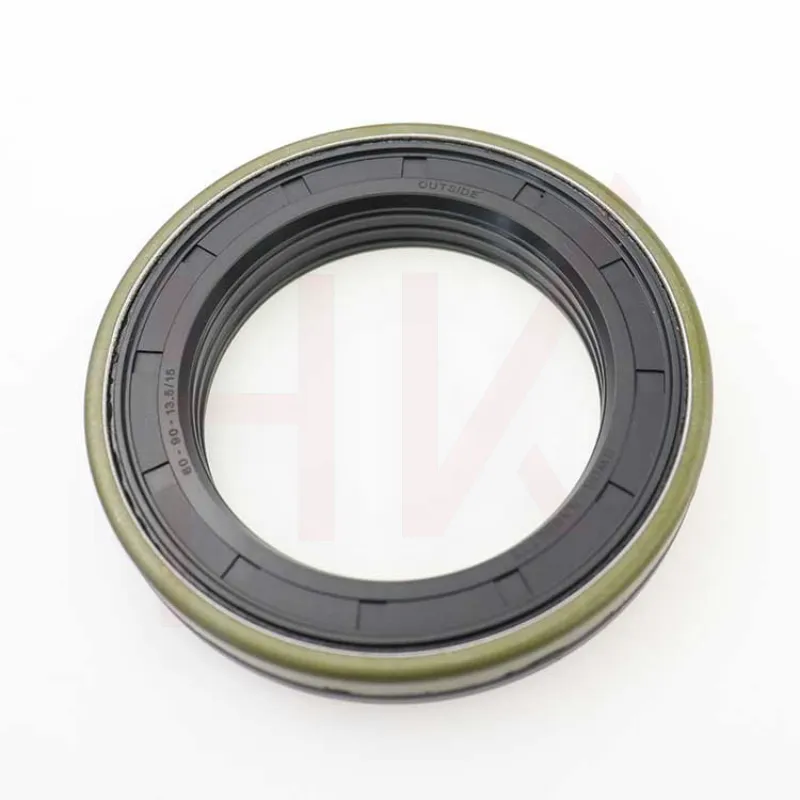
Tractor accessories cassette oil seal hub oil seal 60-90-13.5/15
-
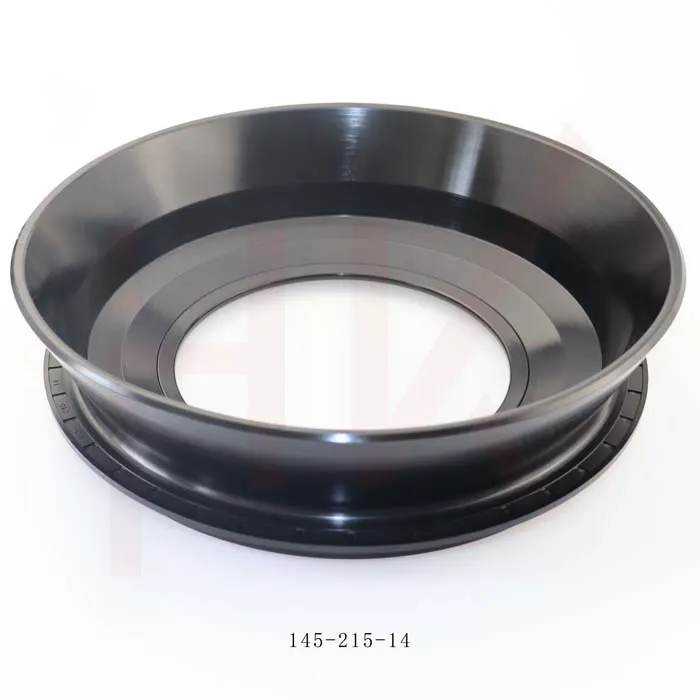
Factory concrete mixer truck oil seal 145*215*14 reducer gearbox oil seal
-

145*189*15.5/17 Cassette Seal NBR Hub Oil Seal 1508044
-
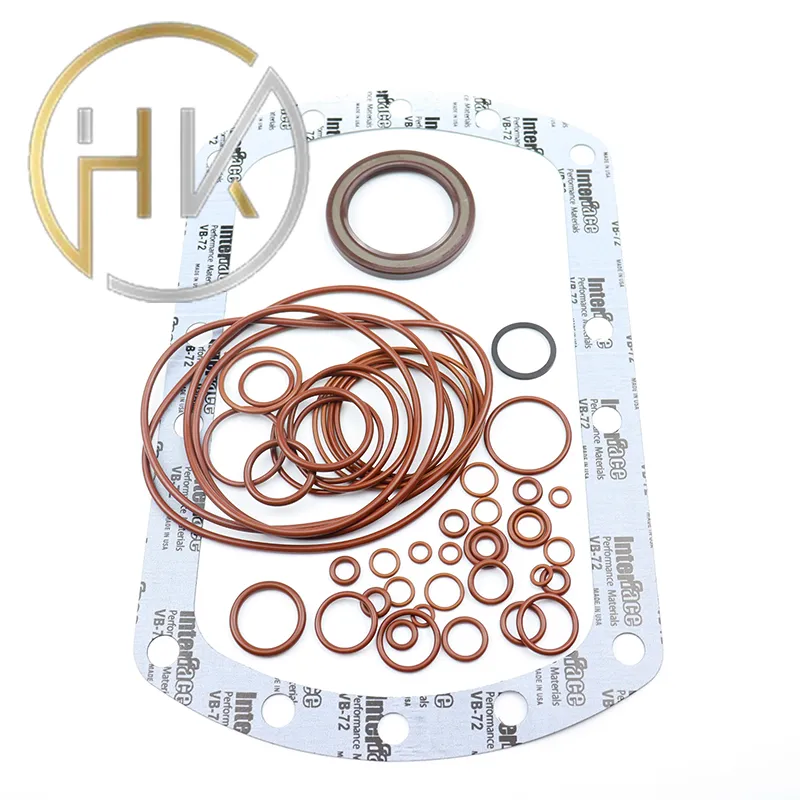
Factory direct sales hydraulic pump motor seal kit A8VO140
-
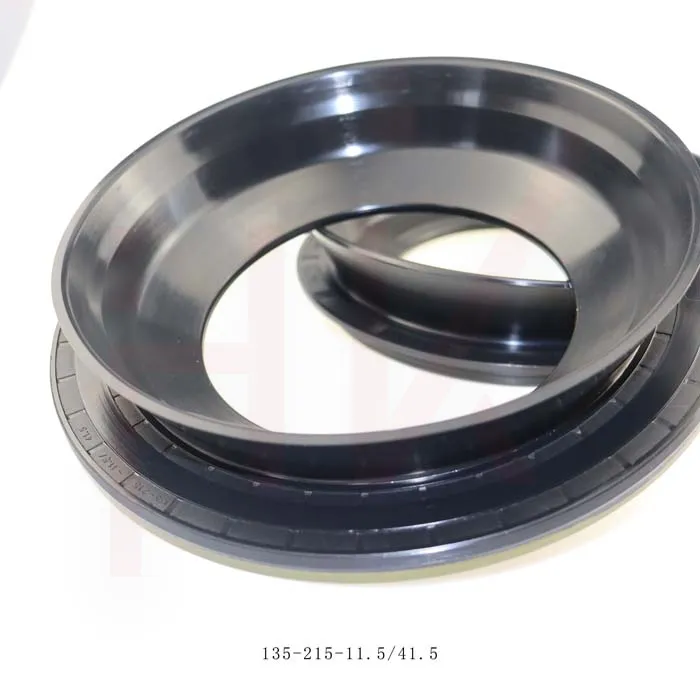
Brand new cement tanker oil seal 135*215*11.5/41.5 concrete mixer oil seal
-
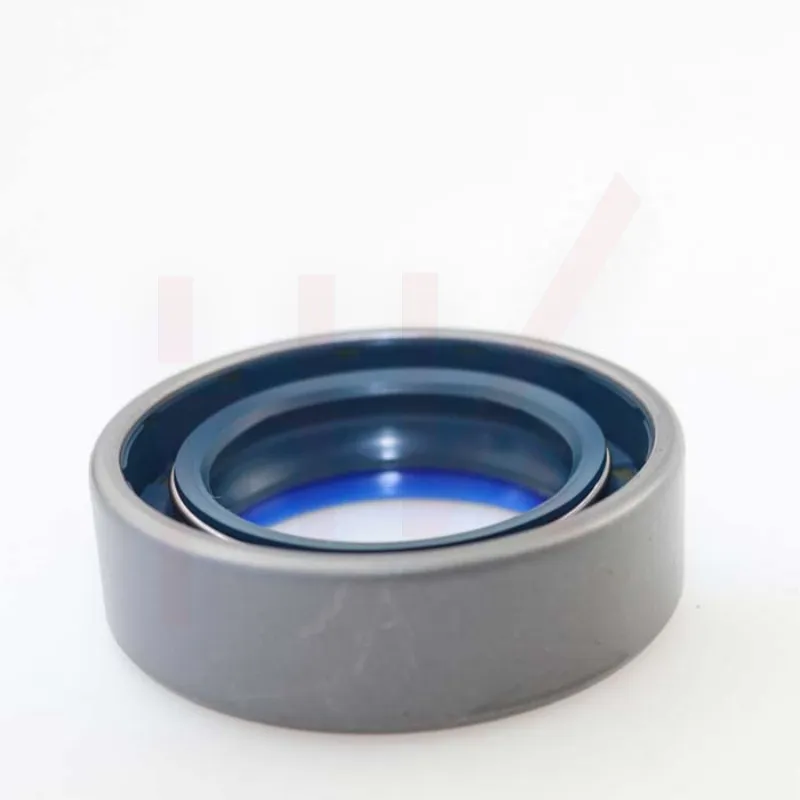
45*65*15 Combi oil seal JCB 90450009 COMBI SF1 SEAL
-
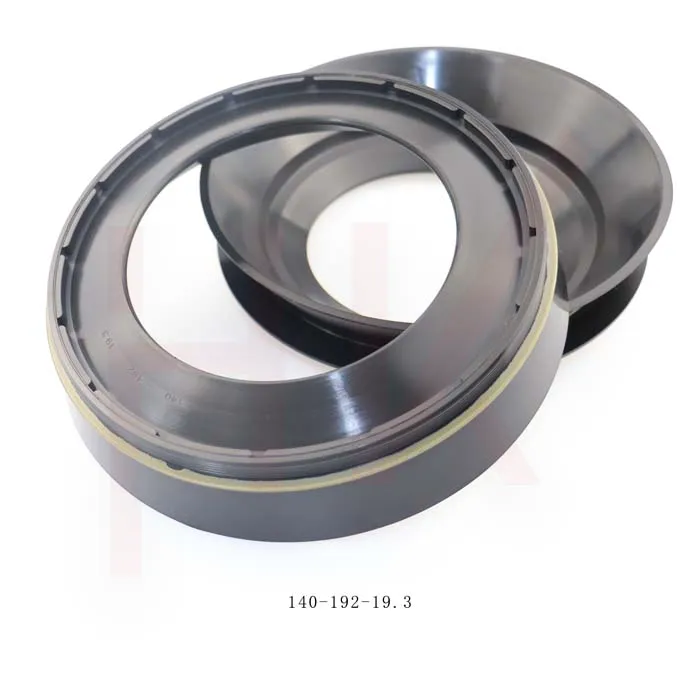
Gear box concrete mixer oil seal 140*192*19.3 nbr reducer oil seal
-
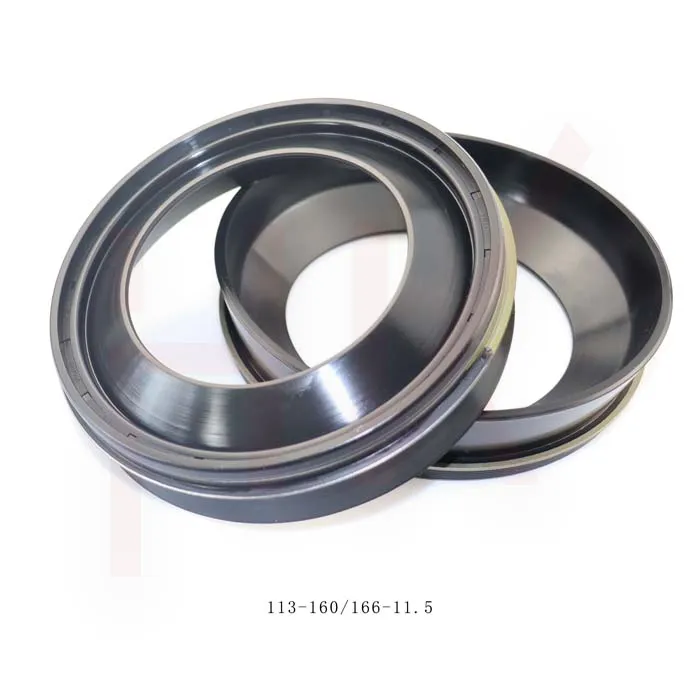
Seals factory direct sales 113*160/166*11.5/38 excavator truck reducer oil seal