
Dec . 02, 2025 05:55 Back to list
Comprehensive Guide to the Price of Oil Seal: Factors, Trends, and Applications
Understanding the Price of Oil Seal: Why It Matters Globally
Oil seals—those slightly unassuming but critical components—play a massive role in pretty much every machine that keeps our world turning. From automotive engines to industrial pumps, the price of oil seal isn’t just about dollars and cents; it’s a window into the complexity of supply chains, material science, and even global industry trends. Knowing the factors influencing their cost can help engineers, procurement teams, and even curious minds make smarter decisions, potentially saving money and upgrading performance simultaneously.
Setting the Global Stage: Why Price of Oil Seal Matters
Globally, industries that rely on tight machinery and fluid containment—think automotive, manufacturing, energy, and aerospace—count on durable oil seals. The market demand is robust: a report from the International Organization for Standardization (ISO) estimates the global mechanical seal market (which includes oil seals) surpassing $10 billion in recent years. Why bring this up? Because fluctuations in the price of oil seal impact everything from production costs to maintenance budgets across continents.
But here’s the catch: manufacturers face challenges like volatile raw material costs (think rubber and metals), changing regulations, and supply chain disruptions post-pandemic. It prompts a very real question: how can industries balance cost with quality to ensure these seals don’t fail at critical moments?
What Is the Price of Oil Seal?
Put simply, the price of oil seal refers to the monetary cost required to purchase an oil seal component. But it’s not just about the sticker price. This includes the design complexity, material quality, dimensional tolerances, and production volume — all contributing casually to that final figure. Oil seals prevent oil leakage and contamination, protecting mechanical components, and improving machinery’s service life. Their importance links directly to sectors relying on durable equipment and efficient fluid containment.
Core Components Affecting Price of Oil Seal
1. Material Quality
Materials vary widely, from nitrile rubber to fluoroelastomers, silicon, or even metal reinforcements. High-grade, temperature- and chemical-resistant materials naturally push the price up but deliver longer life and reliability.
2. Design & Dimension Specifications
Seals come in various sizes and designs—single or double lip, with springs or without—based on application. More complex designs require specialized tooling, affecting costs.
3. Production Volume & Customization
Buying in bulk lowers unit costs noticeably, but bespoke seals tailored for niche machinery add to price. Interestingly, many manufacturers offer standard catalog options balancing quality and pricing.
4. Testing & Compliance
Certified seals meeting ISO or ASTM standards ensure reliability but add to production overhead. Compliance with such standards often justifies a higher price due to sustained quality.
5. Logistics & Supplier Location
Shipping costs, tariffs, and supplier proximity affect delivered price. Locally sourced seals might cost more but reduce lead times and risks associated with delays.
Mini Takeaway
The price of oil seal packs in much more than raw numbers; it reflects a blend of materials, precision, scale, and trustworthiness in product performance.
Understanding the Price: Product Specification Table
| Specification | Typical Range |
|---|---|
| Material | Nitrile, Viton, Silicone |
| Temperature Range | -40°C to +250°C |
| Inner Diameter | 5mm – 250mm |
| Pressure Resistance | Up to 10 bar |
| Estimated Price Range | $0.50 - $15 per unit |
Global Applications & Use Cases
Oil seals are quietly indispensable around the world—oddly enough, they often go unnoticed until failure occurs. In automotive hubs like Germany and Japan, seals keep engines smooth and efficient. In heavy industry zones of China and India, cost-effective yet durable seals sustain manufacturing uptime.
For humanitarian and post-disaster relief situations, reliable oil seals matter too—backup generators and water pumps rely on these seals to function effectively. In remote industrial zones such as oil fields or mining sites in Africa, a failure can mean costly downtime and safety hazards. So, the price of oil seal indirectly influences operational resilience globally.
Comparison Among Leading Oil Seal Vendors
| Vendor | Price Range (per unit) | Material Quality | Lead Time | Certifications |
|---|---|---|---|---|
| SealTech Co. | $1.00 – $12.00 | Premium Viton | 2-3 weeks | ISO 9001 |
| Global Seals Ltd. | $0.75 – $10.00 | Nitrile Rubber | 1-2 weeks | ISO 14001 |
| HKA ISeal | $0.50 – $15.00 | Multiple Options | Custom Lead Times | ISO 9001, RoHS |
Advantages and Long-Term Value of Understanding Price
Knowing the price of oil seal isn’t just good for budgeting—it’s about securing operational trust and innovation. A quality seal reduces unplanned downtime, avoids environmental contamination, and even protects worker safety. From an emotional viewpoint, engineers often stress how a dependable seal invites “peace of mind” during long shifts.
Long-term, investing in slightly pricier but reliable seals pays off by cutting maintenance frequency and extending machine life. Plus, choosing suppliers with certifications brings sustainability and compliance into the picture—key factors as industries push greener practices forward.
Future Trends in Oil Seal Pricing and Innovation
Looking ahead, the price of oil seal will be influenced heavily by innovations like bio-based elastomers, smart monitoring seals embedded with sensors, and advances in additive manufacturing (3D printing) for custom parts. These trends hold promise for increased performance while potentially driving down production costs in volume over time.
Moreover, sustainability policies from governments and global organizations (like the UN) encourage manufacturers to develop eco-friendly seal materials and minimize waste—which could initially raise prices but benefit industries and the planet long term.
Challenges and Expert Solutions
One common challenge is balancing price and quality—cutting corners to lower costs often backfires with premature seal failure. Also, fluctuating raw material prices create unpredictability for procurement teams.
Experts suggest developing good relationships with reliable suppliers offering transparent pricing and flexible contracts, and investing in predictive maintenance technology to detect seal wear before failure. Sometimes, switching to modular seal systems can reduce stock complexity and cost.
FAQ: Frequently Asked Questions About Price of Oil Seal
- Q: What factors mostly affect the price of oil seal?
A: Material type, design complexity, production volume, and compliance certifications primarily impact pricing. - Q: Can bulk purchases reduce the price of oil seal?
A: Absolutely. Higher volumes typically mean lower per-unit costs due to economies of scale. - Q: How important is the certification when buying oil seals?
A: Certifications like ISO ensure quality and regulatory compliance, often justifying higher prices. - Q: Are there eco-friendly oil seal options?
A: Yes, some manufacturers offer seals made from bio-based or recyclable materials, although prices might be slightly higher.
Conclusion & Call to Action
In real terms, understanding the price of oil seal goes far beyond just cost—it shapes reliability, sustainability, and operational success worldwide. For those needing tailored solutions or better pricing insights, do visit https://www.hkaiseal.com to explore a wide range of quality seals designed with both performance and cost in mind.
Remember: Sometimes it truly pays off to look a little closer at something as “small” as an oil seal. Your machines, budget, and future self will thank you.
References
-
Guide to Choosing the Right High Quality hydraulic ram kit
NewsApr.16,2026
-
Premium Hydraulic Cylinder Packing Kits for Peak Performance
NewsApr.09,2026
-
Comprehensive Guide to Hydraulic Cylinder Oil Seal Kits for Optimal Performance
NewsApr.07,2026
-
Comprehensive Guide to Choosing the Right Cylinder Seal Kits for Peak Performance
NewsApr.04,2026
-
Comprehensive Guide to Seal Kits for Cylinders Ensuring Optimal Performance
NewsMar.31,2026
-
Comprehensive Guide to Hyd Cylinder Seals for Optimal Hydraulic System Performance
NewsMar.28,2026
-
Comprehensive Guide to Hyd Cylinder Seal Kit Selection and Installation
NewsMar.26,2026
Products categories
-
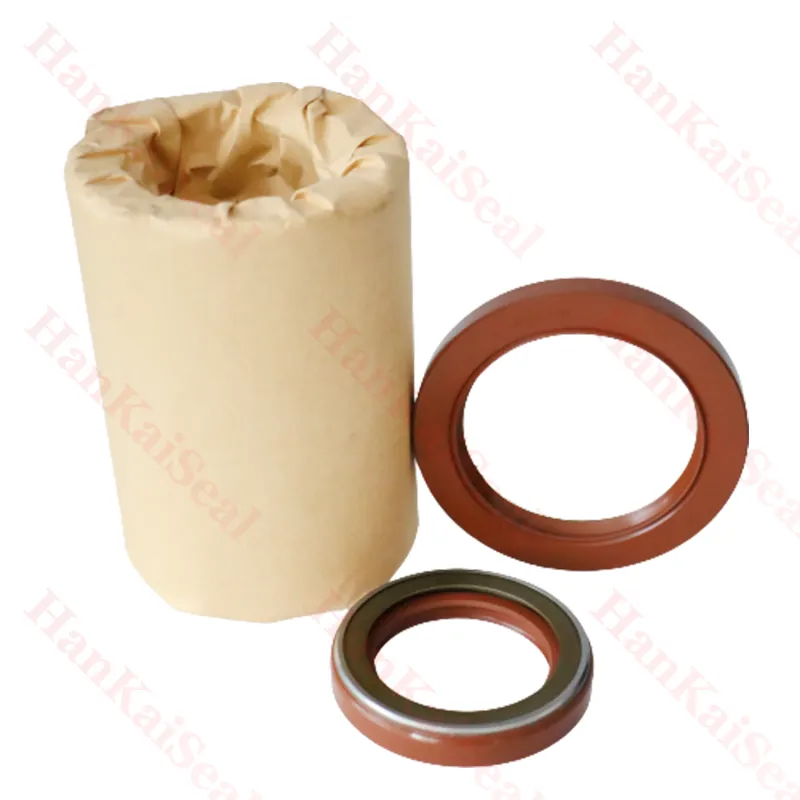
Standard oil seal BP0494 High pressure TCN oil seal
-
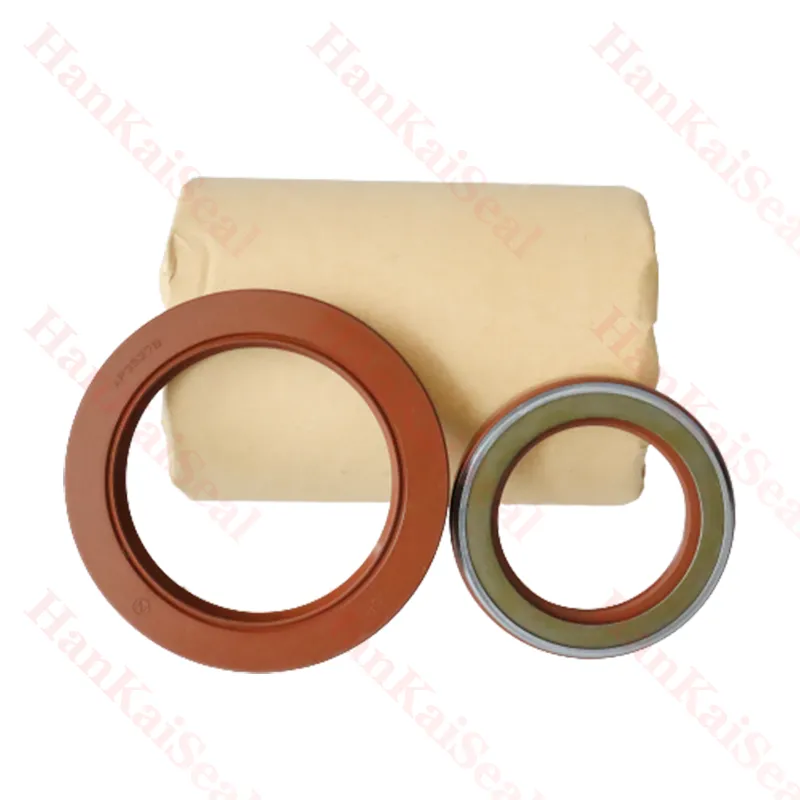
Hydraulic pump seal AP4624G high pressure TCN oil seal
-
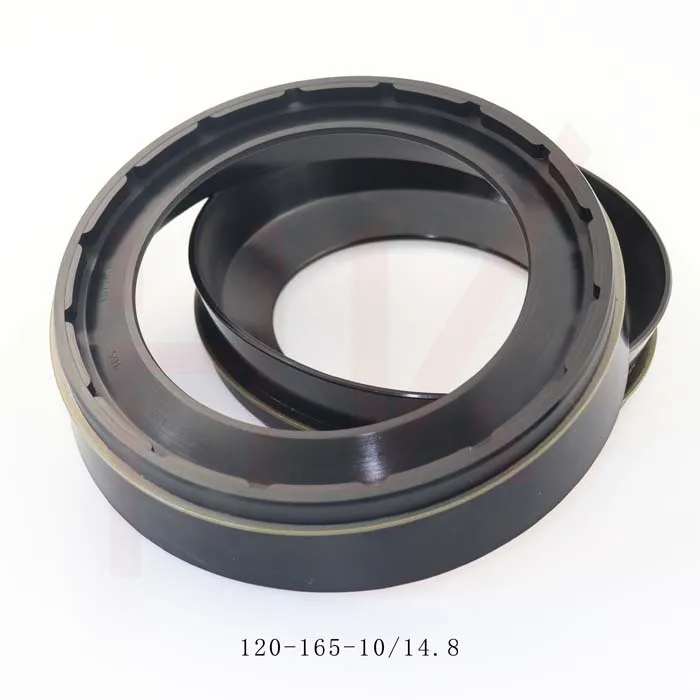
0734307418 0750112169 120*165*10/14.8 concrete mixer reducer oil seal
-
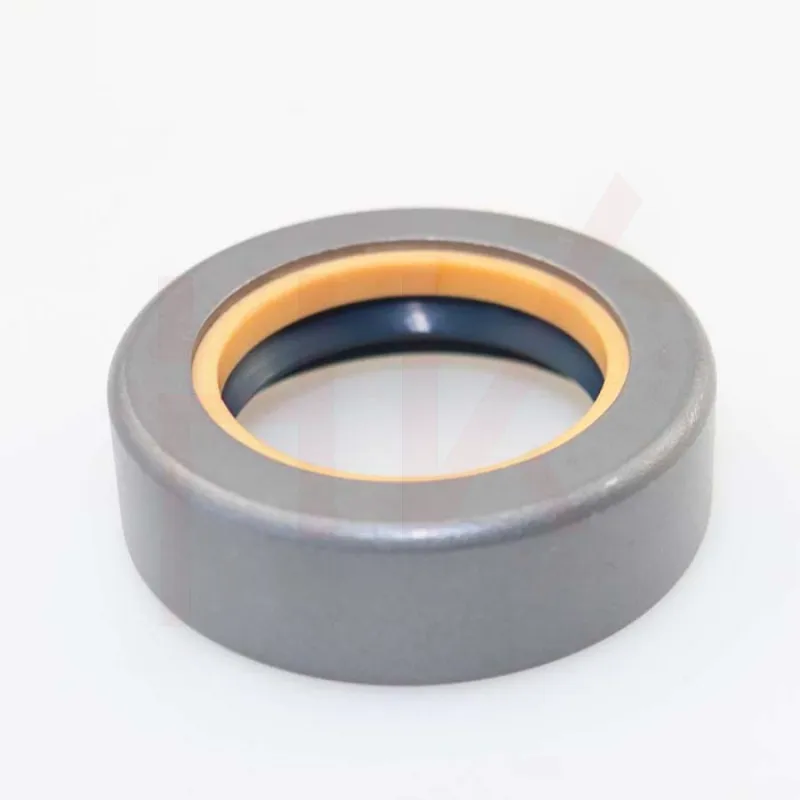
35*52*16 Standard Wheel Hub Oil Seal For Agricultural Machinery
-
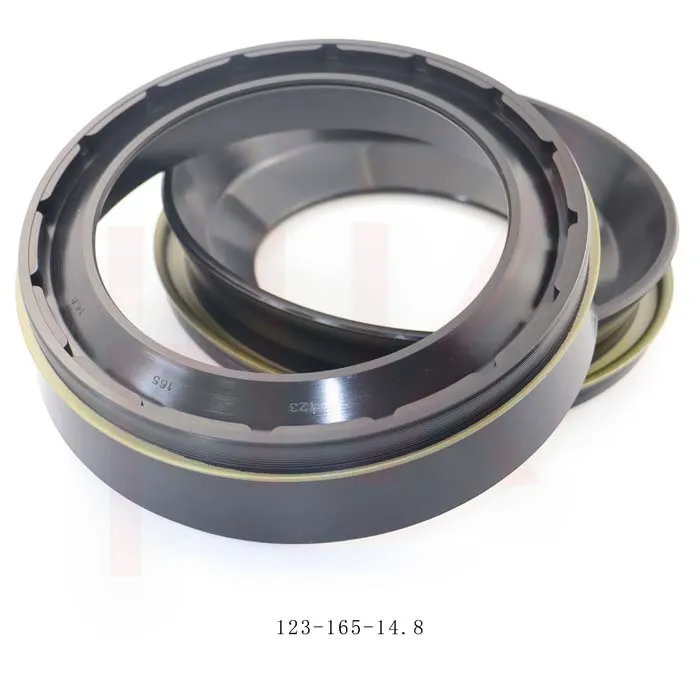
123*165*14.8 concrete mixer truck reducer oil seal
-
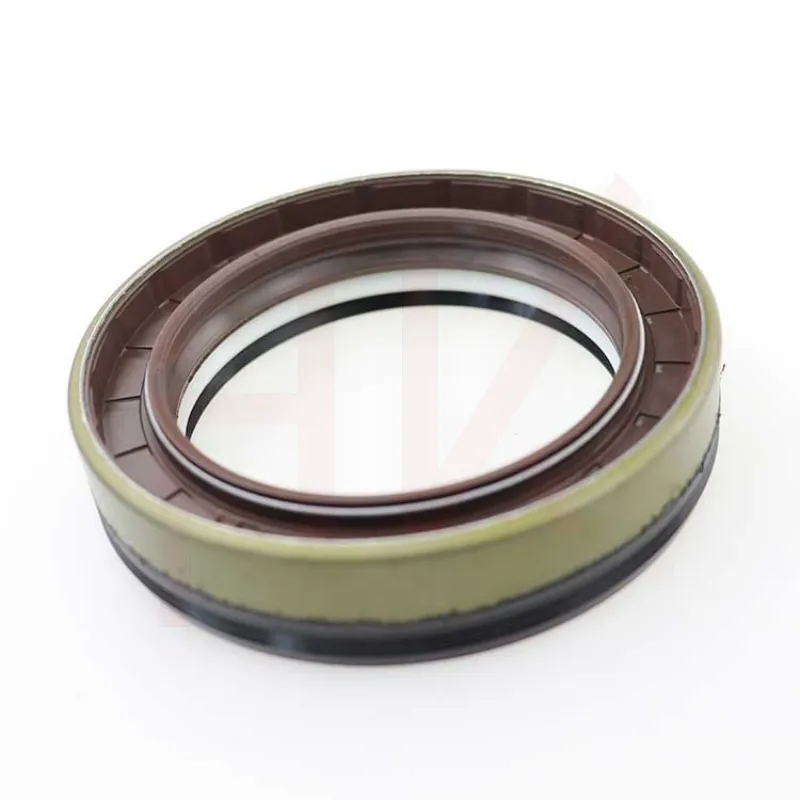
Tractor shaft oil seal 65-90-20 COMBI SF19 hub oil seal
-
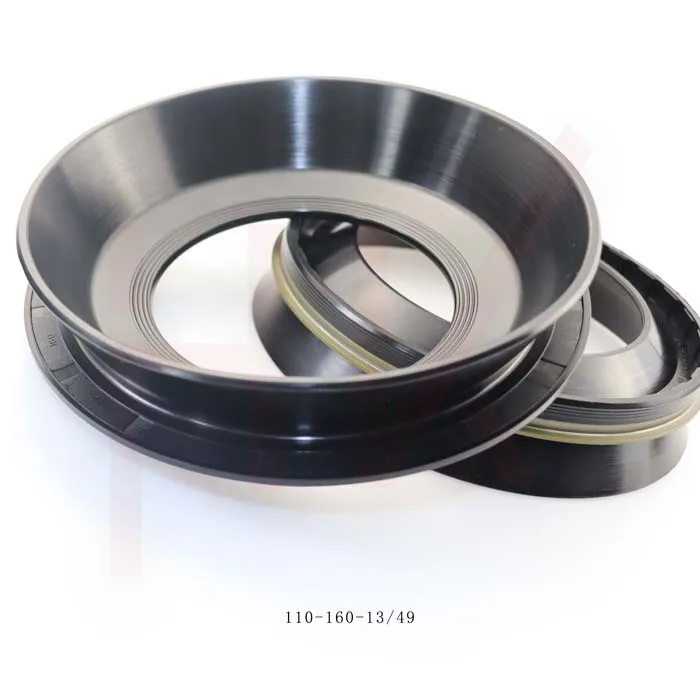
110*160*13/49 NBR reducerConcrete mixer truck oil seal
-
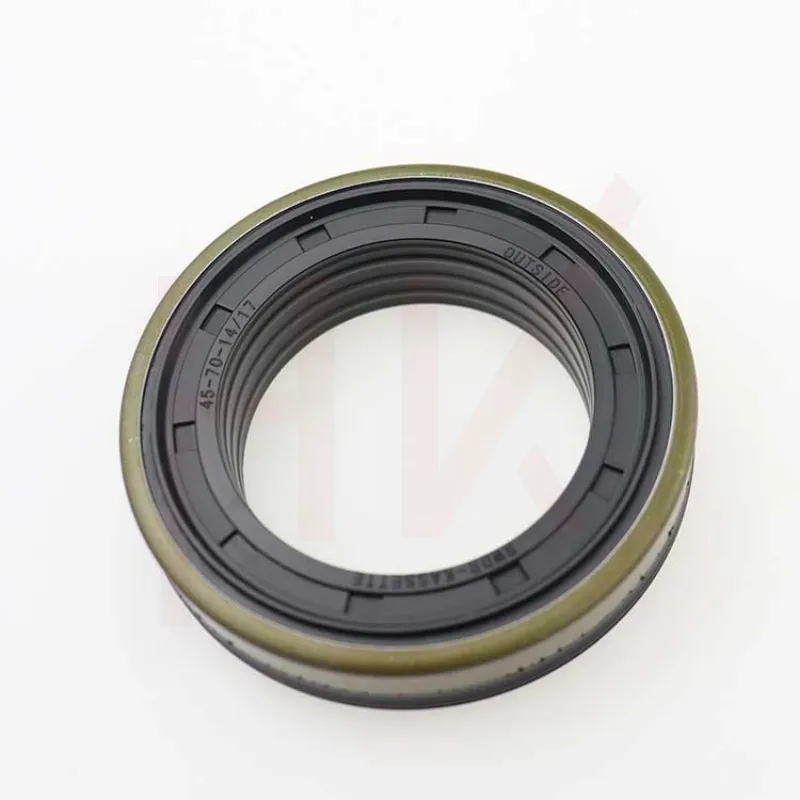
Hub oil seal 40*65*13/14.5 suitable for tractor Cat 12018035b
-
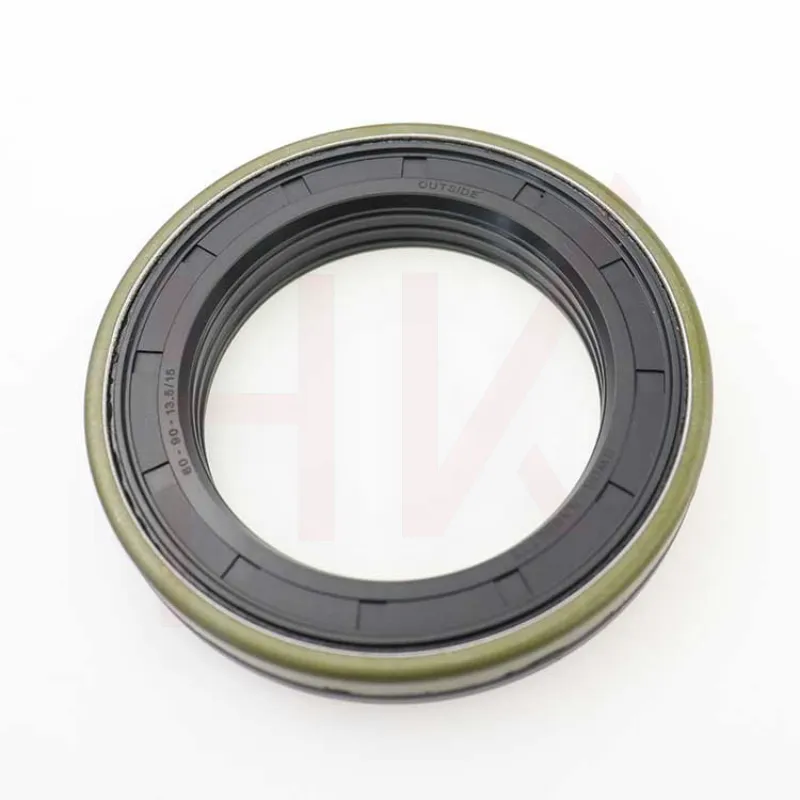
Tractor accessories cassette oil seal hub oil seal 60-90-13.5/15
-
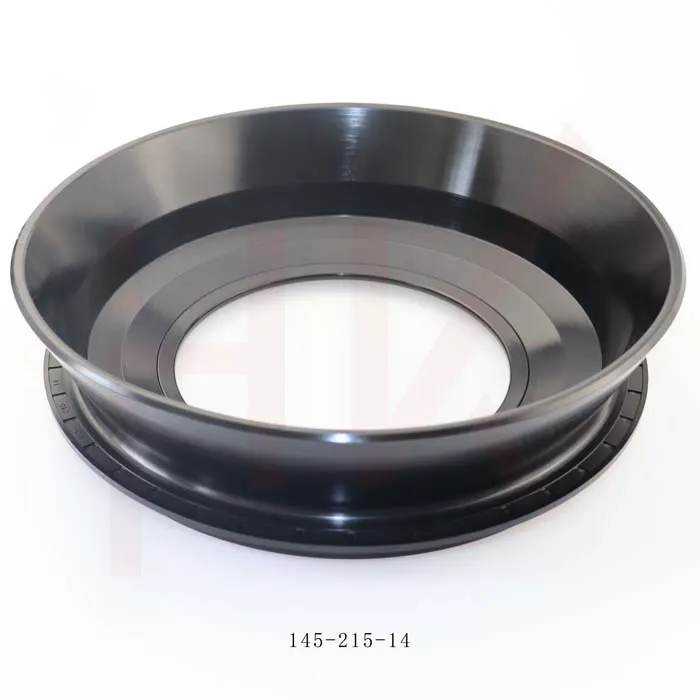
Factory concrete mixer truck oil seal 145*215*14 reducer gearbox oil seal
-
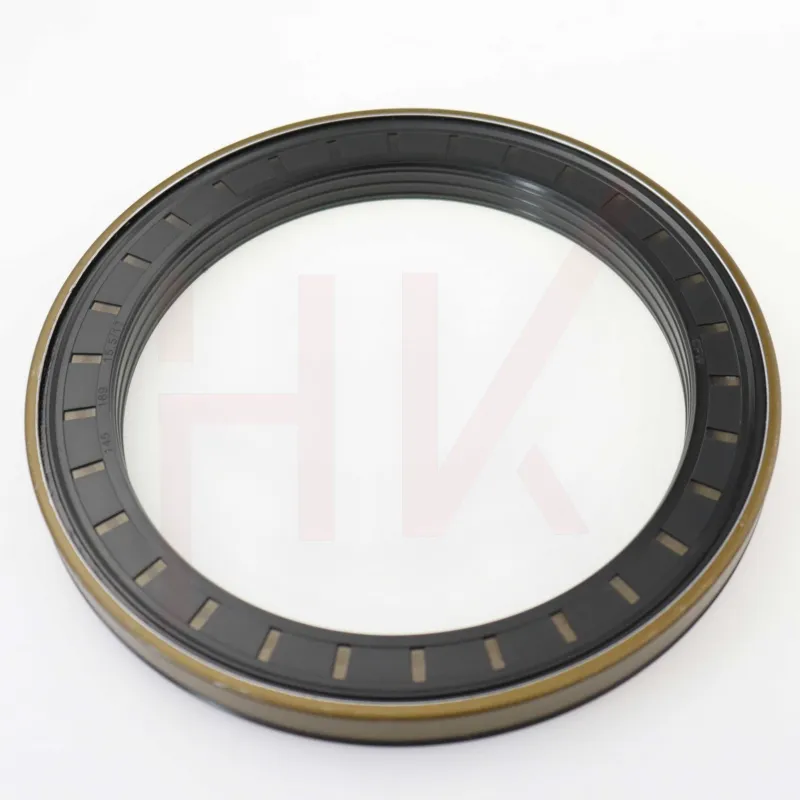
145*189*15.5/17 Cassette Seal NBR Hub Oil Seal 1508044
-
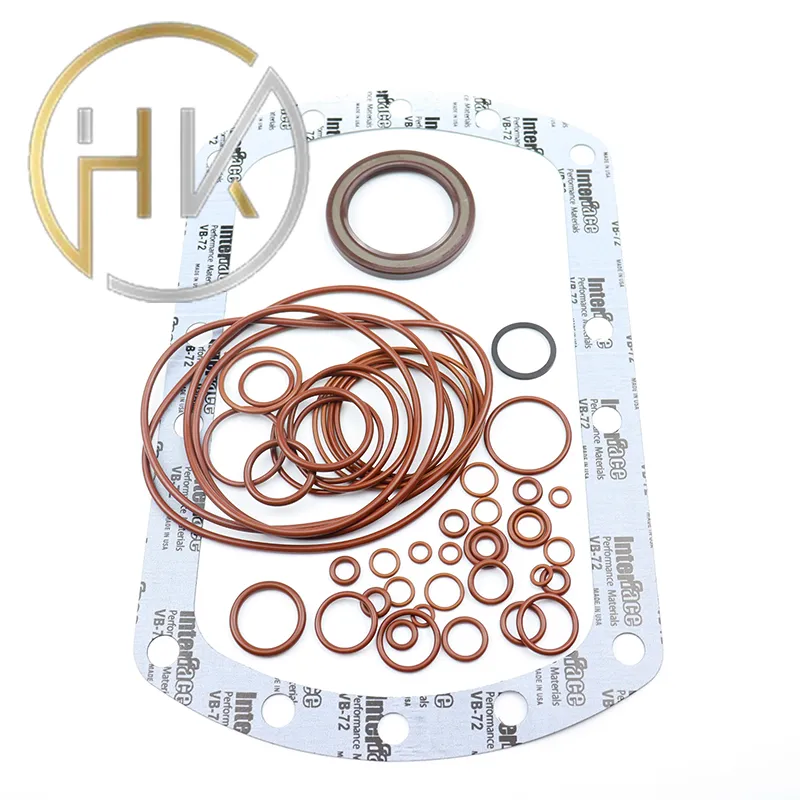
Factory direct sales hydraulic pump motor seal kit A8VO140
-
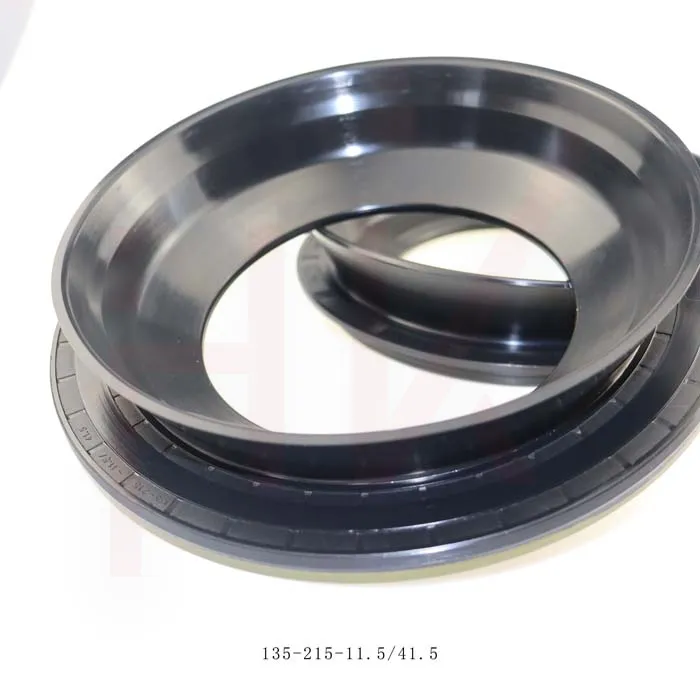
Brand new cement tanker oil seal 135*215*11.5/41.5 concrete mixer oil seal
-
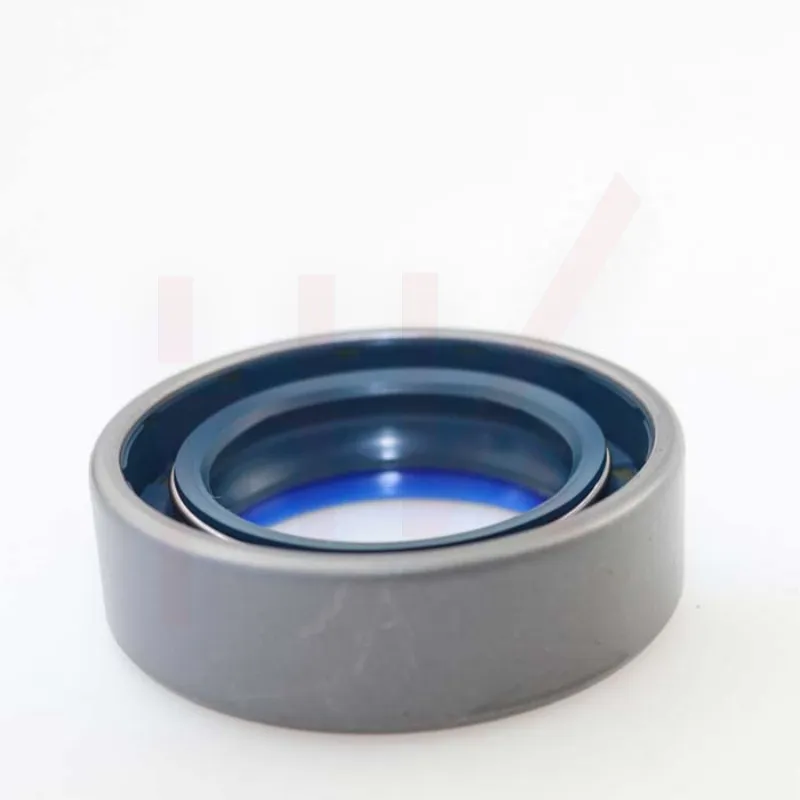
45*65*15 Combi oil seal JCB 90450009 COMBI SF1 SEAL
-
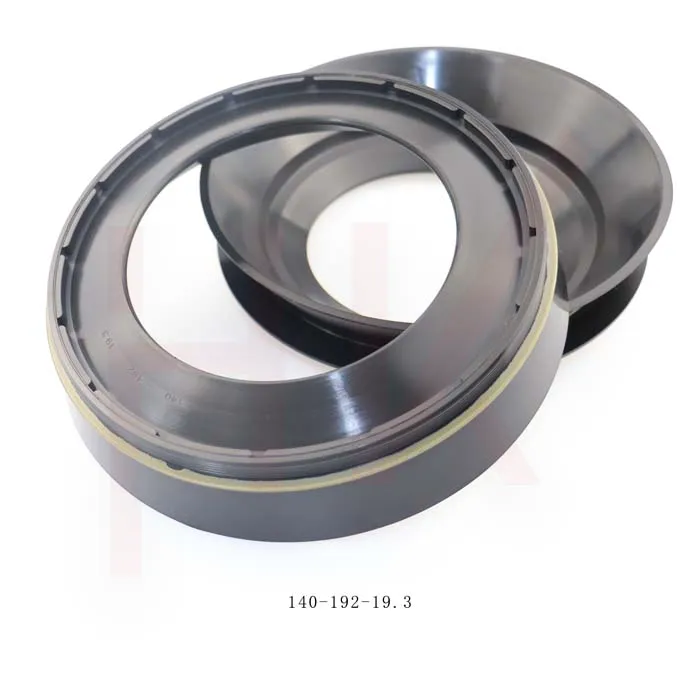
Gear box concrete mixer oil seal 140*192*19.3 nbr reducer oil seal
-
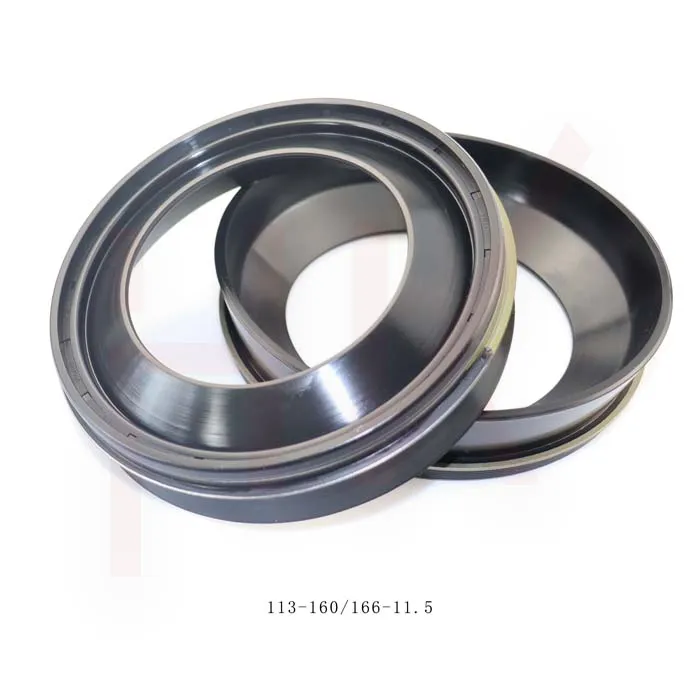
Seals factory direct sales 113*160/166*11.5/38 excavator truck reducer oil seal