
Mar . 09, 2026 02:05 Back to list
DKB Seal Solutions for Secure Global Trade and Cargo Integrity
Understanding the DKB Seal: A Comprehensive Guide
In the realm of sealing solutions, particularly within cross-border trade and industrial applications, the DKB seal stands out as a reliable and versatile option. This article will delve into the features, applications, and benefits of DKB seals, providing a comprehensive overview for businesses and professionals involved in importing, exporting, or utilizing high-quality sealing technologies. We'll explore why the DKB seal is a preferred choice for maintaining the integrity of shipments and ensuring product safety.

What is a DKB Seal?
DKB seals, short for Double Knock-Back seals, are a type of mechanical seal designed to provide a robust and secure closure for various containers, including shipping containers, truck trailers, and rail cars. They are primarily used to detect tampering during transit and provide visual evidence of container integrity. The core function of a DKB seal is to establish a secure barrier that, when broken, indicates unauthorized access. HKAISEAL specializes in providing high-quality DKB seals for global trade.
Key Highlights: DKB seals are a cost-effective solution for cargo security, widely accepted by customs authorities, and easy to install.
Key Features of the DKB Seal
DKB seals boast several key features that make them ideal for securing cargo during transportation. These include a two-part construction, requiring a unique locking mechanism for application. Once applied, the seal creates a distinctive ‘knock-back’ effect when tampered with, immediately alerting parties to potential breaches. They’re commonly made from durable materials like polypropylene, ensuring resistance to breakage and environmental factors. Explore HKAISEAL’s range of DKB seals for diverse application needs.
DKB Seal Benefits:
• Tamper-evident design for increased security
• Cost-effective cargo protection
• Easy to apply and remove
• Widely accepted by customs agencies
DKB Seal Applications Across Industries
The application of DKB seals spans a wide array of industries. In international shipping, they provide critical security for containers traveling across continents. The logistics sector utilizes them to secure truck trailers and rail cars, safeguarding valuable goods. Manufacturing companies employ them to secure shipments of finished products, while food and beverage businesses rely on them to maintain the integrity of perishable items. Ultimately, any industry dealing with the secure transport of goods can benefit from the use of DKB seals.
DKB Seal vs. Bolt Seals: A Comparative Overview
While both DKB seals and bolt seals are used for cargo security, they differ in their mechanisms and levels of security. Bolt seals offer a higher level of security due to their unique, serialized design, making them more difficult to counterfeit. However, DKB seals are often more cost-effective and easier to install. The choice between the two depends on the value of the goods, the risk of tampering, and budget considerations. HKAISEAL offers both options, allowing clients to select the best solution for their needs.
Choosing the Right DKB Seal: Key Considerations
Selecting the appropriate DKB seal requires careful consideration of several factors. The material of the seal is important, as it should be durable enough to withstand the rigors of transportation. The unique identification number is crucial for traceability and accountability. Additionally, the tensile strength of the seal should be sufficient to prevent easy breakage. When sourcing DKB seals, partner with a reputable supplier like HKAISEAL, ensuring quality and reliability.
Conclusion: Securing Your Supply Chain with DKB Seals
The DKB seal represents a vital component in maintaining cargo security and integrity across global supply chains. By understanding its features, applications, and benefits, businesses can make informed decisions about their sealing solutions. Investing in high-quality DKB seals from a trusted provider like HKAISEAL is a proactive step towards mitigating risks and ensuring the safe and secure delivery of goods.
Frequently Asked Questions (FAQs)
How do I properly apply a DKB seal?
Proper application is crucial for ensuring the seal's effectiveness. First, ensure the locking mechanism is clean and free of debris. Insert the two halves of the seal into the locking points, aligning them correctly. Then, firmly press the two halves together until you hear a distinct ‘click’, indicating a secure lock. Visually inspect the seal to confirm the ‘knock-back’ feature is active – attempting to pull the seal apart should result in visible deformation. Record the unique identification number for tracking purposes.
What should I do if a DKB seal is broken during transit?
If a DKB seal is found broken during transit, it’s imperative to document the breach immediately. Take photographs of the broken seal and the affected container or cargo. Notify the shipping company, customs authorities, and any relevant insurance providers. A thorough investigation should be conducted to determine the cause of the breach and assess any potential losses. The unique identification number of the broken seal will be crucial for tracing the incident.
Are DKB seals resistant to extreme temperatures?
DKB seals are generally made from polypropylene, which offers good resistance to a range of temperatures. However, extreme temperatures (both high and low) can affect the seal's integrity. It's important to check the specifications of the particular DKB seal you are using to determine its operating temperature range. For shipments to regions with extreme climates, consider using seals specifically designed for those conditions. Contact HKAISEAL for seals suitable for specific temperature requirements.
-
Guide to Choosing the Right High Quality hydraulic ram kit
NewsApr.16,2026
-
Premium Hydraulic Cylinder Packing Kits for Peak Performance
NewsApr.09,2026
-
Comprehensive Guide to Hydraulic Cylinder Oil Seal Kits for Optimal Performance
NewsApr.07,2026
-
Comprehensive Guide to Choosing the Right Cylinder Seal Kits for Peak Performance
NewsApr.04,2026
-
Comprehensive Guide to Seal Kits for Cylinders Ensuring Optimal Performance
NewsMar.31,2026
-
Comprehensive Guide to Hyd Cylinder Seals for Optimal Hydraulic System Performance
NewsMar.28,2026
-
Comprehensive Guide to Hyd Cylinder Seal Kit Selection and Installation
NewsMar.26,2026
Products categories
-
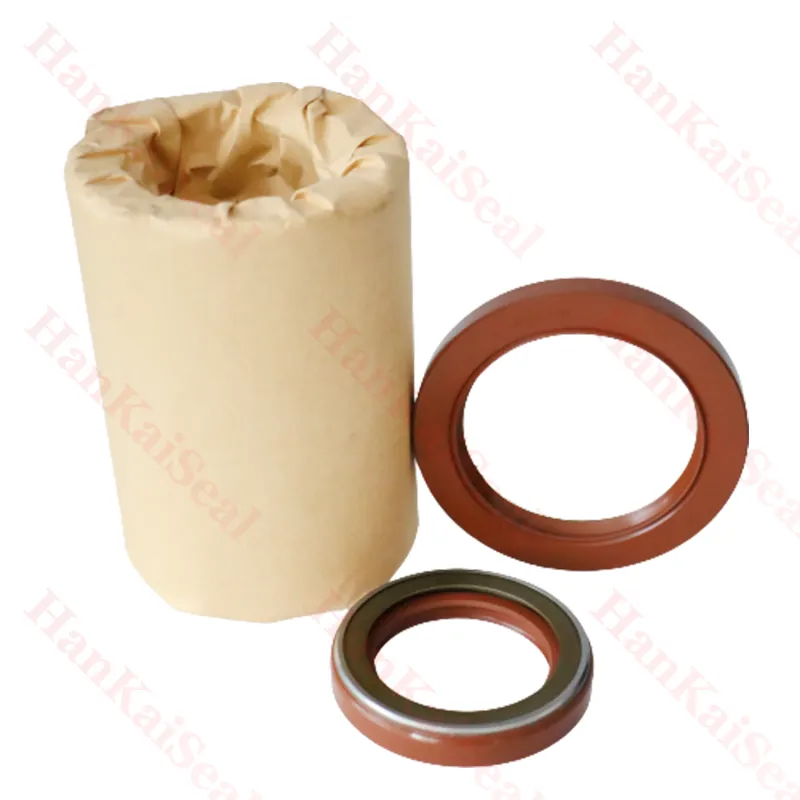
Standard oil seal BP0494 High pressure TCN oil seal
-
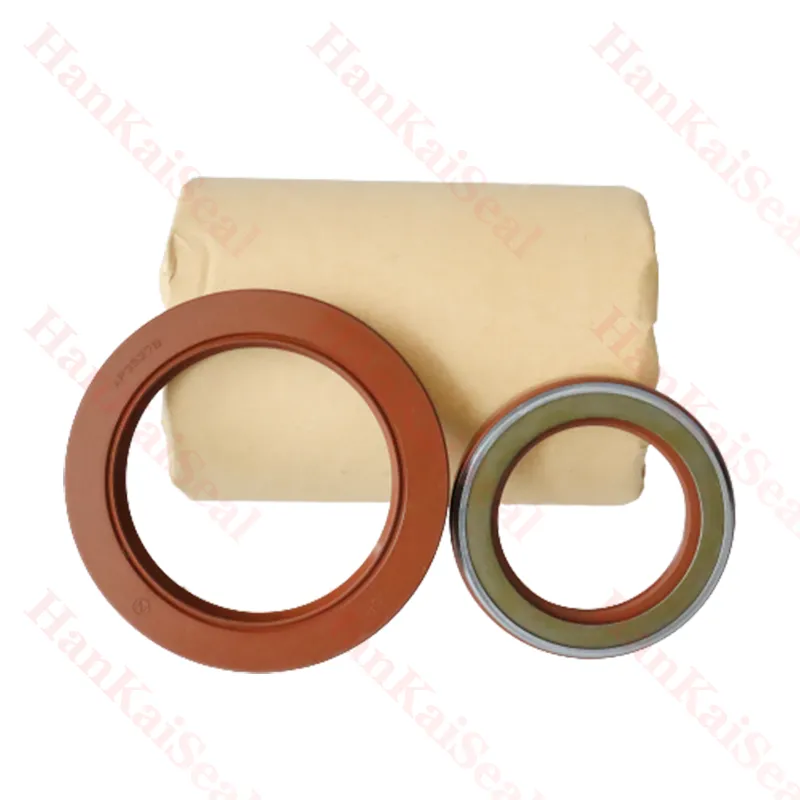
Hydraulic pump seal AP4624G high pressure TCN oil seal
-
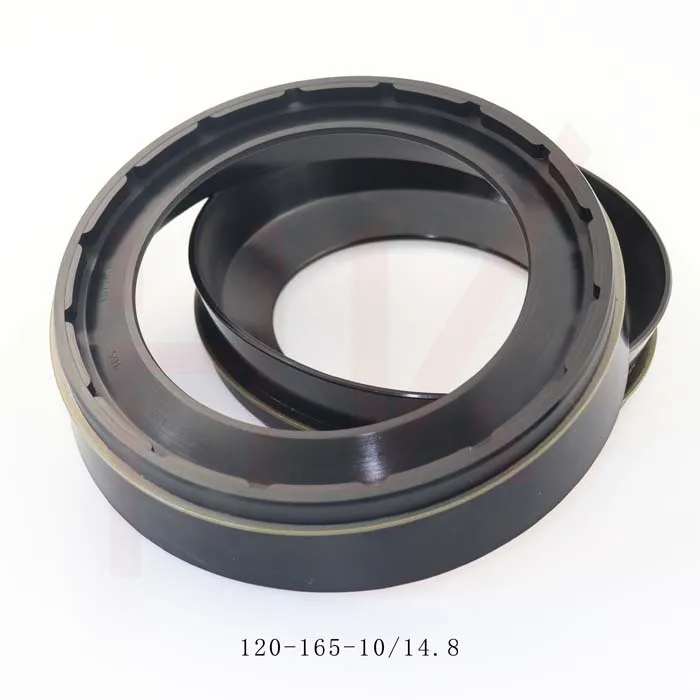
0734307418 0750112169 120*165*10/14.8 concrete mixer reducer oil seal
-
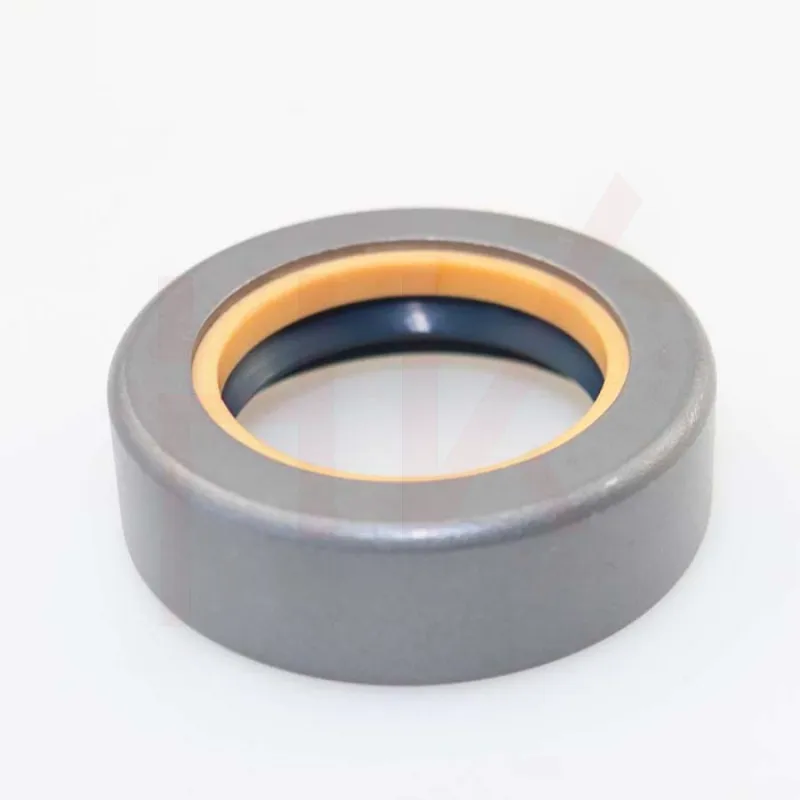
35*52*16 Standard Wheel Hub Oil Seal For Agricultural Machinery
-
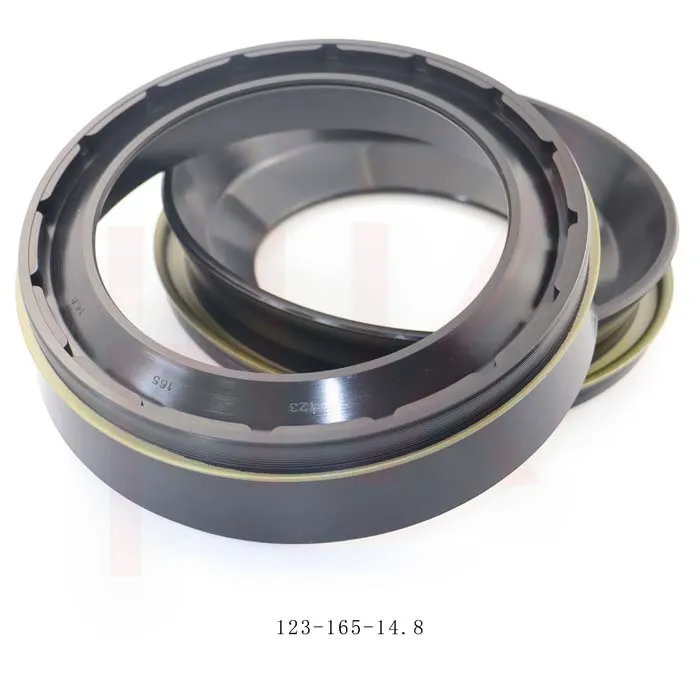
123*165*14.8 concrete mixer truck reducer oil seal
-
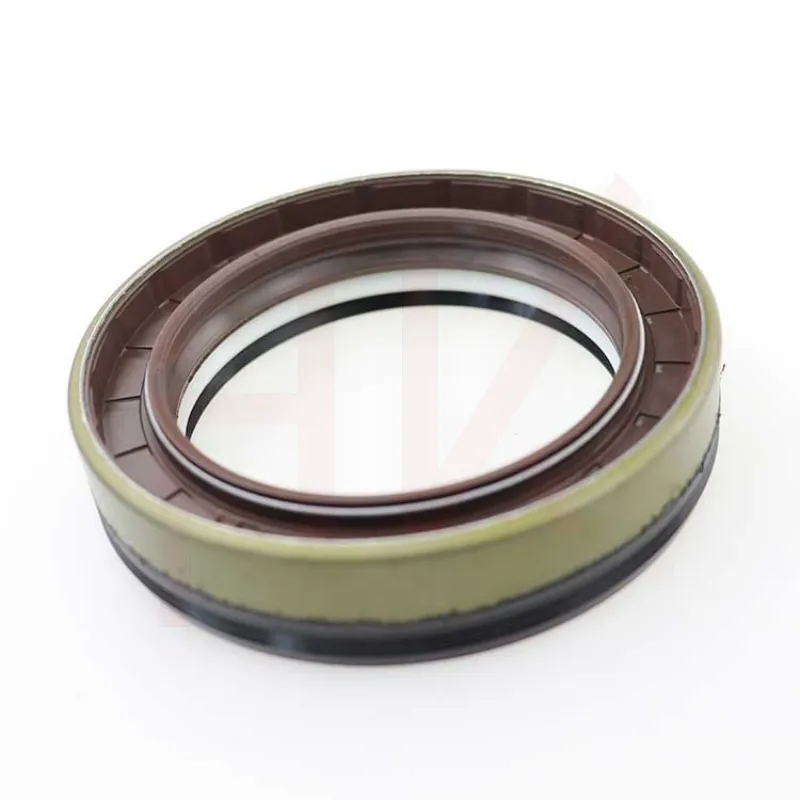
Tractor shaft oil seal 65-90-20 COMBI SF19 hub oil seal
-
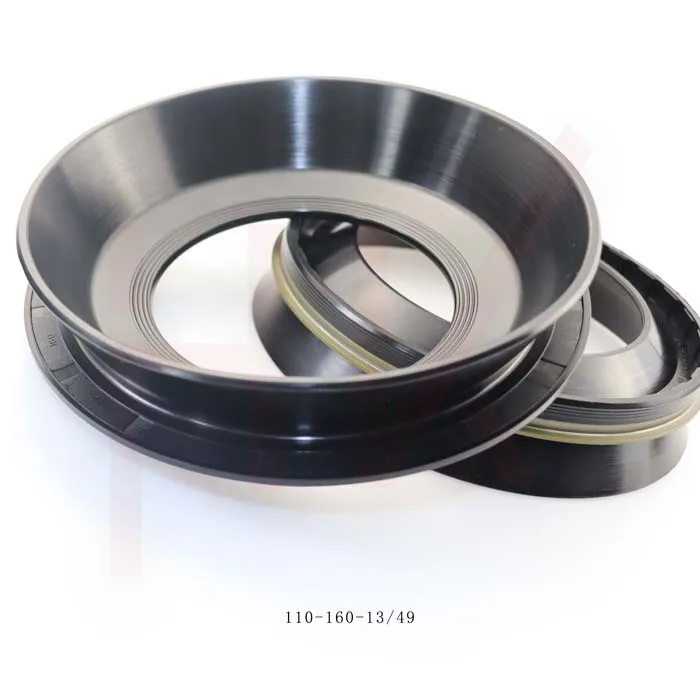
110*160*13/49 NBR reducerConcrete mixer truck oil seal
-
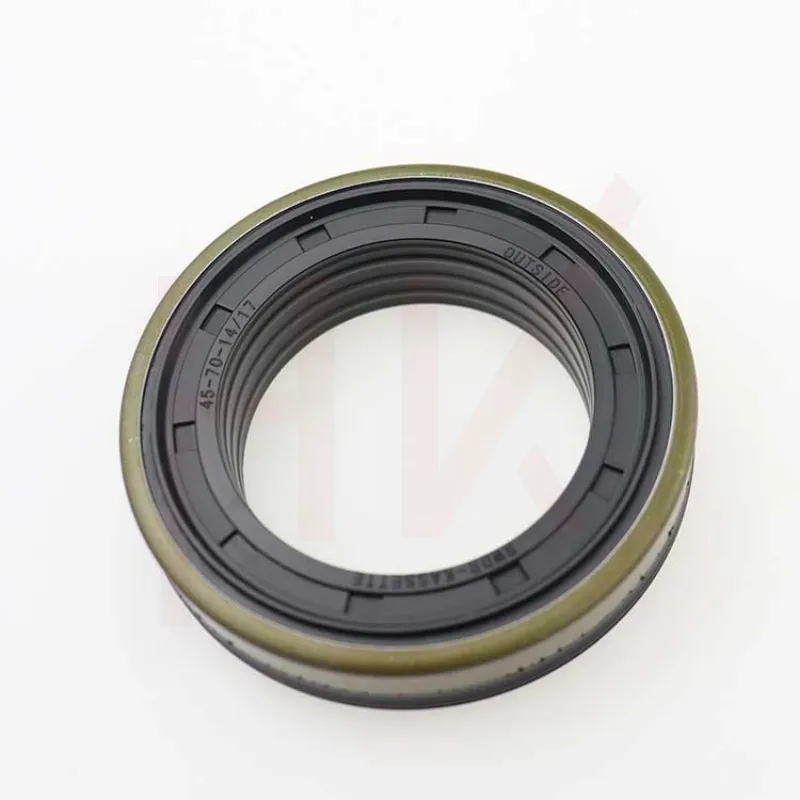
Hub oil seal 40*65*13/14.5 suitable for tractor Cat 12018035b
-
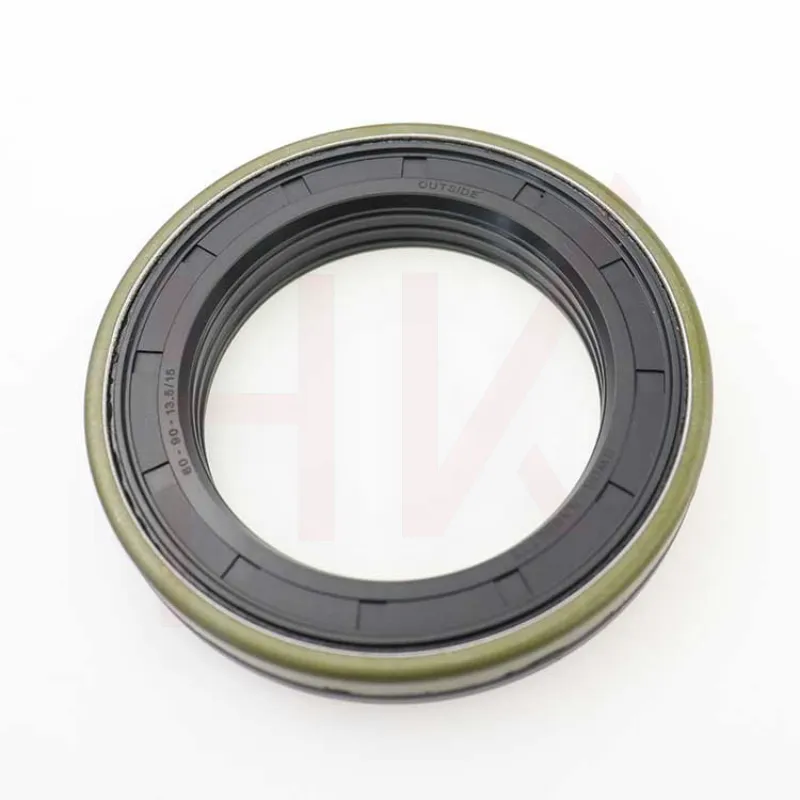
Tractor accessories cassette oil seal hub oil seal 60-90-13.5/15
-
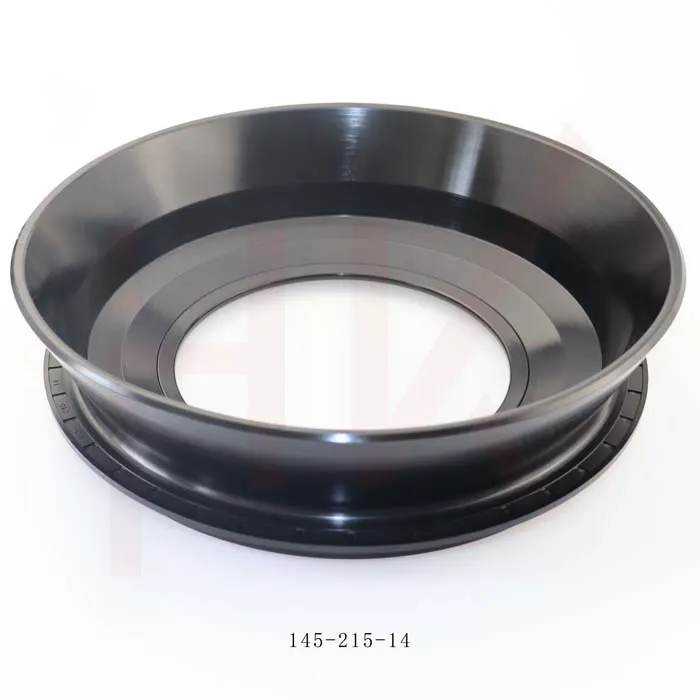
Factory concrete mixer truck oil seal 145*215*14 reducer gearbox oil seal
-
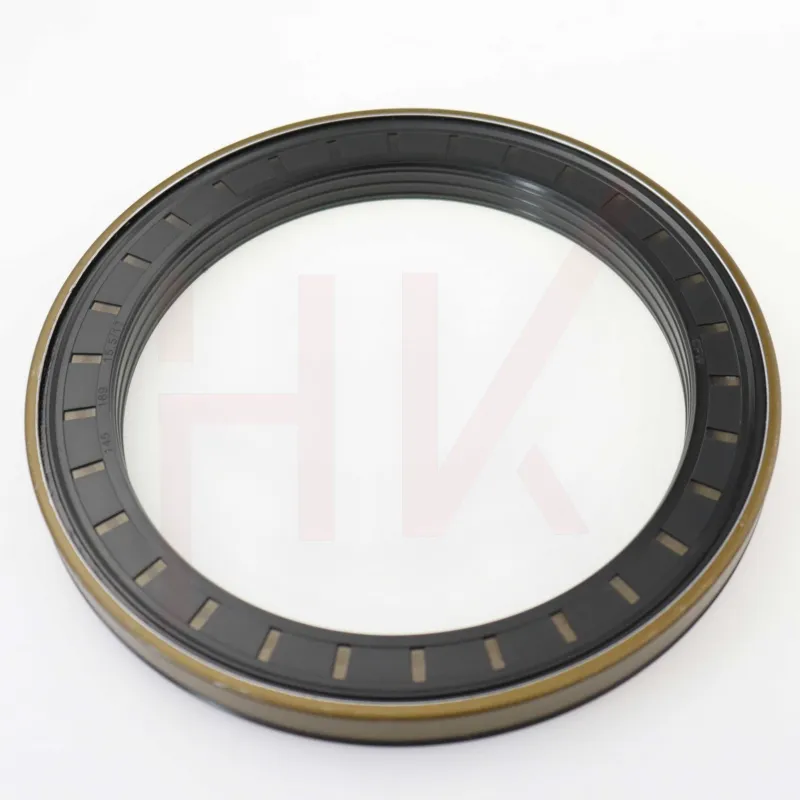
145*189*15.5/17 Cassette Seal NBR Hub Oil Seal 1508044
-
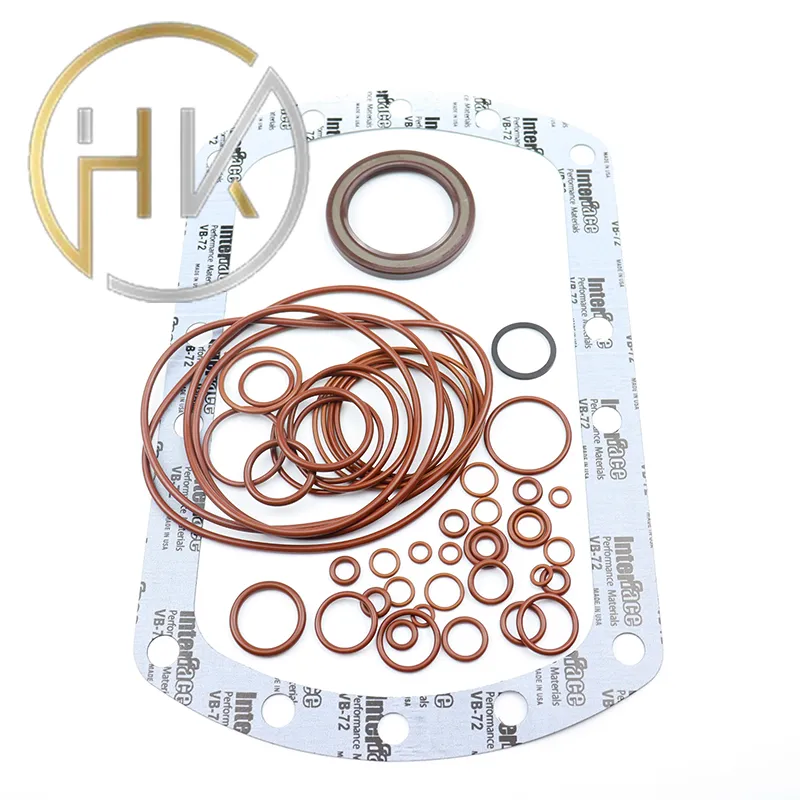
Factory direct sales hydraulic pump motor seal kit A8VO140
-
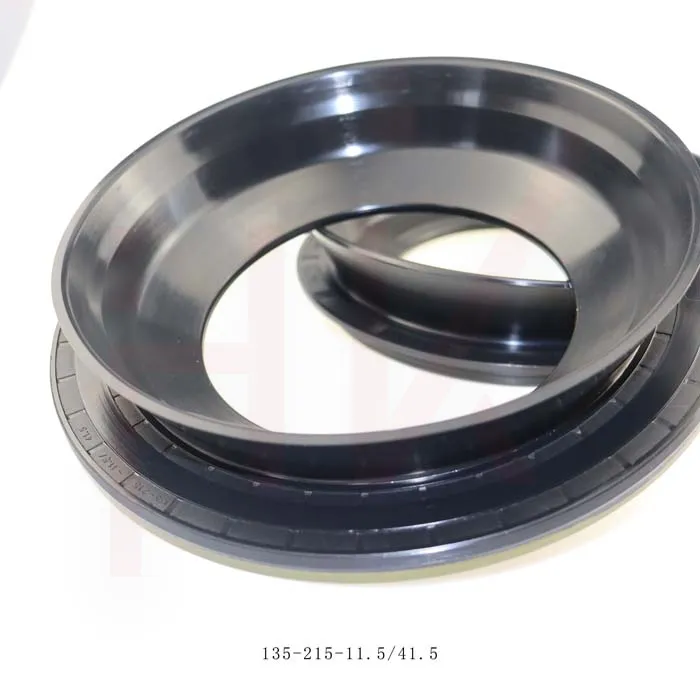
Brand new cement tanker oil seal 135*215*11.5/41.5 concrete mixer oil seal
-
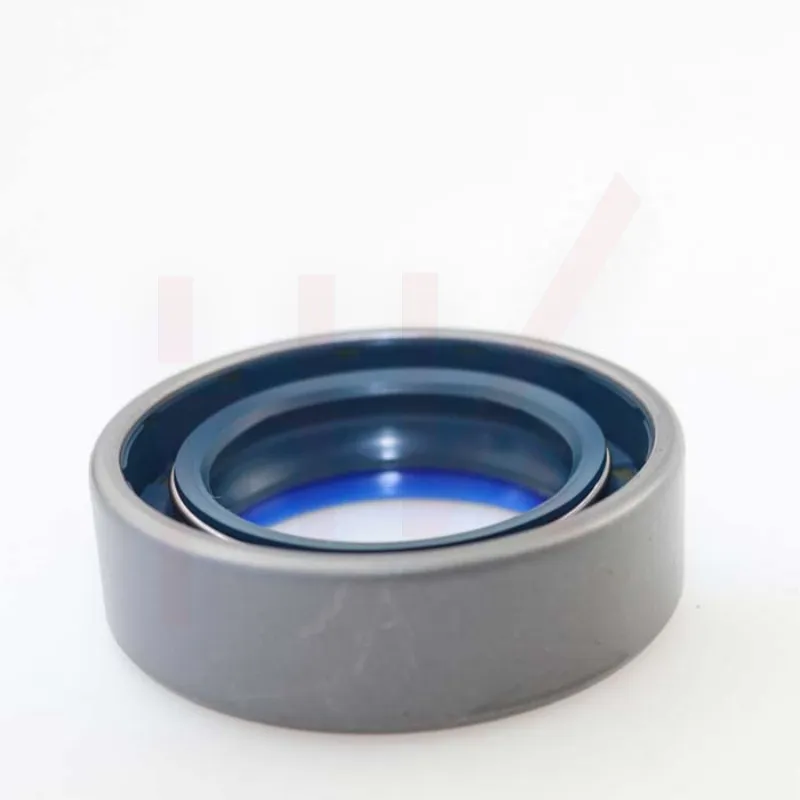
45*65*15 Combi oil seal JCB 90450009 COMBI SF1 SEAL
-
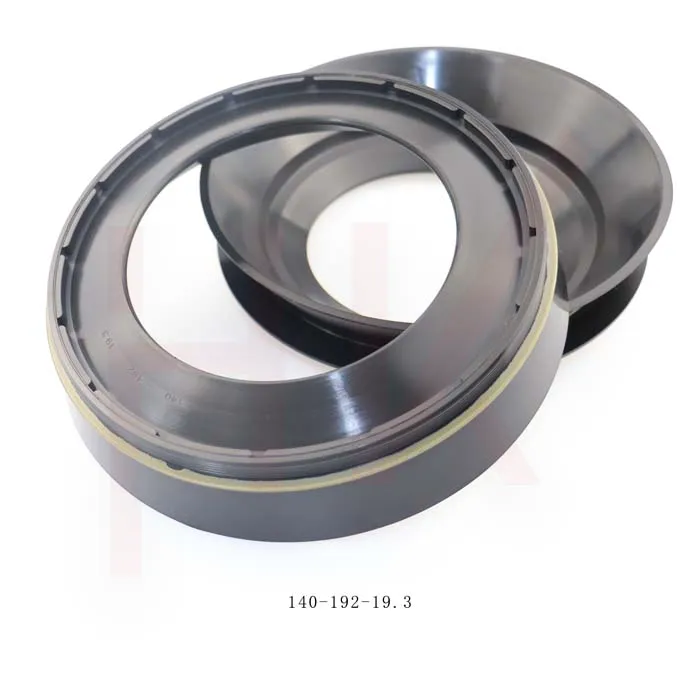
Gear box concrete mixer oil seal 140*192*19.3 nbr reducer oil seal
-
Seals factory direct sales 113*160/166*11.5/38 excavator truck reducer oil seal