Procuring high-performance seals for hydraulic systems requires a balance between initial expenditure and long-term operational reliability. When evaluating the hydraulic cylinder oil seal price, buyers must look beyond the sticker price to understand how material science and engineering tolerances affect the total cost of ownership. This article provides a detailed breakdown of what influences the cost of these critical components.
In industrial sectors such as mining, construction, and oilfield operations, a seal failure can lead to catastrophic downtime and environmental contamination. Therefore, the commercial value of a seal is measured by its ability to maintain pressure and prevent leakage under extreme stress. Understanding the technical nuances—from NBR to FKM materials—allows procurement officers to make informed decisions that optimize both budget and machine uptime.
Readers will explore the specific variables that drive pricing, including pressure ratings and customization needs. By analyzing these factors, you will learn how to distinguish between low-cost commodity seals and high-value engineered solutions, ensuring that your hydraulic cylinders are equipped with components that match the rigorous demands of your specific application environment.
Understanding Hydraulic Sealing Costs
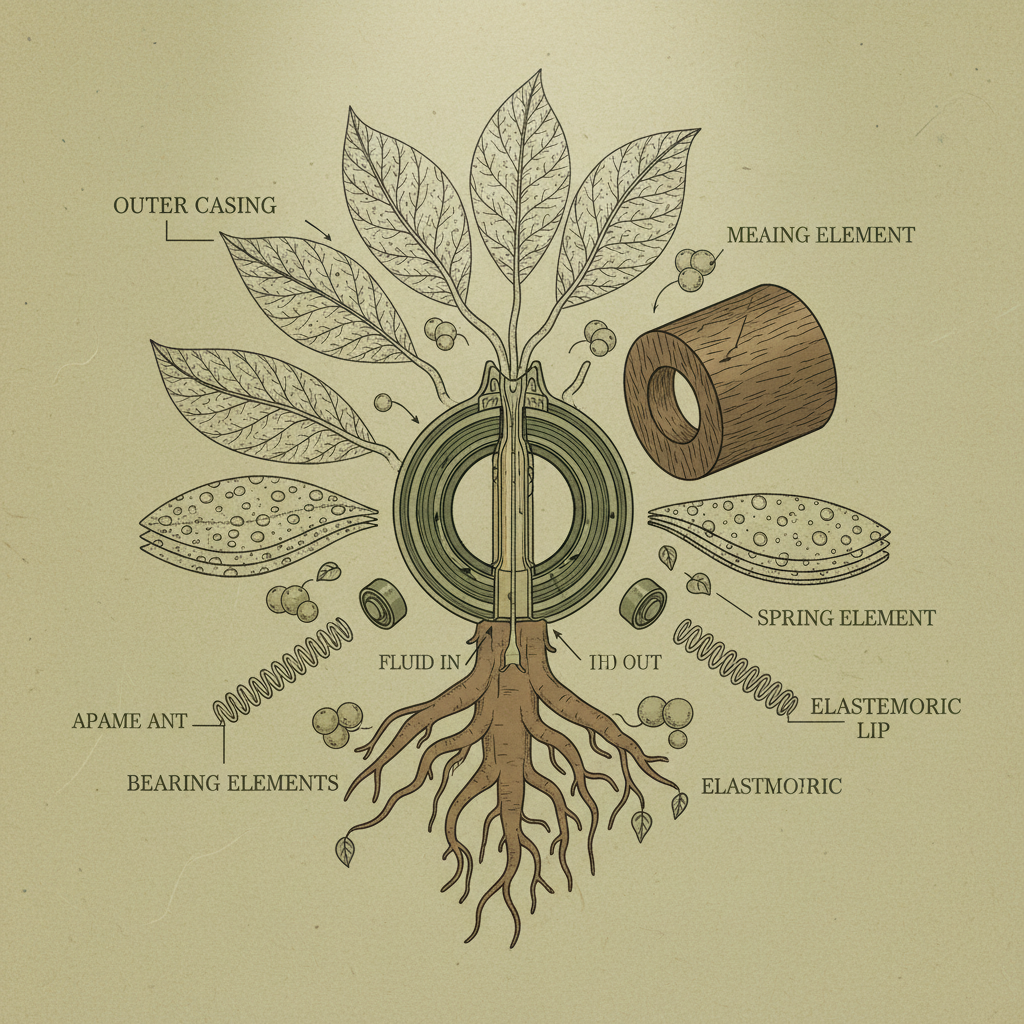
The cost of a hydraulic seal is not a fixed number but a reflection of the engineering requirements it must meet. A basic oil seal designed for low-pressure automotive use differs fundamentally from a high-pressure TCV seal used in heavy machinery. The primary cost drivers are typically the raw material grade, the complexity of the mold, and the precision of the final dimensions. For instance, seals utilizing fluorinated rubbers (FKM/FPM) command a premium over nitrile (NBR) due to their superior thermal and chemical resistance. Furthermore, the inclusion of a metal ring for reinforced structural integrity adds to the manufacturing cost but significantly increases the seal's durability under high-pressure loads. From a technical perspective, the price is an indicator of the seal's ability to withstand specific MPa ratings without degrading, which directly impacts the maintenance intervals of the hydraulic cylinder.
Analysis of Value Drivers for Oil Seals
To accurately assess the value of a sealing solution, one must analyze the intersection of material properties, application stress, and supplier capabilities. Below is a comprehensive breakdown of the seven key dimensions that determine the commercial and technical value of these components.
Material Composition and Impact
Material selection is the most significant variable in pricing. Nitrile (NBR) is the industry standard for general oil resistance, whereas FKM/FPM is essential for high-temperature or corrosive environments. The choice of elastomer determines the seal's elasticity and wear rate, which in turn affects the frequency of replacements. Higher-grade materials reduce the risk of premature hardening and cracking, providing a lower lifecycle cost despite a higher initial investment.
| Material Type | Thermal Resistance | Chemical Stability | Cost Influence |
|---|---|---|---|
| NBR (Nitrile) | Moderate | Good for Oils | Baseline |
| FKM/FPM (Viton) | Very High | Excellent | Premium |
| Rubber w/ Metal Ring | High | Mechanical Support | Increased |
| Custom Elastomers | Variable | Specialized | Highest |
| Polyurethane (PU) | Moderate | High Wear Resistance | Moderate |
| PTFE (Teflon) | High | Universal | Premium |
Pressure Resistance Requirements
The ability of a seal to maintain a vacuum or contain high pressure (e.g., 0.98MPa or higher) requires tighter tolerances and often reinforced geometries. High-pressure seals must prevent "extrusion," where the rubber is forced into the clearance gap between the piston and cylinder. Engineering these seals to resist such forces involves using denser compounds and precise lip designs, which increases the production cost compared to standard low-pressure variants.
Customization vs. Standard Sizes
Standard sizes, such as those found in a comprehensive catalog (e.g., 13x26x7 or 100x120x12), benefit from economies of scale. However, many industrial applications require customized dimensions to fit legacy equipment or proprietary cylinder designs. Customization involves creating new molds and performing separate quality validations, which shifts the cost structure from a unit-based price to one that includes tooling and engineering fees.
Manufacturing Precision and Quality
Quality assurance standards, such as ISO9001, ensure that every seal produced meets a consistent specification. The use of advanced producing equipment and precise measuring instruments reduces the variance in seal thickness and diameter. While high-precision manufacturing increases the overhead cost, it eliminates the risk of "out-of-the-box" leaks, which can be incredibly costly during the assembly of heavy engineering machinery.
Operating Environment Factors
Seals operating in mining or oilfield environments face abrasive particles and extreme temperature swings. To counter this, seals may require specialized coatings or harder shore-hardness ratings. A seal designed for a clean laboratory environment is vastly different from one designed for a hydraulic pump in a dusty quarry; the latter requires enhanced lip geometry to scrape away contaminants, adding to the technical complexity and cost.
Lifecycle and Replacement Costs
The true economic impact of a seal is found in its service life. A low-cost seal that fails every six months is significantly more expensive than a premium seal that lasts three years, when accounting for labor costs and lost production. Analyzing the "cost per hour of operation" is the only accurate way to evaluate procurement options for hydraulic cylinder components.
Supplier Evaluation Criteria
When sourcing from a professional manufacturer, buyers should evaluate the supplier's product range and export experience. A supplier with a vast inventory (over 10,000 types) and a track record in markets like Europe and North America typically possesses the technical infrastructure to provide reliable specifications. The ability of the supplier to provide technical support and material verification is a value-add that justifies a professional pricing structure.
FAQ
What factors most influence the cost of hydraulic seals?
The primary cost drivers are material selection (e.g., NBR vs. FKM), the required pressure rating, and whether the size is a standard catalog item or a custom specification. High-pressure seals and those made from chemically resistant elastomers naturally cost more due to raw material prices and more complex manufacturing tolerances.
How do I choose between NBR and FKM for my cylinder?
NBR is suitable for general applications with standard hydraulic oils and moderate temperatures. However, if your equipment operates in extreme heat or comes into contact with aggressive chemicals, FKM (Viton) is the necessary choice to prevent seal degradation and premature leakage, despite the higher cost.
Are custom-sized seals significantly more expensive than standard ones?
Yes, typically. Standard sizes benefit from mass production. Custom seals require the creation of a specific mold and a dedicated production run, which involves higher initial tooling costs. However, for specialized machinery, custom seals are essential to ensure a proper fit and prevent system failure.
What is the importance of the metal ring in high-pressure seals?
The metal ring provides structural reinforcement to the elastomer, preventing the seal from deforming or extruding under high pressure. This allows the seal to maintain its integrity at ratings like 0.98MPa, significantly increasing the durability of the hydraulic system.
How can I verify the quality of a seal supplier?
Check for ISO9001 certification, which indicates a standardized quality management system. Additionally, evaluate their export history to demanding markets and their ability to provide a detailed size catalog and material specifications for their products.
Does a higher price always guarantee a longer seal life?
Not necessarily. A very expensive seal made of FKM will fail quickly if used in an application where it is not chemically compatible with the fluid. The goal is to match the seal's specifications exactly to the operating environment; the "best" seal is the one that offers the longest life for your specific use case.
References and further reading
- General Principles of Oil Seal Design and Function
- Industrial Sealing Standards: ISO 9001 Quality Management Systems for Rubber Components
- Material Compatibility Charts for Nitrile (NBR) and Fluorocarbon (FKM) Elastomers
Related Articles