
Apr . 09, 2026 02:05 Back to list
Premium Hydraulic Cylinder Packing Kits for Peak Performance
The Ultimate Guide to Hydraulic Cylinder Packing Kits: Ensuring Peak Performance
In the world of heavy machinery and industrial automation, the integrity of a hydraulic system is non-negotiable. At the heart of this integrity lie hydraulic cylinder packing kits, the critical sealing components that prevent fluid leakage and maintain system pressure. Whether you are managing a fleet of construction equipment or maintaining a factory production line, understanding how to select and install the right seals can mean the difference between seamless operation and costly downtime. In this comprehensive guide, we will explore the technical nuances of these kits, their material compositions, and how to maximize the lifespan of your hydraulic cylinders.
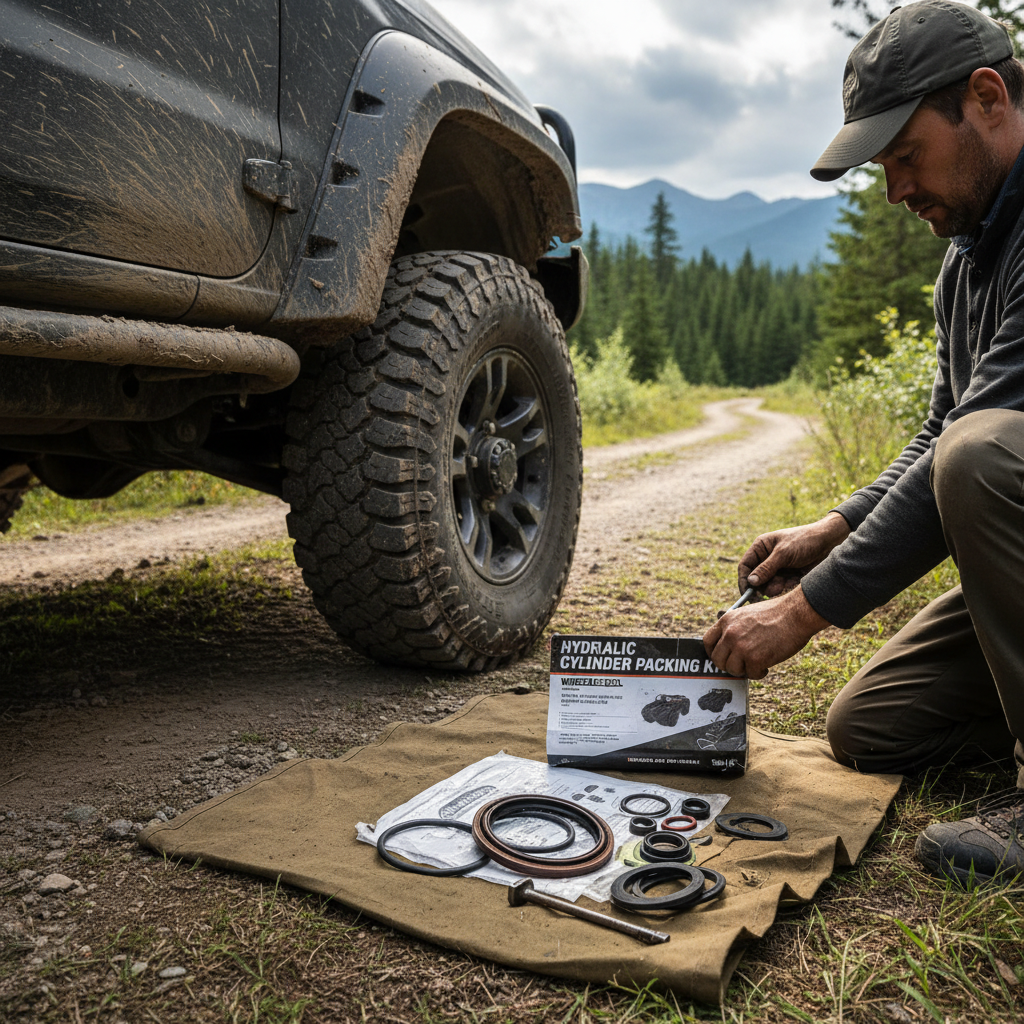
Why Quality Hydraulic Cylinder Packing Kits Matter
A hydraulic cylinder is only as strong as its weakest seal. High-quality hydraulic cylinder packing kits serve a dual purpose: they keep the hydraulic oil contained within the cylinder to ensure maximum force transmission and prevent external contaminants like dust, water, and grit from entering the system. When seals fail, the result is often a "drift" in the cylinder position or a complete loss of pressure, which can lead to safety hazards and equipment failure. Investing in precision-engineered kits ensures that the friction is minimized, reducing wear on the cylinder rod and extending the overall service life of the machinery.
Industry Insight: Premium sealing kits can reduce oil consumption by up to 30% and decrease emergency maintenance frequency by nearly half compared to generic, low-grade alternatives.
Common Materials Used in Seal Kits
Not all hydraulic cylinder packing kits are created equal. The material chosen depends entirely on the operating temperature, pressure levels, and the type of fluid used. For instance, Nitrile (NBR) is excellent for general-purpose oil resistance, while Polyurethane (PU) is the gold standard for high-wear applications due to its exceptional abrasion resistance. For extreme environments, Viton (FKM) is utilized for its ability to withstand high temperatures and aggressive chemicals. Choosing the wrong material can lead to rapid seal degradation, resulting in premature leaks.
Material Selection Guide:
• NBR: Best for standard mineral oils and medium temperatures.
• PU: Ideal for high-pressure applications and high abrasion.
• FKM/Viton: Required for high-heat or chemical-rich environments.
• PTFE: Low friction and excellent chemical compatibility.
Comparing Hydraulic Cylinder Packing Kits: OEM vs. Aftermarket
When it comes to sourcing hydraulic cylinder packing kits, operators often debate between Original Equipment Manufacturer (OEM) kits and high-quality aftermarket alternatives. While OEM kits offer a guaranteed fit, premium aftermarket kits from specialized manufacturers often provide upgraded materials that exceed original specifications, offering longer wear life and better resistance to modern synthetic oils. The key is to ensure the aftermarket kit meets or exceeds the ISO standards for hydraulic seals.
Installation Best Practices for Sealing Kits
Installing hydraulic cylinder packing kits requires precision and cleanliness. Even a tiny speck of dust can create a leak path or scratch the cylinder wall. First, ensure the cylinder bore and rod are thoroughly cleaned and inspected for burrs or scratches. Use a lubrication agent compatible with the seal material to prevent "twisting" or tearing during installation. Always use the correct assembly tools to avoid damaging the seal lips. A meticulous installation process can double the life of the kit, whereas a rushed job often leads to failure within the first few hours of operation.
Product Specifications: Typical Seal Kit Components
A complete hydraulic cylinder packing kit typically consists of several specialized components, each playing a unique role in the system's stability. The rod seal prevents oil from leaking out, the piston seal maintains pressure between the two chambers, and the wiper seal keeps dirt out. Below is a technical specification table for the most common components found in our industrial kits:
Signs You Need to Replace Your Packing Kits
Preventative maintenance is always cheaper than emergency repair. However, recognizing the early warning signs of seal failure is crucial. The most obvious sign is visible oil weeping around the rod or piston. However, more subtle signs include "cylinder drift," where the load slowly sinks despite the valve being closed. Additionally, an increase in operating temperature or a decrease in cycle speed can indicate that the internal hydraulic cylinder packing kits are bypassing fluid internally. Regular inspection intervals and oil analysis can help predict when a kit needs replacement before a catastrophic failure occurs.
Conclusion: Optimizing Your Machinery with Superior Sealing
Maintaining a high-pressure hydraulic system requires attention to the smallest details. By choosing professional-grade hydraulic cylinder packing kits, utilizing the correct materials for your environment, and following strict installation protocols, you can drastically reduce downtime and enhance the safety of your operations. Don't wait for a leak to halt your production—invest in high-performance sealing solutions today to keep your machinery running at peak efficiency.
Frequently Asked Questions (FAQs)
How often should I replace my hydraulic cylinder packing kits?
Replacement intervals vary based on the environment and usage intensity. In clean, indoor industrial settings, seals may last several years. However, in construction or mining environments where dust and moisture are prevalent, seals should be inspected every 6 to 12 months. The best practice is to replace seals whenever the cylinder is disassembled for other repairs, or as soon as any sign of fluid weeping or cylinder drift is detected. Using a high-quality wiper seal can extend the life of the internal packing kits by keeping contaminants out.
Can I mix and match seal materials within one kit?
Generally, it is not recommended unless the kit has been specifically engineered for that purpose. Different materials have different thermal expansion rates and chemical compatibilities. For example, using a Viton rod seal with a low-grade NBR piston seal may result in the piston seal failing much sooner, negating the benefits of the premium rod seal. It is always best to use a matched hydraulic cylinder packing kit where the materials have been tested to work in harmony under the same pressure and temperature conditions.
What causes the most common seal failures in hydraulic cylinders?
The most common causes of failure are contamination, improper installation, and thermal degradation. Abrasive particles like sand or metal shavings can scratch the seal lips, creating leak paths. Over-stretching a seal during installation can create permanent deformations that lead to immediate leakage. Additionally, operating a system beyond its rated temperature can cause the material to harden and crack (brittleness). Regular oil filtration and adhering to the manufacturer's temperature limits are the best ways to prevent these common failures.
How do I know which size kit I need for my cylinder?
To ensure a perfect fit, you need three primary measurements: the inner diameter (ID) of the gland/groove, the outer diameter (OD) of the rod or piston, and the width of the seal groove. Many operators use the cylinder's part number from the OEM manual. However, if the manual is unavailable, using a digital caliper to measure the existing worn seals or the grooves is the most accurate method. You can provide these dimensions to experts at HKAI Seal to receive a precision-matched kit tailored to your specific hardware.
-
Guide to Choosing the Right High Quality hydraulic ram kit
NewsApr.16,2026
-
Comprehensive Guide to Hydraulic Cylinder Oil Seal Kits for Optimal Performance
NewsApr.07,2026
-
Comprehensive Guide to Choosing the Right Cylinder Seal Kits for Peak Performance
NewsApr.04,2026
-
Comprehensive Guide to Seal Kits for Cylinders Ensuring Optimal Performance
NewsMar.31,2026
-
Comprehensive Guide to Hyd Cylinder Seals for Optimal Hydraulic System Performance
NewsMar.28,2026
-
Comprehensive Guide to Hyd Cylinder Seal Kit Selection and Installation
NewsMar.26,2026
-
Comprehensive Guide to Hydraulic Cylinder Seal Kits for Optimal Performance
NewsMar.24,2026
Products categories
-
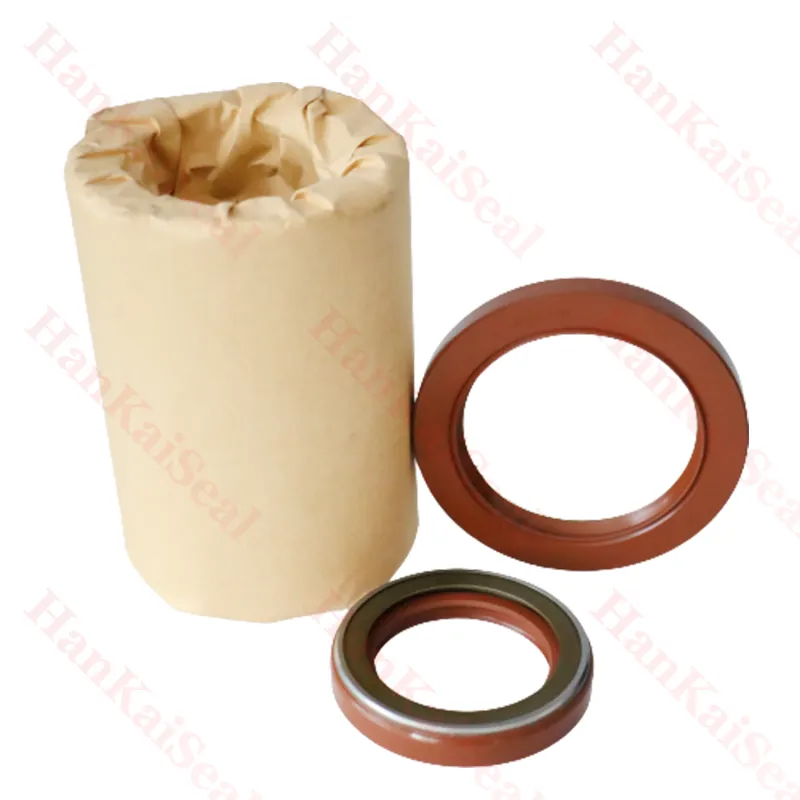
Standard oil seal BP0494 High pressure TCN oil seal
-
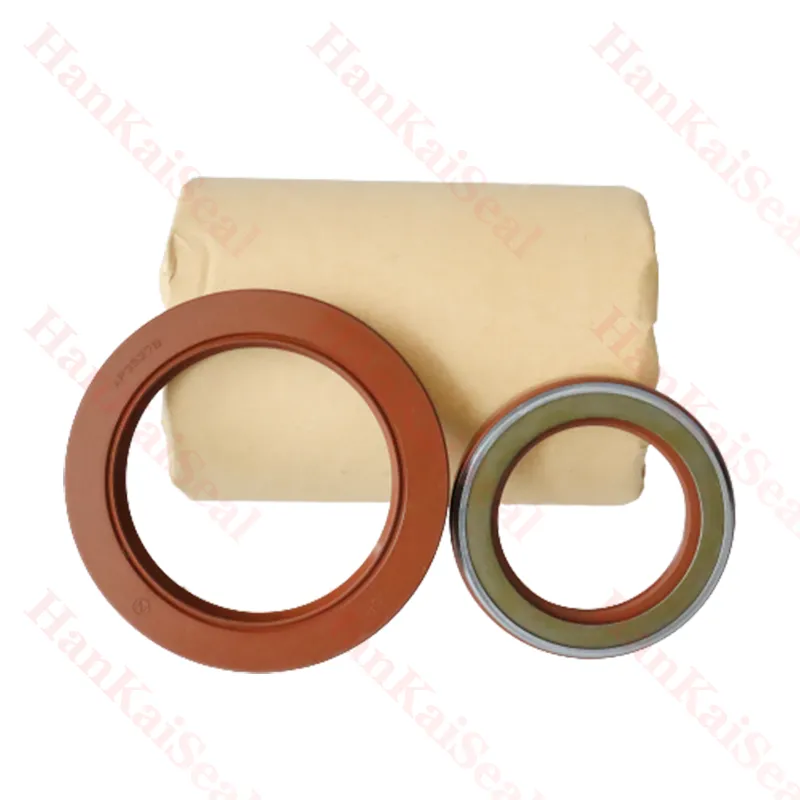
Hydraulic pump seal AP4624G high pressure TCN oil seal
-
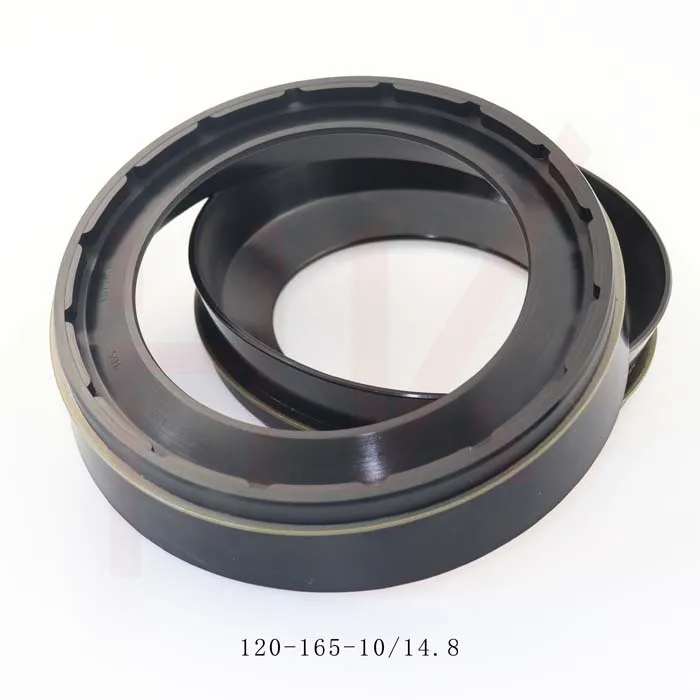
0734307418 0750112169 120*165*10/14.8 concrete mixer reducer oil seal
-
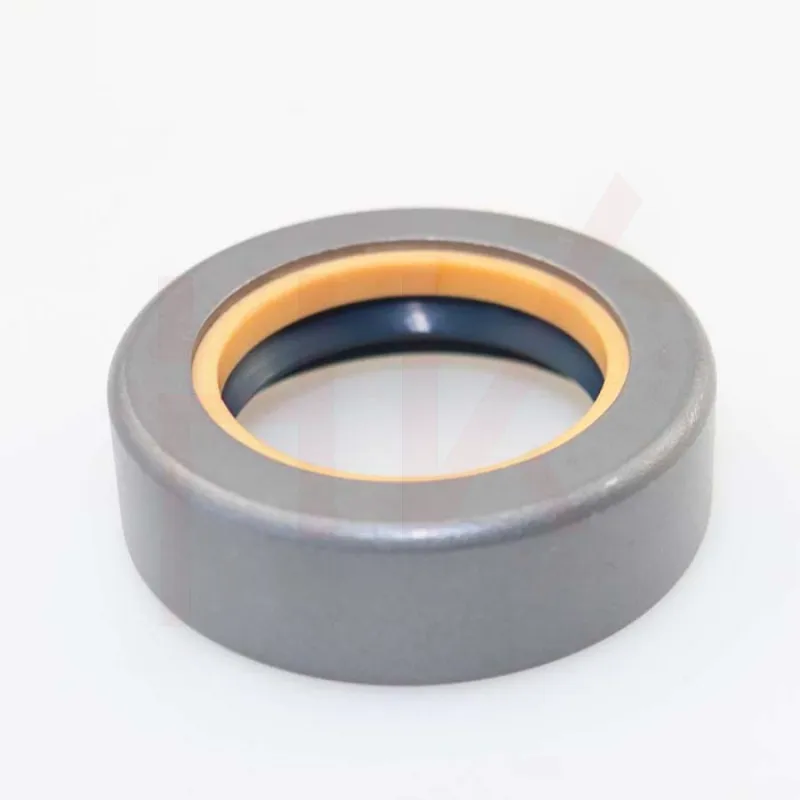
35*52*16 Standard Wheel Hub Oil Seal For Agricultural Machinery
-
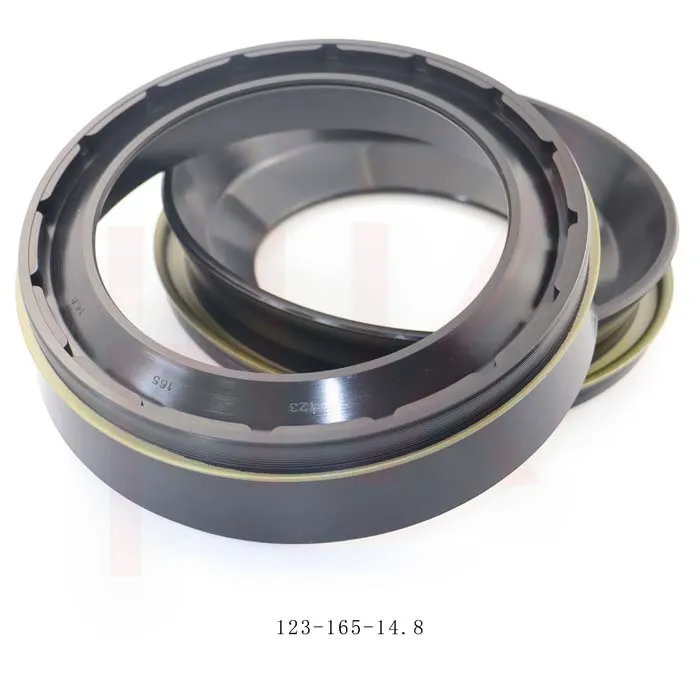
123*165*14.8 concrete mixer truck reducer oil seal
-
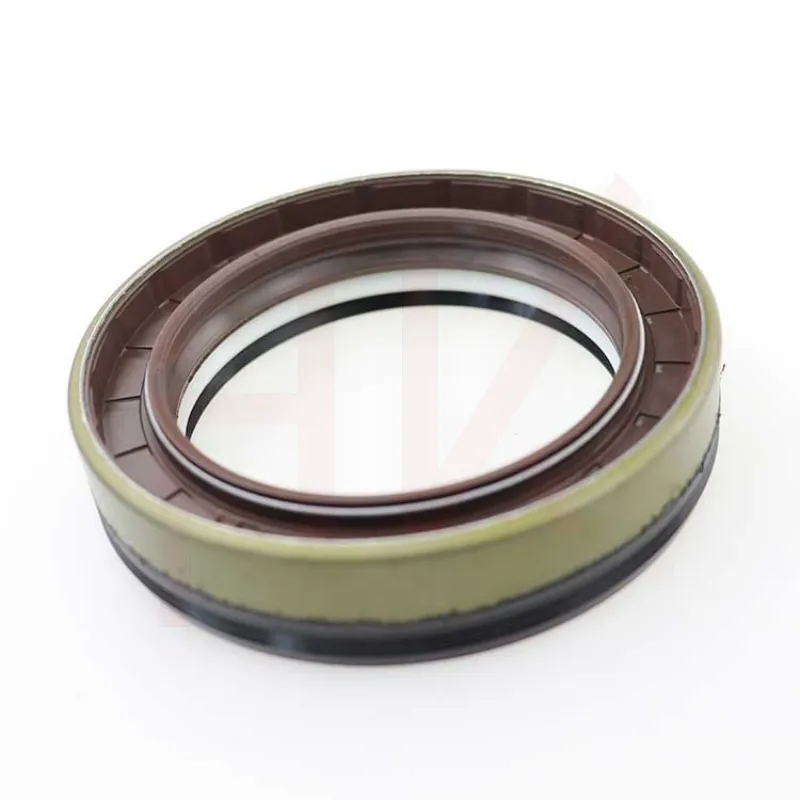
Tractor shaft oil seal 65-90-20 COMBI SF19 hub oil seal
-
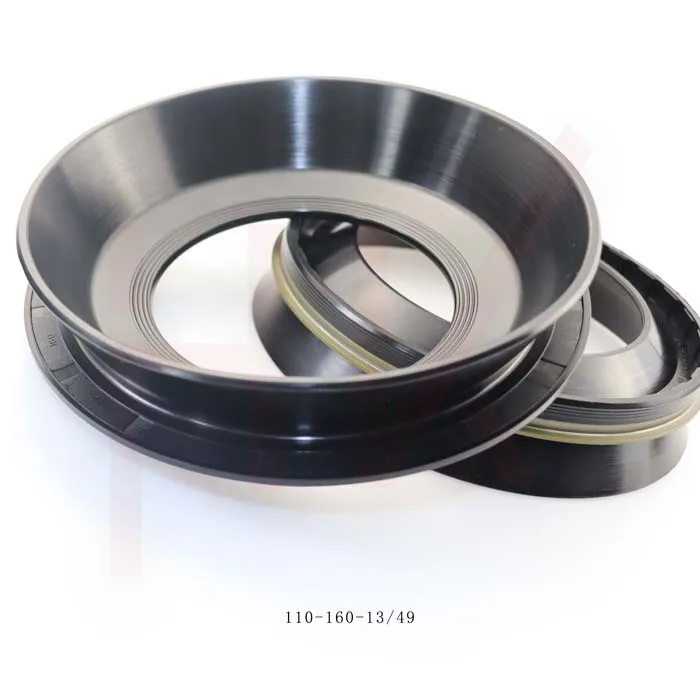
110*160*13/49 NBR reducerConcrete mixer truck oil seal
-
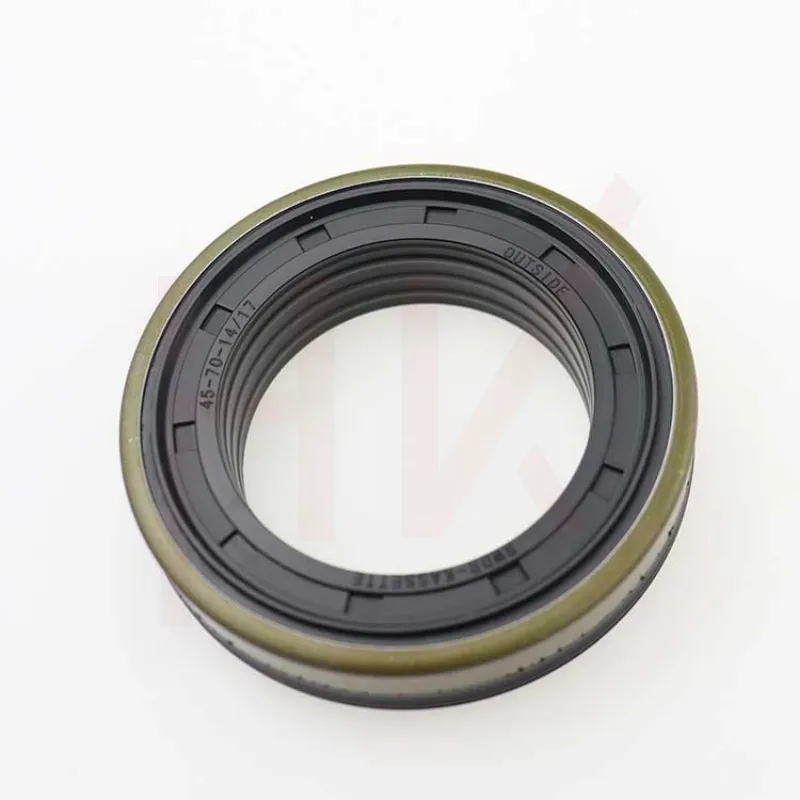
Hub oil seal 40*65*13/14.5 suitable for tractor Cat 12018035b
-
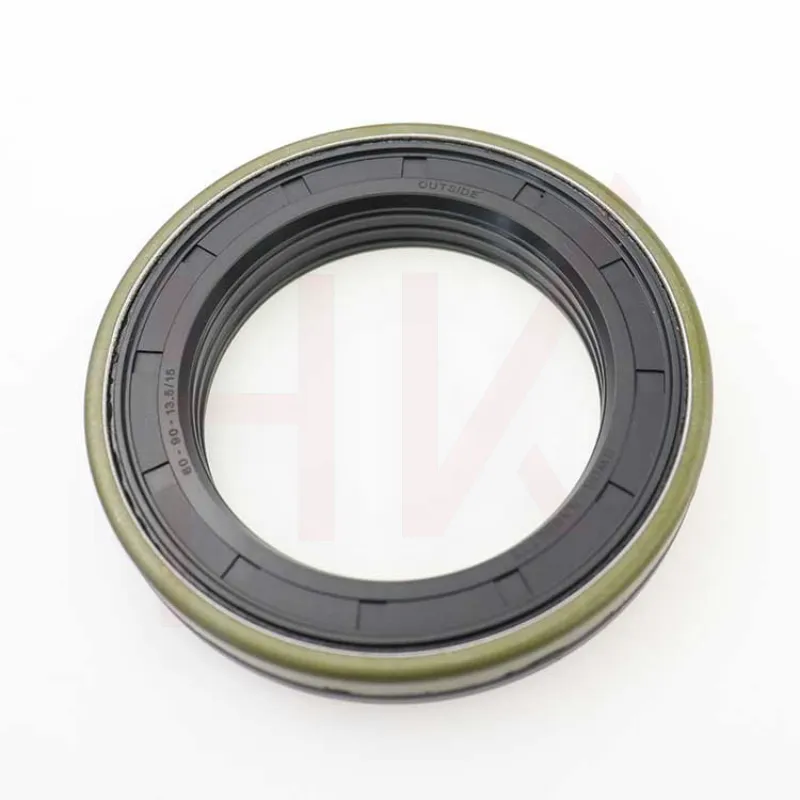
Tractor accessories cassette oil seal hub oil seal 60-90-13.5/15
-
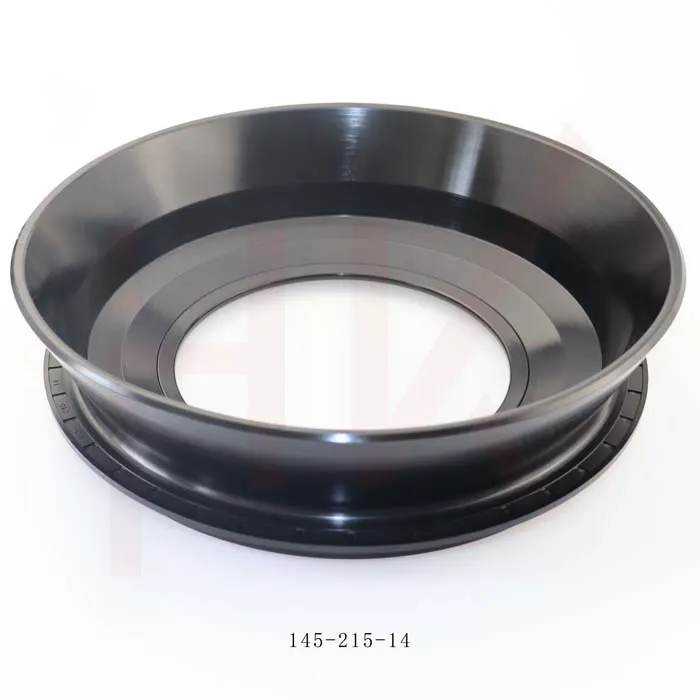
Factory concrete mixer truck oil seal 145*215*14 reducer gearbox oil seal
-
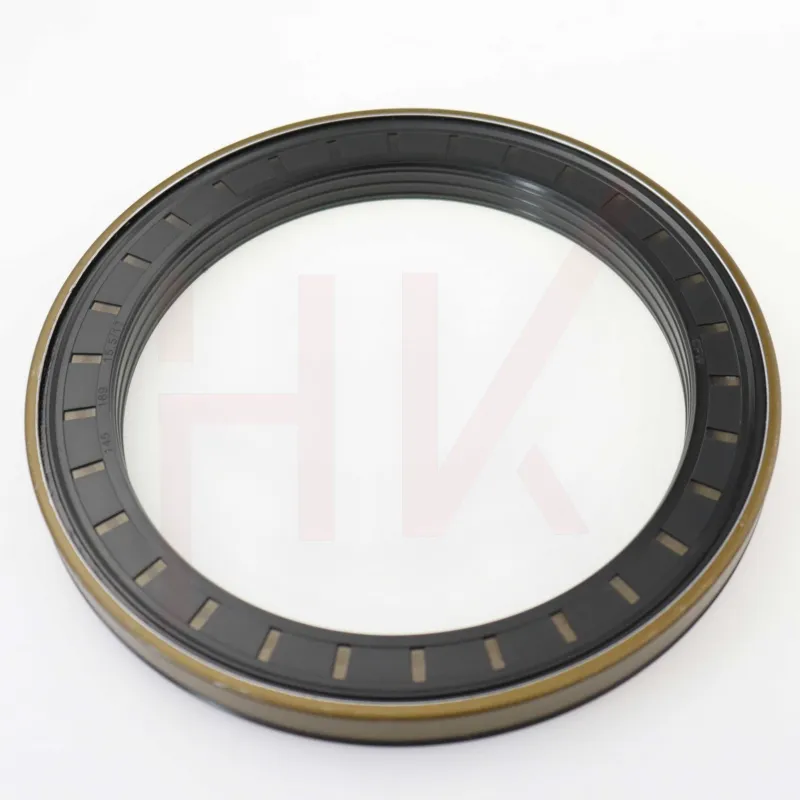
145*189*15.5/17 Cassette Seal NBR Hub Oil Seal 1508044
-
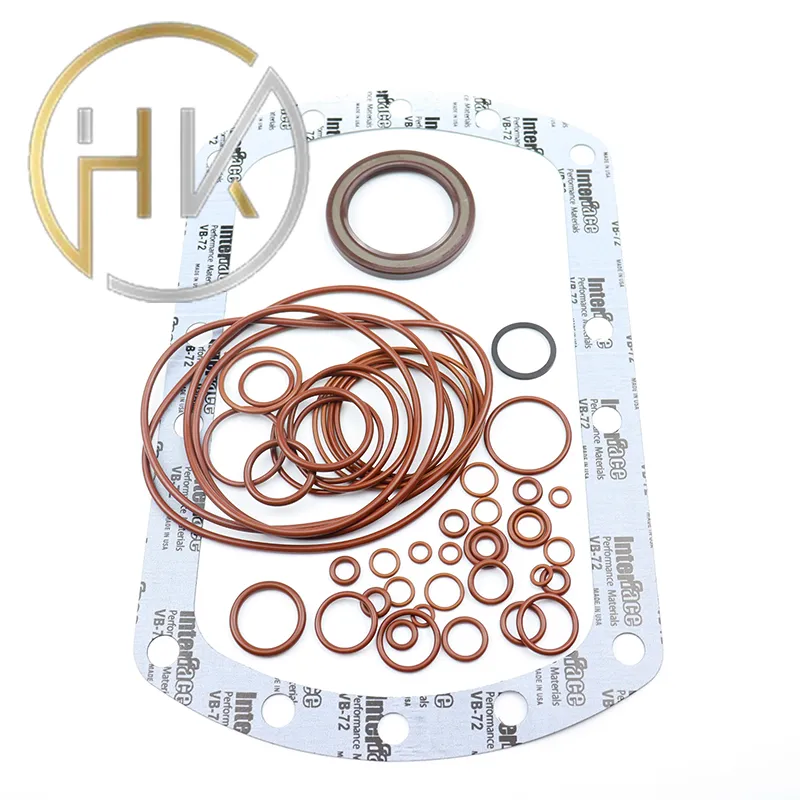
Factory direct sales hydraulic pump motor seal kit A8VO140
-
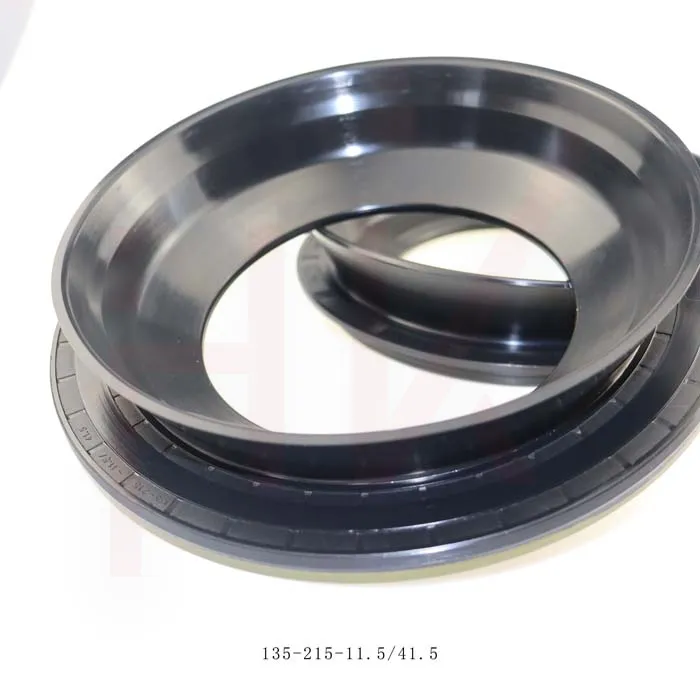
Brand new cement tanker oil seal 135*215*11.5/41.5 concrete mixer oil seal
-
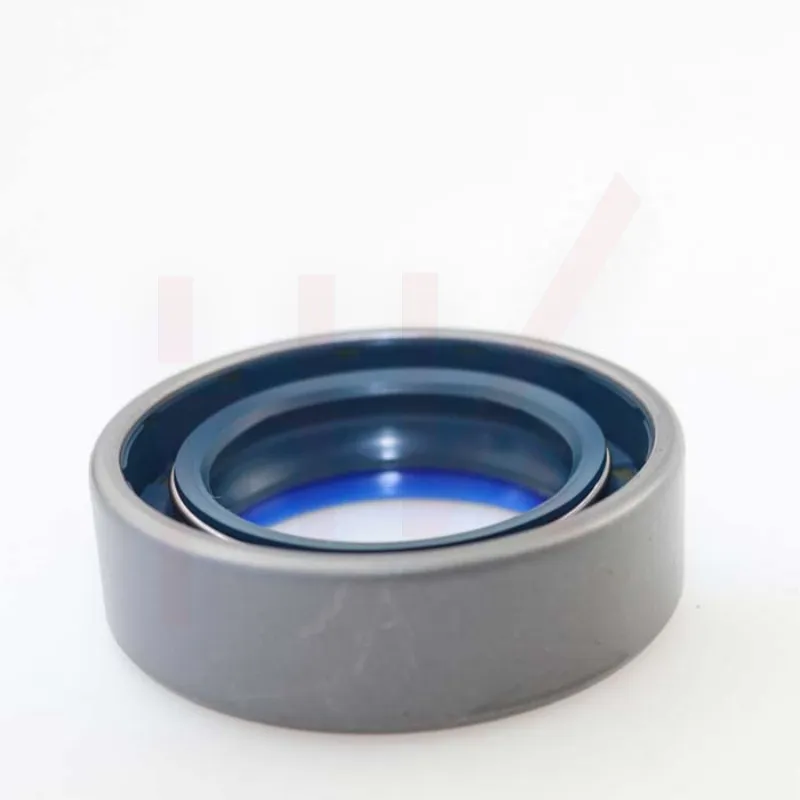
45*65*15 Combi oil seal JCB 90450009 COMBI SF1 SEAL
-
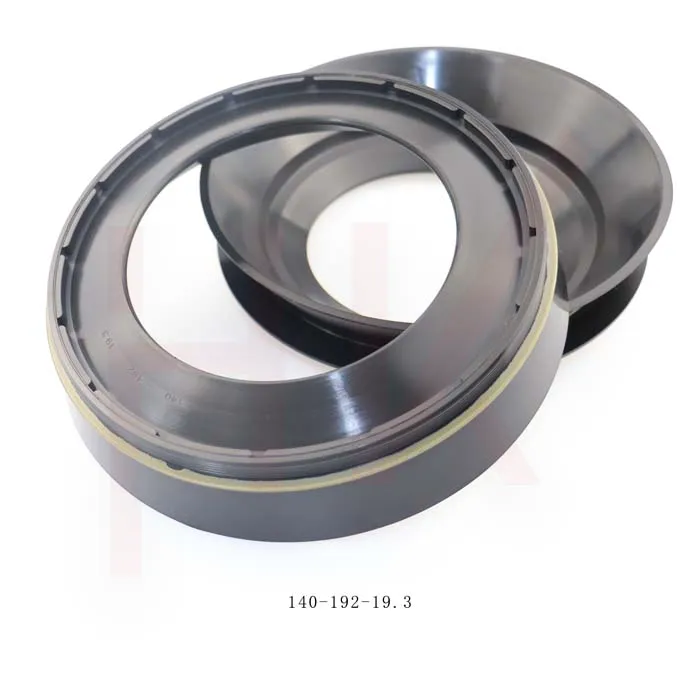
Gear box concrete mixer oil seal 140*192*19.3 nbr reducer oil seal
-
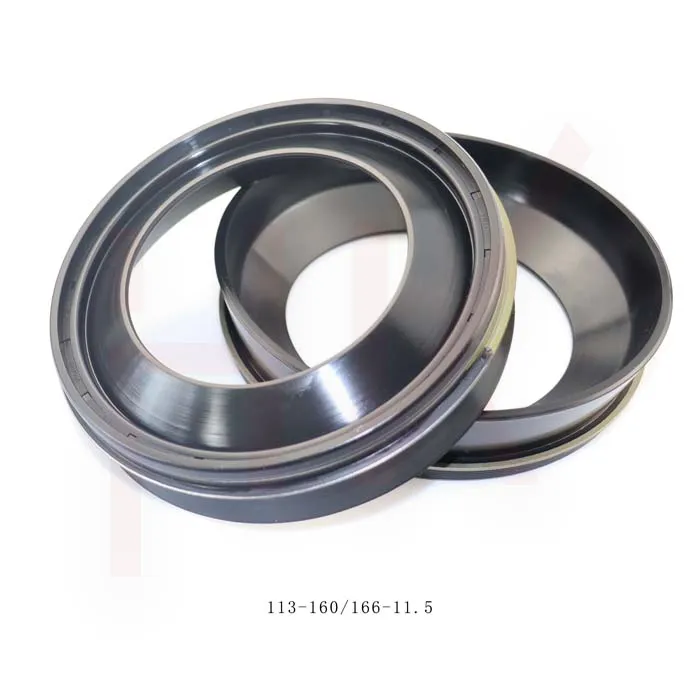
Seals factory direct sales 113*160/166*11.5/38 excavator truck reducer oil seal