
Feb . 27, 2026 02:05 Back to list
Comprehensive Guide to Hydraulic Cylinder Dust Seals and Their Applications
Understanding Hydraulic Cylinder Dust Seals: A Comprehensive Guide
Hydraulic cylinders are essential components in a wide range of industries, from construction and agriculture to manufacturing and aerospace. Maintaining their efficiency and longevity relies heavily on effective sealing solutions. Among these, the hydraulic cylinder dust seal plays a critical role in preventing contaminants from entering the system. This article explores the function, materials, applications, and selection criteria for hydraulic cylinder dust seals, providing a thorough overview for engineers, technicians, and procurement professionals. Protecting your hydraulic cylinders from dust and debris is paramount for optimal performance and extended service life.

The Role of a Hydraulic Cylinder Dust Seal
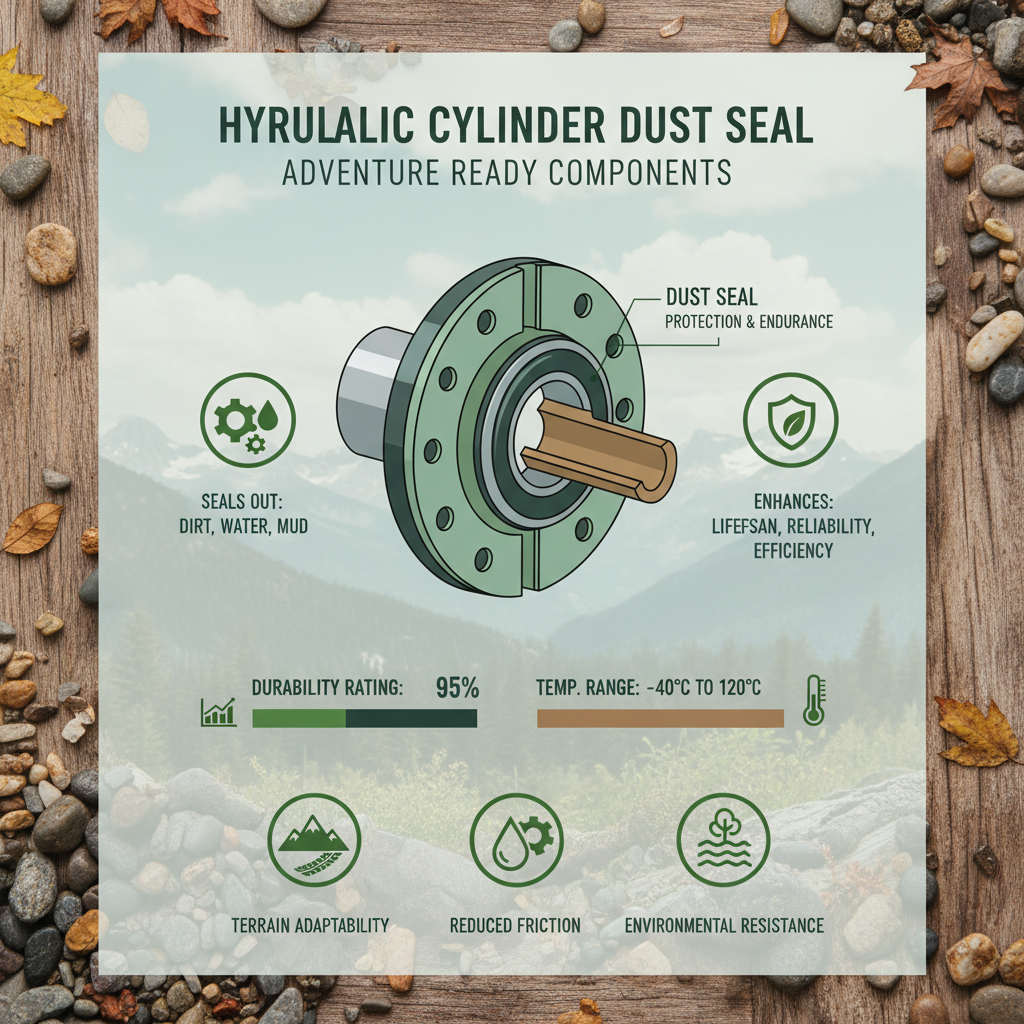
The primary function of a hydraulic cylinder dust seal is to prevent dirt, dust, and other abrasive particles from entering the cylinder housing and contaminating the hydraulic fluid. These contaminants can cause significant damage to the internal components, leading to reduced efficiency, increased wear, and ultimately, cylinder failure. A well-functioning dust seal extends the lifespan of the cylinder and minimizes costly downtime. Dust seals typically work in conjunction with a wiper seal, which actively removes debris from the rod as it extends and retracts. Selecting the right dust seal from HKAI SEAL is key to long-term reliability.
Key Benefits: Prevents contamination, extends cylinder life, reduces downtime, and maintains hydraulic fluid quality.
Common Materials Used in Hydraulic Cylinder Dust Seals
Dust seals are manufactured from a variety of materials, each offering different properties in terms of wear resistance, temperature tolerance, and compatibility with hydraulic fluids. Common materials include:
- Nitrile Rubber (NBR): A cost-effective option with good resistance to oil and abrasion.
- Polyurethane (PU): Offers excellent wear resistance, high tensile strength, and good resistance to oil and chemicals.
- Viton (FKM): Provides superior resistance to high temperatures, aggressive chemicals, and ozone.
- Silicone Rubber (VMQ): Offers excellent temperature resistance and flexibility, making it suitable for extreme environments.
The choice of material depends on the specific application requirements and the operating conditions of the hydraulic cylinder. HKAI SEAL offers a wide range of materials to meet diverse needs.
Material Selection Considerations:
• Operating Temperature
• Hydraulic Fluid Compatibility
• Abrasion Resistance
• Chemical Exposure
Hydraulic Cylinder Dust Seal Types & Applications
Dust seals are available in various configurations to suit different cylinder designs and applications. Common types include:
- Lip Seals: The most common type, featuring a flexible lip that contacts the cylinder rod or wall to create a seal.
- U-Cups: Provide a more robust seal and are often used in high-pressure applications.
- Square Rings: Suitable for static applications or as a secondary seal.
These seals are commonly used in:
- Construction Equipment: Excavators, loaders, bulldozers
- Agricultural Machinery: Tractors, harvesters, sprayers
- Industrial Hydraulics: Presses, lifts, and other hydraulic systems
- Mobile Hydraulics: Forklifts, aerial lifts, and other mobile equipment
Selecting the correct type and size of dust seal is critical for ensuring optimal performance and preventing leaks.
Comparing Dust Seals with Wiper Seals: What's the Difference?
While often used interchangeably, dust seals and wiper seals serve distinct but complementary functions. A dust seal’s primary goal is preventing contaminants from entering the cylinder. A wiper seal, on the other hand, removes contaminants that manage to bypass the initial defenses. Wiper seals generally have a tighter lip contact and more aggressive cleaning action. Often, both seals are used in tandem for maximum protection. Below is a table summarizing the key differences:
Selecting the Right Dust Seal: Key Considerations
Choosing the appropriate dust seal involves careful consideration of several factors. Ensure you know the cylinder's operating pressure, temperature range, and the type of hydraulic fluid being used. Consider the presence of any abrasive materials in the operating environment. Proper installation is also crucial – a poorly installed seal will not function effectively. HKAI SEAL provides expert guidance and high-quality products to help you make the right selection.
Conclusion: Protecting Your Investment with Quality Dust Seals
Investing in high-quality hydraulic cylinder dust seals from a reputable supplier like HKAI SEAL is crucial for ensuring the long-term reliability and performance of your hydraulic systems. By preventing contamination and extending cylinder life, you can reduce downtime, lower maintenance costs, and maximize your return on investment. Don't compromise on quality – choose HKAI SEAL for superior sealing solutions.
Frequently Asked Questions (FAQs)
What is the expected lifespan of a hydraulic cylinder dust seal?
The lifespan of a dust seal varies significantly depending on operating conditions, the quality of the seal material, and the level of contamination present. Generally, a well-maintained dust seal can last between 1 to 3 years. However, in harsh environments with high levels of dust and debris, the seal may need to be replaced more frequently. Regular inspections are recommended to identify signs of wear or damage, such as cracks, tears, or loss of elasticity. Replacing the seal proactively can prevent costly cylinder failures. Considering the minimal cost compared to the cost of cylinder repair, regular replacement is advised.
What causes premature dust seal failure?
Several factors can contribute to premature dust seal failure. These include improper installation, exposure to incompatible hydraulic fluids, excessive operating temperatures, and the presence of abrasive contaminants. Mechanical damage during assembly or disassembly can also compromise the seal's integrity. Additionally, using a dust seal material that is not suitable for the specific application can lead to rapid degradation and failure. Regularly monitoring the hydraulic system and addressing any issues promptly can help prevent premature seal failure.
How do I properly install a hydraulic cylinder dust seal?
Proper installation is critical for ensuring the dust seal functions effectively. Before installation, thoroughly clean the cylinder housing and the seal groove to remove any dirt or debris. Use a specialized seal installation tool to avoid damaging the seal during insertion. Apply a thin coat of hydraulic fluid or a compatible lubricant to the seal lips to facilitate installation and create a better initial seal. Ensure the seal is seated correctly in the groove and that there are no twists or folds. Always follow the manufacturer's instructions for installation. HKAI SEAL offers detailed installation guides and support.
-
Guide to Choosing the Right High Quality hydraulic ram kit
NewsApr.16,2026
-
Premium Hydraulic Cylinder Packing Kits for Peak Performance
NewsApr.09,2026
-
Comprehensive Guide to Hydraulic Cylinder Oil Seal Kits for Optimal Performance
NewsApr.07,2026
-
Comprehensive Guide to Choosing the Right Cylinder Seal Kits for Peak Performance
NewsApr.04,2026
-
Comprehensive Guide to Seal Kits for Cylinders Ensuring Optimal Performance
NewsMar.31,2026
-
Comprehensive Guide to Hyd Cylinder Seals for Optimal Hydraulic System Performance
NewsMar.28,2026
-
Comprehensive Guide to Hyd Cylinder Seal Kit Selection and Installation
NewsMar.26,2026
Products categories
-
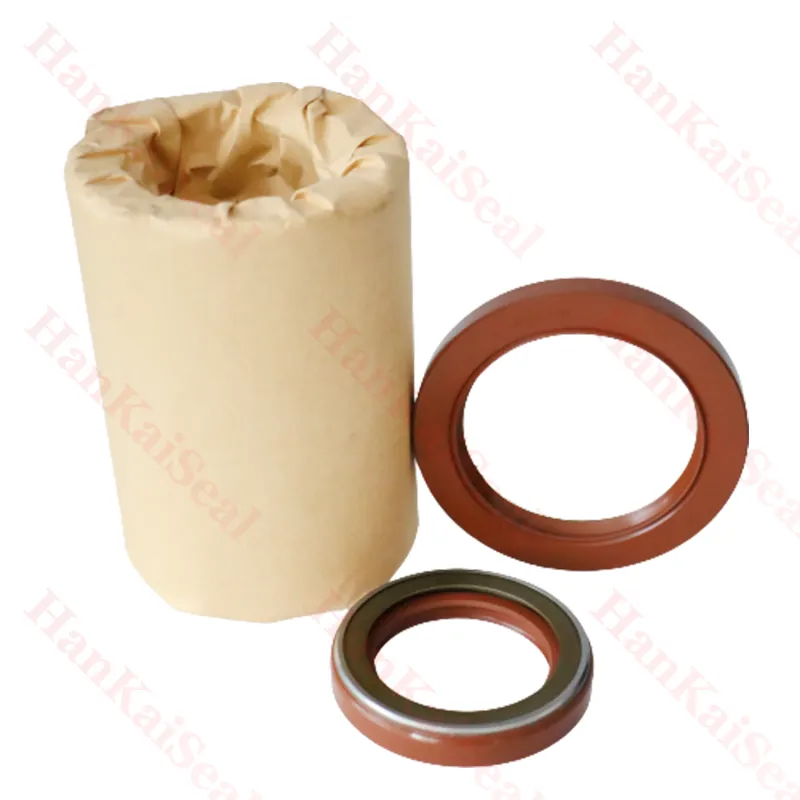
Standard oil seal BP0494 High pressure TCN oil seal
-
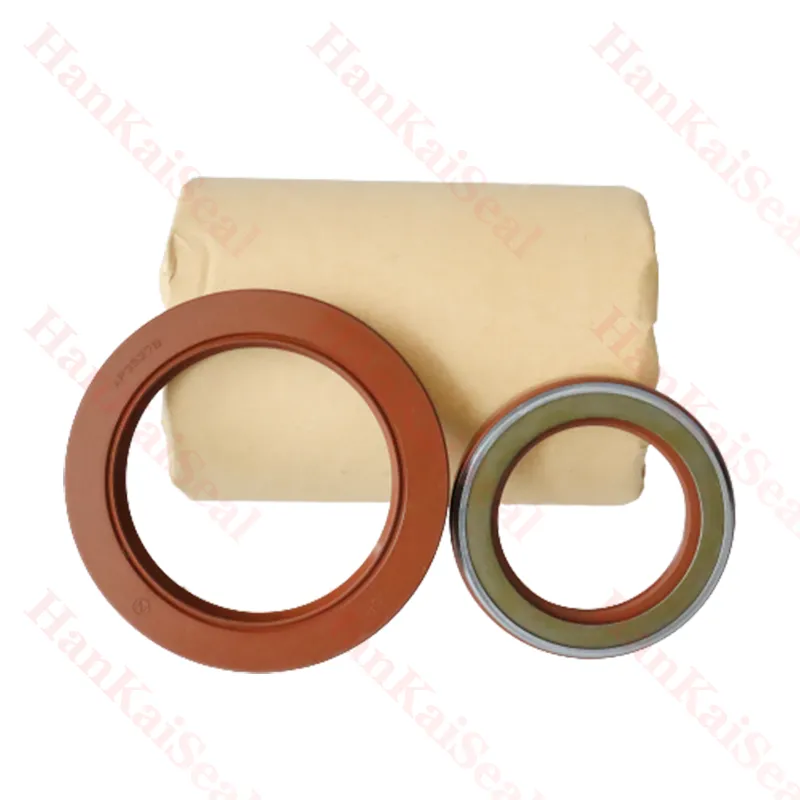
Hydraulic pump seal AP4624G high pressure TCN oil seal
-
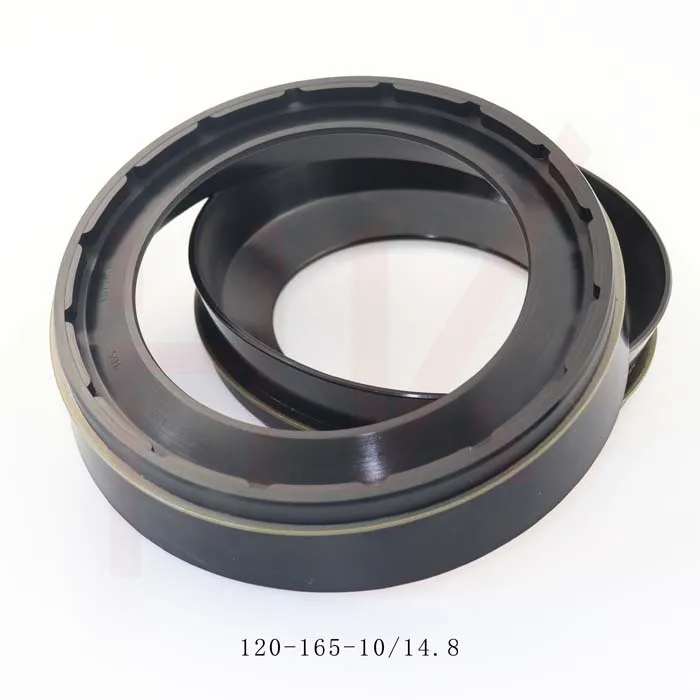
0734307418 0750112169 120*165*10/14.8 concrete mixer reducer oil seal
-
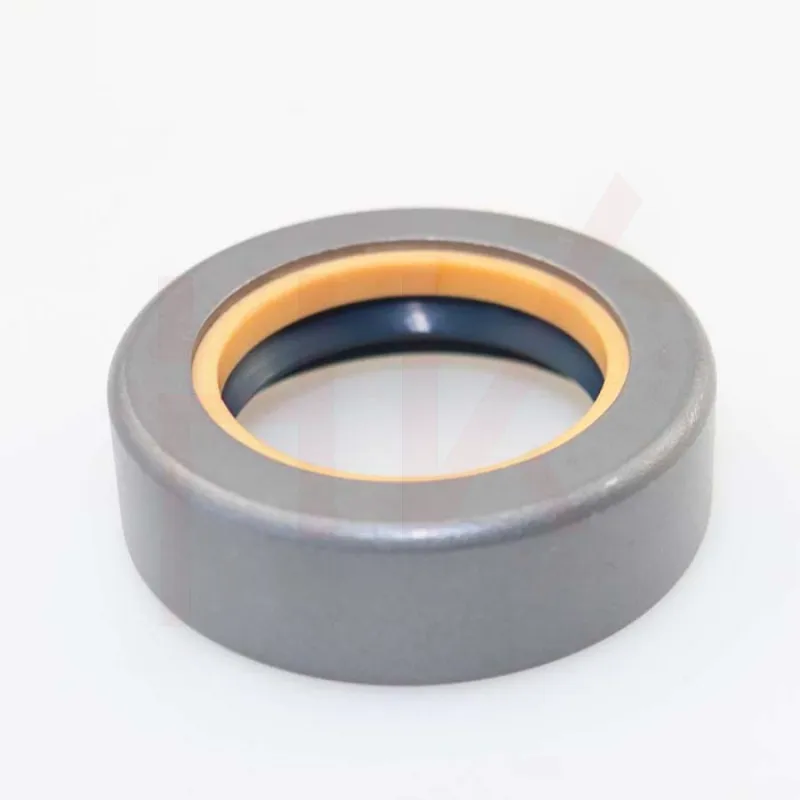
35*52*16 Standard Wheel Hub Oil Seal For Agricultural Machinery
-
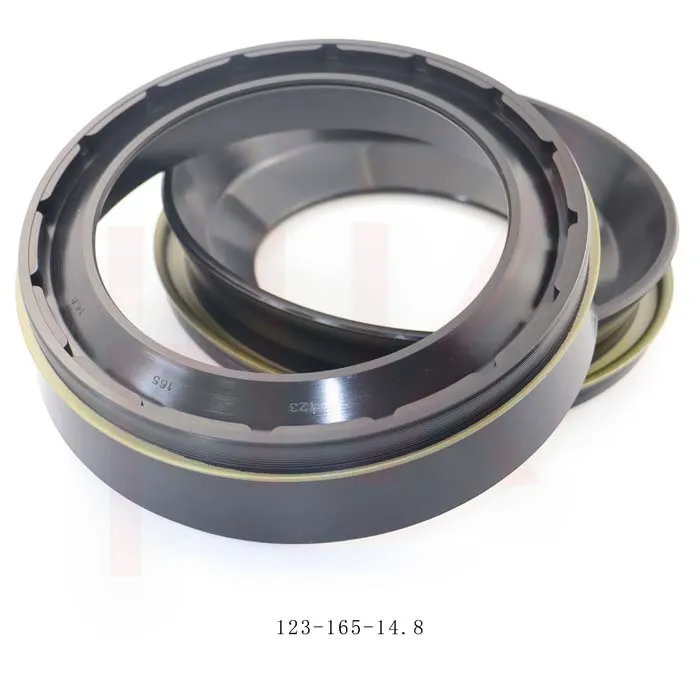
123*165*14.8 concrete mixer truck reducer oil seal
-
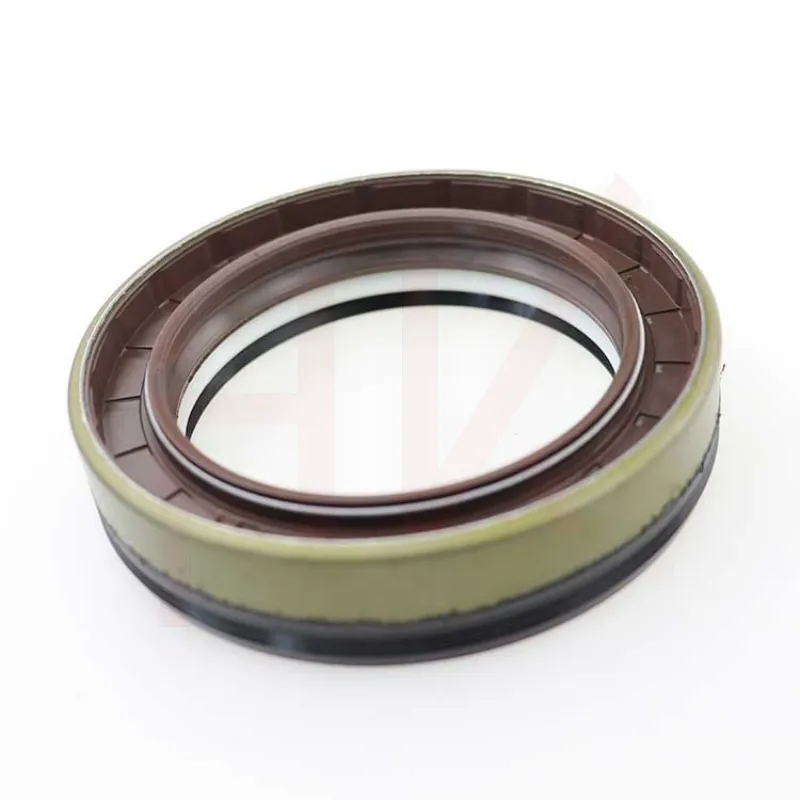
Tractor shaft oil seal 65-90-20 COMBI SF19 hub oil seal
-
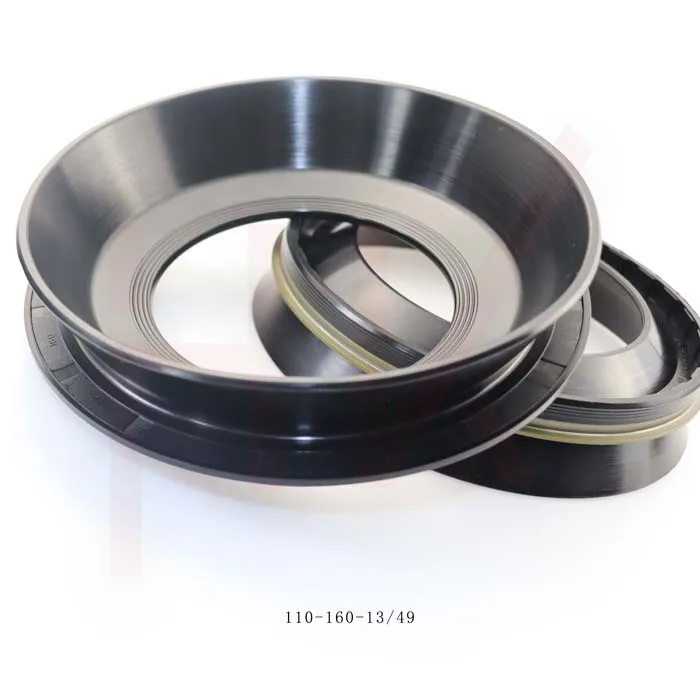
110*160*13/49 NBR reducerConcrete mixer truck oil seal
-
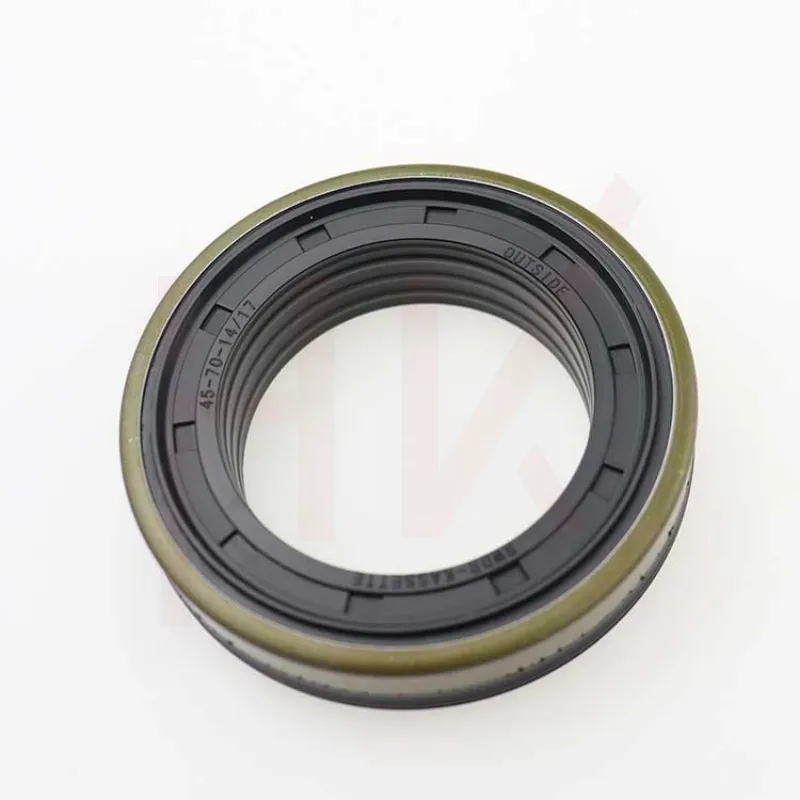
Hub oil seal 40*65*13/14.5 suitable for tractor Cat 12018035b
-
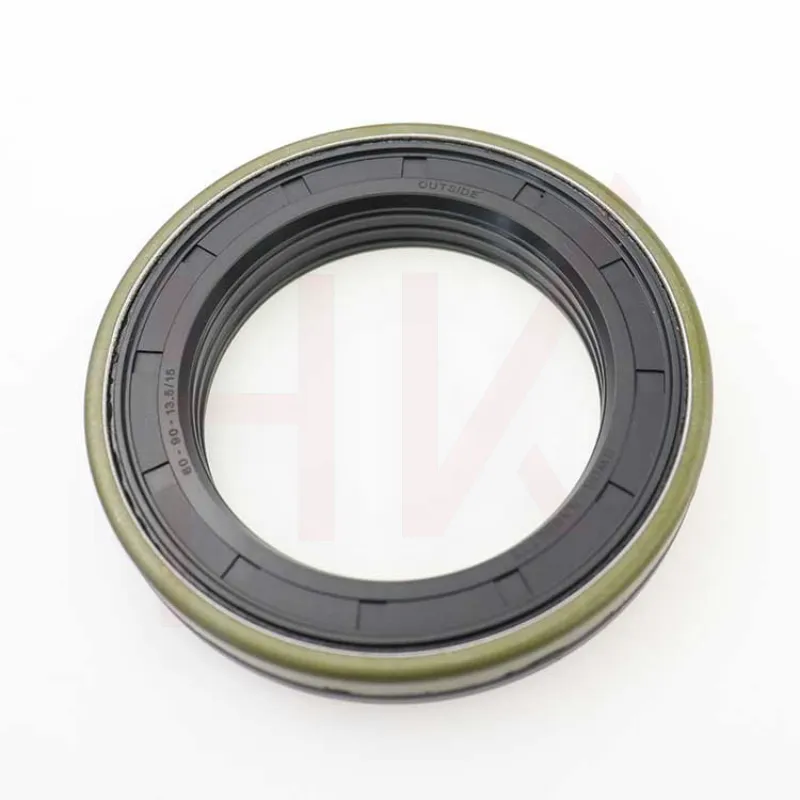
Tractor accessories cassette oil seal hub oil seal 60-90-13.5/15
-
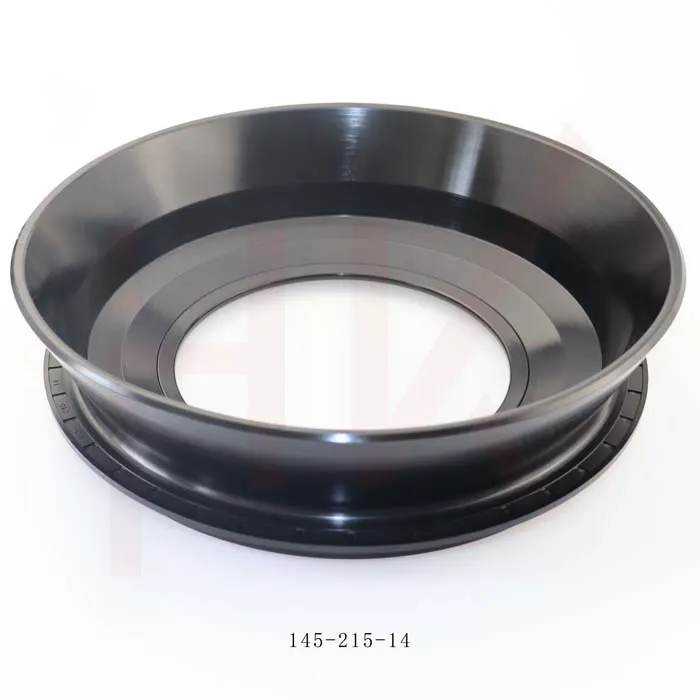
Factory concrete mixer truck oil seal 145*215*14 reducer gearbox oil seal
-
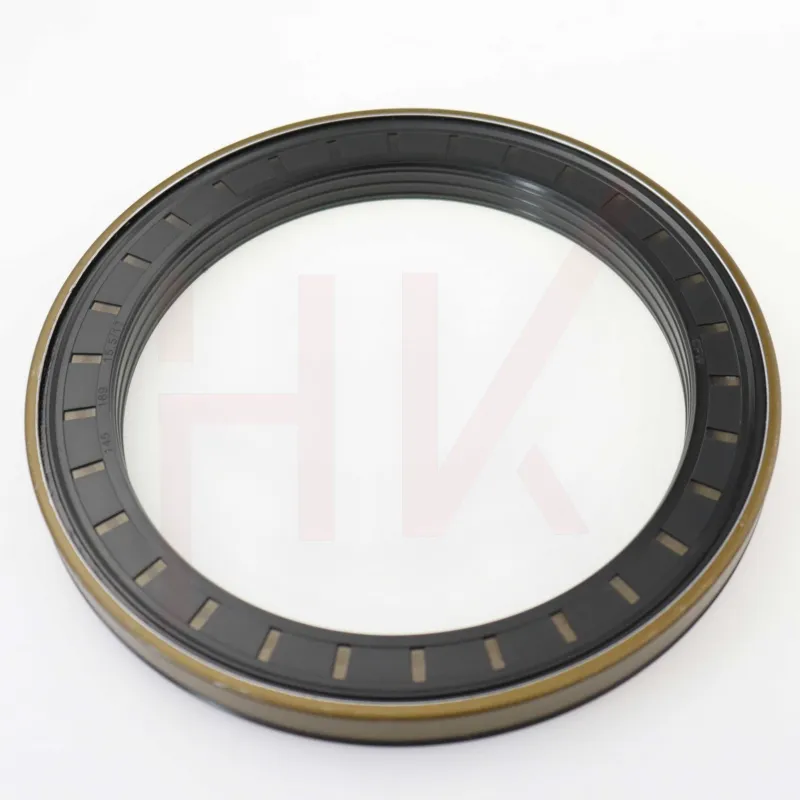
145*189*15.5/17 Cassette Seal NBR Hub Oil Seal 1508044
-
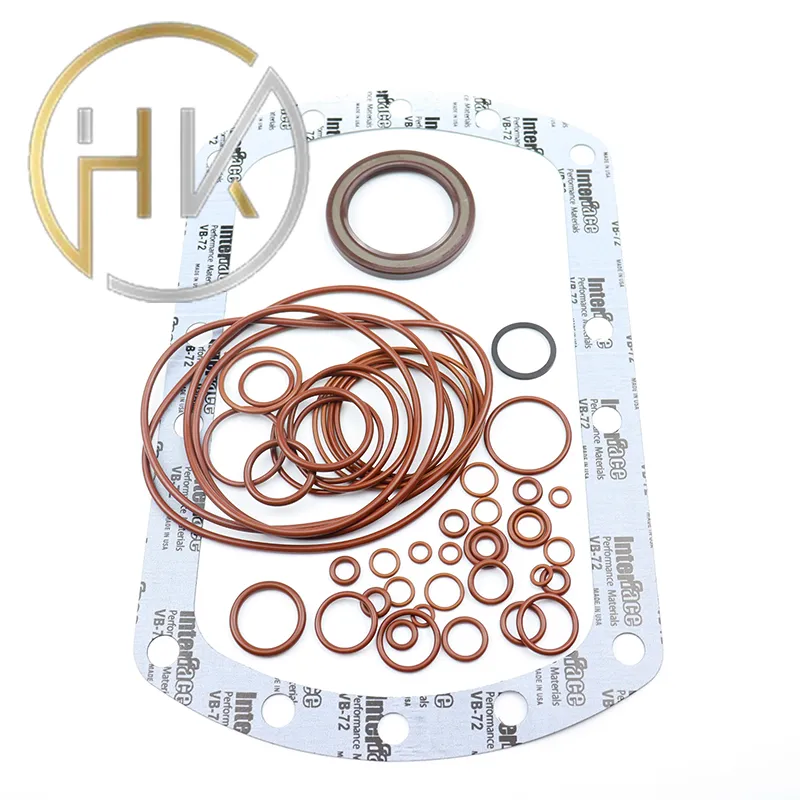
Factory direct sales hydraulic pump motor seal kit A8VO140
-
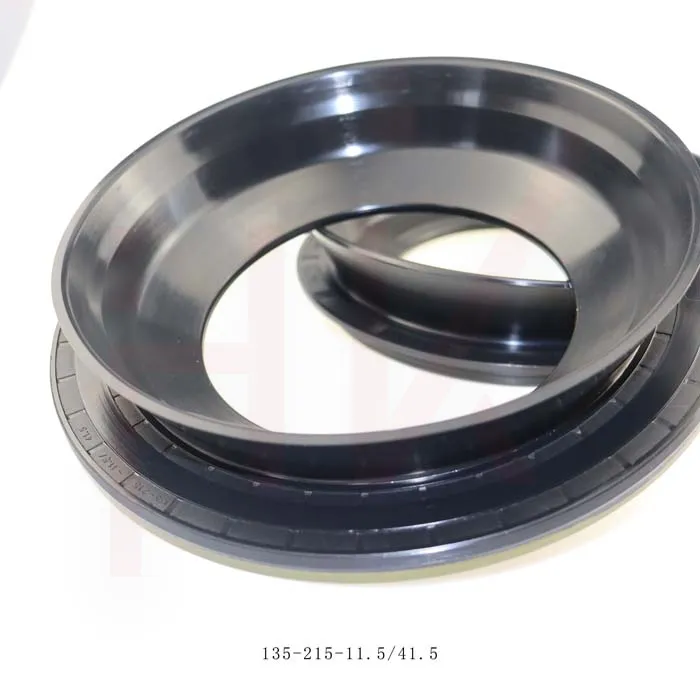
Brand new cement tanker oil seal 135*215*11.5/41.5 concrete mixer oil seal
-
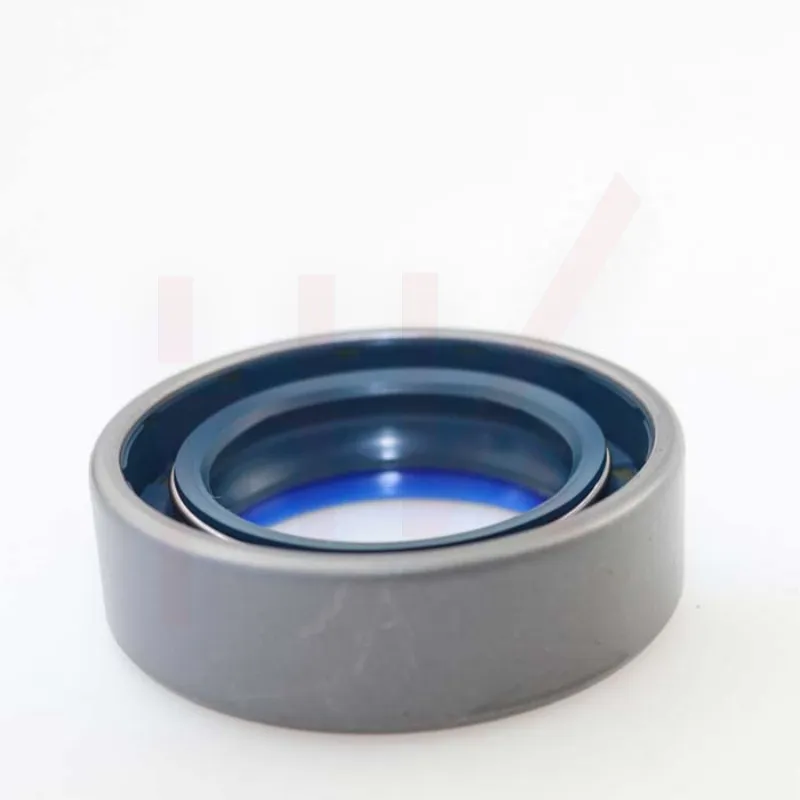
45*65*15 Combi oil seal JCB 90450009 COMBI SF1 SEAL
-
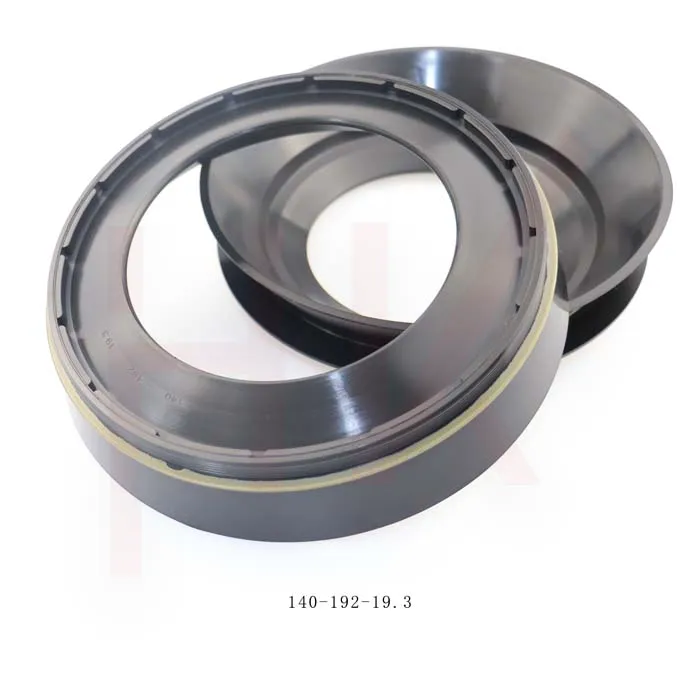
Gear box concrete mixer oil seal 140*192*19.3 nbr reducer oil seal
-
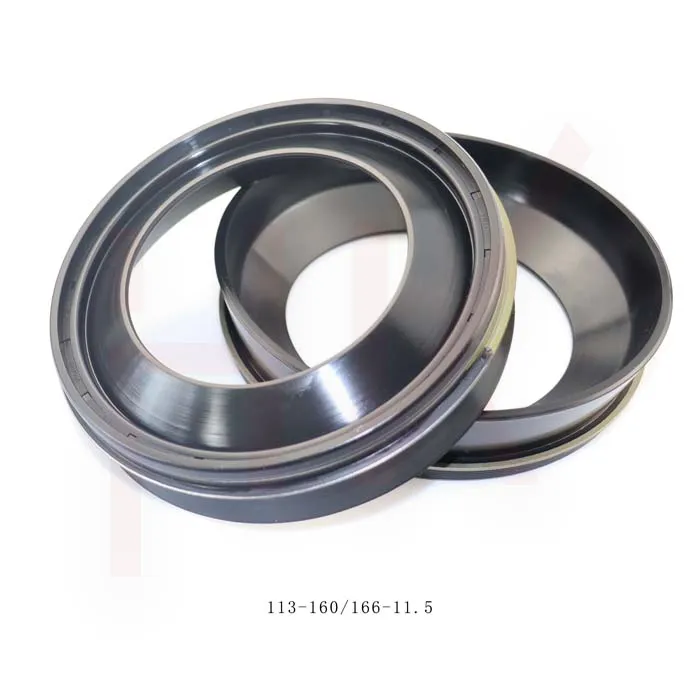
Seals factory direct sales 113*160/166*11.5/38 excavator truck reducer oil seal