Seal mixer konkrè
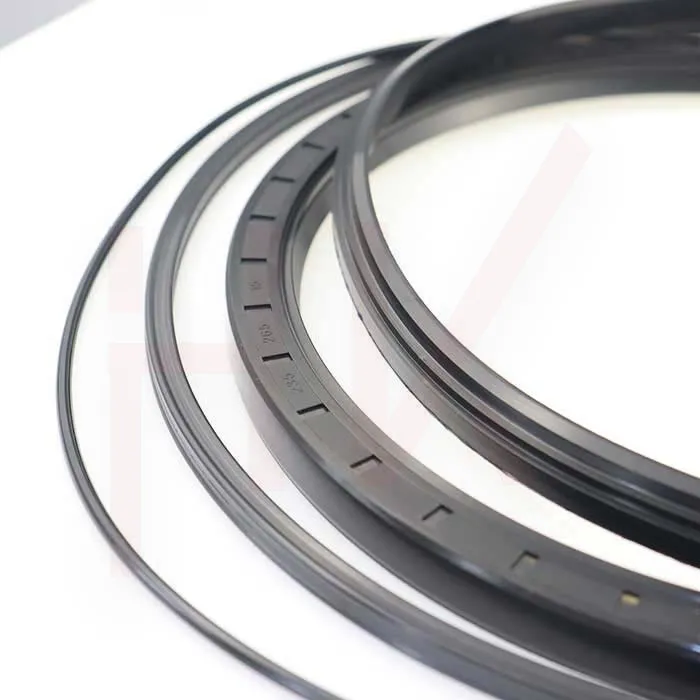
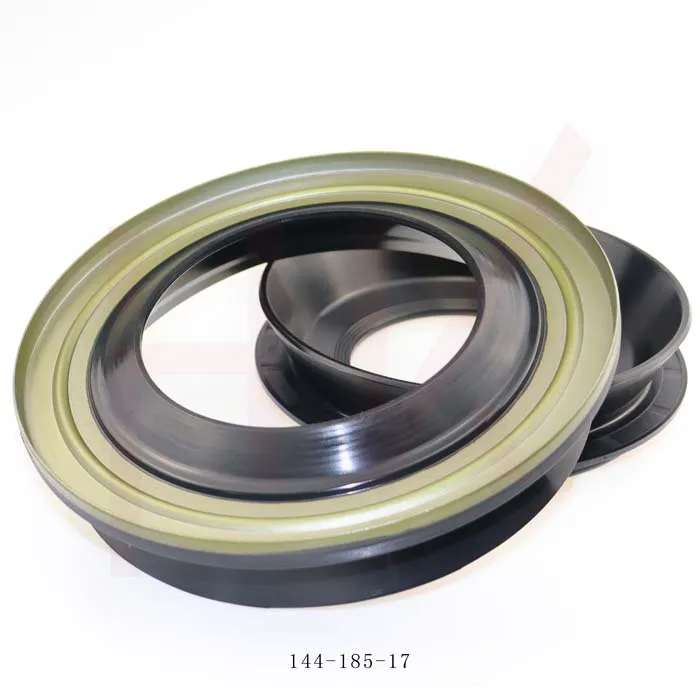
Concrete mixers play a crucial role in construction projects, as they ensure the efficient blending of ingredients to produce quality concrete. One of the key components in the operation of these mixers is the concrete mixer seal. Designed specifically to prevent leaks, the concrete mixer seal is an essential part of the mixing drum, ensuring the smooth operation of the equipment while protecting it from external contaminants.
A concrete mixer seal typically consists of high-quality rubber, or synthetic materials that offer durability, flexibility, and resistance to wear and tear. These seals are engineered to withstand the harsh conditions often encountered in the construction industry, including exposure to cement, water, and extreme temperatures. Their primary function is to prevent the leakage of concrete and other liquids from the drum, ensuring that the materials inside remain contained during the mixing process.
One of the key features of a concrete mixer seal is its ability to resist abrasion. During operation, the mixer drum undergoes constant movement and friction, which can lead to wear on components over time. The concrete mixer seal is designed to maintain a tight fit even under these conditions, preventing premature failure and ensuring a longer lifespan for the mixer.
In addition to preventing leaks, concrete mixer seals also protect the internal bearings and gears from exposure to moisture, dirt, and debris. This is essential for maintaining the overall performance of the mixer, as contamination can cause corrosion and damage to critical components. By providing a barrier against these contaminants, the seal helps reduce the need for frequent maintenance and repairs, thus increasing the reliability and efficiency of the equipment.
Furthermore, concrete mixer seals are designed for easy installation and maintenance. They are often available in various sizes and configurations to suit different models of concrete mixers. The seals can be quickly replaced when necessary, ensuring minimal downtime and allowing the mixer to return to operation swiftly.
Overall, the concrete mixer seal is a vital component that contributes to the overall performance and longevity of concrete mixing equipment. With its ability to prevent leaks, protect against contamination, and withstand harsh working conditions, it ensures that the concrete mixing process is efficient, reliable, and cost-effective. Whether for small-scale construction projects or large industrial operations, a well-maintained concrete mixer seal is essential for optimal performance.
What is a hydraulic seal kit?
A hydraulic seal kit is a collection of seals and related components used to prevent fluid leakage in hydraulic systems. These kits are essential for ensuring the smooth operation and longevity of hydraulic machinery, which relies on pressurized fluid to transmit power. The seal kit typically includes O-rings, hydraulic seals, back-up rings, and wipers, which are designed to fit specific components such as pistons, cylinders, and rods.
Hydraulic seals play a crucial role in maintaining system pressure, reducing wear, and preventing contamination. The seals are made from materials that can withstand high pressure, temperature extremes, and exposure to various chemicals or abrasive materials. Depending on the application, seals may be designed to prevent internal leakage (between moving parts) or external leakage (between the hydraulic system and the environment).
These kits are used in a wide range of machinery, including construction equipment, industrial machines, agricultural equipment, and more. Proper maintenance and timely replacement of seals from the kit are critical for the efficiency and safety of hydraulic systems, as faulty seals can lead to fluid loss, reduced performance, and potential system failure.
Are hydraulic seal kits universal?
Hydraulic seal kits are generally not universal. While there are some standard sizes and designs for common applications, most hydraulic systems require seals that are specifically tailored to the dimensions, pressure, temperature, and fluid compatibility of the particular machinery or equipment. Here’s why they aren’t universal:
-
Size and Shape Variations: Hydraulic systems vary in terms of cylinder diameter, rod dimensions, and other parts. Therefore, the seals must be designed to fit the exact specifications of each system’s components.
-
Material Compatibility: The seals in a hydraulic kit must be made from materials that are compatible with the fluids used in the system (e.g., oil, water-based fluids, or synthetic hydraulic fluids). The materials also need to be able to withstand the specific temperature and pressure ranges of the system. For example, seals used in high-temperature or high-pressure systems might require different materials than those in standard applications.
-
Application-Specific Needs: Different applications may demand different types of seals, such as single-acting or double-acting seals, depending on the direction of movement and the load requirements. Seals for industrial machinery may differ significantly from those used in mobile equipment like tractors or construction machinery.
-
OEM Specifications: Many hydraulic systems are designed by specific manufacturers (OEMs), and they may use proprietary designs or custom seal kits. These kits are usually optimized for the system’s performance and longevity, meaning off-the-shelf universal kits may not be a perfect fit.
For these reasons, when replacing or maintaining hydraulic seals, it’s important to use the correct seal kit designed for the specific make and model of the equipment. Always refer to the manufacturer's specifications or consult a professional to ensure proper seal compatibility and system functionality.