
Jan . 06, 2026 06:20 Back to list
High Pressure Hydraulic Shaft Seals — Critical Insights & Vendor Comparison
High Pressure Hydraulic Shaft Seals: What You Need to Know
Having spent close to two decades in the industrial equipment sector, I’ve come to realize something: high pressure hydraulic shaft seals might not be the flashiest component on the factory floor, but they’re absolutely critical. You know, these seals quietly keep the lifeblood of hydraulic systems—pressurized fluid—where it should be. Oddly enough, these small, often overlooked bits can cause massive headaches if they aren’t specified or maintained properly.
Let me walk you through what makes these seals tick, some trends I’ve noticed, and even a few stories from the trenches.
Design and Material Choices Matter
When engineers specify hydraulic shaft seals, a lot rides on the material composition. Nitrile rubber (NBR) and polyurethane (PU) remain top choices due to their wear resistance and elasticity under pressure. But here’s the thing — depending on your system’s operating temperature, fluid type, and pressure levels, you might lean toward fluorocarbon (FKM) or PTFE-based seals for better chemical resistance.
For instance, I once saw a project where a client insisted on a standard NBR seal for a high-temp environment (around 90°C). Needless to say, the seal failed prematurely. Switching to a fluorocarbon variant reduced leaks and saved downtime. You get the picture — selecting the proper compound isn’t just academic; it has real-world consequences.
| Specification | Value/Range |
|---|---|
| Max Pressure | Up to 35 MPa (5000 psi) |
| Operating Temperature | -30°C to +120°C (varies with material) |
| Materials | NBR, PU, FKM, PTFE combinations |
| Surface Finish | Ra 0.2 – 0.8 µm recommended |
| Shaft Diameter Range | 3 mm to 300 mm |
Comparing Top Hydraulic Seal Vendors
In my experience, not all suppliers are created equal. Price alone doesn't tell the whole story, especially in industries where seal failure leads to costly downtime. Here’s a quick look at some popular vendors I’ve worked with, comparing price, material options, customization, and lead time.
| Vendor | Price Level | Material Options | Customization | Lead Time |
|---|---|---|---|---|
| Vendor A | $$$ | NBR, FKM, PTFE | High | 2-3 weeks |
| Vendor B | $$ | NBR, PU | Moderate | 1-2 weeks |
| Vendor C | $ | NBR (limited options) | Low | 5-7 days |
Real-World Insights
Frankly, working in maintenance and application engineering has taught me that nothing replaces proper testing and installation. During a recent overhaul for a hydraulic press, we started with a basic seal spec. But field tests indicated fluid seepage after just a few cycles. A quick swap to a seal with a reinforced spring energizer and advanced lip geometry solved the leakage—and the operators noticed the difference almost immediately.
It’s moments like these that remind you: buying a seal isn’t just about picking one from a catalog. Customization, testing in simulated conditions, and careful installation are all part of the journey.
So whether you’re designing new equipment or retrofitting existing machines, investing time in choosing the right high pressure hydraulic shaft seals pays dividends in reliability and reduced downtime.
In real terms, these seals are the unsung heroes that quietly hold hydraulic systems together. Treat them right, and they’ll return the favor many times over.
References:
1. Fluid Power Journal, “Material Selection in Hydraulic Seals,” 2022.
2. Machinery Lubrication, “Preventing Hydraulic Seal Failures,” 2021.
3. Personal industry experience, 2005-2023.
-
Premium Hydraulic Cylinder Packing Kits for Peak Performance
NewsApr.09,2026
-
Comprehensive Guide to Hydraulic Cylinder Oil Seal Kits for Optimal Performance
NewsApr.07,2026
-
Comprehensive Guide to Choosing the Right Cylinder Seal Kits for Peak Performance
NewsApr.04,2026
-
Comprehensive Guide to Seal Kits for Cylinders Ensuring Optimal Performance
NewsMar.31,2026
-
Comprehensive Guide to Hyd Cylinder Seals for Optimal Hydraulic System Performance
NewsMar.28,2026
-
Comprehensive Guide to Hyd Cylinder Seal Kit Selection and Installation
NewsMar.26,2026
-
Comprehensive Guide to Hydraulic Cylinder Seal Kits for Optimal Performance
NewsMar.24,2026
Products categories
-
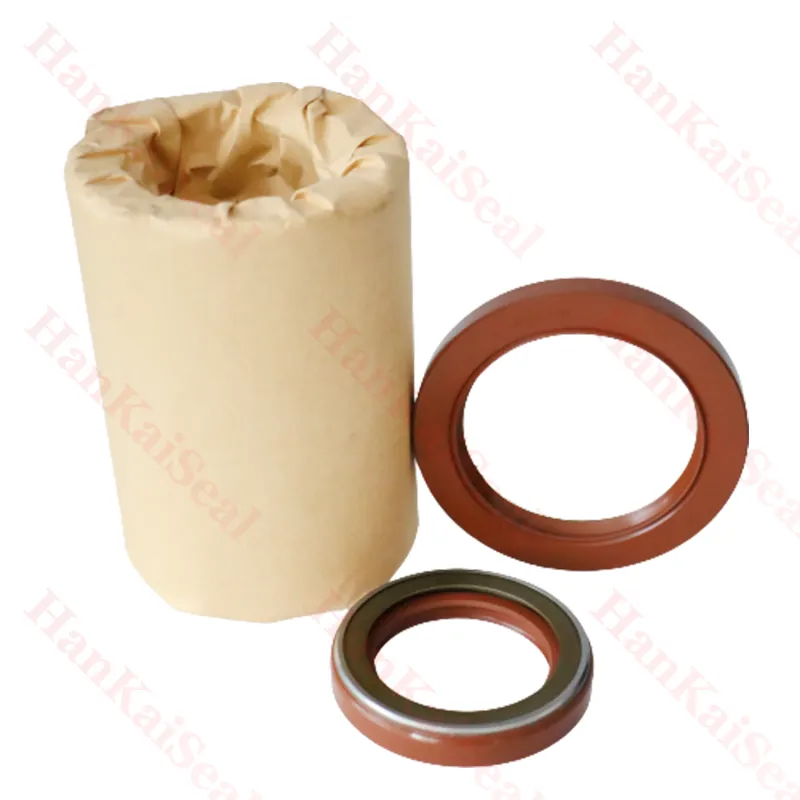
Standard oil seal BP0494 High pressure TCN oil seal
-
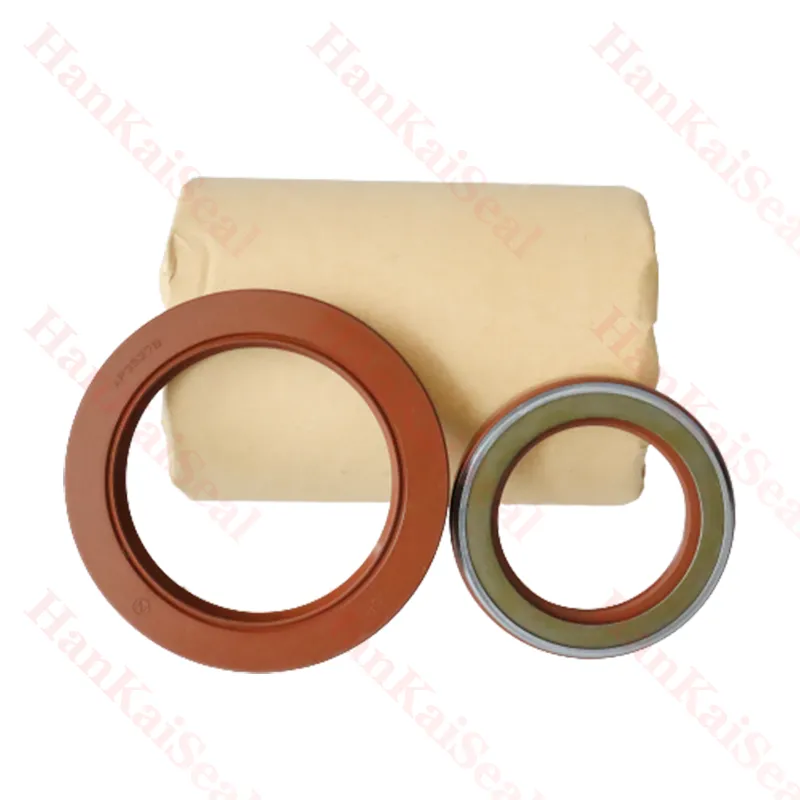
Hydraulic pump seal AP4624G high pressure TCN oil seal
-
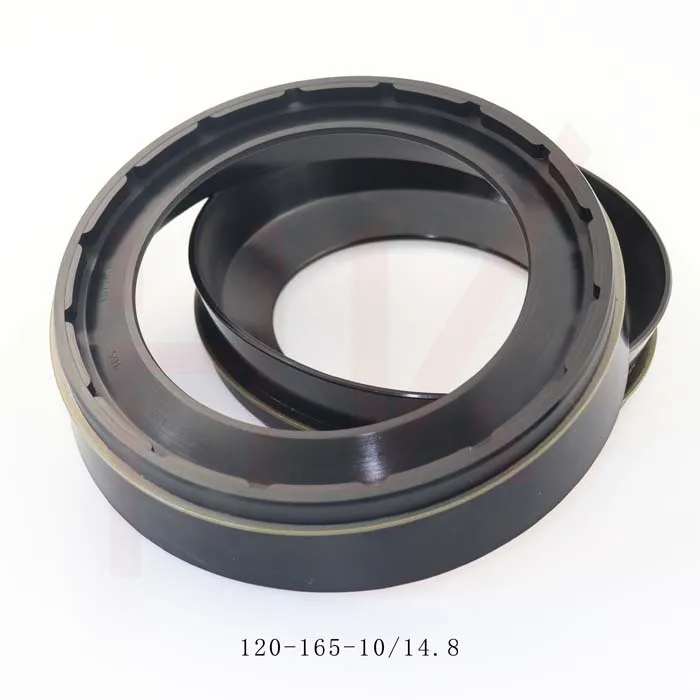
0734307418 0750112169 120*165*10/14.8 concrete mixer reducer oil seal
-
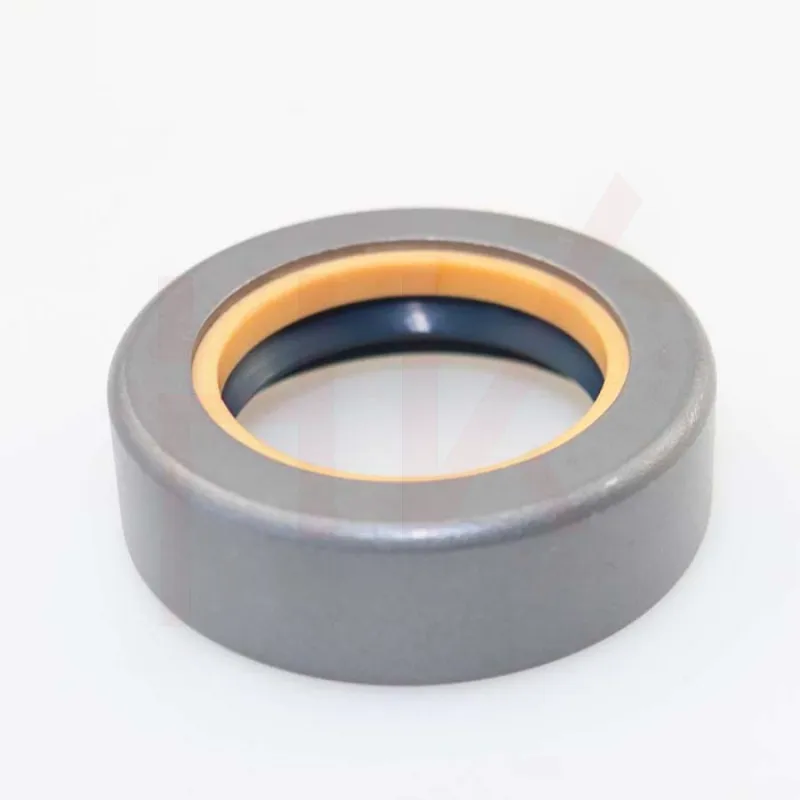
35*52*16 Standard Wheel Hub Oil Seal For Agricultural Machinery
-
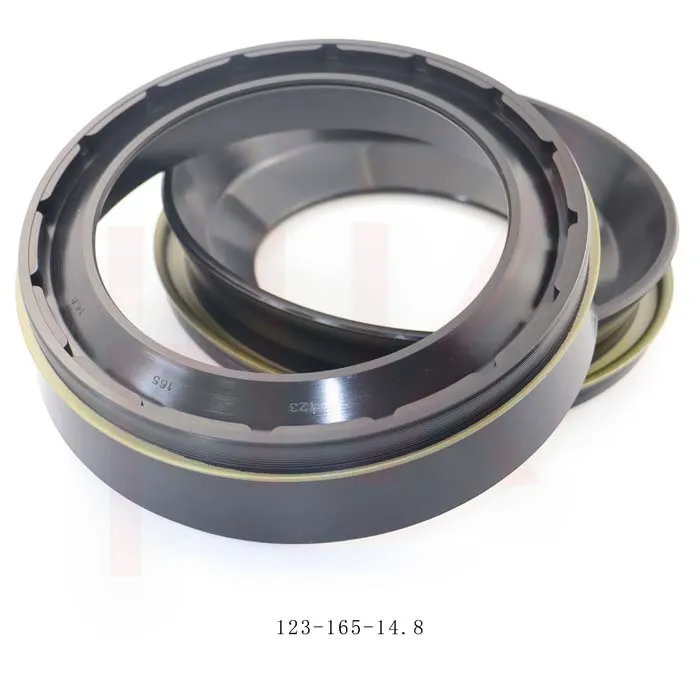
123*165*14.8 concrete mixer truck reducer oil seal
-
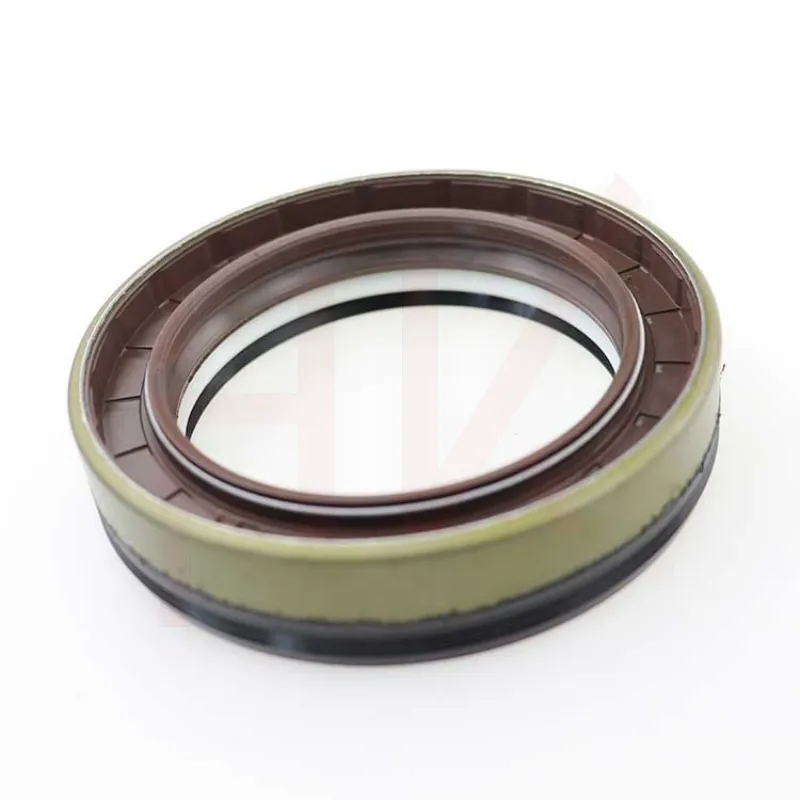
Tractor shaft oil seal 65-90-20 COMBI SF19 hub oil seal
-
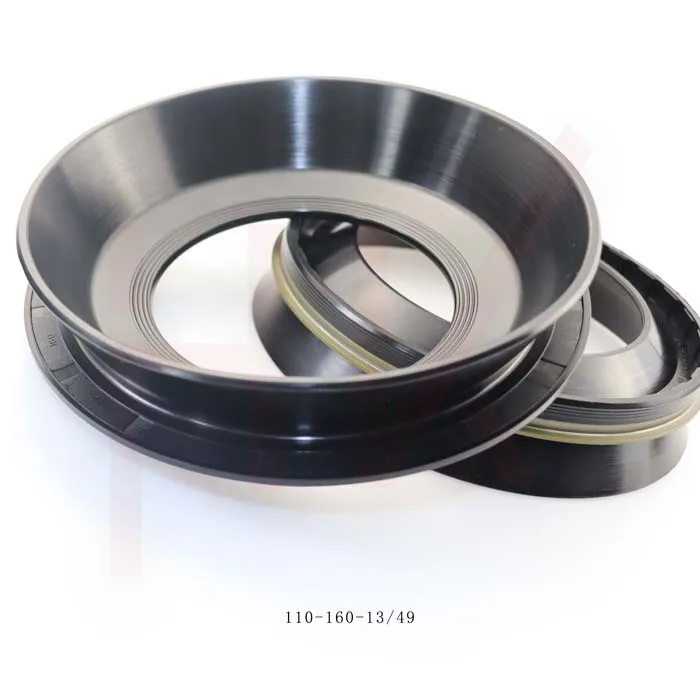
110*160*13/49 NBR reducerConcrete mixer truck oil seal
-
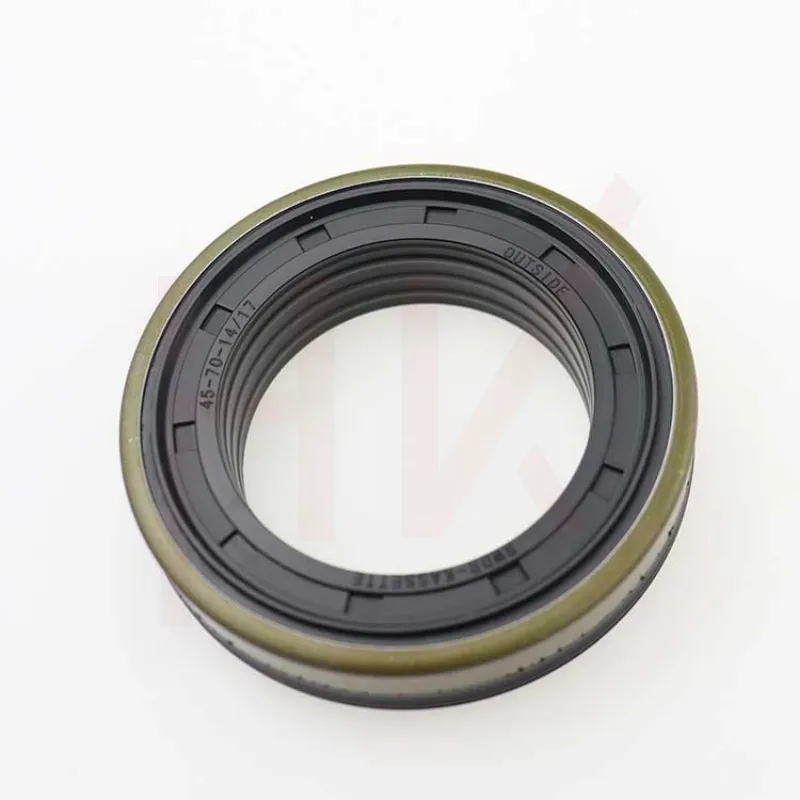
Hub oil seal 40*65*13/14.5 suitable for tractor Cat 12018035b
-
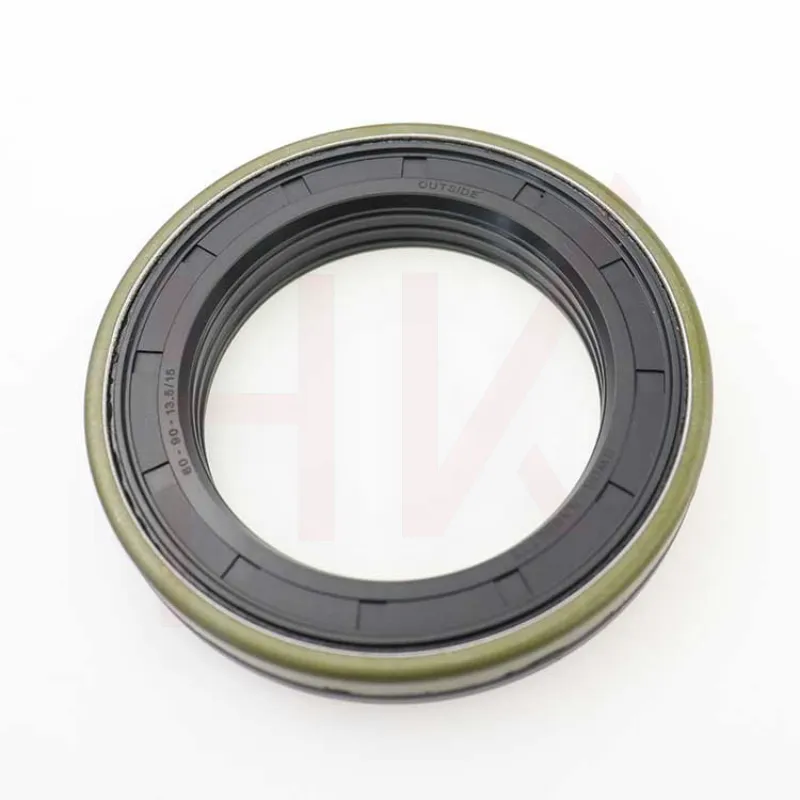
Tractor accessories cassette oil seal hub oil seal 60-90-13.5/15
-
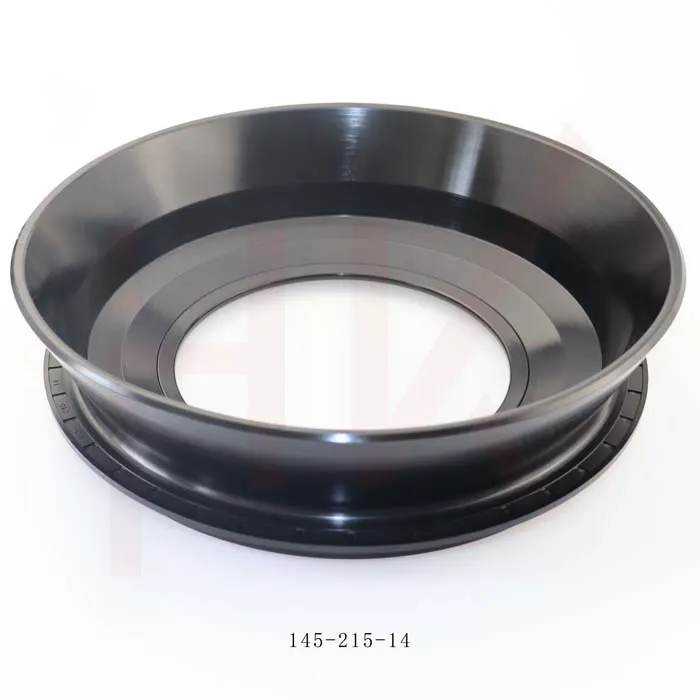
Factory concrete mixer truck oil seal 145*215*14 reducer gearbox oil seal
-
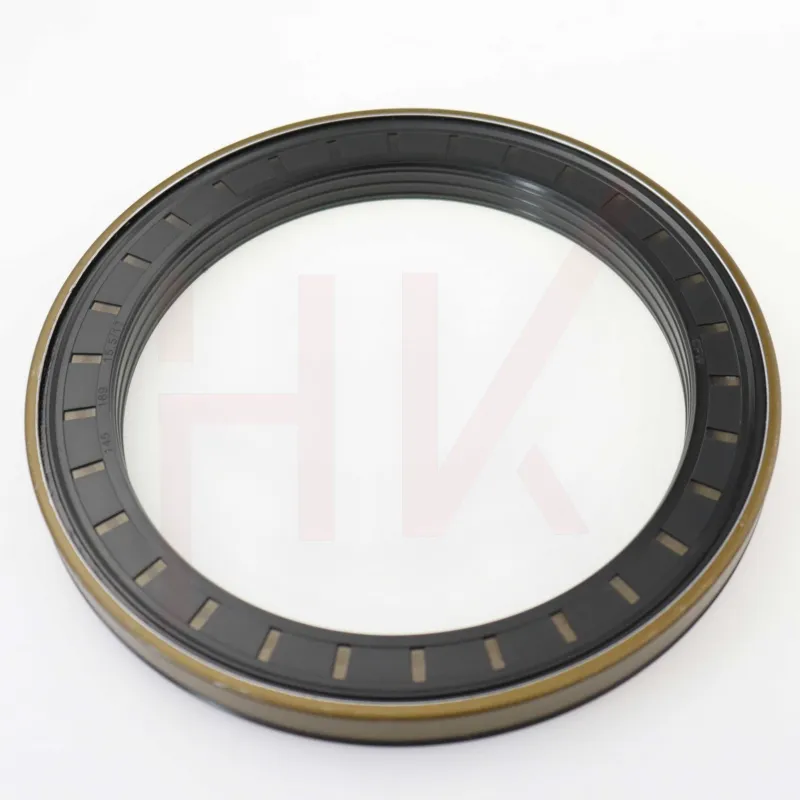
145*189*15.5/17 Cassette Seal NBR Hub Oil Seal 1508044
-
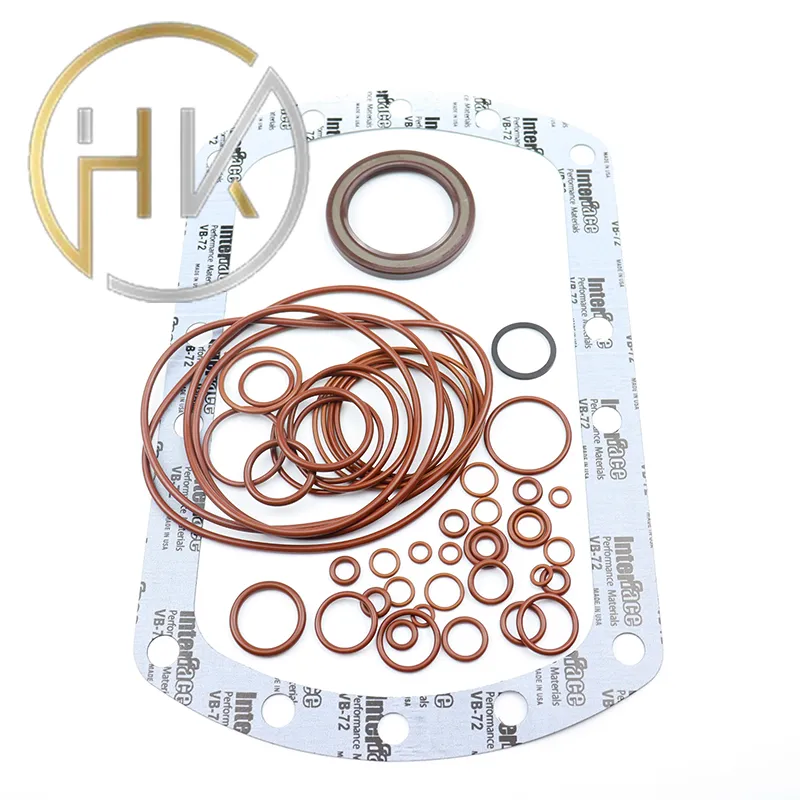
Factory direct sales hydraulic pump motor seal kit A8VO140
-
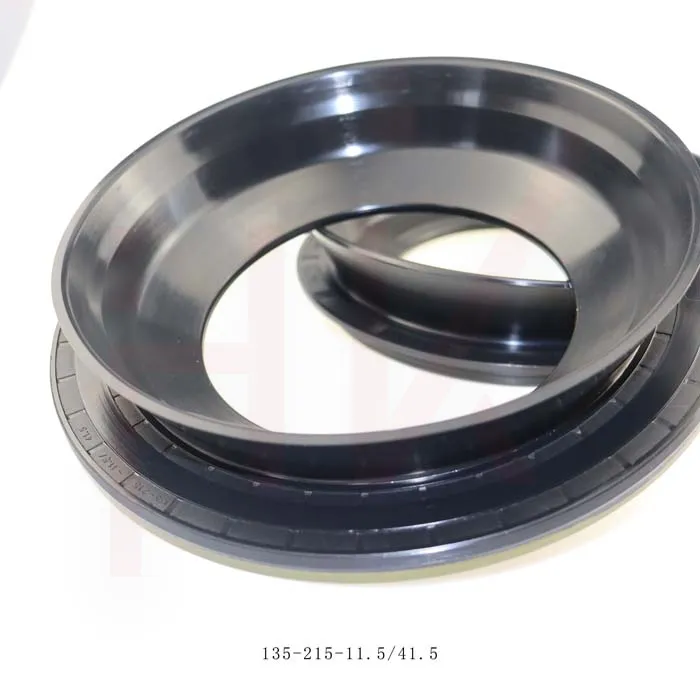
Brand new cement tanker oil seal 135*215*11.5/41.5 concrete mixer oil seal
-
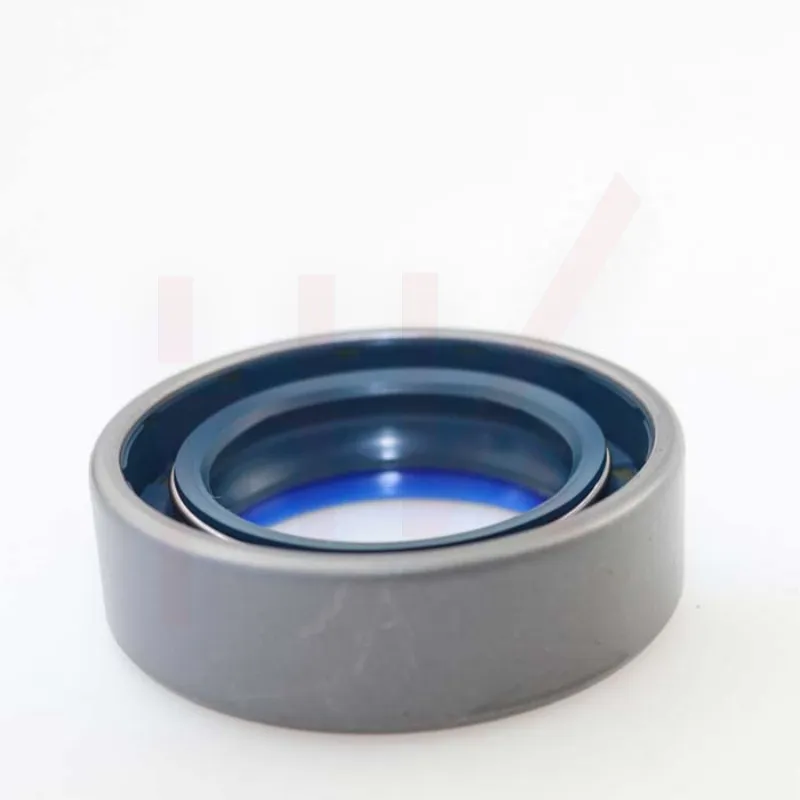
45*65*15 Combi oil seal JCB 90450009 COMBI SF1 SEAL
-
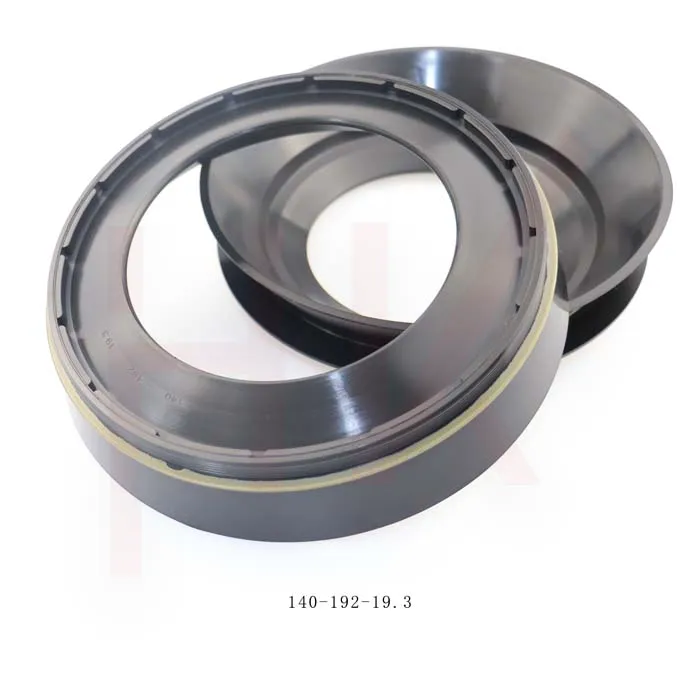
Gear box concrete mixer oil seal 140*192*19.3 nbr reducer oil seal
-
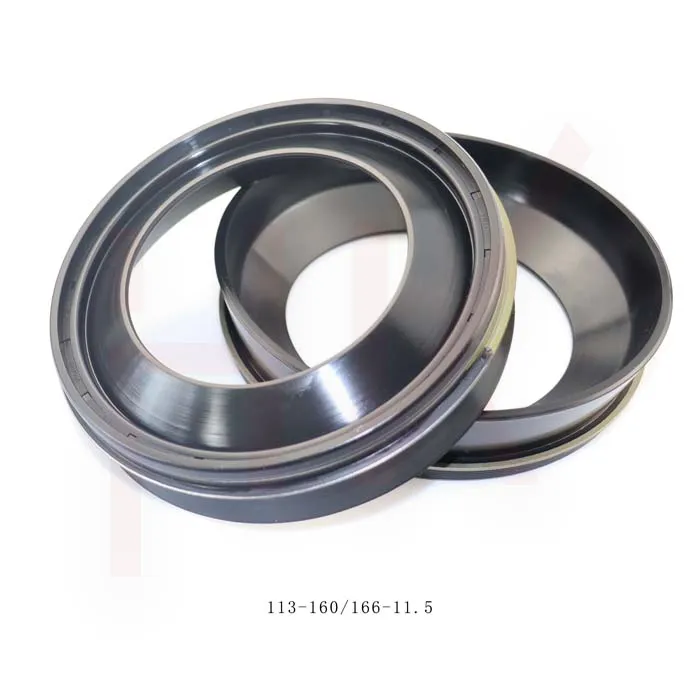
Seals factory direct sales 113*160/166*11.5/38 excavator truck reducer oil seal