
Jan . 06, 2026 03:20 Back to list
Durable High Pressure Shaft Solutions for Industrial Equipment
Understanding the High Pressure Shaft in Industrial Equipment
Having spent more than a decade working hands-on in the industrial equipment sector, there's one component I've come to respect tremendously: the high pressure shaft. It may not have the flashiest reputation on the shop floor, but this part often carries the brunt of some seriously tough mechanical conditions.
You know, these shafts operate under tremendous stress — spinning at high speeds while contending with intense pressure and harsh environments. It’s kind of like a tightrope walk, balancing strength and precision. Over the years, I've seen shafts fail when corners were cut on materials or design, and equally witnessed how a well-engineered shaft can save days of downtime and thousands in repair costs.
In real terms, the high pressure shaft must combine rigidity with a bit of elasticity. Too brittle, and it risks cracking under sudden loads. Too soft, and it simply won’t maintain alignment or endure the operational demands. This is why materials play a crucial role. Many manufacturers now rely on alloy steels treated to improve hardness without sacrificing toughness. Frankly, the metallurgy behind these shafts fascinates me – it’s a blend of science and art, really.
Key Product Specifications of a Typical High Pressure Shaft
| Specification | Value/Range |
|---|---|
| Material | Alloy Steel (e.g., 4140, 4340) |
| Hardness | 55-60 HRC |
| Diameter Range | 20mm to 150mm+ |
| Operating Pressure | Up to 50 MPa (megapascal) |
| Max Operating Speed | Up to 3600 RPM |
| Coating (optional) | Nitride, Phosphate, or Custom Coatings |
What's often overlooked, but really matters, is how these shafts are tested and inspected. I recall a case where a factory implemented a new ultrasonic thickness test after receiving shafts that showed microscopic cracks invisible to the naked eye. That slight extra step? It saved them from a catastrophic failure in an offshore pump application, where failure would have been both dangerous and extremely costly.
There’s also a growing demand for customization. Every plant or piece of equipment may have nuanced requirements. Sometimes you need a shaft with special grooves, or with particular flange designs to fit non-standard couplings. This flexibility is something I strongly recommend looking for when ordering. And frankly, not all vendors can deliver on that consistently.
Vendor Comparison: High Pressure Shafts
| Feature | Vendor A | Vendor B | Vendor C |
|---|---|---|---|
| Material Quality | High-grade alloy steel | Standard alloy steel | Custom alloys available |
| Design Flexibility | Limited standard options | Moderate, some customization | Highly customizable |
| Testing & Inspection | Full ultrasonic & hardness tests | Basic visual tests | Non-destructive testing options |
| Lead Time | 4-6 weeks | 2-3 weeks | 6-8 weeks |
| Price Range | $$$ | $$ | $$$$ |
From my experience, quality is rarely the cheapest option, but it pays off in reliability and peace of mind. For example, a mid-sized chemical plant I worked with replaced their standard shafts with a high pressure shaft from a premium supplier, and within a year, they reported a 30% reduction in shaft-related failures. That’s significant, especially when unplanned downtime can mean a six-figure loss in production.
So, if you’re sourcing shafts for a high-pressure application, consider the full picture: materials, testing, customization, and vendor support. It honestly feels like investing here saves headaches down the line. Oddly enough, even small improvements in a shaft’s specs can cascade into major operational gains.
In the end, it’s the little details — like right heat treatment or inclusive testing protocols — that make all the difference. And that’s something you learn only by working in the trenches.
Thanks for reading — I hope this sheds some light on the humble yet crucial high pressure shaft.
References:
1. Industrial Equipment Materials Handbook, 3rd Ed.
2. Machinery Reliability Best Practices, 2022
3. Case study: Chemical Plant Downtime Reduction, 2023
-
Guide to Choosing the Right High Quality hydraulic ram kit
NewsApr.16,2026
-
Premium Hydraulic Cylinder Packing Kits for Peak Performance
NewsApr.09,2026
-
Comprehensive Guide to Hydraulic Cylinder Oil Seal Kits for Optimal Performance
NewsApr.07,2026
-
Comprehensive Guide to Choosing the Right Cylinder Seal Kits for Peak Performance
NewsApr.04,2026
-
Comprehensive Guide to Seal Kits for Cylinders Ensuring Optimal Performance
NewsMar.31,2026
-
Comprehensive Guide to Hyd Cylinder Seals for Optimal Hydraulic System Performance
NewsMar.28,2026
-
Comprehensive Guide to Hyd Cylinder Seal Kit Selection and Installation
NewsMar.26,2026
Products categories
-
Standard oil seal BP0494 High pressure TCN oil seal
-
Hydraulic pump seal AP4624G high pressure TCN oil seal
-
0734307418 0750112169 120*165*10/14.8 concrete mixer reducer oil seal
-
35*52*16 Standard Wheel Hub Oil Seal For Agricultural Machinery
-
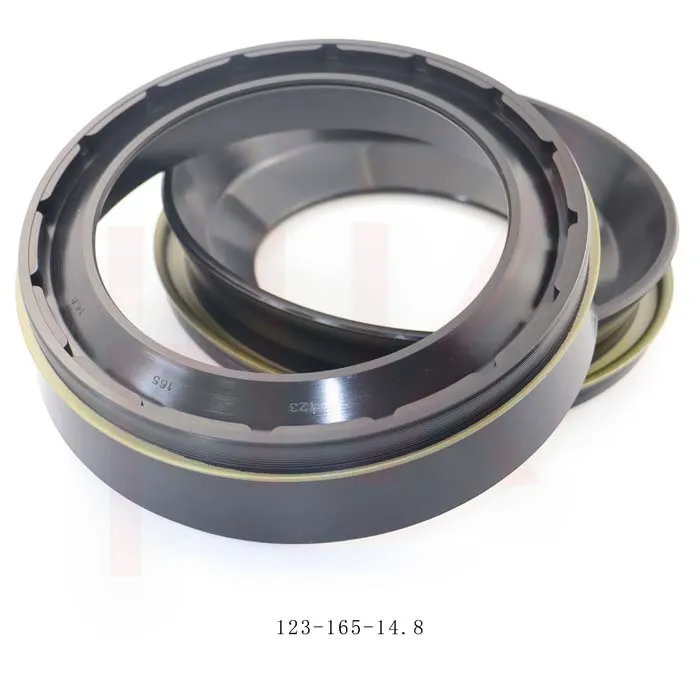
123*165*14.8 concrete mixer truck reducer oil seal
-
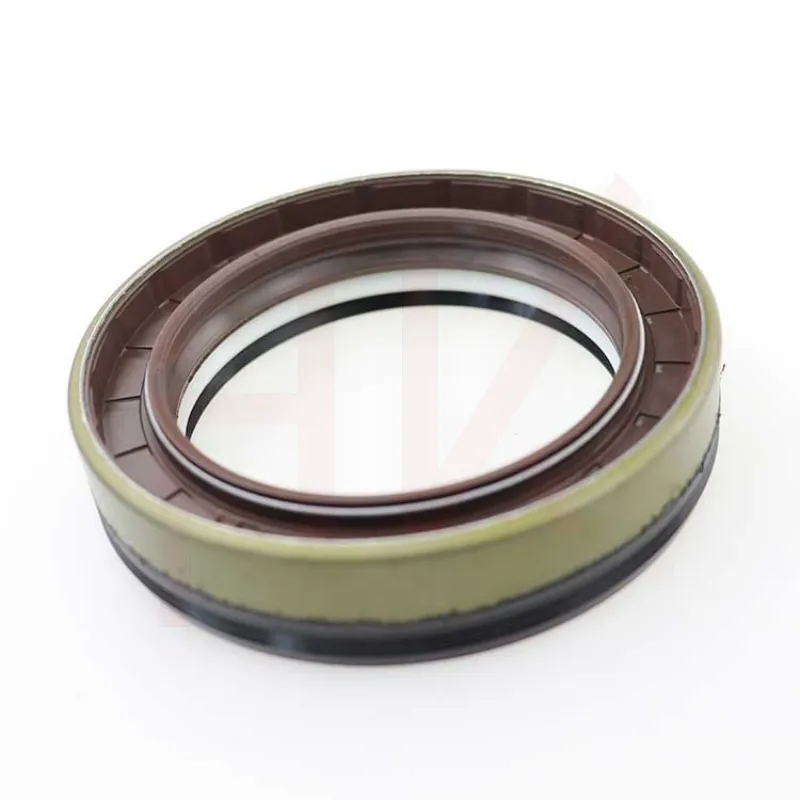
Tractor shaft oil seal 65-90-20 COMBI SF19 hub oil seal
-
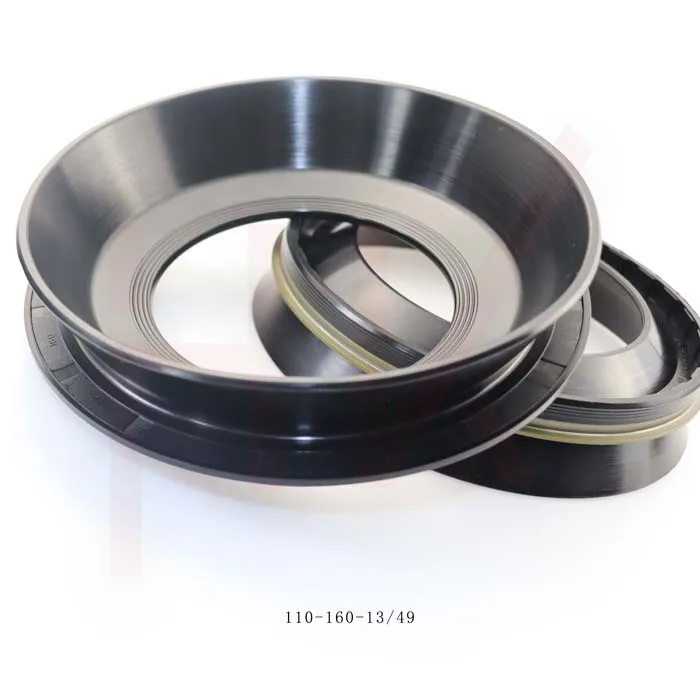
110*160*13/49 NBR reducerConcrete mixer truck oil seal
-
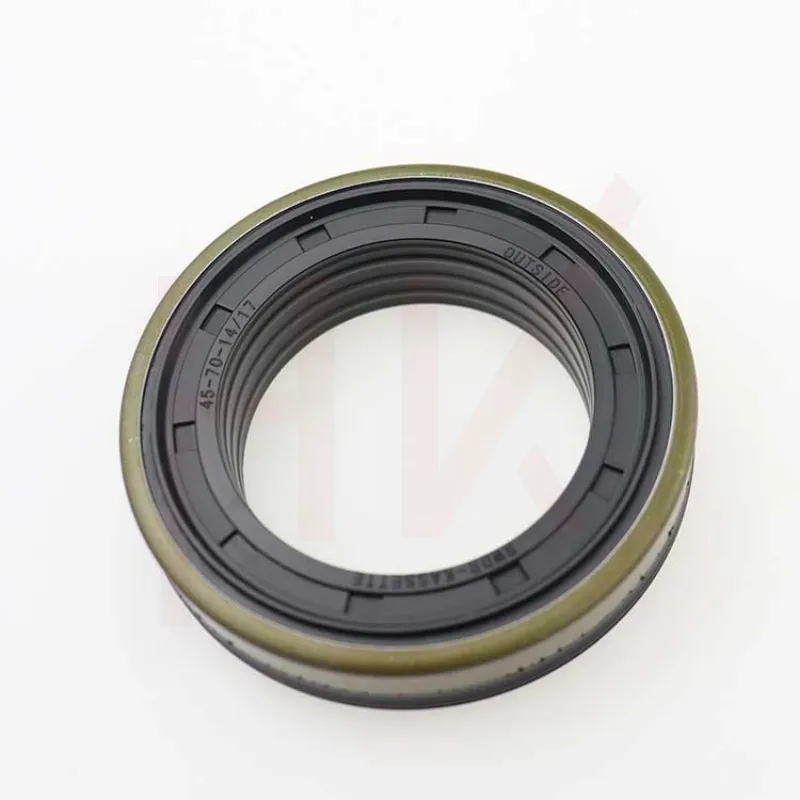
Hub oil seal 40*65*13/14.5 suitable for tractor Cat 12018035b
-
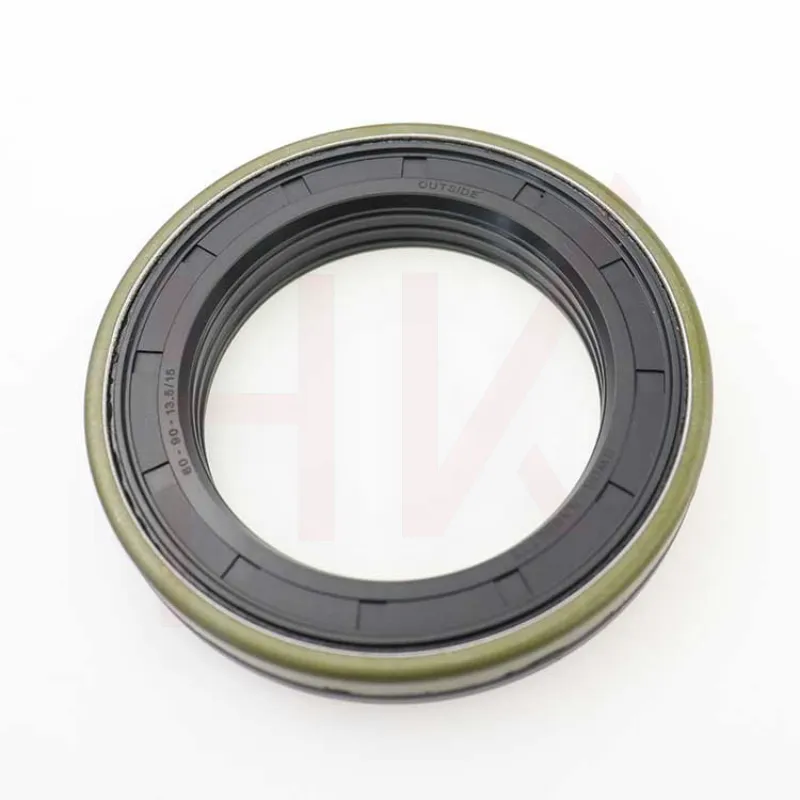
Tractor accessories cassette oil seal hub oil seal 60-90-13.5/15
-
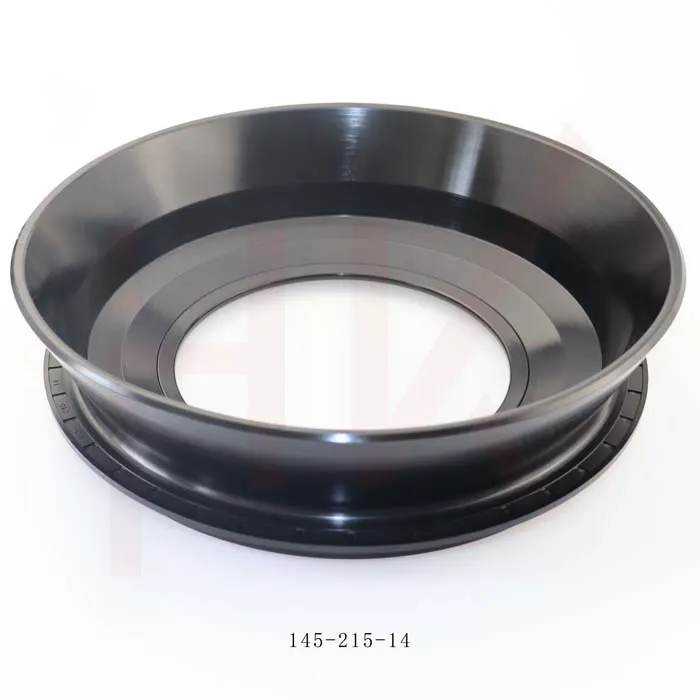
Factory concrete mixer truck oil seal 145*215*14 reducer gearbox oil seal
-
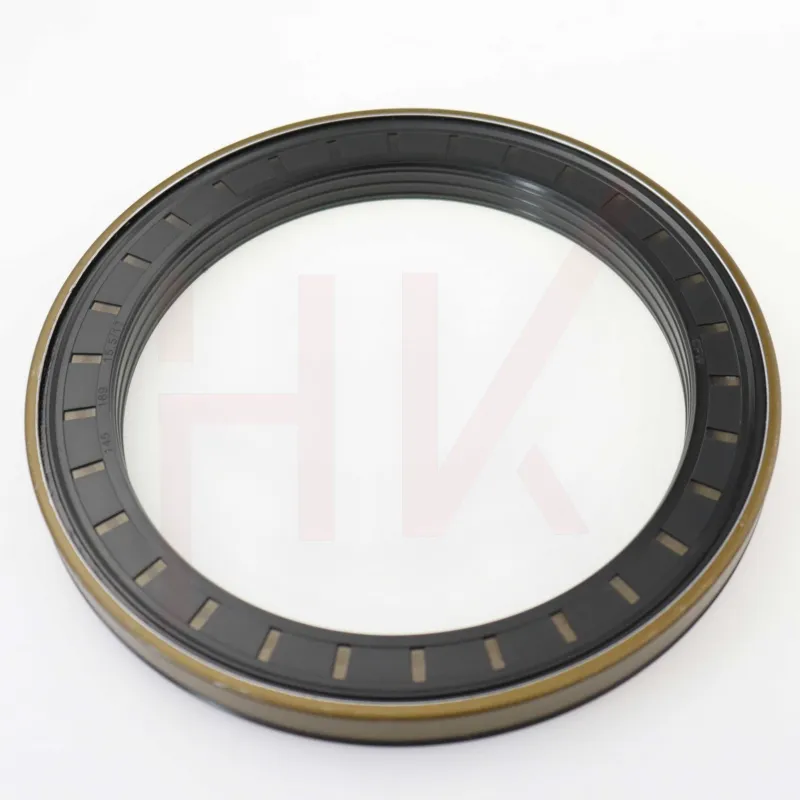
145*189*15.5/17 Cassette Seal NBR Hub Oil Seal 1508044
-
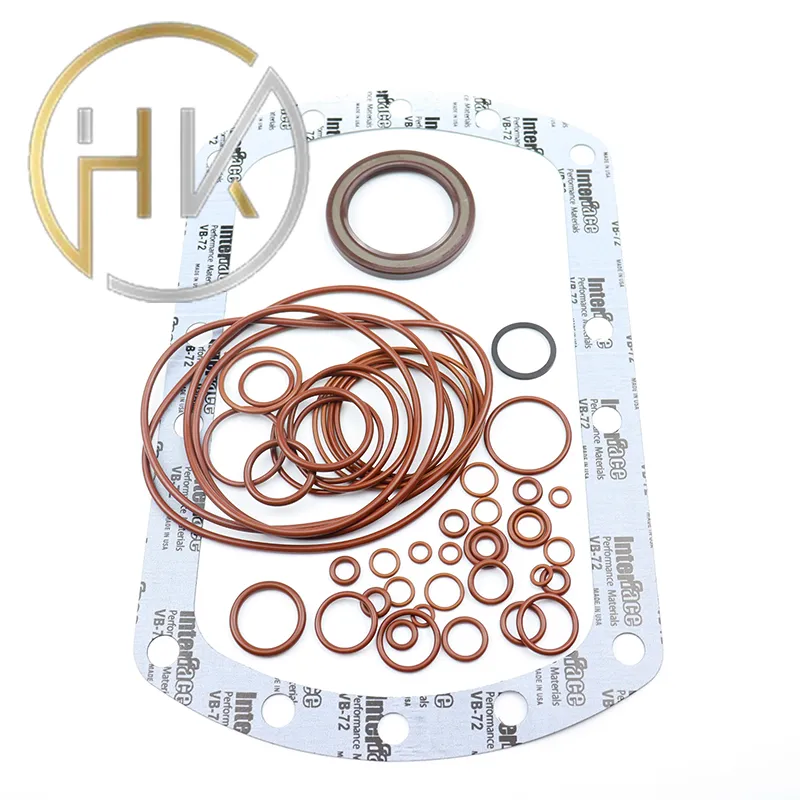
Factory direct sales hydraulic pump motor seal kit A8VO140
-
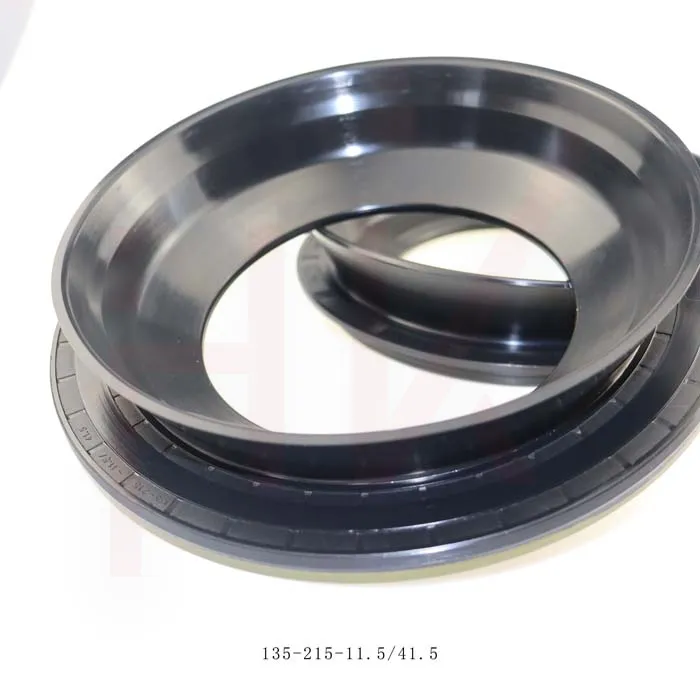
Brand new cement tanker oil seal 135*215*11.5/41.5 concrete mixer oil seal
-
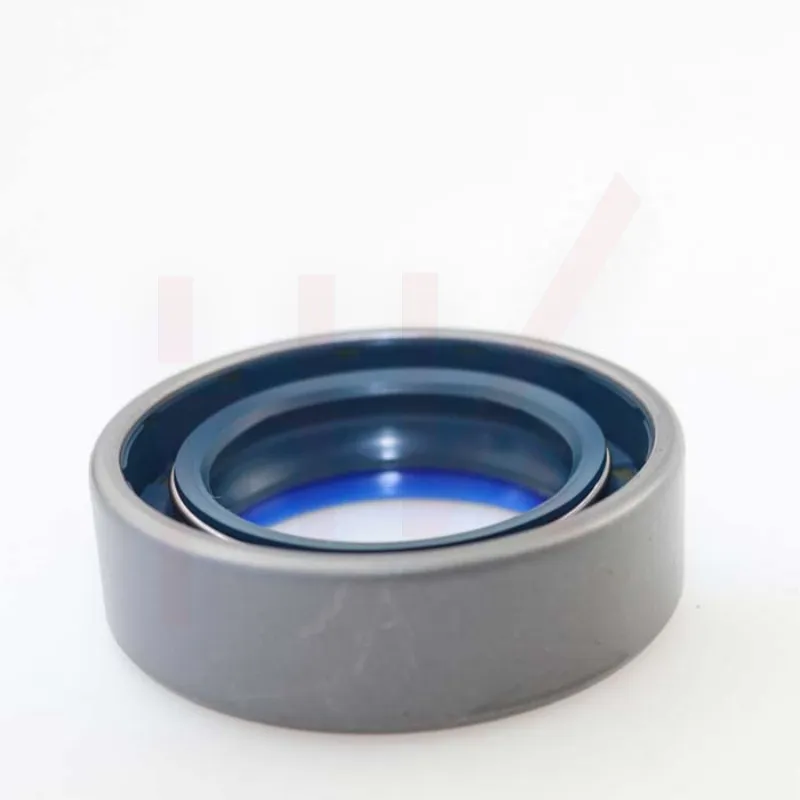
45*65*15 Combi oil seal JCB 90450009 COMBI SF1 SEAL
-
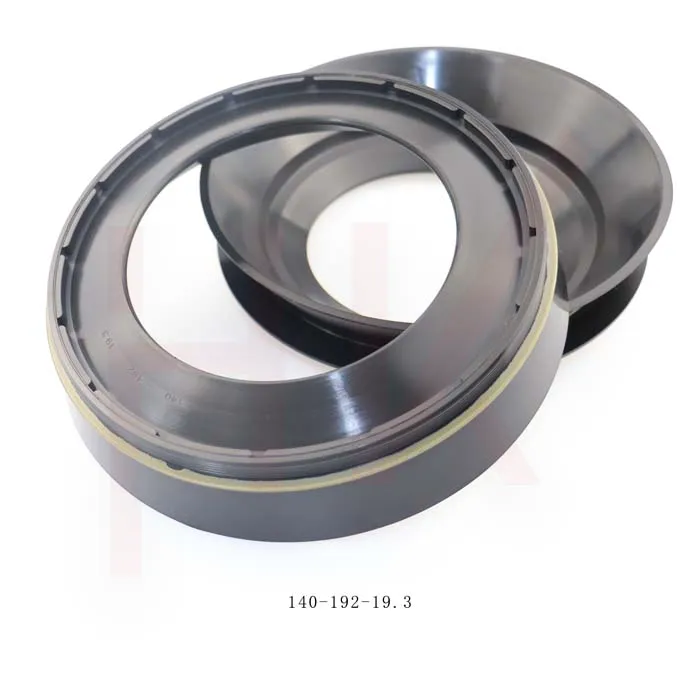
Gear box concrete mixer oil seal 140*192*19.3 nbr reducer oil seal
-
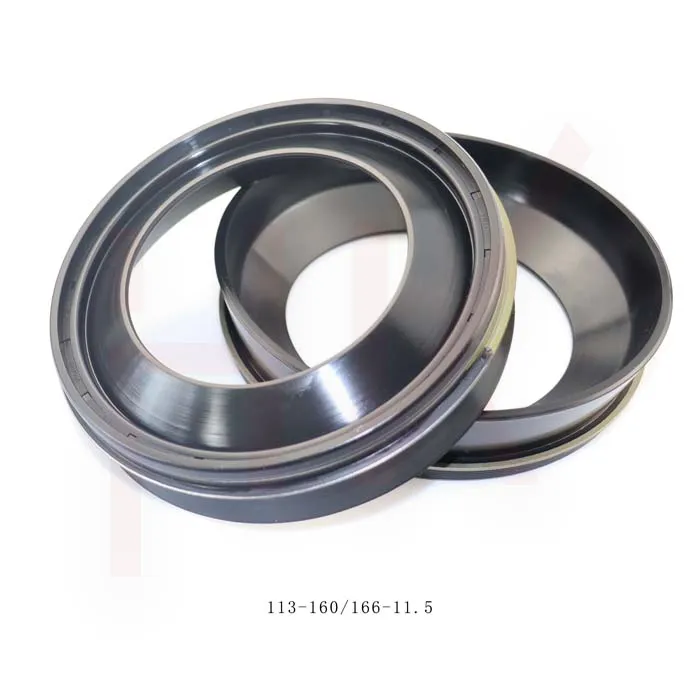
Seals factory direct sales 113*160/166*11.5/38 excavator truck reducer oil seal