
Feb . 24, 2026 10:52 Back to list
Comprehensive Guide to Dust Proof Sealing for Optimal Equipment Protection
Understanding Dust Proof Sealing: A Comprehensive Guide
In a multitude of industries, protecting sensitive equipment and maintaining a clean environment is paramount. Dust proof sealing plays a critical role in achieving these goals. This article delves into the importance of dust proof sealing, its various applications, the technologies involved, and how to select the right sealing solution for your specific needs. We will explore the benefits of preventing dust ingress, the potential damage it can cause, and ultimately, how to ensure the longevity and reliability of your equipment. Effective dust protection isn’t just a preventative measure; it’s an investment in operational efficiency and product quality.

Why is Dust Proof Sealing Important?
Dust, though often overlooked, can be a major source of problems across a wide range of industries. From electronics manufacturing to food processing, the ingress of dust particles can lead to equipment malfunction, reduced product quality, and even safety hazards. Dust acts as an abrasive, accelerating wear and tear on moving parts. In sensitive electronic devices, it can cause short circuits and overheating. In the pharmaceutical and food industries, dust contamination can compromise product sterility and safety. Effective dust proof sealing is therefore not merely a preventative measure, but a crucial component of overall operational reliability and quality control.
Key Benefits: Preventing equipment malfunction, reducing maintenance costs, ensuring product quality, enhancing workplace safety, and extending equipment lifespan.
Common Applications of Dust Proof Sealing
The need for effective dust proof sealing spans numerous industries. In the automotive sector, seals protect sensitive electronic control units (ECUs) and prevent dust from interfering with mechanical components. The aerospace industry demands robust sealing solutions for avionics systems and critical flight controls. Medical device manufacturing relies heavily on dust-free environments to ensure sterility and accuracy. Furthermore, industries like packaging, power generation, and even consumer electronics benefit greatly from the implementation of effective dust proofing strategies. HKAISEAL offers tailored sealing solutions for each of these sectors, ensuring optimal performance and reliability.
Industry Applications:
• Automotive
• Aerospace
• Medical Devices
• Electronics
• Food Processing
Technologies Used in Dust Proof Sealing
Various technologies are employed to achieve effective dust proof sealing. Gaskets, made from materials like rubber, silicone, and foam, create a physical barrier between components. O-rings provide a circular seal, ideal for static applications. Specialized adhesives and sealants can fill gaps and create a watertight barrier. Furthermore, advanced techniques like laser welding and ultrasonic bonding are used to create permanent, dust-tight seals. The choice of technology depends on factors like the application environment, temperature range, and required level of protection. HKAISEAL utilizes all these technologies and offers customized sealing solutions tailored to specific industry needs.
Choosing the Right Dust Proof Sealing Solution
Selecting the appropriate dust proof sealing solution requires careful consideration of several factors. The operating temperature, pressure, and the type of dust present all influence the choice of materials and technology. The specific application, whether static or dynamic, also plays a crucial role. It is often beneficial to consult with a sealing specialist, like HKAISEAL, to determine the most effective and cost-efficient solution for your unique needs.
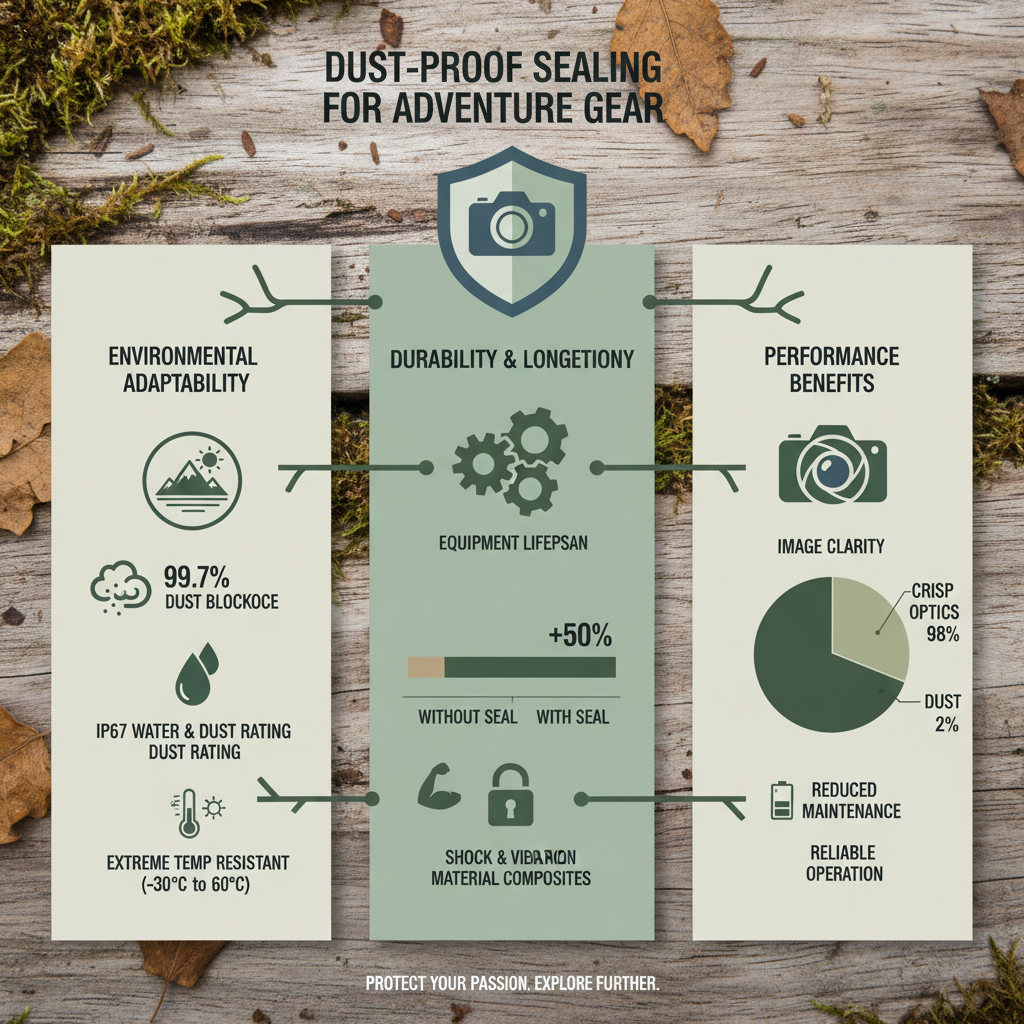
Dust Proof Sealing: Future Trends and Innovations
The field of dust proof sealing is constantly evolving. New materials with enhanced properties, such as self-healing polymers and nano-enhanced composites, are emerging. Advanced sealing designs, like multi-lip seals and labyrinth seals, offer improved performance in demanding applications. Furthermore, the integration of sensor technologies into sealing systems allows for real-time monitoring of seal integrity and proactive maintenance. HKAISEAL remains at the forefront of these innovations, providing cutting-edge sealing solutions to meet the challenges of tomorrow.
Conclusion: Protecting Your Investment with Dust Proof Sealing
Investing in effective dust proof sealing is a strategic decision that yields significant long-term benefits. By preventing dust ingress, you protect your equipment, enhance product quality, and ensure a safe working environment. HKAISEAL offers a comprehensive range of sealing solutions and expert guidance to help you achieve optimal dust protection for your specific application. Don’t let dust compromise your operations – choose a reliable sealing partner.
Frequently Asked Questions (FAQs)
What are the common signs that my equipment has a dust ingress problem?
Several indicators can suggest a dust ingress issue. These include decreased equipment performance, increased operating temperatures, frequent malfunctions, visible dust accumulation inside enclosures, and unusual noises. In electrical equipment, you might notice intermittent connectivity or sparking. Regularly inspecting seals and enclosures can help identify potential entry points for dust before they lead to significant problems. Proactive maintenance is key to preventing costly repairs and downtime. Contact HKAISEAL if you suspect a sealing issue.
What materials are best suited for dust proof sealing in high-temperature environments?
For high-temperature applications, materials like silicone rubber, fluorosilicone, and Viton (fluoroelastomer) are commonly used. These materials maintain their elasticity and sealing properties at elevated temperatures, unlike many other elastomers. The specific choice depends on the exact temperature range and the chemical environment. Consider factors like thermal expansion and compatibility with other materials. Our experts at HKAISEAL can help you select the optimal material for your application.
How often should seals be inspected and replaced?
The frequency of inspection and replacement depends on the application and environmental conditions. As a general guideline, seals should be inspected at least annually, or more frequently in harsh environments. Look for signs of cracking, hardening, swelling, or damage. Replace seals when they show any signs of deterioration or compromise. Maintaining a schedule for preventative maintenance will significantly reduce the risk of unexpected failures and downtime.
Can dust proof sealing be applied to existing equipment?
Yes, dust proof sealing can often be retrofitted to existing equipment. However, the feasibility and complexity depend on the equipment's design and the existing sealing mechanisms. In some cases, simply replacing worn seals may be sufficient. In other cases, modifications to the enclosure or the addition of new sealing features might be necessary. HKAISEAL offers on-site assessment and customized retrofitting solutions to improve dust protection for existing equipment.
-
Guide to Choosing the Right High Quality hydraulic ram kit
NewsApr.16,2026
-
Premium Hydraulic Cylinder Packing Kits for Peak Performance
NewsApr.09,2026
-
Comprehensive Guide to Hydraulic Cylinder Oil Seal Kits for Optimal Performance
NewsApr.07,2026
-
Comprehensive Guide to Choosing the Right Cylinder Seal Kits for Peak Performance
NewsApr.04,2026
-
Comprehensive Guide to Seal Kits for Cylinders Ensuring Optimal Performance
NewsMar.31,2026
-
Comprehensive Guide to Hyd Cylinder Seals for Optimal Hydraulic System Performance
NewsMar.28,2026
-
Comprehensive Guide to Hyd Cylinder Seal Kit Selection and Installation
NewsMar.26,2026
Products categories
-
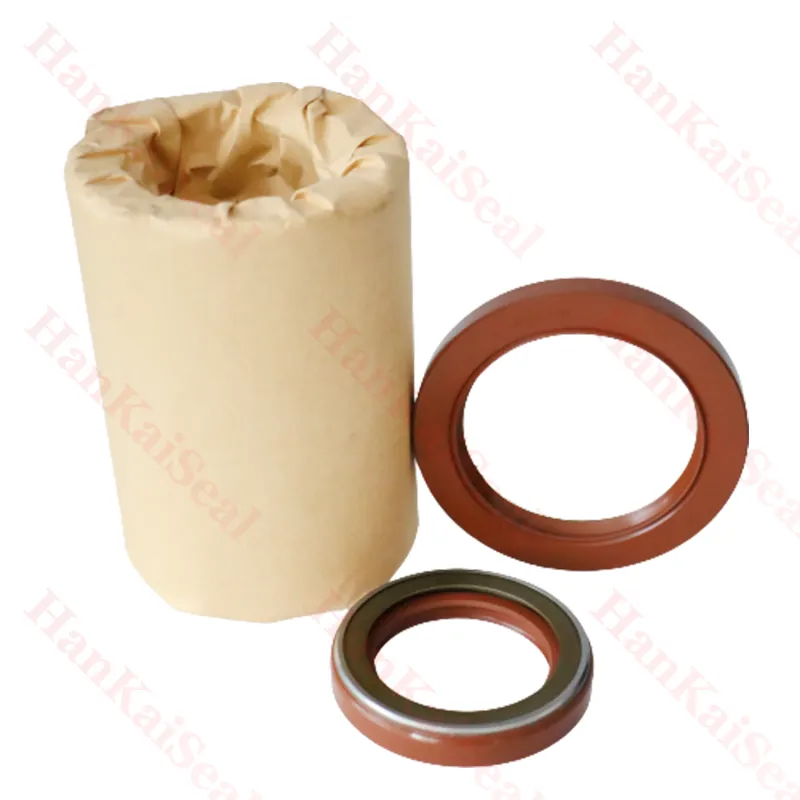
Standard oil seal BP0494 High pressure TCN oil seal
-
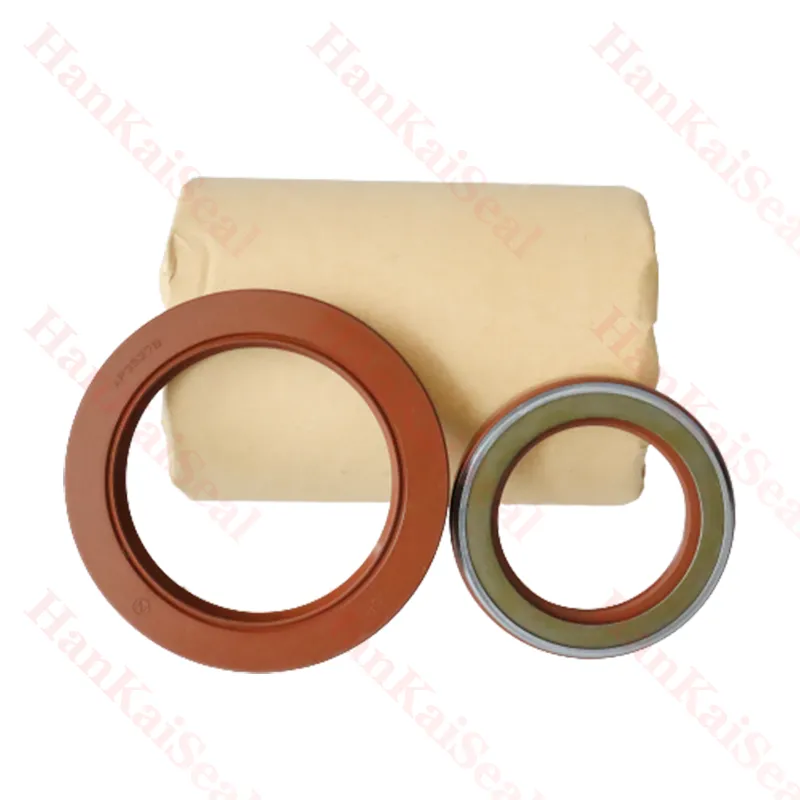
Hydraulic pump seal AP4624G high pressure TCN oil seal
-
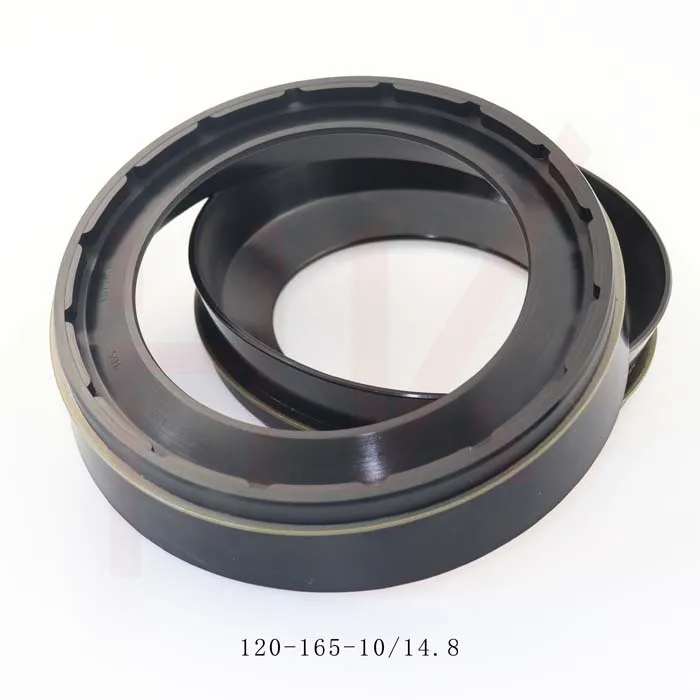
0734307418 0750112169 120*165*10/14.8 concrete mixer reducer oil seal
-
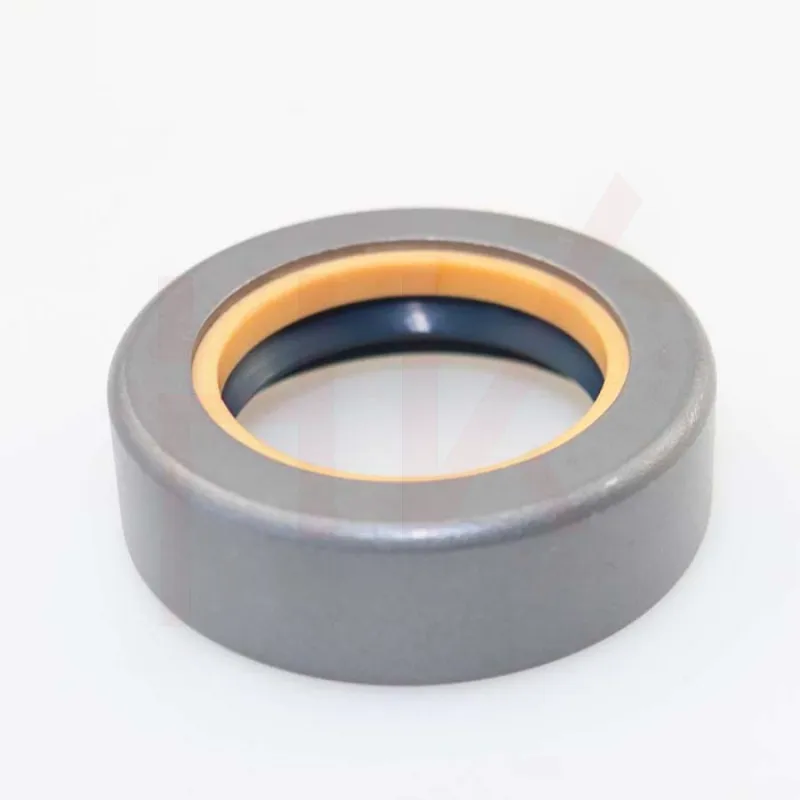
35*52*16 Standard Wheel Hub Oil Seal For Agricultural Machinery
-
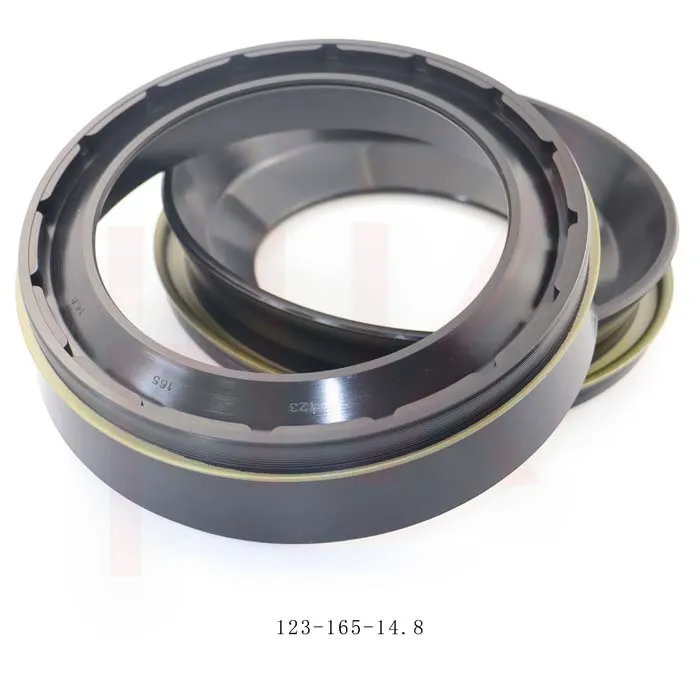
123*165*14.8 concrete mixer truck reducer oil seal
-
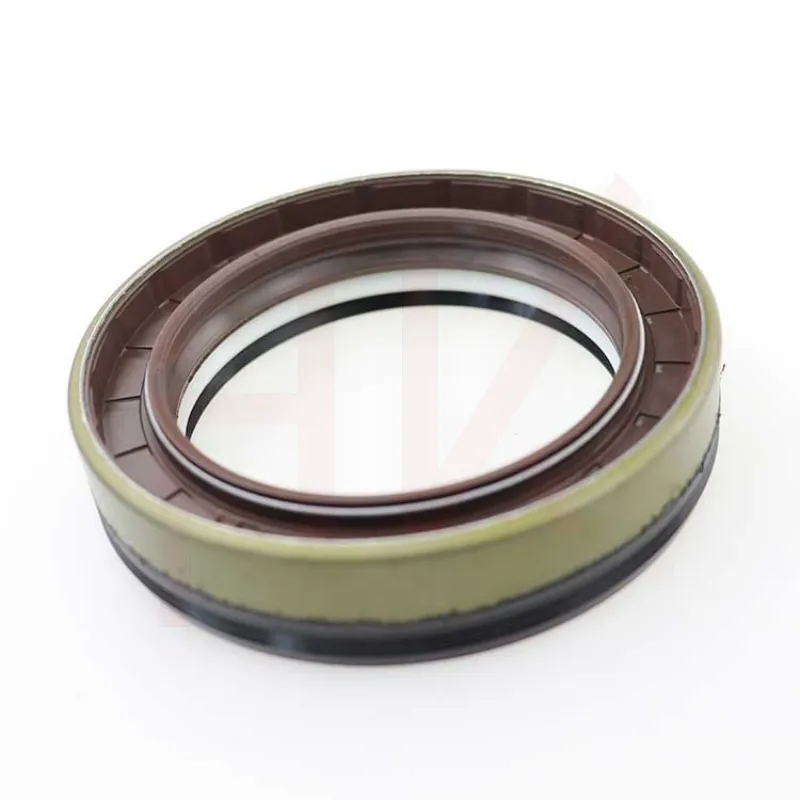
Tractor shaft oil seal 65-90-20 COMBI SF19 hub oil seal
-
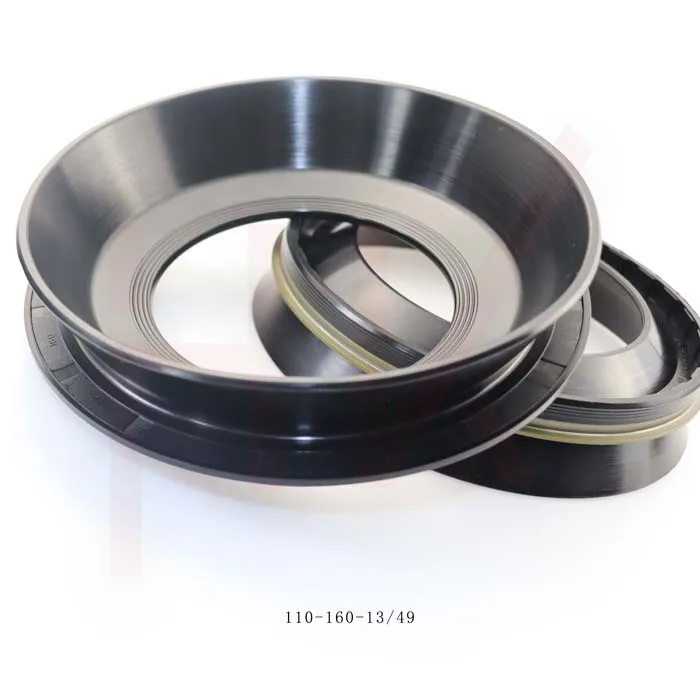
110*160*13/49 NBR reducerConcrete mixer truck oil seal
-
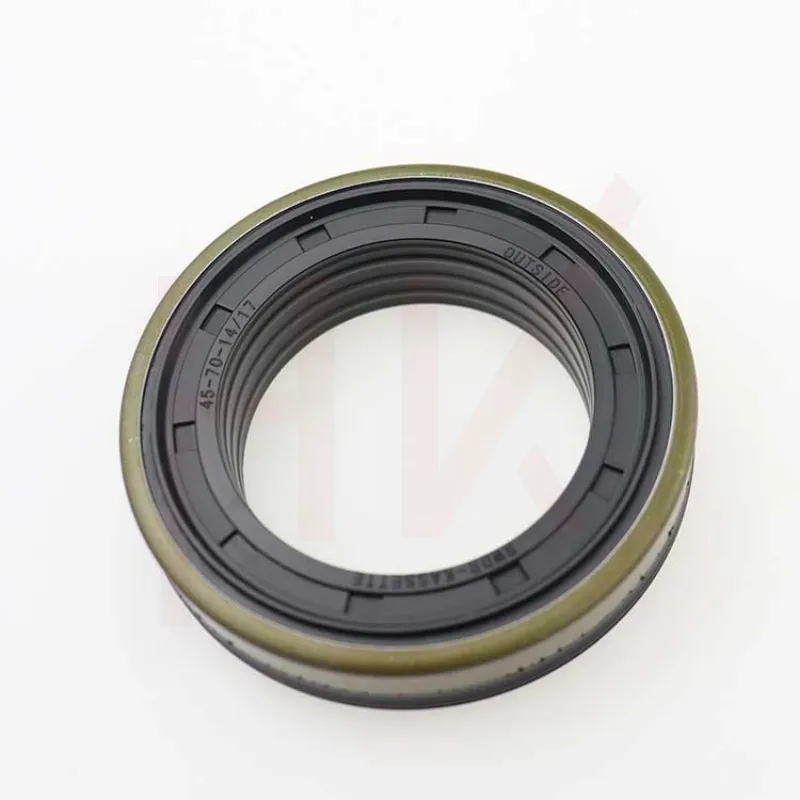
Hub oil seal 40*65*13/14.5 suitable for tractor Cat 12018035b
-
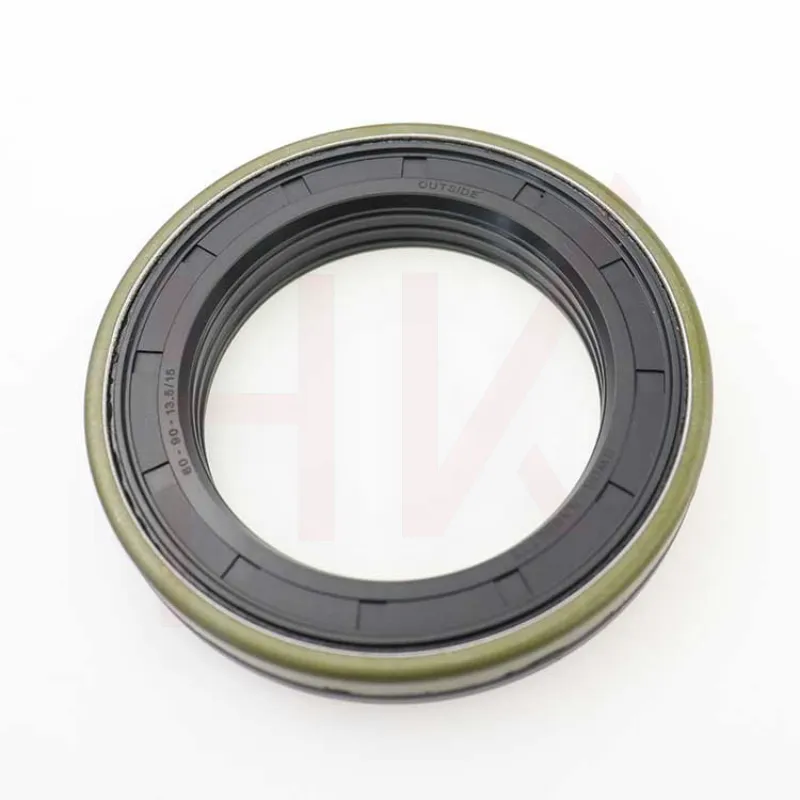
Tractor accessories cassette oil seal hub oil seal 60-90-13.5/15
-
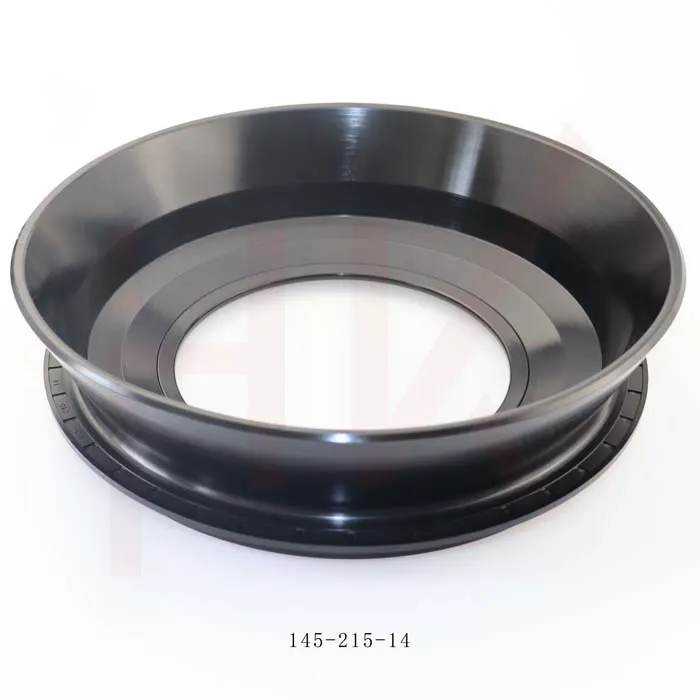
Factory concrete mixer truck oil seal 145*215*14 reducer gearbox oil seal
-
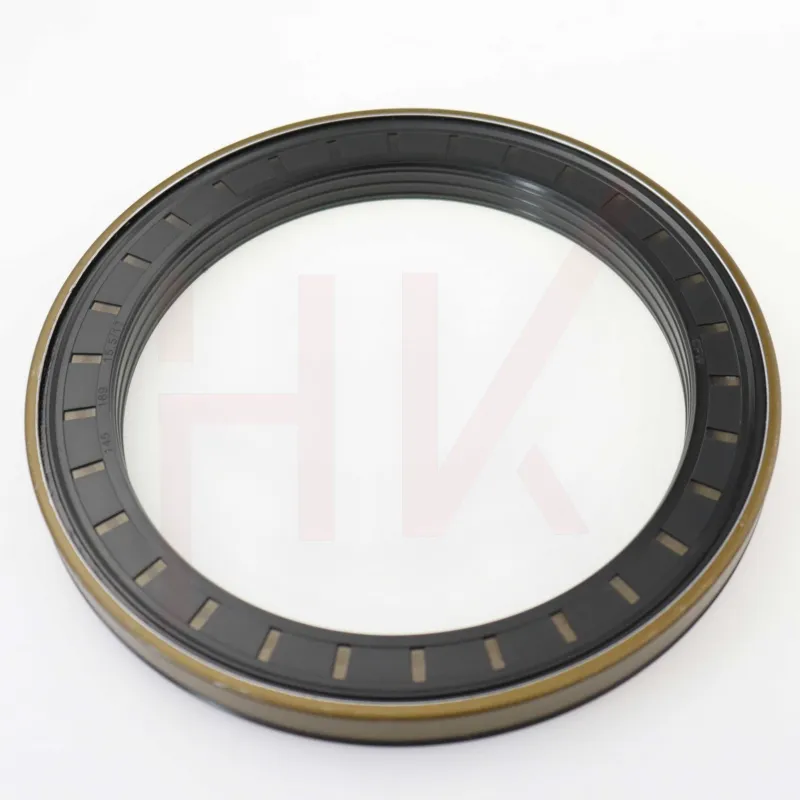
145*189*15.5/17 Cassette Seal NBR Hub Oil Seal 1508044
-
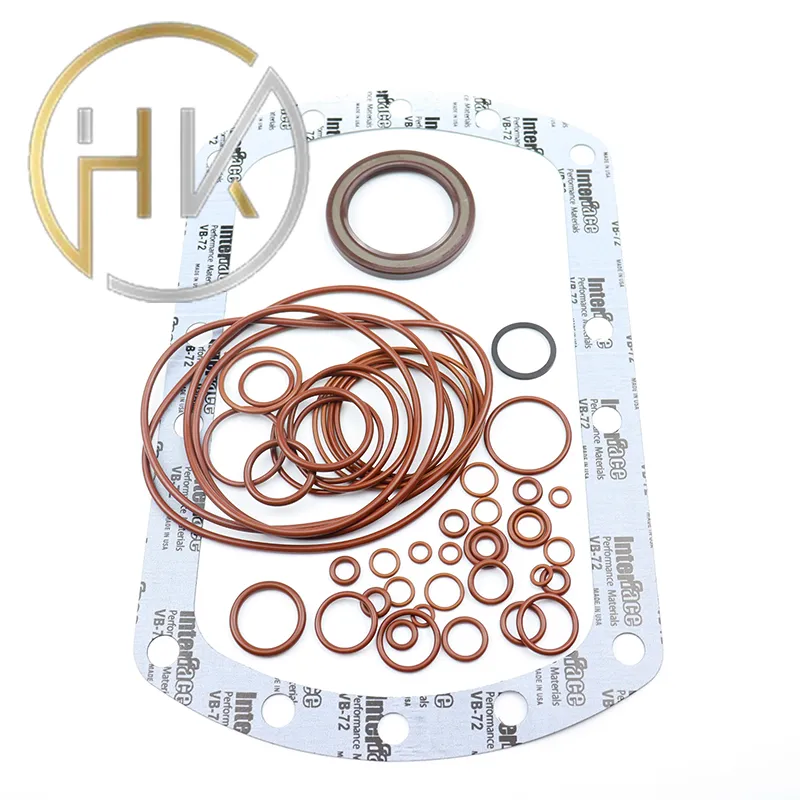
Factory direct sales hydraulic pump motor seal kit A8VO140
-
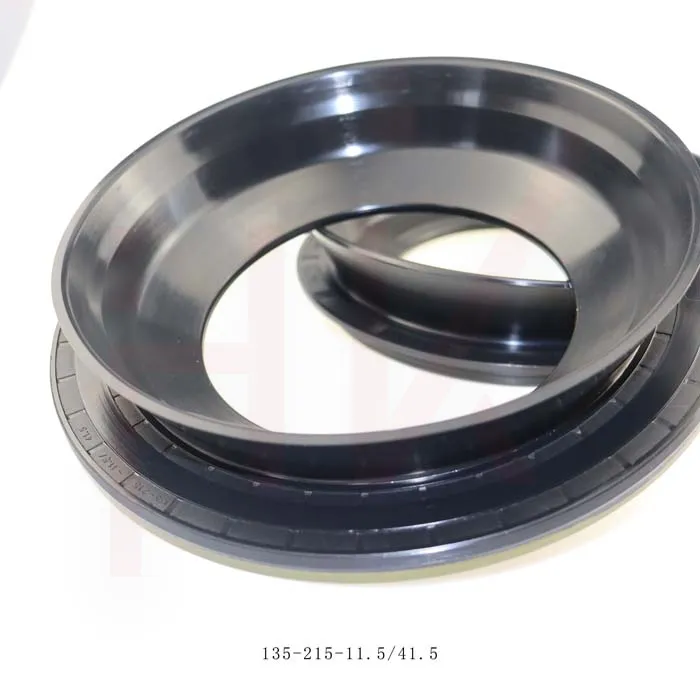
Brand new cement tanker oil seal 135*215*11.5/41.5 concrete mixer oil seal
-
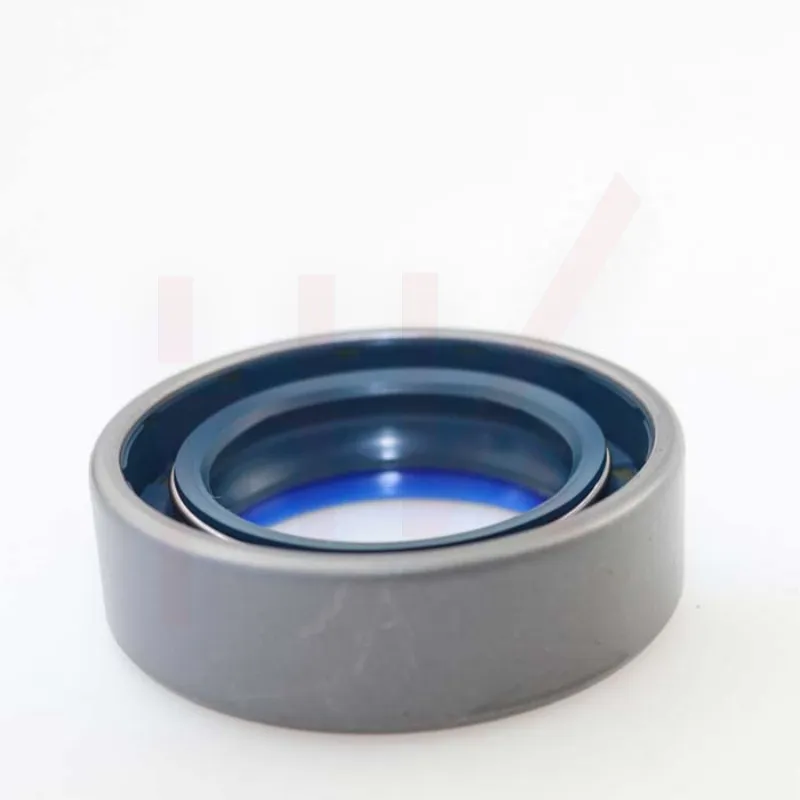
45*65*15 Combi oil seal JCB 90450009 COMBI SF1 SEAL
-
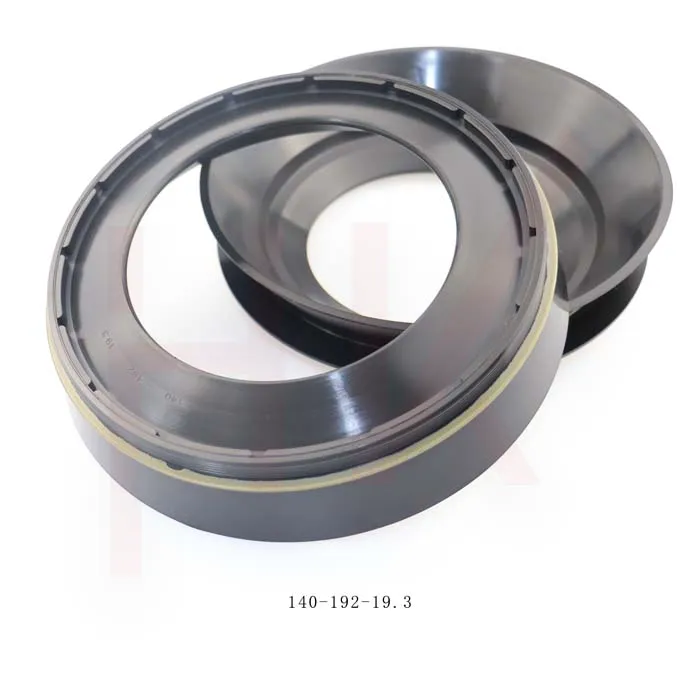
Gear box concrete mixer oil seal 140*192*19.3 nbr reducer oil seal
-
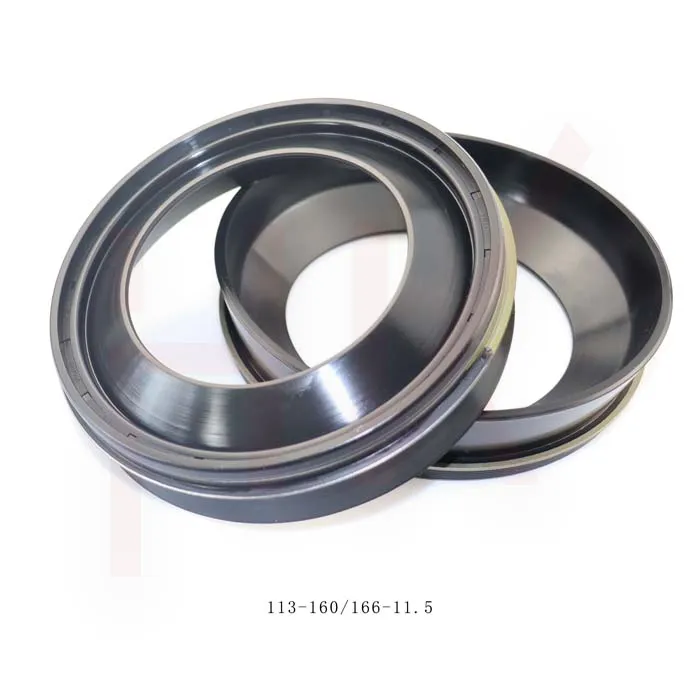
Seals factory direct sales 113*160/166*11.5/38 excavator truck reducer oil seal