
Dec . 15, 2025 10:55 Back to list
Comprehensive Guide to 40x52x7 Oil Seal: Specs, Applications & Benefits
Understanding the 40x52x7 Oil Seal: Small Component, Big Impact
You might never have heard of a 40x52x7 oil seal, but this little piece of industrial equipment quietly plays a key role across industries worldwide. From automotive engines humming smoothly to heavy machinery grinding reliably, oil seals like this one protect vital moving parts by preventing oil leaks and dirt ingress. Why does this matter on a global scale? Well, consider that ISO estimates machinery maintenance issues due to sealing failures cost billions annually. So, understanding these tiny heroes isn’t just technical trivia; it’s about sustaining efficiency and reducing waste across sectors.
Why the 40x52x7 Oil Seal Is Globally Relevant
Industrialization and mechanization have expanded rapidly worldwide. The International Energy Agency (IEA) reports a constant increase in mechanical equipment in manufacturing, transportation, and energy sectors. Oil seals like the 40x52x7—which refers to its dimensions: 40mm inner diameter, 52mm outer diameter, and 7mm thickness—provide a straightforward replacement solution that helps prevent costly equipment failures.
However, a common challenge remains: environmental exposure and wear can cause seals to degrade, leading to contamination or lubricant loss. These leakages not only reduce machine lifespans but also contribute to environmental hazards through spilled oil. So better designs and materials for this niche part contribute subtly to broader sustainability goals.
What Exactly Is a 40x52x7 Oil Seal?
Simply put, a 40x52x7 oil seal is a mechanical gasket designed to fit shafts and housings with those specific dimensions, creating a tight barrier. Imagine a donut-shaped ring that wraps around a rotating shaft, stopping oil from escaping and dust from entering the space where metal parts move. Modern industries, from construction to agriculture, depend on these seals in engines, gearboxes, and pumps.
Interestingly, in humanitarian and remote location contexts, reliable equipment often depends on proper maintenance — which includes using quality seals — making these small components quietly essential for effective operations worldwide.
Core Components and Key Factors
Durability
These seals must withstand high pressure, friction, and temperature changes. Elastomers like nitrile rubber (NBR)—common in many 40x52x7 seals—offer robust durability. Some applications call for silicone or fluorocarbon materials for extreme heat resistance.
Precision Fit
Because operating conditions can be unforgiving, the seal's dimensions are precise. A 40x52x7 oil seal fits shafts and housings exactly, avoiding leaks without increasing wear due to excessive tightness. Manufacturing processes employing CNC machining ensure consistency.
Resistance to Contamination
Dirt, dust, and moisture can ruin machinery. The lips of the oil seal are designed to block contaminants while sealing in lubricant. Some designs incorporate garter springs for extra lip tension, extending reliability.
Cost Efficiency
Interestingly, while the seals themselves are inexpensive, their role in preventing large-scale equipment failures makes them cost savers in the long run. Proper maintenance and seal replacement can help avoid downtime.
| Parameter | Value | Notes |
|---|---|---|
| Inner Diameter | 40 mm | Fits shaft |
| Outer Diameter | 52 mm | Fits housing bore |
| Thickness | 7 mm | Cross-section thickness |
| Material | NBR / FKM / Silicone | Depending on application |
| Temperature Range | -30°C to +120°C (NBR) | Varies with material |
| Standard Compliance | ISO 6194-1 | Quality and design specs |
Global Applications & Use Cases
The 40x52x7 oil seal shows up in a surprising range of sectors. Think automotive assembly lines in Germany, agricultural machinery operating in sub-Saharan Africa, or oil rigs off the coast of Brazil. In fact, you’ll often find these seals in:
- Industrial pumps – ensuring no leakage in chemical plants.
- Automotive engines – maintaining oil integrity under immense pressure.
- Heavy equipment – construction machines that must operate in dusty environments.
- Renewable energy turbines – where smooth, leak-proof rotation is critical.
And oddly enough, in remote humanitarian aid operations, the reliable machinery equipped with proper seals can be the difference between delivering water and supplies on time or not. If you want, you can explore more about specific dimensional types at 40x52x7 oil seal.
Advantages & Long-Term Value
Beyond just stopping leaks, these seals bring peace of mind. They reduce unexpected downtime, lower maintenance costs, and extend equipment life. Of course, they contribute indirectly to environmental protection by containing lubricants that, if leaked, can cause soil and water contamination.
Engineers often tell me how a high-quality seal fosters trust in machinery's reliability, something that matters on both a personal and industrial level. Plus, with advancements in materials, manufacturers now offer seals that hold up longer, even under harsh conditions, which frankly makes everyone’s job easier.
Future Trends & Innovations in Oil Seal Technology
The field is quietly evolving. With movements toward green energy and sustainability, newer seals feature bio-compatible materials that are easier to recycle. Digital monitoring systems are starting to incorporate sensors that can anticipate seal failure before it happens.
Automation and Industry 4.0 also influence how these components are designed and maintained. Additive manufacturing promises more custom seal shapes perfectly tailored for unusual equipment. Combine that with nanotechnology coatings that reduce friction and wear — the future looks quite promising.
Challenges & Solutions
Of course, no product is perfect. Inconsistent manufacturing can lead to dimension mismatches, and extreme environments like very high heat or aggressive chemicals sometimes degrade seals faster than expected.
But solutions exist. Partnering with trusted manufacturers who adhere to ISO standards greatly reduces risks. Also, engineers increasingly rely on advanced materials like Viton or PTFE for tough jobs. Condition monitoring and proactive replacement cycles also minimize costly failures.
| Vendor | Material Options | Typical Lead Time | Price Range | Certifications |
|---|---|---|---|---|
| HKAI Seal | NBR, FKM, Silicone | 3-5 days | $$ | ISO 9001, ISO 6194-1 |
| SealtoMax | NBR, PTFE-coated | 7-10 days | $$$ | ISO 9001 |
| Global Seals Co. | Silicone, Viton | 5-7 days | $$ | ISO 6194-1 |
Frequently Asked Questions About 40x52x7 Oil Seal
1. What types of materials are best for 40x52x7 oil seals in automotive engines?
Typical materials include nitrile rubber (NBR) for general use, offering good oil resistance and temperature range. For high heat or chemical exposure, fluorocarbon rubber (FKM/Viton) is preferred due to its ability to withstand higher temperatures and aggressive fluids.
2. How often should a 40x52x7 oil seal be replaced in industrial pumps?
Replacement frequency depends on operating conditions, but a common recommendation ranges from 1 to 3 years. Factors like temperature, pressure, and contamination levels influence wear rate, so regular inspections are key.
3. Can I customize a 40x52x7 oil seal if my equipment has slightly different dimensions?
Yes, many suppliers offer customization services to accommodate slight dimensional variations or unique material needs. It’s important to work with manufacturers that provide precise machining and quality checks to avoid leakage risks.
4. Are 40x52x7 oil seals environmentally friendly?
Traditional seals may not be fully biodegradable, but newer seals use materials with recyclable components. Also, by preventing leaks, they reduce environmental contamination. Some manufacturers increasingly focus on eco-conscious materials and design.
5. Where can I buy authentic 40x52x7 oil seals with quality certifications?
Vendors such as HKAI Seal offer ISO-certified oil seals with documented quality assurance, prompt delivery, and material options to fit various industrial needs. Always verify certifications before purchase.
Conclusion
The humble 40x52x7 oil seal may be small, but its impact is immense—keeping machinery running efficiently, extending equipment life, and protecting the environment from oil pollution. With rising demands for sustainability and reliability, investing in the right seal, made with high-quality materials and precision, is smart industrial practice.
For anyone involved in machinery maintenance or specifying industrial parts, taking a moment to consider the quality and specs of a 40x52x7 oil seal could save hours of downtime and thousands of dollars.
Ready to upgrade your equipment’s reliability? Visit HKAI Seal today to explore premium oil seal options.
A quick takeaway: Small components like the 40x52x7 oil seal, when thoughtfully selected and maintained, safeguard much larger systems—and ultimately, global industry depends on it.
-
Premium Hydraulic Cylinder Packing Kits for Peak Performance
NewsApr.09,2026
-
Comprehensive Guide to Hydraulic Cylinder Oil Seal Kits for Optimal Performance
NewsApr.07,2026
-
Comprehensive Guide to Choosing the Right Cylinder Seal Kits for Peak Performance
NewsApr.04,2026
-
Comprehensive Guide to Seal Kits for Cylinders Ensuring Optimal Performance
NewsMar.31,2026
-
Comprehensive Guide to Hyd Cylinder Seals for Optimal Hydraulic System Performance
NewsMar.28,2026
-
Comprehensive Guide to Hyd Cylinder Seal Kit Selection and Installation
NewsMar.26,2026
-
Comprehensive Guide to Hydraulic Cylinder Seal Kits for Optimal Performance
NewsMar.24,2026
Products categories
-
Standard oil seal BP0494 High pressure TCN oil seal
-
Hydraulic pump seal AP4624G high pressure TCN oil seal
-
0734307418 0750112169 120*165*10/14.8 concrete mixer reducer oil seal
-
35*52*16 Standard Wheel Hub Oil Seal For Agricultural Machinery
-
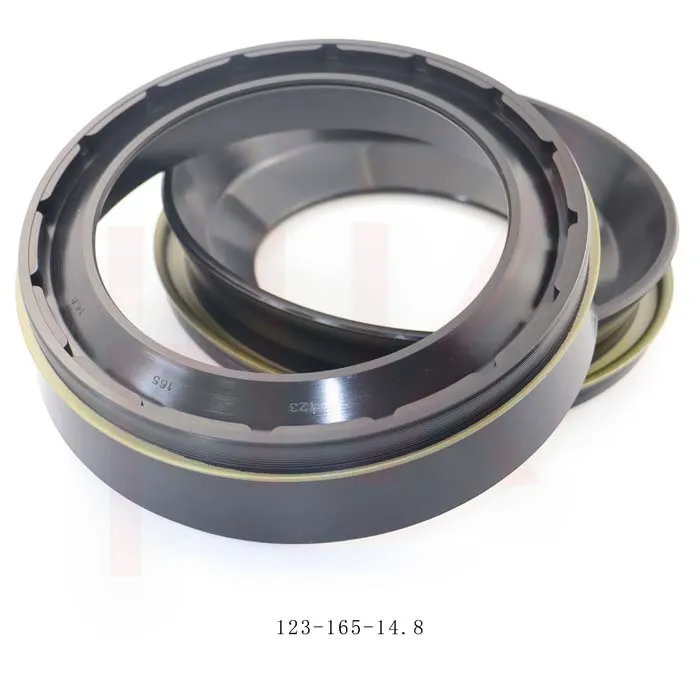
123*165*14.8 concrete mixer truck reducer oil seal
-
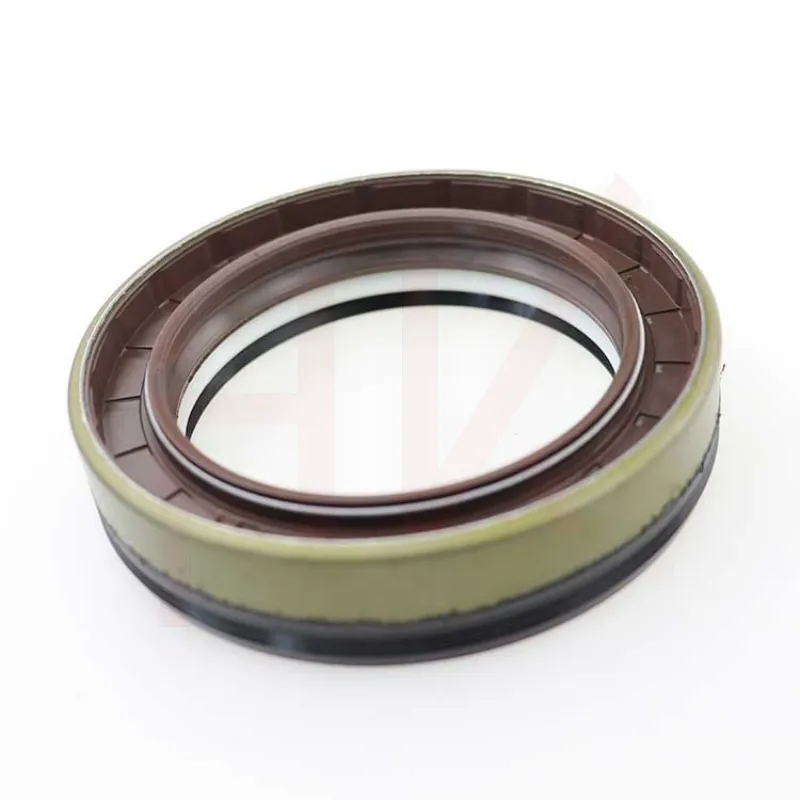
Tractor shaft oil seal 65-90-20 COMBI SF19 hub oil seal
-
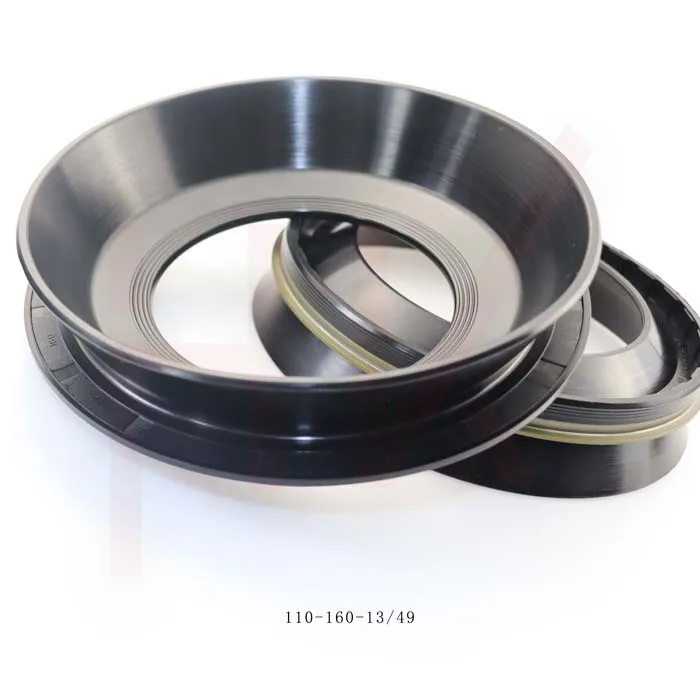
110*160*13/49 NBR reducerConcrete mixer truck oil seal
-
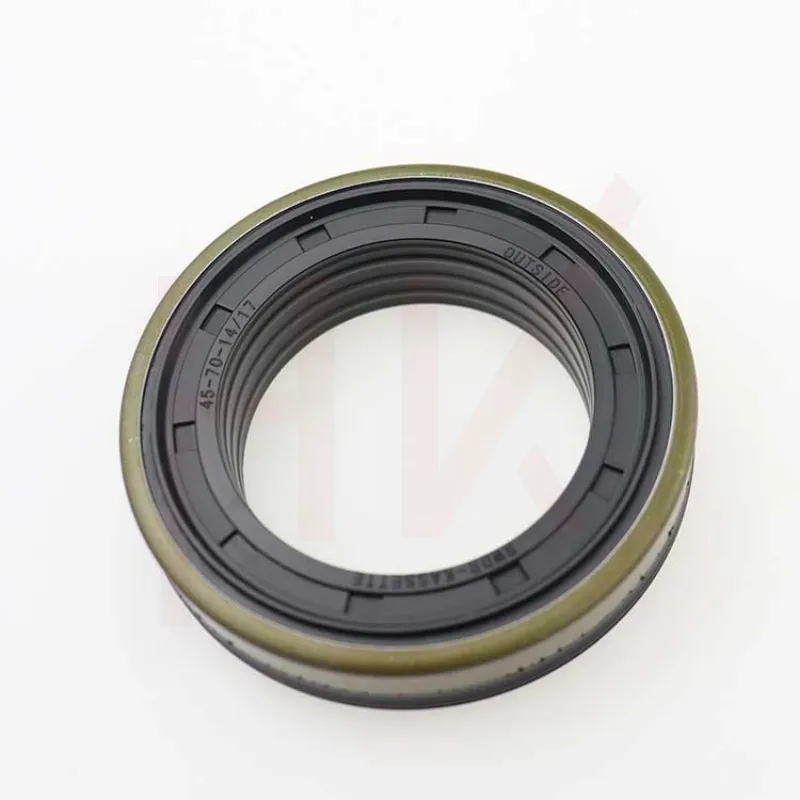
Hub oil seal 40*65*13/14.5 suitable for tractor Cat 12018035b
-
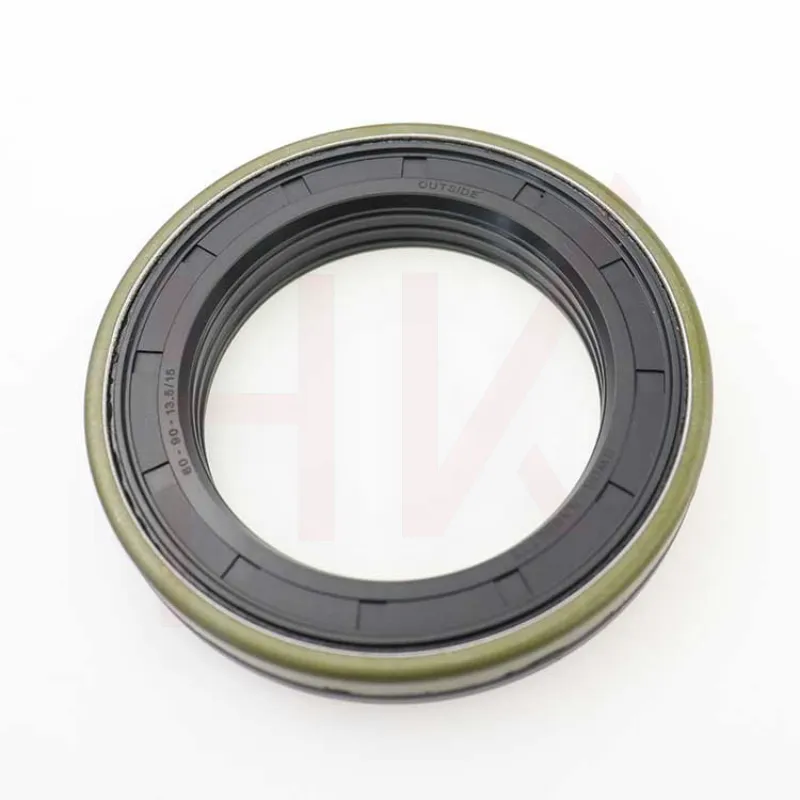
Tractor accessories cassette oil seal hub oil seal 60-90-13.5/15
-
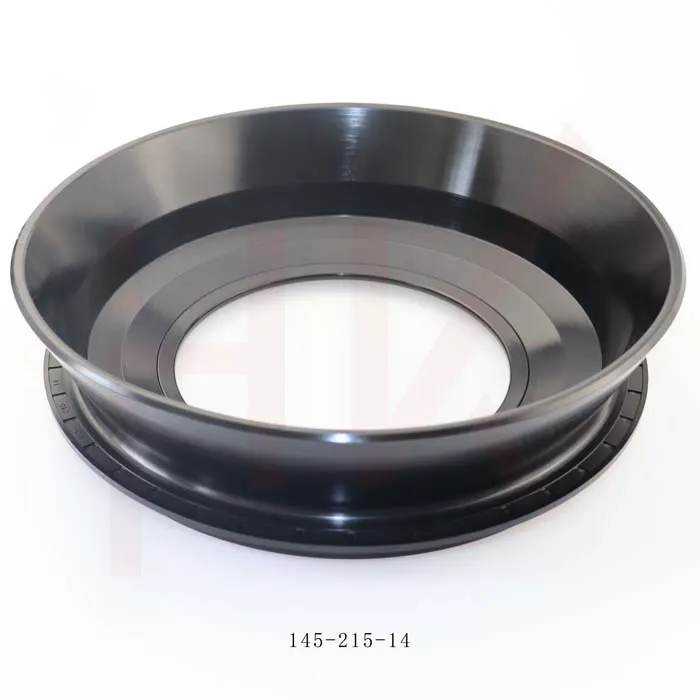
Factory concrete mixer truck oil seal 145*215*14 reducer gearbox oil seal
-
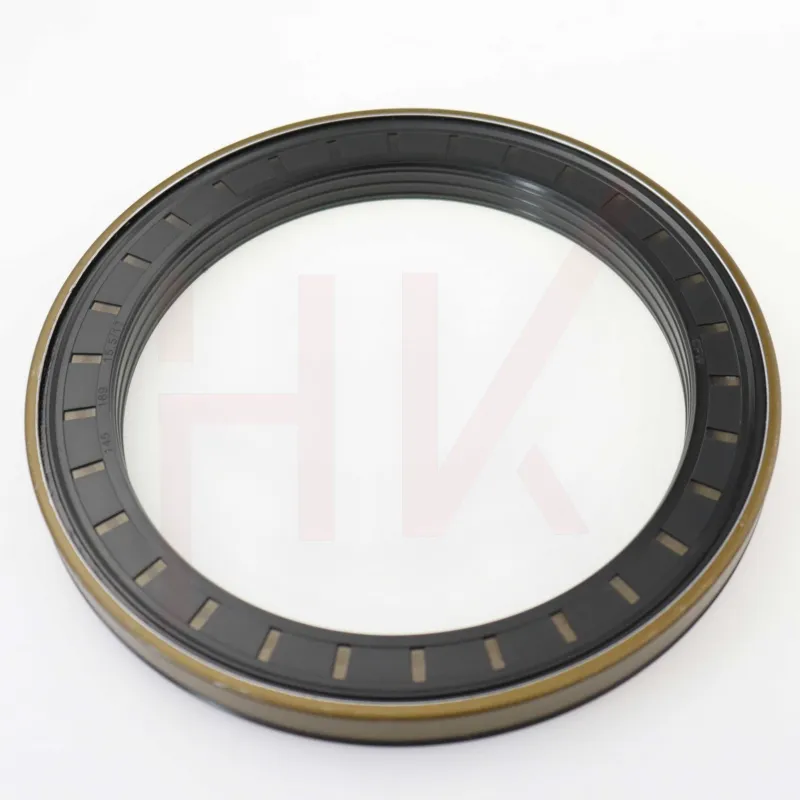
145*189*15.5/17 Cassette Seal NBR Hub Oil Seal 1508044
-
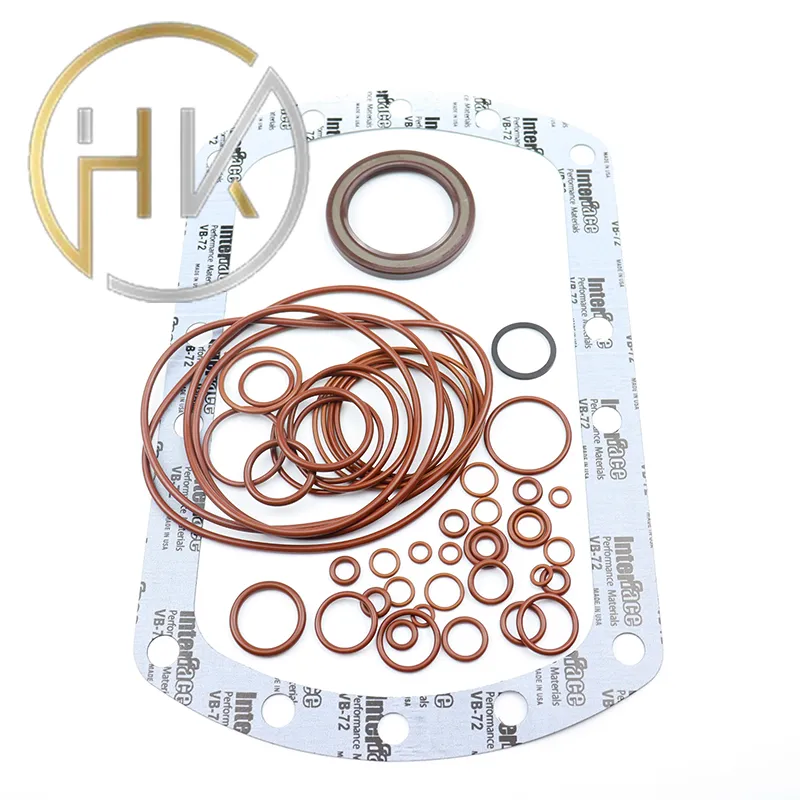
Factory direct sales hydraulic pump motor seal kit A8VO140
-
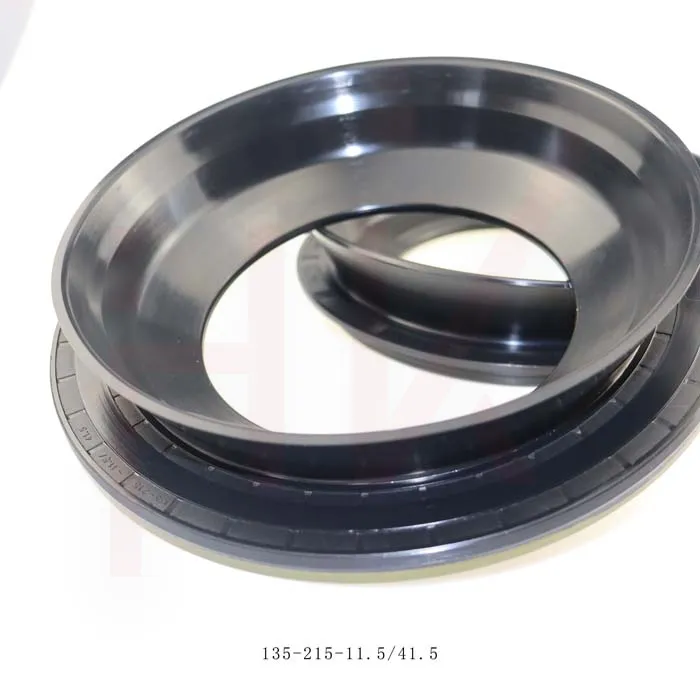
Brand new cement tanker oil seal 135*215*11.5/41.5 concrete mixer oil seal
-
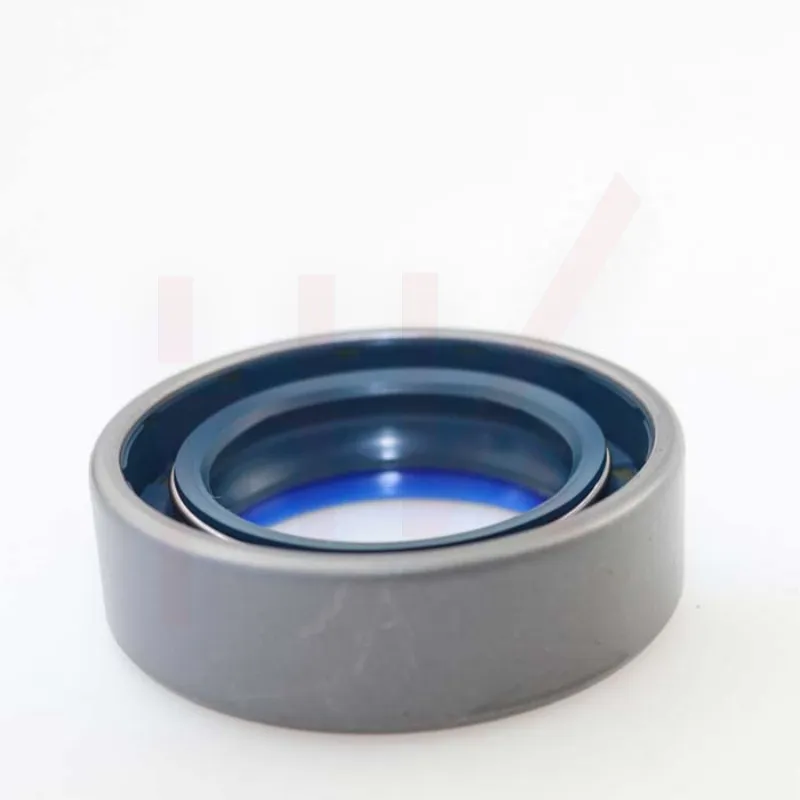
45*65*15 Combi oil seal JCB 90450009 COMBI SF1 SEAL
-
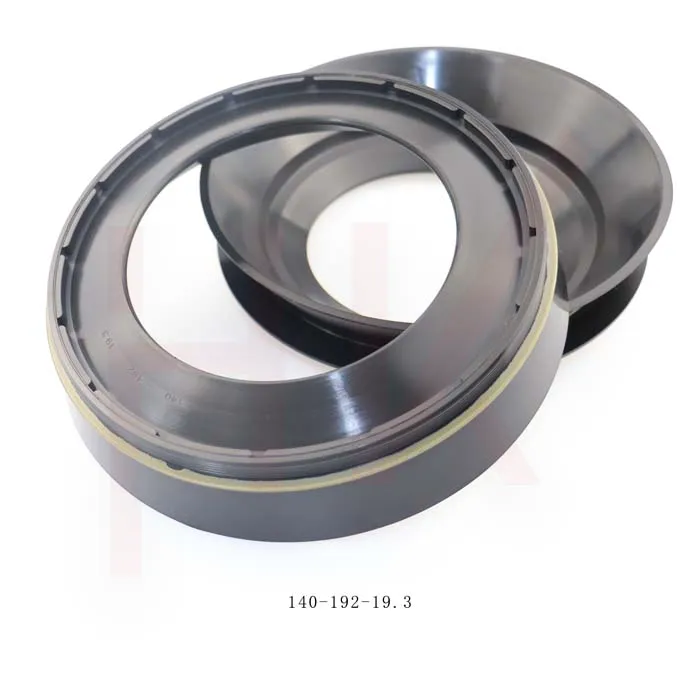
Gear box concrete mixer oil seal 140*192*19.3 nbr reducer oil seal
-
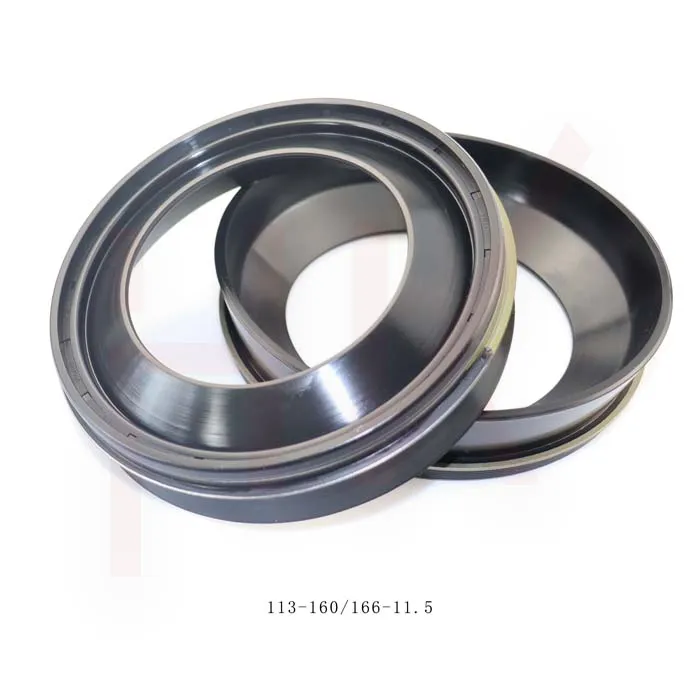
Seals factory direct sales 113*160/166*11.5/38 excavator truck reducer oil seal