
Dec . 15, 2025 10:35 Back to list
Comprehensive Guide to 35x72x10 Oil Seal: Specs, Uses & Industry Insights
Understanding the 35x72x10 Oil Seal: A Small Component with Global Impact
If you’ve ever peeked inside industrial machinery or automotive engines, chances are you’ve crossed paths with an oil seal — and though these components are tiny, scales like 35x72x10 define their exact size and fit. But why should we care, beyond the jargon? Globally, oil seals like the 35x72x10 play a crucial role in reducing pollution, improving machinery longevity, and keeping industries efficient. Understanding them might sound mundane, yet it’s key for engineers, manufacturers, and even humanitarian organizations relying on durable equipment in critical environments.
Introduction: Why the 35x72x10 Oil Seal Matters Worldwide
At first glance, “35x72x10 oil seal” looks like just numbers — but it represents a standardized engineering practice essential to global industry. According to ISO standards, such seals prevent lubricant leakage and block contaminants in rotating equipment, spanning everything from power plants to agricultural machinery. With over 90% of industrial systems depending on sealed components, any failure can lead to costly downtime, environmental hazards, and safety risks.
For example, the World Bank estimates that machinery maintenance failure costs developing regions billions yearly. Imagine how a small component like an oil seal, specifically sized to fit machines perfectly, could help reduce these losses. But the challenge lies in ensuring consistent quality and adapting seals to diverse environments.
What is a 35x72x10 Oil Seal?
Simply put, a 35x72x10 oil seal is a circular component — typically made of rubber or synthetic elastomer — designed to fit shafts or housings that measure 35 mm (inner diameter), 72 mm (outer diameter), and 10 mm (width). Its main job? To keep oil or grease inside rotating parts and prevent dirt, dust, or water from getting in.
This might sound niche, but these seals power everything from automotive engines to industrial pumps, supporting the smooth functioning of machines that humans rely on daily. It’s a tiny gatekeeper protecting critical equipment.
Key Factors Behind the Effectiveness of 35x72x10 Oil Seals
1. Durability
Engineered to endure harsh environments, these oil seals resist abrasion, temperature swings, and chemical exposure. The choice of materials — like nitrile rubber (NBR) or fluorocarbon (FKM) — directly impacts lifespan and sealing performance.
2. Precision Sizing
The numbers 35x72x10 aren’t arbitrary — they must perfectly match the shaft and housing dimensions. Ill-fitting seals risk leaks or mechanical failure, making precision manufacturing and tight tolerances critical.
3. Compatibility with Lubricants
Different industries use oils or greases with varied chemical compositions. The seal material often needs to be compatible with specific lubricants to avoid swelling or degradation over time.
4. Installation & Maintenance
A well-designed oil seal should allow relatively straightforward installation and minimal maintenance. Over-tightening or faulty fitting can damage the seal, causing premature failure.
5. Cost Efficiency
While inexpensive individually, using durable and precisely sized 35x72x10 oil seals saves much more by preventing laborious repairs and equipment downtime in the long run.
Specification at a Glance
| Parameter | Specification | Notes |
|---|---|---|
| Inner Diameter | 35 mm | Shaft fit |
| Outer Diameter | 72 mm | Housing fit |
| Width/Thickness | 10 mm | Seal cross-section |
| Material | NBR or FKM (fluorocarbon) | Material depends on use-case |
| Temperature Range | -40°C to 150°C (varies with material) |
Global Applications & Use Cases
While it’s easy to overlook, the 35x72x10 oil seal finds critical applications across many sectors and countries. For instance:
- Automotive Manufacture: Engines and transmissions worldwide depend on precise seals to retain oil and prevent contamination.
- Agricultural Machinery: In regions like Sub-Saharan Africa, durable sealing helps tractors and irrigation pumps function reliably in dusty, harsh conditions.
- Energy Production: Wind turbines and generators use seals to ensure longevity under variable weather.
- Disaster Relief Equipment: Humanitarian organizations deploy machinery sealed with robust oil seals to remote or disaster-affected areas, enhancing operational uptime.
Companies in China, Germany, and the USA lead in explicitly manufacturing and exporting 35x72x10 oil seals, meeting various international standards.
Vendor Comparison Table
| Vendor | Material Options | Certification Standards | Typical Lead Time | Price Range (USD/unit) |
|---|---|---|---|---|
| HKAiSeal | NBR, FKM, Silicone | ISO9001, RoHS | 1-2 weeks | 0.70 - 1.20 |
| SealPro | NBR, PTFE | ISO14001 | 2-3 weeks | 0.80 - 1.10 |
| GlobalSeal | FKM, NBR | ISO9001 | 3-4 weeks | 0.65 - 1.30 |
Mini takeaway: Your choice of vendor affects quality, certification, and lead time significantly. Always verify specs and certifications.
Advantages & Long-Term Value
At face value, the 35x72x10 oil seal’s benefits are practical: preventing leaks, reducing maintenance, minimizing environmental damage. But the ripple effects go further — reliable seals mean safer operations, longer machinery life, and lowered carbon footprints because machines run efficiently rather than wastefully.
Consider the emotional aspect for end users — when rescue vehicles or farm equipment depend on these seals, trust in the technology translates into safety and livelihoods. It feels reassuring knowing a minuscule rubber seal (sometimes overlooked) contributes to dignity in daily work.
Emerging Trends & Future Innovations
Excitingly, the sealing industry is evolving. New materials such as hydrogenated nitrile (HNBR) offer greater chemical resistance and temperature tolerance. Green manufacturing initiatives aim to reduce the environmental impact of synthetic materials.
Furthermore, digital technologies enable real-time monitoring of seal performance in sophisticated industrial setups — predictive maintenance could soon detect seal wear before failures occur. And with sustainability a global priority, seal designs may integrate biodegradable components or be optimized for lower material usage.
Challenges & Their Solutions
Of course, today’s oil seals aren’t perfect. Problems like improper installation, unexpected chemical exposure, or incompatible lubricants occasionally cause early failures, resulting in costly downtime. Many engineers emphasize the importance of proper training, standard operating procedures, and sourcing from trusted vendors.
Innovative solutions like specialized coatings or reinforced seal lips enhance abrasion resistance. Some companies even customize seals to unique shaft and housing geometries — it’s never “one size fits all.”
FAQ: Your 35x72x10 Oil Seal Questions Answered
- Q: Can a 35x72x10 oil seal be used with different lubricant types?
A: Yes, but you must select seal material accordingly. Nitrile seals are compatible with mineral oils, while fluorocarbon seals better handle synthetic or aggressive lubricants. - Q: How often should the 35x72x10 oil seal be replaced in industrial machinery?
A: Replacement intervals vary by application, but routine checks every 12 months are common. Signs of leakage or wear call for immediate replacement. - Q: Are custom sizes available beyond 35x72x10?
A: Absolutely. Many manufacturers like HKAiSeal offer custom seals tailored to specific dimensions and material requirements. - Q: How do environmental factors affect seal performance?
A: Exposure to extreme temperatures, chemicals, or moisture can degrade seals faster. Choosing material rated for your environment and proper installation help mitigate these risks. - Q: Is it difficult to install a 35x72x10 oil seal?
A: Installation requires care to avoid damaging the seal lip or distorting it. Many engineers recommend using specialized tools and following manufacturer guidelines.
Conclusion: Why Understanding the 35x72x10 Oil Seal Is More Important Than You Think
To circle back, a 35x72x10 oil seal may appear to be just a small, technical piece — but it quietly underpins the efficiency, safety, and environmental responsibility of countless machines worldwide. Paying attention to its size, material, and quality can make all the difference in global industrial performance and social welfare.
If you want to explore more about high-quality 35x72x10 oil seals and sourcing your next batch, I recommend visiting https://www.hkaiseal.com — where expertise meets reliability.
It’s funny how something so small can hold so much weight in the grand scheme, isn’t it?
Final takeaway: Next time you hear about oil seals, remember the 35x72x10 is a tiny hero keeping the world’s machinery turning smoothly.
References
-
Guide to Choosing the Right High Quality hydraulic ram kit
NewsApr.16,2026
-
Premium Hydraulic Cylinder Packing Kits for Peak Performance
NewsApr.09,2026
-
Comprehensive Guide to Hydraulic Cylinder Oil Seal Kits for Optimal Performance
NewsApr.07,2026
-
Comprehensive Guide to Choosing the Right Cylinder Seal Kits for Peak Performance
NewsApr.04,2026
-
Comprehensive Guide to Seal Kits for Cylinders Ensuring Optimal Performance
NewsMar.31,2026
-
Comprehensive Guide to Hyd Cylinder Seals for Optimal Hydraulic System Performance
NewsMar.28,2026
-
Comprehensive Guide to Hyd Cylinder Seal Kit Selection and Installation
NewsMar.26,2026
Products categories
-
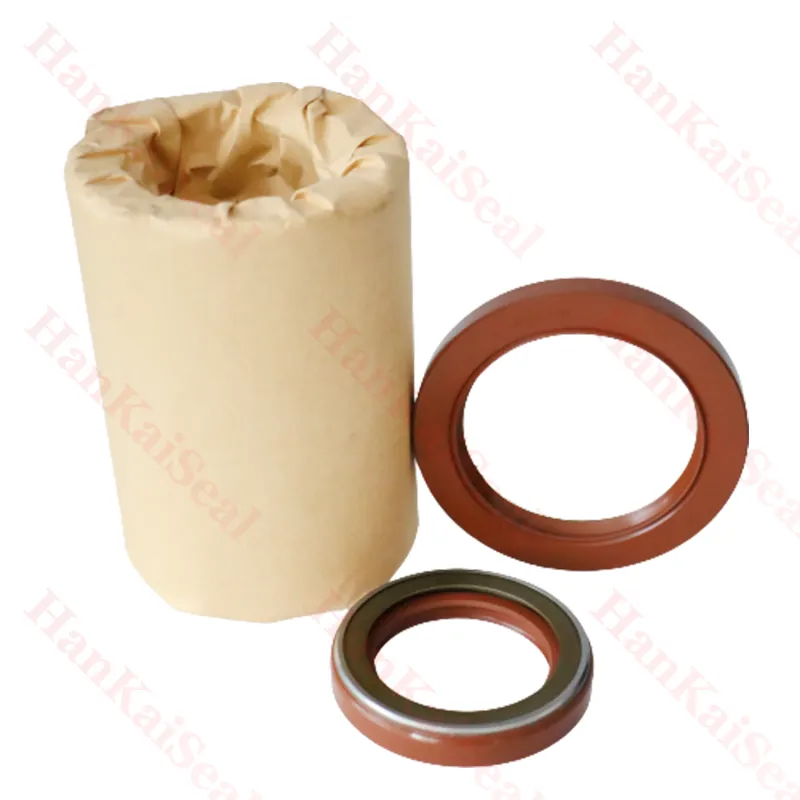
Standard oil seal BP0494 High pressure TCN oil seal
-
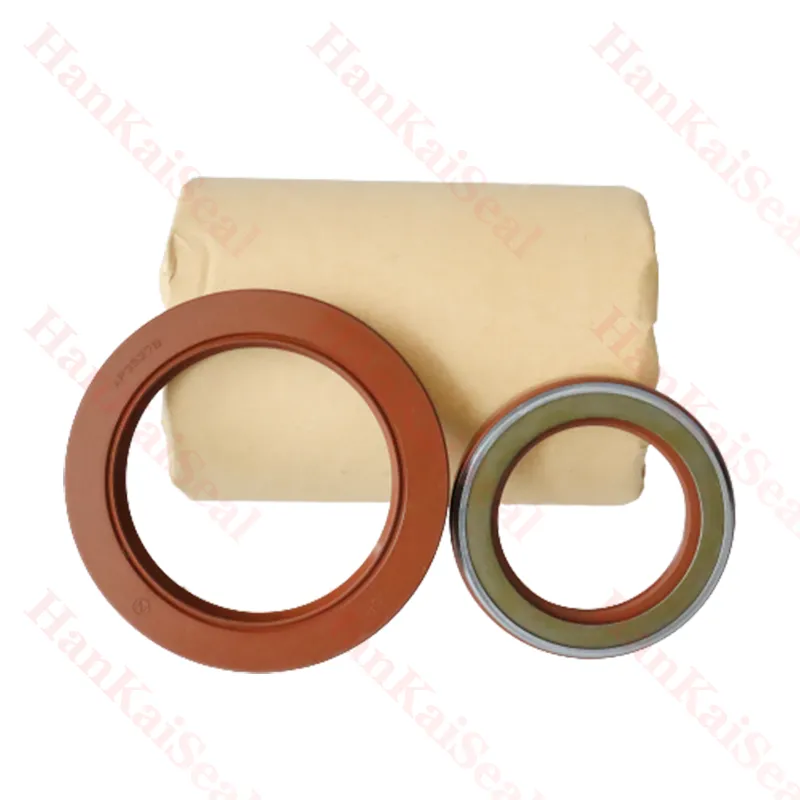
Hydraulic pump seal AP4624G high pressure TCN oil seal
-
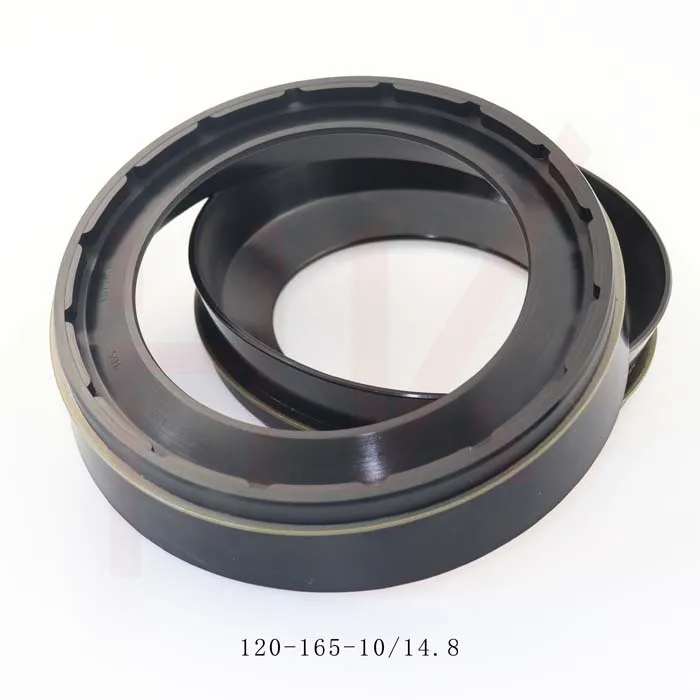
0734307418 0750112169 120*165*10/14.8 concrete mixer reducer oil seal
-
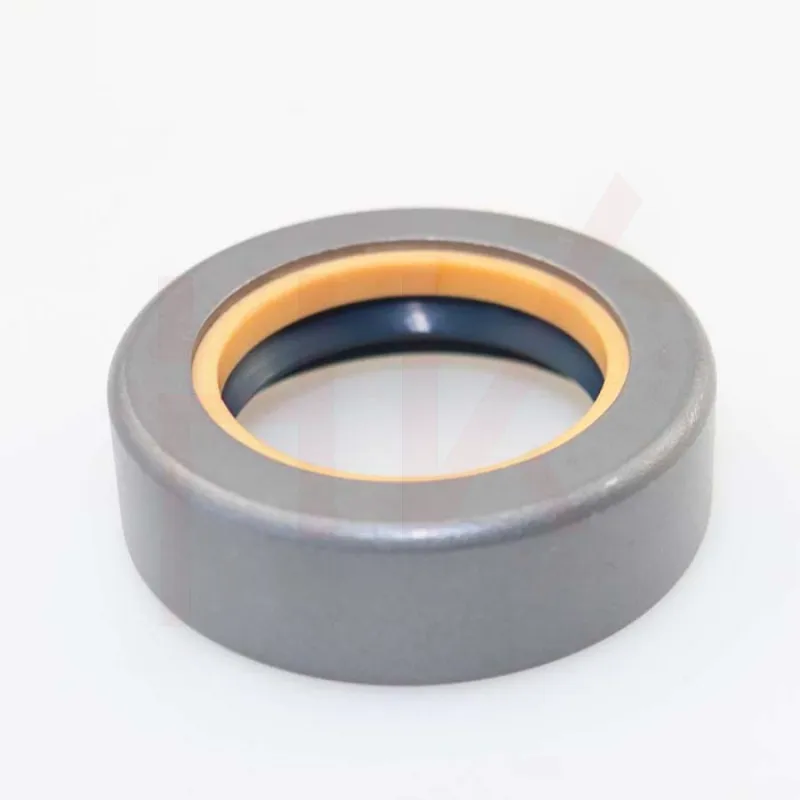
35*52*16 Standard Wheel Hub Oil Seal For Agricultural Machinery
-
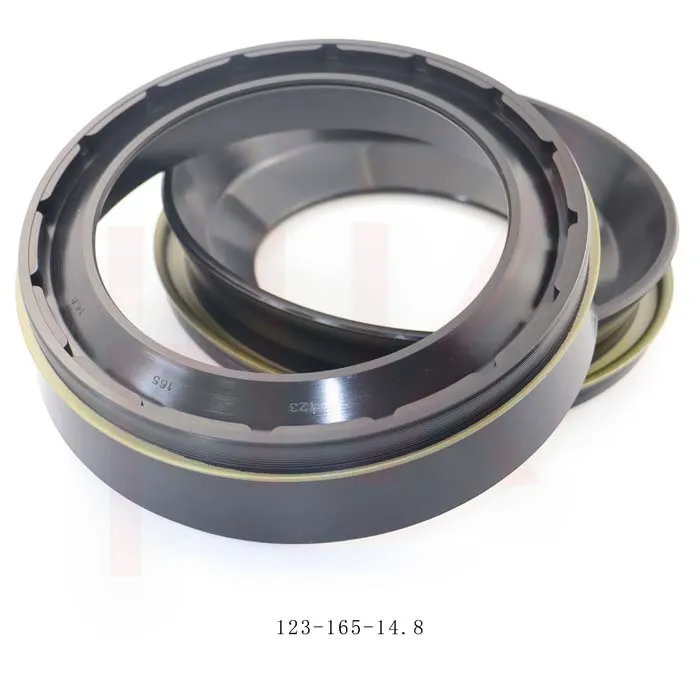
123*165*14.8 concrete mixer truck reducer oil seal
-
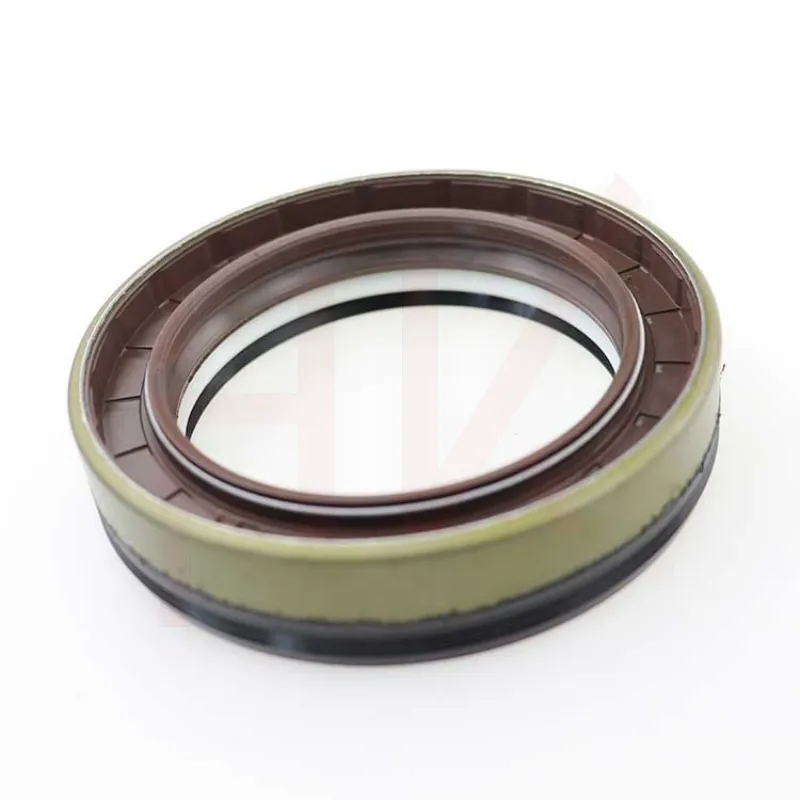
Tractor shaft oil seal 65-90-20 COMBI SF19 hub oil seal
-
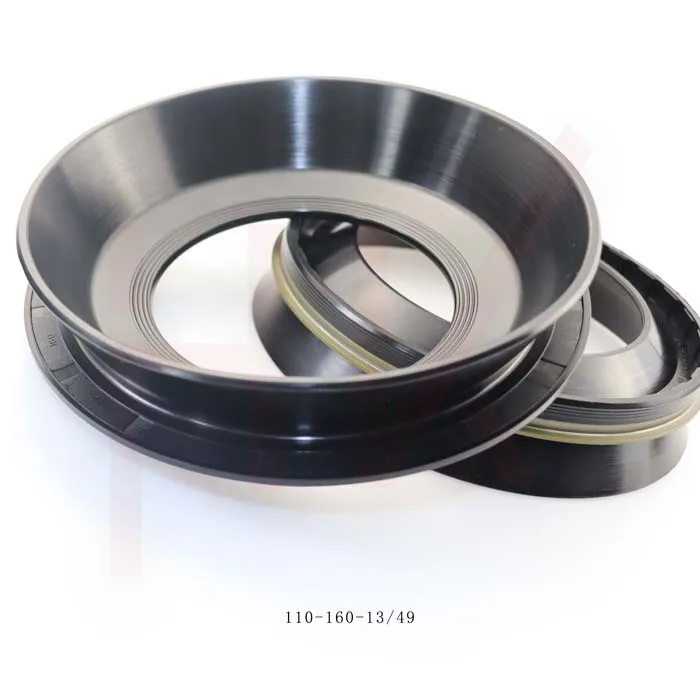
110*160*13/49 NBR reducerConcrete mixer truck oil seal
-
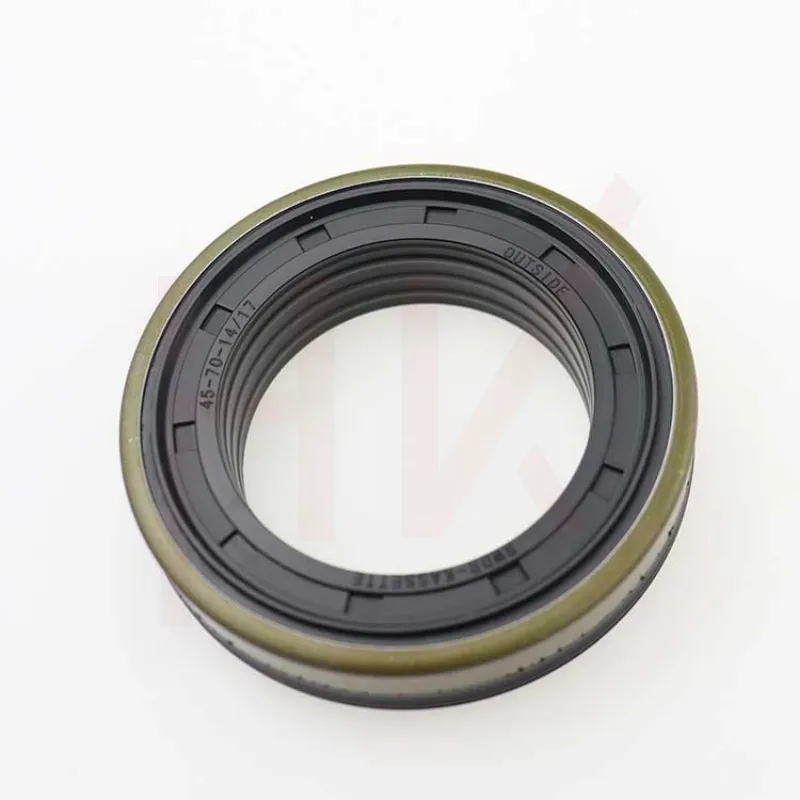
Hub oil seal 40*65*13/14.5 suitable for tractor Cat 12018035b
-
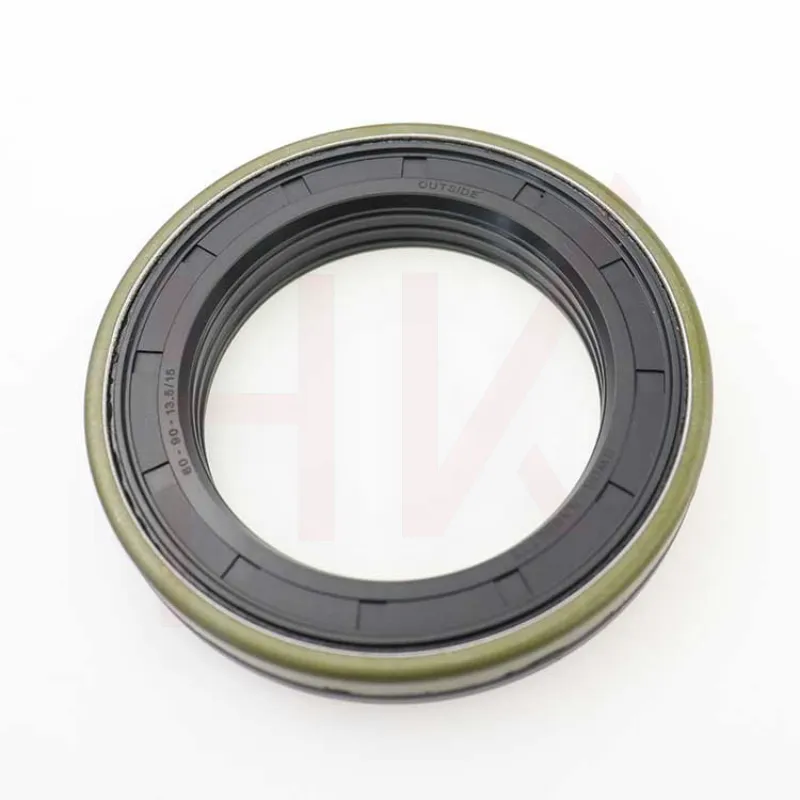
Tractor accessories cassette oil seal hub oil seal 60-90-13.5/15
-
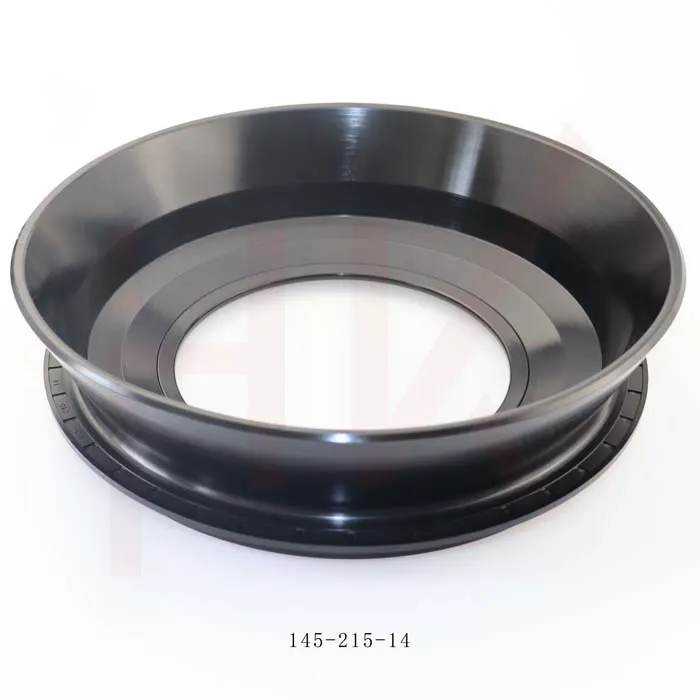
Factory concrete mixer truck oil seal 145*215*14 reducer gearbox oil seal
-
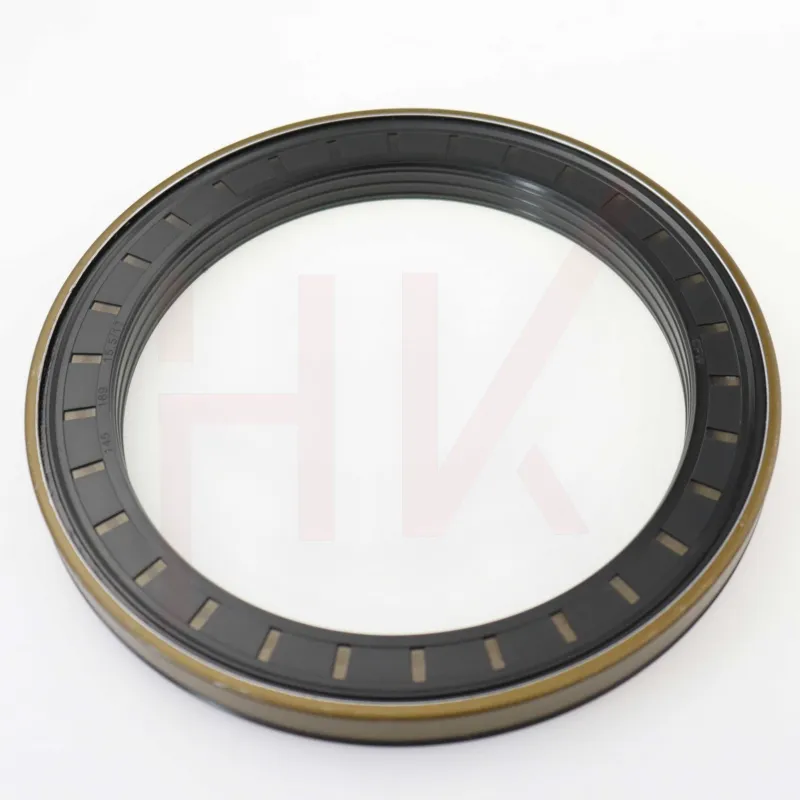
145*189*15.5/17 Cassette Seal NBR Hub Oil Seal 1508044
-
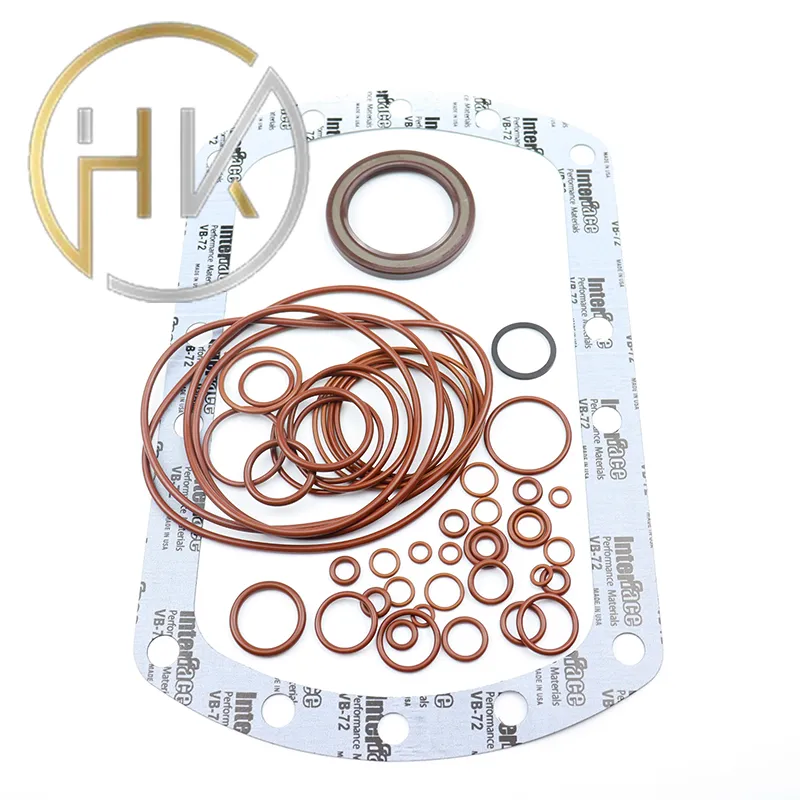
Factory direct sales hydraulic pump motor seal kit A8VO140
-
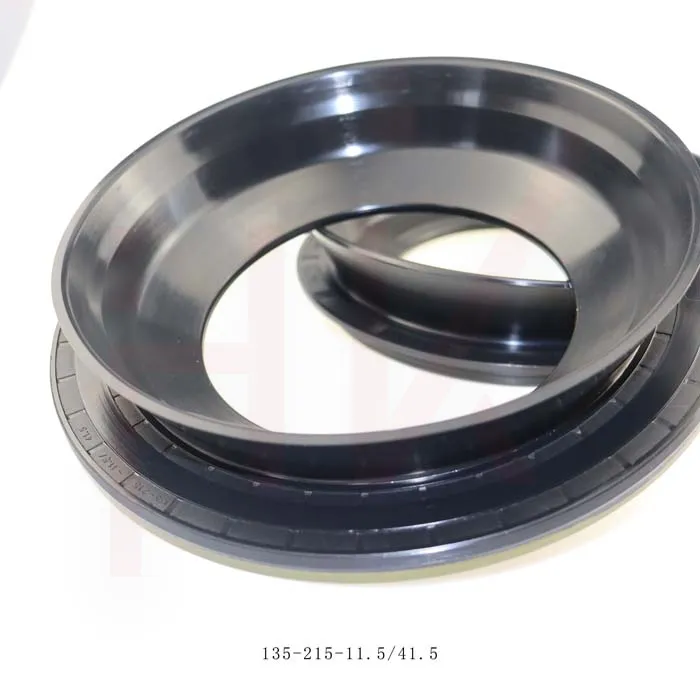
Brand new cement tanker oil seal 135*215*11.5/41.5 concrete mixer oil seal
-
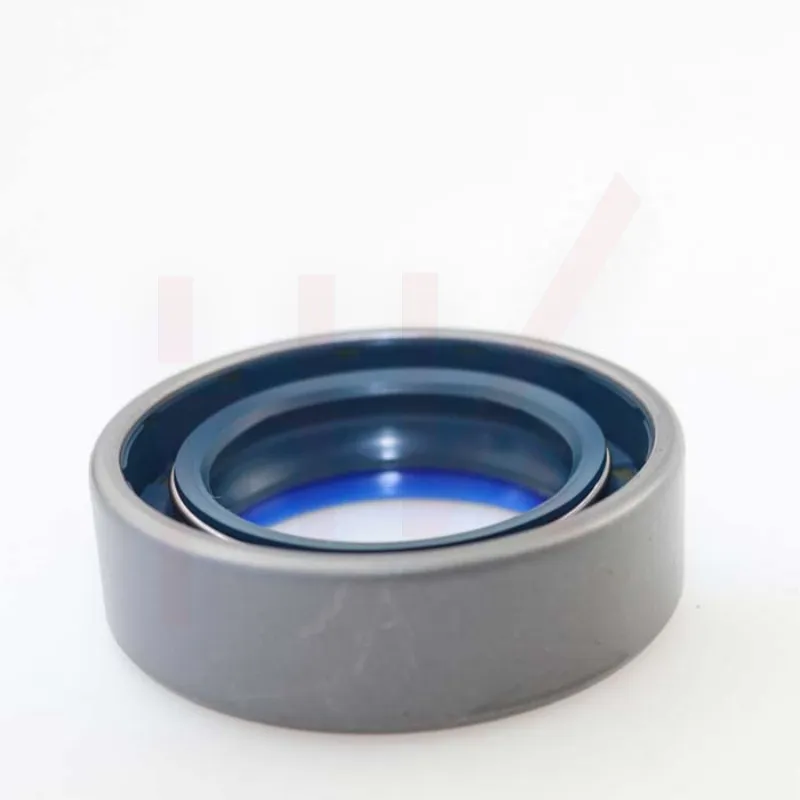
45*65*15 Combi oil seal JCB 90450009 COMBI SF1 SEAL
-
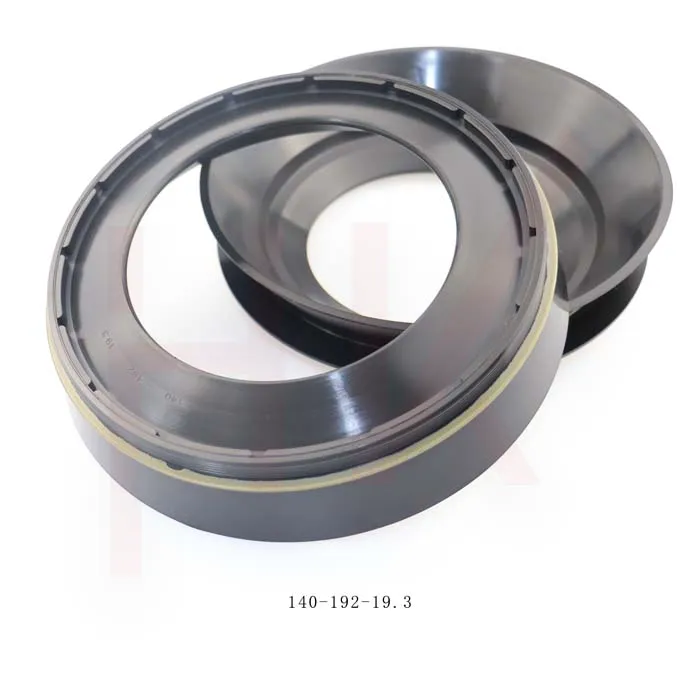
Gear box concrete mixer oil seal 140*192*19.3 nbr reducer oil seal
-
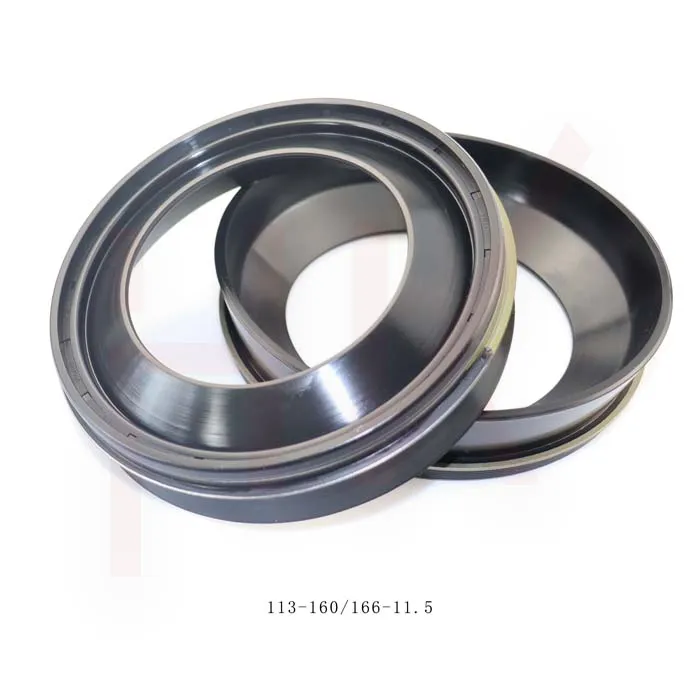
Seals factory direct sales 113*160/166*11.5/38 excavator truck reducer oil seal