
Mar . 11, 2026 02:05 Back to list
Comprehensive Guide to Hydraulic Seal Kits for Optimal System Performance
Understanding Seal Kit Hydraulic Systems
Hydraulic systems are the backbone of countless industries, from construction and manufacturing to agriculture and aerospace. These systems rely on the precise functioning of numerous components, and a seal kit hydraulic is crucial for maintaining their efficiency and preventing costly downtime. This article will explore the importance of hydraulic seal kits, their components, applications, and how to choose the right kit for your specific needs. Proper sealing is paramount to ensure optimal performance and longevity of your hydraulic equipment.
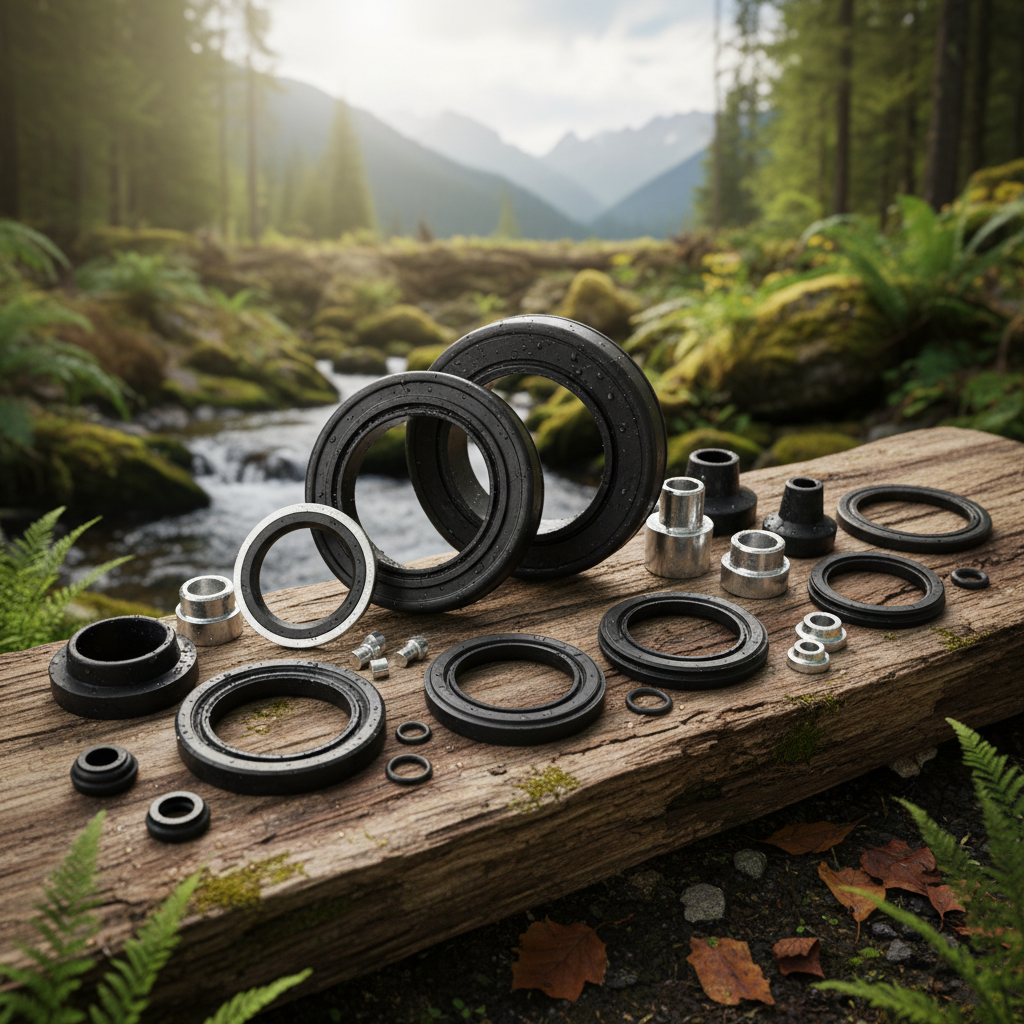
Why Are Hydraulic Seal Kits Essential?
Hydraulic systems operate under immense pressure, and seals are the first line of defense against fluid leaks. Leaking hydraulic fluid not only reduces system efficiency but also poses environmental hazards and can lead to equipment failure. A hydraulic seal kit provides all the necessary components to replace worn or damaged seals, restoring the system to optimal performance. Regular maintenance and timely seal replacement can significantly extend the life of hydraulic equipment and prevent unexpected breakdowns.
Key Benefits: Prevents fluid leaks, maintains system pressure, reduces downtime, extends equipment life, and improves overall efficiency.
Common Components Found in a Seal Kit Hydraulic
A typical seal kit hydraulic will contain a variety of seals designed to fit specific hydraulic components. These often include O-rings, wiper seals, rod seals, piston seals, and backup rings. The material of these seals can vary depending on the application and the type of hydraulic fluid used. Common materials include Nitrile (NBR), Viton (FKM), Polyurethane (PU), and Teflon (PTFE). Understanding the purpose of each component is key to proper installation and maintenance.
Seal Component Breakdown:
• O-Rings: Provide a static seal between two surfaces.
• Wiper Seals: Remove contaminants from the rod surface.
• Rod Seals: Prevent fluid leakage around the piston rod.
• Piston Seals: Create a dynamic seal between the piston and cylinder wall.
• Backup Rings: Prevent seal extrusion under high pressure.
Seal Material Comparison
The selection of the correct seal material is critical for optimal performance and longevity. Different materials offer varying levels of resistance to temperature, pressure, and chemical compatibility. Here’s a quick comparison:
Applications Across Industries
The demand for reliable seal kit hydraulic solutions spans numerous sectors. In construction, they’re vital for excavators, loaders, and cranes. Manufacturing relies on them for hydraulic presses, injection molding machines, and robotics. The agricultural industry utilizes them in tractors, harvesters, and irrigation systems. Even in the aerospace sector, hydraulic seals are critical for flight control systems and landing gear.

Choosing the Right Seal Kit: A Guide
Selecting the right seal kit hydraulic requires careful consideration of several factors. First, identify the specific equipment model and manufacturer. Second, determine the type of hydraulic fluid being used. Third, assess the operating temperature and pressure conditions. Finally, ensure the kit contains all the necessary seals for a complete repair. Partnering with a reputable supplier like HKAISEAL can provide expert guidance and ensure you receive a high-quality kit tailored to your specific needs.
Conclusion: Maintaining Hydraulic System Integrity
Investing in a quality hydraulic seal kit is a proactive step towards ensuring the reliability and longevity of your hydraulic equipment. By understanding the importance of seals, their components, and proper material selection, you can prevent costly downtime and maintain optimal system performance. Don't compromise on quality – choose HKAISEAL for all your hydraulic sealing needs.
Frequently Asked Questions (FAQs)
How often should I replace hydraulic seals?
The frequency of seal replacement depends on several factors, including operating conditions, fluid type, and usage intensity. As a general guideline, seals should be inspected annually and replaced every 2-5 years, or sooner if any signs of wear or leakage are observed. Regular preventative maintenance, including fluid analysis, can help determine the optimal replacement schedule. Ignoring seal degradation can lead to catastrophic system failure, so proactive replacement is crucial.
What causes hydraulic seals to fail?
Several factors contribute to hydraulic seal failure. Common causes include fluid contamination, excessive temperature, pressure spikes, improper installation, and material incompatibility. Contaminants like dirt and debris can score the seal surface, leading to leakage. High temperatures can degrade the seal material, reducing its elasticity. Consistent exposure to pressure beyond the seal's rating can cause premature wear. Proper fluid maintenance and correct installation are critical for preventing these failures.
Can I use different seal materials interchangeably?
Generally, it's not recommended to use different seal materials interchangeably without careful consideration. Each material has unique properties and compatibility characteristics. Substituting one material for another without verifying its suitability for the specific hydraulic fluid and operating conditions can lead to premature failure. Always consult the equipment manufacturer's specifications or a sealing expert to ensure compatibility. Using the wrong material can void warranties and result in costly repairs.
-
Guide to Choosing the Right High Quality hydraulic ram kit
NewsApr.16,2026
-
Premium Hydraulic Cylinder Packing Kits for Peak Performance
NewsApr.09,2026
-
Comprehensive Guide to Hydraulic Cylinder Oil Seal Kits for Optimal Performance
NewsApr.07,2026
-
Comprehensive Guide to Choosing the Right Cylinder Seal Kits for Peak Performance
NewsApr.04,2026
-
Comprehensive Guide to Seal Kits for Cylinders Ensuring Optimal Performance
NewsMar.31,2026
-
Comprehensive Guide to Hyd Cylinder Seals for Optimal Hydraulic System Performance
NewsMar.28,2026
-
Comprehensive Guide to Hyd Cylinder Seal Kit Selection and Installation
NewsMar.26,2026
Products categories
-
Standard oil seal BP0494 High pressure TCN oil seal
-
Hydraulic pump seal AP4624G high pressure TCN oil seal
-
0734307418 0750112169 120*165*10/14.8 concrete mixer reducer oil seal
-
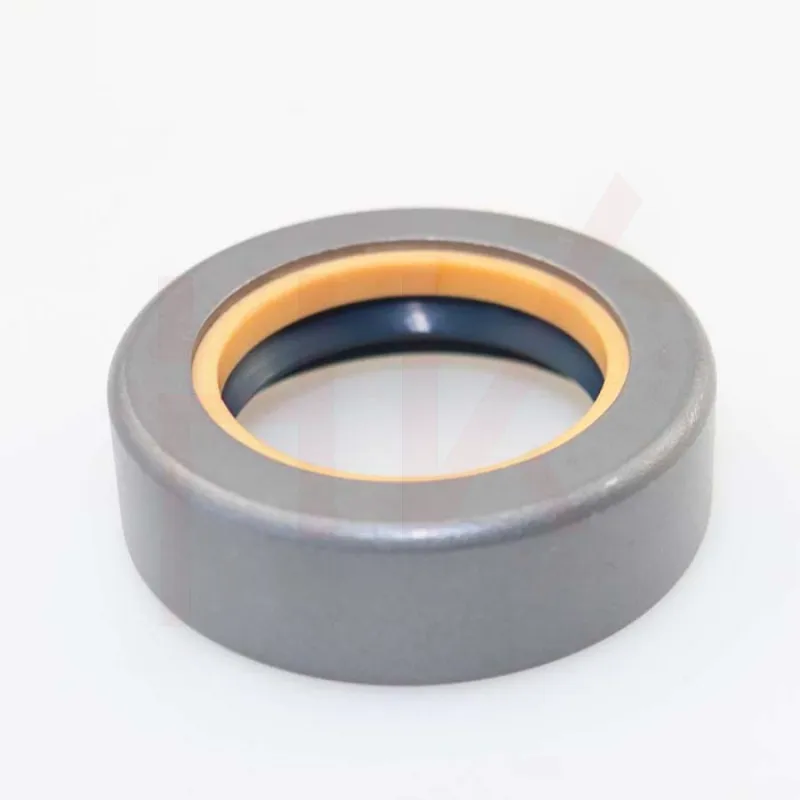
35*52*16 Standard Wheel Hub Oil Seal For Agricultural Machinery
-
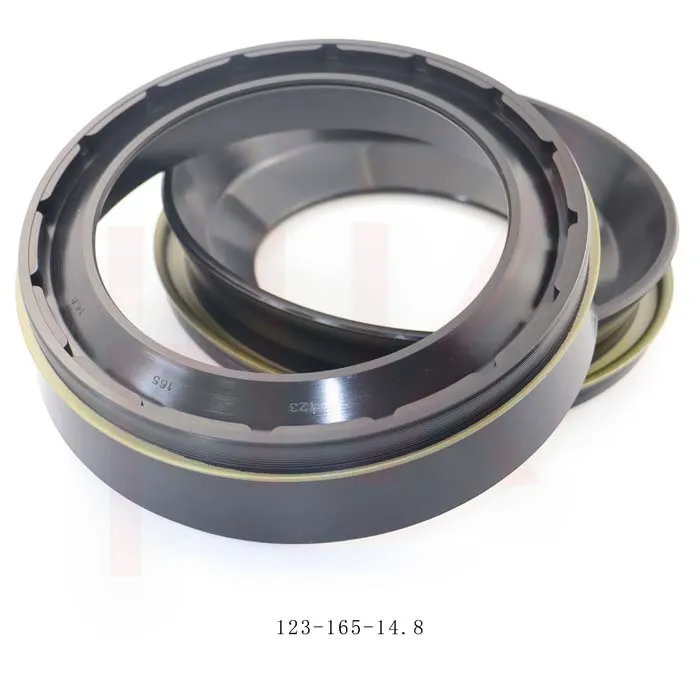
123*165*14.8 concrete mixer truck reducer oil seal
-
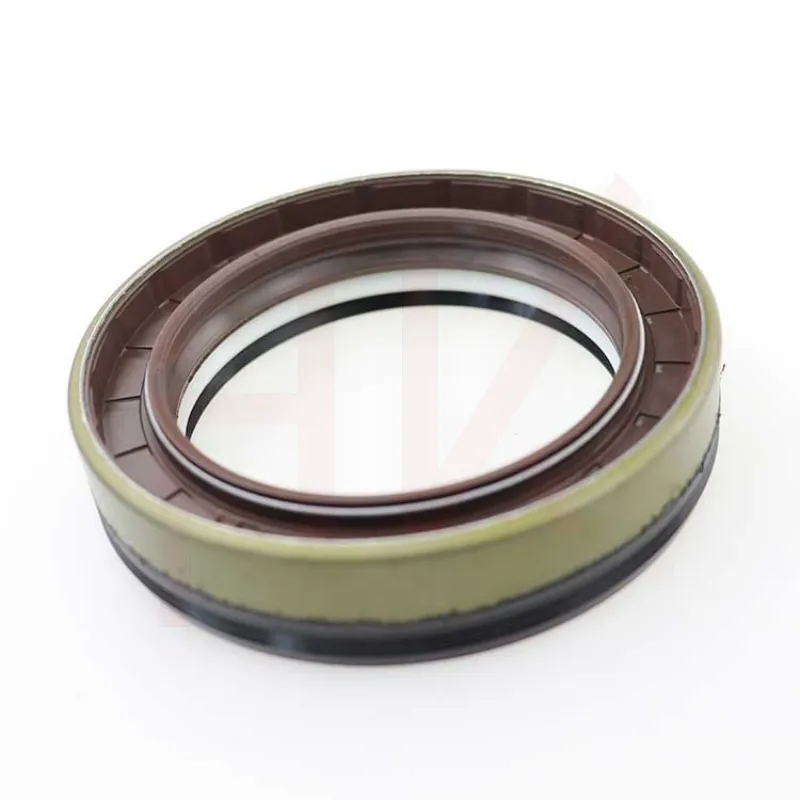
Tractor shaft oil seal 65-90-20 COMBI SF19 hub oil seal
-
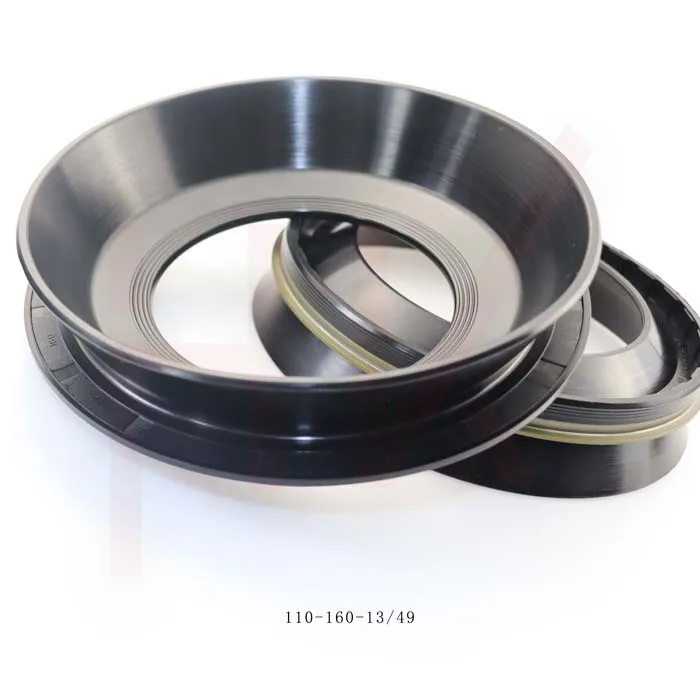
110*160*13/49 NBR reducerConcrete mixer truck oil seal
-
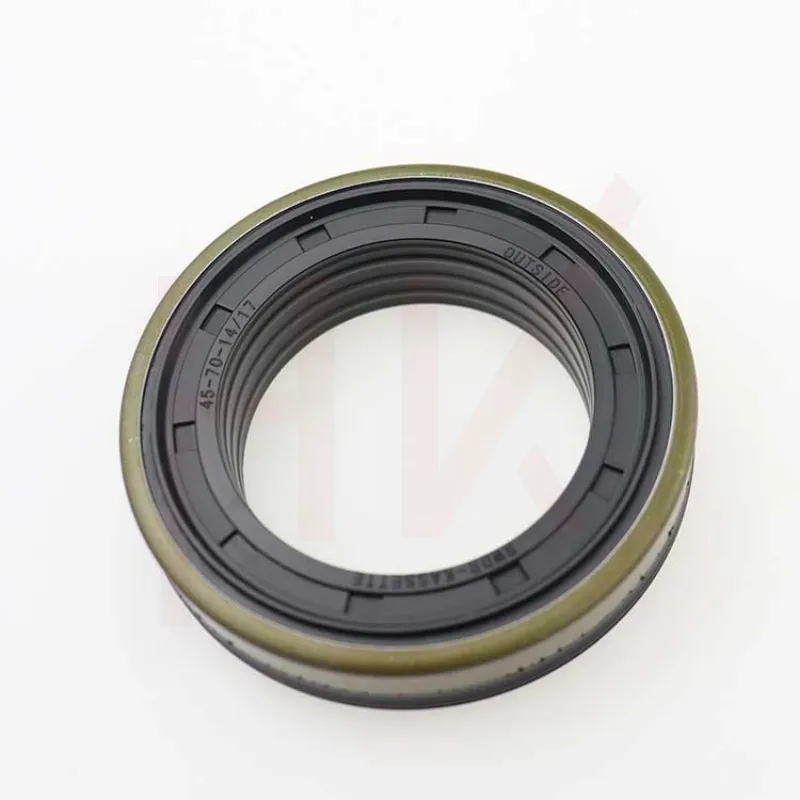
Hub oil seal 40*65*13/14.5 suitable for tractor Cat 12018035b
-
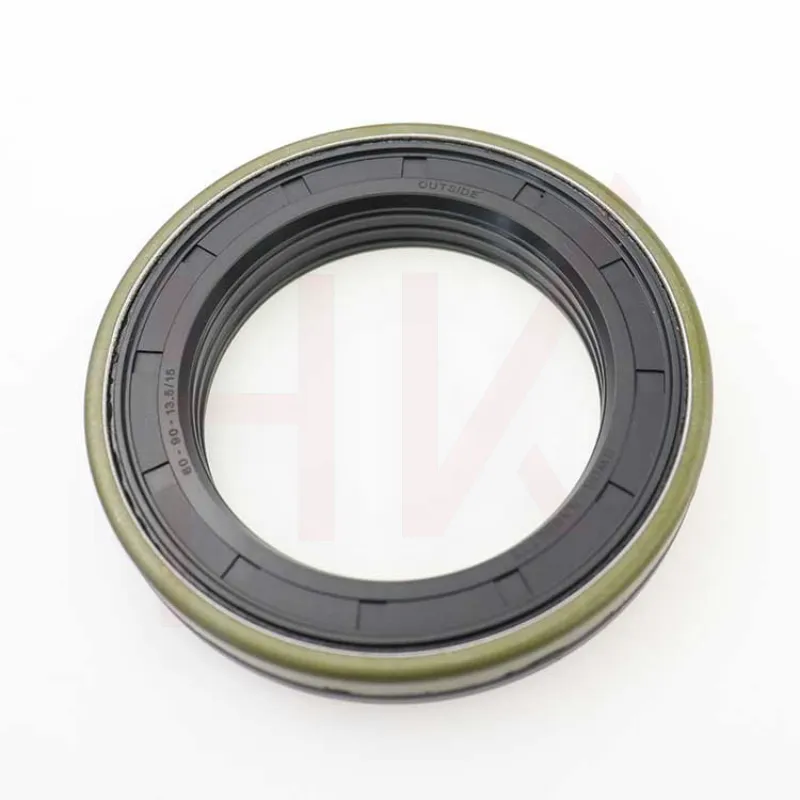
Tractor accessories cassette oil seal hub oil seal 60-90-13.5/15
-
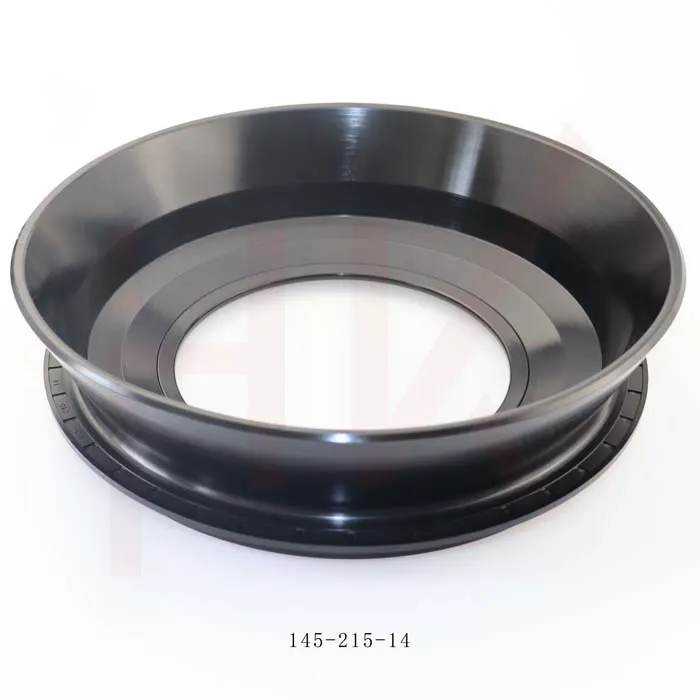
Factory concrete mixer truck oil seal 145*215*14 reducer gearbox oil seal
-
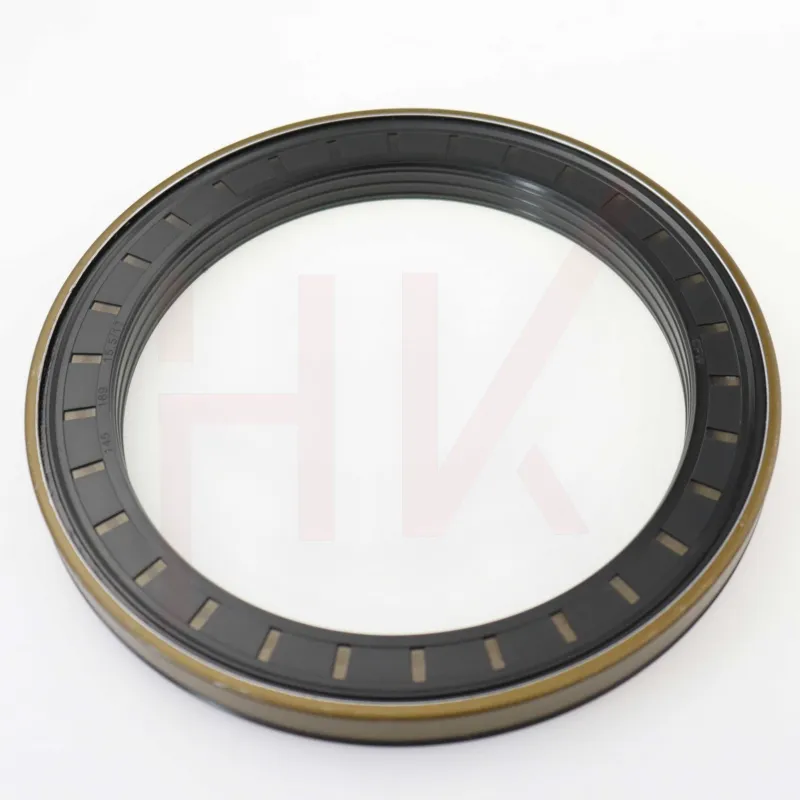
145*189*15.5/17 Cassette Seal NBR Hub Oil Seal 1508044
-
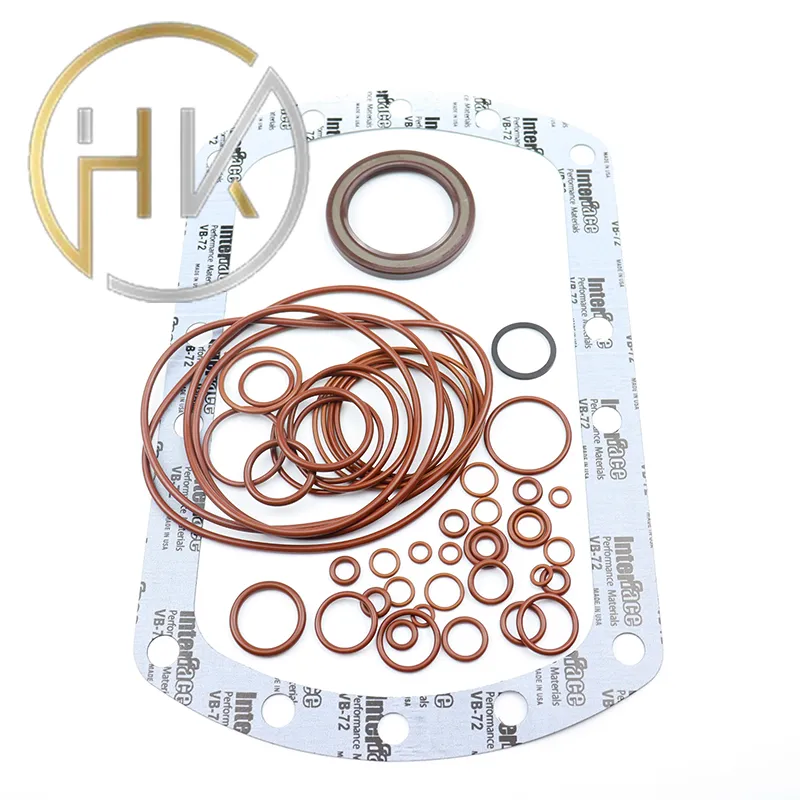
Factory direct sales hydraulic pump motor seal kit A8VO140
-
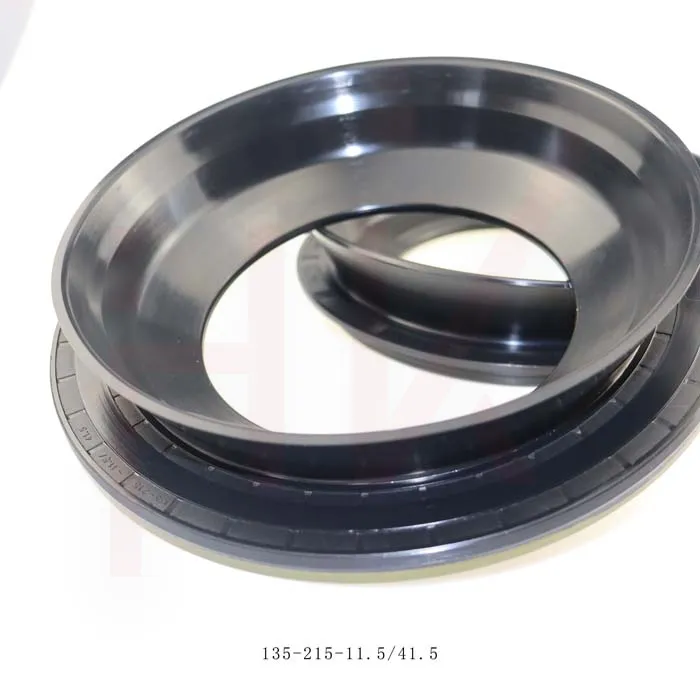
Brand new cement tanker oil seal 135*215*11.5/41.5 concrete mixer oil seal
-
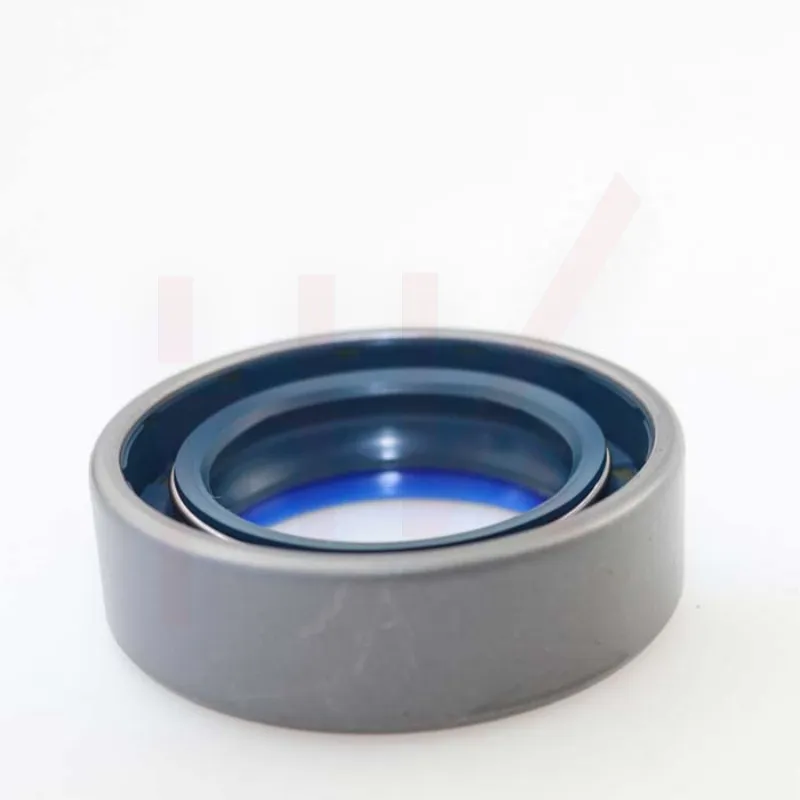
45*65*15 Combi oil seal JCB 90450009 COMBI SF1 SEAL
-
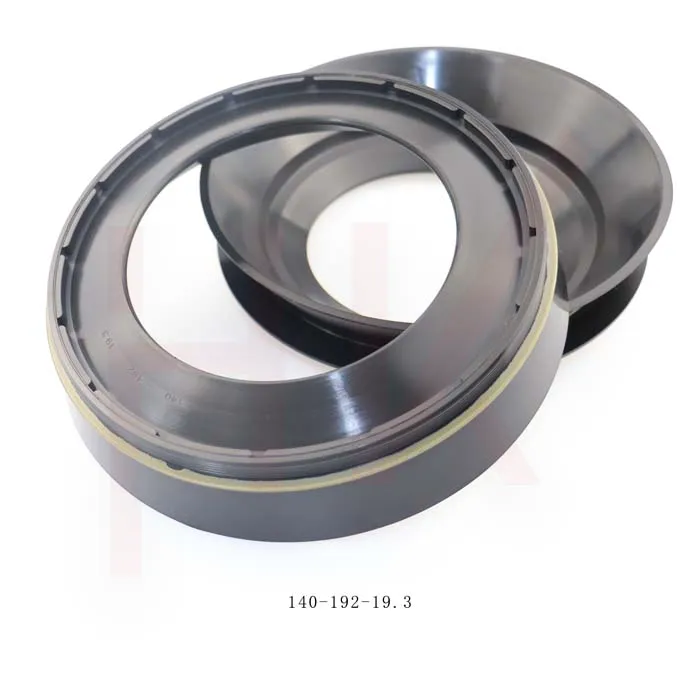
Gear box concrete mixer oil seal 140*192*19.3 nbr reducer oil seal
-
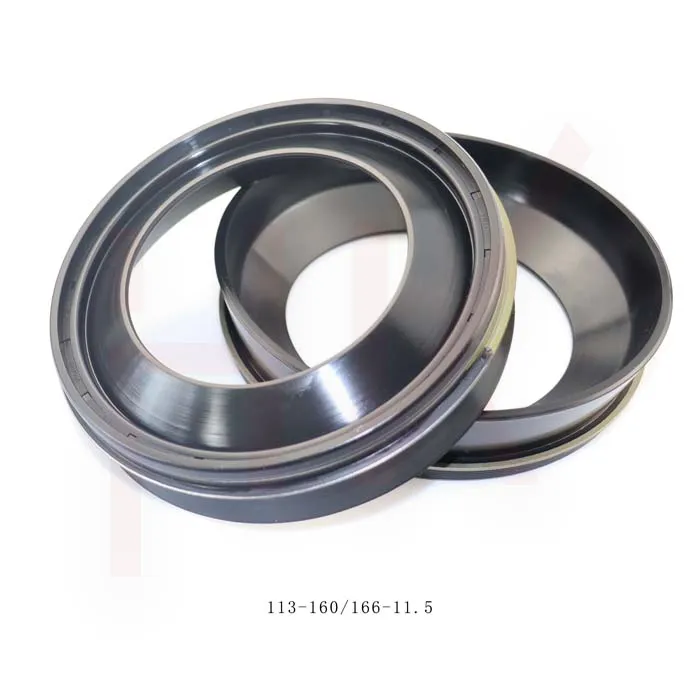
Seals factory direct sales 113*160/166*11.5/38 excavator truck reducer oil seal