
Mar . 07, 2026 02:05 Back to list
Comprehensive Guide to Wiper Seals for Hydraulic and Pneumatic Systems
Understanding Wiper Seals: A Comprehensive Guide
Wiper seals are critical components in hydraulic and pneumatic systems, responsible for preventing leakage and maintaining system efficiency. These seals effectively scrape away contaminants like dust, dirt, and debris from the piston rod or cylinder wall, ensuring a reliable seal even in harsh operating conditions. Selecting the right wiper seal is crucial for maximizing the lifespan and performance of your equipment. This article will delve into the types, materials, applications, and benefits of wiper seals, providing a thorough understanding for engineers, maintenance personnel, and anyone involved in hydraulic and pneumatic systems.
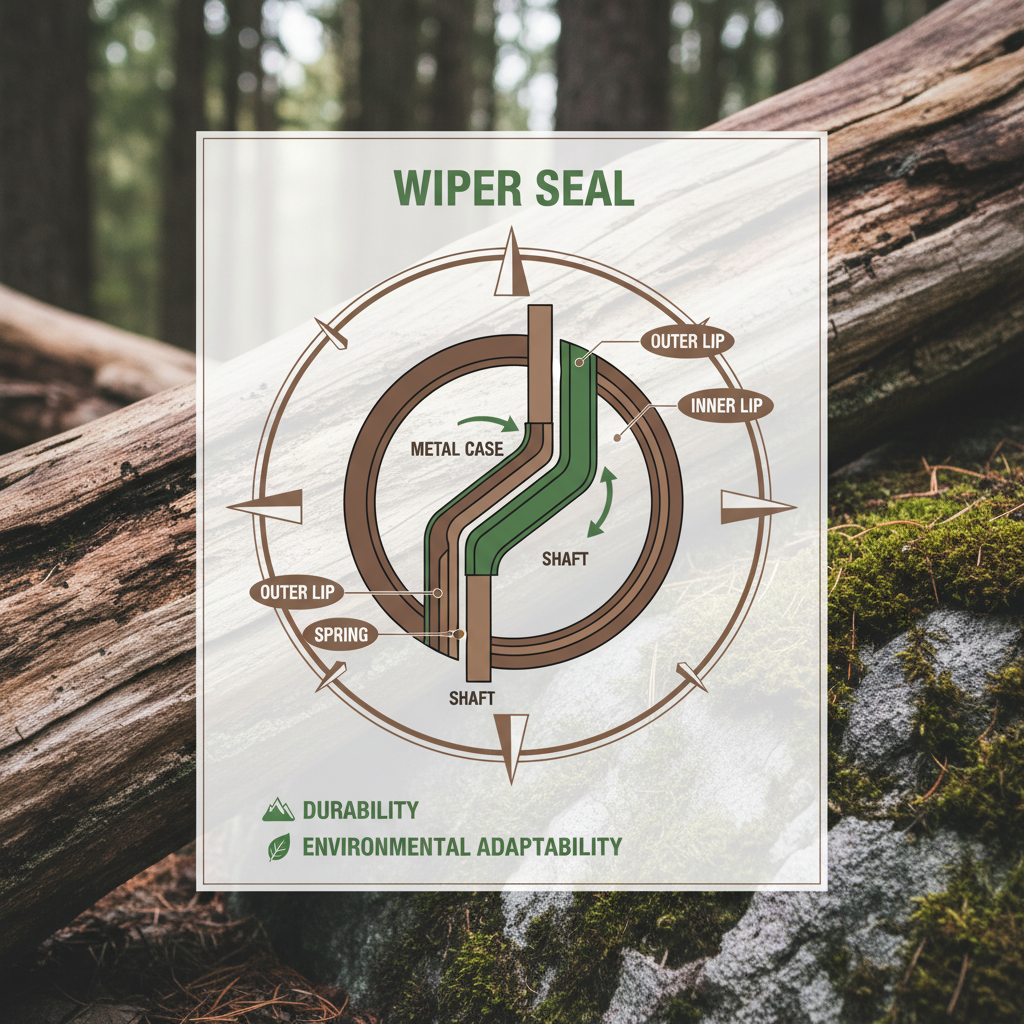
Types of Wiper Seals
Wiper seals come in various designs, each suited for specific applications and operating conditions. The most common types include:
- Lip Seals: These are the most basic type, featuring a flexible lip that contacts the piston rod. They are cost-effective and widely used.
- U-Cup Seals: These consist of a U-shaped cup with a wiping lip. They offer improved sealing performance and can handle higher pressures.
- Square Ring Seals: Ideal for high-speed applications, offering low friction and excellent sealing.
- V-Rings: These seals feature a V-shaped profile, providing excellent wiping action and compatibility with a range of fluids.
The choice of wiper seal type depends on factors such as pressure, temperature, fluid compatibility, and operating speed. HKAISEAL offers a comprehensive selection to meet diverse application needs.
Key Benefits of Wiper Seals: Prevent contamination of hydraulic fluid, extend component life, reduce downtime, and maintain system efficiency.
Material Considerations for Wiper Seals
The material of a wiper seal is critical for its performance and longevity. Common materials include:
- Nitrile Rubber (NBR): Excellent resistance to oil and fuel, making it suitable for general-purpose applications.
- Polyurethane (PU): Offers superior abrasion resistance, high load-bearing capacity, and resistance to many fluids.
- Viton (FKM): Provides exceptional resistance to high temperatures, aggressive chemicals, and oils.
- Silicone (VMQ): Ideal for high and low-temperature applications and provides good resistance to weathering and ozone.
Selecting the appropriate material depends on the fluid compatibility, temperature range, and pressure requirements of the system.
Material Selection Guide:
• Oil/Fuel Resistance: Nitrile Rubber (NBR)
• High Abrasion Resistance: Polyurethane (PU)
• High Temperature/Chemical Resistance: Viton (FKM)
• Extreme Temperatures: Silicone (VMQ)
Wiper Seal Applications: A Broad Spectrum
Wiper seals find application in a diverse range of industries and equipment. Some common applications include:
- Hydraulic Cylinders: Protecting the piston rod from contamination.
- Pneumatic Cylinders: Ensuring clean air flow and preventing damage to internal components.
- Shock Absorbers: Maintaining damping performance by preventing dirt ingress.
- Steering Systems: Protecting steering components from contamination.
- Injection Molding Machines: Preventing plastic particles from entering the hydraulic system.
Proper wiper seal selection is crucial for ensuring reliable operation and extending the service life of these systems. HKAISEAL provides custom solutions for specialized applications.
Proper Installation and Maintenance of Wiper Seals
Correct installation is crucial for optimal performance. Ensure the piston rod surface is clean and free from scratches before installing the wiper seal. Lubricate the seal with the appropriate fluid to facilitate installation and create a tight seal. Regular inspection of the wiper seal is essential to identify wear or damage. Replace the seal immediately if any signs of deterioration are observed. Preventative maintenance, including regular cleaning and lubrication, will extend the life of the seal and maintain system efficiency. HKAISEAL provides installation guides and technical support to ensure proper implementation.
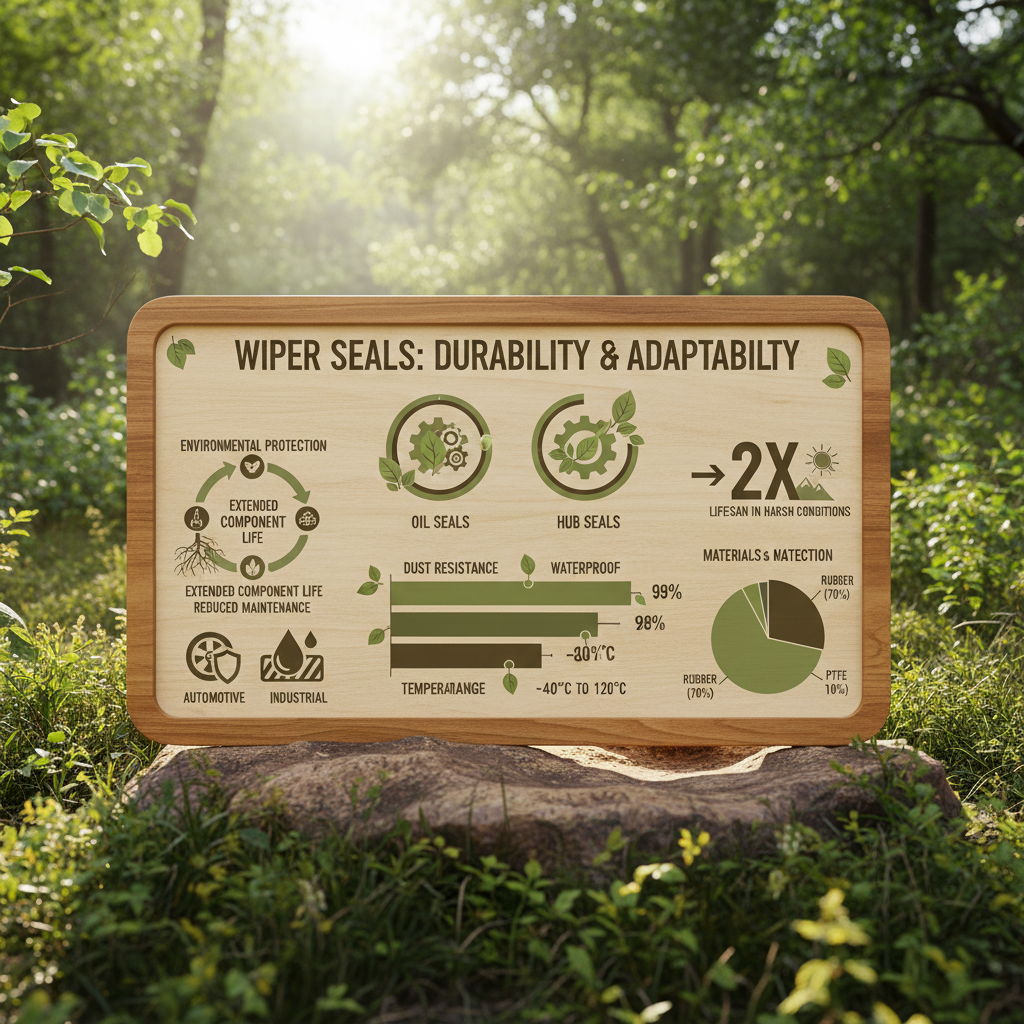
Conclusion: Investing in Quality Wiper Seals
Choosing the right wiper seal is a vital investment in the longevity and performance of your hydraulic and pneumatic systems. By understanding the different types, materials, and applications, you can ensure optimal protection against contamination and maintain peak efficiency. HKAISEAL offers a comprehensive range of high-quality wiper seals to meet your specific needs.
Frequently Asked Questions (FAQs)
What is the best way to store wiper seals?
Wiper seals should be stored in a cool, dry place, away from direct sunlight, ozone sources, and extreme temperatures. Ideally, they should be kept in their original packaging or sealed containers to prevent contamination and protect the material from degradation. Avoid storing them near solvents or chemicals that could damage the seal. Proper storage will maximize their lifespan and ensure they perform optimally when installed.
How often should wiper seals be replaced?
The replacement frequency of wiper seals depends on factors such as operating conditions, fluid compatibility, and the severity of the application. As a general guideline, wiper seals should be inspected regularly – ideally during routine maintenance – and replaced every 1-3 years, or sooner if any signs of wear, cracking, or damage are observed. Seals operating in harsh environments or with abrasive fluids may require more frequent replacement.
What causes wiper seal failure?
Common causes of wiper seal failure include abrasive contamination, chemical attack, extreme temperatures, and improper installation. Abrasive particles can damage the sealing lip, leading to leakage. Incompatible fluids can cause the seal material to swell, shrink, or degrade. Excessive heat or cold can compromise the seal’s elasticity and performance. Incorrect installation, such as twisting or stretching the seal, can also result in premature failure.
Can I use a generic wiper seal, or should I use one from the equipment manufacturer?
While generic wiper seals may sometimes work, it’s generally recommended to use a seal from the equipment manufacturer or a reputable supplier like HKAISEAL. Manufacturer-recommended seals are specifically designed for the equipment and ensure optimal compatibility and performance. Using an incorrect seal can lead to premature failure and potential damage to the equipment.
-
Guide to Choosing the Right High Quality hydraulic ram kit
NewsApr.16,2026
-
Premium Hydraulic Cylinder Packing Kits for Peak Performance
NewsApr.09,2026
-
Comprehensive Guide to Hydraulic Cylinder Oil Seal Kits for Optimal Performance
NewsApr.07,2026
-
Comprehensive Guide to Choosing the Right Cylinder Seal Kits for Peak Performance
NewsApr.04,2026
-
Comprehensive Guide to Seal Kits for Cylinders Ensuring Optimal Performance
NewsMar.31,2026
-
Comprehensive Guide to Hyd Cylinder Seals for Optimal Hydraulic System Performance
NewsMar.28,2026
-
Comprehensive Guide to Hyd Cylinder Seal Kit Selection and Installation
NewsMar.26,2026
Products categories
-
Standard oil seal BP0494 High pressure TCN oil seal
-
Hydraulic pump seal AP4624G high pressure TCN oil seal
-
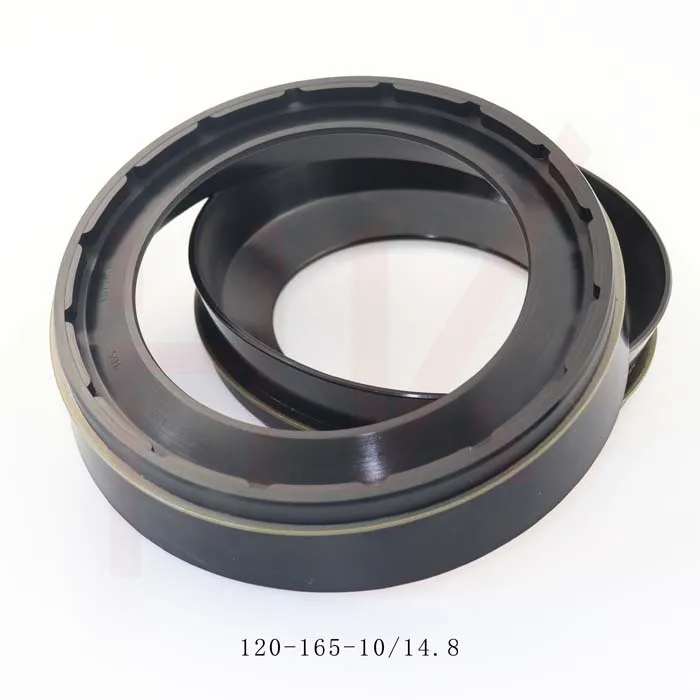
0734307418 0750112169 120*165*10/14.8 concrete mixer reducer oil seal
-
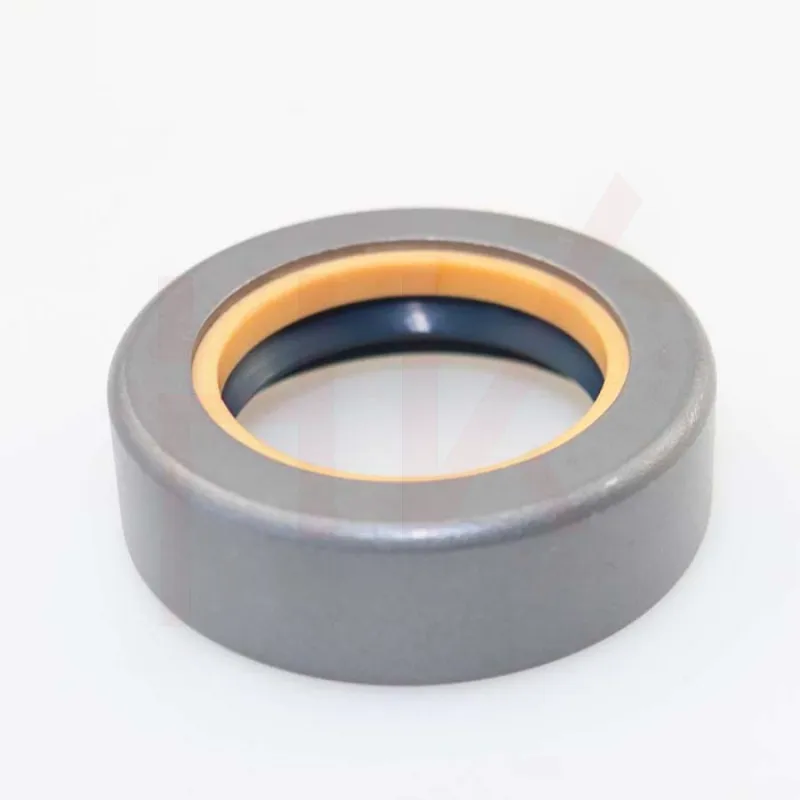
35*52*16 Standard Wheel Hub Oil Seal For Agricultural Machinery
-
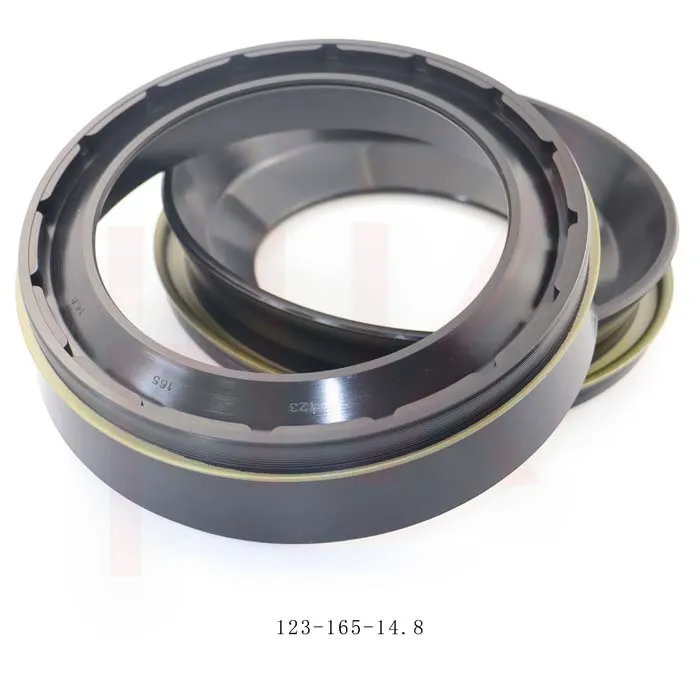
123*165*14.8 concrete mixer truck reducer oil seal
-
Tractor shaft oil seal 65-90-20 COMBI SF19 hub oil seal
-
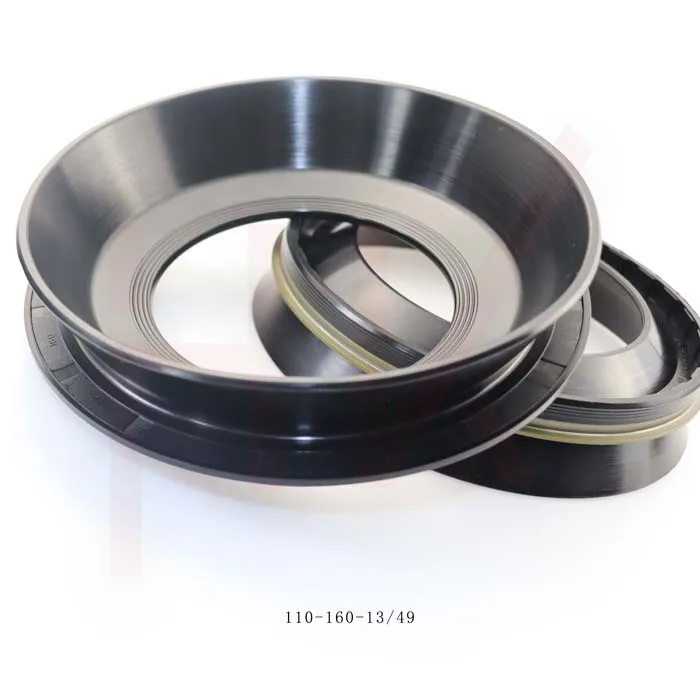
110*160*13/49 NBR reducerConcrete mixer truck oil seal
-
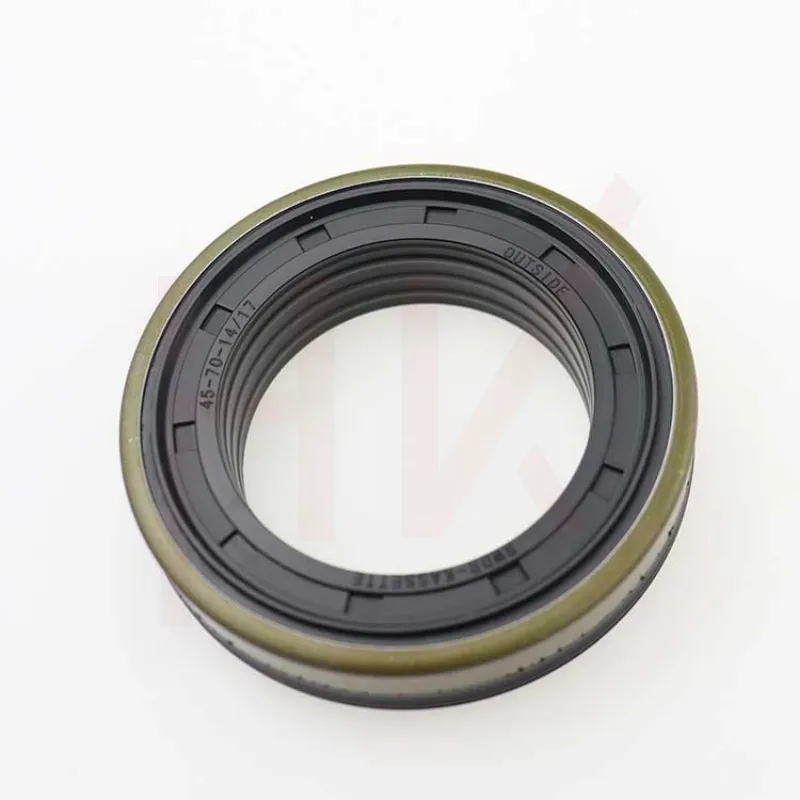
Hub oil seal 40*65*13/14.5 suitable for tractor Cat 12018035b
-
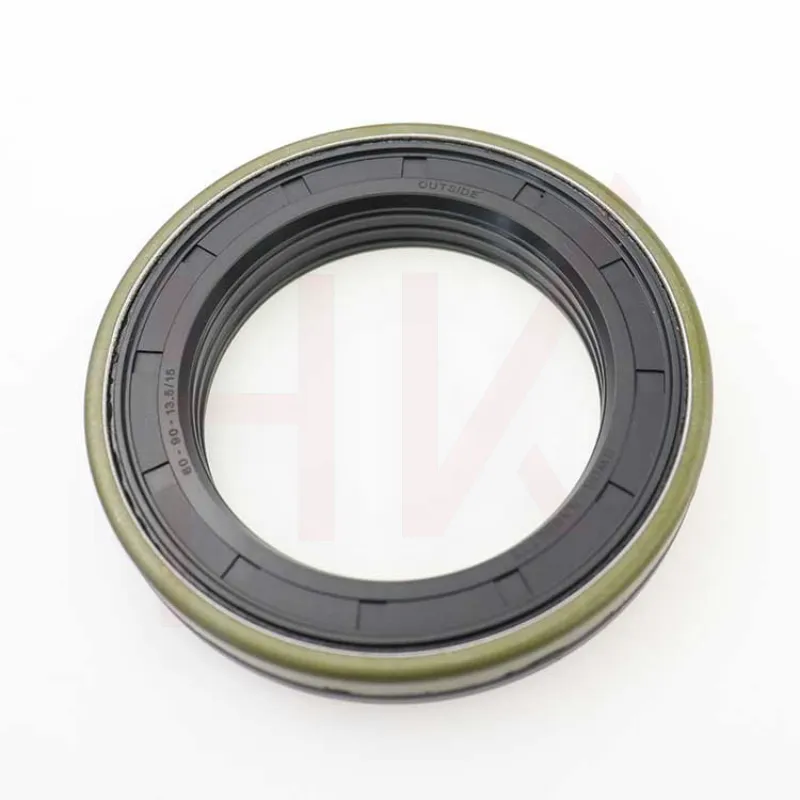
Tractor accessories cassette oil seal hub oil seal 60-90-13.5/15
-
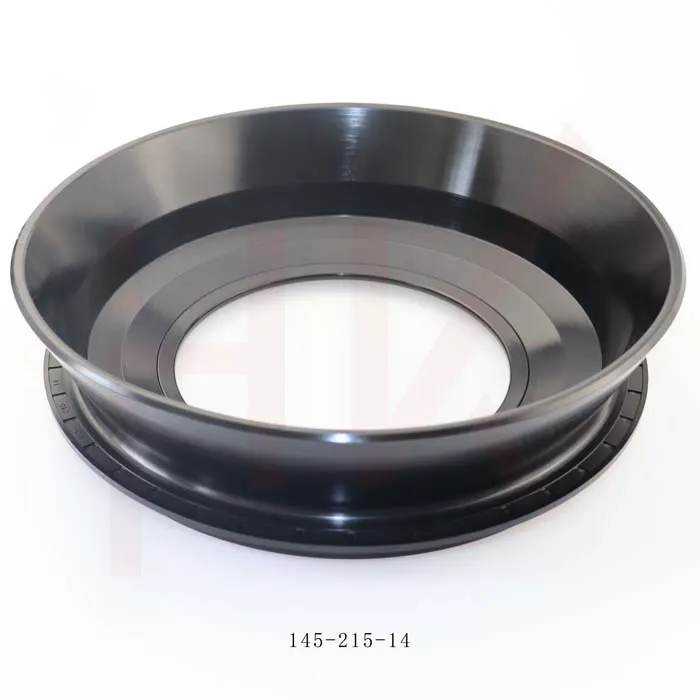
Factory concrete mixer truck oil seal 145*215*14 reducer gearbox oil seal
-
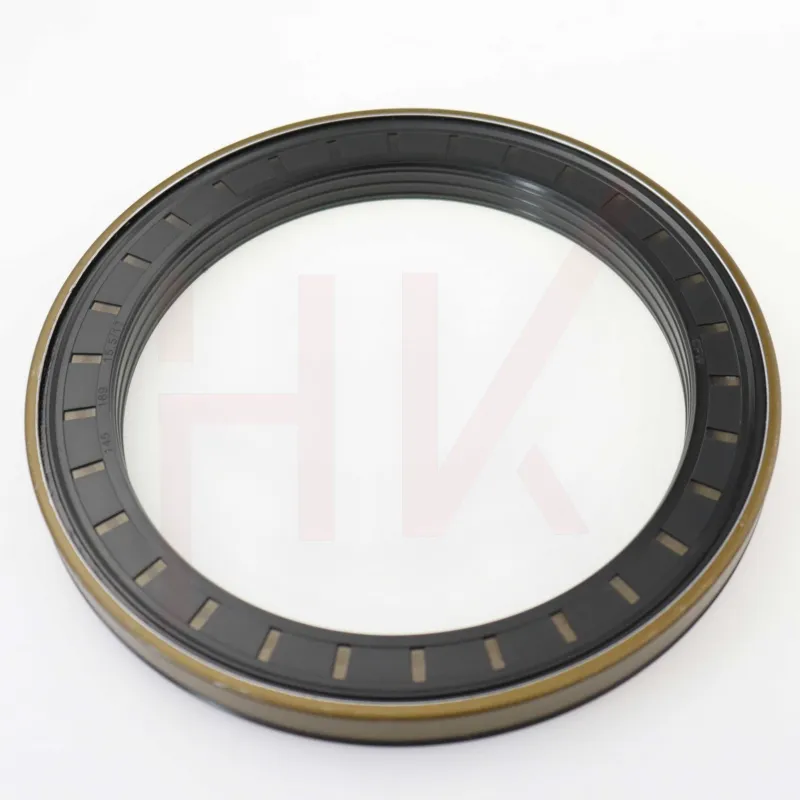
145*189*15.5/17 Cassette Seal NBR Hub Oil Seal 1508044
-
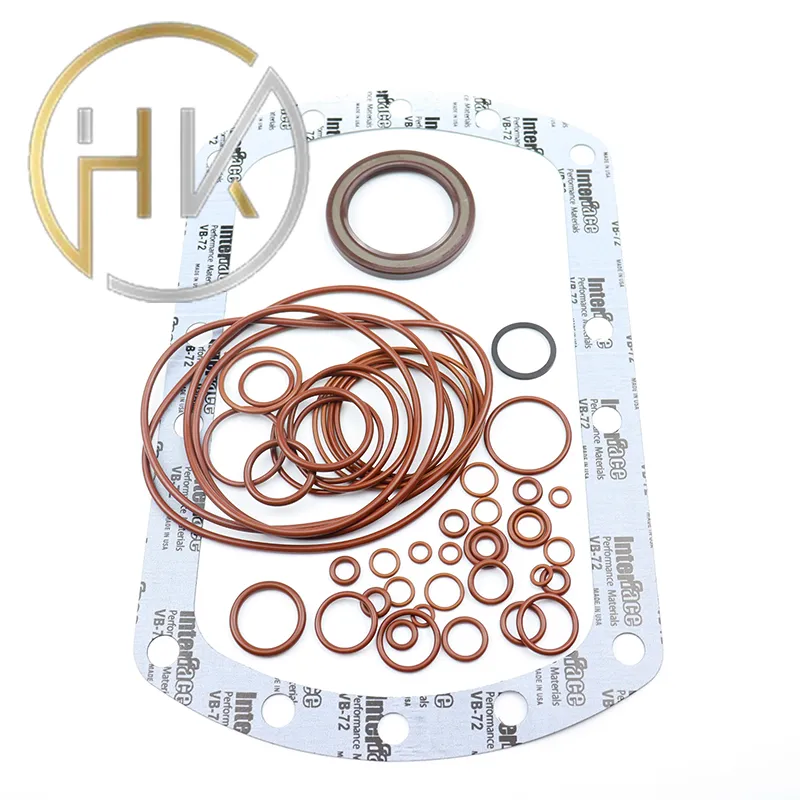
Factory direct sales hydraulic pump motor seal kit A8VO140
-
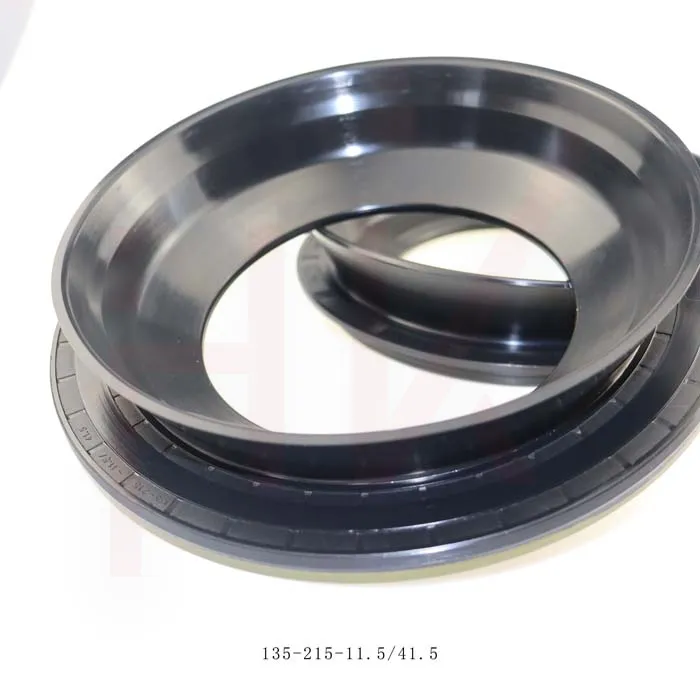
Brand new cement tanker oil seal 135*215*11.5/41.5 concrete mixer oil seal
-
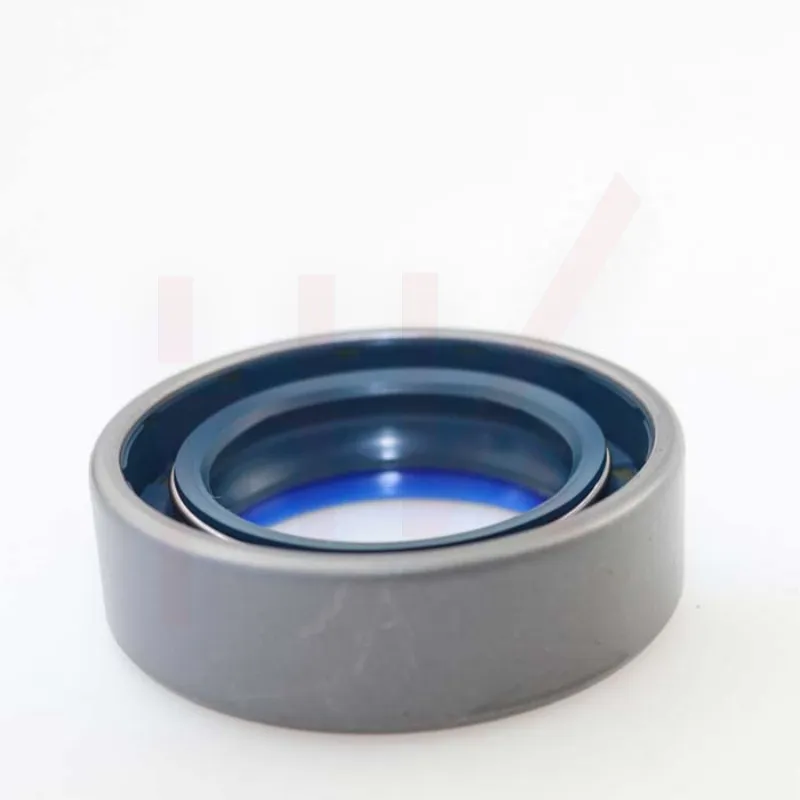
45*65*15 Combi oil seal JCB 90450009 COMBI SF1 SEAL
-
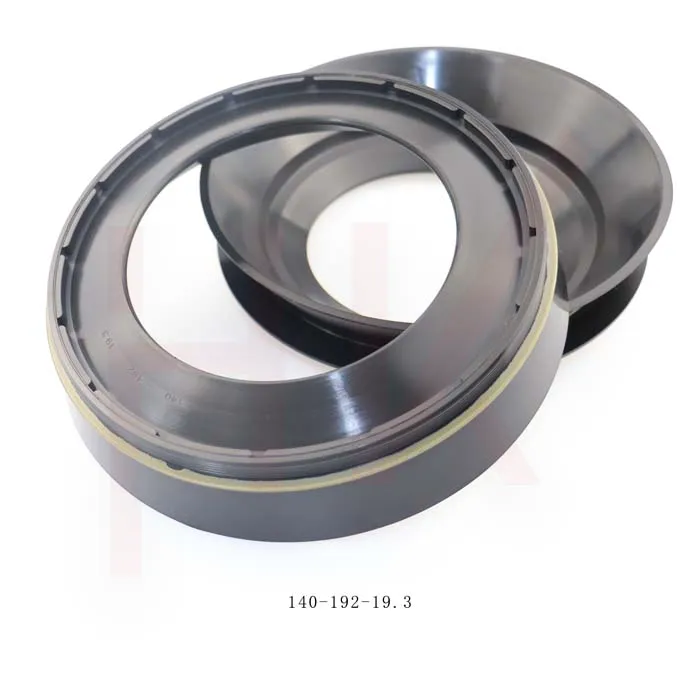
Gear box concrete mixer oil seal 140*192*19.3 nbr reducer oil seal
-
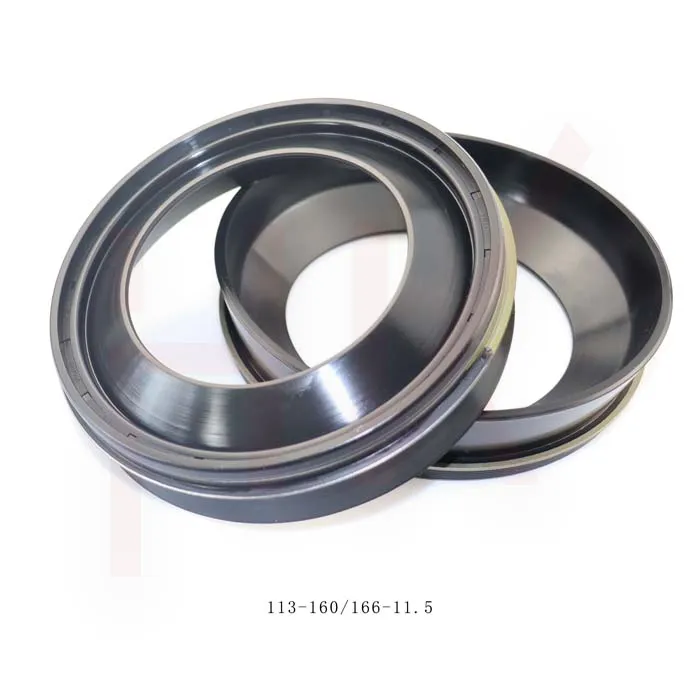
Seals factory direct sales 113*160/166*11.5/38 excavator truck reducer oil seal