
Mar . 03, 2026 18:25 Back to list
Understanding the Purpose of Oil Seals and Their Critical Applications
What is the Purpose of an Oil Seal?
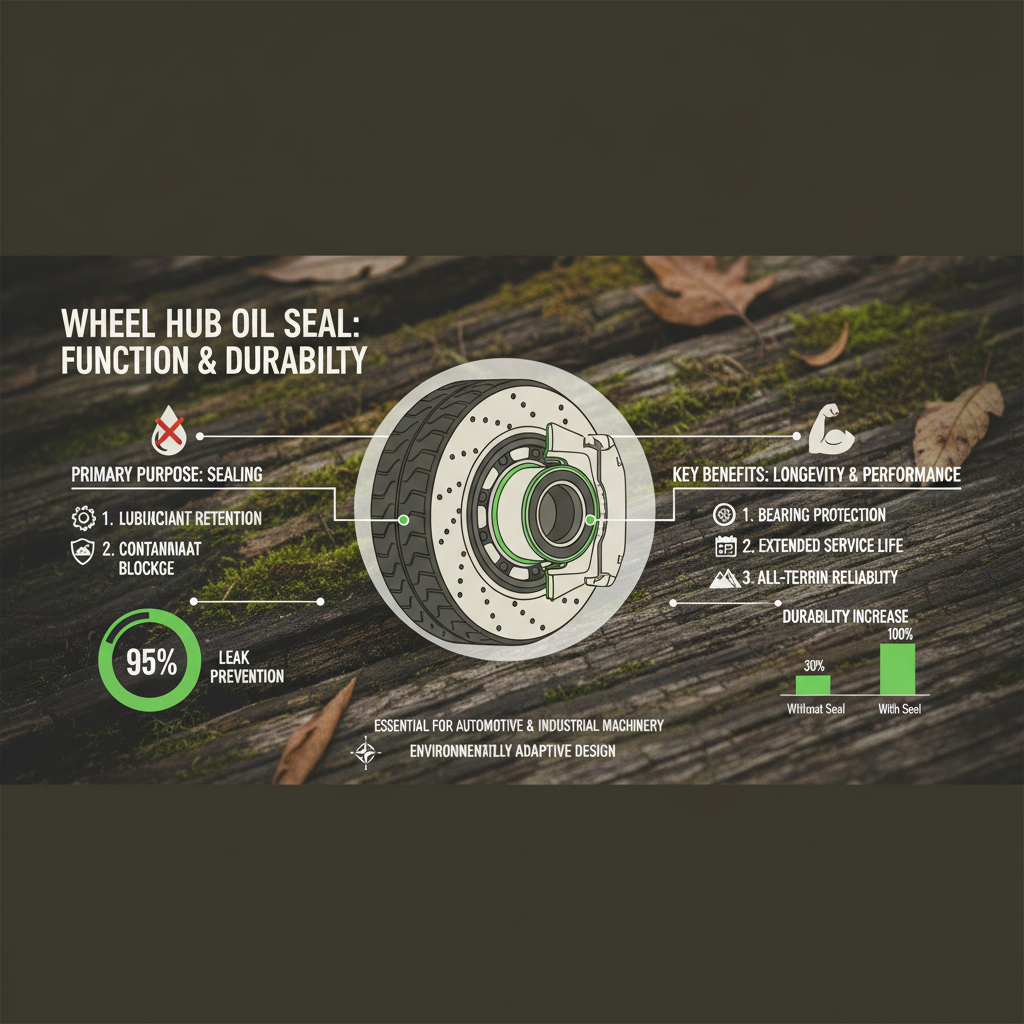
Oil seals, often overlooked, are critical components in a vast array of machinery and engines. Their primary purpose is to prevent leakage of fluids – oil, water, grease, or chemicals – from rotating or reciprocating parts. This seemingly simple task is vital for maintaining efficiency, preventing damage, and ensuring the longevity of equipment. Understanding the function of an oil seal is key to appreciating its importance in industrial applications, automotive engineering, and beyond. Without effective sealing, vital components would be starved of lubrication, leading to premature wear and costly breakdowns.

The Core Function: Containing Fluids and Preventing Contamination
At its core, the purpose of an oil seal is to create a barrier between stationary and moving components. This barrier prevents the escape of lubricating fluids, which are essential for reducing friction and wear. Simultaneously, oil seals prevent the ingress of contaminants such as dirt, dust, and debris, which could damage sensitive internal parts. Effective sealing isn’t just about preventing leaks; it’s about protecting the overall health and performance of the system. HKAISEAL offers a wide range of high-quality oil seals designed for various applications.
Key Benefits of Using Oil Seals: Prevents fluid leakage, reduces friction and wear, protects against contamination, extends equipment lifespan, and improves operational efficiency.
Types of Oil Seals and Their Specific Applications
Oil seals aren’t one-size-fits-all. They come in various types, each tailored to specific applications and operating conditions. Common types include lip seals, O-ring seals, and mechanical seals. Lip seals, the most common type, utilize a flexible lip that presses against the rotating shaft to create a seal. O-ring seals are simple, cost-effective, and suitable for static applications. Mechanical seals, used in high-pressure and high-speed applications, employ a rotating face and a stationary face to create a very tight seal. The selection of the appropriate oil seal is crucial for optimal performance and reliability.
Oil Seal Types and Applications:
• Lip Seals: Engines, gearboxes, pumps.
• O-Ring Seals: Static sealing, hydraulic systems.
• Mechanical Seals: High-pressure pumps, compressors.
Oil Seal Materials: Choosing the Right Material for the Job
The material an oil seal is made from significantly impacts its performance and longevity. Common materials include nitrile rubber (NBR), Viton (FKM), silicone rubber (VMQ), and polytetrafluoroethylene (PTFE). NBR is a general-purpose material suitable for oil-based fluids. Viton offers excellent resistance to high temperatures and harsh chemicals. Silicone rubber provides flexibility and resistance to extreme temperatures. PTFE is ideal for applications requiring low friction and chemical inertness. Selecting the right material is crucial for ensuring compatibility with the fluid being sealed and the operating environment. HKAISEAL provides seals in various materials to meet diverse needs.
Why Proper Installation is Critical for Oil Seal Performance
Even the highest-quality oil seal will fail prematurely if not installed correctly. Proper installation requires careful attention to detail, including cleaning the sealing surfaces, lubricating the seal, and using the correct installation tools. Damage during installation, such as nicks or scratches on the sealing lip, can compromise the seal's integrity. Following the manufacturer’s installation guidelines is crucial for ensuring optimal performance and longevity. Consider seeking professional assistance if you're unfamiliar with the installation process.
Conclusion: Ensuring Reliability Through Effective Sealing
In conclusion, the purpose of an oil seal is far more than simply preventing leaks. It’s a vital component that safeguards machinery, reduces downtime, and extends equipment life. Choosing the right seal, made from the appropriate material, and installed correctly are all critical for achieving reliable performance. HKAISEAL is committed to providing high-quality oil seals and expert support to meet your specific sealing needs.
Frequently Asked Questions (FAQs)
What are the signs that an oil seal is failing?
Several signs indicate a failing oil seal. The most obvious is fluid leakage, often visible around the shaft or housing. You might also notice a decrease in fluid levels, increased operating temperatures, or unusual noises from the equipment. Dark, discolored fluid can also be a sign of contamination due to a compromised seal. Ignoring these symptoms can lead to significant damage and costly repairs, so it's crucial to address them promptly. Regular inspection of seals is highly recommended.
How often should oil seals be replaced?
The replacement frequency of oil seals depends on various factors, including operating conditions, the type of fluid being sealed, and the seal material. As a general guideline, seals should be inspected annually and replaced every 2-5 years. However, in harsh environments or with heavy use, more frequent replacement may be necessary. It’s always best to follow the manufacturer's recommendations and replace seals proactively to prevent unexpected failures.
Can oil seals be reused?
Generally, oil seals should not be reused. Once a seal has been compressed and installed, its sealing lip can become deformed, reducing its effectiveness. Reusing a seal significantly increases the risk of leakage and premature failure. It is always recommended to replace the oil seal with a new one during maintenance or repair procedures. The cost of a new seal is minimal compared to the potential damage caused by a failing seal.
-
Guide to Choosing the Right High Quality hydraulic ram kit
NewsApr.16,2026
-
Premium Hydraulic Cylinder Packing Kits for Peak Performance
NewsApr.09,2026
-
Comprehensive Guide to Hydraulic Cylinder Oil Seal Kits for Optimal Performance
NewsApr.07,2026
-
Comprehensive Guide to Choosing the Right Cylinder Seal Kits for Peak Performance
NewsApr.04,2026
-
Comprehensive Guide to Seal Kits for Cylinders Ensuring Optimal Performance
NewsMar.31,2026
-
Comprehensive Guide to Hyd Cylinder Seals for Optimal Hydraulic System Performance
NewsMar.28,2026
-
Comprehensive Guide to Hyd Cylinder Seal Kit Selection and Installation
NewsMar.26,2026
Products categories
-
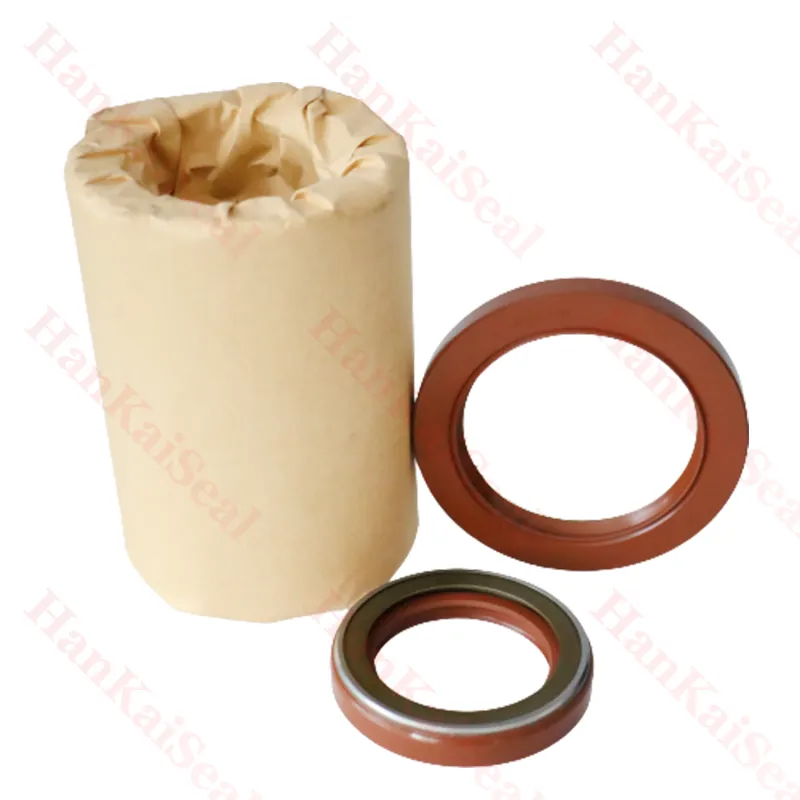
Standard oil seal BP0494 High pressure TCN oil seal
-
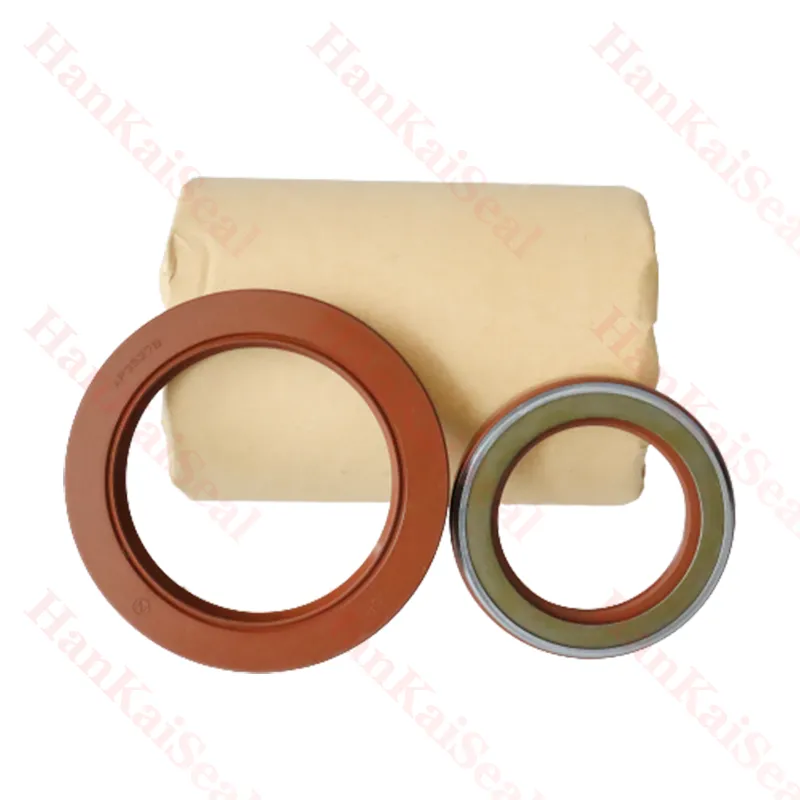
Hydraulic pump seal AP4624G high pressure TCN oil seal
-
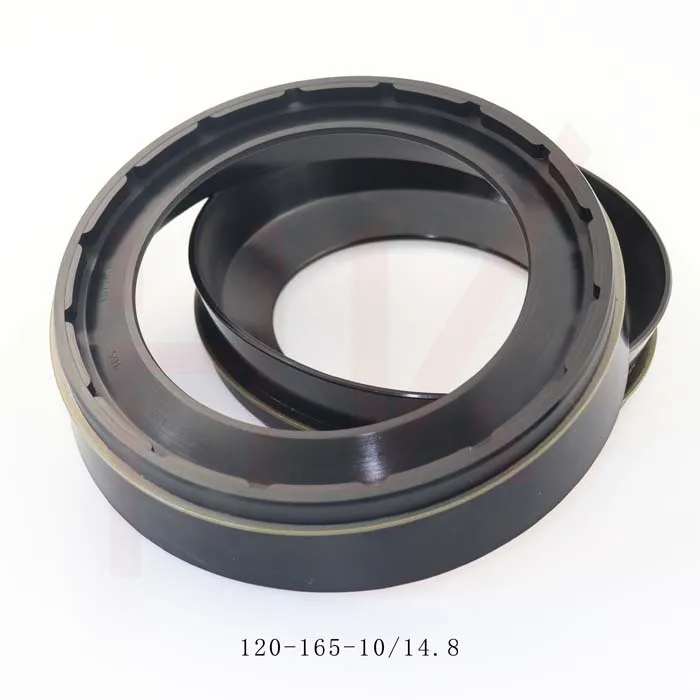
0734307418 0750112169 120*165*10/14.8 concrete mixer reducer oil seal
-
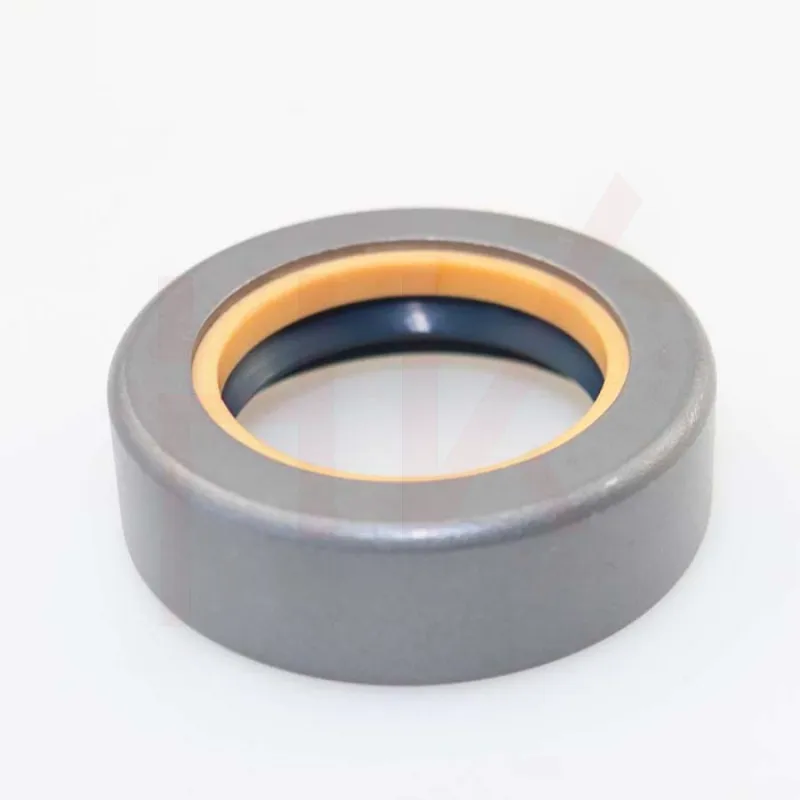
35*52*16 Standard Wheel Hub Oil Seal For Agricultural Machinery
-
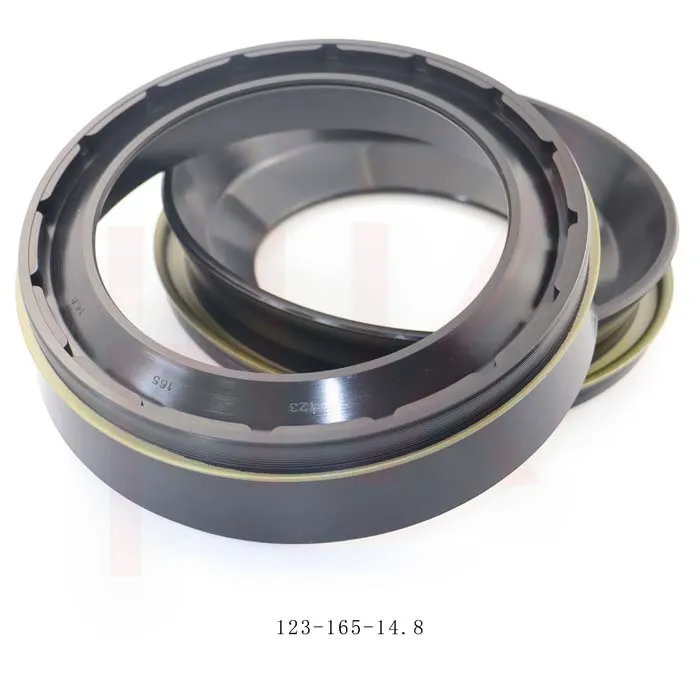
123*165*14.8 concrete mixer truck reducer oil seal
-
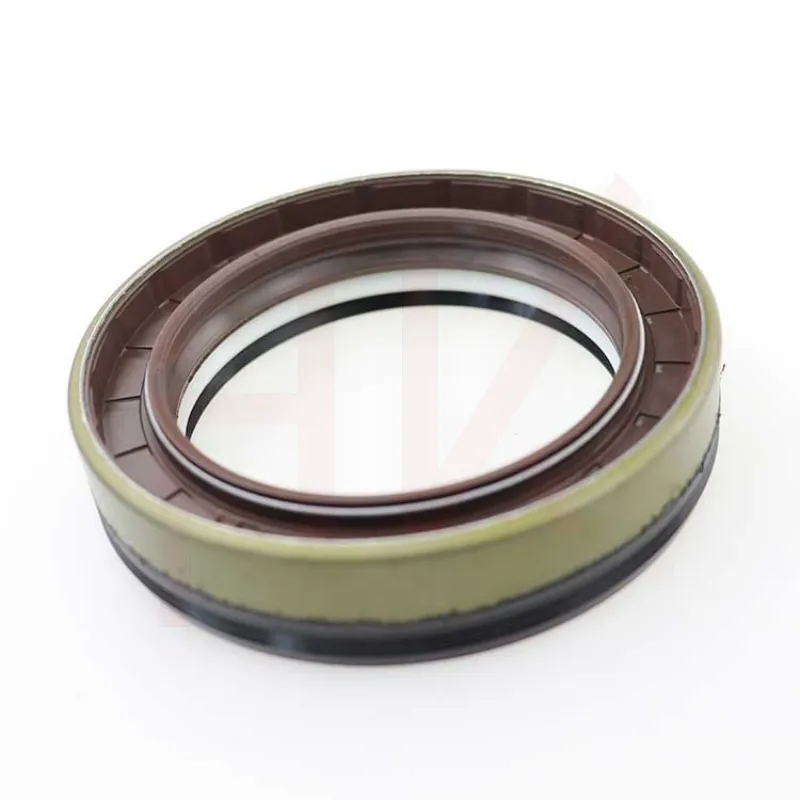
Tractor shaft oil seal 65-90-20 COMBI SF19 hub oil seal
-
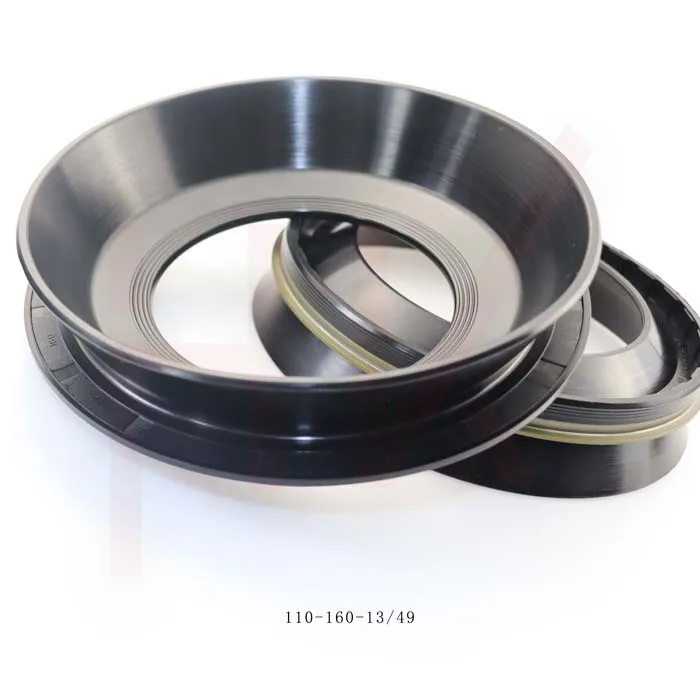
110*160*13/49 NBR reducerConcrete mixer truck oil seal
-
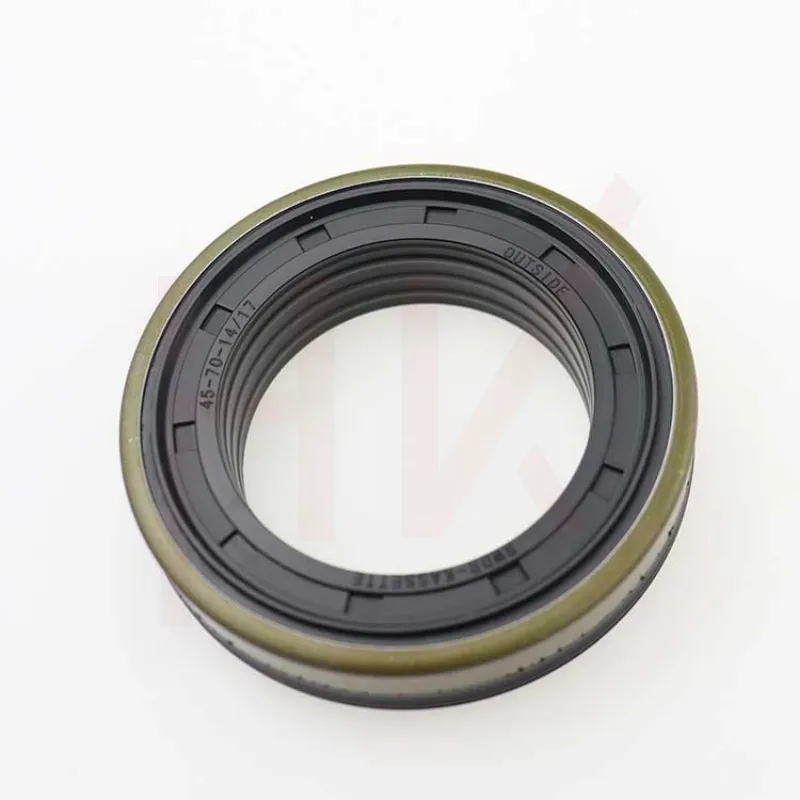
Hub oil seal 40*65*13/14.5 suitable for tractor Cat 12018035b
-
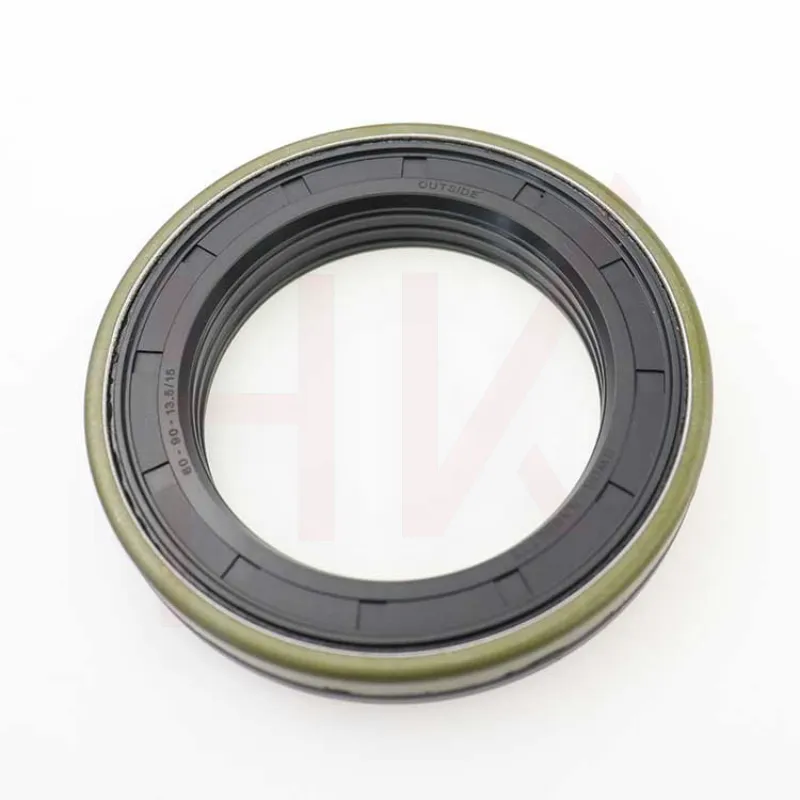
Tractor accessories cassette oil seal hub oil seal 60-90-13.5/15
-
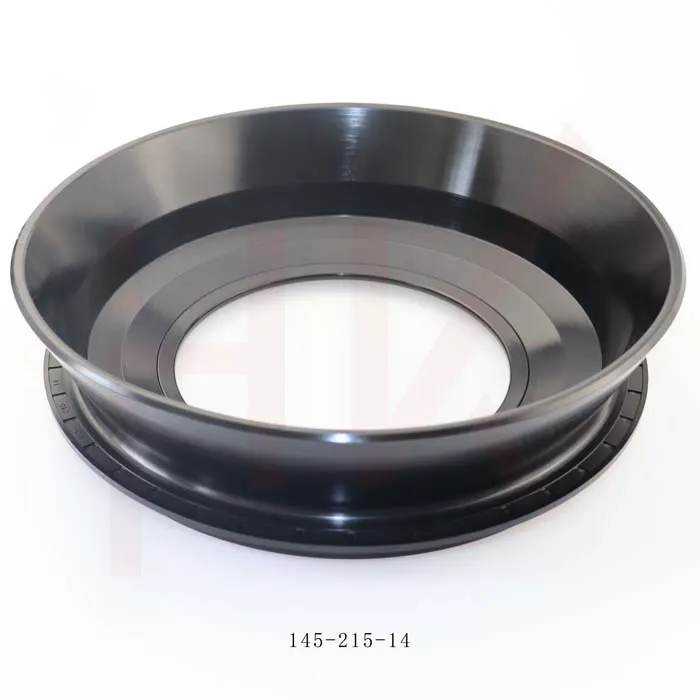
Factory concrete mixer truck oil seal 145*215*14 reducer gearbox oil seal
-
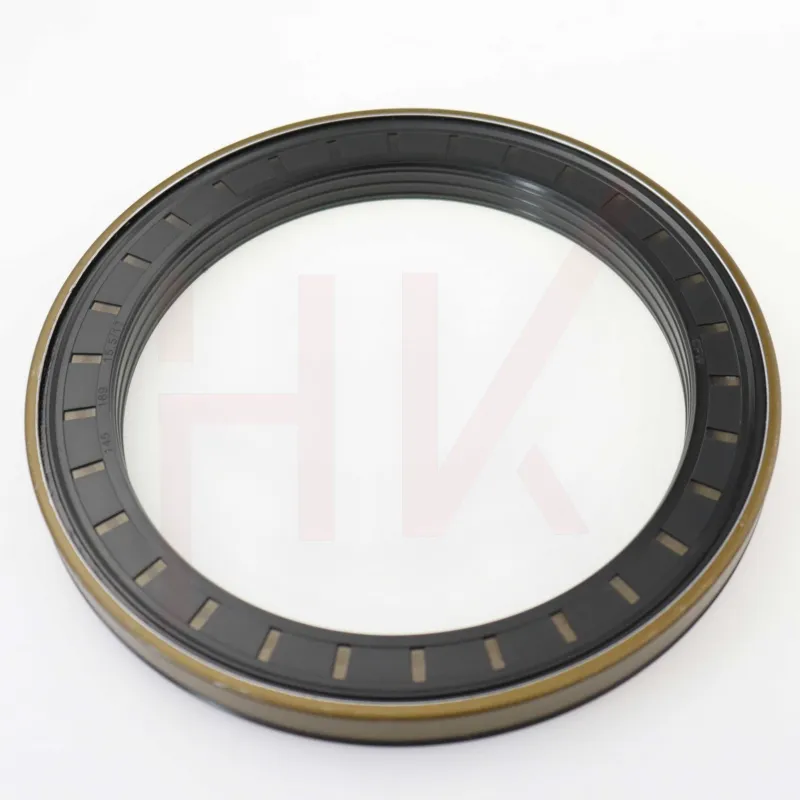
145*189*15.5/17 Cassette Seal NBR Hub Oil Seal 1508044
-
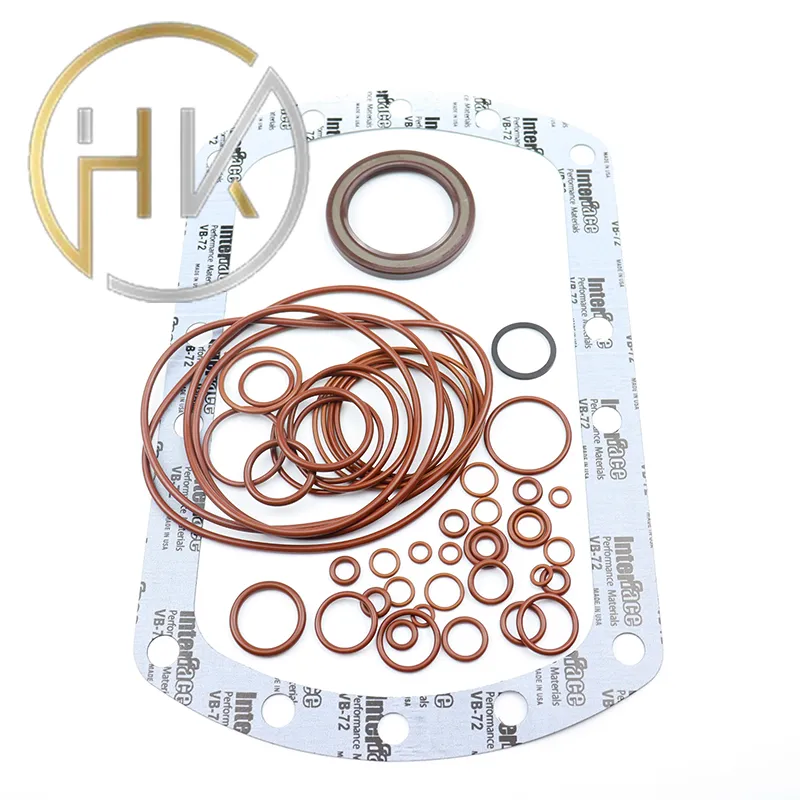
Factory direct sales hydraulic pump motor seal kit A8VO140
-
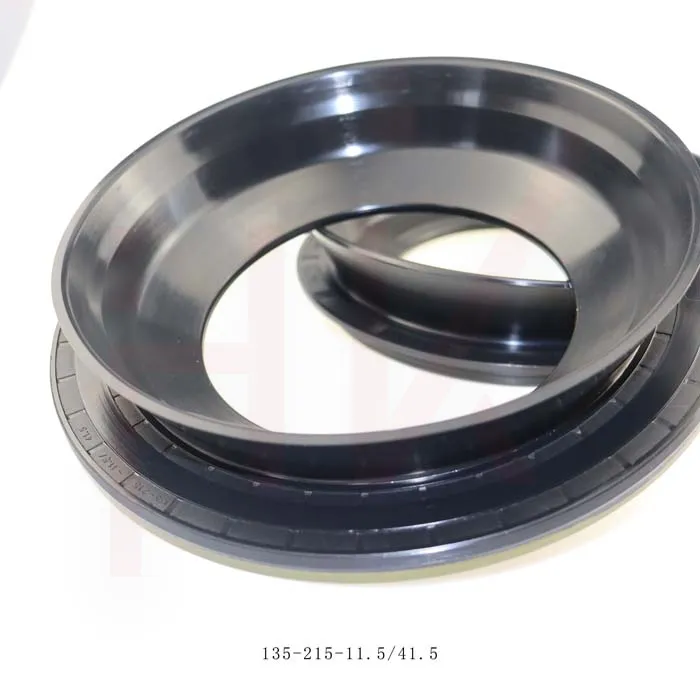
Brand new cement tanker oil seal 135*215*11.5/41.5 concrete mixer oil seal
-
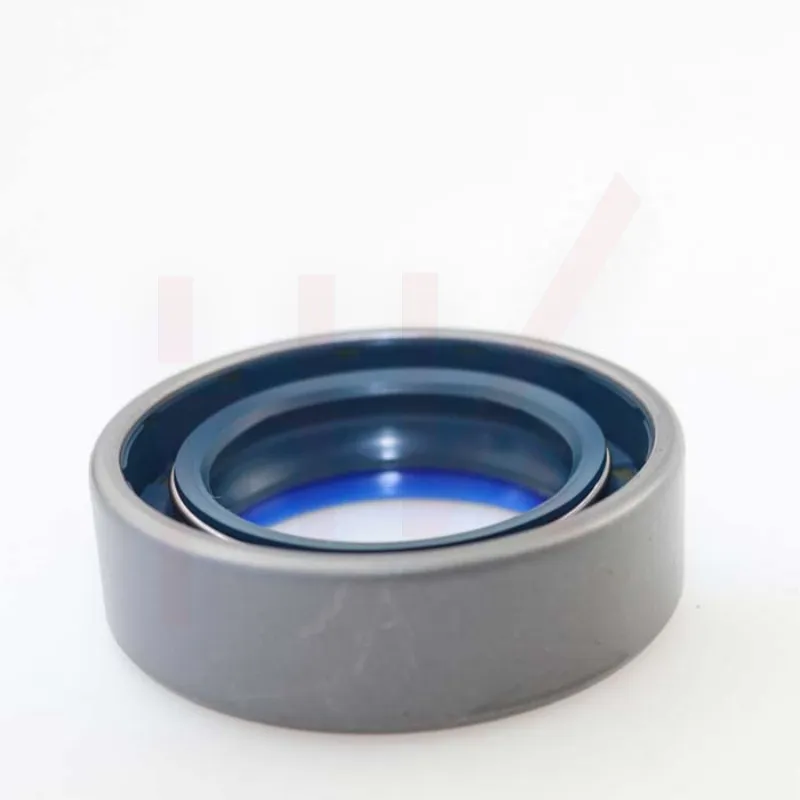
45*65*15 Combi oil seal JCB 90450009 COMBI SF1 SEAL
-
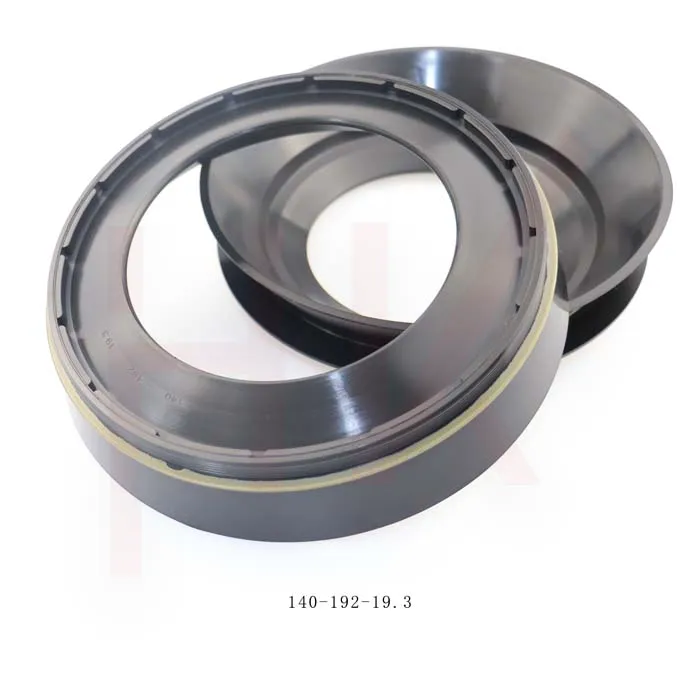
Gear box concrete mixer oil seal 140*192*19.3 nbr reducer oil seal
-
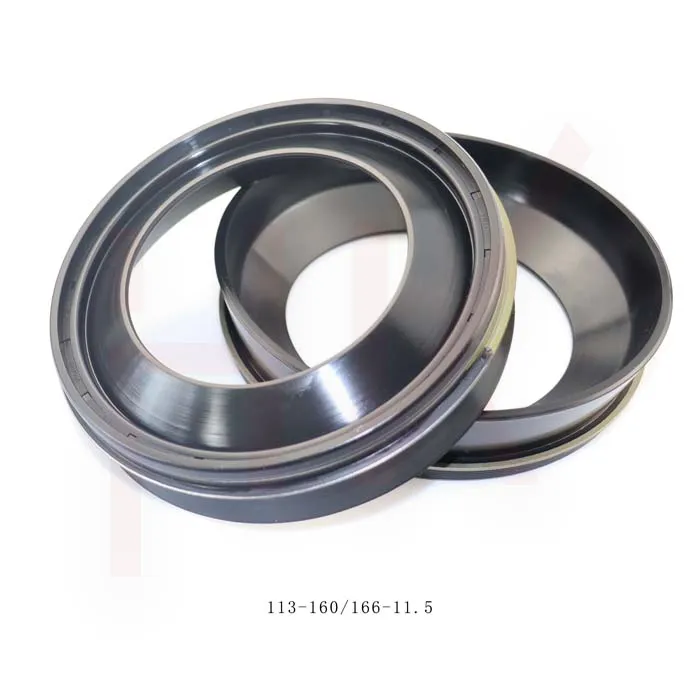
Seals factory direct sales 113*160/166*11.5/38 excavator truck reducer oil seal