
Mar . 17, 2026 02:05 Back to list
Comprehensive Guide to Hydraulic Oil Seal Kit Selection and Maintenance
Understanding Hydraulic Oil Seal Kit: A Comprehensive Guide
Hydraulic systems are the backbone of many industries, relying on the integrity of their components to function efficiently and safely. A crucial element in maintaining this integrity is the hydraulic oil seal kit. These kits ensure leak-free operation, protecting valuable equipment and preventing costly downtime. This article will delve into the importance of hydraulic oil seal kits, their components, selection criteria, and maintenance tips, providing a thorough understanding for professionals and businesses reliant on hydraulic power. Protecting your hydraulic systems means protecting your investments – let’s explore how.
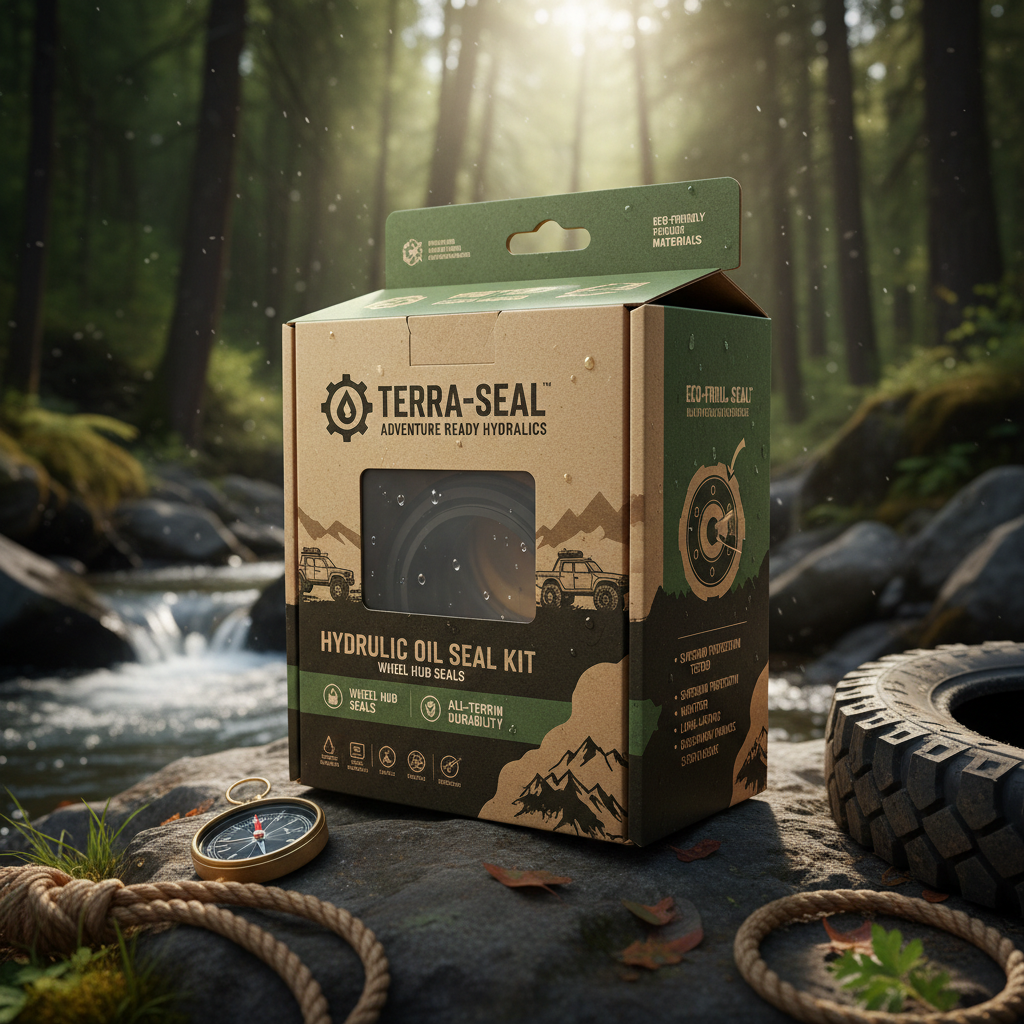
What is a Hydraulic Oil Seal Kit?
A hydraulic oil seal kit isn't just a single component; it’s a carefully assembled collection of seals designed to replace worn or damaged parts within a hydraulic system. Typically, a kit includes O-rings, lip seals, wiper seals, and backup rings – all crafted from materials compatible with hydraulic fluids. The purpose of these seals is to prevent oil leakage, maintain system pressure, and protect internal components from contamination. Using a complete kit ensures all critical sealing points are addressed simultaneously, maximizing performance and reliability. You can find a wide array of kits at HKAISEAL.
Key Benefits: Prevents oil leakage, maintains system pressure, protects components from contamination, and minimizes downtime.
Components Found in a Typical Hydraulic Oil Seal Kit
Understanding the components within a hydraulic oil seal kit is essential for proper installation and maintenance. Here's a breakdown of common seals you'll find:
- O-rings: Circular seals used in static or dynamic applications.
- Lip Seals: Designed to seal rotating shafts, preventing oil leakage.
- Wiper Seals: Remove contaminants from the hydraulic cylinder rod as it extends and retracts.
- Backup Rings: Prevent extrusion of seals under high pressure.
Choosing the Right Hydraulic Oil Seal Kit: Material & Compatibility
Selecting the correct kit hinges on material compatibility and application requirements. Common seal materials include:
| Material | Temperature Range (°C) | Fluid Compatibility |
|---|---|---|
| Nitrile (NBR) | -40 to +100 | Mineral Oils, Hydraulic Fluids |
| Viton (FKM) | -20 to +200 | Wide Range, Including Aggressive Fluids |
| Silicone (VMQ) | -60 to +200 | Limited Oil Resistance |
Choosing the correct material is crucial to ensure longevity and prevent seal failure. Always refer to the hydraulic fluid specifications and operating temperature when selecting a kit. HKAISEAL offers expert guidance to help you find the perfect fit.
Installation Best Practices for Hydraulic Oil Seal Kits
Proper installation is key to maximizing the lifespan of your new seals. Here's a checklist:
- Cleanliness: Ensure all components are meticulously clean before installation.
- Lubrication: Apply a suitable lubricant to the seals to facilitate installation and prevent damage.
- Proper Tools: Use the correct tools to avoid scratching or deforming the seals.
- Correct Orientation: Install seals with the correct orientation, as indicated in the manufacturer's instructions.
Maintaining Hydraulic Seal Integrity: Regular Inspection
Regular inspection is crucial for identifying potential issues before they escalate. Look for signs of leakage, wear, or damage. Replace seals proactively based on the manufacturer’s recommendations or if any abnormalities are detected. Maintaining a log of seal replacements can help track performance and predict future needs. Investing in quality hydraulic oil seal kits and following a robust maintenance schedule will significantly reduce downtime and extend the life of your hydraulic equipment.
Conclusion: Ensuring Hydraulic System Reliability
A high-quality hydraulic oil seal kit is a vital component in maintaining the efficiency and reliability of any hydraulic system. By understanding the components, choosing the right materials, following proper installation procedures, and implementing a proactive maintenance plan, you can prevent costly downtime and extend the life of your valuable equipment. Prioritize seal integrity for optimal performance and peace of mind.
Frequently Asked Questions (FAQs)
How often should I replace hydraulic oil seals?
The replacement frequency depends on several factors, including operating conditions, fluid type, and system pressure. As a general guideline, seals should be inspected annually and replaced every 3-5 years, or sooner if signs of wear or leakage are observed. High-pressure systems and abrasive fluids will necessitate more frequent replacements. Keep a maintenance log to track replacements and identify trends. Proactive replacement is significantly cheaper than dealing with unexpected downtime and potential damage to other components.
What causes hydraulic oil seals to fail?
Several factors contribute to seal failure. Common causes include: incompatibility with the hydraulic fluid, excessive heat, high pressure, abrasion from contaminants, improper installation, and age-related degradation. Contamination is a major culprit – ensuring a clean hydraulic system and using appropriate filtration is paramount. Regularly monitoring fluid condition and replacing filters as recommended will significantly extend seal life.
Can I use any lubricant during seal installation?
No, not all lubricants are suitable. Using the wrong lubricant can damage the seal material or cause premature failure. Always use a lubricant specifically recommended by the seal manufacturer or compatible with the seal material. Typically, a silicone-based lubricant is a good choice as it provides excellent lubrication without attacking the seal. Avoid petroleum-based lubricants, which can cause swelling or degradation of certain seal materials.
Where can I find reliable hydraulic oil seal kits?
HKAISEAL is a trusted supplier of high-quality hydraulic oil seal kits. We offer a wide selection of kits to suit various applications and industries, backed by expert technical support and competitive pricing. We prioritize quality and ensure all our kits meet stringent industry standards.
-
Guide to Choosing the Right High Quality hydraulic ram kit
NewsApr.16,2026
-
Premium Hydraulic Cylinder Packing Kits for Peak Performance
NewsApr.09,2026
-
Comprehensive Guide to Hydraulic Cylinder Oil Seal Kits for Optimal Performance
NewsApr.07,2026
-
Comprehensive Guide to Choosing the Right Cylinder Seal Kits for Peak Performance
NewsApr.04,2026
-
Comprehensive Guide to Seal Kits for Cylinders Ensuring Optimal Performance
NewsMar.31,2026
-
Comprehensive Guide to Hyd Cylinder Seals for Optimal Hydraulic System Performance
NewsMar.28,2026
-
Comprehensive Guide to Hyd Cylinder Seal Kit Selection and Installation
NewsMar.26,2026
Products categories
-
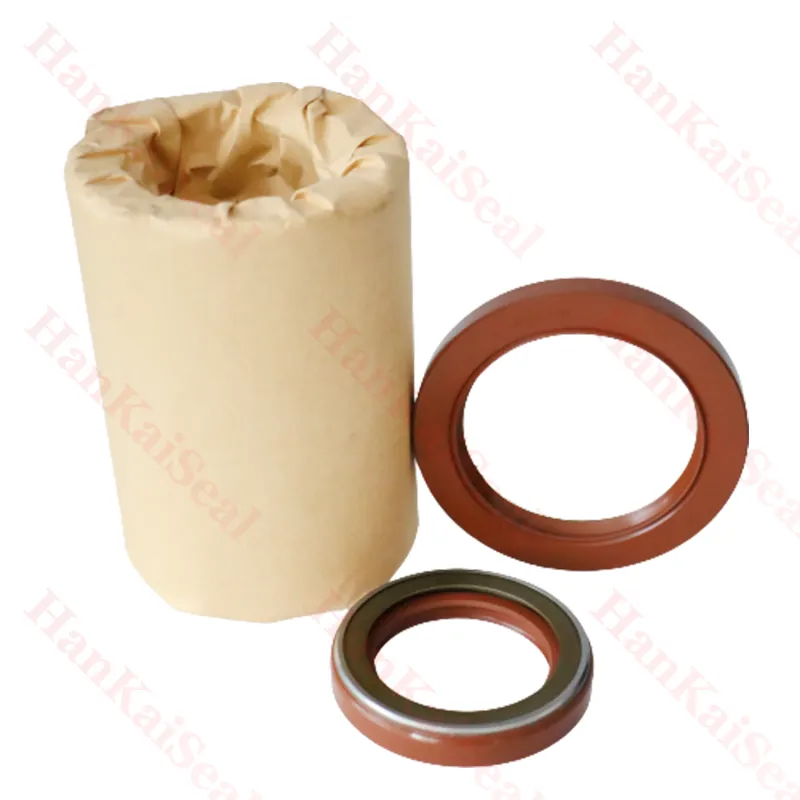
Standard oil seal BP0494 High pressure TCN oil seal
-
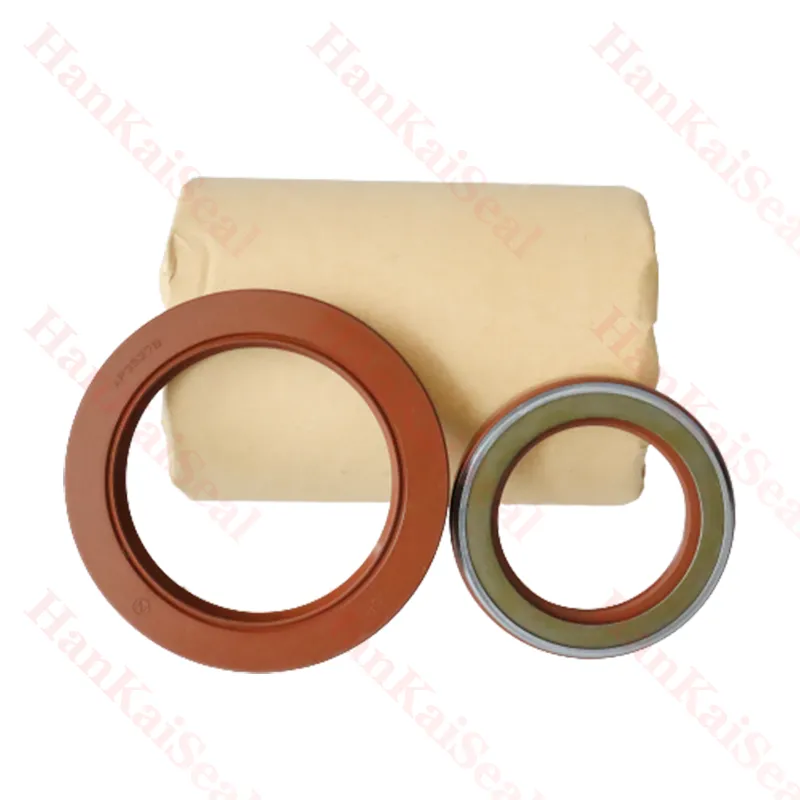
Hydraulic pump seal AP4624G high pressure TCN oil seal
-
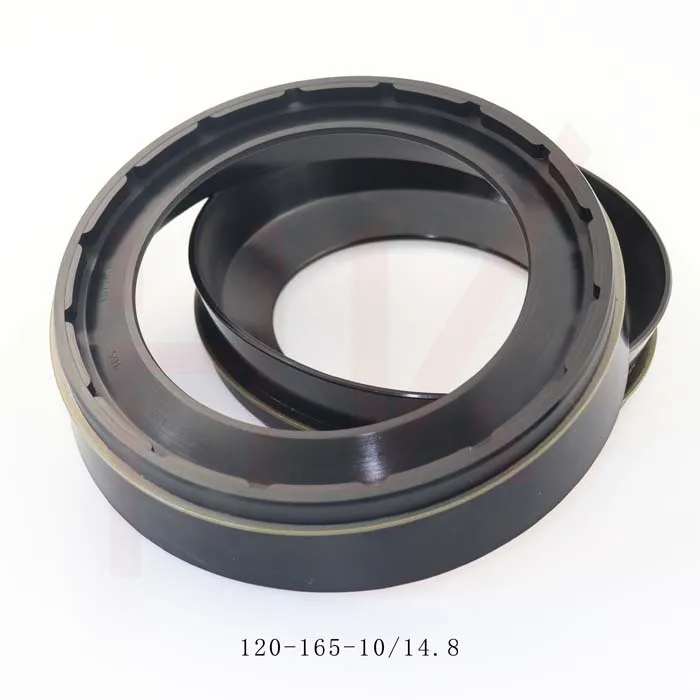
0734307418 0750112169 120*165*10/14.8 concrete mixer reducer oil seal
-
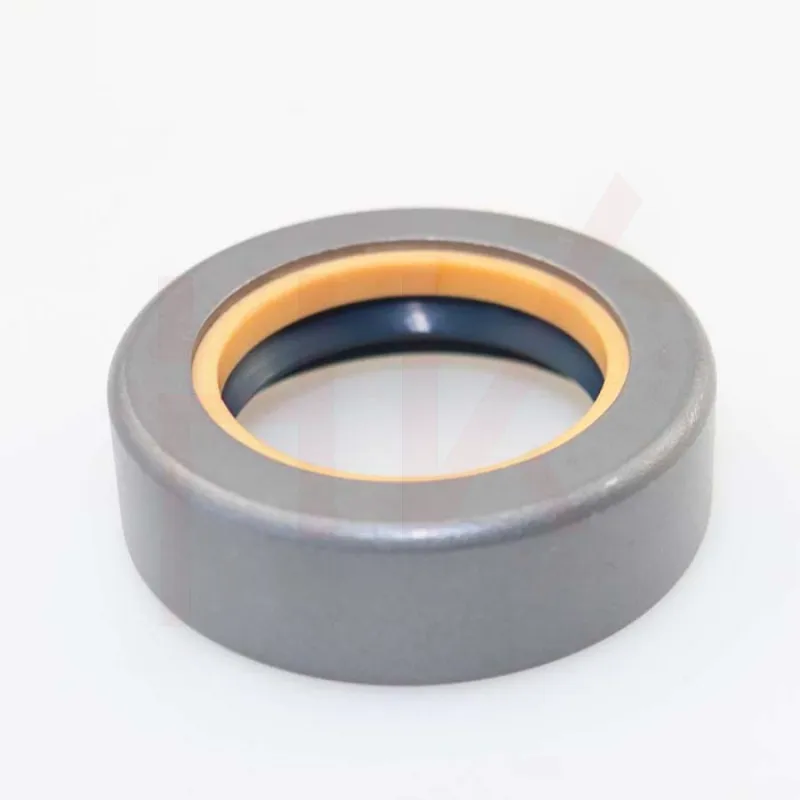
35*52*16 Standard Wheel Hub Oil Seal For Agricultural Machinery
-
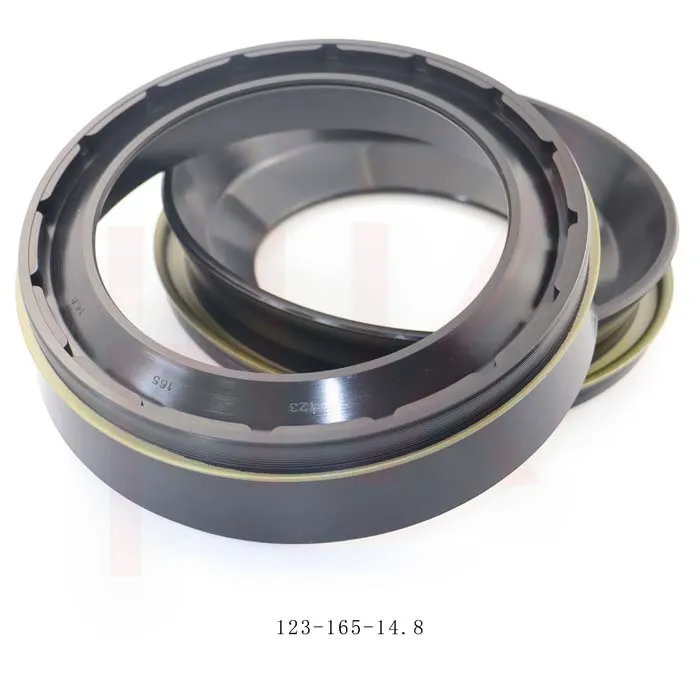
123*165*14.8 concrete mixer truck reducer oil seal
-
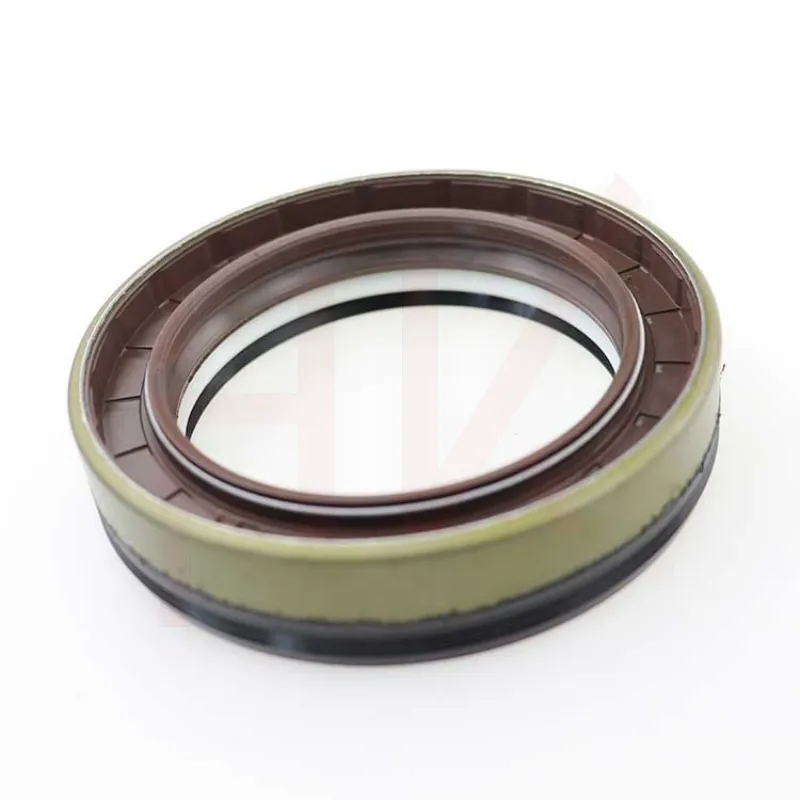
Tractor shaft oil seal 65-90-20 COMBI SF19 hub oil seal
-
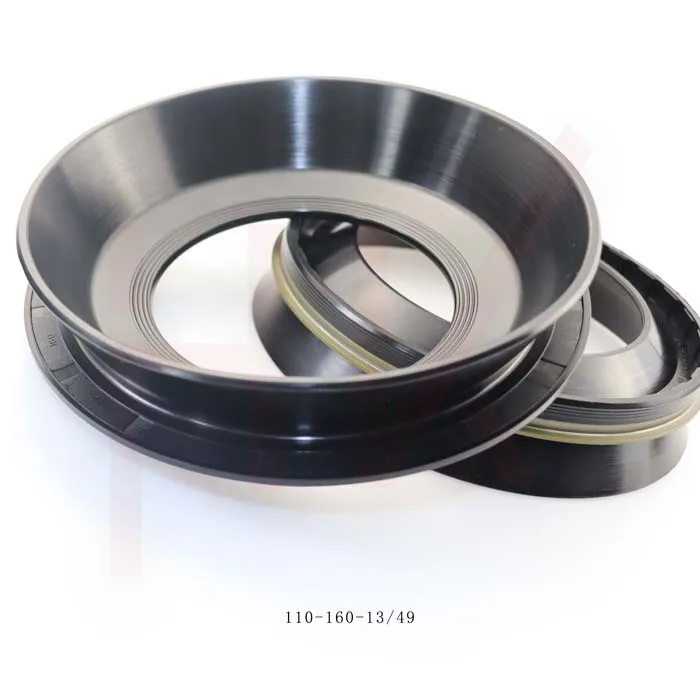
110*160*13/49 NBR reducerConcrete mixer truck oil seal
-
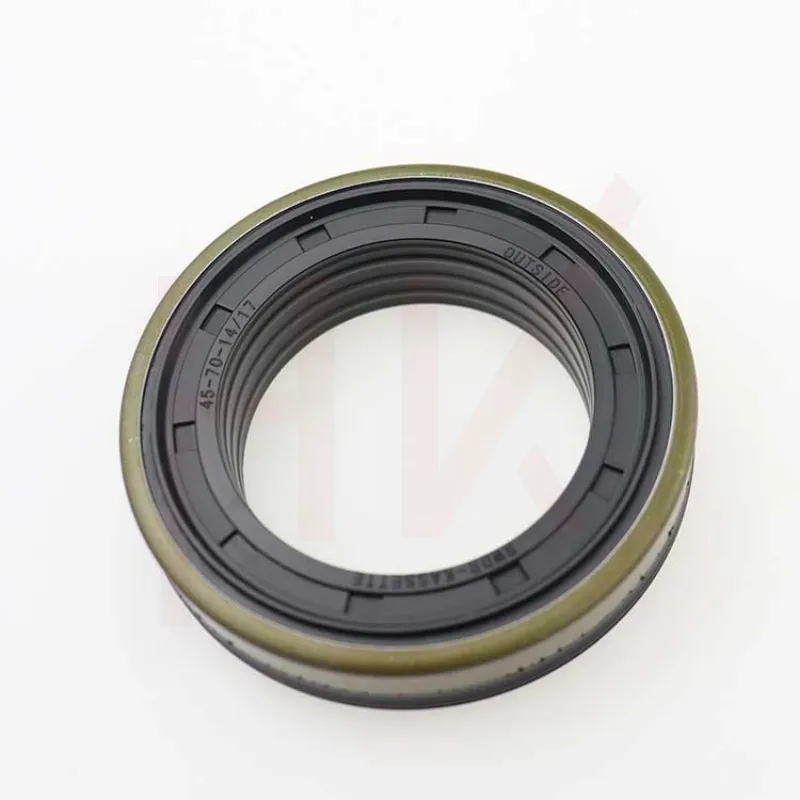
Hub oil seal 40*65*13/14.5 suitable for tractor Cat 12018035b
-
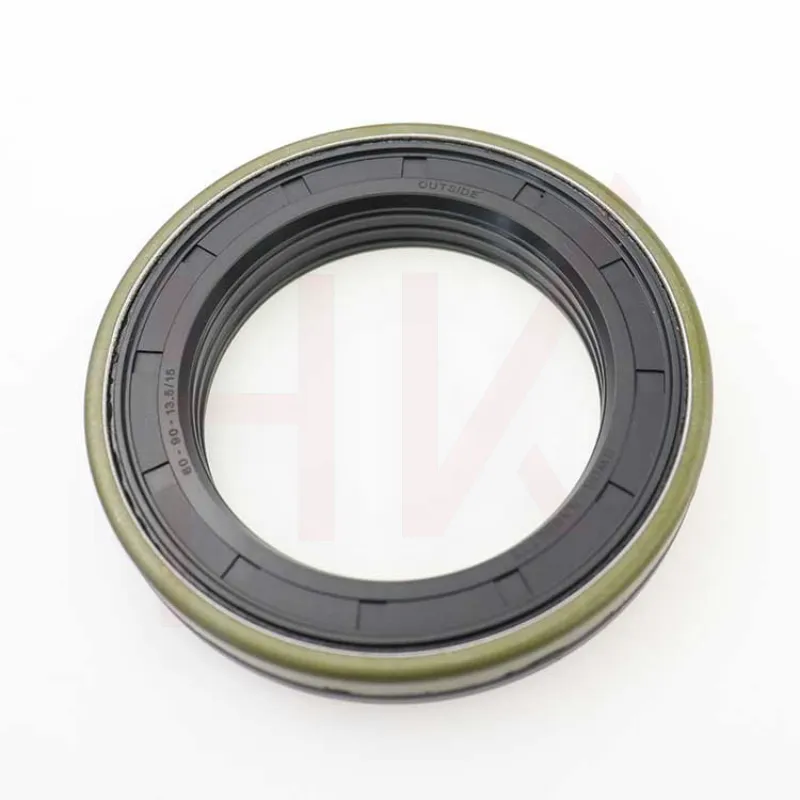
Tractor accessories cassette oil seal hub oil seal 60-90-13.5/15
-
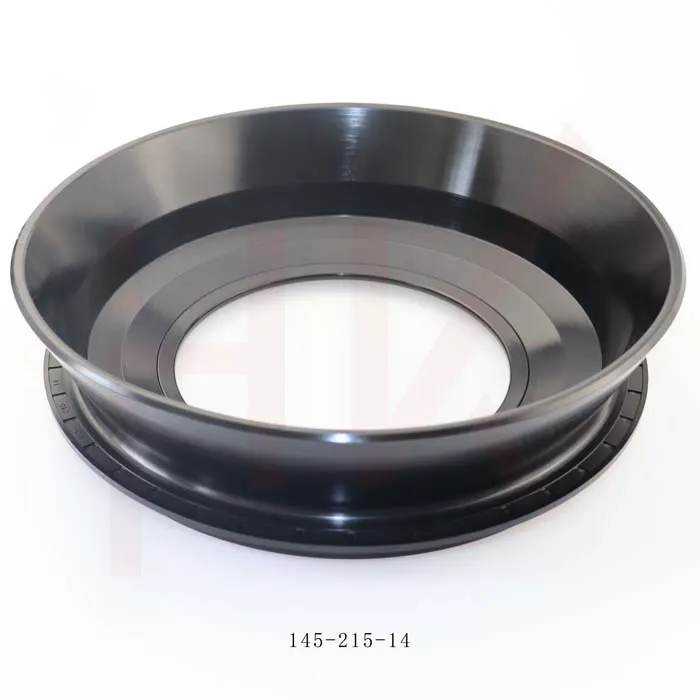
Factory concrete mixer truck oil seal 145*215*14 reducer gearbox oil seal
-
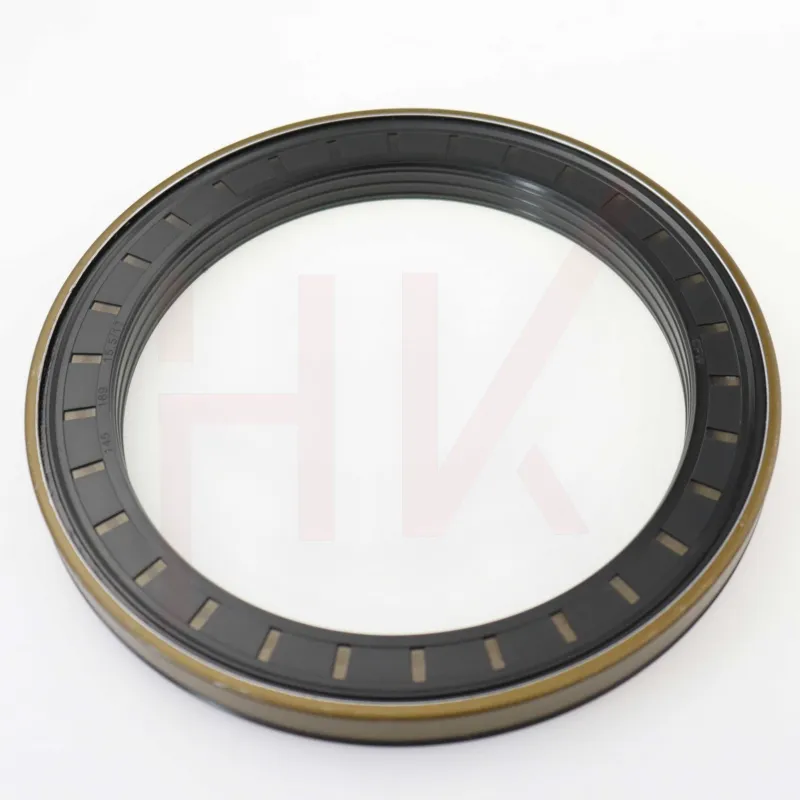
145*189*15.5/17 Cassette Seal NBR Hub Oil Seal 1508044
-
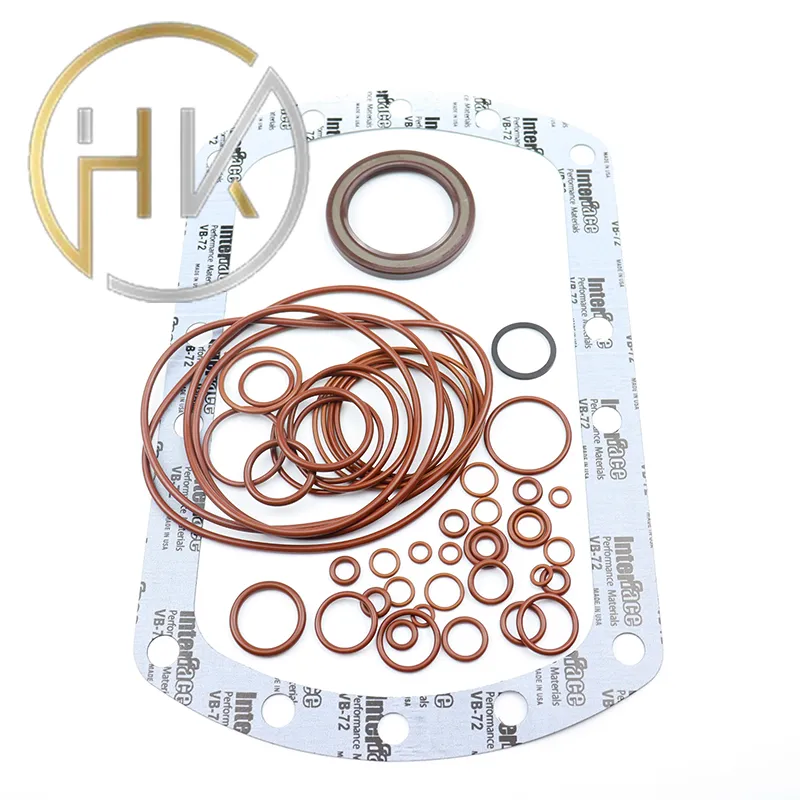
Factory direct sales hydraulic pump motor seal kit A8VO140
-
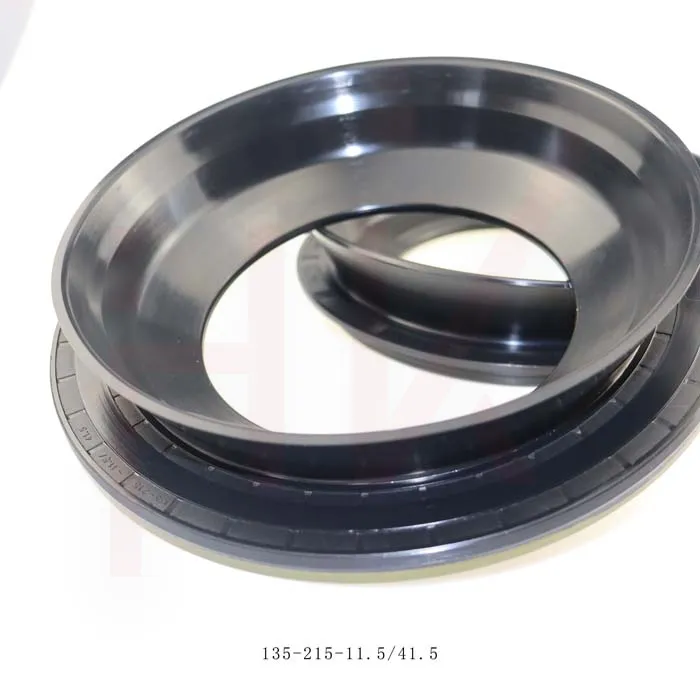
Brand new cement tanker oil seal 135*215*11.5/41.5 concrete mixer oil seal
-
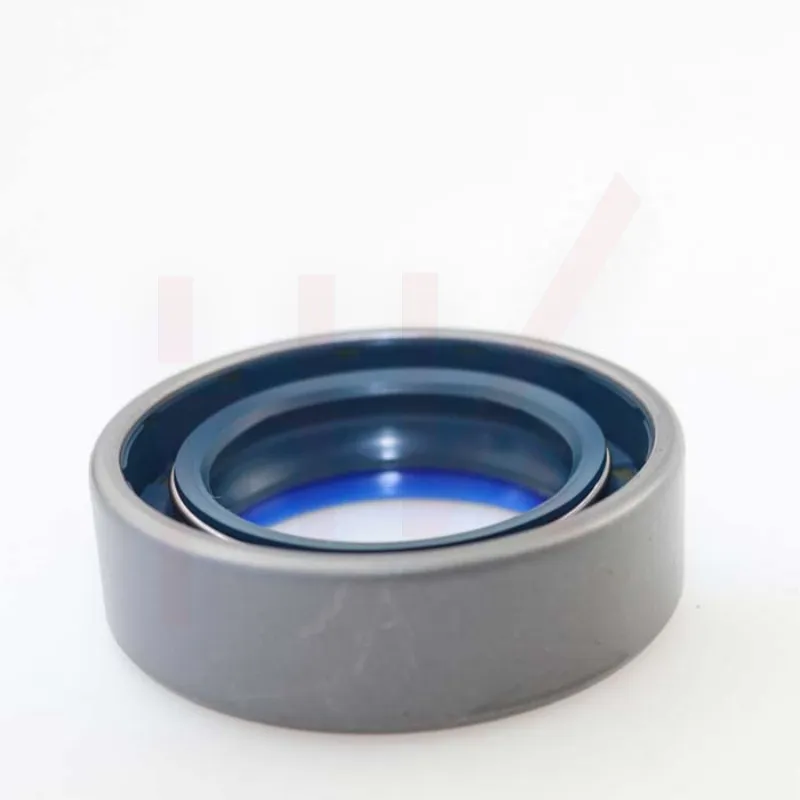
45*65*15 Combi oil seal JCB 90450009 COMBI SF1 SEAL
-
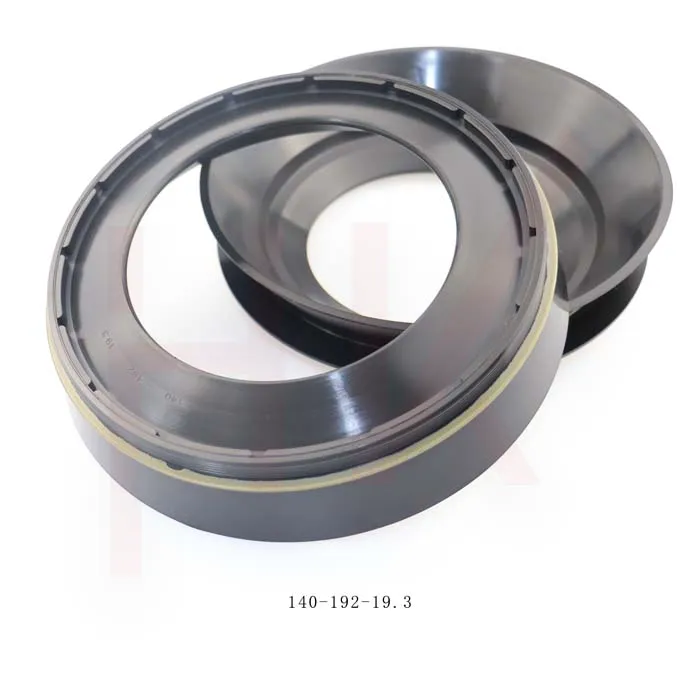
Gear box concrete mixer oil seal 140*192*19.3 nbr reducer oil seal
-
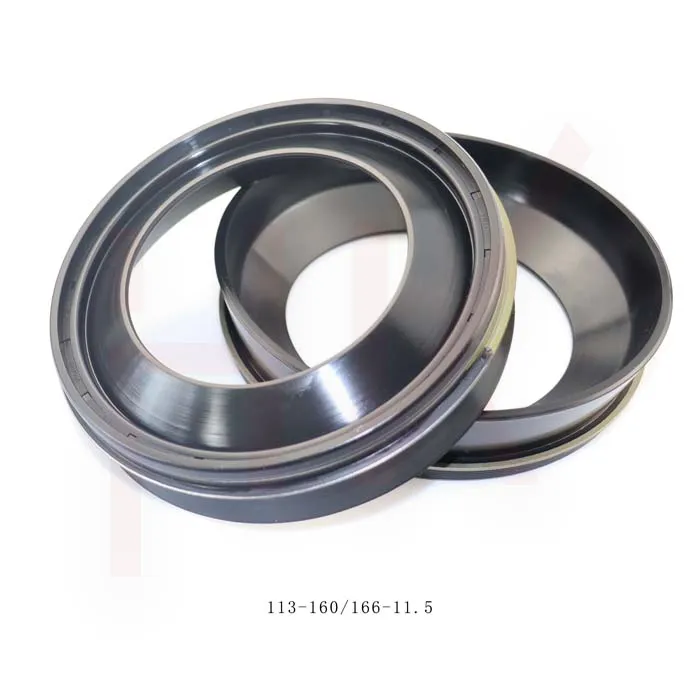
Seals factory direct sales 113*160/166*11.5/38 excavator truck reducer oil seal