
Nov . 25, 2025 08:33 Back to list
Reliable Hydraulic Wiper Seals for Industrial Efficiency – HKAI Seal
Understanding Hydraulic Wiper Seals: Why They Matter in Modern Industry
If you’ve ever peeked inside hydraulic cylinders on heavy machinery, you might not have paid much attention to the tiny unsung heroes—the hydraulic wiper seals. Yet, these unassuming components play a crucial role in keeping hydraulic systems efficient, clean, and trouble-free.
Globally, industries from construction and agriculture to aerospace depend on reliable hydraulic systems. According to ISO 6344 standards and various industry reports, seal failure is one of the top reasons for hydraulic equipment downtime, costing billions annually in maintenance and lost productivity. Hydraulic wiper seals specifically combat contamination – one of the primary enemies of hydraulic components.
Mini takeaway: Understanding hydraulic wiper seals isn’t just for engineers; it’s key to grasping how heavy equipment stays reliable, safe, and effective all over the world.
The Global Stage for Hydraulic Wiper Seals
Hydraulic power is ubiquitous — powering cranes in Asia, excavators in Africa, and even robotics in Europe. The World Bank estimates that construction alone accounts for approximately 13% of global output, relying heavily on hydraulic gear. Wiper seals prevent dirt, dust, and moisture from entering cylinders, reducing wear and tear. Whether it’s a mining rig in Chile or agricultural equipment in the US Midwest, these small seals protect big investments.
Interestingly, many industries wrestle with harsh environments that accelerate hydraulic component damage. From extreme cold to blazing heat, wiper seals maintain cylinder hygiene and prevent costly failures.
Mini takeaway: The hydraulic wiper seal addresses a universal challenge—keeping fluid power clean and efficient amid environmental stressors worldwide.
What Exactly Is a Hydraulic Wiper Seal?
In simple terms, a hydraulic wiper seal is a durable rubber or polyurethane ring that fits snugly around a hydraulic piston rod. Its job is to “wipe” away dirt, debris, and moisture as the rod retracts back into the cylinder, preventing these contaminants from entering and damaging internal components.
Put another way, if the piston rod was a gate, the wiper seal would be the vigilant doorman—always brushing off grime before anything can sneak in. The result? Prolonged equipment life, fewer leaks, and a safer workplace.
Mini takeaway: Think of hydraulic wiper seals as frontline defenders against contamination, critical for hydraulic machinery to perform reliably.
Core Components and Key Factors of Hydraulic Wiper Seals
Material Durability
Materials like nitrile rubber (NBR), polyurethane (PU), and fluorocarbon (FKM) dominate the scene. Each offers different resistance levels to heat, chemicals, and abrasion. For example, polyurethane seals resist abrasion exceptionally well, making them ideal for rugged construction equipment.
Design Precision
The groove dimensions and the seal lips must be perfectly manufactured to ensure a snug fit. Even minute imprecision can lead to dust ingress or excessive wear.
Environmental Resistance
A good wiper seal resists UV exposure, ozone, and hydraulic fluids. Some modern designs include dual lip seals for enhanced moisture sealing in tropical climates.
Ease of Installation & Maintenance
Innovations in materials and design have also reduced installation time. Some seals come pre-lubricated or with protective coatings, simplifying field replacement.
Cost Efficiency
Longer-lasting seals reduce downtime and maintenance costs. It’s a classic win-win when a $5 seal can save thousands in equipment repairs.
Mini takeaway: Durable materials and precision design underpin the performance and cost-effectiveness of hydraulic wiper seals.
Where Are Hydraulic Wiper Seals Making a Difference?
If you picture a jungle in Brazil swarming with logging machines, or a windy construction site building offshore wind turbines, hydraulic wiper seals are silently doing their job. Here are some notable applications:
- Heavy Construction Equipment: Bulldozers, loaders, and excavators rely heavily on reliable seals.
- Agricultural Machinery: Tractors and harvesters work through muddy fields where dirt protection is key.
- Manufacturing Robotics: Precision hydraulic actuators demand contamination-free operation.
- Disaster Relief Operations: Mobile hydraulic systems on temporary shelters and water treatment units benefit from durable seals.
A particularly insightful example was in Australia’s mining sector, where replacement of standard wiper seals with advanced polyurethane designs extended service intervals by roughly 30%, according to a local case study.
Mini takeaway: From muddy fields to desert mines, hydraulic wiper seals keep critical machinery operating longer and safer.
Advantages and Long-Term Value of Quality Hydraulic Wiper Seals
The value of selecting the right hydraulic wiper seal really compounds over time. Besides the obvious:
- Reduced downtime: Less maintenance means more productivity.
- Safety: Fewer leaks, less hazard for workers.
- Sustainability: Longer equipment life means less waste.
- Cost savings: Reduced repairs and part failures.
For operators, the peace of mind knowing the machinery won’t suddenly fail mid-operation has an emotional value hard to pin down but very real.
Mini takeaway: Hydraulic wiper seals deliver tangible savings and safety — not just for business, but for people relying on this equipment daily.
Innovations and Future Trends in Hydraulic Wiper Seals
The future is bright and somewhat “smart.” Material science keeps advancing — bio-based polymers and composites offer greener alternatives. Digital sensors embedded near seals are being tested to monitor their integrity in real-time, anticipating wear before failure.
Automation and Industry 4.0 principles also recommend predictive maintenance, where the humble wiper seal becomes part of a connected system, minimizing unplanned downtime.
Moreover, sustainability pushes manufacturers toward recyclable materials and lower environmental impact during production.
Mini takeaway: Expect smarter materials and data-driven maintenance to redefine hydraulic wiper seal reliability.
Common Challenges and Practical Solutions
Despite their importance, hydraulic wiper seals face challenges like:
- Premature wear from abrasive contaminants in extreme environments.
- Compatibility issues with new hydraulic fluids.
- Installation mishaps leading to damaged seals.
To combat these, experts suggest:
- Choosing seals matched to the operating environment and fluid type.
- Implementing correct installation tools and procedures.
- Using multi-lip or composite sealing designs for extra protection.
Sometimes a simple upgrade from nitrile to polyurethane can double seal life, which frankly, feels like an easy win.
Mini takeaway: Understanding challenges leads to targeted seal selection and longer hydraulic system life.
Hydraulic Wiper Seal: Frequently Asked Questions
Q1: How does a hydraulic wiper seal differ from a rod seal?
A hydraulic wiper seal primarily prevents contaminants from entering the hydraulic cylinder. Meanwhile, a rod seal maintains hydraulic fluid inside the cylinder, preventing leaks. The wiper seal “cleans” as the rod retracts, while the rod seal keeps the fluid pressurized. Both are critical but serve different sealing functions.
Q2: What are common materials used for hydraulic wiper seals?
The most common materials include nitrile rubber (NBR), polyurethane (PU), and fluorocarbon rubber (FKM). Material choice depends on environmental factors such as temperature range, chemical exposure, and abrasion.
Q3: Can hydraulic wiper seals be customized for unique applications?
Yes. Many manufacturers offer custom formulations, sizes, and designs to fit specific operating conditions, including temperature, pressure, and fluid types. Custom seals help improve performance in specialized equipment.
Q4: How often should hydraulic wiper seals be replaced?
Replacement intervals vary widely depending on usage, environment, and maintenance. Regular inspections for wear or damage are essential. Proactive replacement before seal failure prevents costly cylinder repairs.
Q5: Are hydraulic wiper seals compatible with modern biodegradable hydraulic fluids?
Compatibility depends on material selection. Some seals degrade quickly with biodegradable fluids, so manufacturers recommend polymers formulated to withstand these newer fluids without deterioration.
Product Specification Table: Typical Hydraulic Wiper Seal
| Specification | Details |
|---|---|
| Typical Material | Polyurethane (PU), Nitrile Rubber (NBR) |
| Operating Temperature | -40°C to 100°C (varies with material) |
| Pressure Resistance | Up to 350 bar (depends on design) |
| Typical Hardness | 70-95 Shore A |
| Surface Finish | Smooth (Ra |
Vendor Comparison: Hydraulic Wiper Seal Suppliers
| Supplier | Material Options | Custom Sizes | Lead Time | Certifications |
|---|---|---|---|---|
| HKAI Seal | NBR, PU, FKM | Yes | 2-3 weeks | ISO 9001, ISO 14001 |
| SealTech Solutions | NBR, Silicone | Limited | 4-5 weeks | ISO 9001 |
| GlobalSeal Inc. | PU, FKM, EPDM | Yes | 3-4 weeks | ISO 9001, TS 16949 |
It’s worth noting that many engineers I spoke to prefer suppliers who not only have diverse material expertise but also respond quickly with custom solutions. In this regard, hydraulic wiper seal providers like HKAI Seal stand out.
Wrapping It Up: Why Hydraulic Wiper Seals Should Matter to You
As you’ve seen, hydraulic wiper seals might be small, but their impact spans continents and industries. By ensuring machines avoid contamination, they enable essential sectors to operate efficiently and safely. In a world pushing towards sustainability, smarter materials and predictive maintenance for seals promise to boost reliability even further.
If you’re sourcing hydraulic seals, or just curious about equipment reliability, a deeper understanding of hydraulic wiper seals is invaluable. For detailed products and expert advice, check out HKAI Seal. You’ll find quality, customization, and innovation all rolled into one.
After all, sometimes success is all about the little things – like wiping the dirt away before it becomes a problem.
References
- ISO 6344 - Hydraulic Fluid Power Seals
- Wikipedia: Hydraulic Seal
- World Bank: Urban Development & Construction Industry
-
Guide to Choosing the Right High Quality hydraulic ram kit
NewsApr.16,2026
-
Premium Hydraulic Cylinder Packing Kits for Peak Performance
NewsApr.09,2026
-
Comprehensive Guide to Hydraulic Cylinder Oil Seal Kits for Optimal Performance
NewsApr.07,2026
-
Comprehensive Guide to Choosing the Right Cylinder Seal Kits for Peak Performance
NewsApr.04,2026
-
Comprehensive Guide to Seal Kits for Cylinders Ensuring Optimal Performance
NewsMar.31,2026
-
Comprehensive Guide to Hyd Cylinder Seals for Optimal Hydraulic System Performance
NewsMar.28,2026
-
Comprehensive Guide to Hyd Cylinder Seal Kit Selection and Installation
NewsMar.26,2026
Products categories
-
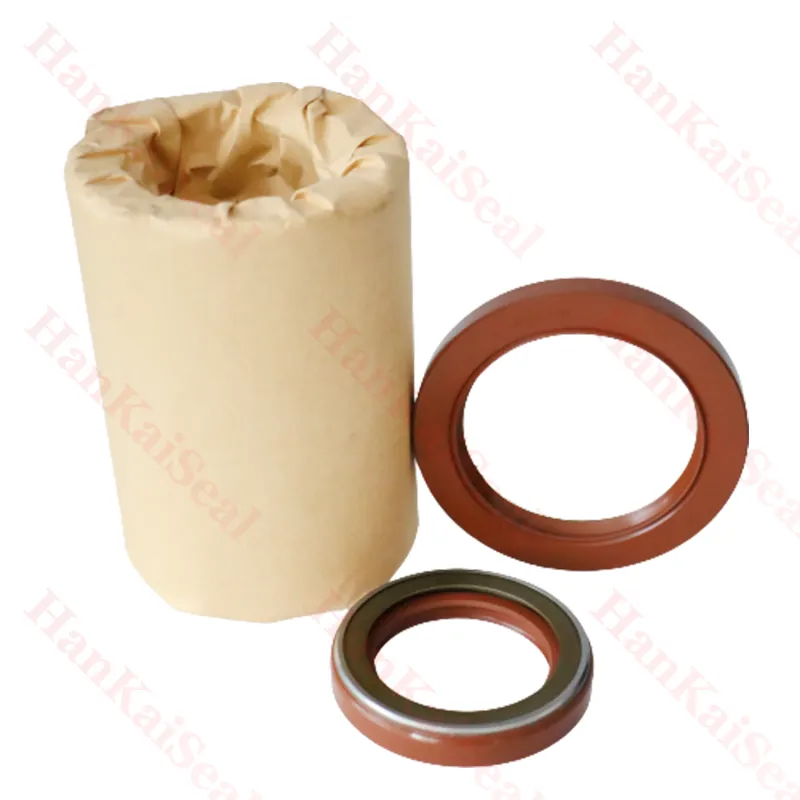
Standard oil seal BP0494 High pressure TCN oil seal
-
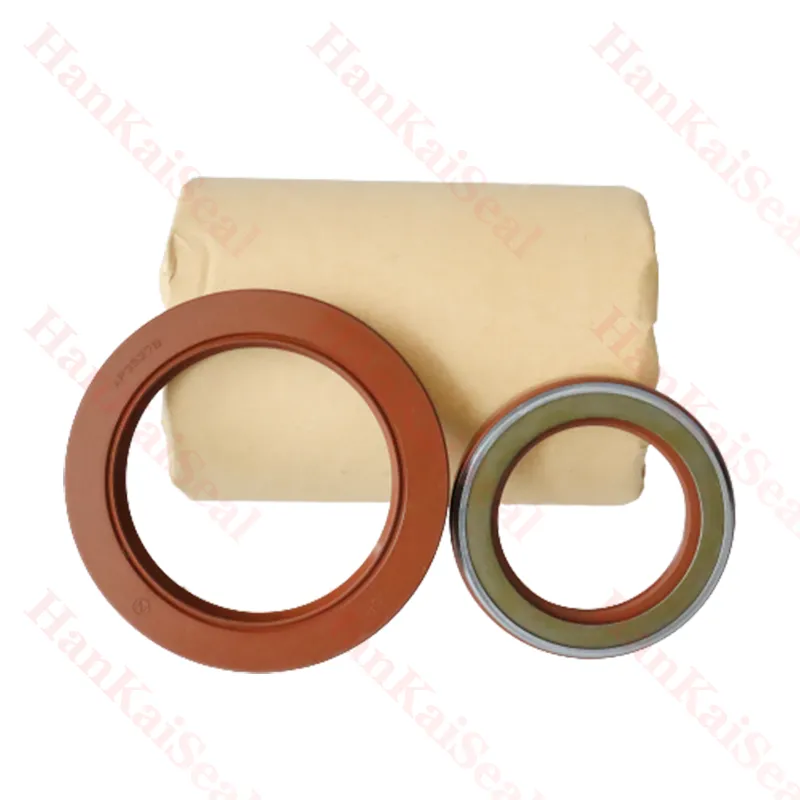
Hydraulic pump seal AP4624G high pressure TCN oil seal
-
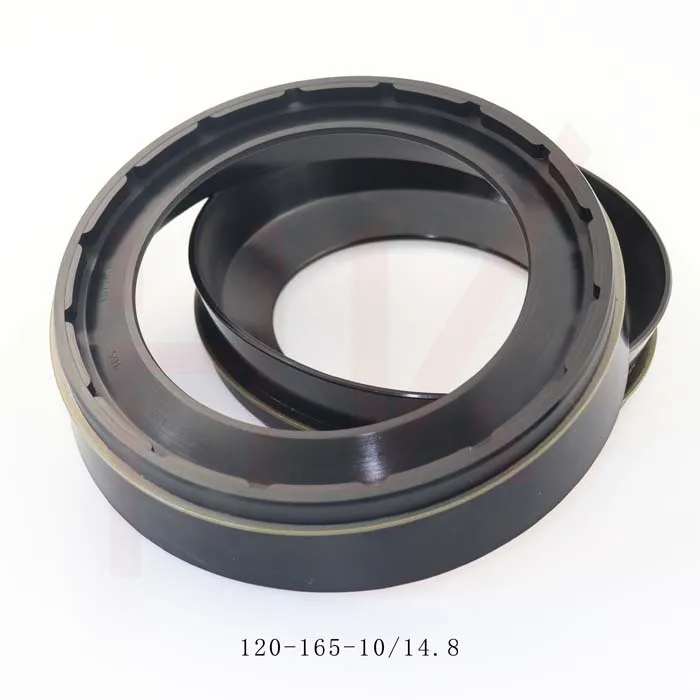
0734307418 0750112169 120*165*10/14.8 concrete mixer reducer oil seal
-
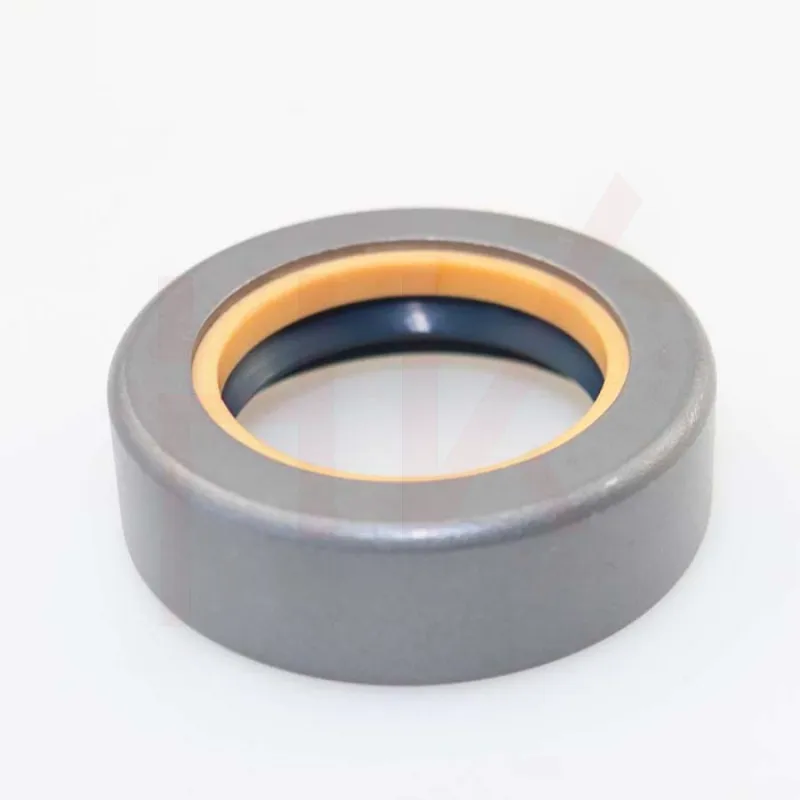
35*52*16 Standard Wheel Hub Oil Seal For Agricultural Machinery
-
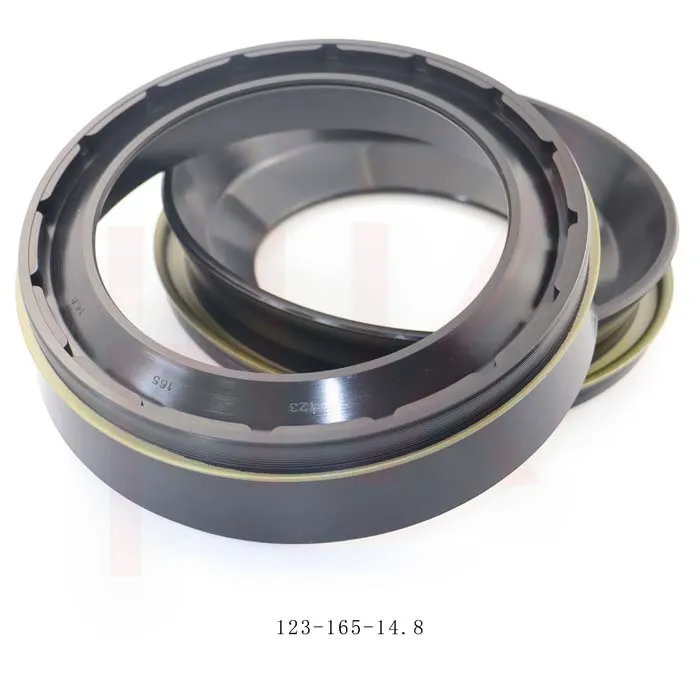
123*165*14.8 concrete mixer truck reducer oil seal
-
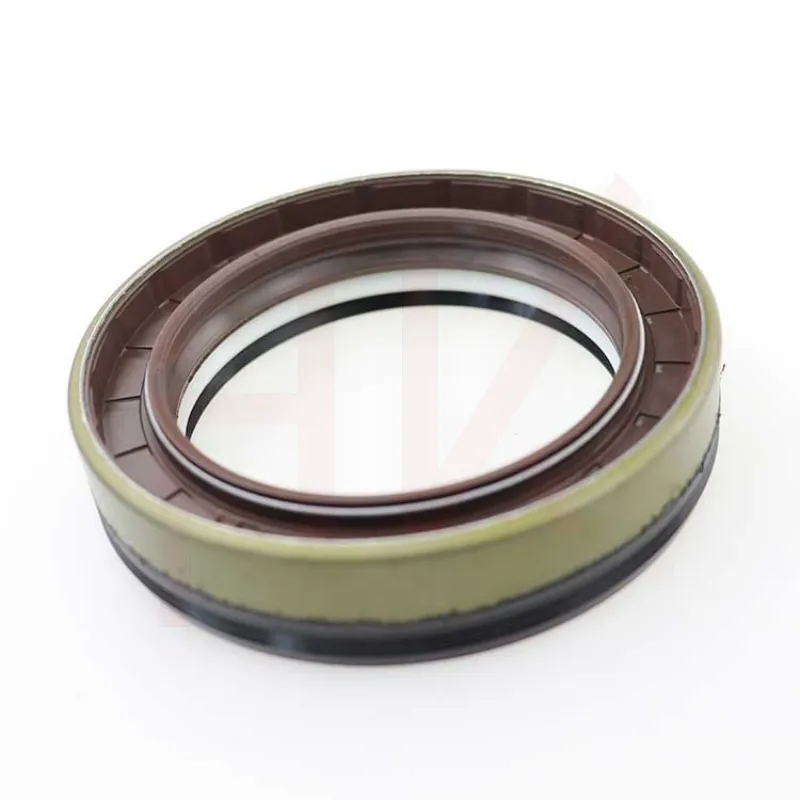
Tractor shaft oil seal 65-90-20 COMBI SF19 hub oil seal
-
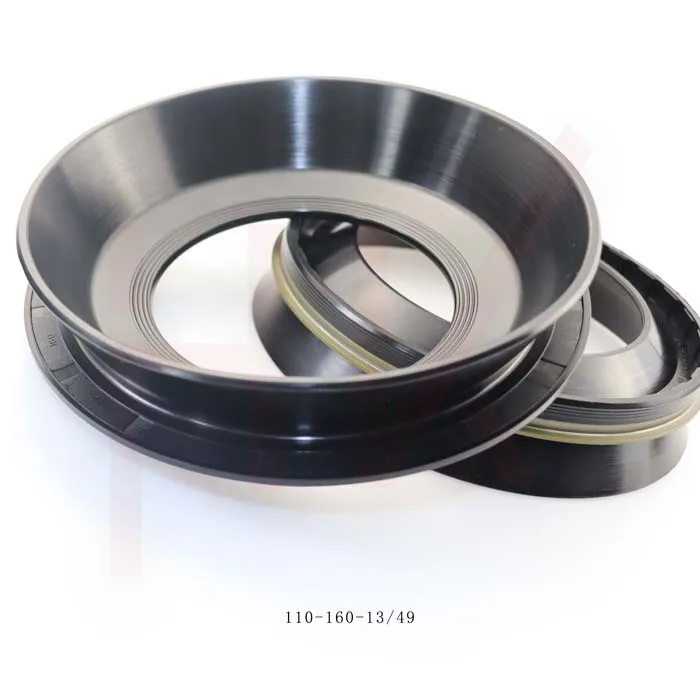
110*160*13/49 NBR reducerConcrete mixer truck oil seal
-
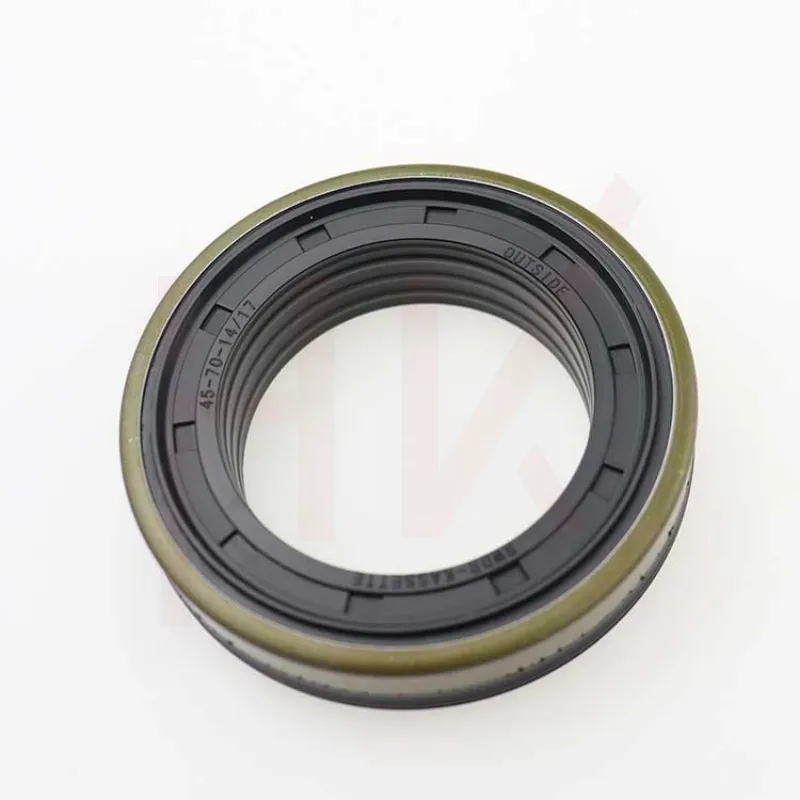
Hub oil seal 40*65*13/14.5 suitable for tractor Cat 12018035b
-
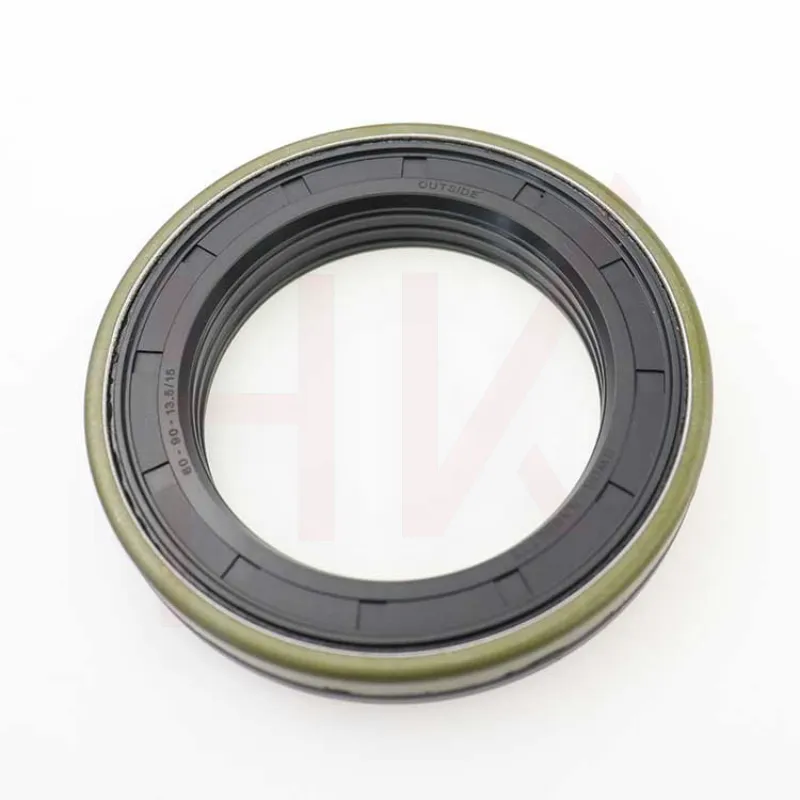
Tractor accessories cassette oil seal hub oil seal 60-90-13.5/15
-
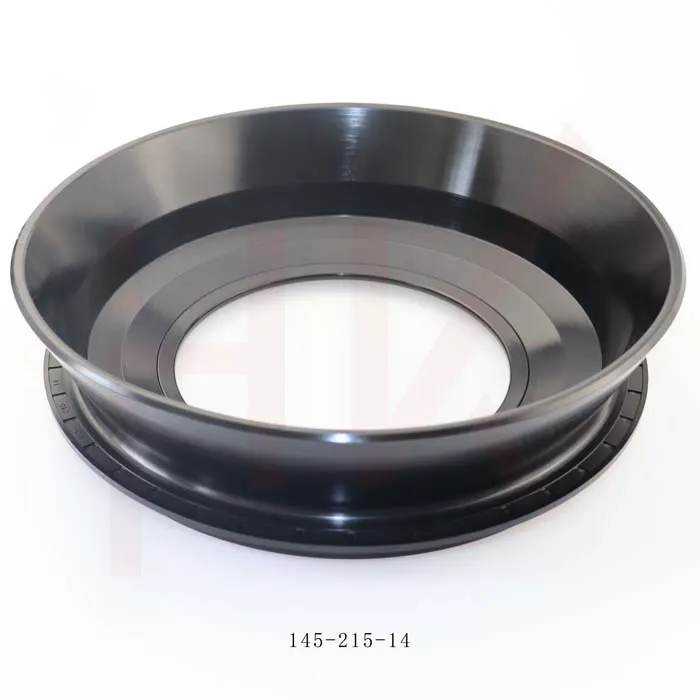
Factory concrete mixer truck oil seal 145*215*14 reducer gearbox oil seal
-
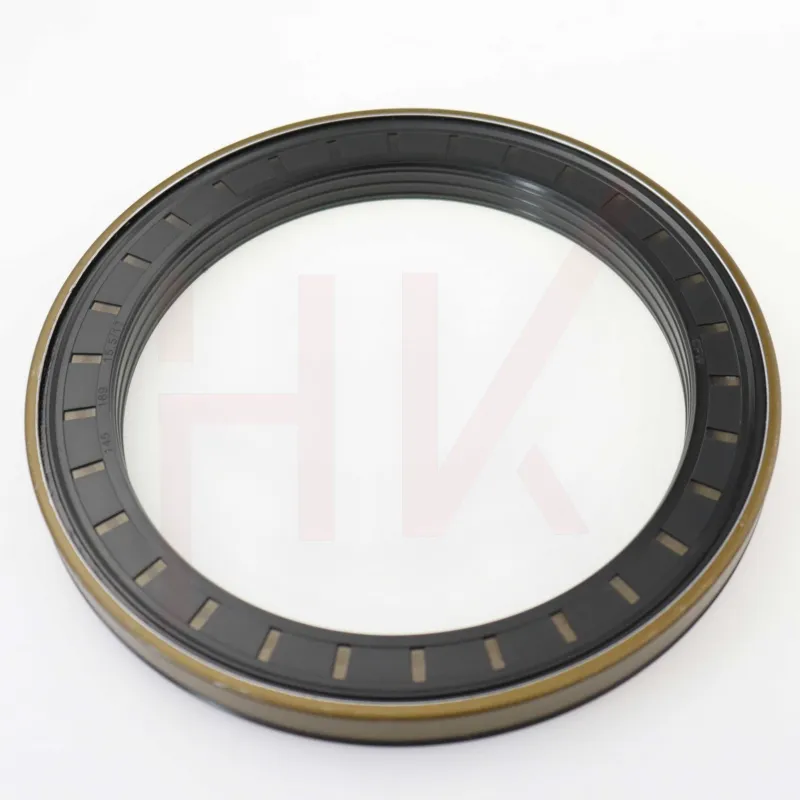
145*189*15.5/17 Cassette Seal NBR Hub Oil Seal 1508044
-
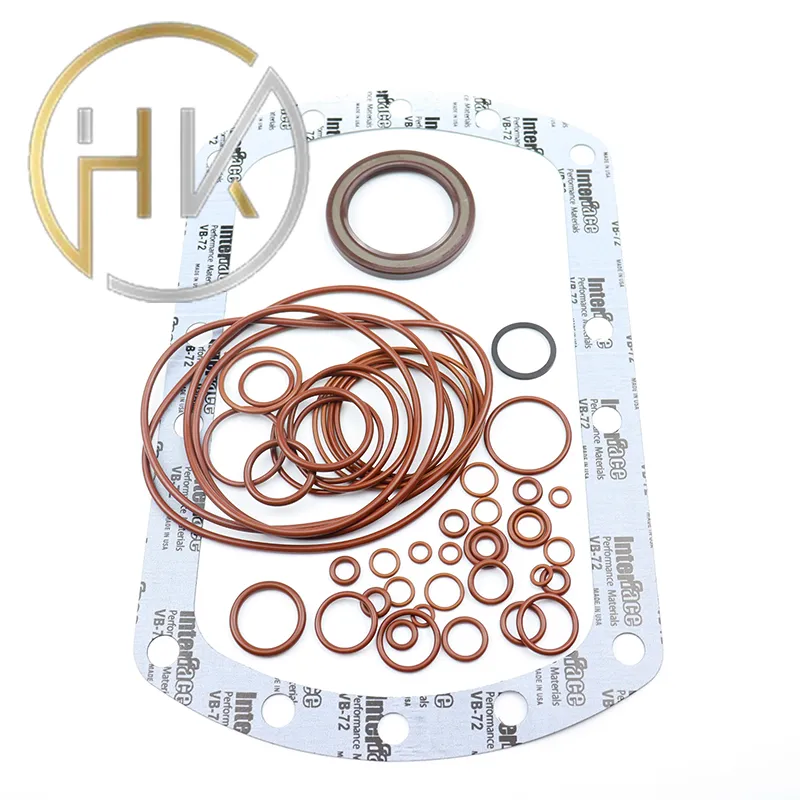
Factory direct sales hydraulic pump motor seal kit A8VO140
-
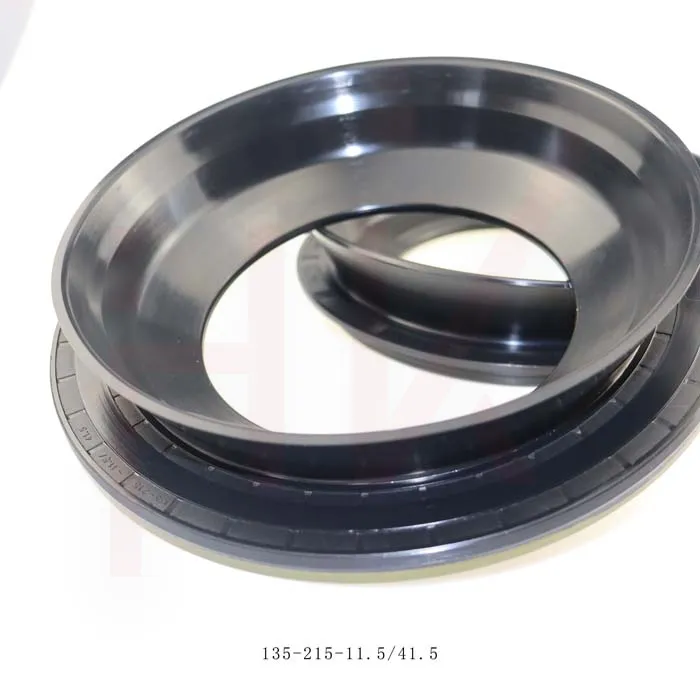
Brand new cement tanker oil seal 135*215*11.5/41.5 concrete mixer oil seal
-
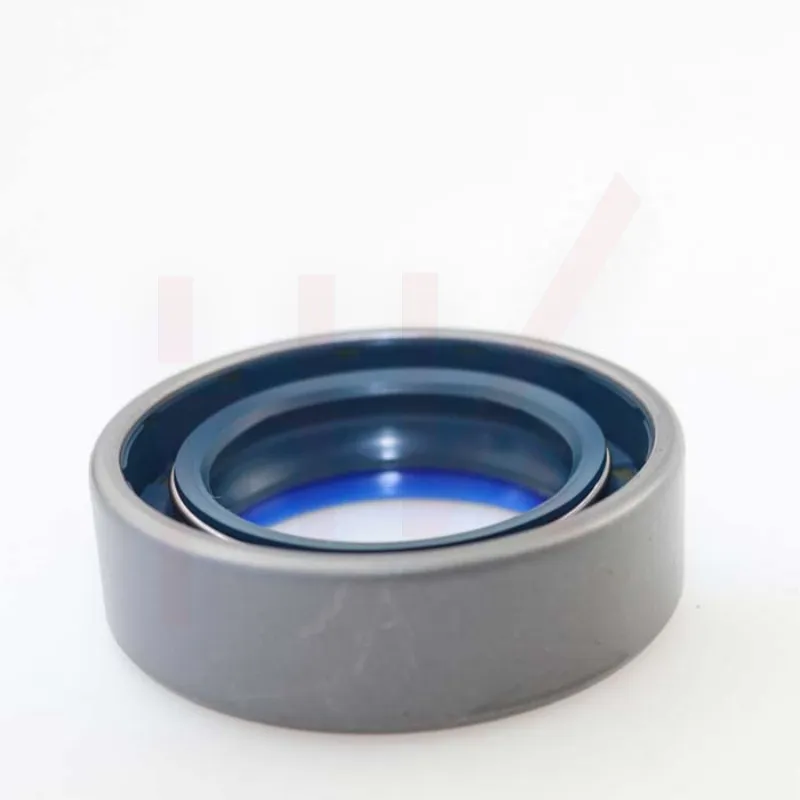
45*65*15 Combi oil seal JCB 90450009 COMBI SF1 SEAL
-
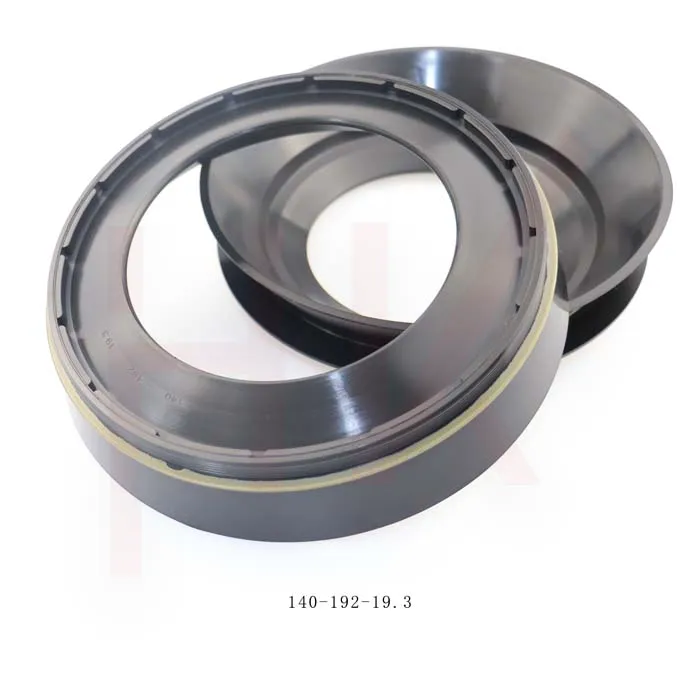
Gear box concrete mixer oil seal 140*192*19.3 nbr reducer oil seal
-
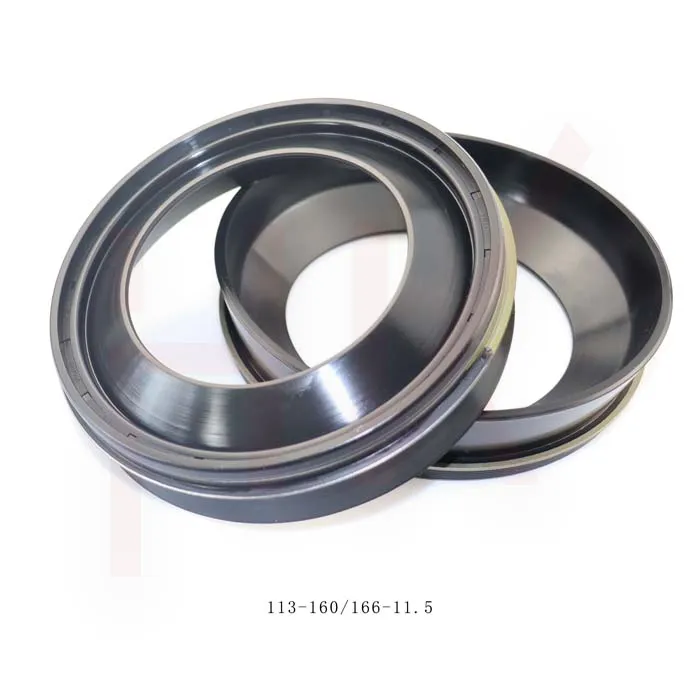
Seals factory direct sales 113*160/166*11.5/38 excavator truck reducer oil seal