
Nov . 25, 2025 08:33 Back to list
Metric Wiper Seals: Protecting Hydraulic Systems Worldwide | HKA ISeal
What Are Metric Wiper Seals and Why Do They Matter?
If you’ve ever dealt with hydraulic or pneumatic systems, you've probably encountered seals that play the critical role of keeping dirt out and fluid in. Metric wiper seals might sound like a small piece in a big machine, but their global significance is rather impressive. These seals act as the first line of defense against contamination, which otherwise leads to costly equipment failures or even hazards in industrial settings. Countries and industries worldwide—from automotive manufacturing hubs to remote mining operations—depend on these simple yet reliable seals to maintain uptime and safety. Understanding metric wiper seals isn’t merely a niche technical pursuit; it’s about knowing how to protect entire systems that keep economies and critical infrastructure functioning smoothly. And here’s the kicker: as machines get more advanced and environments more demanding, the role of robust seal solutions becomes vital. So, whether you’re working on a conveyor belt in a factory or maintaining heavy machinery in a harsh environment, these seals genuinely matter. ---The Global Context for Metric Wiper Seals
Globally, the demand for hydrodynamic and pneumatic systems continues to rise, driven partly by industrial automation growth and infrastructure development in emerging economies. According to the International Organization for Standardization (ISO), over 70% of fluid power systems in manufacturing rely heavily on effective sealing solutions. That’s roughly billions of seals deployed annually. Yet, a common challenge lurks beneath these statistics: contamination from dirt, dust, and debris can reduce system efficiency and shorten component lifespan dramatically. This is particularly critical in regions with dusty climates or where maintenance schedules are irregular due to remoteness or budget constraints. Oddly enough, something as simple as a metric wiper seal often keeps the gears of industry turning. Despite their humble look, they address a very complex problem: protecting sensitive hydraulic rods from external contamination while allowing smooth movement—a balance that isn’t as easy as it sounds. ---Defining Metric Wiper Seals in Simple Terms
At heart, metric wiper seals are elastomer or polyurethane rings custom designed to fit metric-sized hydraulic or pneumatic rods. Their primary function? To wipe away dirt, dust, and moisture from the rod surface as it retracts into the cylinder, preventing contaminants from entering and damaging the internal components. Think of it as a windshield wiper blade for machinery—a sort of “clean gatekeeper.” While they might seem small and insignificant, without them, equipment faces premature wear or catastrophic failure, leading to downtime and expensive repairs. In modern industry, these seals are crucial for everything from construction equipment in Asia to agricultural machinery in Europe, reflecting a connection between small parts and big humanitarian needs such as disaster relief machines functioning reliably or tools supporting sustainable farming. ---Key Aspects of Metric Wiper Seals
1. Durability
Metric wiper seals must resist harsh environmental factors including exposure to abrasive dust, moisture, extreme temperatures, and chemicals. Top-grade seals are often made from nitrile (NBR), polyurethane (PU), or fluoroelastomer (FKM), materials known for their resistance and lifespan.2. Precision Fit
Because these seals interact with moving rods measured in metric units, precision is everything. An ill-fitting seal causes leakage or fast wear. Manufacturers use tight tolerances to ensure compatibility with standard ISO metric dimensions.3. Cost Efficiency
Replacing equipment downtime due to a failed seal is expensive. A good metric wiper seal strikes a balance between price and performance, offering lasting reliability without breaking the bank.4. Customization & Scalability
In many industries, the ability to source seals tailored to specific rod sizes or unique environmental requirements is invaluable. This scalability makes metric wiper seals adaptable across different market segments—from standard factory robots to mining machinery.5. Ease of Installation
Technicians appreciate seals that are easy to install and inspect without specialized tools, saving valuable maintenance hours on site. ---Real-World Applications: How Metric Wiper Seals Make a Difference
In practical terms, metric wiper seals find their way into: - Manufacturing Plants in Europe and North America: Ensuring robots and conveyor belts work without contamination-related downtime. - Agricultural Machinery in South America: Withstanding dirt and mud to keep harvesters moving during long field hours. - Construction Equipment in Africa and Asia: Operating reliably in dusty and wet environments, often with minimal maintenance access. - Hydropower Plants Worldwide: Protecting hydraulic cylinders controlling penstock gates against sediment. - Disaster Relief Operations: Emergency equipment powered hydraulically benefits from dependable seals to work uninterrupted in brutally harsh conditions. For instance, an earth-moving company in Australia noted a 30% reduction in system failures after switching to high-grade metric wiper seals – proving small parts have large repercussions. ---A Mini Takeaway
Metric wiper seals might be overlooked, but they're quietly critical everywhere you’d least expect — the dusty field, the factory floor, even high-tech plants.| Parameter | Details |
|---|---|
| Material | Nitrile rubber (NBR), Polyurethane (PU), Fluoroelastomer (FKM) |
| Operating Temperature Range | -40°C to +120°C (varies by material) |
| Dimension Tolerance | ISO Metric standard fits, +/- 0.02 mm |
| Hardness (Shore A) | 70–90 depending on application |
| Pressure Rating | Up to 20 bar typical |
| Typical Sizes | Rod diameters from 6mm to 100mm |
Advantages and Long-Term Value of Metric Wiper Seals
What makes metric wiper seals really stand out is their cost-saving potential. By preventing contaminants from entering cylinders, they reduce wear and tear, extending the life of expensive components. Maintenance schedules spread out, downtime shrinks, and entire operations run more smoothly. From a sustainability angle, longer-lasting components mean fewer replacements and less waste — which is becoming more important in a resource-conscious world. And let's not forget the human factor: machinery failure can disrupt supply chains or delay critical projects. Reliability here isn’t just about profits; it’s about trust and safety. Many engineers say that once you’ve experienced a well-made metric wiper seal in your systems, going back is tough. There’s peace of mind in knowing that the unseen parts are doing their job. ---Emerging Trends and Innovations in Metric Wiper Seals
Looking ahead, the industry is innovating in materials and sensor-enabled seals. New polymers with enhanced chemical resistance allow seals to operate longer in aggressive fluids. Smart seals embedded with wear indicators promise predictive maintenance—saving costs before failures occur. Sustainability is nudging suppliers toward biodegradable or recyclable elastomers, aligning with global initiatives like ISO 14000 environmental standards. Automation in manufacturing also brings better quality control and faster custom seal production—a boon for tailored solutions. In short, the humble metric wiper seal is getting a high-tech makeover, making it part of the broader digital transformation in industrial maintenance. ---Challenges and How to Overcome Them
It’s not all perfect, though. Selecting the right seal for extreme environments can be tricky. Too soft a material, and the seal wears out fast; too hard, and it won’t wipe contaminants effectively. Then there’s the issue of installation mistakes which cause failures. The best practice? Work closely with trusted suppliers who specialize in metric sealing solutions. Also, real-world testing and consultation with engineers familiar with the operational environment make a difference. metric wiper seals providers often offer technical support for this reason. ---Frequently Asked Questions about Metric Wiper Seals
- What makes metric wiper seals better than imperial-sized seals?
- Metric seals follow ISO standards, making them easier to source globally and ensuring precision fits in industries using metric systems. This leads to better compatibility and often lower costs.
- How long do metric wiper seals typically last in heavy-duty applications?
- Lifespan varies, but well-designed seals can last anywhere from 12 to 36 months, depending on operating environments and maintenance frequency.
- Can metric wiper seals withstand harsh chemicals?
- Yes, when made from materials like FKM or specialized polyurethanes, they resist a wide range of chemicals commonly found in hydraulic fluids.
- Are metric wiper seals easy to replace on-site?
- Generally yes—they are designed for relatively straightforward installation with basic tools, but technician experience helps avoid damage during the process.
- Where can I source reliable metric wiper seals internationally?
- Many specialized suppliers offer worldwide shipping; look for vendors with ISO 9001 certifications to ensure quality and availability.
Conclusion: Small Parts, Big Impact
Metric wiper seals may be tiny in scale, but their impact on industrial reliability and efficiency is massive. Investing in quality seals can save companies a lot of headache — and cash — while supporting global industries from manufacturing to disaster relief. As technology evolves, these seals keep pace, blending durability with innovation. For anyone interested in powerful yet understated solutions to contamination challenges, exploring the range of metric wiper seals available today is a fantastic first step. ---Vendor Comparison Table
| Vendor | Material Range | Customization Options | Lead Time | Price Range | Global Shipping |
|---|---|---|---|---|---|
| HKA ISeal | NBR, PU, FKM | Custom sizes, hardness, color | 2–3 weeks | Mid-range | Yes |
| SealTech Ltd. | NBR, Viton | Standard sizes only | 1 week | Budget | Limited |
| ProSeal Global | PU, FKM, Silicone | High customization & prototypes | 4 weeks | Premium | Yes |
References
-
Guide to Choosing the Right High Quality hydraulic ram kit
NewsApr.16,2026
-
Premium Hydraulic Cylinder Packing Kits for Peak Performance
NewsApr.09,2026
-
Comprehensive Guide to Hydraulic Cylinder Oil Seal Kits for Optimal Performance
NewsApr.07,2026
-
Comprehensive Guide to Choosing the Right Cylinder Seal Kits for Peak Performance
NewsApr.04,2026
-
Comprehensive Guide to Seal Kits for Cylinders Ensuring Optimal Performance
NewsMar.31,2026
-
Comprehensive Guide to Hyd Cylinder Seals for Optimal Hydraulic System Performance
NewsMar.28,2026
-
Comprehensive Guide to Hyd Cylinder Seal Kit Selection and Installation
NewsMar.26,2026
Products categories
-
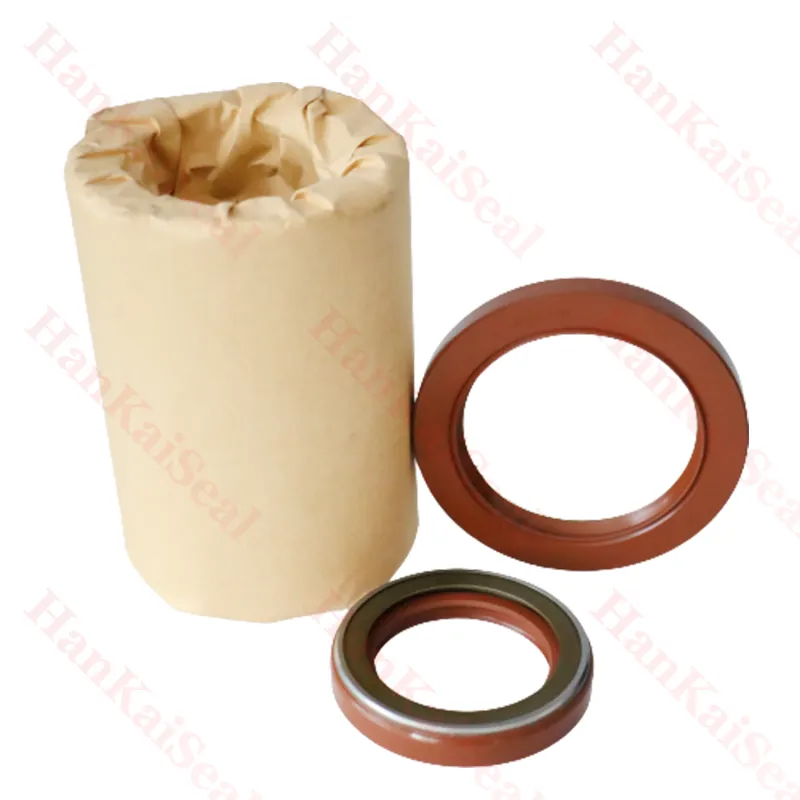
Standard oil seal BP0494 High pressure TCN oil seal
-
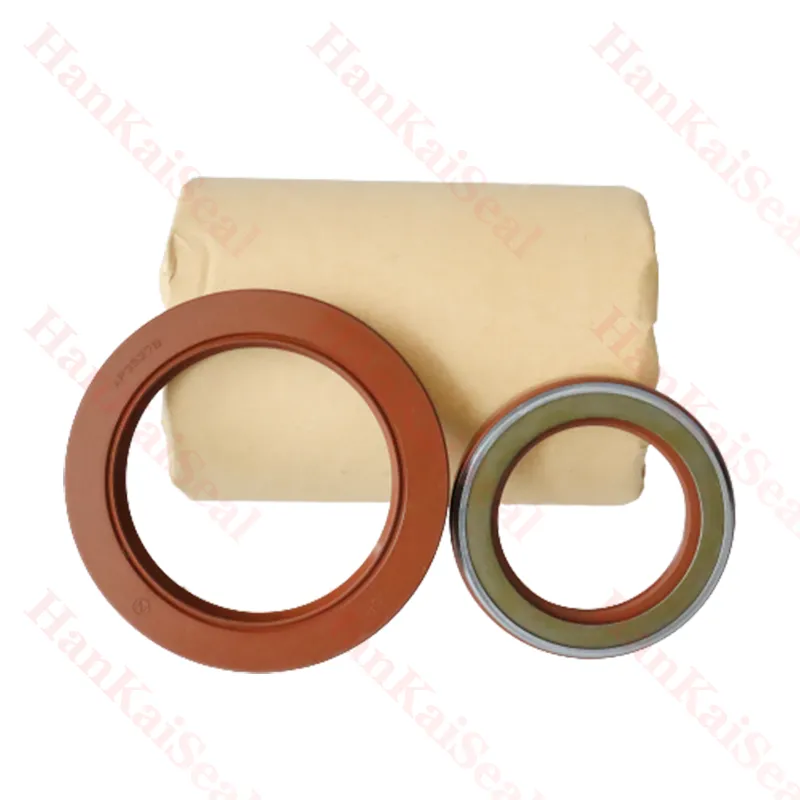
Hydraulic pump seal AP4624G high pressure TCN oil seal
-
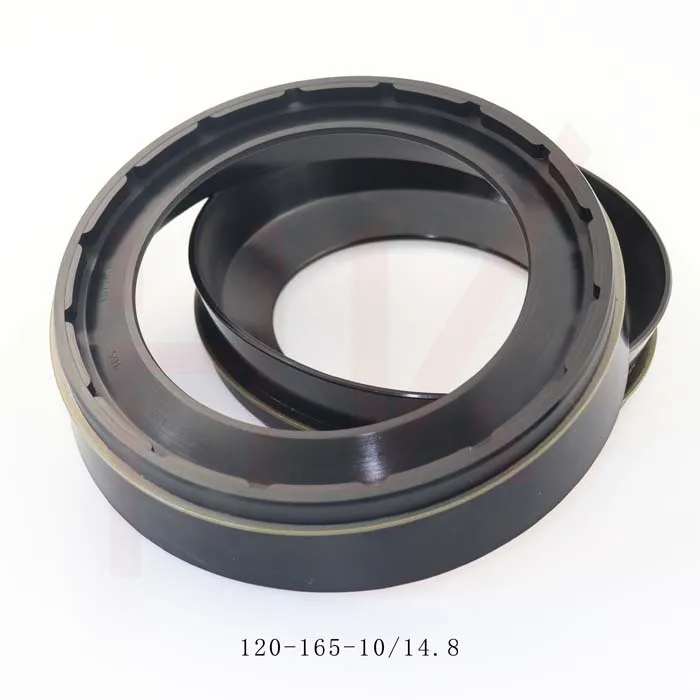
0734307418 0750112169 120*165*10/14.8 concrete mixer reducer oil seal
-
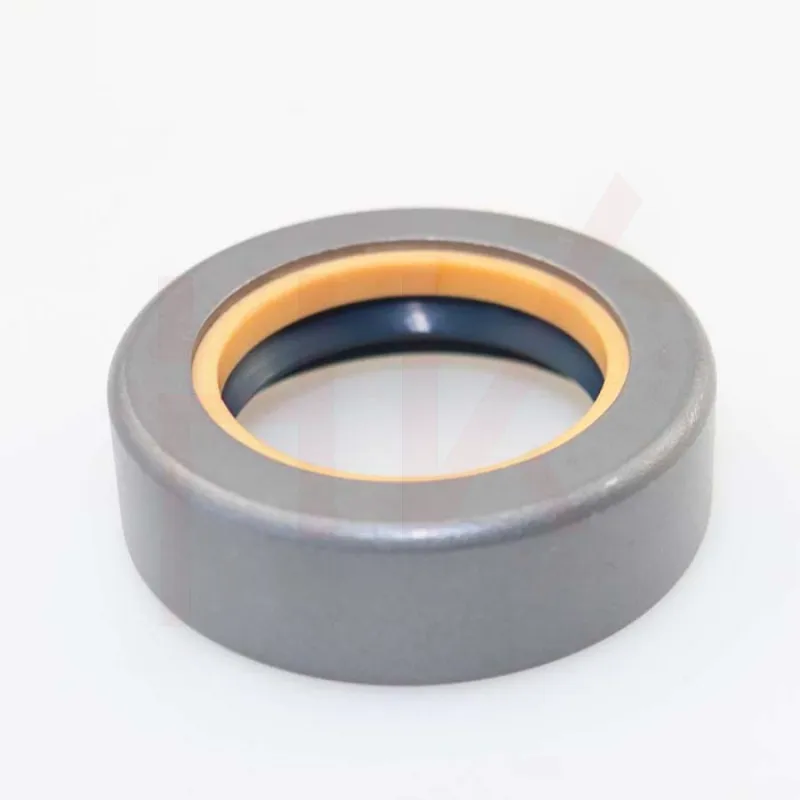
35*52*16 Standard Wheel Hub Oil Seal For Agricultural Machinery
-
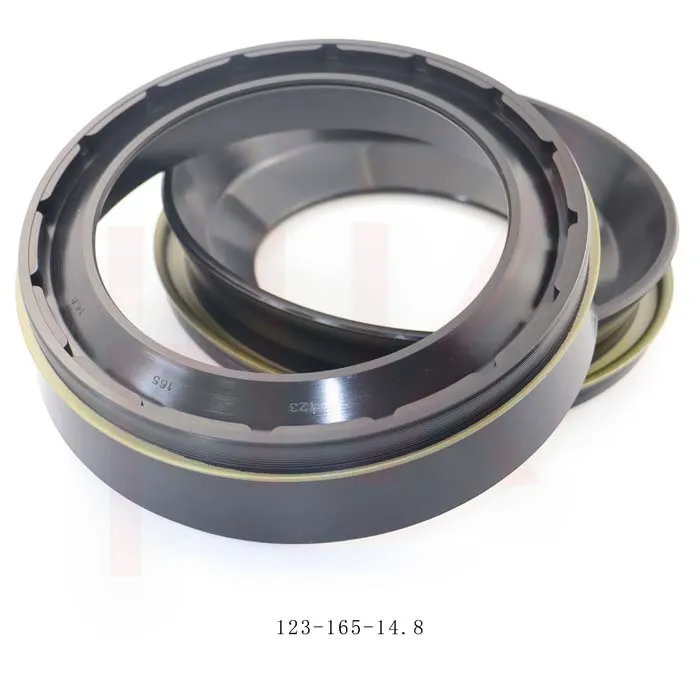
123*165*14.8 concrete mixer truck reducer oil seal
-
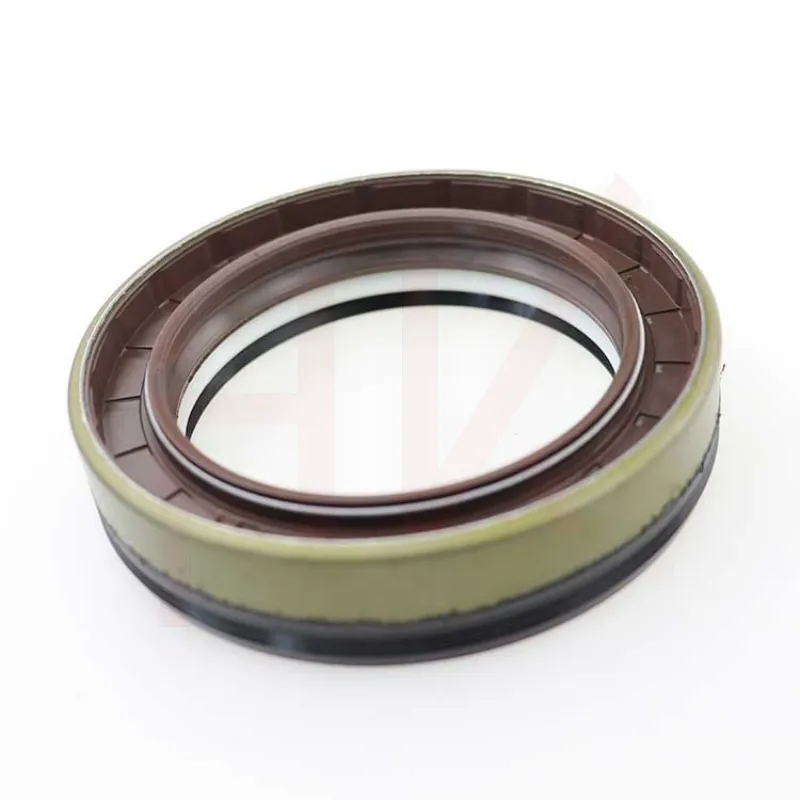
Tractor shaft oil seal 65-90-20 COMBI SF19 hub oil seal
-
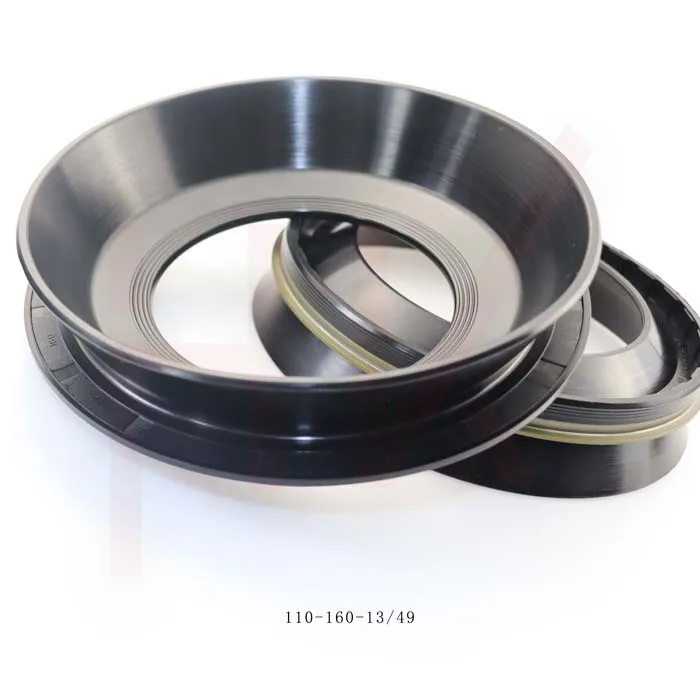
110*160*13/49 NBR reducerConcrete mixer truck oil seal
-
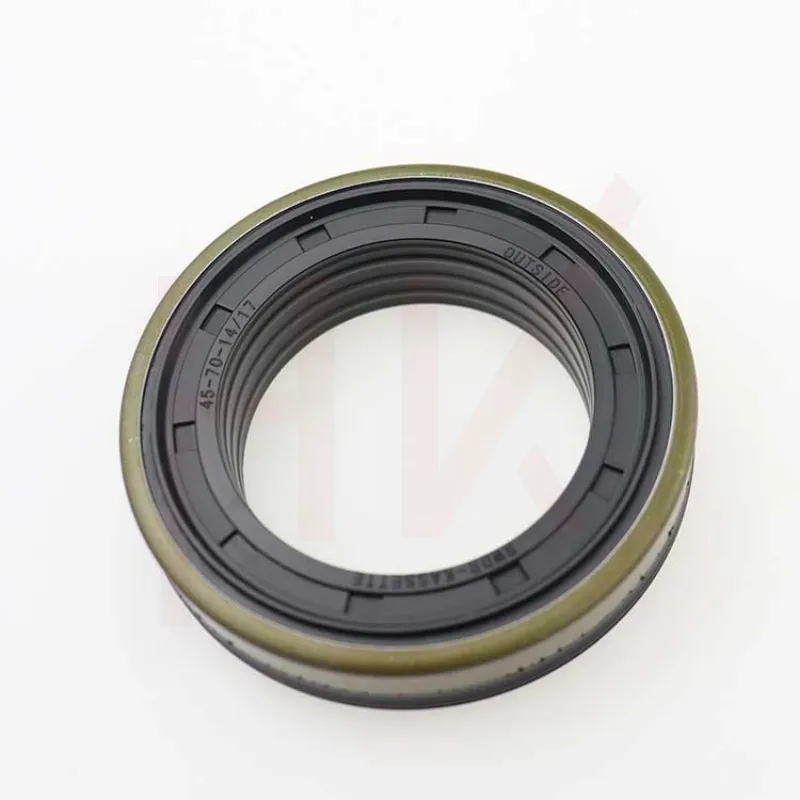
Hub oil seal 40*65*13/14.5 suitable for tractor Cat 12018035b
-
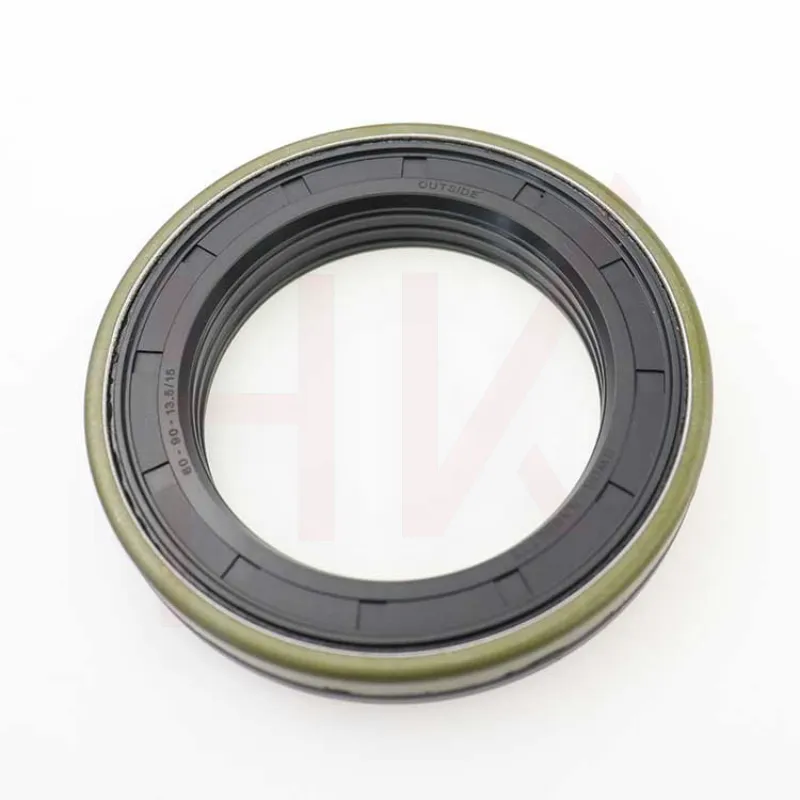
Tractor accessories cassette oil seal hub oil seal 60-90-13.5/15
-
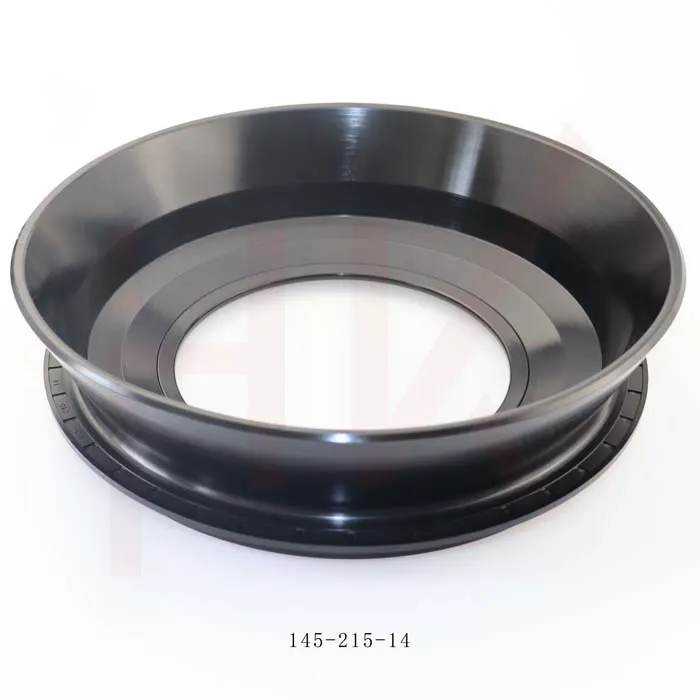
Factory concrete mixer truck oil seal 145*215*14 reducer gearbox oil seal
-
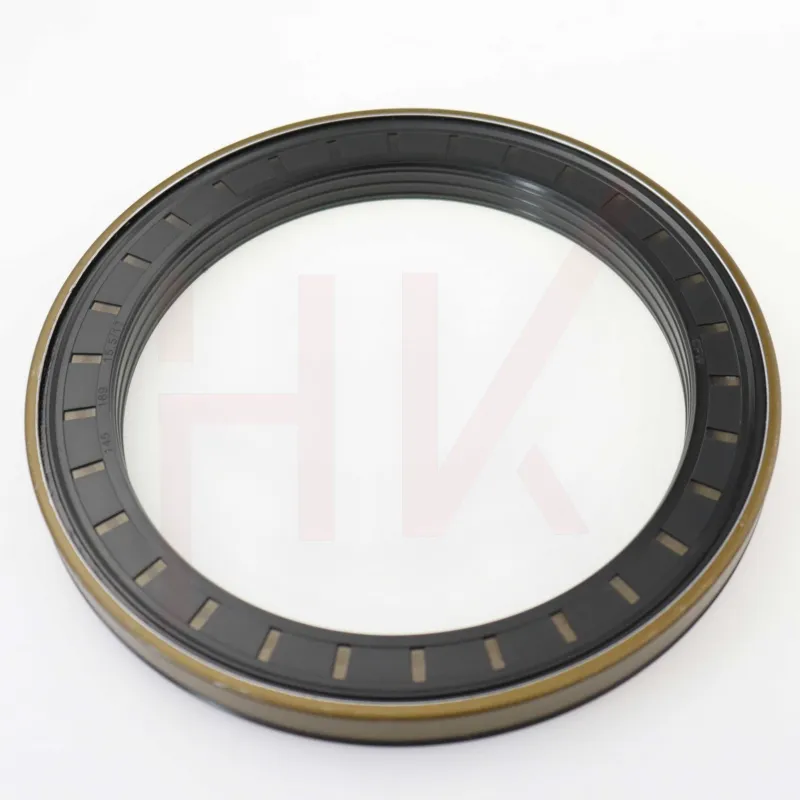
145*189*15.5/17 Cassette Seal NBR Hub Oil Seal 1508044
-
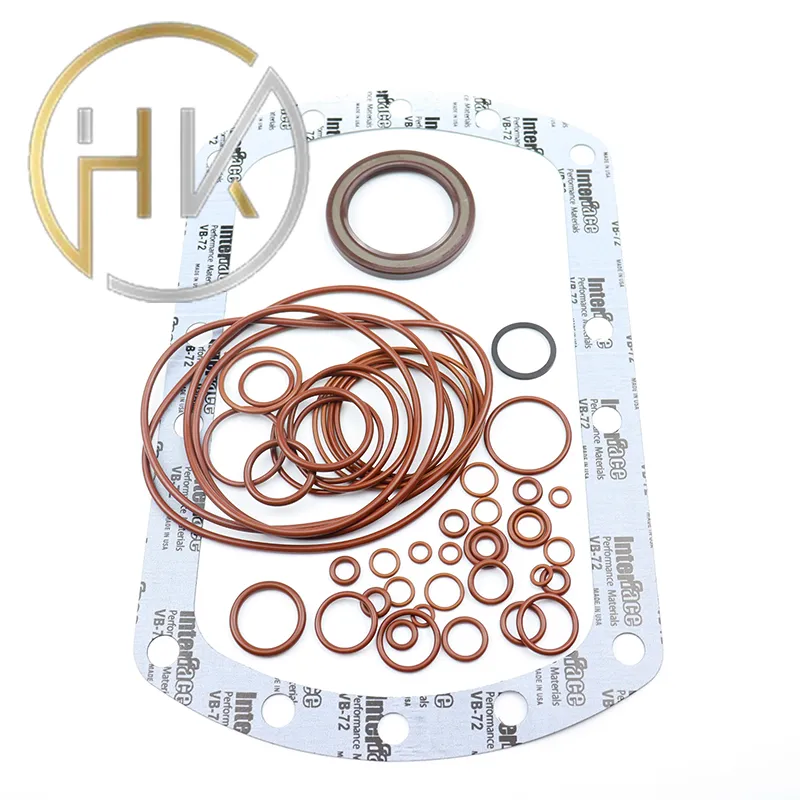
Factory direct sales hydraulic pump motor seal kit A8VO140
-
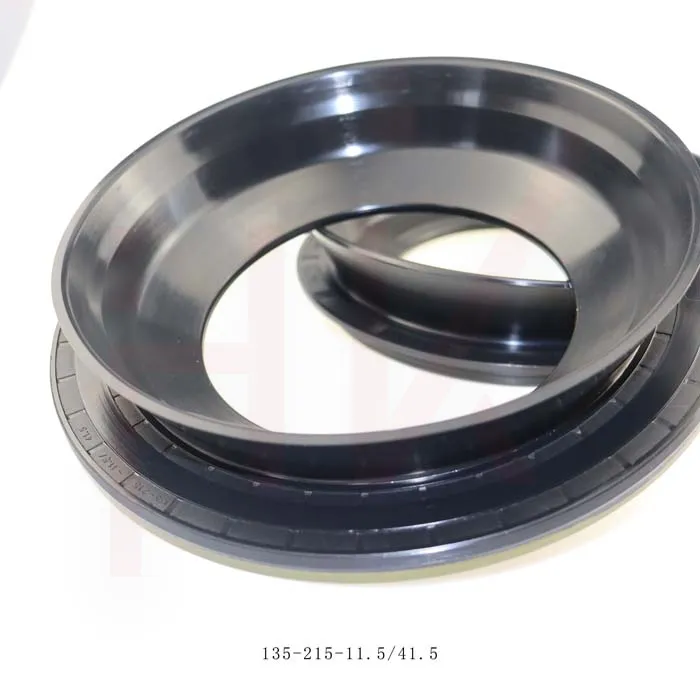
Brand new cement tanker oil seal 135*215*11.5/41.5 concrete mixer oil seal
-
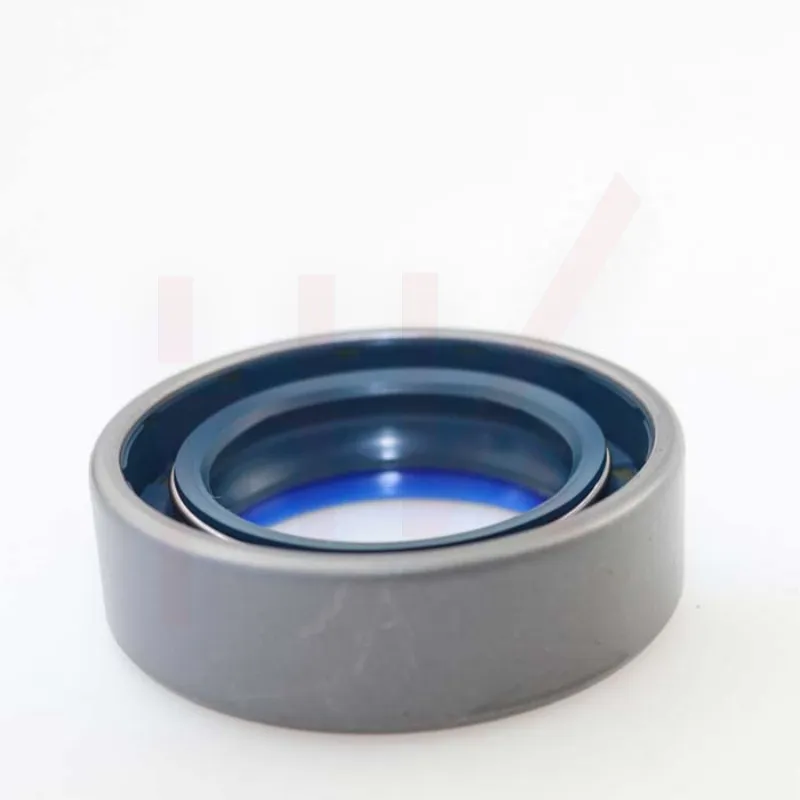
45*65*15 Combi oil seal JCB 90450009 COMBI SF1 SEAL
-
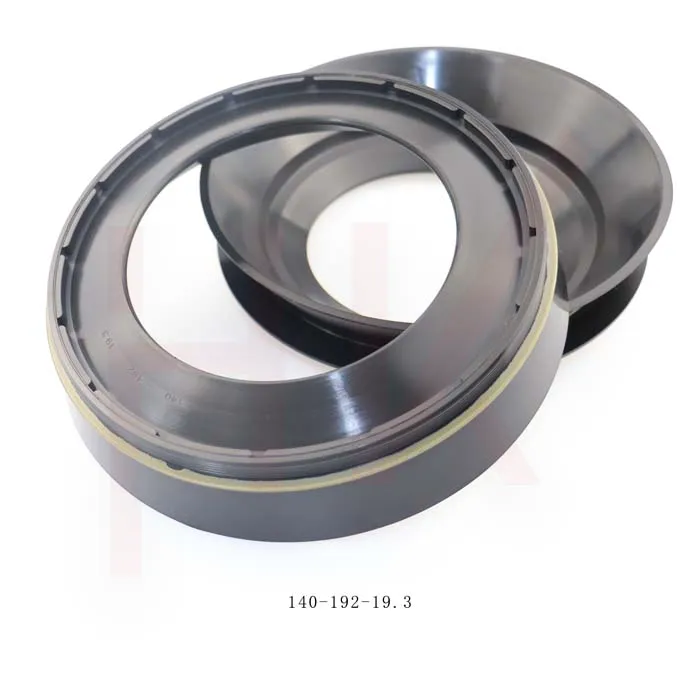
Gear box concrete mixer oil seal 140*192*19.3 nbr reducer oil seal
-
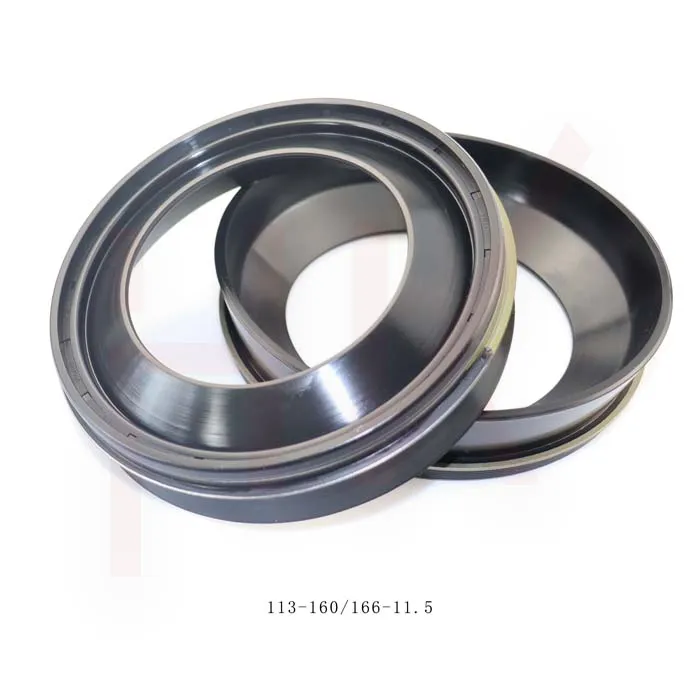
Seals factory direct sales 113*160/166*11.5/38 excavator truck reducer oil seal