
Nov . 25, 2025 08:33 Back to list
Defender Hub Seal – Protecting Industrial Hubs Worldwide with Precision and Durability
Why Defender Hub Seals Matter in Today's Industrial Landscape
In an increasingly interconnected world, the demand for reliable, robust machinery components can’t be overstated. The defender hub seal—often overlooked outside specialist circles—is a small yet crucial piece of machinery that helps keep hubs free from contaminants, extending equipment life and improving efficiency. Industries from automotive to heavy manufacturing depend on these seals to handle harsh environments, and understanding their function is key not just for engineers but for anyone invested in sustainability and operational uptime.
Globally, with the rise in industrialization and logistics, the importance of components like the defender hub seal becomes plain. The ISO reports on industrial maintenance costs hint that simple seal failures cause thousands in downtime and lost productivity every year—a costly problem in any economy.
The Global Relevance of Defender Hub Seals: More Than Just Rubber and Metal
Picture this: factories running smoothly in Asia, Europe, and the Americas, all relying on seemingly mundane items like seals to keep operations smooth. The World Bank estimates that about 70% of industrial equipment failures stem from contamination and lubrication loss—issues that a properly functioning defender hub seal tackles head-on.
This small seal works quietly but effectively, preventing dirt, dust, water, and other contaminants from invading essential rotating hubs in vehicles and industrial machines. The consequences are clear: better uptime, fewer repairs, and a vastly increased equipment lifespan. Frankly, it’s an unsung hero in many supply chains, especially in developing regions where replacement parts aren’t always immediately available.
What Exactly Is a Defender Hub Seal?
Simply put, a defender hub seal is a specialized mechanical seal designed to protect the wheel hub assembly from external elements. Imagine a tight-fitting barrier around a spinning axle that keeps everything inside lubricated and protected, while blocking everything unwanted—mud, moisture, grit—from sneaking in.
These seals aren’t just rubber gaskets; they’re custom-engineered blends of materials meant to withstand extreme temperatures, pressure, and sometimes exposure to corrosive chemicals. The design balances a tight seal with low friction, allowing the hub to spin freely without compromising protection.
Modern manufacturing, even humanitarian efforts in remote areas, rely on these seals for reliable transport and machinery operation. Without them, vital vehicles and equipment risk premature failure, a risk nobody wants on the clock.
Core Characteristics of Defender Hub Seals: What Makes Them Tick
Durability Under Stress
The seals face constant wear and tear from rotation, temperature swings, and environmental exposure. To match this, manufacturers use reinforced elastomers and sometimes metal reinforcements to extend service intervals.
Precision Engineering
Because these seals fit tight tolerances, even a slight misalignment can reduce effectiveness. CNC machining and advanced molding ensure they fit perfectly each time, a detail that can mean the difference between trouble-free operation and an expensive breakdown.
Cost Efficiency
Choosing the right seal upfront often cuts costs drastically. It’s an upfront investment that avoids expensive hub or axle repairs—and frankly, downtime is often more costly than the seal itself.
Environmental Resistance
Many seals now boast resistance to harsh chemicals, UV exposure, and extreme weather, making them useful for applications ranging from Arctic cold to tropical heat. Think of trucks operating in dusty mines or delivery vans in heavy rain—seals must work without fail.
Compatibility and Customization
Different machinery demands different seal sizes, materials, and configurations. Meaningful customization options ensure the best fit, whether for heavy-duty trucks, agricultural equipment, or niche industrial machinery.
Where Are Defender Hub Seals Used Globally?
From the muddy tracks of sub-Saharan Africa to the icy roads of Scandinavia, the defender hub seal keeps essential equipment turning. In mining operations throughout Australia, seals protect heavy haulers from abrasive dust. In Europe, automated factories rely on seals to maintain precision robotics and transport vehicles.
Even humanitarian organizations use these seals unknowingly when deploying relief vehicles in disaster zones—the ability to navigate harsh terrain depends heavily on wheel hub protection. This also ties into global supply chains, where vehicles cross multiple climates and terrains, all requiring dependable seals.
Mini Takeaway:
- Quality defender hub seals ensure uptime in diverse environments worldwide.
- Industries from mining to humanitarian aid benefit greatly.
Advantages and Lasting Value of Defender Hub Seals
It might feel odd to praise a small rubber-and-metal ring, but the tangible benefits are impressive:
- Reduced Downtime: Less contamination means longer-lasting equipment.
- Cost Savings: Fewer repairs and replacements save money in the long run.
- Enhanced Safety: Reliable wheel hubs reduce accident risk, protecting lives.
- Environmental Impact: Longer equipment life means less waste and fewer resources consumed.
On an emotional level, there’s peace of mind knowing your fleet or factory won’t unexpectedly fail, and that’s priceless when operations depend on every moving part working seamlessly.
Product Specification: Typical Defender Hub Seal
| Specification | Detail |
|---|---|
| Material | Nitrile rubber with stainless steel spring |
| Diameter Range | 30mm to 150mm |
| Temperature Range | -40°C to +120°C |
| Operating Pressure | Up to 1.5 bar |
| Chemical Resistance | Resistant to oils, fuels, water, and mild acids |
| Average Lifespan | 5+ years in typical conditions |
Comparing Top Defender Hub Seal Vendors
| Feature | SealMaster Co. | HubShield Ltd. | DefenderPro |
|---|---|---|---|
| Material Quality | Premium nitrile & metal | Standard nitrile | Enhanced synthetic blends |
| Customization Options | High | Medium | High |
| Price Range | $$$ | $ | $$ |
| Lead Time | 2-4 weeks | 1-2 weeks | 3 weeks |
| Warranty | 5 years | 2 years | 3 years |
Emerging Trends and Innovations
Materials science continues to push forward. We’re seeing seals made from bio-based elastomers to reduce environmental footprints. IoT integration is creeping in too—with “smart seals” embedding sensors to monitor wear and predict failures before they happen. For industries chasing sustainability, this could be a game changer.
In parallel, additive manufacturing techniques (3D printing) promise ultra-custom designs on demand, cutting lead times dramatically. Plus, improved surface treatments and coatings extend seal life, even under severe chemical or temperature stress.
Common Challenges and How the Industry Is Tackling Them
Seals can fail because of improper installation, poor material choice, or extreme conditions. I’ve noticed that training and clear specifications are often the first defense against premature failure. Some companies now provide kits that include installation tools and guides—very helpful to avoid those pesky sealing errors.
Another tough nut: environmental regulations push for lower emissions and reduced contaminants, pressuring seal makers to find cleaner, longer-lasting designs. But collaboration between engineers and material scientists is steadily rising to meet these hurdles...
FAQ: Everything You’re Curious About Defender Hub Seals
- Q1: How often should defender hub seals be replaced?
- A: Typically, these seals last around 5 years under normal operating conditions, but harsh environments or heavy loads might call for earlier replacement. Regular inspections help catch wear before it causes bigger issues.
- Q2: Can these seals be used for electric vehicles?
- A: Absolutely. Defender hub seals are compatible with electric vehicle hubs and help protect their unique bearings and components from dirt and moisture, ensuring longevity.
- Q3: What are the key differences between nitrile and synthetic seals?
- A: Nitrile seals offer great oil resistance and durability for most applications, while synthetic types (like fluorocarbon) provide better resistance to extreme temperatures and chemicals but often come at a higher cost.
- Q4: Are customized defender hub seals expensive to produce?
- A: Customization can add costs, but the value gained through precise fit and higher performance often outweighs initial expenses. Many vendors offer scalable solutions to keep budgets reasonable.
Wrapping It Up: Why Defender Hub Seals Deserve Your Attention
The defender hub seal might be a small, humble component, but its impact ripples across industries worldwide. It protects critical machinery, saves costs, and supports sustainability goals all in one neat package. Whether you're an engineer specifying parts or a fleet manager looking to reduce downtime, these seals pay dividends in reliability and trust.
Want to explore the best defender hub seal options tailored to your needs? Visit us at defender hub seal for more information.
References & Further Reading:
-
Guide to Choosing the Right High Quality hydraulic ram kit
NewsApr.16,2026
-
Premium Hydraulic Cylinder Packing Kits for Peak Performance
NewsApr.09,2026
-
Comprehensive Guide to Hydraulic Cylinder Oil Seal Kits for Optimal Performance
NewsApr.07,2026
-
Comprehensive Guide to Choosing the Right Cylinder Seal Kits for Peak Performance
NewsApr.04,2026
-
Comprehensive Guide to Seal Kits for Cylinders Ensuring Optimal Performance
NewsMar.31,2026
-
Comprehensive Guide to Hyd Cylinder Seals for Optimal Hydraulic System Performance
NewsMar.28,2026
-
Comprehensive Guide to Hyd Cylinder Seal Kit Selection and Installation
NewsMar.26,2026
Products categories
-
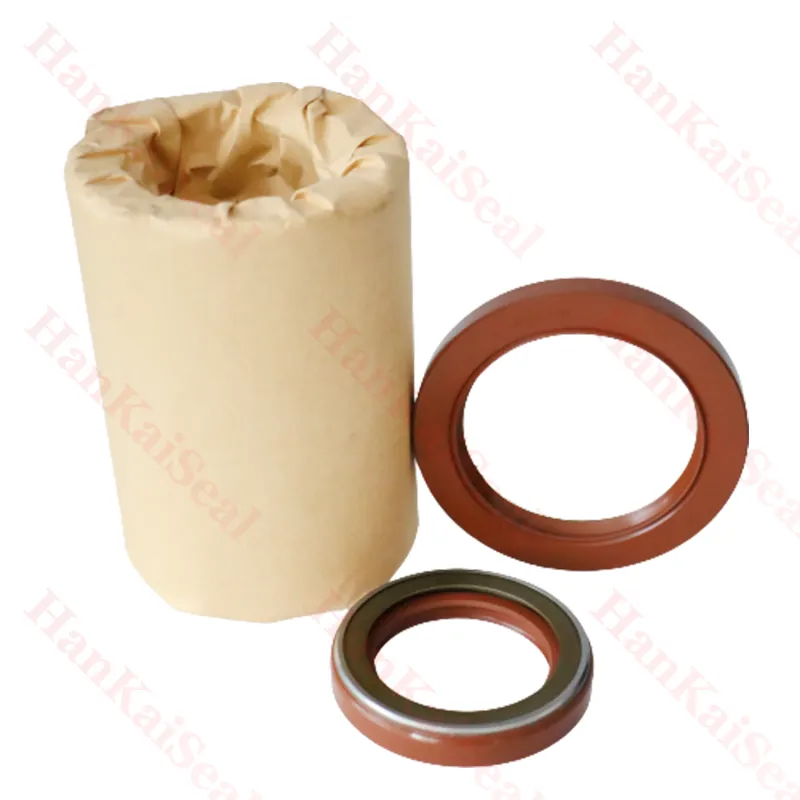
Standard oil seal BP0494 High pressure TCN oil seal
-
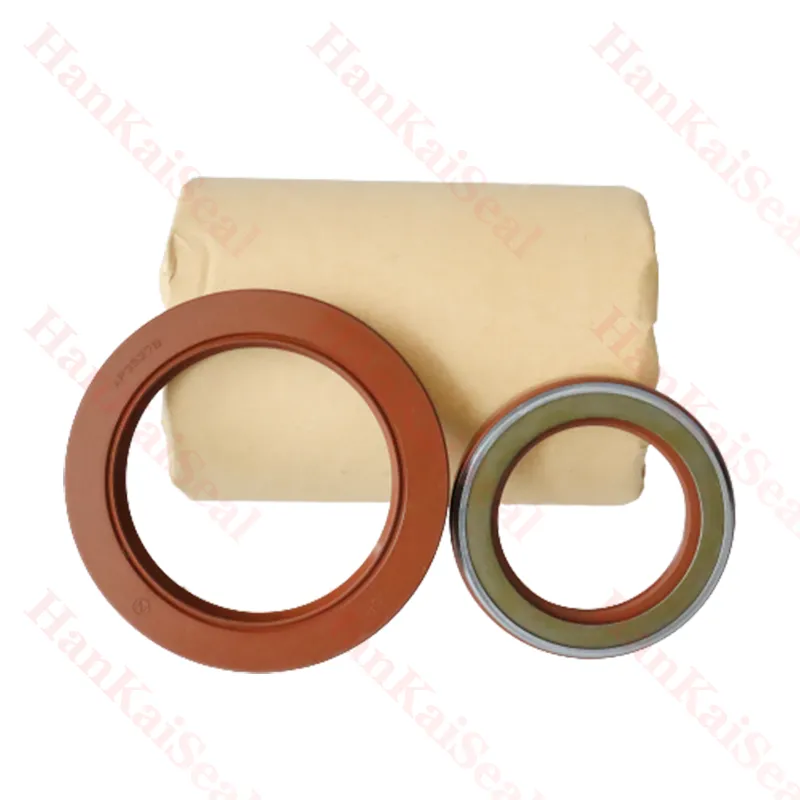
Hydraulic pump seal AP4624G high pressure TCN oil seal
-
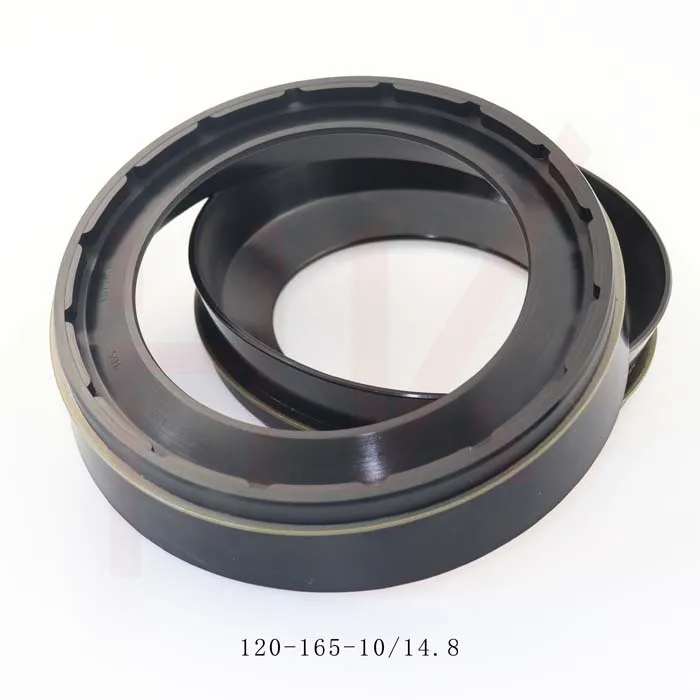
0734307418 0750112169 120*165*10/14.8 concrete mixer reducer oil seal
-
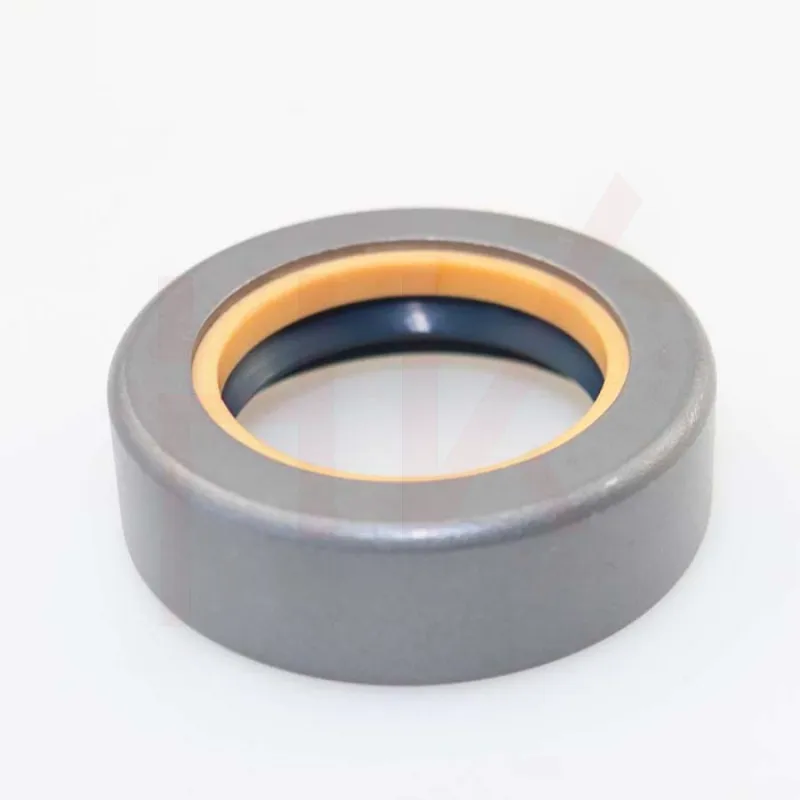
35*52*16 Standard Wheel Hub Oil Seal For Agricultural Machinery
-
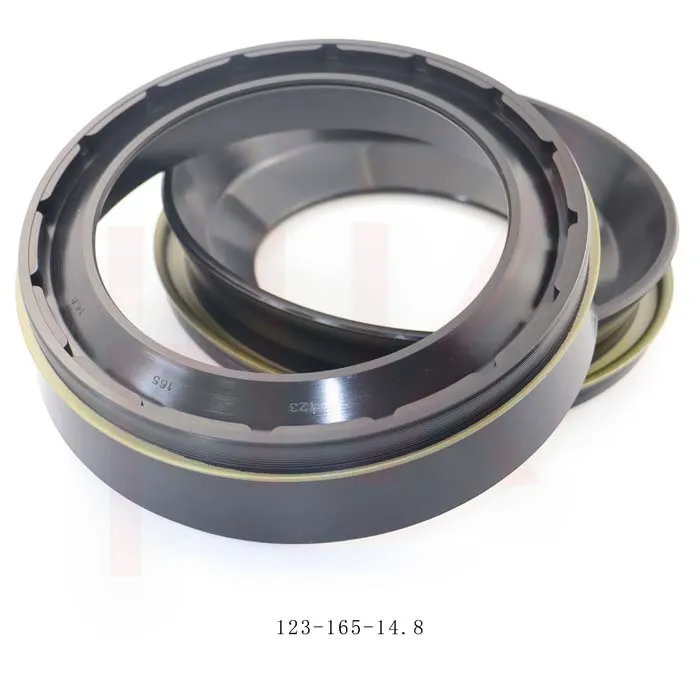
123*165*14.8 concrete mixer truck reducer oil seal
-
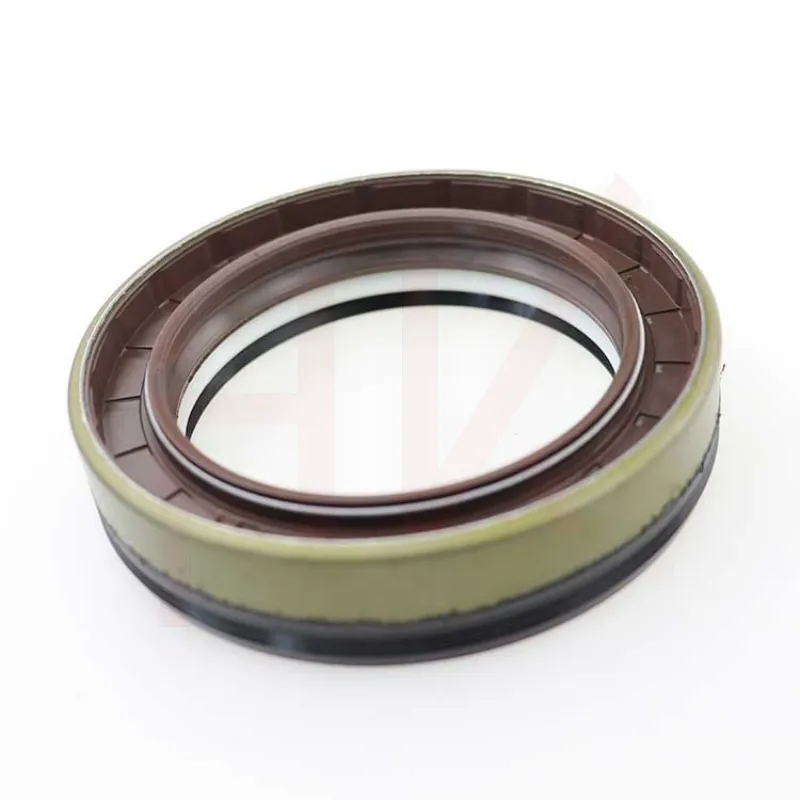
Tractor shaft oil seal 65-90-20 COMBI SF19 hub oil seal
-
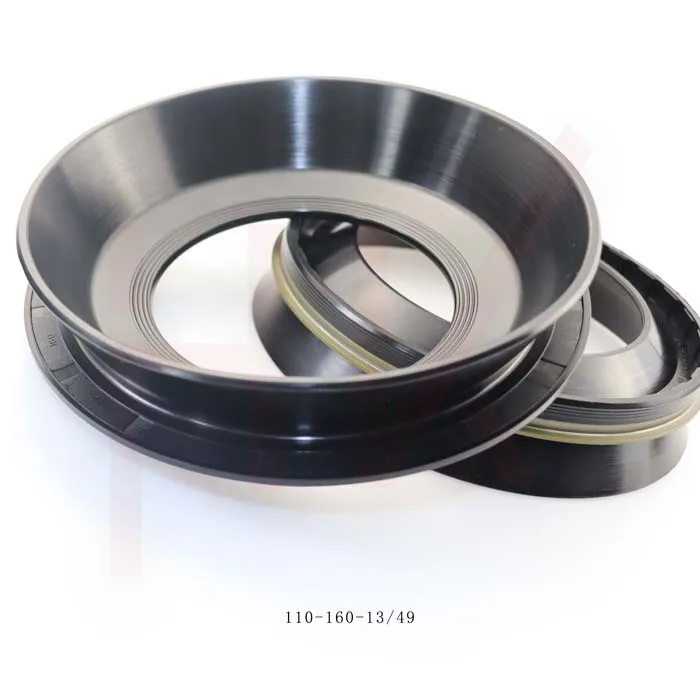
110*160*13/49 NBR reducerConcrete mixer truck oil seal
-
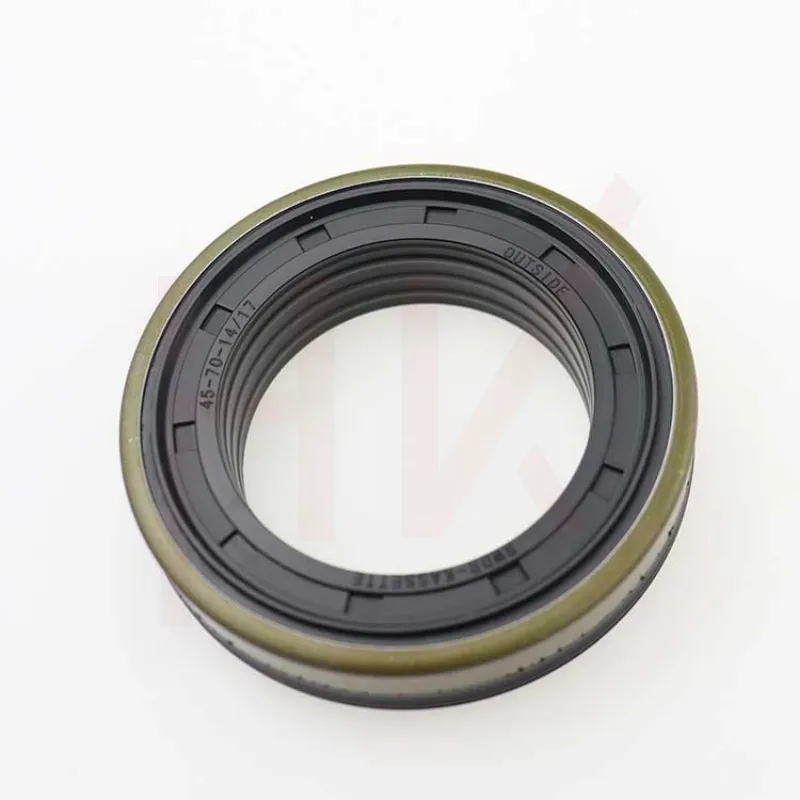
Hub oil seal 40*65*13/14.5 suitable for tractor Cat 12018035b
-
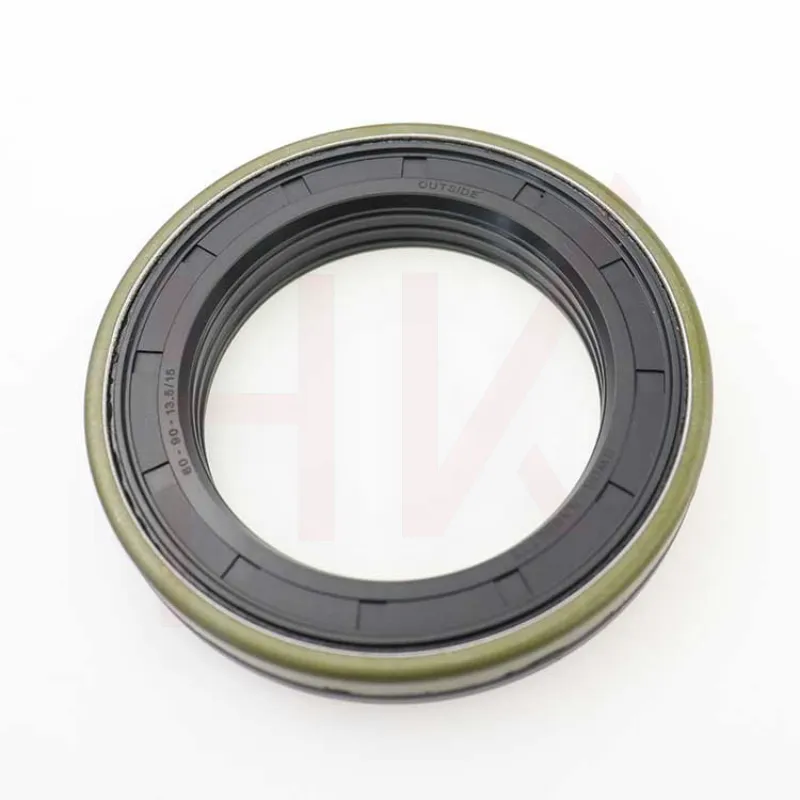
Tractor accessories cassette oil seal hub oil seal 60-90-13.5/15
-
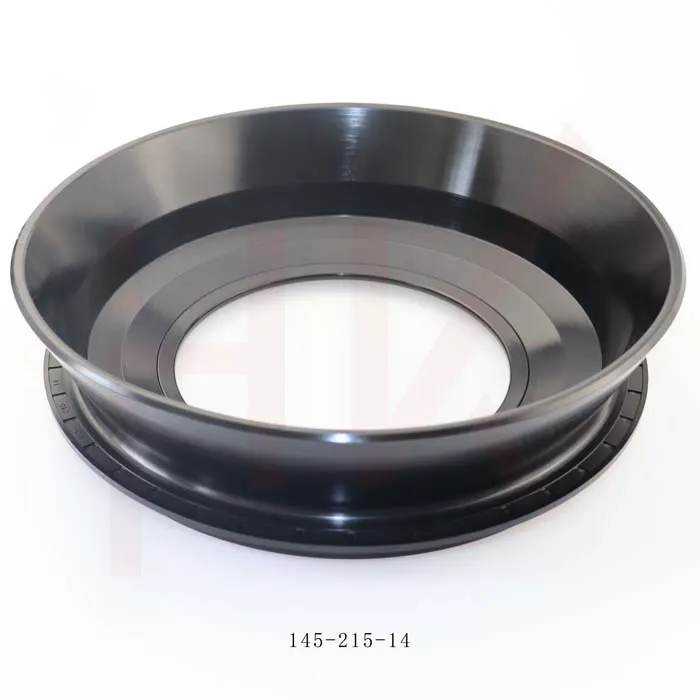
Factory concrete mixer truck oil seal 145*215*14 reducer gearbox oil seal
-
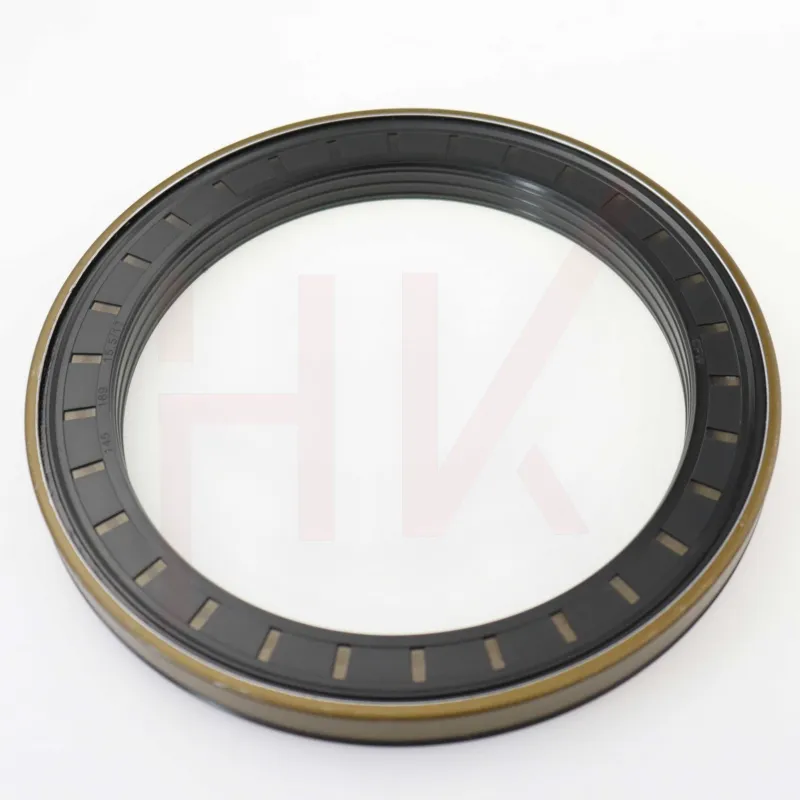
145*189*15.5/17 Cassette Seal NBR Hub Oil Seal 1508044
-
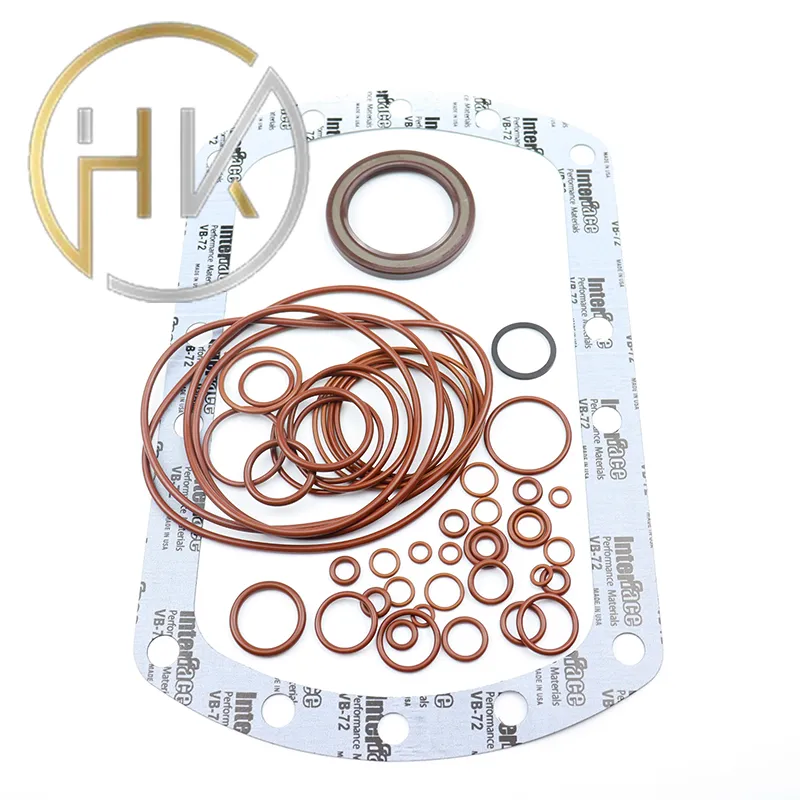
Factory direct sales hydraulic pump motor seal kit A8VO140
-
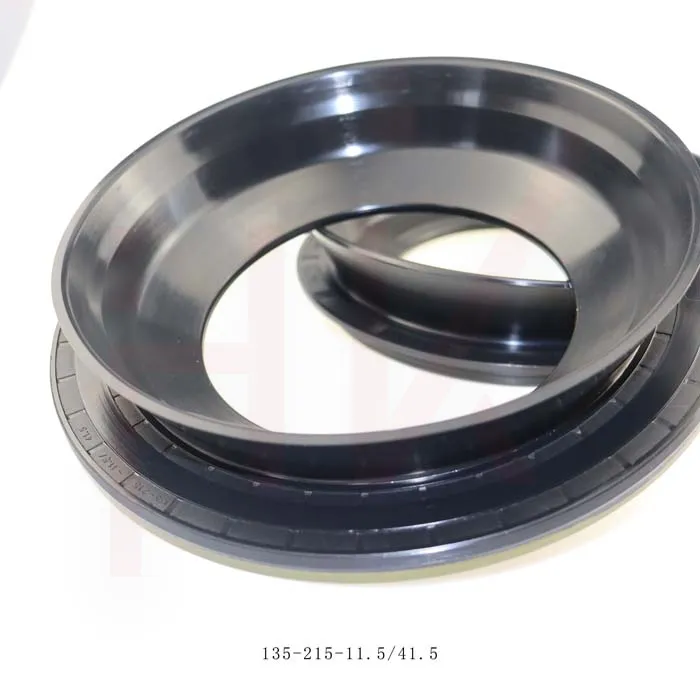
Brand new cement tanker oil seal 135*215*11.5/41.5 concrete mixer oil seal
-
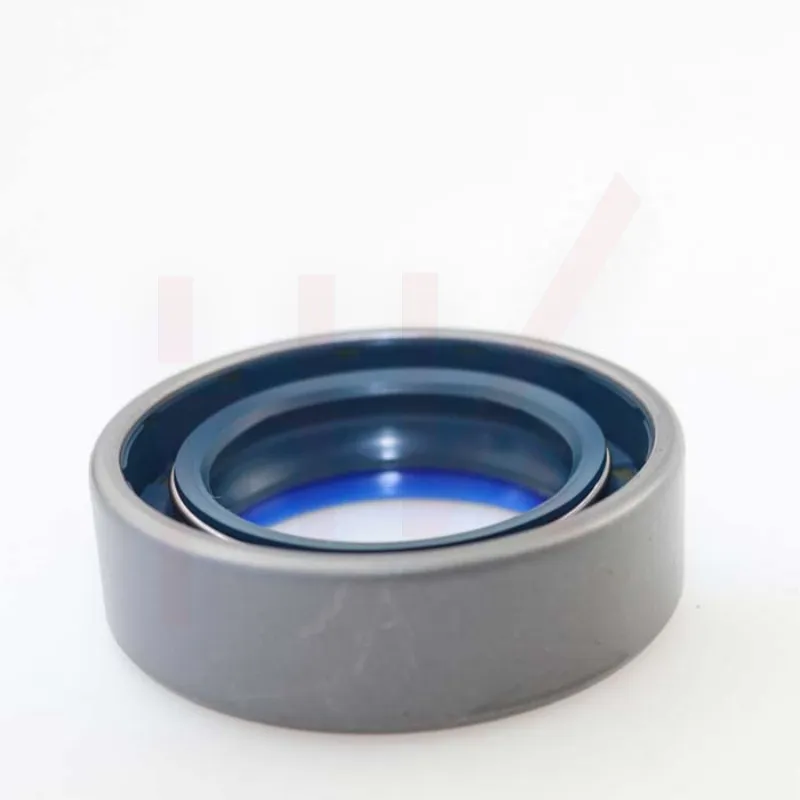
45*65*15 Combi oil seal JCB 90450009 COMBI SF1 SEAL
-
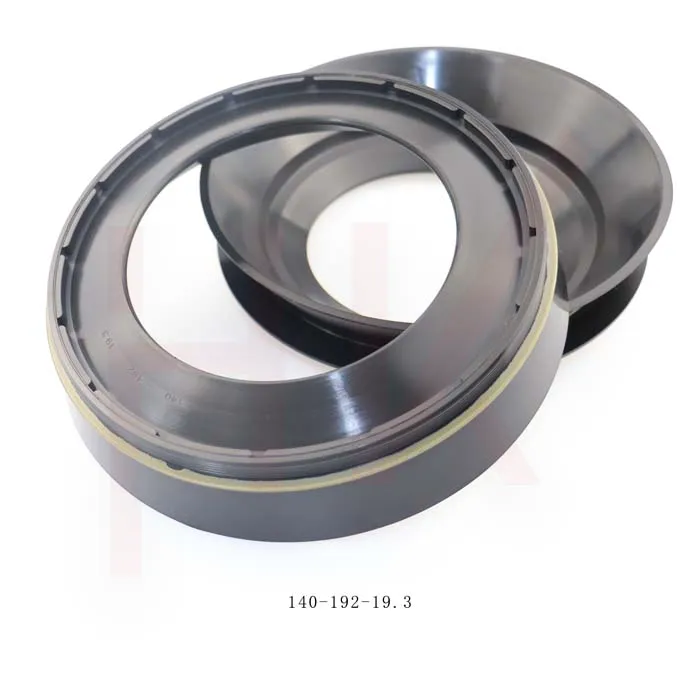
Gear box concrete mixer oil seal 140*192*19.3 nbr reducer oil seal
-
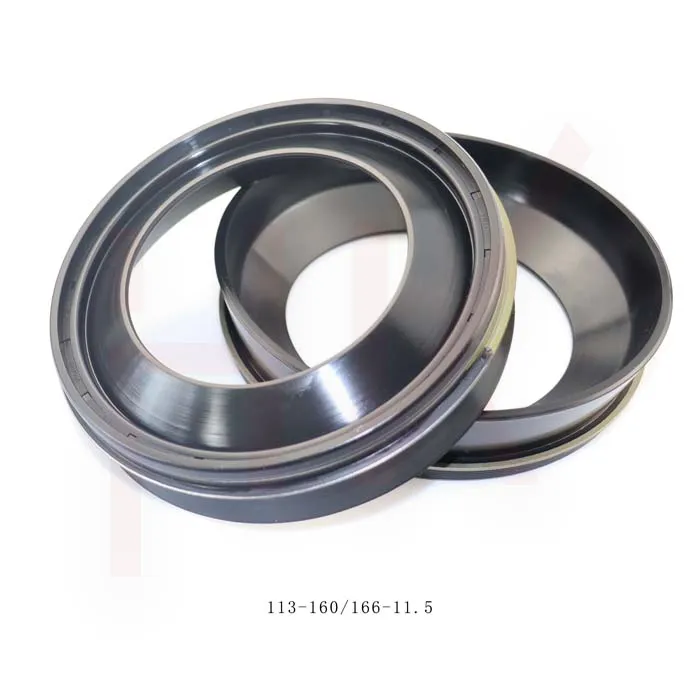
Seals factory direct sales 113*160/166*11.5/38 excavator truck reducer oil seal