Dec . 03, 2025 12:46 Back to list
What Is an Oil Seal Factory? Global Importance, Trends, and Key Benefits
Inside an Oil Seal Factory: Understanding Its Global Impact and Importance
Ever stopped to think about what keeps machinery running smoothly around the world? One unsung hero in the mechanical ecosystem is an oil seal factory. These factories produce the seals that prevent oil leakage in engines, gearboxes, and countless industrial setups. It may seem minor, but globally, they play a vital role in everything from automotive manufacturing to renewable energy systems. In fact, according to ISO standards (ISO 6194-1), quality oil seals are essential in maintaining equipment longevity, reducing waste, and boosting energy efficiency.
Oil seal factories matter because without them, machines would fail prematurely, causing costly downtime and environmental hazards from oil spills. Understanding their function, production, and applications helps industry professionals make informed choices, ensuring reliability and sustainability in vital equipment.
Global Industry Context: Why Oil Seal Factories Are More Relevant Than Ever
The global machinery market is booming—valued at over $500 billion as of the latest data from the World Bank. And in this ecosystem, oil seal manufacturing is quietly expanding. With rapid industrialization in Asia-Pacific and ongoing infrastructure development in Africa and Latin America, demand for durable sealing solutions is surging.
Moreover, environmental regulations on leakage and emissions are tightening worldwide. Factories churning out top-quality oil seals are better poised to meet these norms, helping reduce operational risks while catering to industries like automotive, aerospace, agriculture, and even humanitarian tech. You could call it a quiet but essential battle against inefficiency and pollution.
What Exactly Is an Oil Seal Factory?
Put simply, an oil seal factory is a specialized manufacturing plant where oil seals are designed, produced, and tested to meet industrial demands. These seals are circular components, typically made of rubber or synthetic materials reinforced with metal, that stop fluid leaks while preventing dirt or dust from contaminating machinery parts.
Connecting to modern industry and humanitarian needs, these factories are fundamental in producing components that secure everything from farming equipment in rural areas to medical device manufacturing in urban hospitals. They enable machines to perform reliably under harsh conditions, sometimes literally in the middle of nowhere.
Key Factors Shaping Oil Seal Production
Durability
Oil seals need to withstand extreme pressure, temperature fluctuations, and exposure to various chemicals. High durability means less frequent maintenance and enhanced equipment uptime. Many factories focus on selecting specialized elastomers and alloys tailored to these demands.
Precision Engineering
Seals must fit components perfectly to avoid leaks. Precision tooling and advanced machining processes in oil seal factories are crucial. Some employ CNC machining and laser calibration for accuracy in micron levels.
Material Innovation
Modern factories experiment with novel materials like fluoroelastomers, PTFE (Teflon), and bio-based rubbers. This innovation helps improve chemical resistance and sustainability — increasingly important for eco-conscious industries.
Cost Efficiency
Balancing quality and cost is a challenge. Efficient manufacturing lines, automation, and lean inventory practices help factories keep seal prices competitive without skimping on performance.
Testing & Quality Assurance
Every batch undergoes rigorous testing: from pressure tests, temperature resistance, to hardness checks. This ensures that seals meet international standards like ASTM and ISO compliance before shipping out.
Product Specifications Snapshot
| Feature | Typical Range | Notes |
|---|---|---|
| Material | Nitrile rubber, FKM, PTFE | Chosen by chemical exposure |
| Temperature Range | -40°C to 250°C | Depends on material |
| Pressure Resistance | Up to 10 bar | Critical for hydraulic systems |
| Size Range | 5mm to 500mm diameter | Custom sizes on demand |
How Oil Seal Factories Differ: Vendor Comparison
| Vendor | Primary Materials | Production Capacity | Certification | Lead Times |
|---|---|---|---|---|
| SealTech Corp. | Nitrile, FKM | 1 million seals/year | ISO 9001, ISO 14001 | 4 weeks |
| GreenSeal Industries | Bio-based rubbers, PTFE | 500,000 seals/year | ISO 9001, REACH compliant | 6 weeks |
| PrecisionSeal Ltd. | FKM, PTFE composites | 700,000 seals/year | ISO 9001, ASTM certified | 3 weeks |
Global Applications & Use Cases
From automotive assembly plants in Germany to massive mining operations in Australia, oil seal factories cater to a diverse client base. In emerging regions—say, Southeast Asia or parts of South America—low-cost but reliable oil seals prevent costly production halts in agricultural and manufacturing sectors. NGOs working in disaster zones rely on machinery with properly sealed engines to ensure uninterrupted relief efforts. Oddly enough, the humble oil seal quietly supports everything from elevators in skyscrapers to wind turbines in rural Scandinavia.
Advantages & Long-Term Value
The key benefits? First, reliability. A good oil seal factory ensures products that help machines run longer, conserving energy and reducing waste. That translates into cost savings over time and fewer environmental leakages. Then there’s safety: fewer oil leaks mean fewer fire hazards and lower pollution risks.
On a human level, it’s about dignity and efficiency—farmer’s equipment keeps working through the harvest; emergency vehicles stay operational during crises. Investing in quality oil seals is like investing in trust and innovation, a subtle but meaningful contribution.
Future Trends & Innovations in Oil Seal Manufacturing
Technology is reshaping oil seal factories. Additive manufacturing (3D printing) is starting to allow rapid prototyping of custom seals. Digital transformation in factory processes boosts precision and reduces waste. More factories explore eco-friendly, biodegradable elastomers aligned with green energy directives.
Automation—robotic assembly lines and AI-driven quality inspections—also enhances consistency and lowers costs. The sector is evolving to support sustainability goals, one seal at a time.
Challenges & Solutions: Navigating the Hurdles
Still, it’s not all smooth sailing. Challenges include raw material volatility, supply chain disruptions, and the pressure to balance cost and quality. Expert engineers often recommend modular designs and flexible manufacturing setups to adapt rapidly to changing requirements. Collaborative ventures between factories and research bodies also fuel innovation in materials and testing protocols.
FAQ: Practical Questions About Oil Seal Factories
-
Q: How do oil seals differ from gaskets?
A: Oil seals specifically prevent fluid leaks around rotating shafts, while gaskets seal stationary parts like flanges. Oil seals endure more dynamic stresses and are designed accordingly. -
Q: Can an oil seal factory customize sizes for unique machinery?
A: Yes, most modern factories offer custom sizes and materials tailored to specific industrial needs, often requiring minimum order quantities but enabling precise fits. -
Q: How long does it take to manufacture and deliver oil seals?
A: Standard products usually ship within 3-6 weeks, but lead times vary based on order size, customization, and factory location. -
Q: Are eco-friendly oil seals as effective as traditional ones?
A: Many biodegradable and bio-based seals show comparable durability and chemical resistance, though it depends on application specifics. Sustainability is increasingly a priority.
Conclusion
All told, oil seal factories underpin much of modern machinery’s efficiency and environmental responsibility. With ever-growing industrial demands and sustainability pressures, their role is poised to expand. For businesses seeking reliable sealing solutions backed by precision, innovation, and collaboration, getting to know an oil seal factory is step one toward smarter, safer operations.
Interested? Visit our website: https://www.hkaiseal.com to explore premium oil sealing solutions tailored for your needs.
Reflection: It’s fascinating how these small components quietly affect big machinery and bigger outcomes, isn’t it? Sometimes, the smallest seal holds the greatest responsibility.
-
A8VO140 Hydraulic Piston Pump Repair Parts Kit Complete Overhaul Kit for Rexroth A8VO140 Excavator: Check Pump Fit Before Ordering
NewsNov.10,2026
-
A8VO140 Hydraulic Piston Pump Repair Parts Kit Complete Overhaul Kit for Rexroth A8VO140 Excavator: Buyer FAQs
NewsNov.05,2026
-
What Is the Function of Oil Seal? FAQ
NewsOct.30,2026
-
High Pressure TCN Seal Solutions for Industrial Machinery
NewsJul.01,2026
-
High Performance TCN Type Oil Seal for Industrial Machinery
NewsJun.29,2026
-
High Pressure Oil Seal TCN for Industrial Sealing Solutions
NewsJun.27,2026
-
Industrial High Speed Rotary Shaft Seals Performance Guide
NewsJun.26,2026
Products categories
-
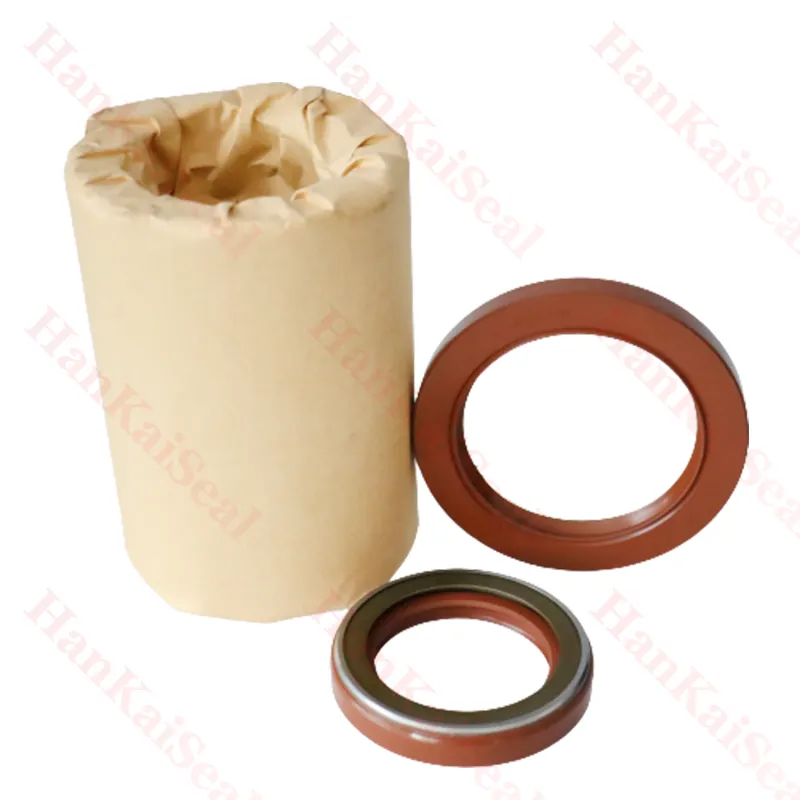
Standard oil seal BP0494 High pressure TCN oil seal
-
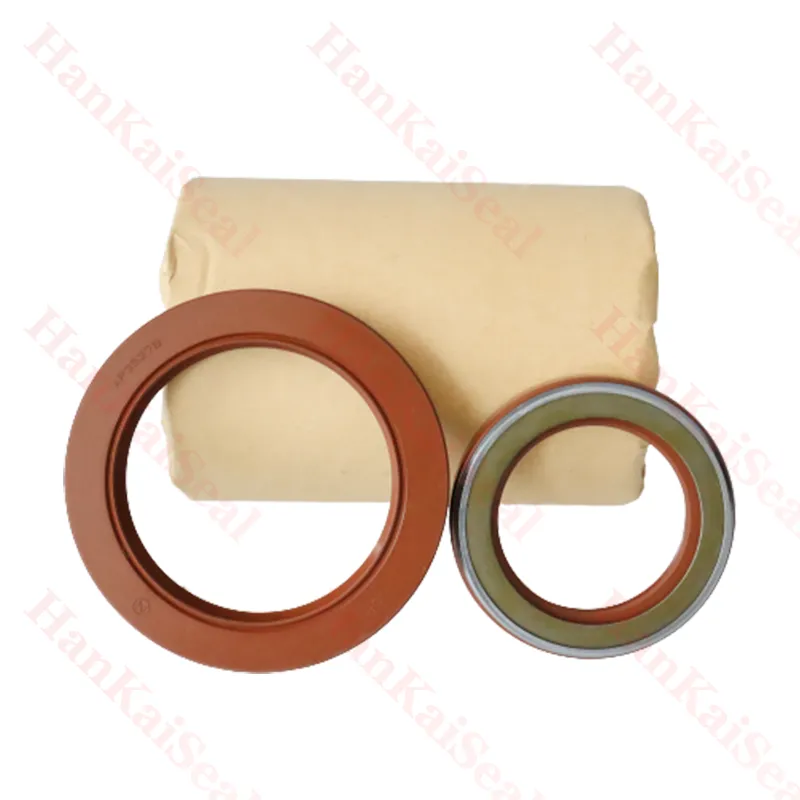
Hydraulic pump seal AP4624G high pressure TCN oil seal
-
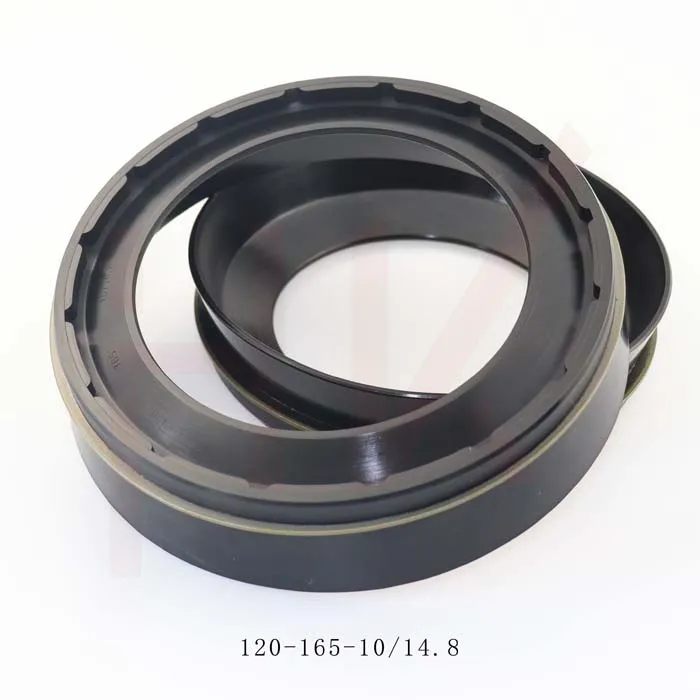
0734307418 0750112169 120*165*10/14.8 concrete mixer reducer oil seal
-
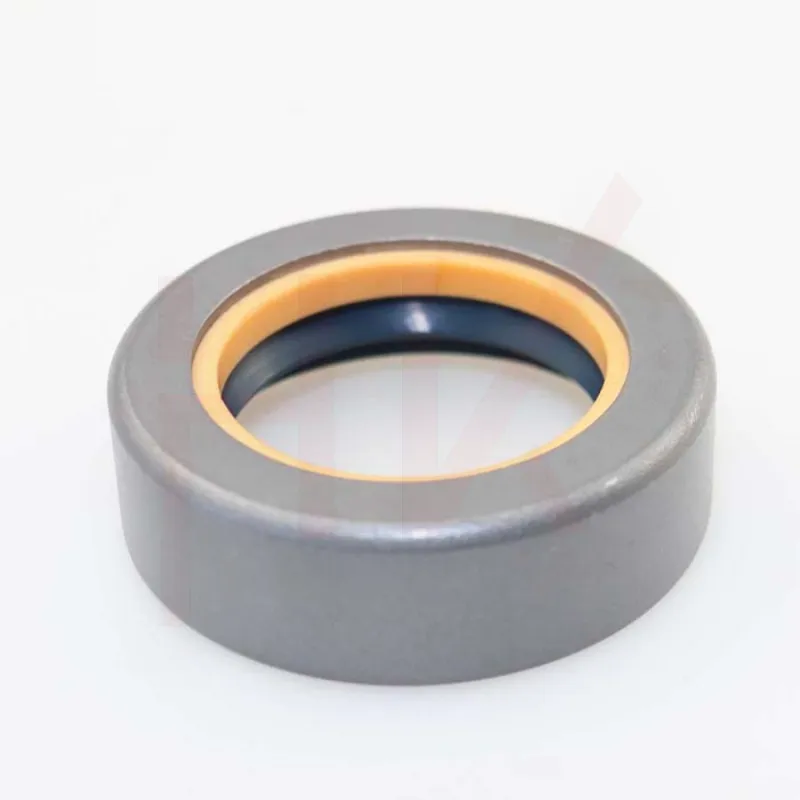
35*52*16 Standard Wheel Hub Oil Seal For Agricultural Machinery
-
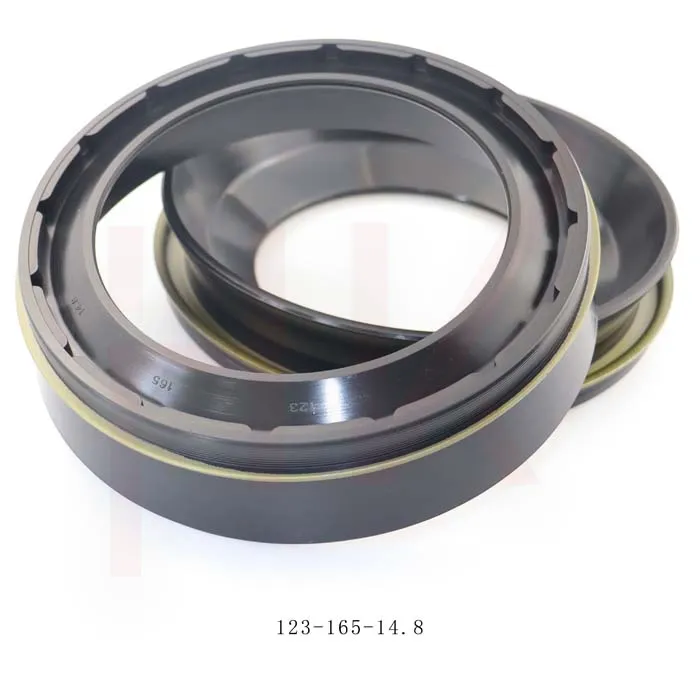
123*165*14.8 concrete mixer truck reducer oil seal
-
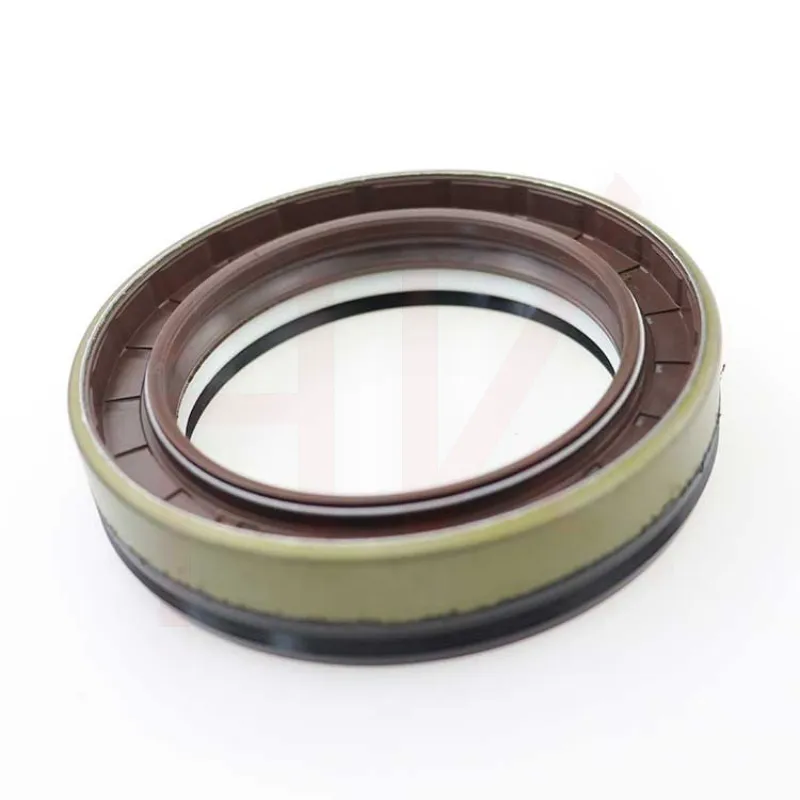
Tractor shaft oil seal 65-90-20 COMBI SF19 hub oil seal
-
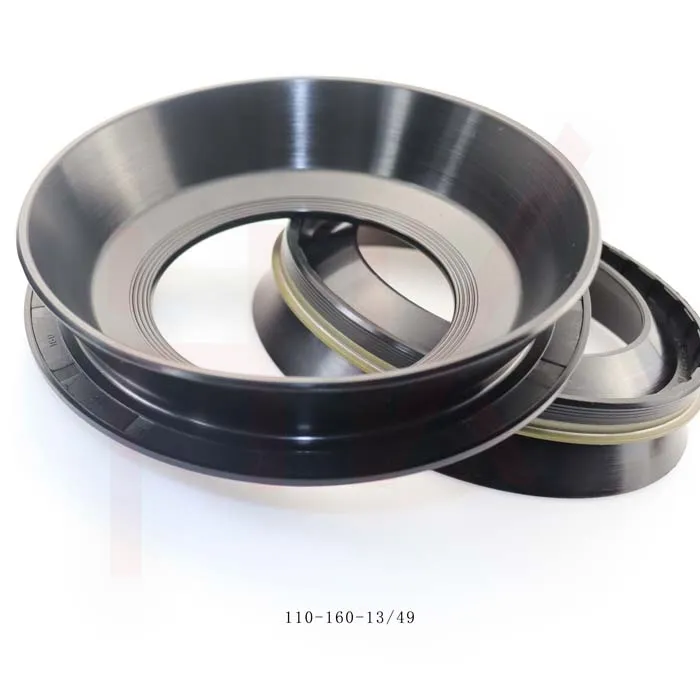
110*160*13/49 NBR reducerConcrete mixer truck oil seal
-
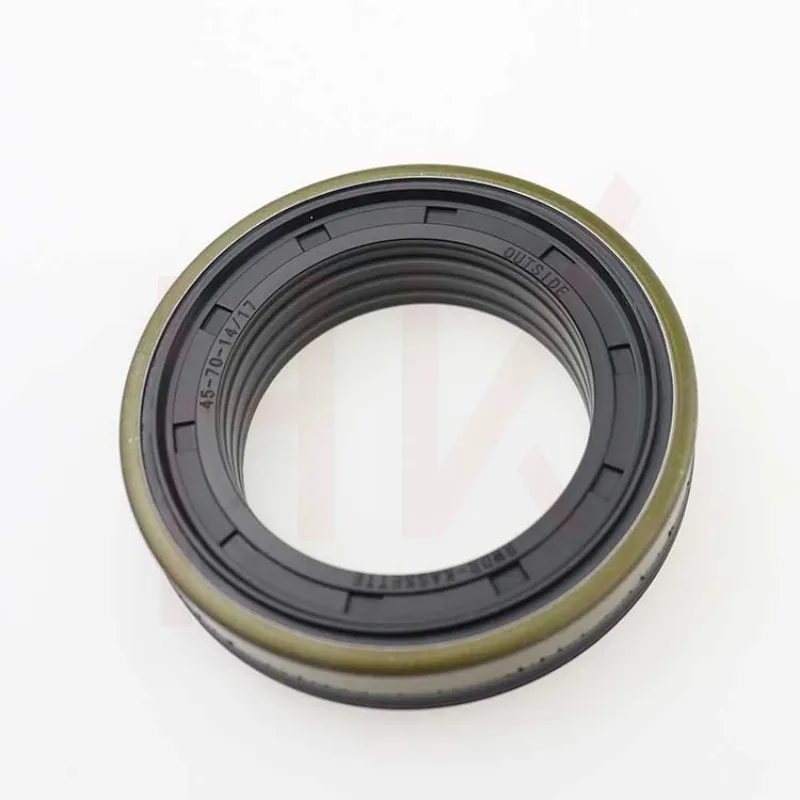
Hub oil seal 40*65*13/14.5 suitable for tractor Cat 12018035b
-
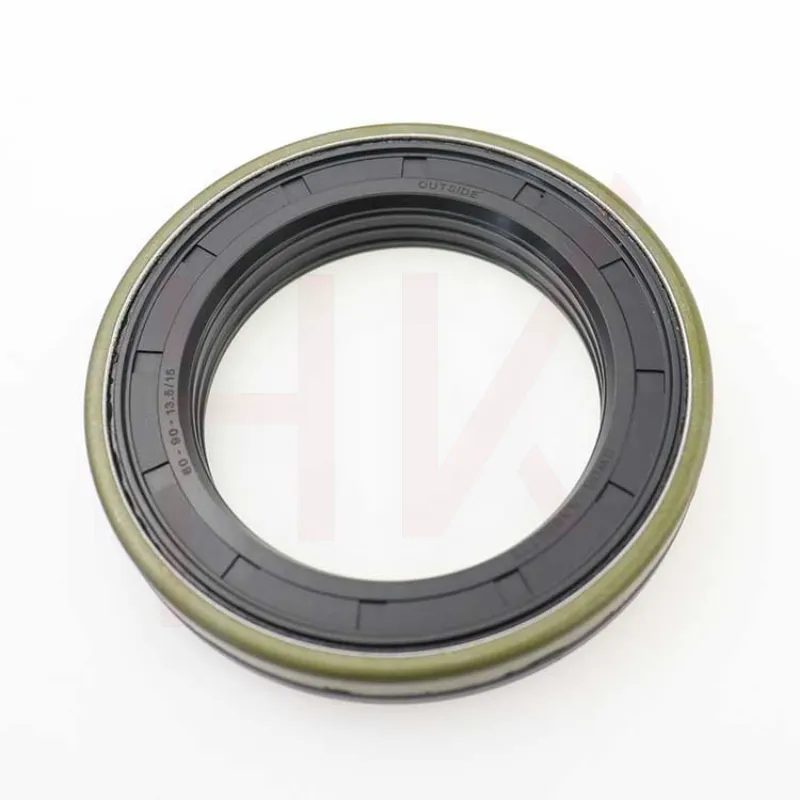
Tractor accessories cassette oil seal hub oil seal 60-90-13.5/15
-
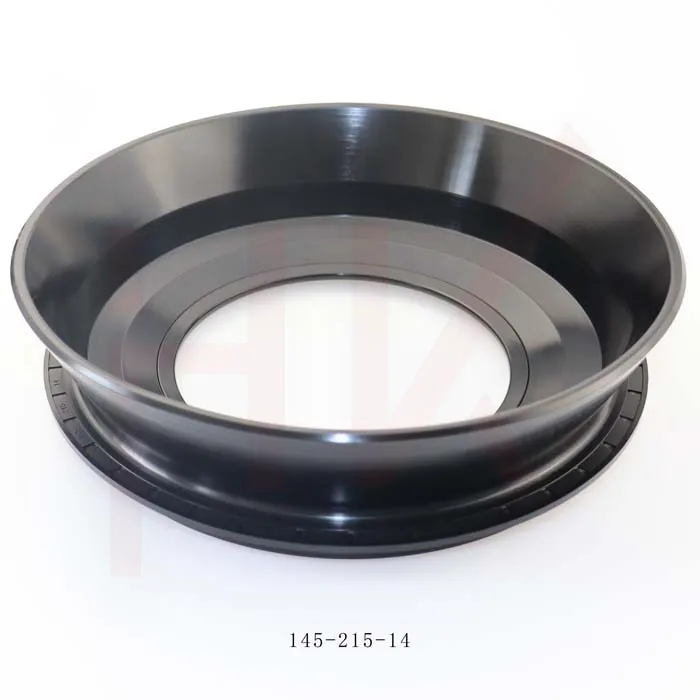
Factory concrete mixer truck oil seal 145*215*14 reducer gearbox oil seal
-
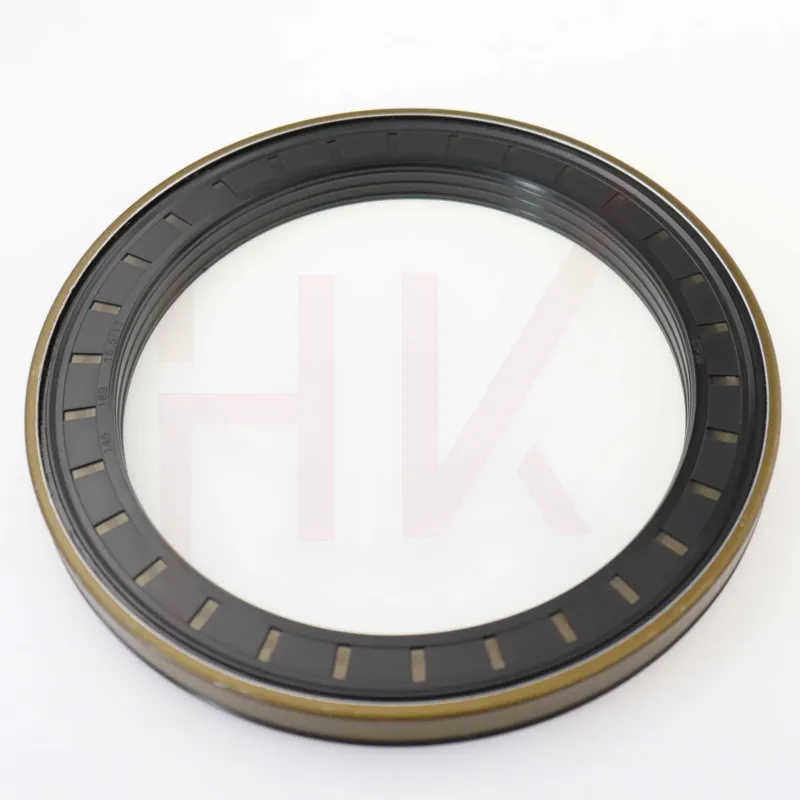
145*189*15.5/17 Cassette Seal NBR Hub Oil Seal 1508044
-
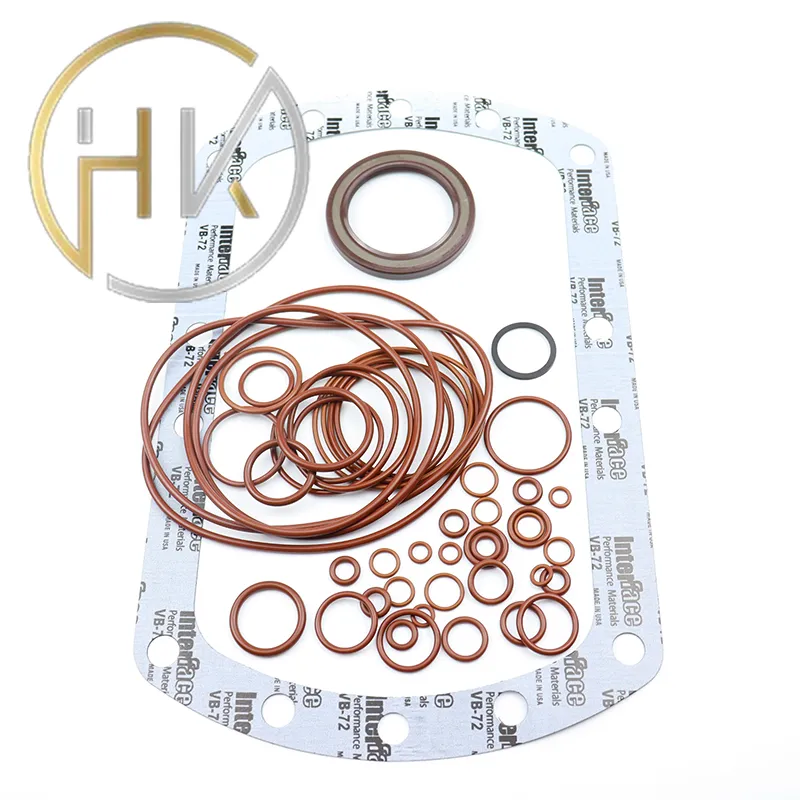
Factory direct sales hydraulic pump motor seal kit A8VO140
-
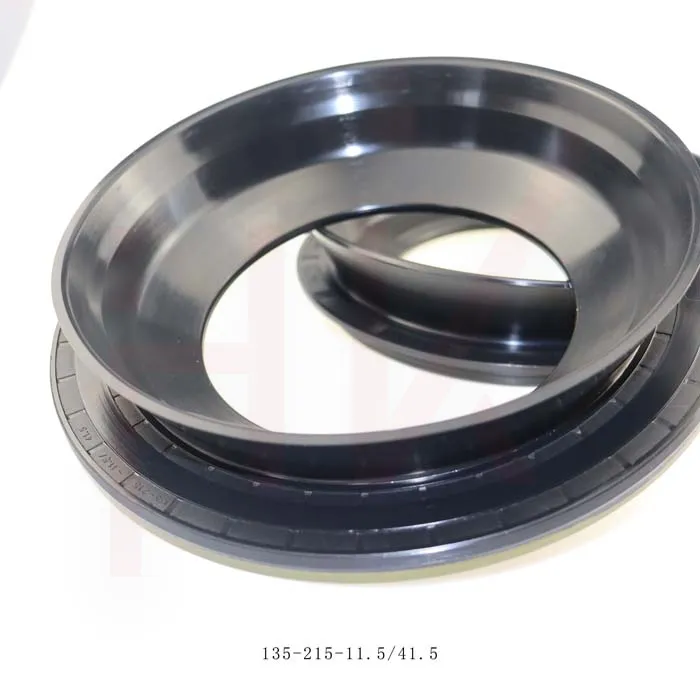
Brand new cement tanker oil seal 135*215*11.5/41.5 concrete mixer oil seal
-
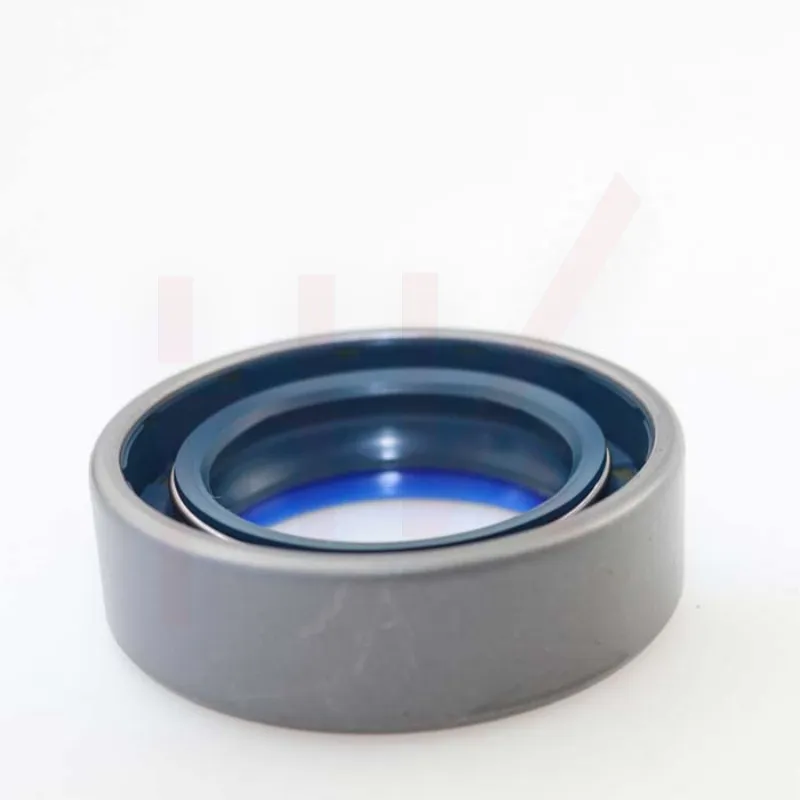
45*65*15 Combi oil seal JCB 90450009 COMBI SF1 SEAL
-

A4VG56 Seal Kit Hydraulic Piston Pump Repair Kit for Rexroth A4VG56 Pump Overhaul Service Kit Excavator Hydraulic Parts,40*67*7,R902002388/2593306F
-

12018740,2780603201,ZTAM-00716,148*170*14 Cassette Wheel Hub Oil Seal RWDR-Kombi NBR Oil Seal for Tractor Construction Machinery Axle Hub Seal