
Dec . 02, 2025 07:45 Back to list
Understanding Double Lip Seals: Industrial Applications and Benefits
Demystifying the Double Lip Seal: Why It Matters Today
If you’re working with rotating equipment—think pumps, motors, or compressors—then you've likely encountered or at least heard of the double lip seal. It’s a deceptively simple component, yet it plays a crucial role in preventing leaks and contamination in industries worldwide. Frankly, the more you understand about these seals, the better you can appreciate their impact on equipment longevity, safety, and overall operational efficiency.
Global industries depend on reliable sealing solutions. According to the International Organization for Standardization (ISO), mechanical seals' failure is often linked to inadequate sealing technologies, making seals like the double lip variety invaluable for keeping industrial systems airtight and fluid-tight. Given the worldwide push for higher efficiency and sustainability, mastering double lip seal applications can yield substantial cost savings and environmental benefits.
Introduction: Why the Double Lip Seal Has Global Significance
Worldwide, mechanical failures due to seal leakage cost industries millions annually in downtime and maintenance. For example, a study by the World Bank estimates that inefficient infrastructure maintenance in industrial sectors can cause productivity losses of up to 20%. This is where double lip seals enter the narrative.
The double lip seal addresses a foundational problem: how to effectively keep lubricants in and contaminants out, especially in harsh environments. From oil rigs in the North Sea to manufacturing plants in Southeast Asia, these seals provide a reliable barrier against environmental challenges such as dust, moisture, and aggressive chemicals. This relevance isn’t just economic; it’s also about worker safety and environmental protection.
Defining the Double Lip Seal — Simply Put
In the most straightforward terms, a double lip seal is a sealing device featuring two sealing lips designed to enhance both the retention of lubricants and the exclusion of dirt, water, and debris. Usually crafted from elastomeric materials fitted over metal or plastic cases, these seals create two barriers instead of one, hence the name "double lip."
This design is especially favored in mechanical shaft sealing where a single lip seal may not suffice—think automotive wheel hubs, agricultural equipment, or even some HVAC applications. Their dual-lip structure allows the seal to flex and accommodate minor shaft misalignments while maintaining tight contact against the shaft and housing.
Core Components & Key Factors of Double Lip Seals
1. Durability
The materials used—generally nitrile rubber, Viton, or silicone—are chosen for their chemical resistance and flexibility under temperature extremes, which is essential for seals exposed to oils, fuels, and varying weather conditions.
2. Versatility
Double lip seals work across a broad range of shaft sizes and rotational speeds, making them suitable for everything from small handheld tools to heavy industrial machinery.
3. Installation Ease
Unlike some sealing methods, these seals can often be installed without elaborate tools, which reduces downtime during routine maintenance or emergency repairs.
4. Cost Effectiveness
Compared to mechanical shaft seals or labyrinth seals, double lip seals balance cost with performance well, offering a budget-friendly option for many industrial uses.
| Parameter | Range / Value | Notes |
|---|---|---|
| Shaft Diameter | 5 mm – 150 mm (0.2” – 6”) | Common industrial sizes |
| Temperature Range | -40°C to 150°C (-40°F to 302°F) | Depends on elastomer material |
| Speed Limit | Up to 20 m/s | Variable with shaft size & lubricant |
| Pressure Resistance | Up to 0.5 bar | Generally not for high pressure sealing |
| Material Options | Nitrile, Viton, Silicone, Polyurethane | Selected by application environment |
Mini takeaway: Choosing the right double lip seal entails matching durability and material with operational demands — a balance between flexibility, toughness, and environmental resistance.
Global Applications & Real-World Use Cases
- Agricultural Machinery: In humid, dusty conditions, double lip seals keep soil and moisture away from bearings, preventing premature wear.
- Automotive Industry: Wheel hubs and transmissions often rely on double lip seals to protect against water ingress and grease leakage—which, if unchecked, causes roadside failures.
- Industrial Pumps and Compressors: Environments from chemical plants in Europe to remote mining operations in Australia benefit from the robust sealing provided by double lip designs.
- Renewable Energy: Wind turbines and solar trackers use these seals in their rotating shafts, where replacement is tough and failure is costly.
Oddly enough, in some humanitarian logistics contexts — such as mobile water pumps deployed in disaster relief — the reliability and simplicity of double lip seals ensure critical gear remains operational under challenging conditions.
Advantages & Long-Term Value of Double Lip Seals
One of the biggest advantages is confidence. Maintenance teams feel assured that their equipment is shielded from contaminants, reducing unplanned downtime. In turn, that extends equipment lifespan, which means fewer replacements and less waste—a subtle but important environmental benefit aligned with ISO 14001 standards.
There's also a human factor: when equipment fails less often, workers are safer, and communities served by reliable systems—say, clean water pumps—retain dignity and health. It’s a ripple effect. Technologically, double lip seals deliver cost-effective longevity while supporting sustainable operations.
Future Trends & Innovations in Double Lip Sealing
Materials science is evolving quickly. Silicon nitrides and other ceramics, combined with advanced elastomers, promise seals that tolerate even higher temperatures and corrosive conditions. Plus, coatings that reduce friction (and thus energy loss) are becoming more common.
Digital transformation comes into play, too. Smart sensors embedded near seals can now detect early leaks or degradation, enabling predictive maintenance instead of reactive fixes. In industries like offshore drilling or aerospace, this tech leap means huge safety and financial gains over time.
Challenges & Expert Solutions
No product is perfect. Double lip seals sometimes fail with excessive shaft wobble or contamination beyond design limits. Installation errors remain common as well. But many engineers recommend strict shaft tolerance controls and frequent visual inspections as preventive measures.
Newer designs integrate flexible garters or spring-energized lips to sustain sealing force longer, even as materials wear. Collaborating with trusted vendors and specifying full material compatibility can also mitigate many common pitfalls.
| Vendor | Material Options | Custom Sizes | Lead Time | Pricing |
|---|---|---|---|---|
| HKA ISeal | Nitrile, Viton, Silicone | Yes | 1–2 weeks | Competitive |
| SealTech Corp | Polyurethane, Silicone | Limited | 3–4 weeks | Mid-range |
| Global Seal Solutions | Viton, Specialty Elastomers | Yes | 2–3 weeks | Premium |
FAQ: Frequently Asked Questions About Double Lip Seals
- Q: How do double lip seals differ from single lip seals?
- A: The main difference is design: double lip seals have two lips that provide dual barriers—one lip retains lubricants, and the other prevents dirt and water ingress, enhancing protection compared to single lips.
- Q: Can double lip seals be used in high-speed applications?
- A: Generally, yes. They can withstand moderate speeds up to around 20 m/s, though higher speeds require specialized designs or different sealing solutions.
- Q: What materials are best for exposure to chemical environments?
- A: Viton or fluorocarbon elastomers are usually preferred for their resistance to oils, fuels, and some aggressive chemicals. Always verify compatibility with your specific fluids.
- Q: Are double lip seals easy to replace onsite?
- A: Yes, due to their simple design, they are typically easy to install or replace with minimal special tools, which helps reduce equipment downtime.
- Q: How do I ensure the longevity of a double lip seal?
- A: Correct installation, maintaining proper shaft alignment, regular inspections, and choosing the right materials for your environment are key to extending service life.
Conclusion: The Subtle Power of the Double Lip Seal
At the end of the day, double lip seals quietly keep our machines running and our industries thriving. They may not be glamorous, but their reliability creates a backbone for countless technologies and economies. For those seeking durable, cost-effective, and versatile sealing solutions, exploring options from trusted suppliers like HKA ISeal is a smart move. I suppose what’s really compelling is how a small component can have such a broad impact—from industrial growth to environmental stewardship.
If you want to dive deeper or ask about custom sealing solutions, visit our website: https://www.hkaiseal.com.
Mini takeaway: Never underestimate the double lip seal—it’s a small part with a big job, and with the right know-how, it can extend the life and safety of your equipment tremendously.
References:
-
Guide to Choosing the Right High Quality hydraulic ram kit
NewsApr.16,2026
-
Premium Hydraulic Cylinder Packing Kits for Peak Performance
NewsApr.09,2026
-
Comprehensive Guide to Hydraulic Cylinder Oil Seal Kits for Optimal Performance
NewsApr.07,2026
-
Comprehensive Guide to Choosing the Right Cylinder Seal Kits for Peak Performance
NewsApr.04,2026
-
Comprehensive Guide to Seal Kits for Cylinders Ensuring Optimal Performance
NewsMar.31,2026
-
Comprehensive Guide to Hyd Cylinder Seals for Optimal Hydraulic System Performance
NewsMar.28,2026
-
Comprehensive Guide to Hyd Cylinder Seal Kit Selection and Installation
NewsMar.26,2026
Products categories
-
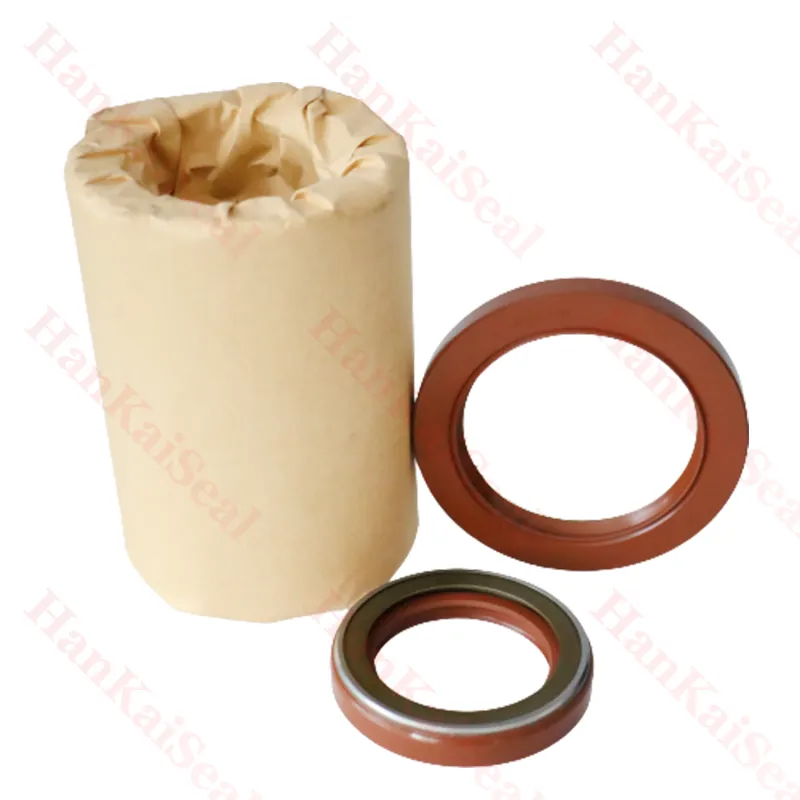
Standard oil seal BP0494 High pressure TCN oil seal
-
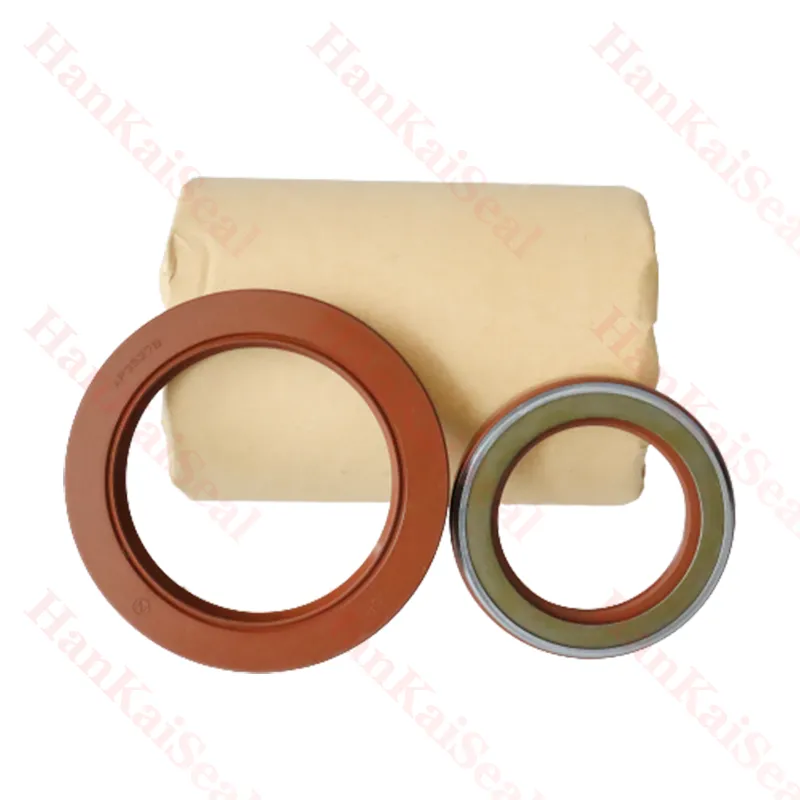
Hydraulic pump seal AP4624G high pressure TCN oil seal
-
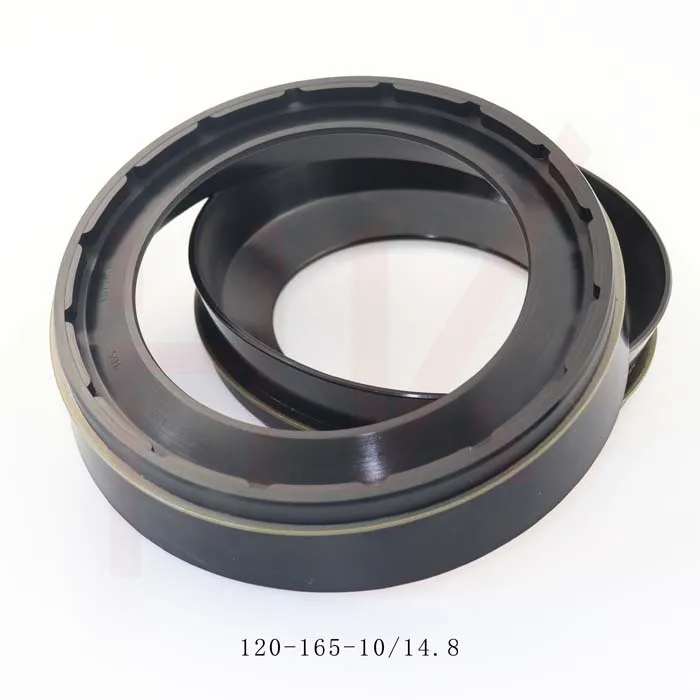
0734307418 0750112169 120*165*10/14.8 concrete mixer reducer oil seal
-
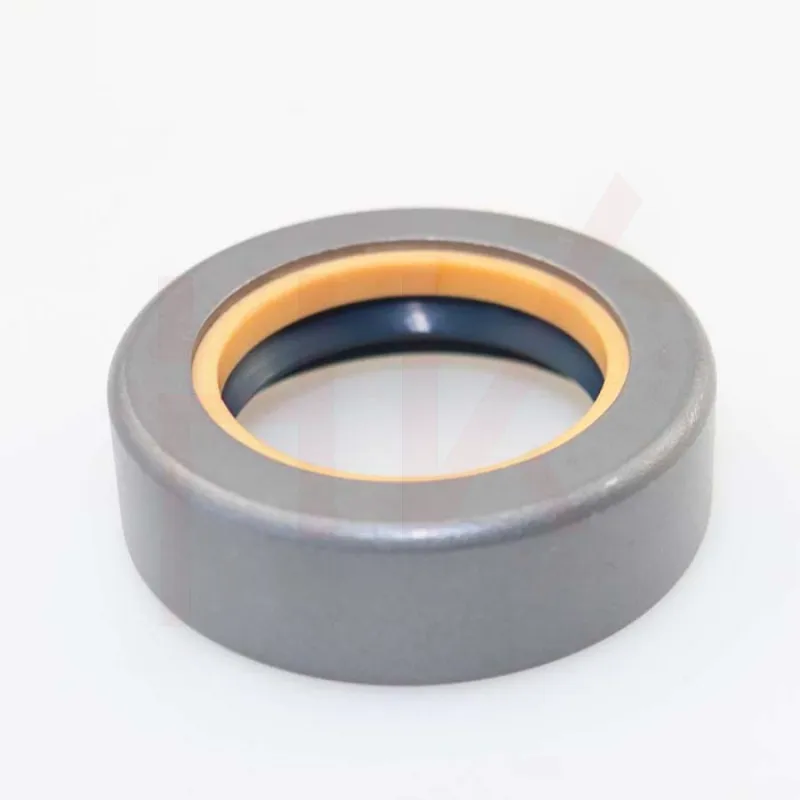
35*52*16 Standard Wheel Hub Oil Seal For Agricultural Machinery
-
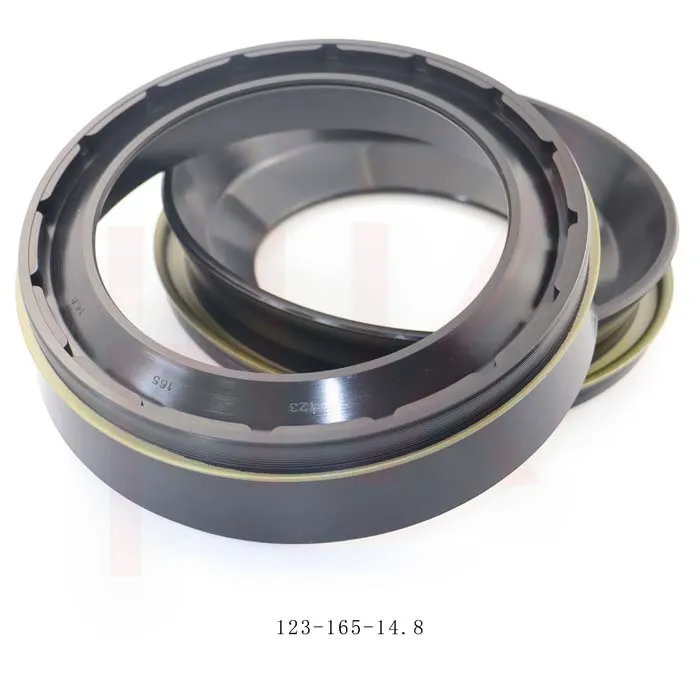
123*165*14.8 concrete mixer truck reducer oil seal
-
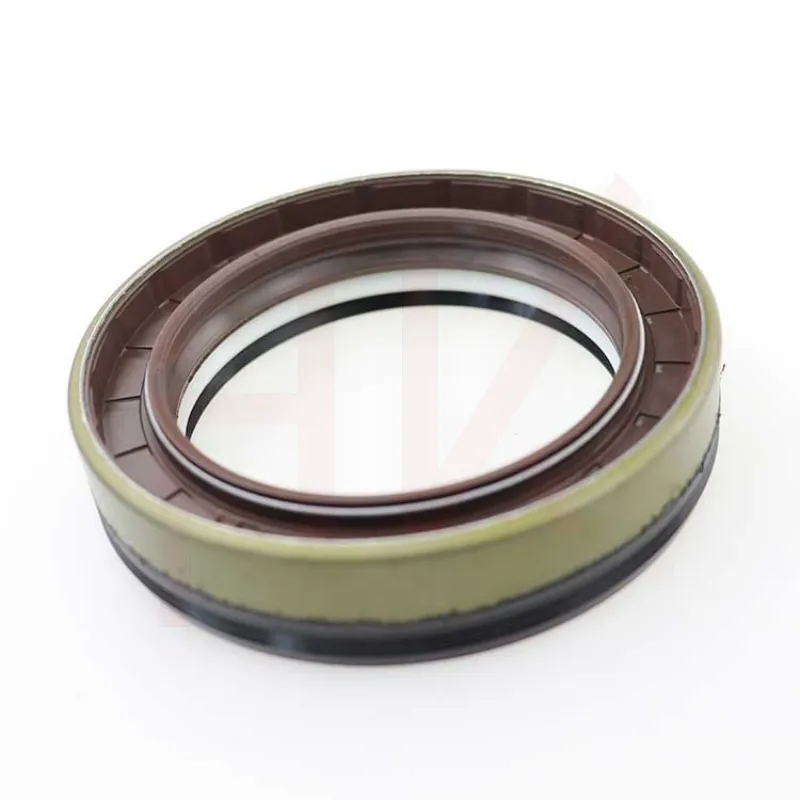
Tractor shaft oil seal 65-90-20 COMBI SF19 hub oil seal
-
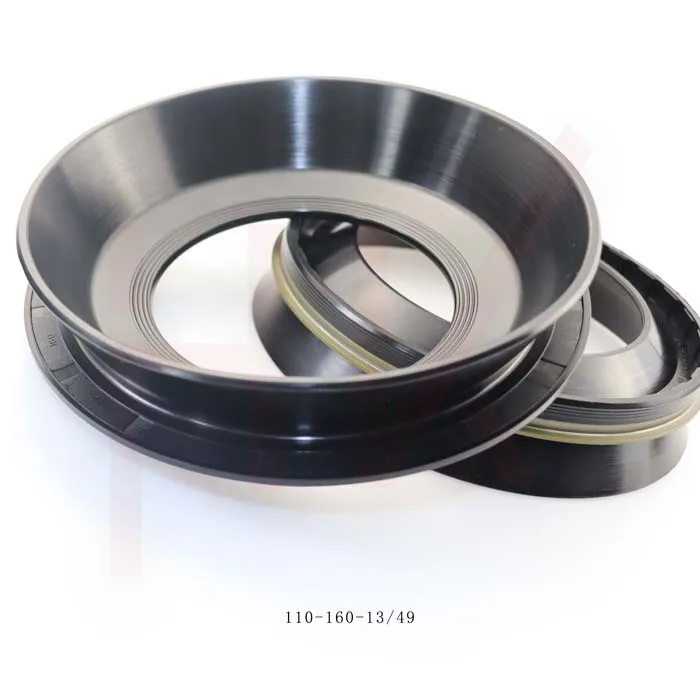
110*160*13/49 NBR reducerConcrete mixer truck oil seal
-
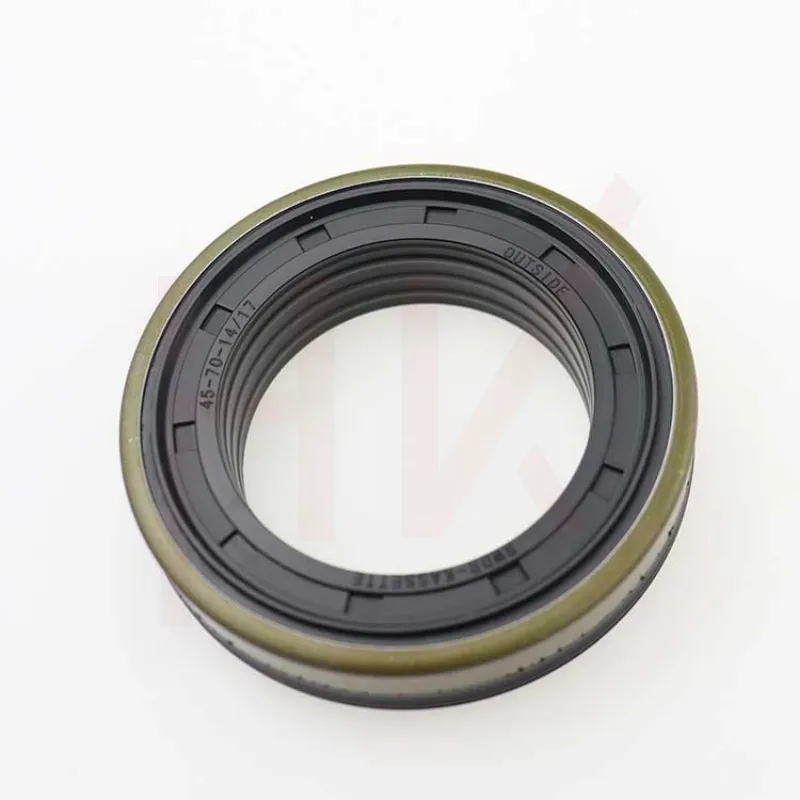
Hub oil seal 40*65*13/14.5 suitable for tractor Cat 12018035b
-
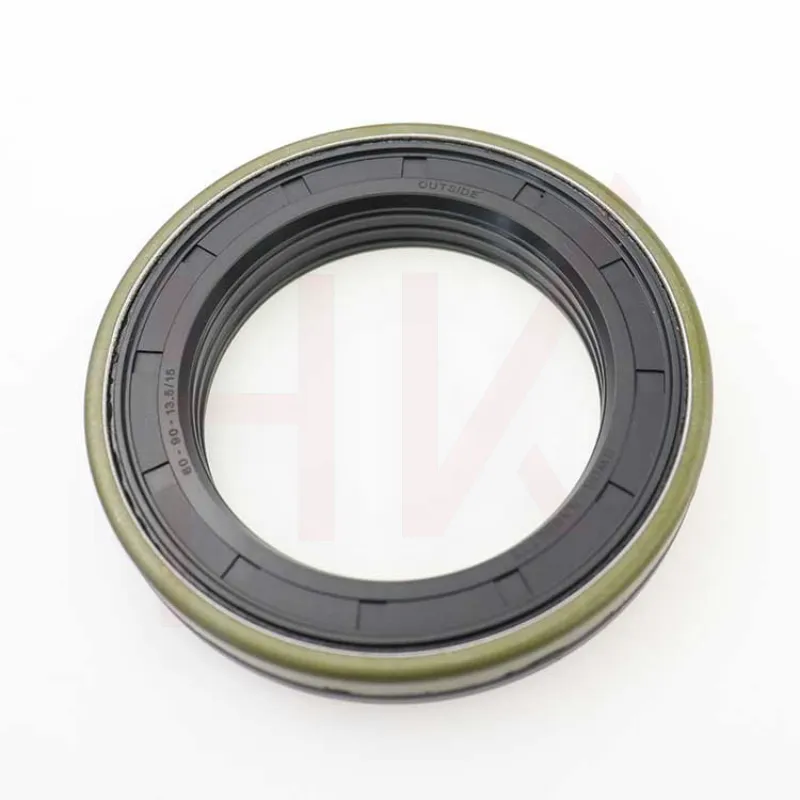
Tractor accessories cassette oil seal hub oil seal 60-90-13.5/15
-
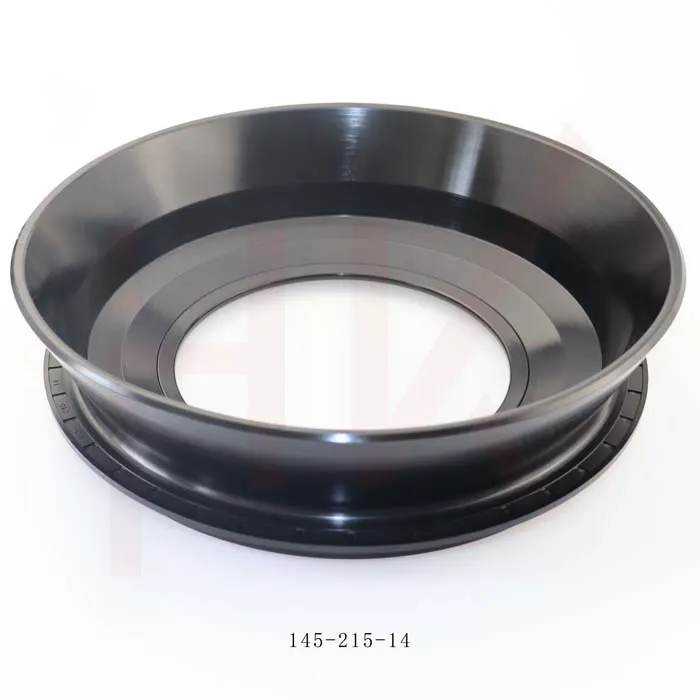
Factory concrete mixer truck oil seal 145*215*14 reducer gearbox oil seal
-
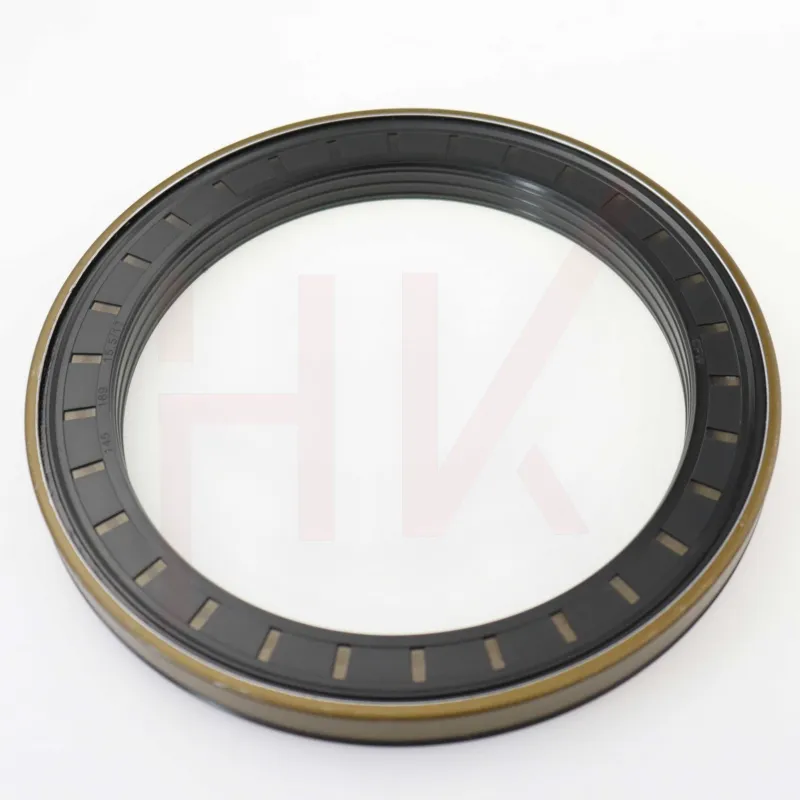
145*189*15.5/17 Cassette Seal NBR Hub Oil Seal 1508044
-
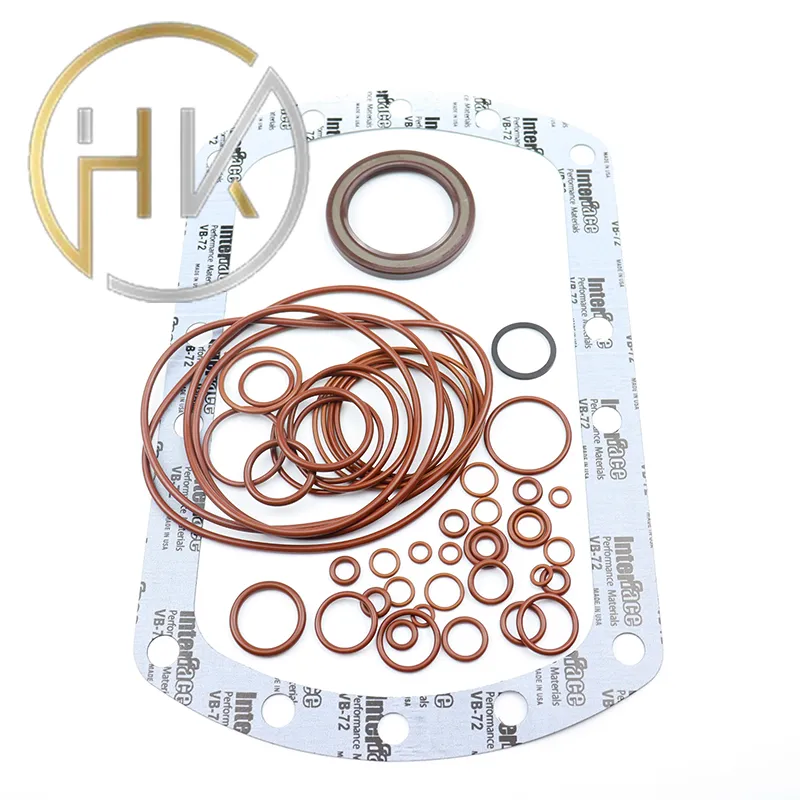
Factory direct sales hydraulic pump motor seal kit A8VO140
-
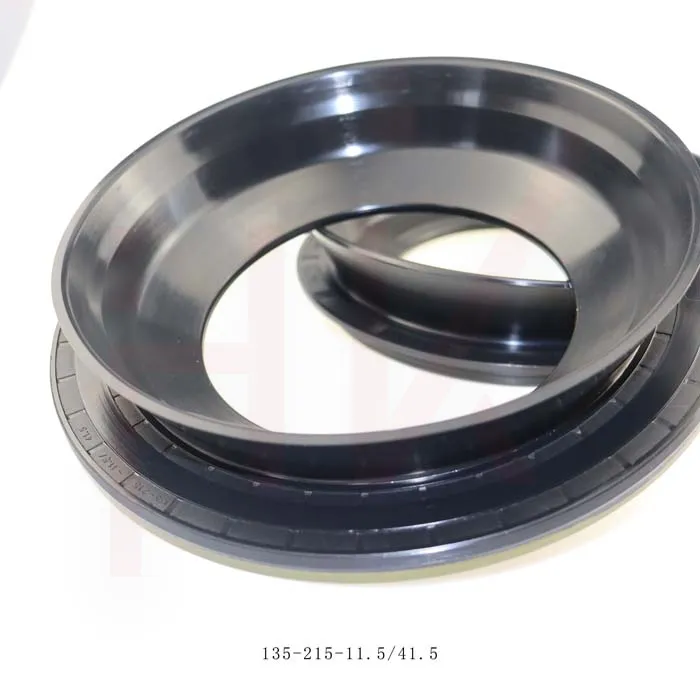
Brand new cement tanker oil seal 135*215*11.5/41.5 concrete mixer oil seal
-
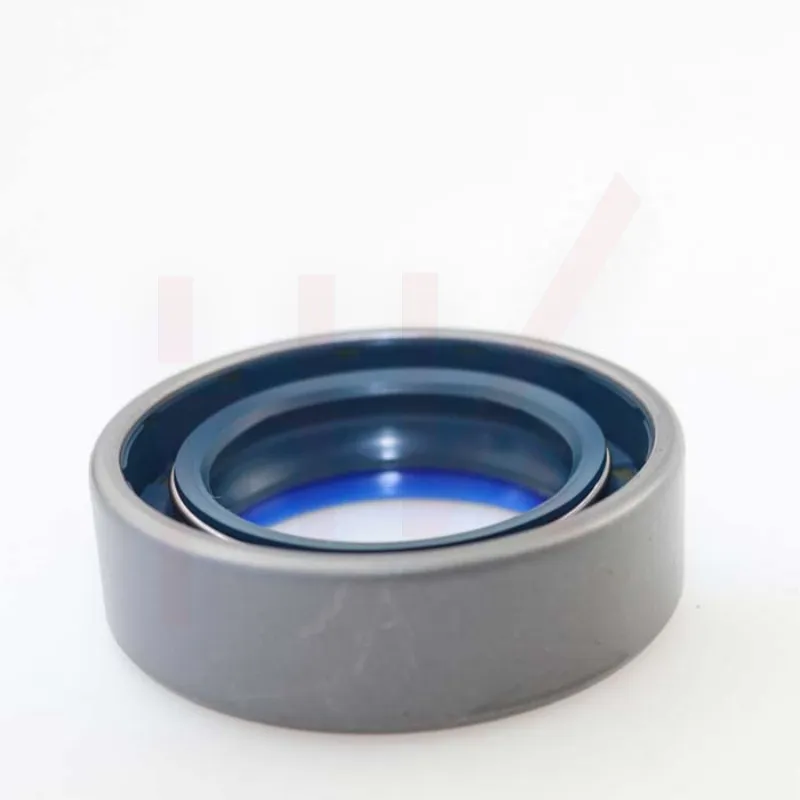
45*65*15 Combi oil seal JCB 90450009 COMBI SF1 SEAL
-
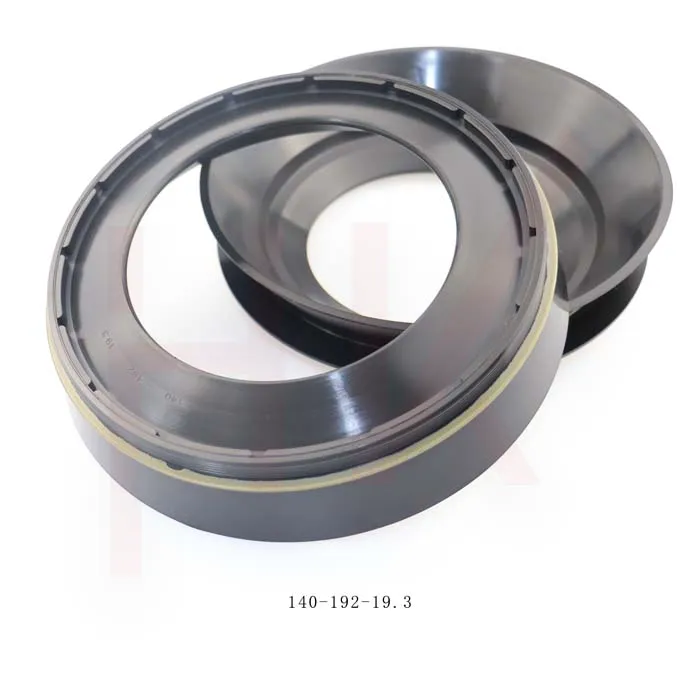
Gear box concrete mixer oil seal 140*192*19.3 nbr reducer oil seal
-
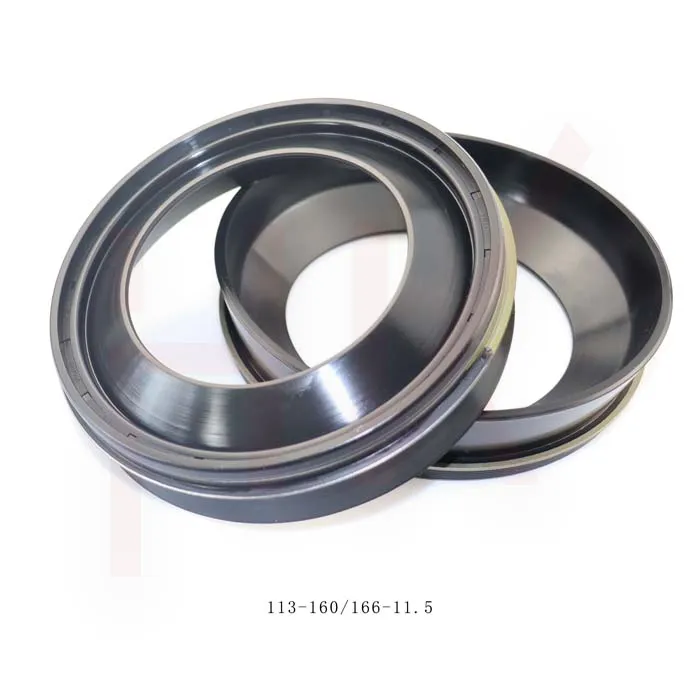
Seals factory direct sales 113*160/166*11.5/38 excavator truck reducer oil seal