
Dec . 02, 2025 17:29 Back to list
Seal Hydraulic Pump: The Unsung Hero of Global Industry and Innovation
Understanding the Seal Hydraulic Pump: Why It Matters Globally
If you’ve ever peeked under the hood of complex machinery or glanced at industrial blueprints, you might have stumbled upon the term seal hydraulic pump. It’s one of those quietly crucial components that, frankly, most people don’t realize keeps much of modern industry moving smoothly. At its core, a seal hydraulic pump is a specialized pump designed not only to move fluid but to do so without fluid leaks—thanks to an intricate sealing system.
Globally, the significance of these pumps is hard to overstate. From powering heavy-duty manufacturing machines to ensuring hydraulic systems in agriculture, construction, and even disaster relief equipment function flawlessly, their role is vital. As industries push for higher efficiency and sustainability, understanding these pumps helps businesses choose the right components, avoid costly downtime, and promote environmental responsibility.
Mini takeaway: Seal hydraulic pumps may sound technical, but their performance directly impacts everything from your smartphone’s factory to post-disaster water relief efforts.
Seal Hydraulic Pump in the Global Industrial Landscape
Let’s set the stage a bit: according to recent ISO standards and reports by the World Bank, hydraulic equipment manufacturing is a $40+ billion industry worldwide, growing steadily due to automation and energy efficiency demands. Hydraulic pumps, including those with seals designed to prevent leaks and contamination, are central here.
Yet despite their importance, many systems suffer from seal failures which lead to fluid leakage, increased downtime, and environmental hazards. The challenge is twofold — how to design seal hydraulic pumps that last longer and perform better, and how to deploy them at scale in diverse industries worldwide.
Take for example marine equipment operating near coastlines or large-scale agriculture irrigation systems — both require robust hydraulic pumps that won’t leak despite harsh conditions. The global pressure to reduce waste and pollution only intensifies the need for dependable seal hydraulic pump technology.
Mini takeaway: The seal hydraulic pump isn’t just a niche product. It’s a keystone for global industrial stability and sustainability.
What Exactly is a Seal Hydraulic Pump?
In simple terms, a seal hydraulic pump is a hydraulic pump system equipped with seals designed to prevent fluid from leaking out during operation. These pumps use seals made of rubber, polymers, or composites to maintain pressure and keep contaminants out.
Hydraulic pumps themselves convert mechanical energy into hydraulic energy — think pushing fluids to move pistons or rotate gears. The seal ensures that this energy remains confined inside the system, preventing loss of fluid and pressure. Without it, pumps wouldn’t just lose efficiency; they could pollute environments with hazardous fluids or cause machinery to break down.
Connection to humanitarian needs might not be obvious at first, but consider relief operations where hydraulic pumps operate water pumps or field-deployed machinery. Here, reliable sealing isn’t merely about cost — it preserves safety and dignity.
Key Characteristics of Modern Seal Hydraulic Pumps
Durability
Seals today must withstand temperature swings, chemical exposure, and mechanical wear. Advances in materials like fluorocarbon elastomers mean pumps can last years longer even in corrosive environments.
Leak Resistance
Reduced leakage translates to better operational efficiency and less fluid contamination. The quality of the sealing design, such as double-lip or spring-energized seals, plays a big role here.
Maintenance Simplicity
In many remote or industrial setups, maintenance can be a challenge. Pumps with easily replaceable seals or modular designs reduce downtime, and engineers appreciate this a lot.
Cost Efficiency
Better materials and engineering might raise upfront costs, but reduced leaks, longer service intervals, and fewer environmental fines make seal hydraulic pumps a smart investment overall.
Compatibility and Customizability
Each industry has its quirks, so pumps and seals that can be customized to interface with different fluids, pressures, or temperatures win favor in fields like oil & gas or marine applications.
Energy Efficiency
Effective seals help maintain hydraulic pressure with less energy loss, an important factor in pushing toward greener industry practices.
| Specification | Typical Value / Range | Notes |
|---|---|---|
| Operating Pressure | Up to 5000 psi (350 bar) | Varies by design |
| Seal Material | NBR, FKM, PTFE, EPDM | Depends on fluid compatibility |
| Temperature Range | -40°C to +150°C | Higher temps require specialty seals |
| Fluid Types | Hydraulic oil, water-glycol, synthetic fluids | Customizable |
Seal Hydraulic Pumps Around the World: Use Cases and Industries
From Asia’s sprawling construction megaprojects to Europe’s high-precision manufacturing hubs, seal hydraulic pumps are at work everywhere. Japan’s earthquake response equipment relies on proven seal designs to keep rescue tools operational under pressure. In parts of Africa, where access to maintenance is limited, rugged pumps enable agricultural irrigation that sustains communities.
Oddly enough, even luxury yachts sailing the Mediterranean depend on high-quality seal hydraulic pumps to operate stabilizers and steering systems flawlessly, illustrating the technology’s cross-sector versatility.
Mini takeaway: This isn’t just industrial hardware. These pumps quietly support livelihoods, safety, and innovation worldwide.
Advantages of Investing in Quality Seal Hydraulic Pumps
- Cost Savings: By preventing leakage, they reduce fluid loss and environmental cleanup costs.
- Long-Term Reliability: Better seals mean machines run longer without unexpected stops.
- Environmental Safety: Avoiding hazardous spillages aligns with global sustainability goals (see ISO 14001 standards).
- Innovation Catalyst: Enhanced pump performance supports advances in automation and green tech.
- Emotional Impact: For workers and managers, trusting your equipment means peace of mind.
Emerging Trends and Innovations Shaping the Future
Researchers and OEMs are pushing towards seal materials from biomimetic polymers and graphene-infused rubbers for even better endurance. Digital sensors are being integrated for real-time seal condition monitoring, transforming predictive maintenance. Coupled with Industry 4.0’s digital twin technologies, we are approaching a future where leaks might be predicted and averted before they occur.
Green energy pushes also mean pumps are being designed to operate efficiently with biodegradable fluids — a radical shift for the sector.
Common Challenges: What Holds Seal Hydraulic Pumps Back?
Despite advances, seal hydraulic pumps sometimes still fail prematurely due to installation errors, contamination, or unexpected chemical exposure. Experts often find that inadequate training and poor maintenance routines contribute heavily to these issues. Tackling this requires cross-sector collaboration: better user education, improved product standards, and smarter system design.
Some companies now offer modular sealing kits and augmented reality repair guides, blending human expertise with tech to solve these longstanding problems.
| Vendor | Seal Material Options | Lead Time | Warranty | Notable Features |
|---|---|---|---|---|
| HKaiseal | NBR, FKM, PTFE | 2-4 weeks | 2 years | Custom design support, eco-friendly options |
| PumpTech Supplies | EPDM, FKM | 3-5 weeks | 1.5 years | Standard parts, global shipping |
| SealoTech | NBR, PTFE | 1-3 weeks | 3 years | Advanced synthetic seals, AR repair guides |
FAQ: Common Questions About Seal Hydraulic Pumps
Q: How can I tell if a seal hydraulic pump is leaking?
A: Signs include unexpected drops in hydraulic fluid levels, visible oil around the pump housing, or decreased system pressure. Early detection is key — regular inspections or sensor monitoring can help catch leaks before serious damage occurs.
Q: What seal materials are best for high-temperature hydraulic systems?
A: For elevated temperatures (above 120°C), fluorocarbon rubbers (FKM) and PTFE-based seals are preferred due to their resistance to heat and chemical degradation.
Q: Can seal hydraulic pumps be customized for different fluids?
A: Absolutely. Manufacturers offer seals made from various materials tailored to hydraulic oils, synthetic fluids, water-glycol mixtures, or specialty fluids to ensure compatibility and longevity.
Q: What maintenance is required for seal hydraulic pumps in remote locations?
A: Minimizing downtime means choosing pumps with easily replaceable seals, keeping a stock of spare seals onsite, and following manufacturer guidelines for routine inspection and lubrication.
Q: How do I choose a reputable vendor for seal hydraulic pump parts?
A: Look for vendors offering customization options, clear warranty policies, and proven track records. Industry certifications and positive customer reviews are good indicators.
Final Thoughts: Why Seal Hydraulic Pumps Deserve Your Attention
Seal hydraulic pumps might not make headlines, but they form an invisible backbone in countless industries — maintaining safety, efficiency, and environmental responsibility. Investing in quality sealing technology is really investing in longevity and trust. Whether you’re managing a heavy manufacturing plant or supporting humanitarian projects, the right seal hydraulic pump can make all the difference.
Curious to explore more? Visit seal hydraulic pump experts who blend innovation and reliability to meet tomorrow’s industry challenges.
References:
1. ISO 4406: Hydraulic fluid power — Hydraulic fluids — Contamination
2. World Bank Industry Reports, 2023
3. Wikipedia contributors. Hydraulic pump. Wikipedia, The Free Encyclopedia.
-
Premium Hydraulic Cylinder Packing Kits for Peak Performance
NewsApr.09,2026
-
Comprehensive Guide to Hydraulic Cylinder Oil Seal Kits for Optimal Performance
NewsApr.07,2026
-
Comprehensive Guide to Choosing the Right Cylinder Seal Kits for Peak Performance
NewsApr.04,2026
-
Comprehensive Guide to Seal Kits for Cylinders Ensuring Optimal Performance
NewsMar.31,2026
-
Comprehensive Guide to Hyd Cylinder Seals for Optimal Hydraulic System Performance
NewsMar.28,2026
-
Comprehensive Guide to Hyd Cylinder Seal Kit Selection and Installation
NewsMar.26,2026
-
Comprehensive Guide to Hydraulic Cylinder Seal Kits for Optimal Performance
NewsMar.24,2026
Products categories
-
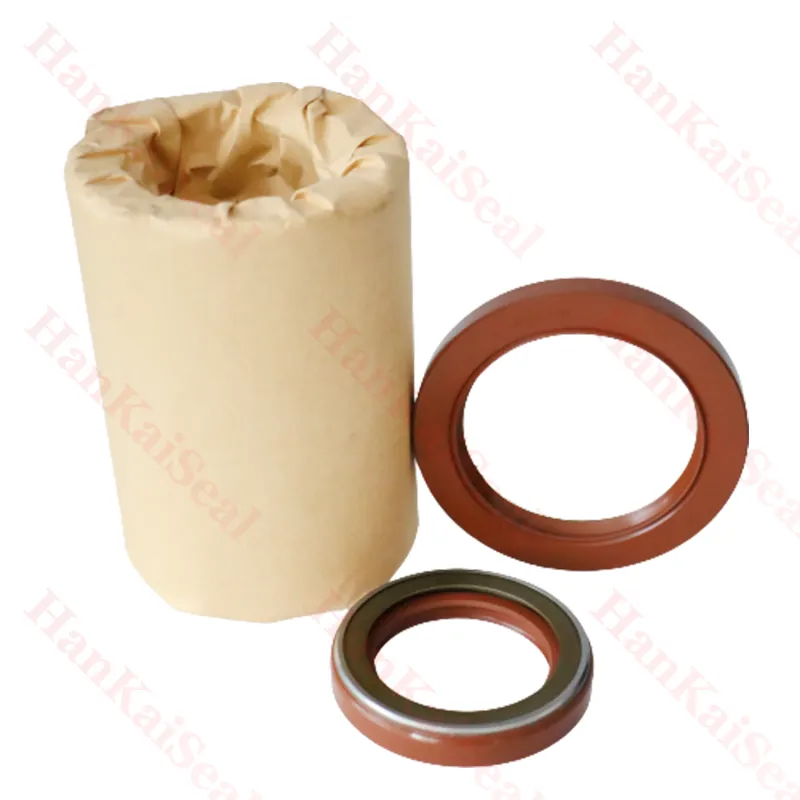
Standard oil seal BP0494 High pressure TCN oil seal
-
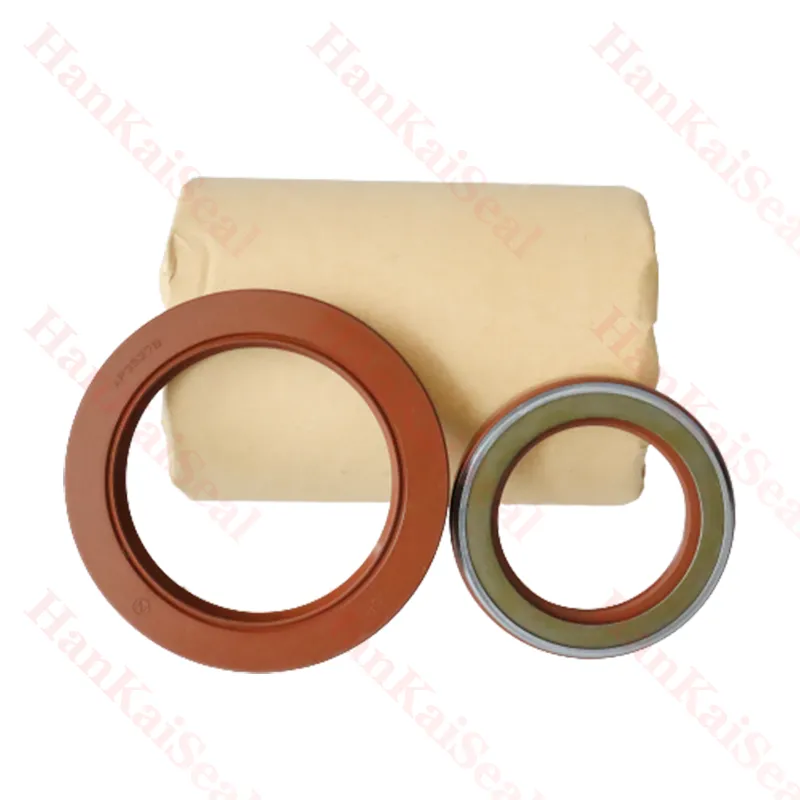
Hydraulic pump seal AP4624G high pressure TCN oil seal
-
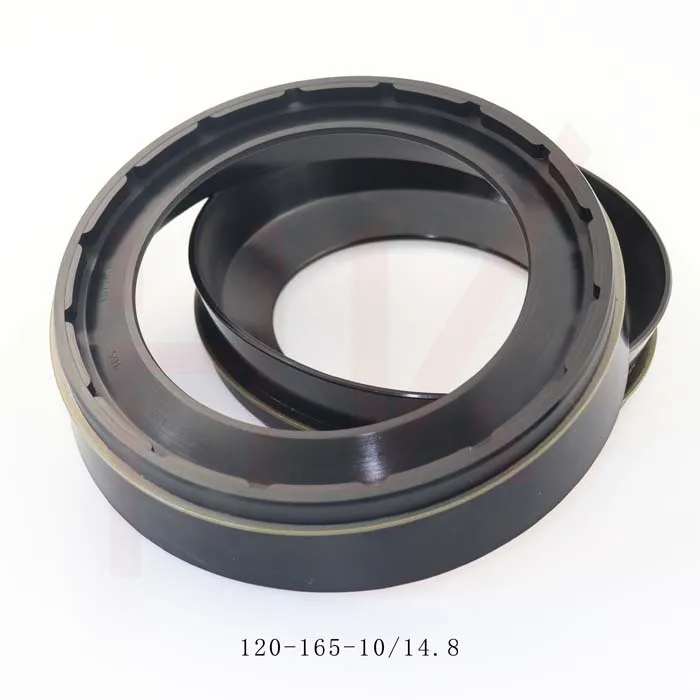
0734307418 0750112169 120*165*10/14.8 concrete mixer reducer oil seal
-
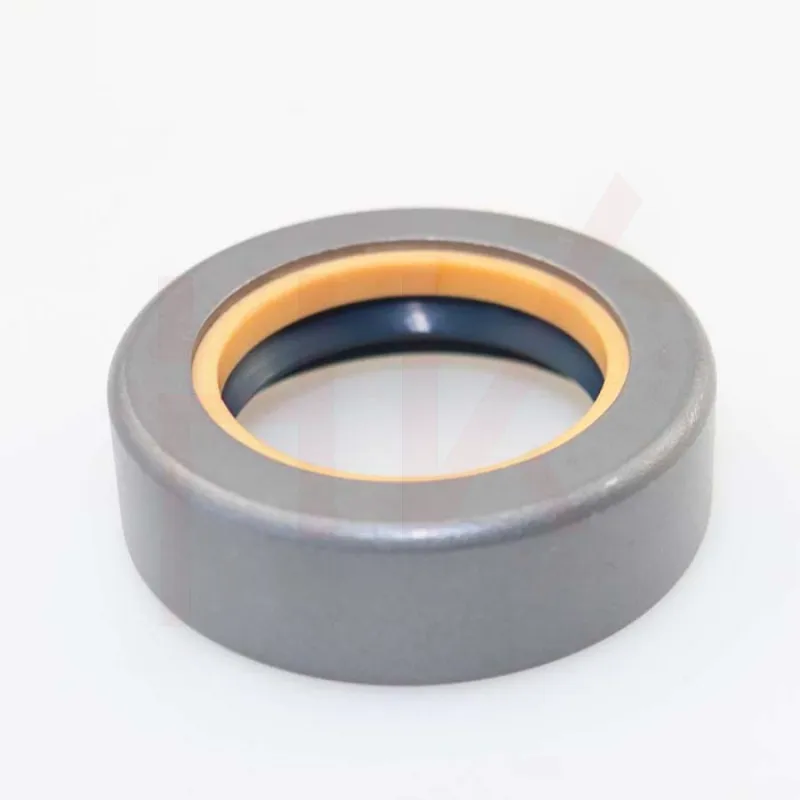
35*52*16 Standard Wheel Hub Oil Seal For Agricultural Machinery
-
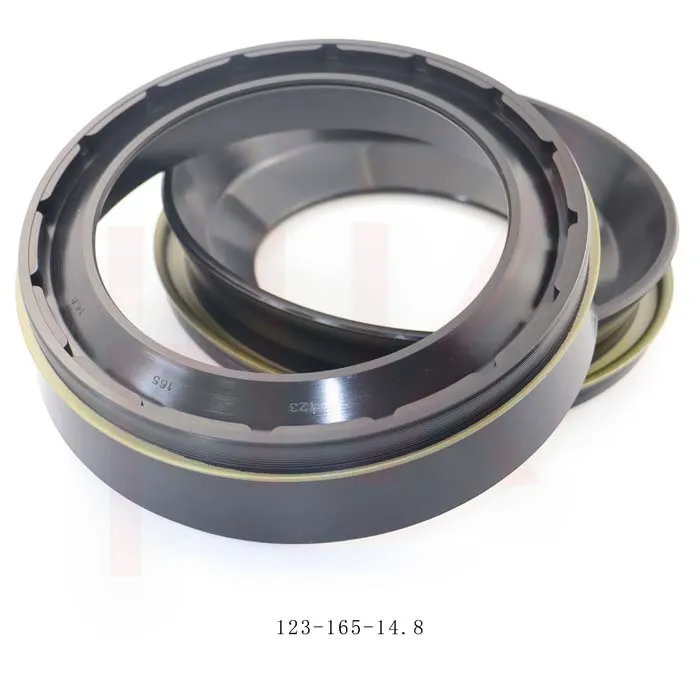
123*165*14.8 concrete mixer truck reducer oil seal
-
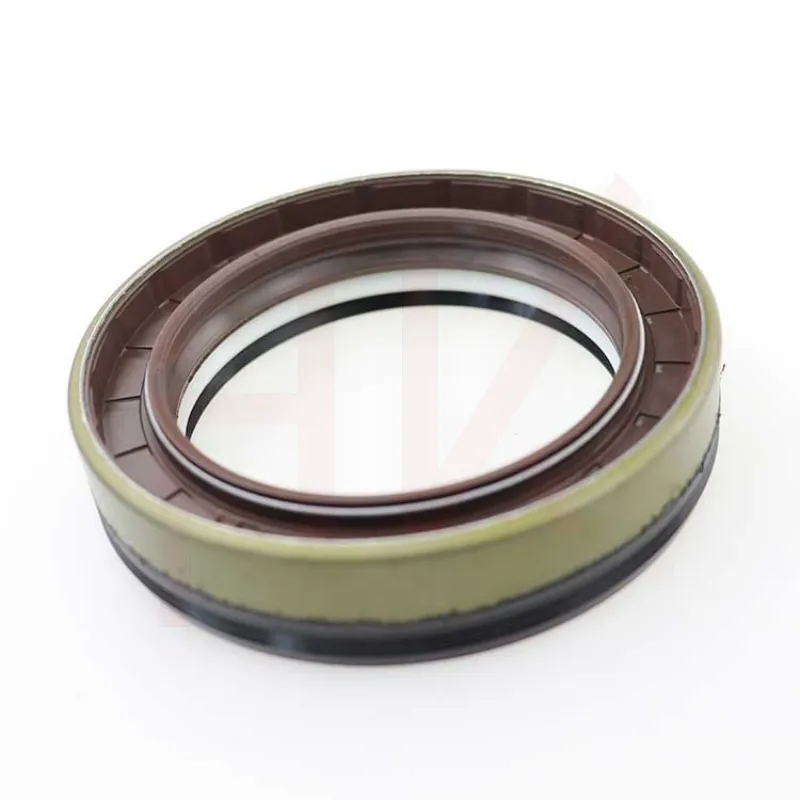
Tractor shaft oil seal 65-90-20 COMBI SF19 hub oil seal
-
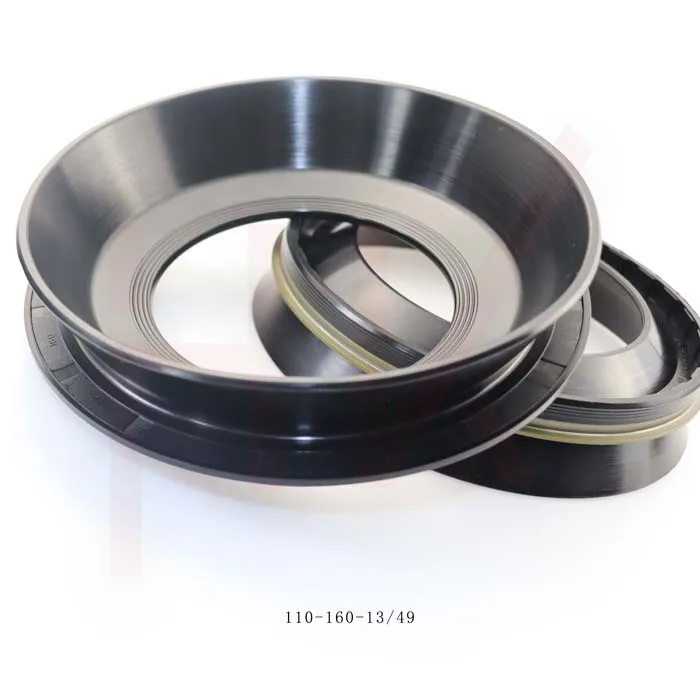
110*160*13/49 NBR reducerConcrete mixer truck oil seal
-
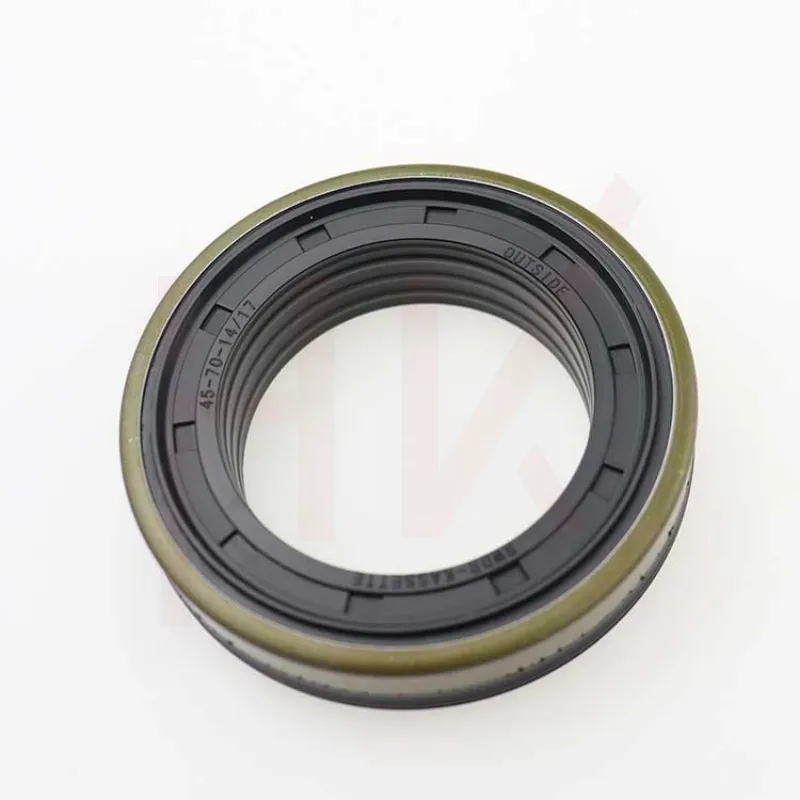
Hub oil seal 40*65*13/14.5 suitable for tractor Cat 12018035b
-
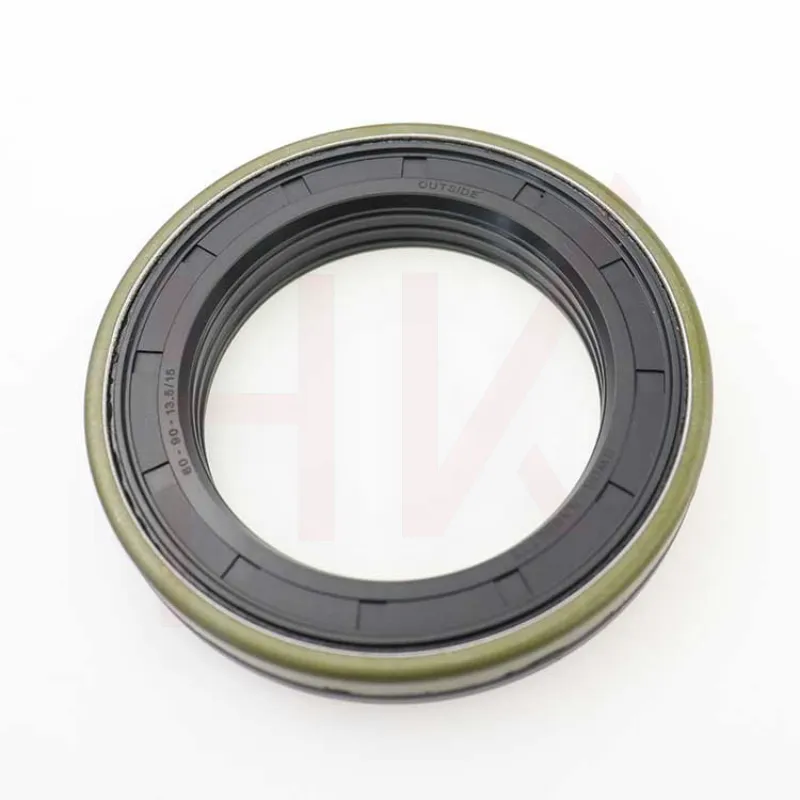
Tractor accessories cassette oil seal hub oil seal 60-90-13.5/15
-
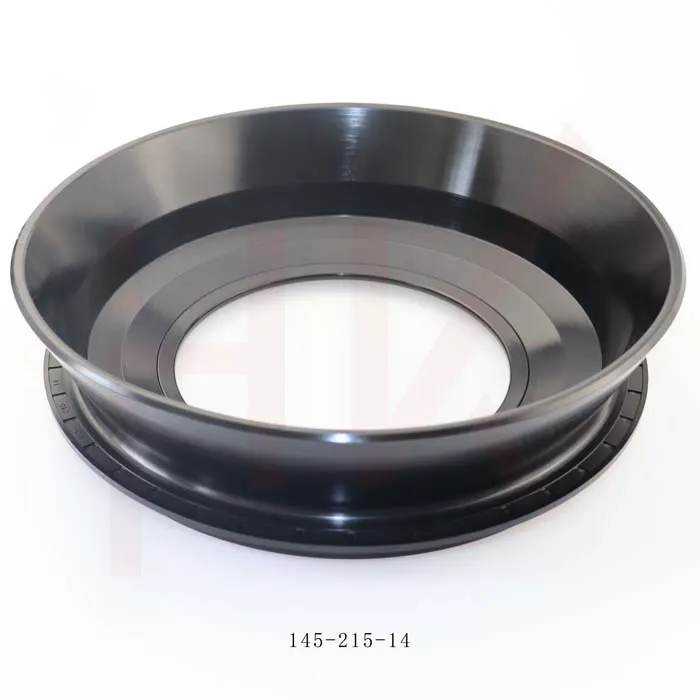
Factory concrete mixer truck oil seal 145*215*14 reducer gearbox oil seal
-
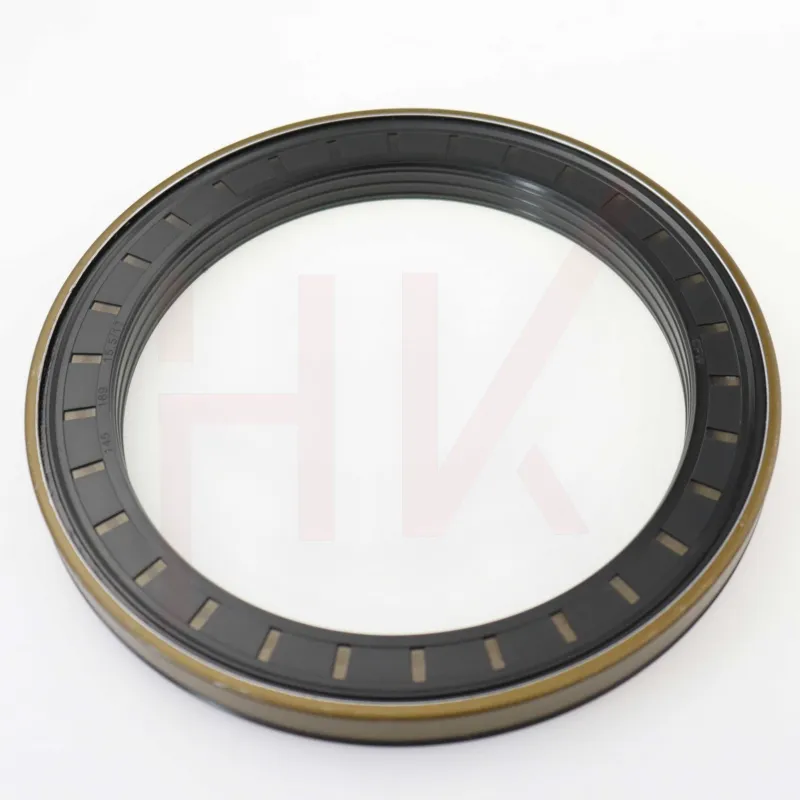
145*189*15.5/17 Cassette Seal NBR Hub Oil Seal 1508044
-
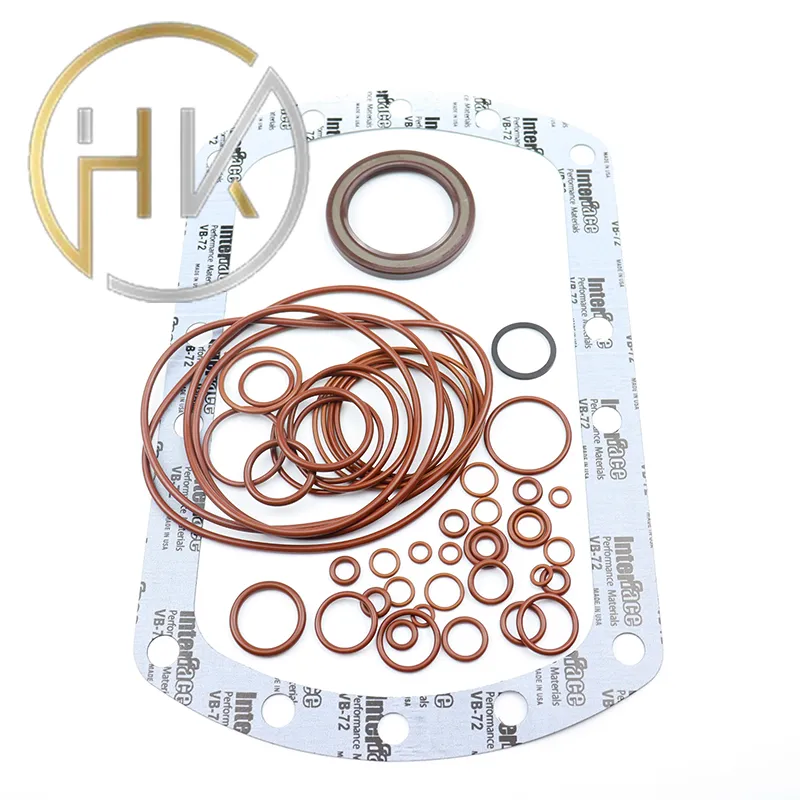
Factory direct sales hydraulic pump motor seal kit A8VO140
-
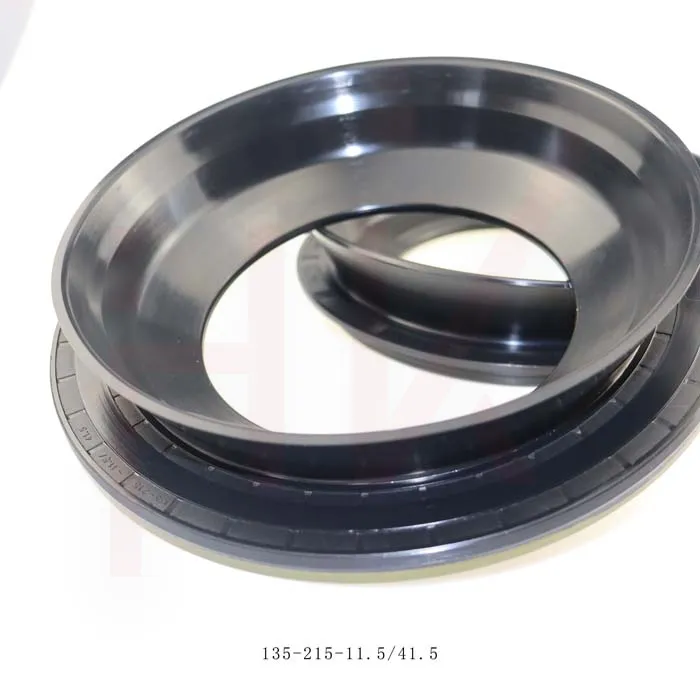
Brand new cement tanker oil seal 135*215*11.5/41.5 concrete mixer oil seal
-
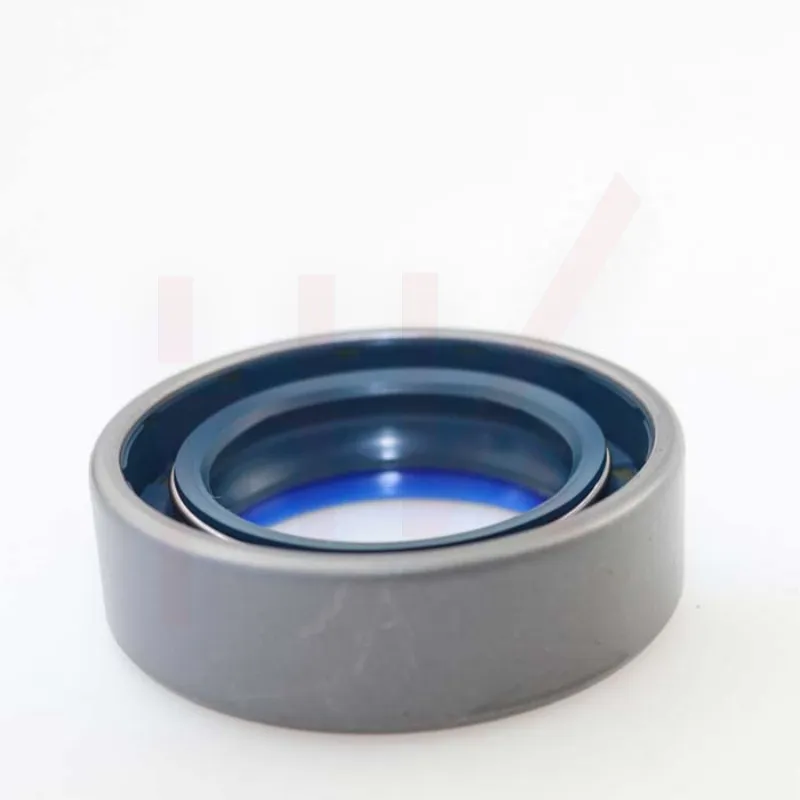
45*65*15 Combi oil seal JCB 90450009 COMBI SF1 SEAL
-
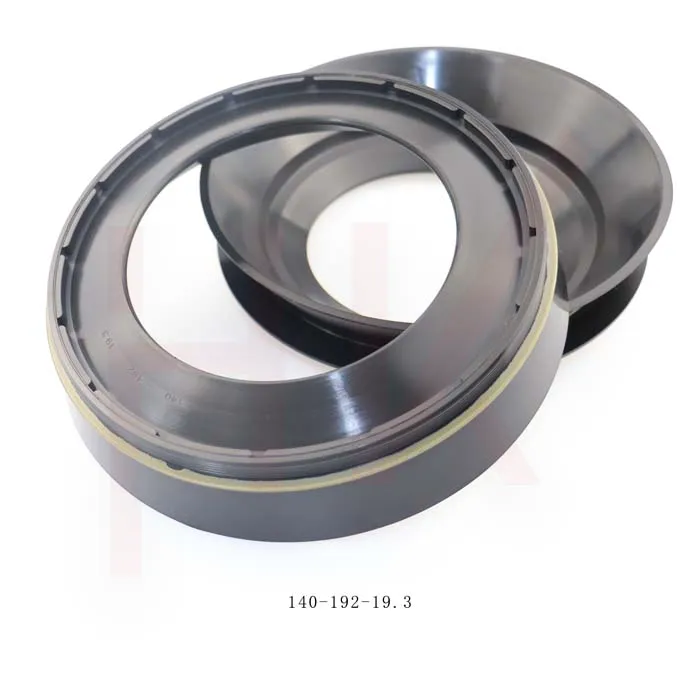
Gear box concrete mixer oil seal 140*192*19.3 nbr reducer oil seal
-
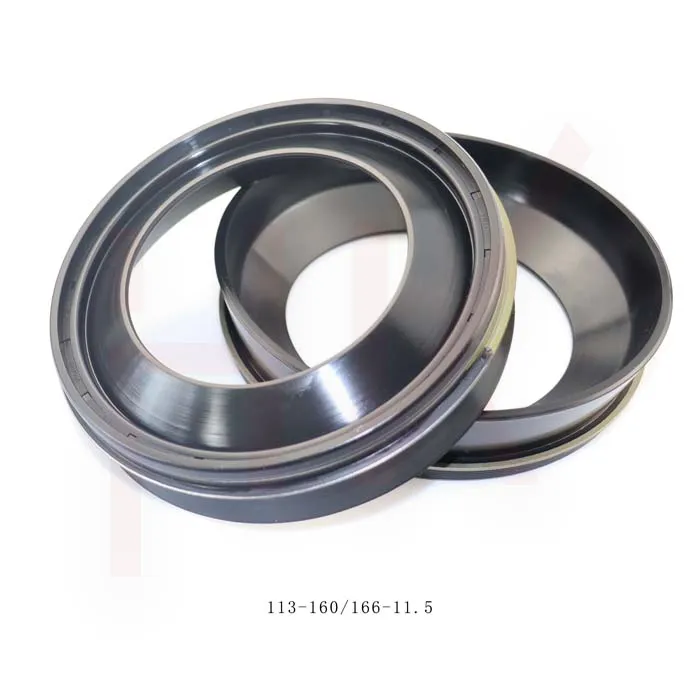
Seals factory direct sales 113*160/166*11.5/38 excavator truck reducer oil seal