
Dec . 01, 2025 18:35 Back to list
Reliable 16286 Oil Seal Kit – Durable Sealing Solutions for Industry | HKA ISeal
What is the 16286 Oil Seal Kit and Why Should We Care?
If you’re new to the world of industrial maintenance or just curious about the behind-the-scenes heroes of machinery, the 16286 oil seal kit might sound pretty technical — and it is. But it also plays a quietly essential role in industries worldwide: it helps keep machines running smoothly by preventing oil leaks, contamination, and in many cases, expensive downtime. Given the global scale of manufacturing, heavy equipment use, and transport operations, seals like these keep the cogs turning—in the literal sense. Understanding what the 16286 oil seal kit offers isn’t just for engineers; it’s a small glimpse into how reliability and sustainability get baked into the industrial ecosystem.Global Context: The Unsung Role of Oil Seals in Industry
Globally, industries lose millions annually because of improper sealing solutions. The ISO standards point out that around 10-15% of mechanical failures stem from seal leaks, which is huge when you consider how many machines and engines there are worldwide. A 2019 World Bank report suggested that effective maintenance strategies, including seal replacements, can improve machinery lifespans by up to 30%, enabling industries from automotive to agriculture to operate more efficiently—especially where raw materials or spare parts are scarce. Now, the 16286 oil seal kit enters here as a trusted, reliable component that many manufacturers and repair shops rely on. Oddly enough, despite being small, they solve big problems. Oil seal kits like the 16286 consolidate multiple sealing products—like O-rings, gaskets, and lip seals—into one package, making repairs faster, cheaper, and less prone to human error in part selection.Takeaway: The 16286 oil seal kit is more than a spare part; it’s a solution for global machinery reliability, playing a behind-the-scenes role in sustaining industries worldwide.
Decoding the 16286 Oil Seal Kit: What Exactly Is It?
At its core, the 16286 oil seal kit is precisely that—a kit. It contains a curated assortment of oil seals designed to fit specific machinery or equipment types. Think of it as a carefully bundled toolbox that technicians use to repair or maintain shafts, bearings, pumps, and engines. Its components include sealing elements that prevent lubricant leaks and exclude dirt or moisture. These kits tie directly into the modern industrial landscape where uptime, safety, and operational cost matter deeply. Without reliable seals, lubricants leak, parts wear prematurely, and machines falter. The 16286 kit’s contents vary by manufacturer but focus on tight, durable sealing solutions that meet ISO and SAE standards for pressure, temperature, and chemical resistance. It’s not just mechanical integrity; it’s about safeguarding efficiency and preventing costly hazards.Mini Summary: A 16286 oil seal kit bundles essential sealing components for machines, enhancing performance and maintenance simplicity.
Core Features of the 16286 Oil Seal Kit
1. Durability
The seals inside the kit are usually made from advanced polymers like Nitrile Butadiene Rubber (NBR) or Fluoroelastomers (FKM). These materials stand up to heat, pressure, and various chemical exposures, which means less frequent replacements and better sealing under tough conditions.2. Versatility and Compatibility
Because it’s a kit, it’s meant to cover a range of seal sizes and types suitable for specific machine models—say, hydraulic pumps or gearboxes. This versatility means maintenance teams can keep a single kit on hand rather than multiple individual parts.3. Cost Efficiency
Buying seals as a kit usually means a better bulk price, plus reduced downtime since technicians have the right parts at the ready. This reduces fragmentation in inventory and makes the repair workflow smoother.4. Ease of Use
Packaging the right seals together helps avoid mistakes. Engineers and technicians appreciate having clear part numbers and specs, which lowers human error during repairs.5. Environmental Resistance
Seals resist water, dust, and other contaminants, crucial in industries like mining or construction where exposure is constant and rugged conditions are the norm.Practical Note:
Durability and cost-saving advantages make the 16286 oil seal kit a favorite in sectors where rapid, reliable repair is paramount—not to mention longevity in harsh environments.Where in the World Do These Kits Matter Most?
The global industrial landscape screams need for products like this. From the agricultural fields of Brazil to offshore oil rigs in the North Sea, the usage of well-maintained, effectively sealed machinery saves billions and reduces environmental risks. - In automotive manufacturing plants, the 16286 kit helps maintain production line robots and conveyors. - Construction sites in Southeast Asia depend on these seals for the hydraulic systems of heavy machinery. - Mining operations in South Africa use them to prevent harsh dust and water from damaging critical components. - Remote power generation stations, often in harsh climates, rely heavily on seals in turbines and engines to maintain reliable energy output. Oddly enough, nonprofits in disaster relief sometimes keep kits like these on hand, repairing water pumps or generators quickly to restore essential services.Quick Summary: The 16286 oil seal kit spans industries and continents, protecting equipment from damage and stopping leaks in vital machinery worldwide.
Why Choose the 16286 Oil Seal Kit? The Advantages Explained
You can look at it from a purely technical angle, or you can appreciate the human side: fewer machine failures means less downtime, safer working environments, and smoother operations. Economically, fewer leaks mean less wasted lubricant and reduced environmental contamination risks—big wins all around. - Reliability: Seals that hold up under pressure build trust in equipment functionality. - Cost-Efficiency: Reduced repair frequency and downtime equate to major savings. - Sustainability: Less leakage minimizes ecological hazards. - Safety: Preventing hazardous leaks protects workers and surroundings. It feels like a small part, but the ripple effects are substantial—keeping crucial infrastructure moving and preserving dignity in industries that rely on heavy machinery.What’s Next? Emerging Trends in Oil Sealing Technology
Materials science isn’t standing still: manufacturers are now exploring bio-based elastomers and smart seals embedded with sensors to monitor wear in real time. Digital transformation also influences diagnostics—predictive maintenance systems flagged by sensor feedback reduce surprises. Environmentally, increased pressure for sustainable components drives innovation toward recyclable seals and reduced waste in manufacturing kits. Automation in assembly lines pushes for seals that can be installed faster or with robotic assistance. Just yesterday, I was speaking to an engineer who mentioned new seal compounds able to withstand extreme temperatures far better than traditional NBR-based seals—a game changer for certain energy sectors.Challenges in Using Oil Seal Kits and How To Overcome Them
- Compatibility issues: One-size fits all rarely works perfectly; choosing the wrong kit can slow down repairs. - Quality variations: Low-cost kits can fail prematurely. - Installation mistakes: Even the best seals fail if installed without proper tools. Solutions? Opt for reputable vendors, maintain clear machine documentation, and invest in training technicians. A good seal kit isn’t a “plug and play” in the strictest sense—it demands care and understanding.16286 Oil Seal Kit: Product Specification Table
| Feature | Specification | Details |
|---|---|---|
| Seal Material | NBR / FKM | Temperature range -30°C to 150°C; chemical resistant |
| Seal Types Included | Lip seals, O-rings, gaskets | Custom kits tailored for specific machinery models |
| Operating Pressure | Up to 10 bar | Suitable for hydraulic & pneumatic applications |
| Package Quantity | Varies | From 10 to 100+ seals per kit |
| Compliance | ISO 6194, SAE J1171 | Industrial standard certifications |
How Do Vendors Compare? 16286 Oil Seal Kit Vendor Comparison
| Vendor | Price Range | Material Quality | Kit Variety | Customer Support |
|---|---|---|---|---|
| HKA ISeal | $$ | High | Extensive | 24/7 Technical Support |
| SealPro Inc. | $$$ | Premium | Moderate | Dedicated Account Management |
| QuickSeal | $ | Standard | Basic | Email Support Only |
Frequently Asked Questions About the 16286 Oil Seal Kit
-
Q: How do I know if the 16286 oil seal kit fits my equipment?
A: Each kit is designed for specific machinery models. Check your equipment’s service manual or contact your vendor with your model number. Most vendors provide compatibility charts—always double-check before purchase. -
Q: What’s the average lifespan of seals from the 16286 kit?
A: Lifespan depends on operating conditions, but typically these seals last 2–5 years under normal industrial use. Extreme temperatures, harsh chemicals, or improper installation can shorten this. -
Q: Can I install the seal kit myself, or do I need a professional?
A: While some seals are straightforward to replace with basic tools, it’s best to have trained technicians handle installation to avoid damage and ensure a perfect fit—especially for critical machinery. -
Q: Are 16286 oil seal kits environmentally friendly?
A: Materials are mostly synthetic rubber, which isn’t biodegradable—but newer kits and vendors are beginning to offer eco-conscious options with recyclability and reduced waste packaging. -
Q: Where can I find replacement kits quickly?
A: Many suppliers hold inventory for common kits. Ordering from trusted vendors with good logistics, like 16286 oil seal kit providers, ensures faster delivery.
In Conclusion — Why the 16286 Oil Seal Kit Matters in the Long Run
Oil seals, especially comprehensive kits like the 16286, might not get the spotlight but they quietly support countless industries, from agriculture to heavy manufacturing. They reduce downtime, save money, and help the planet by preventing leaks and contamination. In a world where efficiency and sustainability are king, having reliable sealing solutions at your disposal just makes sense. If you’re looking for reliability and quality in your next maintenance cycle, consider a professional-grade 16286 oil seal kit—because sometimes, the smallest part turns out to be the biggest difference.References:
-
Guide to Choosing the Right High Quality hydraulic ram kit
NewsApr.16,2026
-
Premium Hydraulic Cylinder Packing Kits for Peak Performance
NewsApr.09,2026
-
Comprehensive Guide to Hydraulic Cylinder Oil Seal Kits for Optimal Performance
NewsApr.07,2026
-
Comprehensive Guide to Choosing the Right Cylinder Seal Kits for Peak Performance
NewsApr.04,2026
-
Comprehensive Guide to Seal Kits for Cylinders Ensuring Optimal Performance
NewsMar.31,2026
-
Comprehensive Guide to Hyd Cylinder Seals for Optimal Hydraulic System Performance
NewsMar.28,2026
-
Comprehensive Guide to Hyd Cylinder Seal Kit Selection and Installation
NewsMar.26,2026
Products categories
-
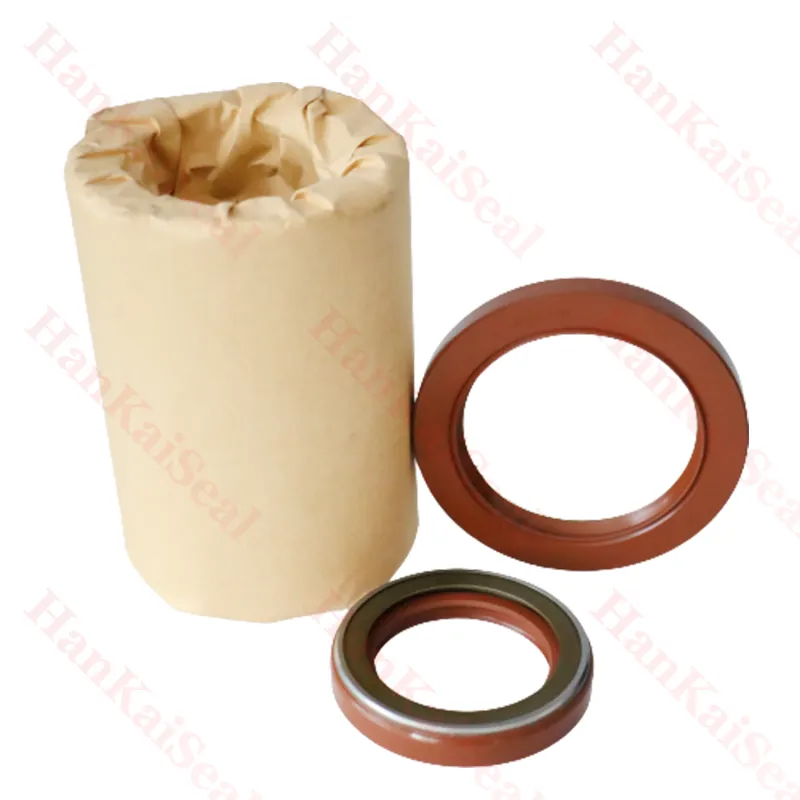
Standard oil seal BP0494 High pressure TCN oil seal
-
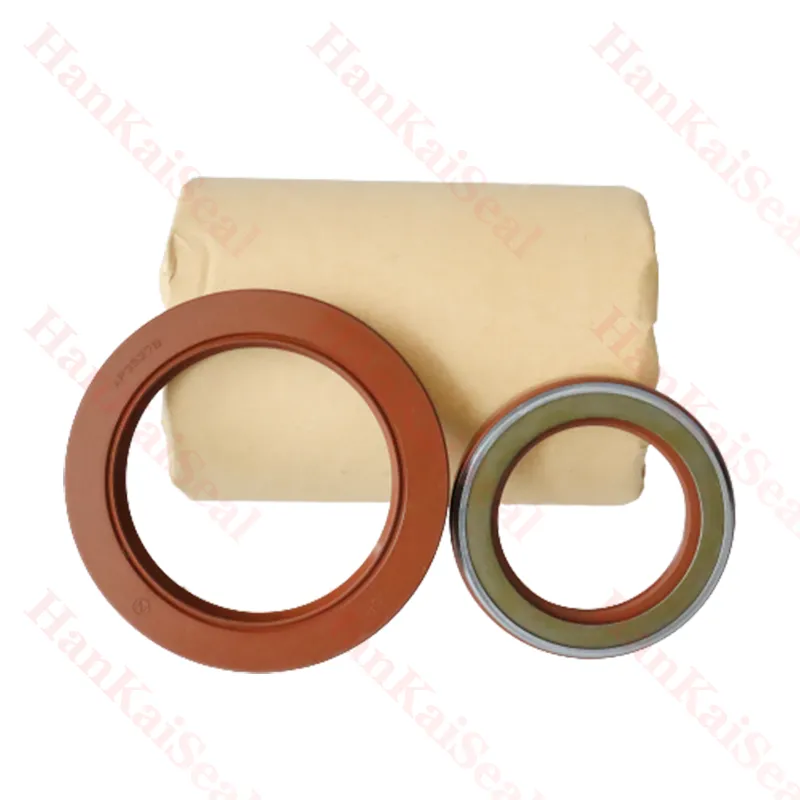
Hydraulic pump seal AP4624G high pressure TCN oil seal
-
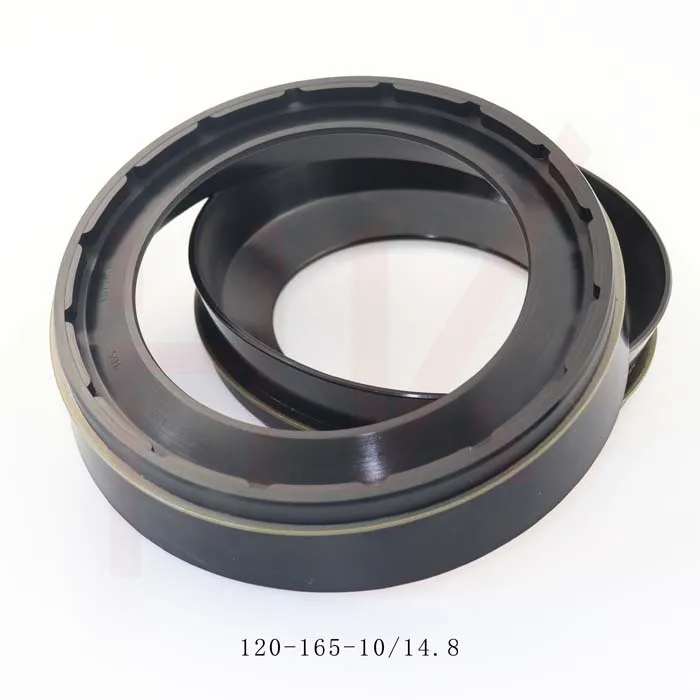
0734307418 0750112169 120*165*10/14.8 concrete mixer reducer oil seal
-
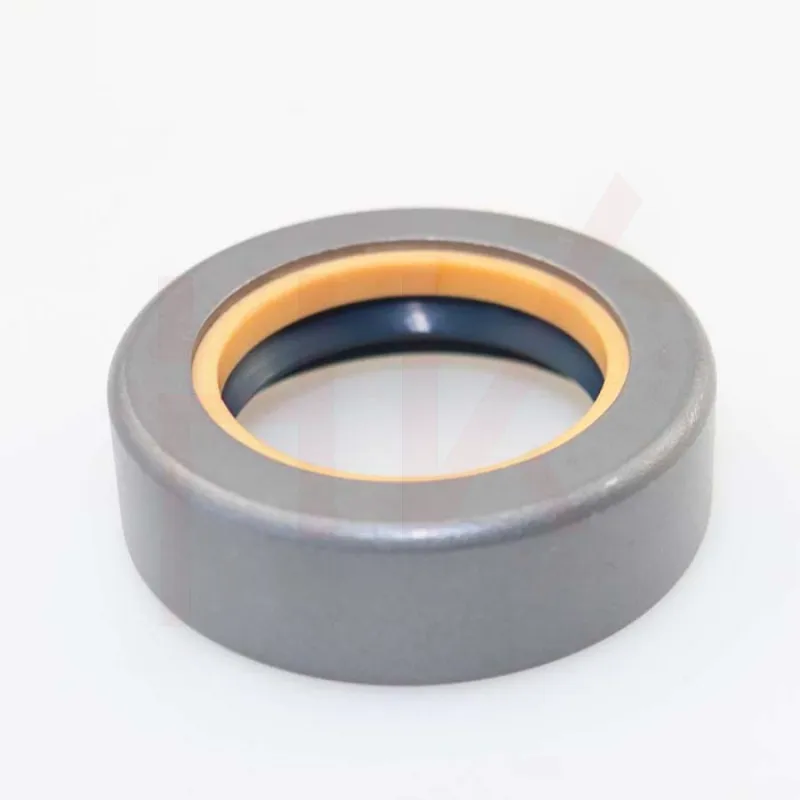
35*52*16 Standard Wheel Hub Oil Seal For Agricultural Machinery
-
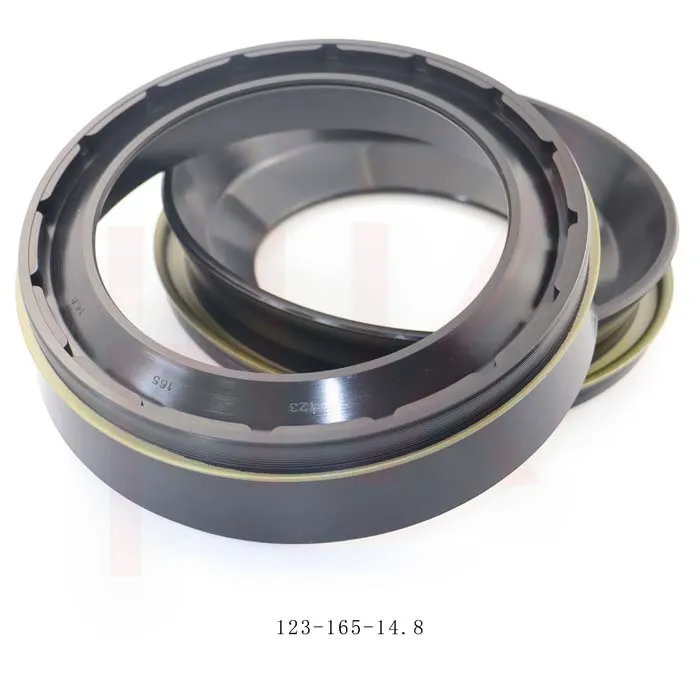
123*165*14.8 concrete mixer truck reducer oil seal
-
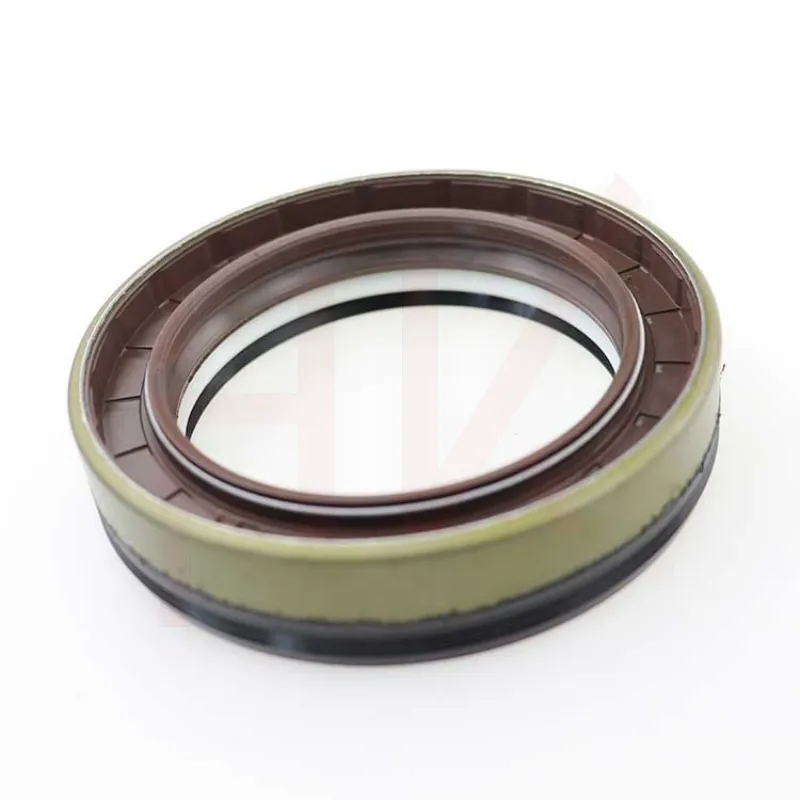
Tractor shaft oil seal 65-90-20 COMBI SF19 hub oil seal
-
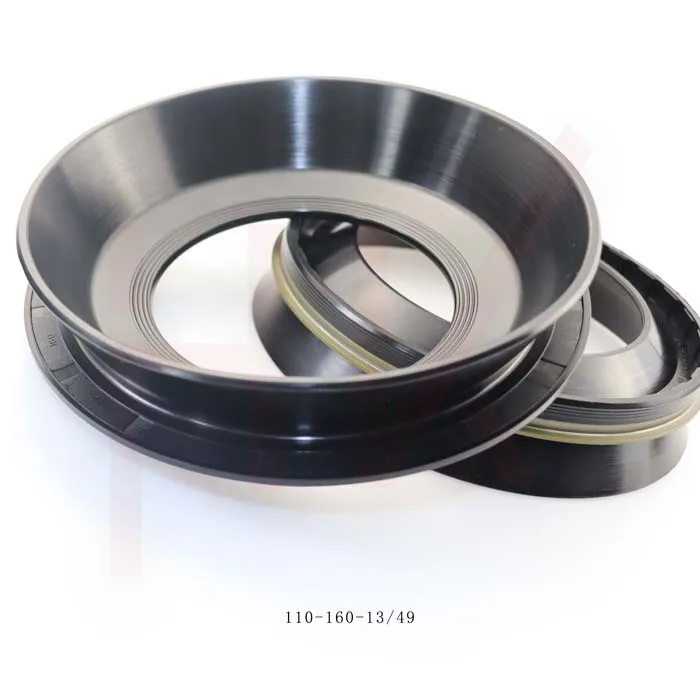
110*160*13/49 NBR reducerConcrete mixer truck oil seal
-
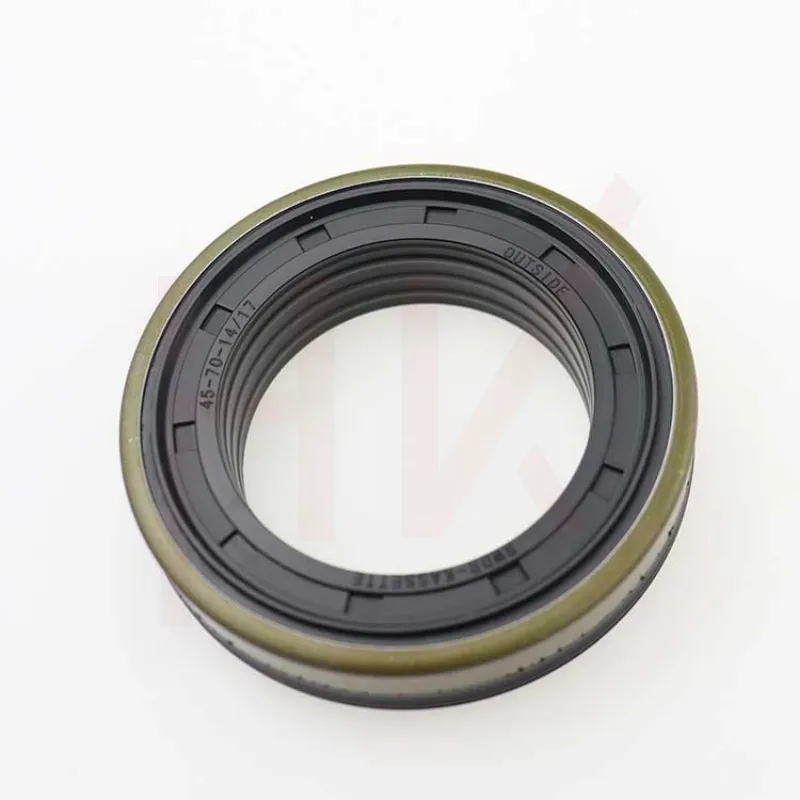
Hub oil seal 40*65*13/14.5 suitable for tractor Cat 12018035b
-
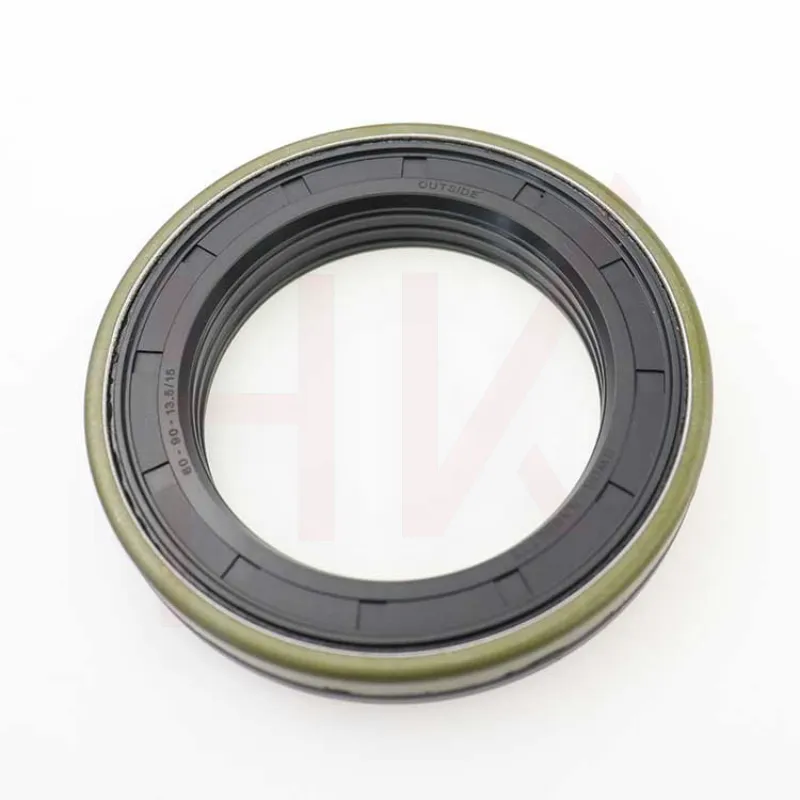
Tractor accessories cassette oil seal hub oil seal 60-90-13.5/15
-
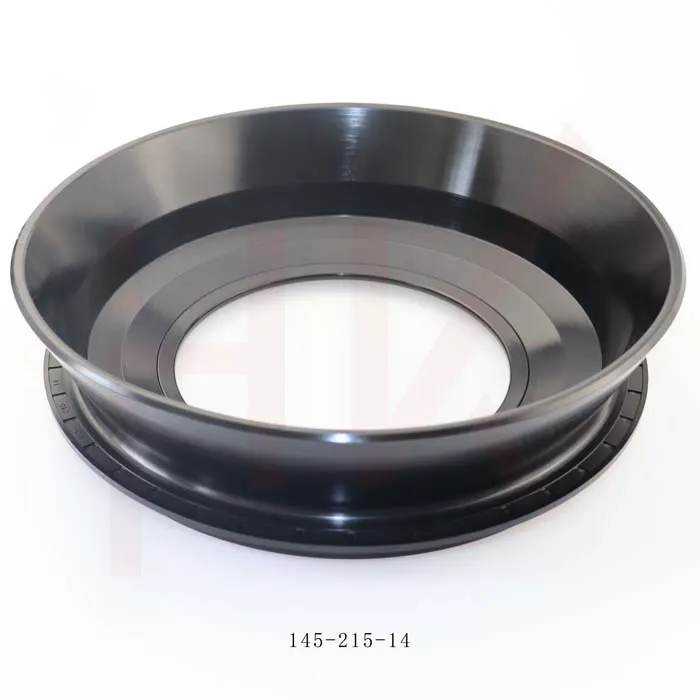
Factory concrete mixer truck oil seal 145*215*14 reducer gearbox oil seal
-
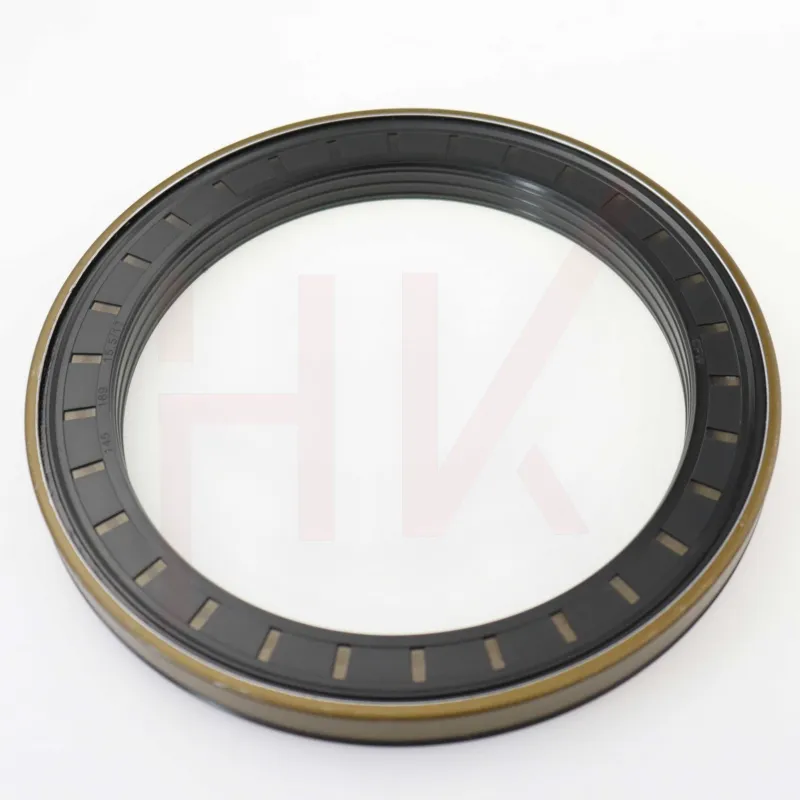
145*189*15.5/17 Cassette Seal NBR Hub Oil Seal 1508044
-
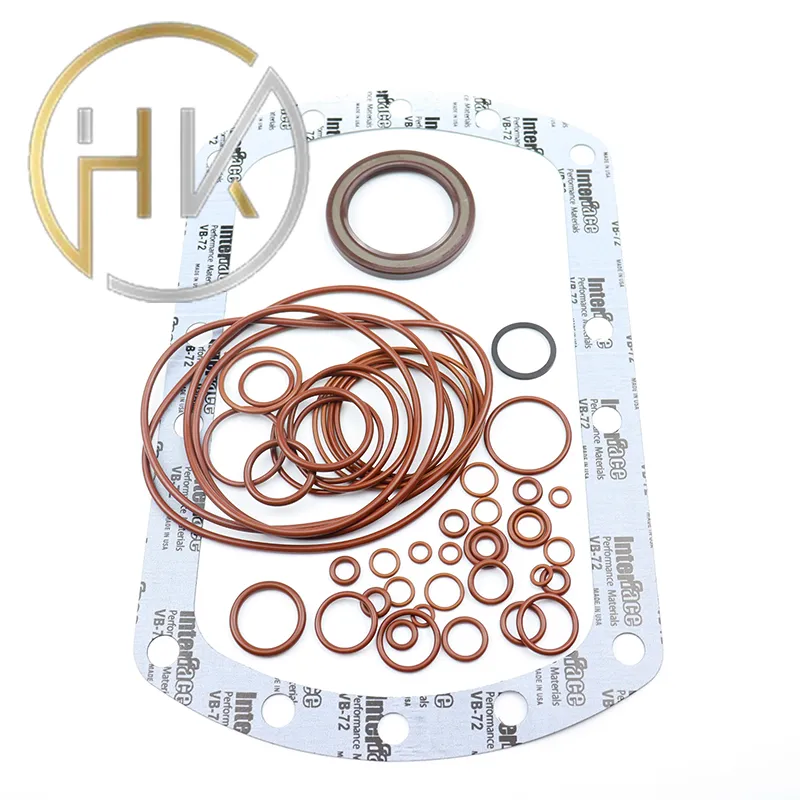
Factory direct sales hydraulic pump motor seal kit A8VO140
-
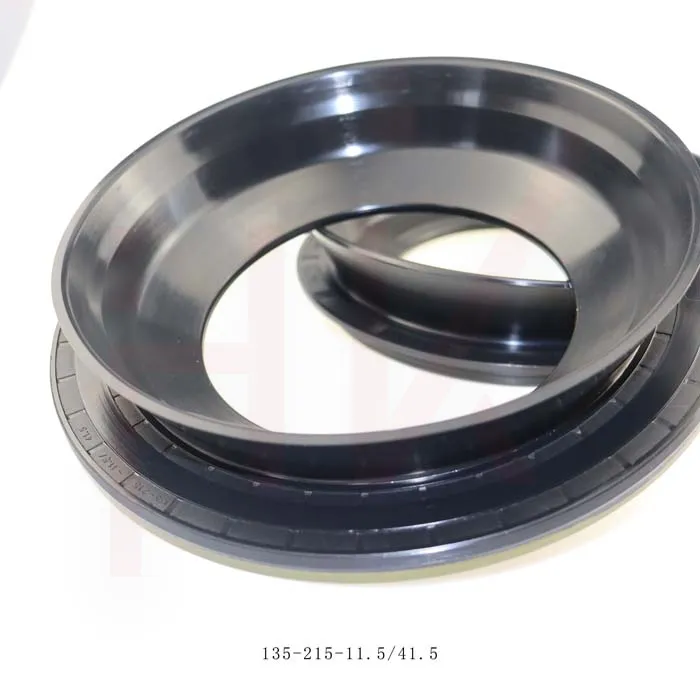
Brand new cement tanker oil seal 135*215*11.5/41.5 concrete mixer oil seal
-
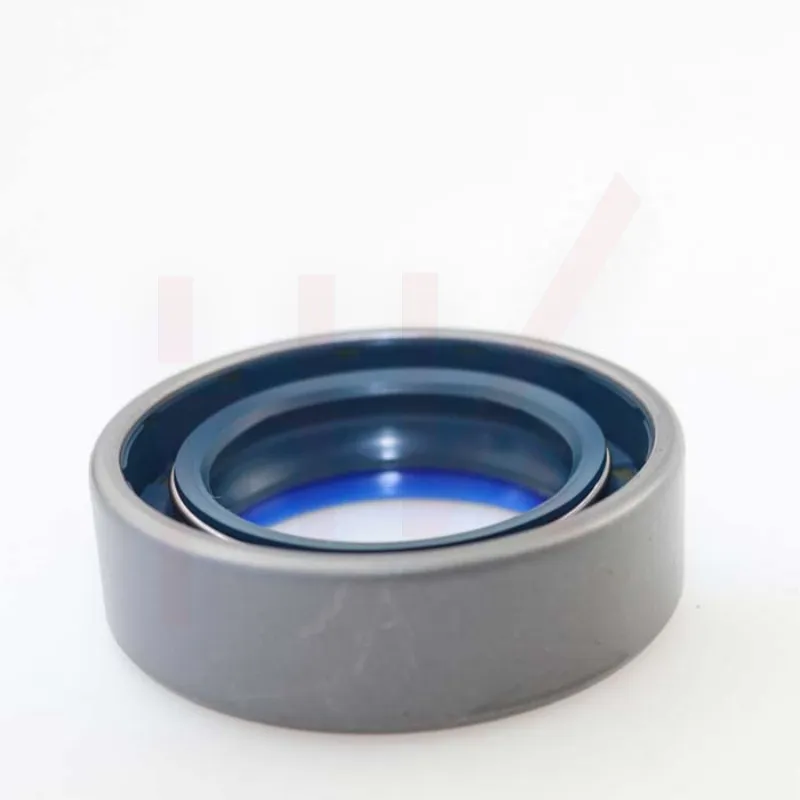
45*65*15 Combi oil seal JCB 90450009 COMBI SF1 SEAL
-
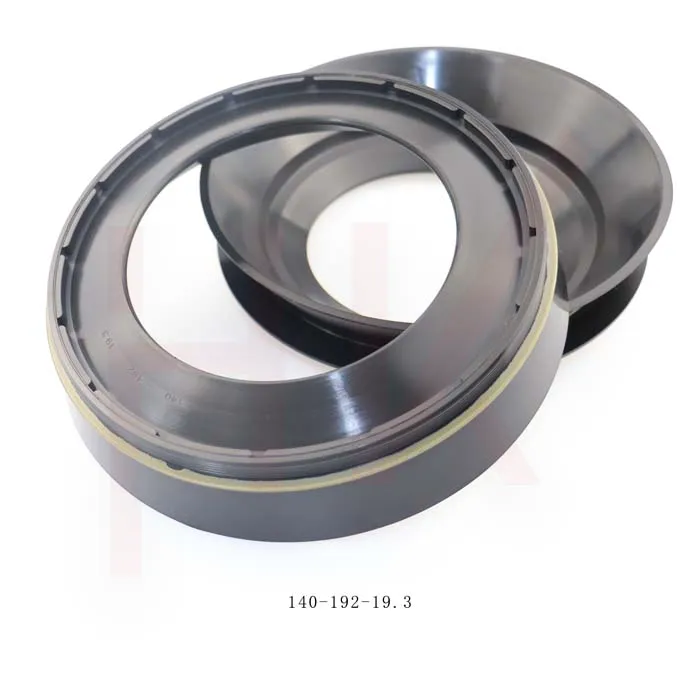
Gear box concrete mixer oil seal 140*192*19.3 nbr reducer oil seal
-
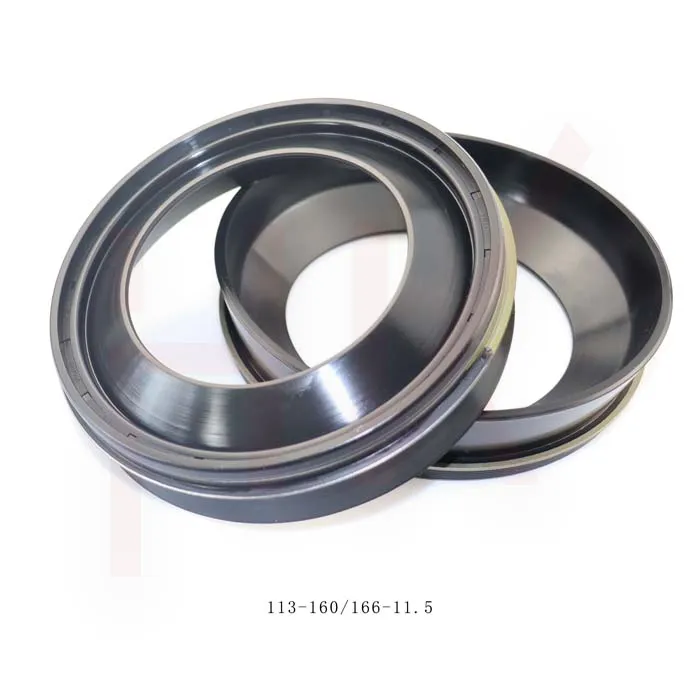
Seals factory direct sales 113*160/166*11.5/38 excavator truck reducer oil seal