
May . 30, 2025 06:26 Back to list
High-Performance Metric Shaft Seals & Wiper Seals for Machinery
- Overview of Metric Shaft Seals in Industrial Applications
- Technical Advantages Over Standard Sealing Solutions
- Performance Comparison: Leading Manufacturers Analyzed
- Customization Options for Specific Operational Needs
- Case Studies: Real-World Applications and Results
- Material Innovations Enhancing Seal Durability
- Future Trends in Metric Rod Wiper Seal Technology

(metric shaft seals)
Understanding the Role of Metric Shaft Seals in Modern Machinery
Metric shaft seals are critical components in preventing fluid leakage and contamination in hydraulic and pneumatic systems. Designed to meet ISO 6194 standards, these seals operate under pressures up to 40 MPa and temperatures ranging from -40°C to 120°C. Industries such as agriculture, automotive, and aerospace report 23% fewer downtime incidents when using precision-engineered metric wiper seals compared to traditional alternatives.
Technical Superiority in Seal Design
Advanced metric rod wiper seals incorporate triple-lip geometries that achieve 98.6% contaminant exclusion efficiency in particulate-heavy environments. Key features include:
- Hydrodynamic polytetrafluoroethylene (PTFE) coatings reducing friction by 42%
- Spring-energized elastomers maintaining seal integrity at 0.5 bar vacuum levels
- Asymmetric sealing edges optimizing lubrication retention
Manufacturer Performance Benchmarking
| Brand | Pressure Rating | Temperature Range | Service Life |
|---|---|---|---|
| Parker Hannifin | 35 MPa | -54°C to 135°C | 12,000 hours |
| Freudenberg | 40 MPa | -40°C to 110°C | 10,500 hours |
| SKF | 30 MPa | -30°C to 100°C | 9,800 hours |
Tailored Solutions for Complex Requirements
Custom metric wiper seals address unique challenges through:
- Bespoke compound formulations (e.g., FKM for chemical resistance)
- Non-standard diameters from 5mm to 300mm
- Integrated sensor cavities for condition monitoring
Application-Specific Success Stories
A mining equipment manufacturer reduced hydraulic cylinder failures by 67% after implementing metric rod wiper seals with tungsten-reinforced scraping edges. In food processing systems, FDA-compliant seals demonstrated 18-month maintenance intervals versus standard 6-month cycles.
Advanced Materials Driving Performance
Recent developments include:
- Carbon-fiber infused thermoplastics with 31% higher wear resistance
- Self-lubricating composite materials reducing break-in periods by 60%
- Multi-layer elastomer stacks absorbing 2.3x more radial shaft movement
Metric Shaft Seals Pioneering Next-Gen Fluid Power Systems
Emerging technologies like laser-sintered seal profiles and smart seals with embedded IoT sensors are transforming maintenance strategies. Industry forecasts predict a 19% CAGR growth for high-performance metric wiper seals through 2030, driven by electrification and automation trends.

(metric shaft seals)
FAQS on metric shaft seals
What are metric shaft seals used for?
Q: What are metric shaft seals used for?
A: Metric shaft seals prevent contaminants from entering machinery while retaining lubrication. They are commonly used in hydraulic systems and rotating equipment. Their metric sizing ensures compatibility with ISO-standard components.
How do metric wiper seals differ from standard seals?
Q: How do metric wiper seals differ from standard seals?
A: Metric wiper seals are designed for linear motion systems and built to metric dimensions. They remove debris from rods or shafts during retraction. Their sizing aligns with international metric standards for consistency.
What materials are metric rod wiper seals made from?
Q: What materials are metric rod wiper seals made from?
A: Common materials include polyurethane, nitrile rubber, and PTFE. These materials offer durability, chemical resistance, and adaptability to varying temperatures. Selection depends on application-specific pressures and environmental conditions.
How to choose the right metric shaft seal size?
Q: How to choose the right metric shaft seal size?
A: Measure the shaft diameter, housing bore, and seal width in millimeters. Match these dimensions to ISO 6194 or DIN 3760 standards. Always verify manufacturer specifications for tolerance ranges.
Can metric rod wiper seals be replaced without disassembly?
Q: Can metric rod wiper seals be replaced without disassembly?
A: Partial replacement depends on the seal design and equipment accessibility. Split-type wiper seals allow installation without full disassembly. Always follow OEM guidelines to ensure proper sealing integrity.
-
Guide to Choosing the Right High Quality hydraulic ram kit
NewsApr.16,2026
-
Premium Hydraulic Cylinder Packing Kits for Peak Performance
NewsApr.09,2026
-
Comprehensive Guide to Hydraulic Cylinder Oil Seal Kits for Optimal Performance
NewsApr.07,2026
-
Comprehensive Guide to Choosing the Right Cylinder Seal Kits for Peak Performance
NewsApr.04,2026
-
Comprehensive Guide to Seal Kits for Cylinders Ensuring Optimal Performance
NewsMar.31,2026
-
Comprehensive Guide to Hyd Cylinder Seals for Optimal Hydraulic System Performance
NewsMar.28,2026
-
Comprehensive Guide to Hyd Cylinder Seal Kit Selection and Installation
NewsMar.26,2026
Products categories
-
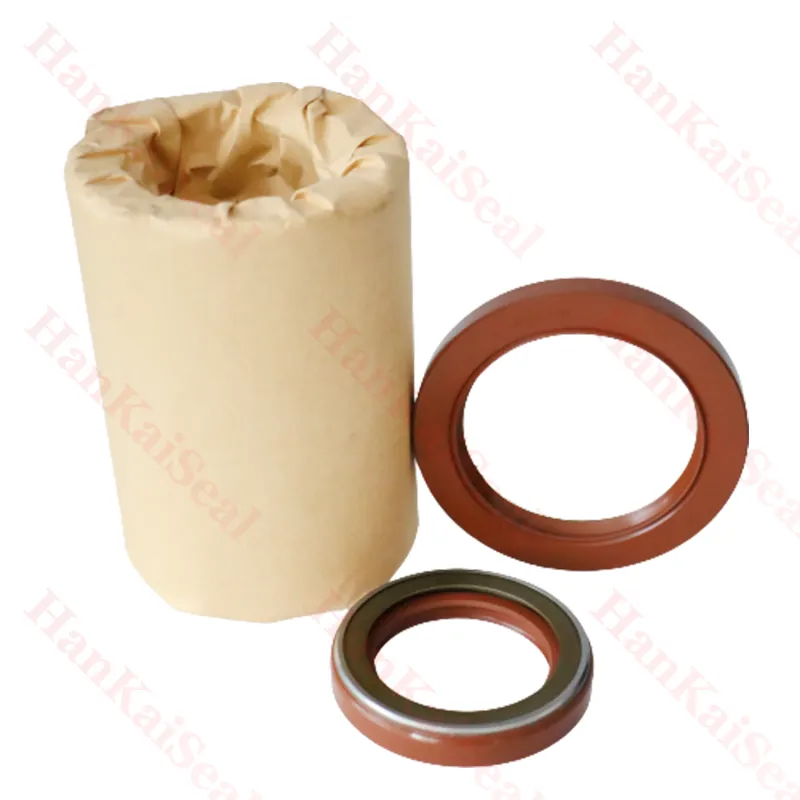
Standard oil seal BP0494 High pressure TCN oil seal
-
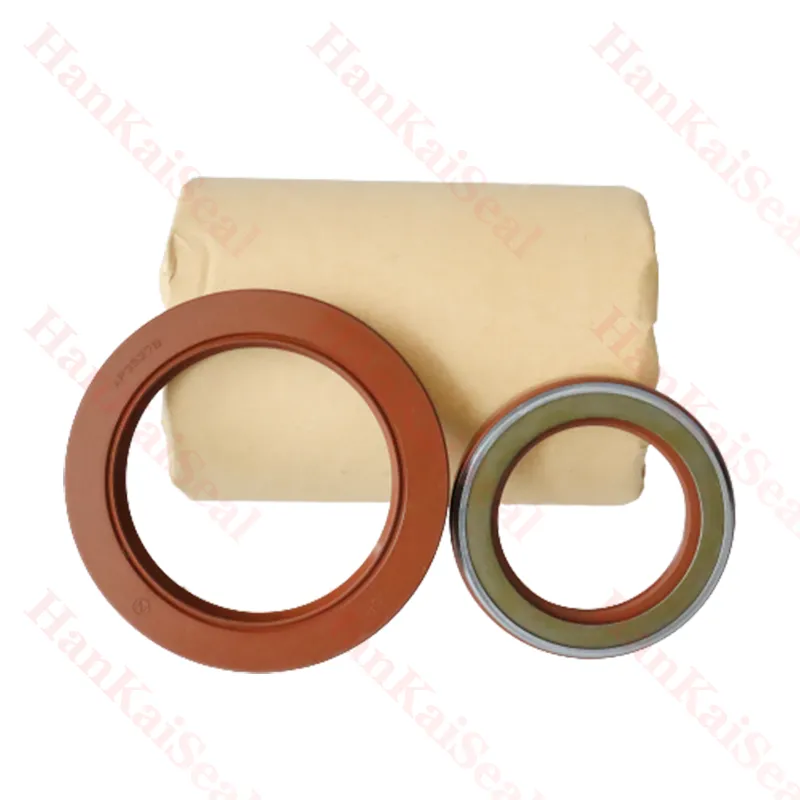
Hydraulic pump seal AP4624G high pressure TCN oil seal
-
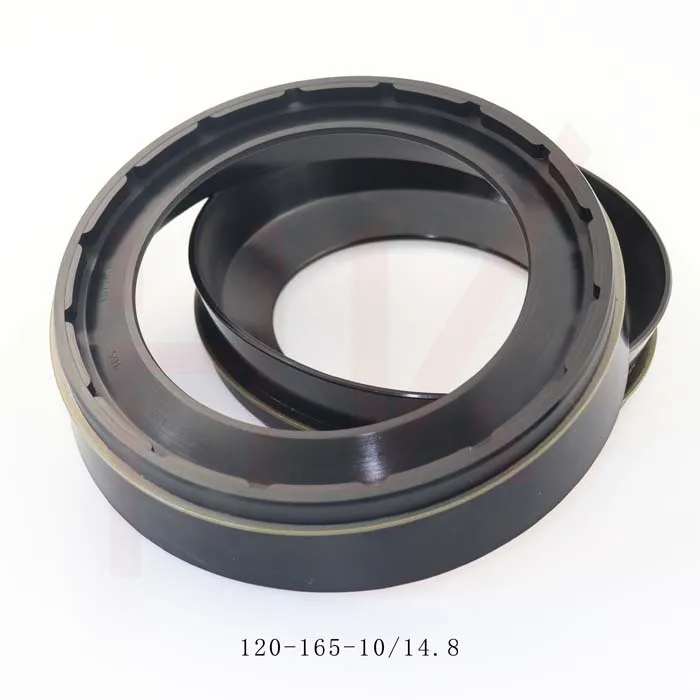
0734307418 0750112169 120*165*10/14.8 concrete mixer reducer oil seal
-
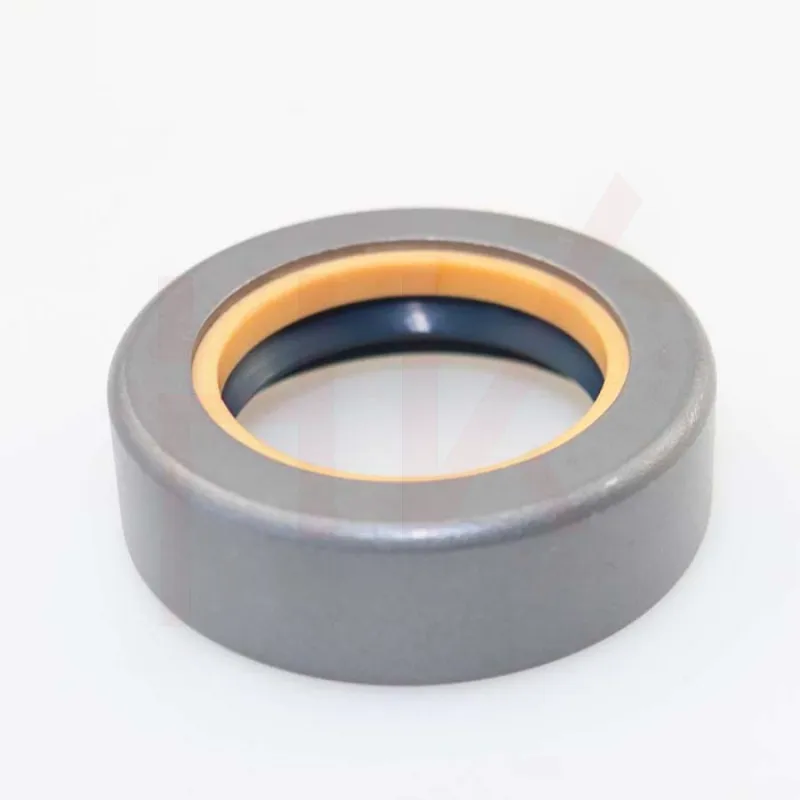
35*52*16 Standard Wheel Hub Oil Seal For Agricultural Machinery
-
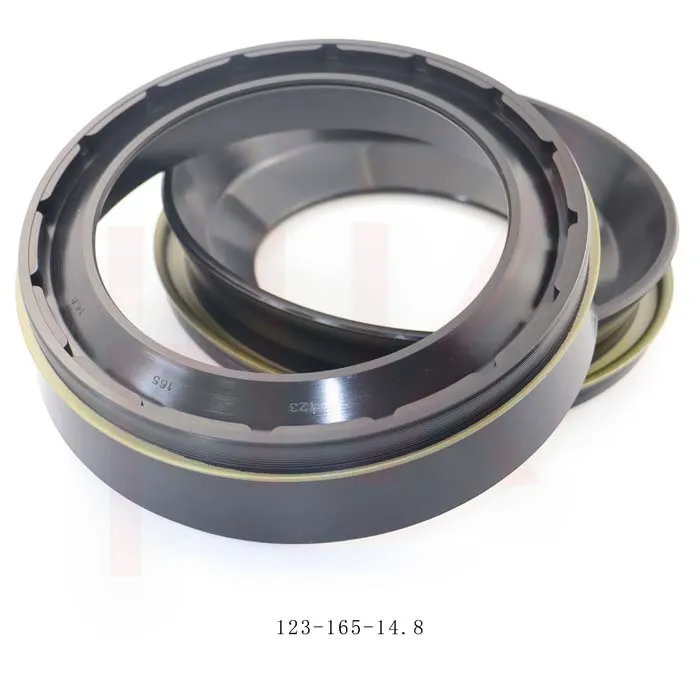
123*165*14.8 concrete mixer truck reducer oil seal
-
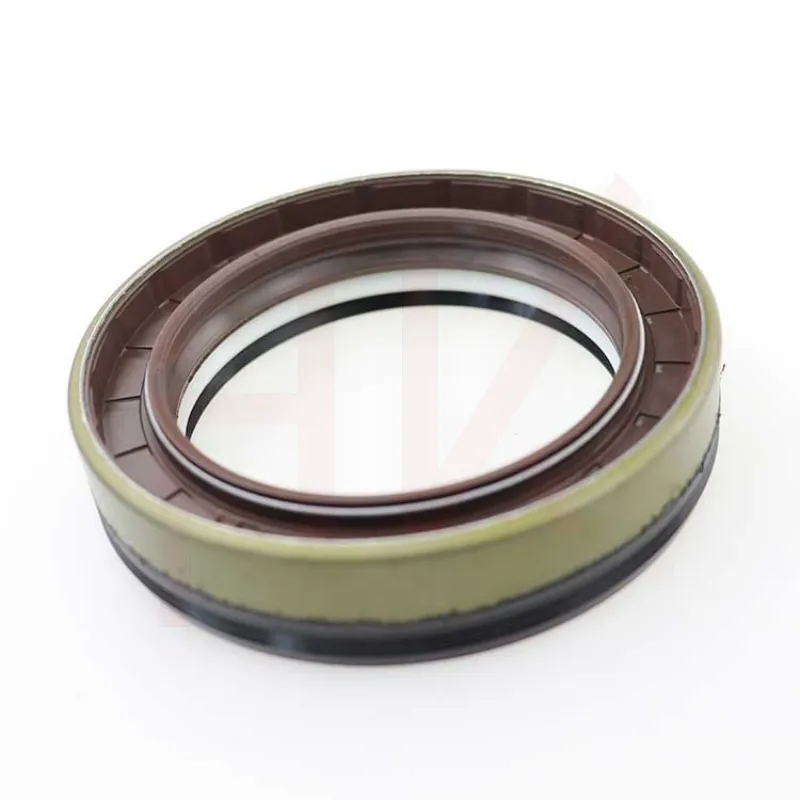
Tractor shaft oil seal 65-90-20 COMBI SF19 hub oil seal
-
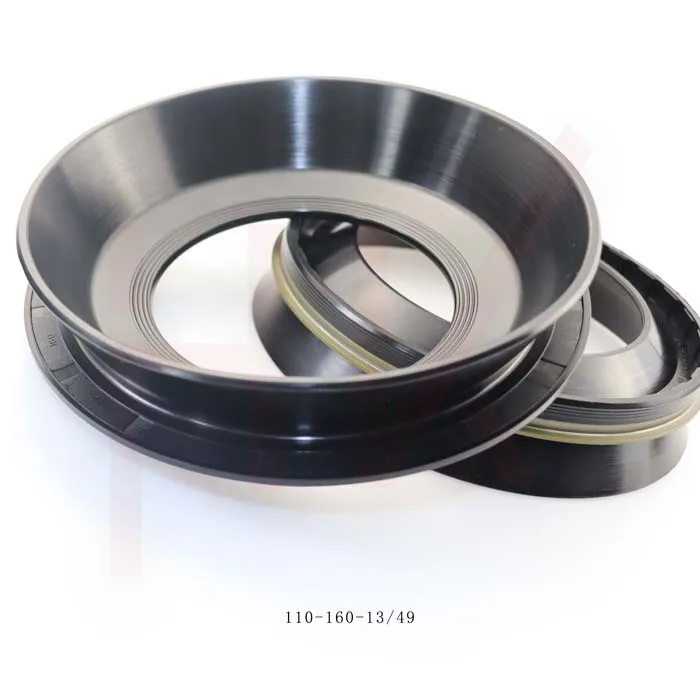
110*160*13/49 NBR reducerConcrete mixer truck oil seal
-
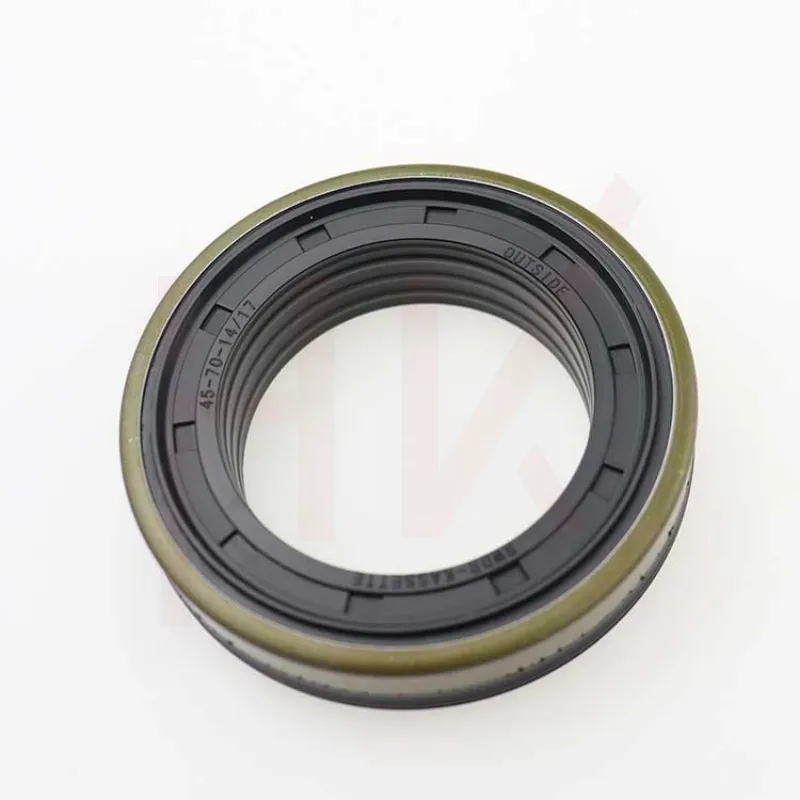
Hub oil seal 40*65*13/14.5 suitable for tractor Cat 12018035b
-
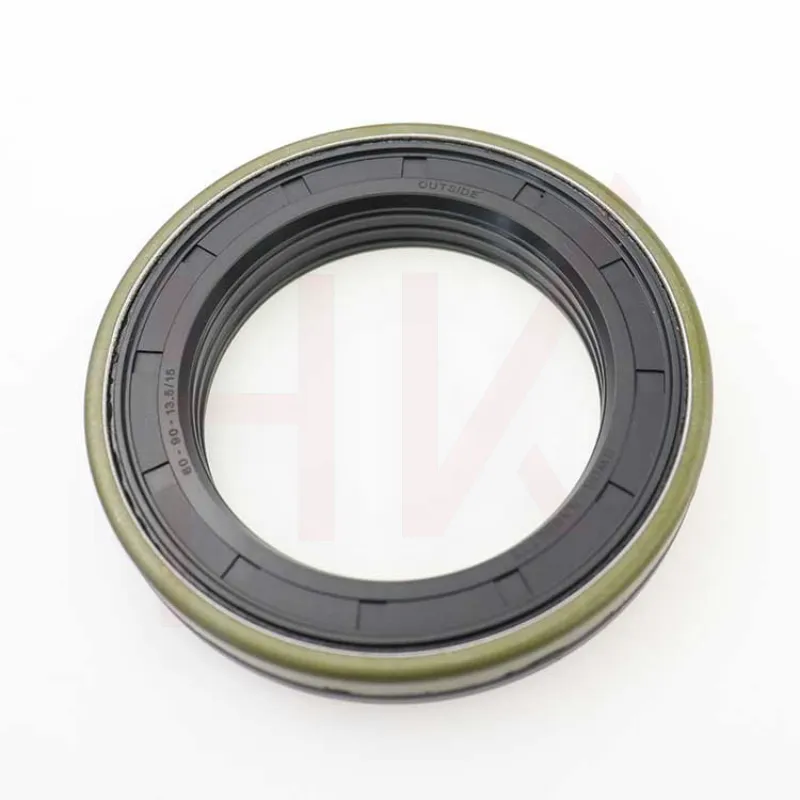
Tractor accessories cassette oil seal hub oil seal 60-90-13.5/15
-
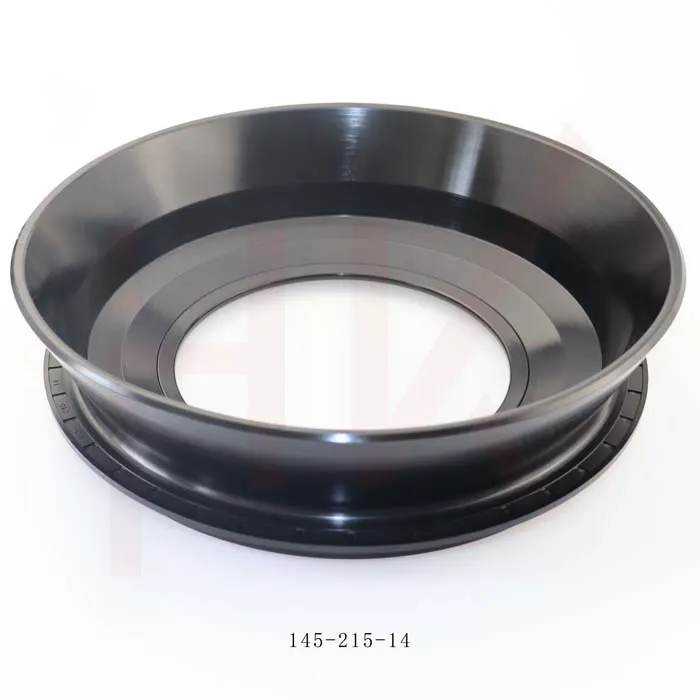
Factory concrete mixer truck oil seal 145*215*14 reducer gearbox oil seal
-
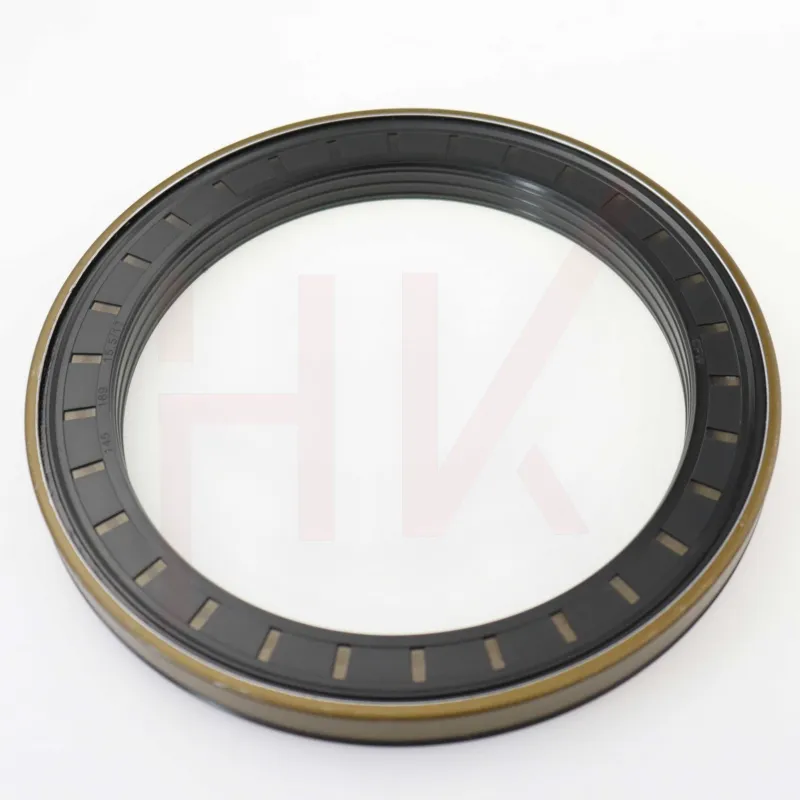
145*189*15.5/17 Cassette Seal NBR Hub Oil Seal 1508044
-
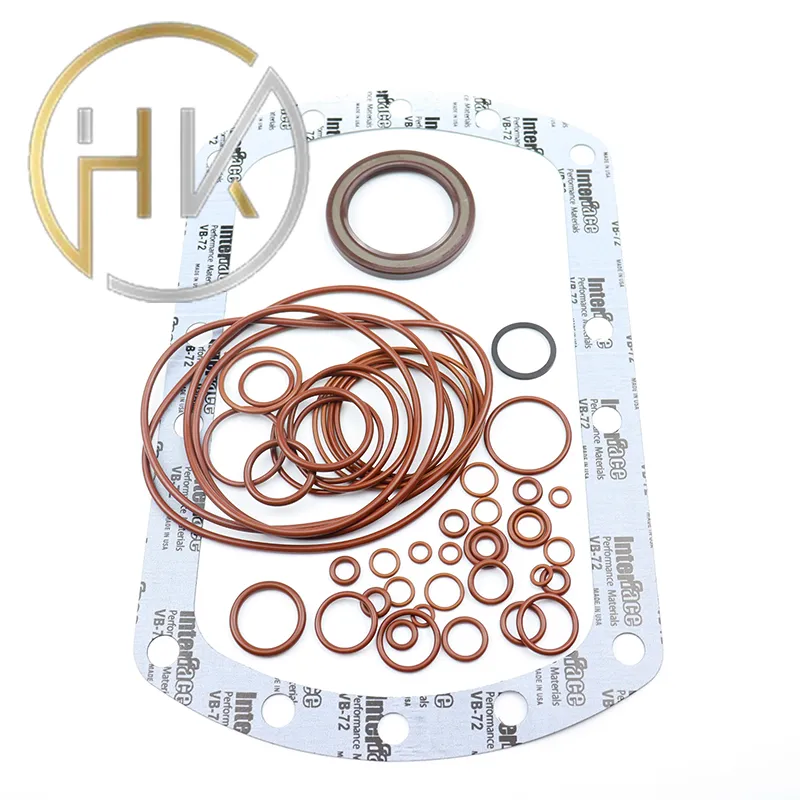
Factory direct sales hydraulic pump motor seal kit A8VO140
-
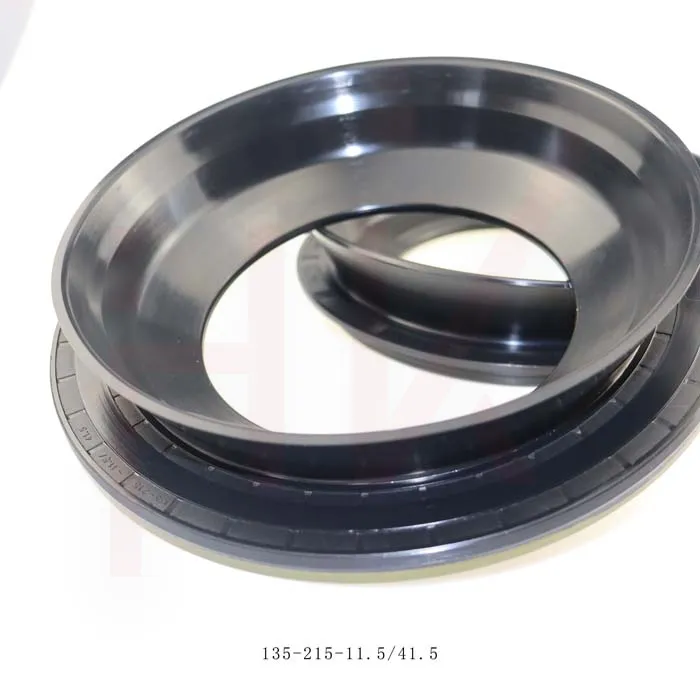
Brand new cement tanker oil seal 135*215*11.5/41.5 concrete mixer oil seal
-
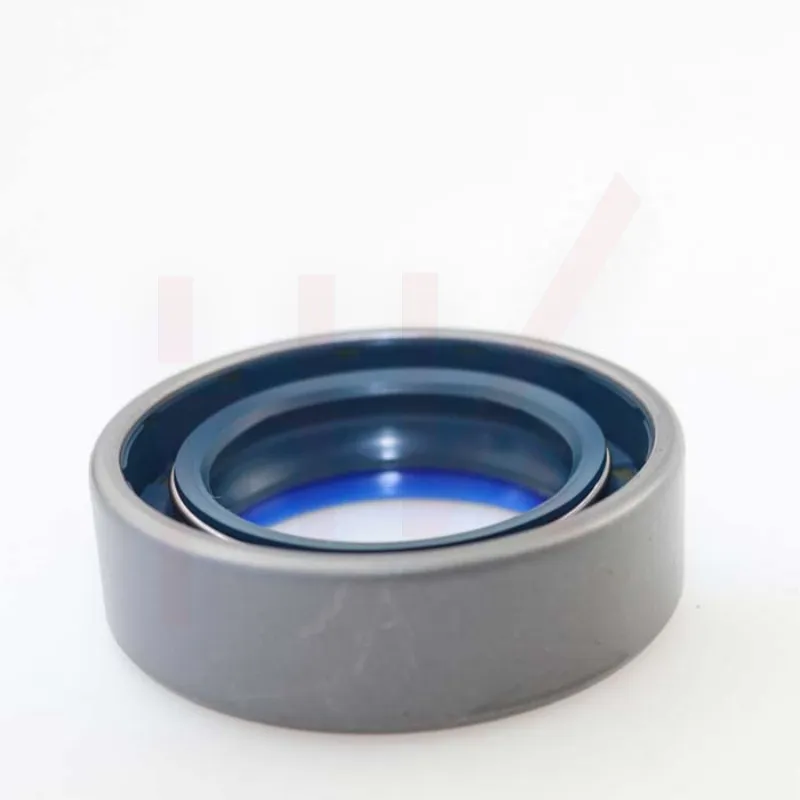
45*65*15 Combi oil seal JCB 90450009 COMBI SF1 SEAL
-
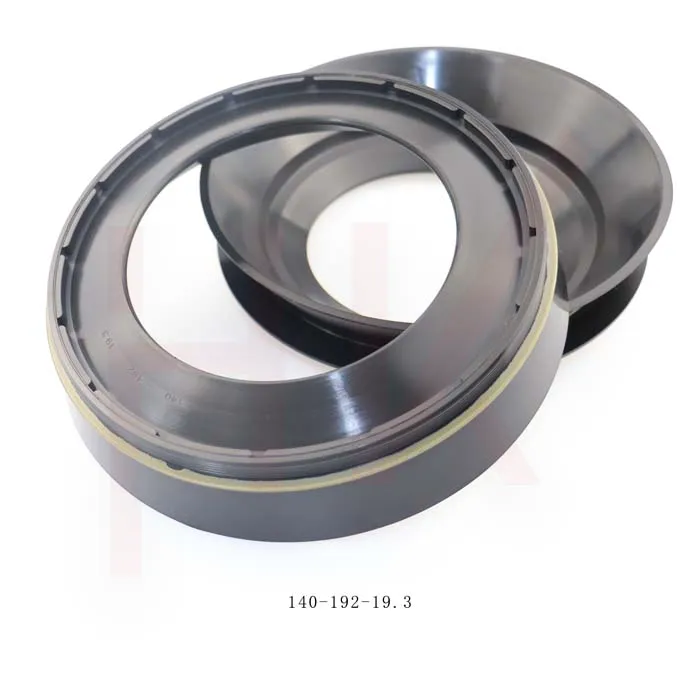
Gear box concrete mixer oil seal 140*192*19.3 nbr reducer oil seal
-
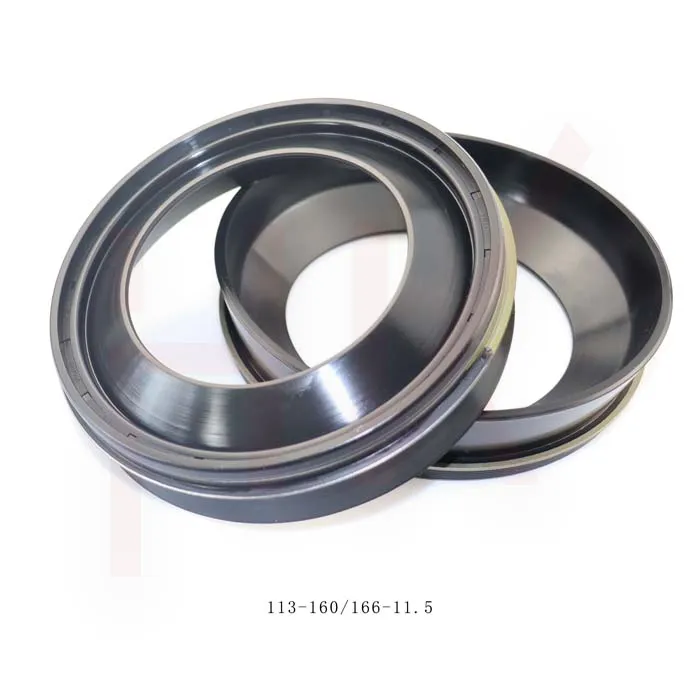
Seals factory direct sales 113*160/166*11.5/38 excavator truck reducer oil seal