
Nov . 02, 2024 05:09 Back to list
hydraulic oil seal material
Understanding Hydraulic Oil Seal Materials
Hydraulic systems are fundamental in numerous applications, from industrial machinery to automotive components. At the heart of these systems lies the hydraulic oil seal, a crucial element that prevents fluid leakage and contamination, ensuring optimal performance. Understanding the materials used in hydraulic oil seals is essential for selecting the right component for specific applications.
Hydraulic oil seals are typically made from a variety of materials, each providing distinct advantages suited to specific operating conditions. The most common materials include elastomers like Nitrile (Buna-N), Polyurethane, Viton (FKM), and silicone. Each material caters to different temperature ranges, pressures, and fluid types.
1. Nitrile Rubber (Buna-N) This is perhaps the most widely used sealing material in hydraulic applications. Nitrile exhibits excellent resistance to petroleum-based oils and fuels. It can operate effectively within a temperature range of -40°C to 100°C (-40°F to 212°F). Its durability makes it a popular choice for various hydraulic systems, although it is less resistant to high temperatures and certain chemicals compared to other materials.
2. Polyurethane Known for its exceptional wear resistance and mechanical properties, polyurethane seals are ideal for high-pressure applications. They can withstand temperatures from -30°C to 80°C (-22°F to 176°F). Polyurethane seals are often chosen for their longevity and ability to perform in dynamic environments, where movement is constant.
hydraulic oil seal material
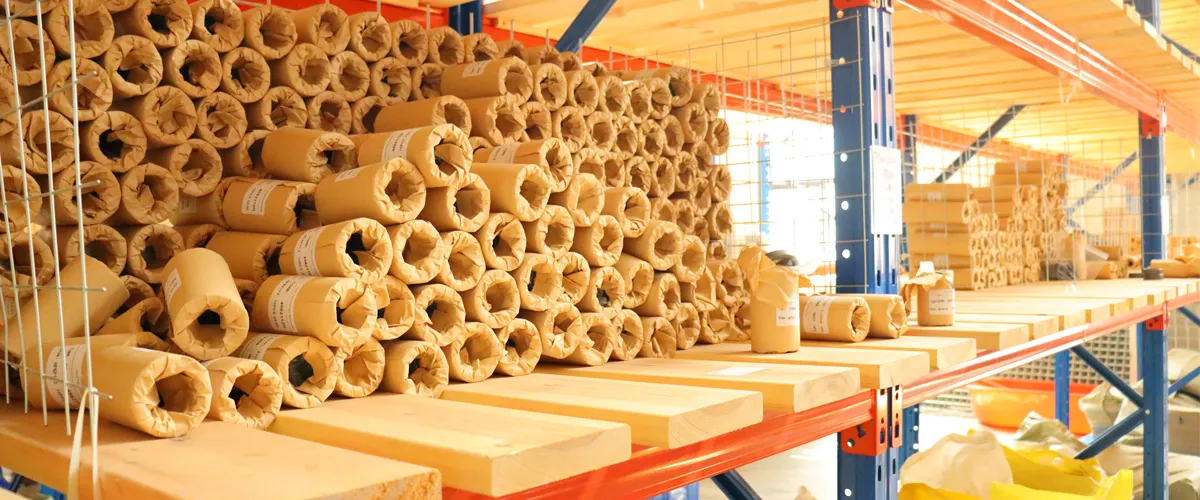
3. Viton (FKM) When chemical resistance is a priority, Viton is often the material of choice. It withstands a broader range of temperatures, typically from -20°C to 200°C (-4°F to 392°F), and is highly resistant to aggressive chemicals and oils. Viton seals are commonly used in applications where hydraulic fluids may be aggressive or where temperature fluctuations are significant.
4. Silicone This material is suitable for applications requiring high-temperature resistance and flexibility. Operating effectively in temperatures ranging from -55°C to 200°C (-67°F to 392°F), silicone seals are often used in environments that experience extreme thermal changes. However, they are generally not as durable as Nitrile or Polyurethane in terms of wear resistance.
Choosing the Right Material Selecting the appropriate hydraulic oil seal material involves considering several factors, such as the type of hydraulic fluid, the temperature range, the operating pressure, and the environment in which the seal will operate
. For instance, if you are working with high-temperature oils or solvents, Viton would be a prudent choice, while Nitrile may suffice for standard hydraulic applications.Ultimately, the effectiveness of a hydraulic oil seal lies in understanding the unique demands of the application and selecting the correct material. By doing so, one can ensure reliable performance, longevity, and minimized maintenance costs for hydraulic systems.
-
TCN Oil Seal Metal Ring Reinforcement for Heavy Machinery
NewsJul.25,2025
-
Rotary Lip Seal Spring-Loaded Design for High-Speed Applications
NewsJul.25,2025
-
Hydraulic Cylinder Seals Polyurethane Material for High-Impact Jobs
NewsJul.25,2025
-
High Pressure Oil Seal Polyurethane Coating Wear Resistance
NewsJul.25,2025
-
Dust Proof Seal Double Lip Design for Construction Equipment
NewsJul.25,2025
-
Hub Seal Polyurethane Wear Resistance in Agricultural Vehicles
NewsJul.25,2025
-
The Trans-formative Journey of Wheel Hub Oil Seals
NewsJun.06,2025
Products categories
-
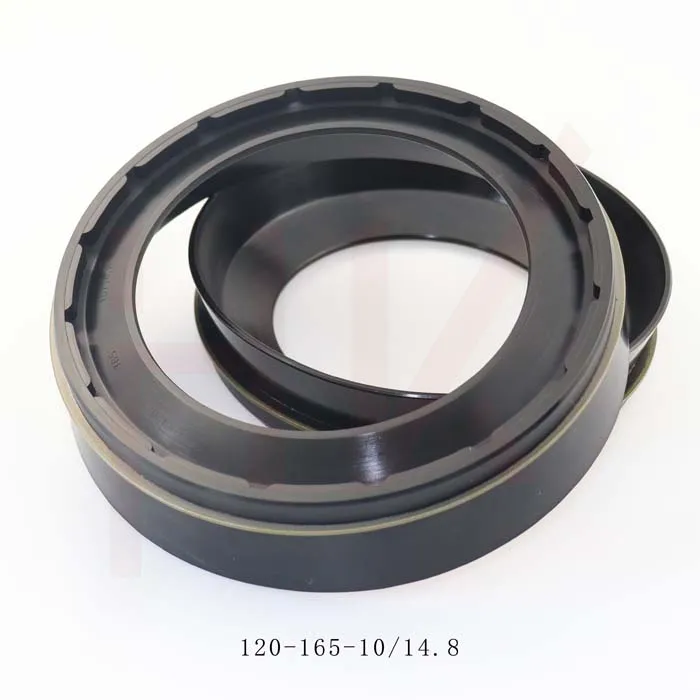
0734307418 0750112169 120*165*10/14.8 concrete mixer reducer oil seal
-
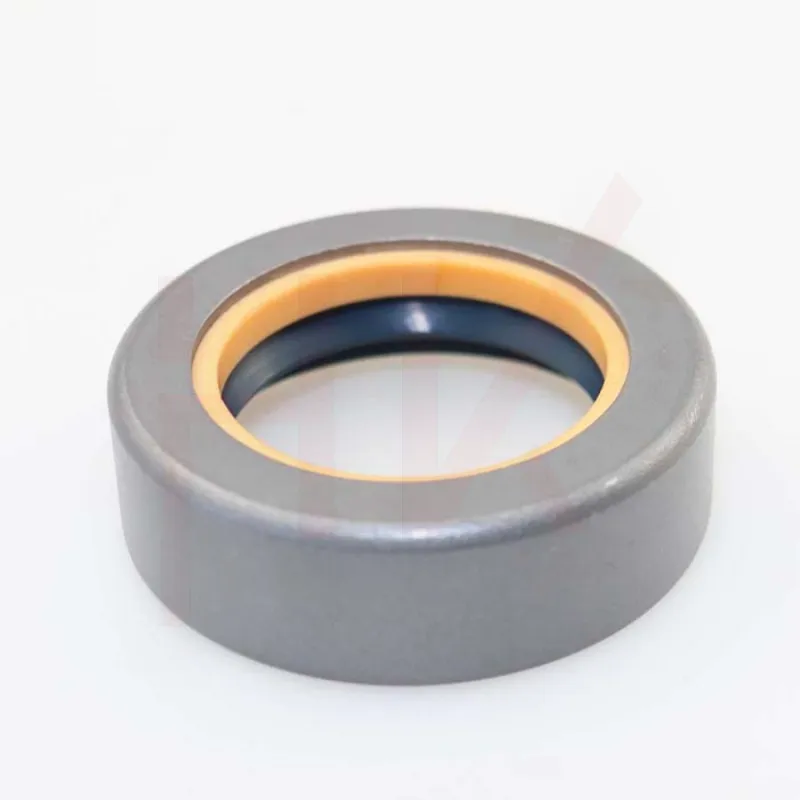
35*52*16 Standard Wheel Hub Oil Seal For Agricultural Machinery
-
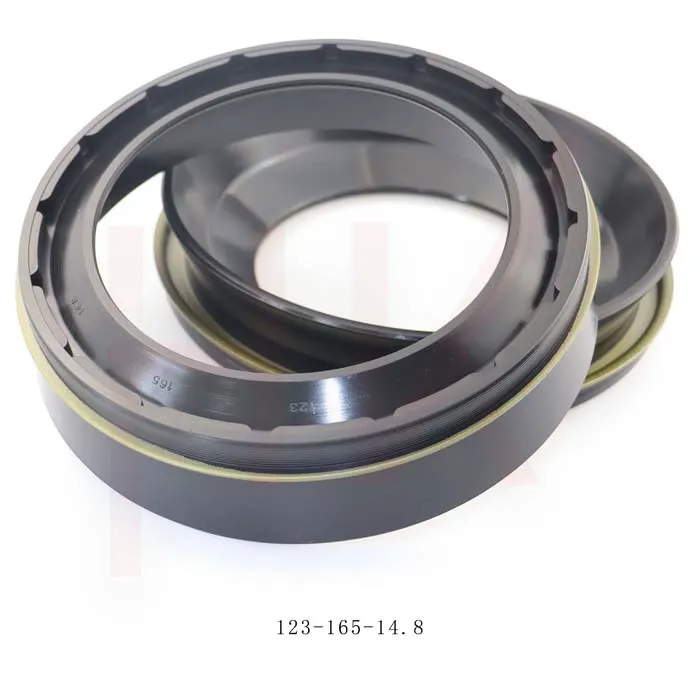
123*165*14.8 concrete mixer truck reducer oil seal
-
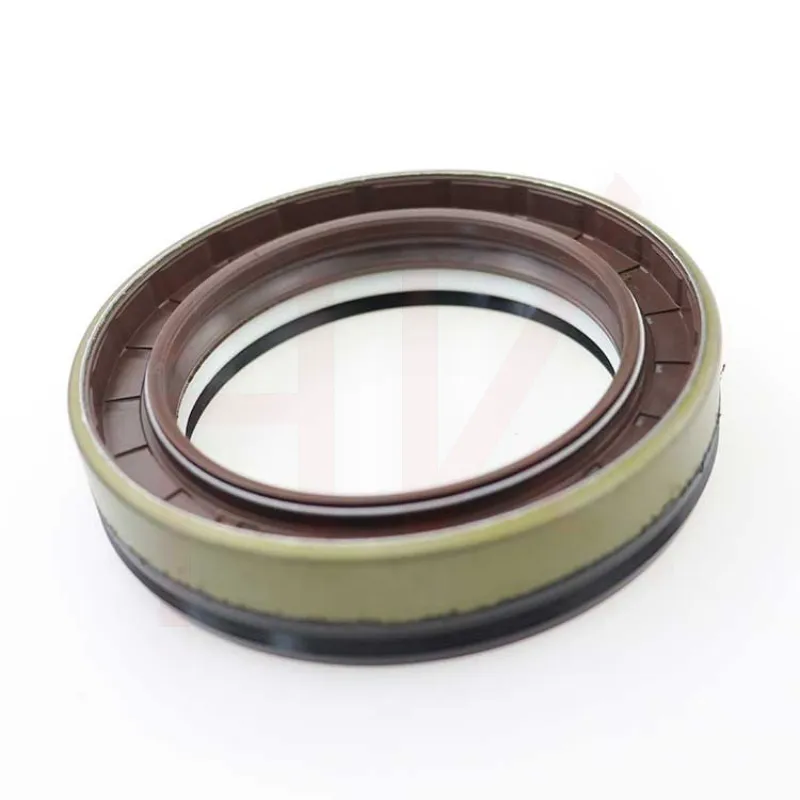
Tractor shaft oil seal 65-90-20 COMBI SF19 hub oil seal
-
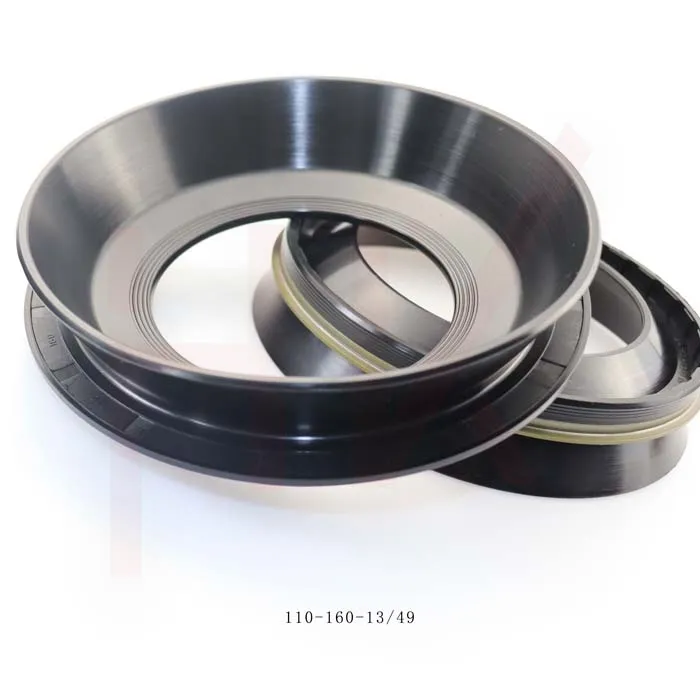
110*160*13/49 NBR reducerConcrete mixer truck oil seal
-
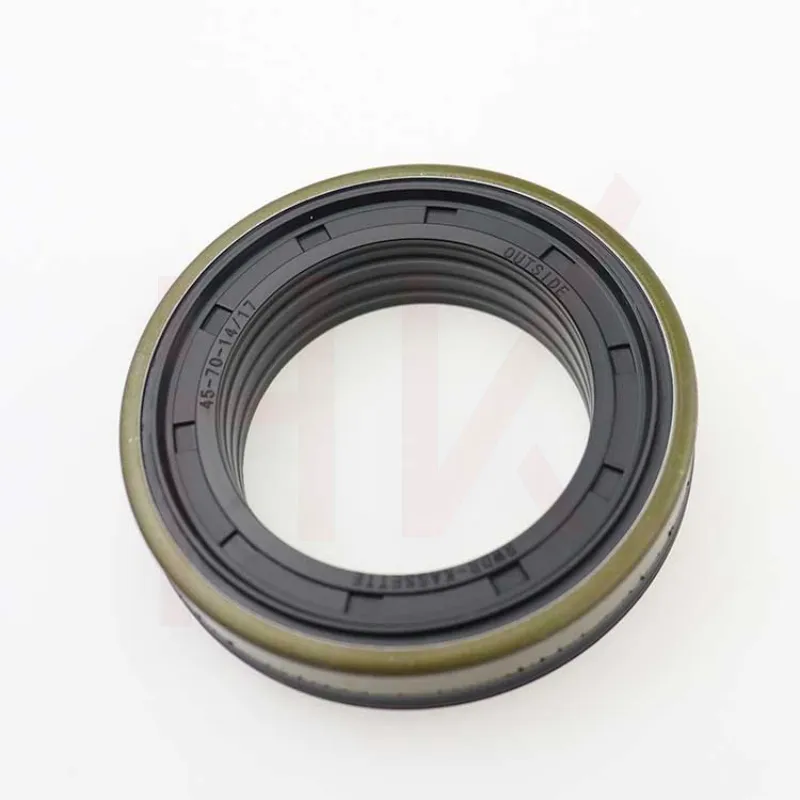
Hub oil seal 40*65*13/14.5 suitable for tractor Cat 12018035b
-
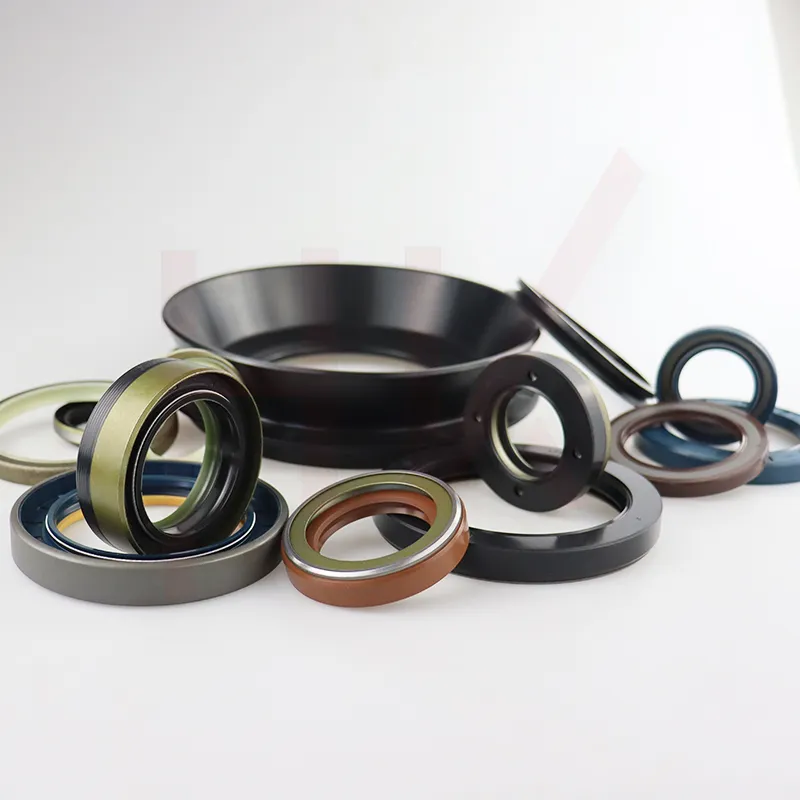
Cement tank truck bowl-shaped oil seal 135*175*11/38 K713 concrete mixer reducer oil seal
-
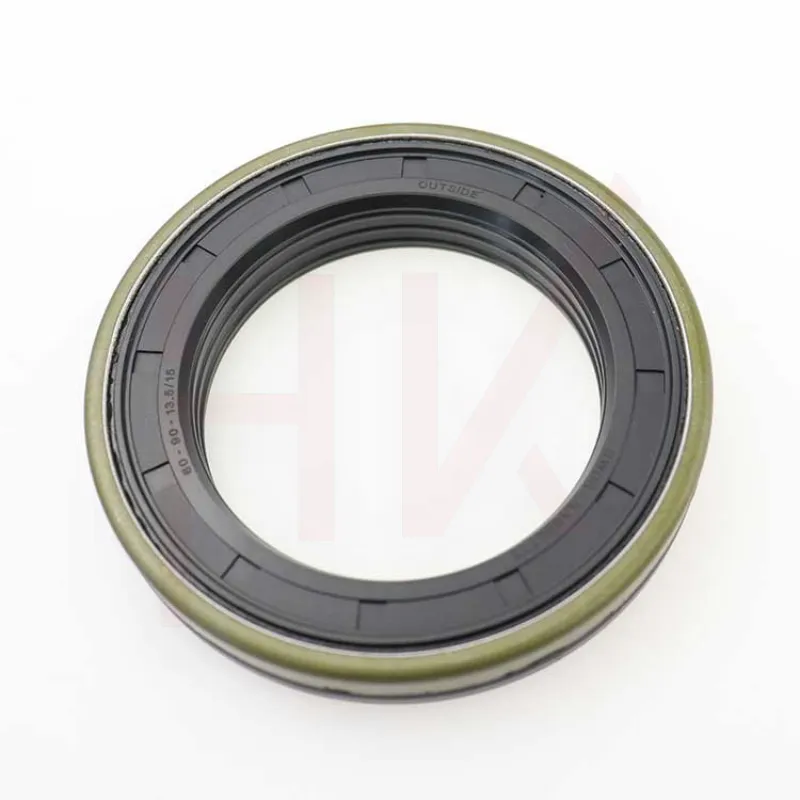
Tractor accessories cassette oil seal hub oil seal 60-90-13.5/15
-
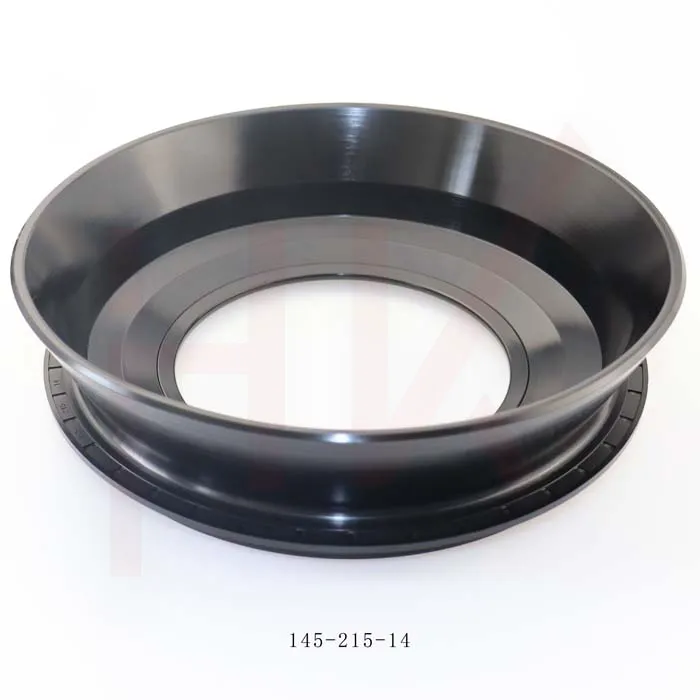
Factory concrete mixer truck oil seal 145*215*14 reducer gearbox oil seal
-
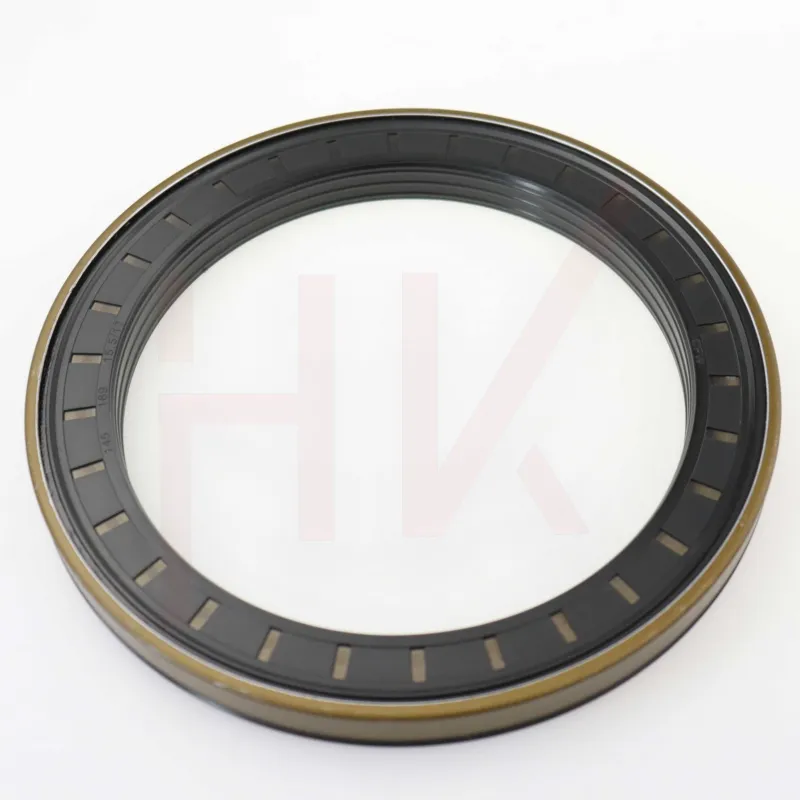
145*189*15.5/17 Cassette Seal NBR Hub Oil Seal 1508044
-
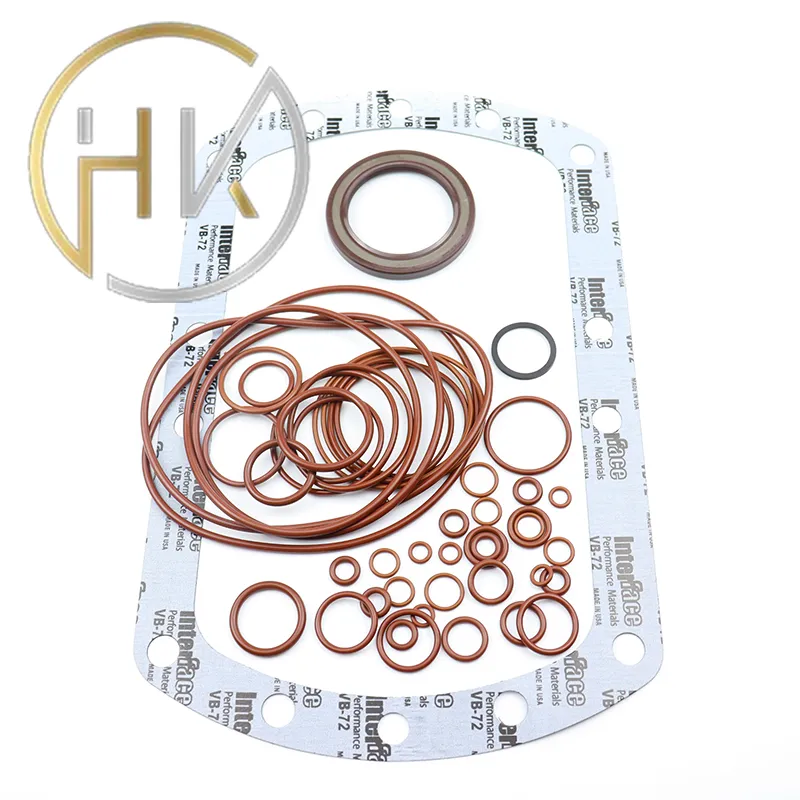
Factory direct sales hydraulic pump motor seal kit A8VO140
-
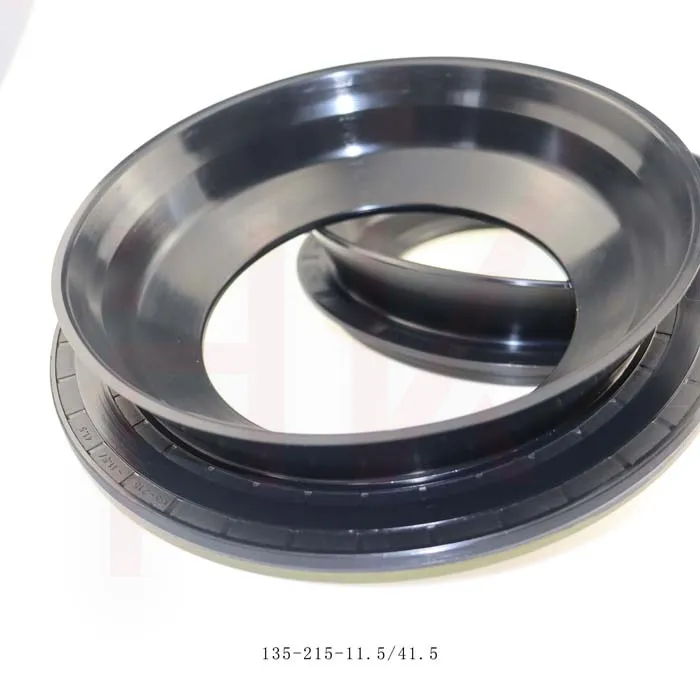
Brand new cement tanker oil seal 135*215*11.5/41.5 concrete mixer oil seal
-
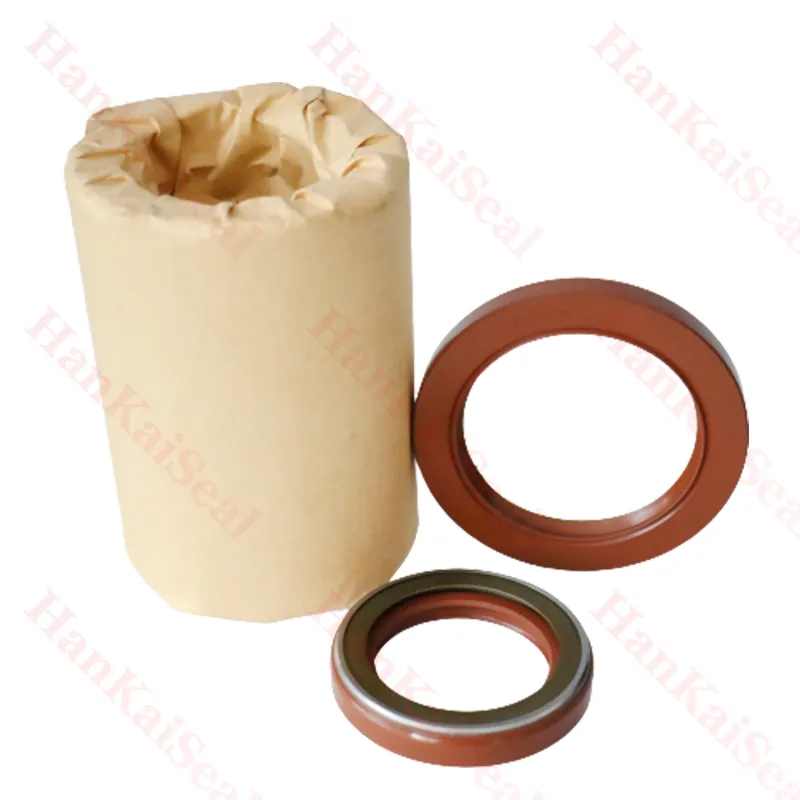
Standard oil seal BP0494 High pressure TCN oil seal
-
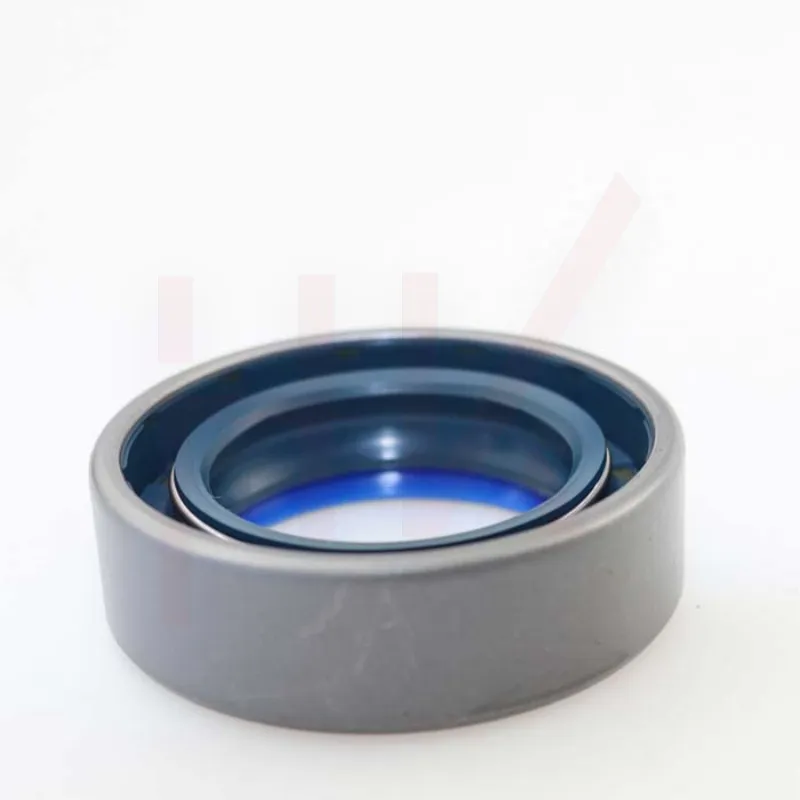
45*65*15 Combi oil seal JCB 90450009 COMBI SF1 SEAL
-
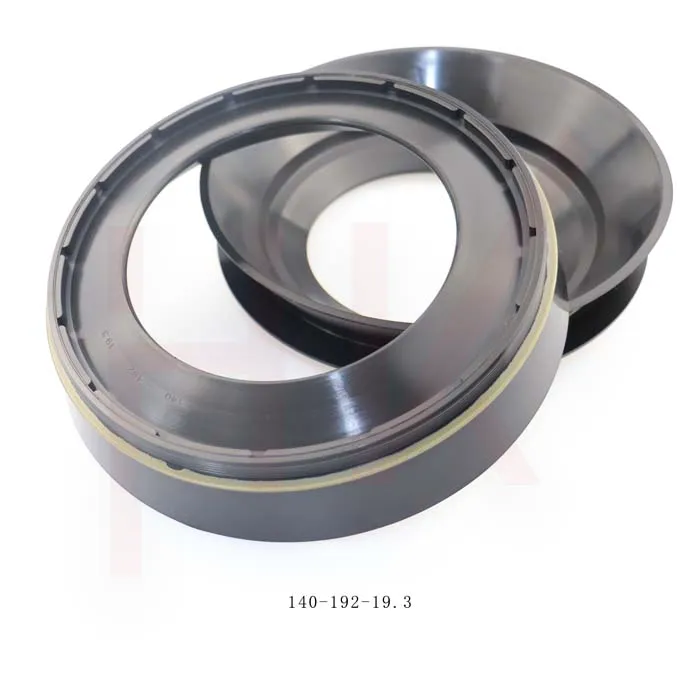
Gear box concrete mixer oil seal 140*192*19.3 nbr reducer oil seal
-
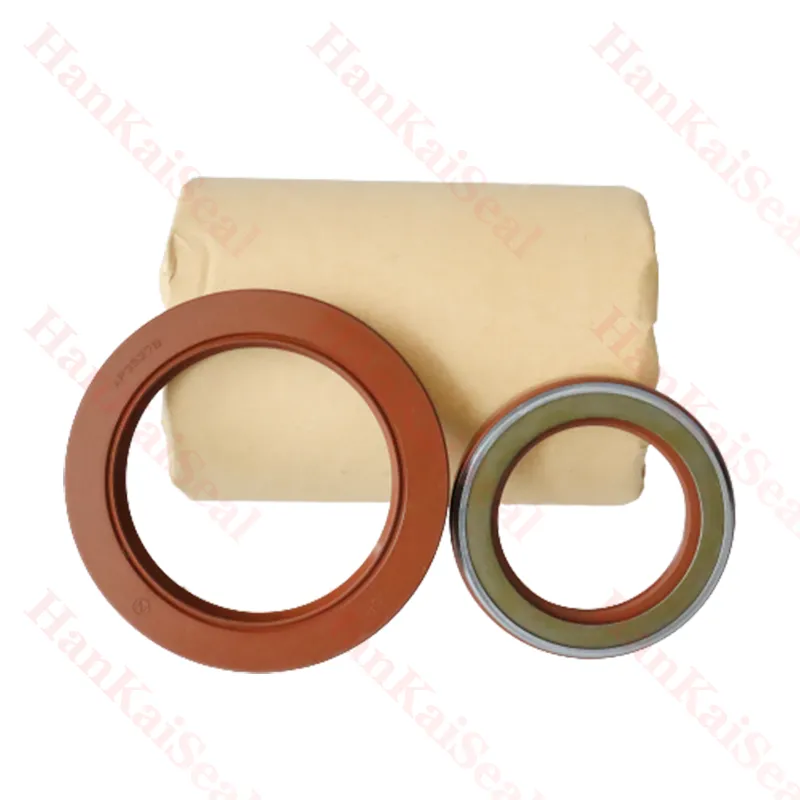
Hydraulic pump seal AP4624G high pressure TCN oil seal
 English
  Afrikaans
  Albanian
  Amharic
  Arabic
  Armenian
  Azerbaijani
  Basque
  Belarusian
  Bengali
  Bosnian
  Bulgarian
  Catalan
  Cebuano
  Corsican
  Croatian
  Czech
Czech  Danish
  Dutch
Dutch  Esperanto
  Estonian
  Finnish
  French
  Frisian
  Galician
  Georgian
  German
  Greek
Greek  Gujarati
  Haitian Creole
  Hausa
Hausa  Hawaiian
  Hebrew
  Hindi
Hindi  Miao
Miao  Hungarian
  Icelandic
  Igbo
Igbo  Indonesian
  Irish
Irish  Italian
  Japanese
  Javanese
  Kannada
  Kazakh
  Khmer
Khmer  Rwandese
  Korean
  Kurdish
  Kyrgyz
  Lao
Lao  Latin
Latin  Latvian
  Lithuanian
  Luxembourgish
  Macedonian
  Malgashi
  Malay
Malay  Malayalam
  Maltese
  Maori
Maori  Marathi
  Mongolian
  Myanmar
  Nepali
  Norwegian
  Norwegian
  Occitan
  Pashto
  Persian
  Polish
  Portuguese
  Punjabi
  Romanian
  Russian
  Samoan
  Scottish Gaelic
  Serbian
  Sesotho
  Shona
Shona  Sindhi
  Sinhala
  Slovak
  Slovenian
  Somali
  Spanish
  Sundanese
  Swahili
  Swedish
  Tagalog
  Tajik
Tajik  Tamil
Tamil  Tatar
Tatar  Telugu
  Thai
Thai  Turkish
  Turkmen
  Ukrainian
  Urdu
Urdu  Uighur
  Uzbek
Uzbek  Vietnamese
  Welsh
Welsh  Bantu
Bantu  Yiddish
  Yoruba
  Zulu
Zulu