Dec . 02, 2024 04:09 Back to list
hydraulic cylinder seal replacement
Hydraulic Cylinder Seal Replacement A Comprehensive Guide
Hydraulic systems are crucial components in a wide array of machinery, from construction equipment to industrial machines. At the heart of these systems lies the hydraulic cylinder, responsible for converting hydraulic energy into linear motion. However, like any mechanical component, hydraulic cylinders can experience wear and tear over time, leading to the need for seal replacement. This article provides a comprehensive guide on hydraulic cylinder seal replacement, including why it is necessary, how to identify when seals need replacement, and step-by-step instructions for the replacement process.
Understanding Hydraulic Cylinder Seals
Hydraulic cylinders are equipped with seals to prevent hydraulic fluid from leaking and to maintain pressure within the cylinder. These seals can be constructed from various materials, including rubber, polyurethane, and metal. Over time, seals can deteriorate due to factors such as high pressure, extreme temperatures, and exposure to contaminants. Failing seals can lead to hydraulic fluid leaks, decreased performance, and potential damage to the entire hydraulic system.
Signs of Worn Seals
Recognizing the signs of worn or damaged seals is essential for maintaining the efficiency of hydraulic systems. Some common indicators include
1. External Leaks Visible hydraulic fluid pooling around the cylinder base or dripping from the cylinder. 2. Performance Issues Sluggish or erratic movement of the cylinder, which may indicate a loss of hydraulic pressure. 3. Increased Noise Unusual sounds, such as grinding or hissing, can signify that the seals are failing. 4. Contamination Entry of dirt or debris into the hydraulic system, often due to damaged seals.
If you notice any of these signs, it may be time to consider replacing the seals on your hydraulic cylinder.
Tools and Materials Required
Before diving into the seal replacement process, it’s important to gather the necessary tools and materials, including
- Replacement seals (ensure they are compatible with your specific hydraulic cylinder) - Wrenches and sockets - Screwdrivers - A seal puller or prying tool - Clean rags or paper towels - Hydraulic fluid - Cleaning solvent (if needed) - Torque wrench
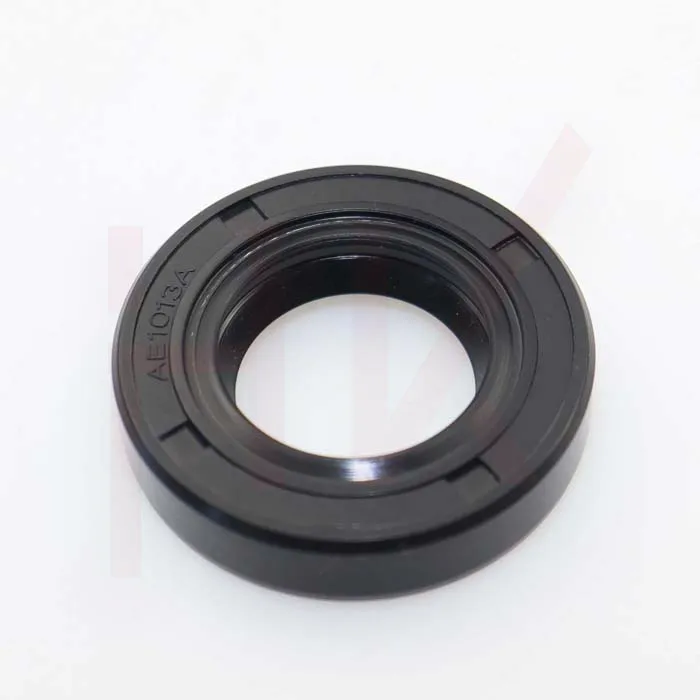
hydraulic cylinder seal replacement
Step-by-Step Seal Replacement Process
1. Safety First Before beginning any maintenance on hydraulic equipment, ensure that the system is depressurized. Disconnect the power source and release any pressure in the hydraulic lines to prevent accidental operation.
2. Disassemble the Hydraulic Cylinder Start by removing the cylinder from the machine. Use the appropriate wrenches to disconnect hydraulic lines and fasteners. Carefully remove the gland nut, which may require a specialized tool.
3. Extract the Old Seals Once the cylinder is disassembled, locate the old seals. Use a seal puller or a flathead screwdriver to carefully pry the seals out of their grooves. Be cautious not to scratch or damage the cylinder surfaces.
4. Clean the Cylinder Components Thoroughly clean all cylinder components using a cleaning solvent and rags. Remove any debris or old hydraulic fluid that could interfere with the installation of new seals.
5. Install the New Seals Take the new seals and carefully place them into their respective grooves. Ensure they are seated evenly and free of twists or kinks.
6. Reassemble the Cylinder Carefully reassemble the hydraulic cylinder by replacing the gland nut and tightening it to the manufacturer’s specifications using a torque wrench. Reconnect the cylinder to its mounting points and hydraulic lines.
7. Refill Hydraulic Fluid After reassembly, ensure the hydraulic fluid is at the appropriate level. Fill the system according to the manufacturer’s instructions, taking care to avoid contamination.
8. Test the System Reconnect the power source and test the hydraulic cylinder. Check for any fluid leaks and ensure the cylinder operates smoothly without any irregular noises.
Conclusion
Replacing the seals in a hydraulic cylinder is an essential maintenance task that can significantly extend the lifespan of the hydraulic system and improve its efficiency. By recognizing the signs of seal wear and following the proper replacement process, you can prevent costly repairs and downtime. Ensuring regular maintenance will ultimately lead to a more reliable and efficient hydraulic system.
-
Guide to Choosing the Right High Quality hydraulic ram kit
NewsApr.16,2026
-
Premium Hydraulic Cylinder Packing Kits for Peak Performance
NewsApr.09,2026
-
Comprehensive Guide to Hydraulic Cylinder Oil Seal Kits for Optimal Performance
NewsApr.07,2026
-
Comprehensive Guide to Choosing the Right Cylinder Seal Kits for Peak Performance
NewsApr.04,2026
-
Comprehensive Guide to Seal Kits for Cylinders Ensuring Optimal Performance
NewsMar.31,2026
-
Comprehensive Guide to Hyd Cylinder Seals for Optimal Hydraulic System Performance
NewsMar.28,2026
-
Comprehensive Guide to Hyd Cylinder Seal Kit Selection and Installation
NewsMar.26,2026
Products categories
-
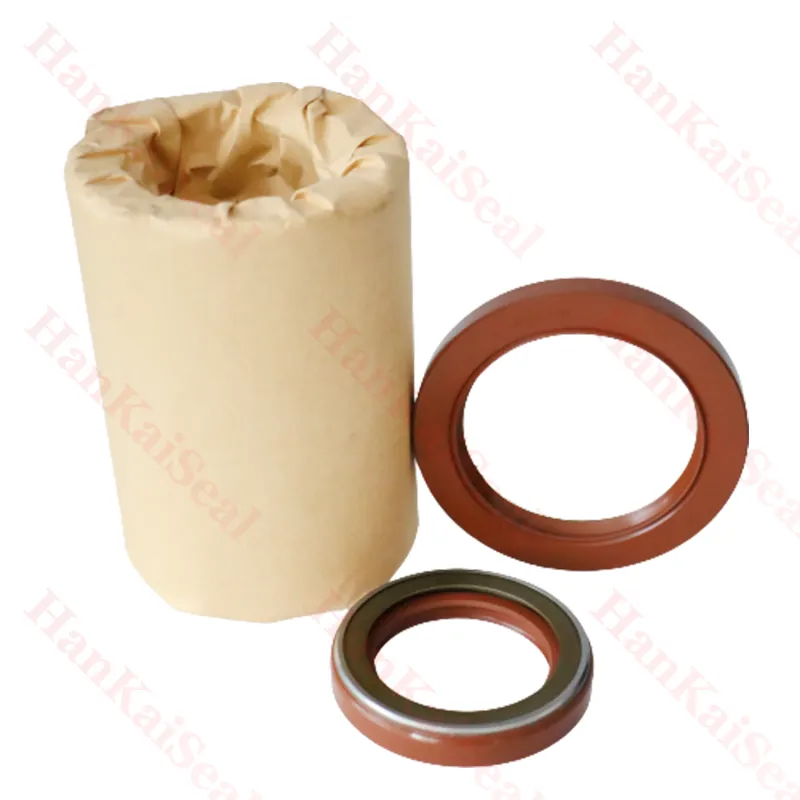
Standard oil seal BP0494 High pressure TCN oil seal
-
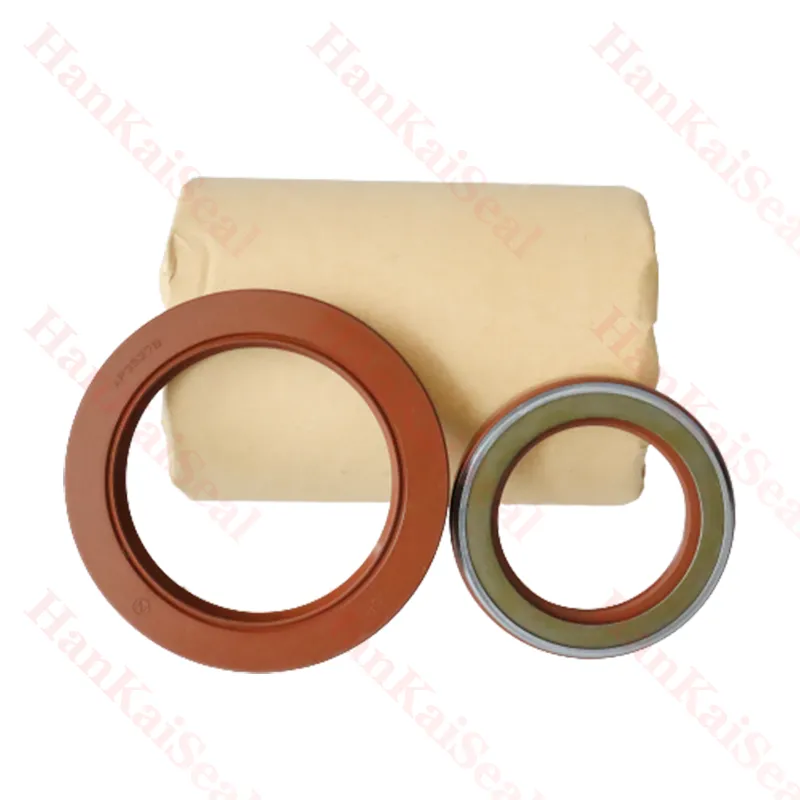
Hydraulic pump seal AP4624G high pressure TCN oil seal
-
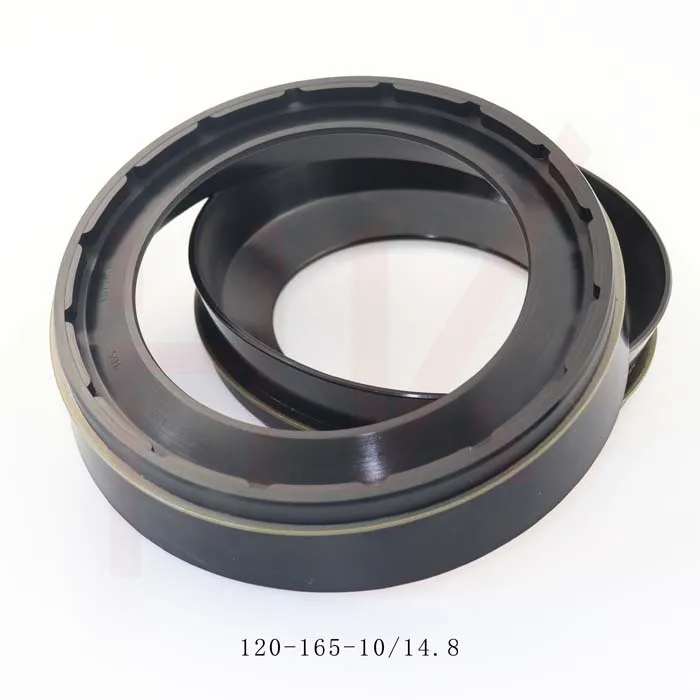
0734307418 0750112169 120*165*10/14.8 concrete mixer reducer oil seal
-
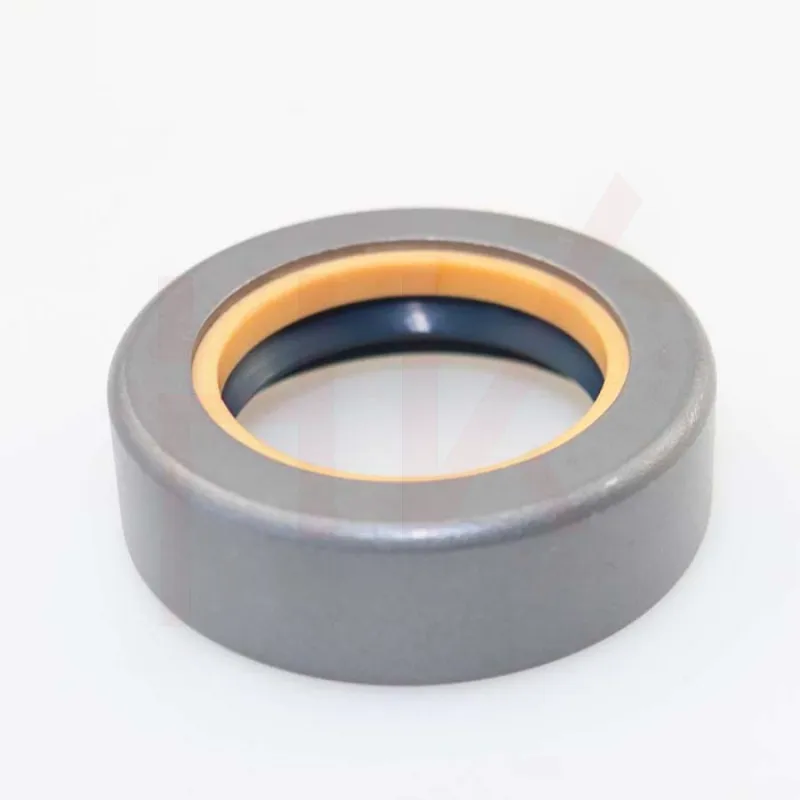
35*52*16 Standard Wheel Hub Oil Seal For Agricultural Machinery
-
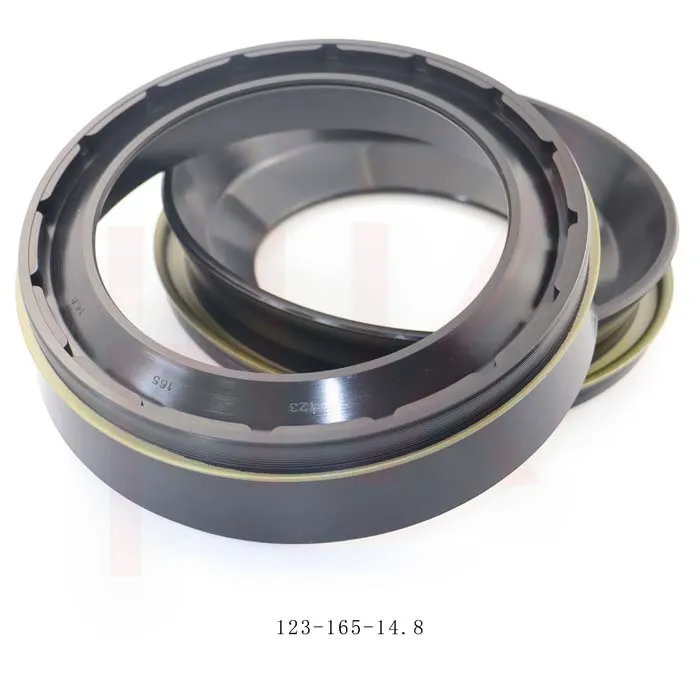
123*165*14.8 concrete mixer truck reducer oil seal
-
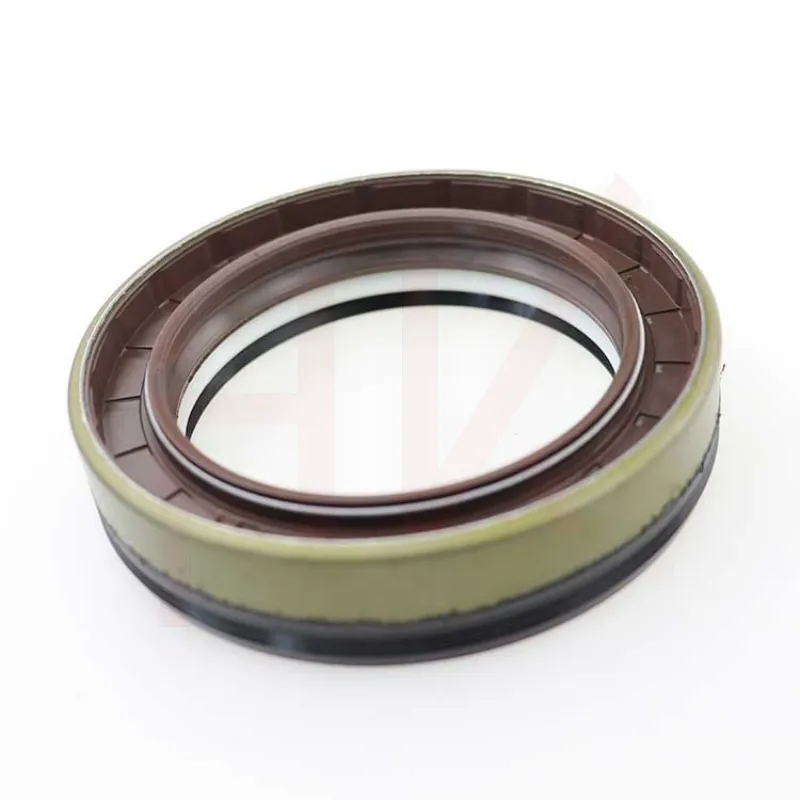
Tractor shaft oil seal 65-90-20 COMBI SF19 hub oil seal
-
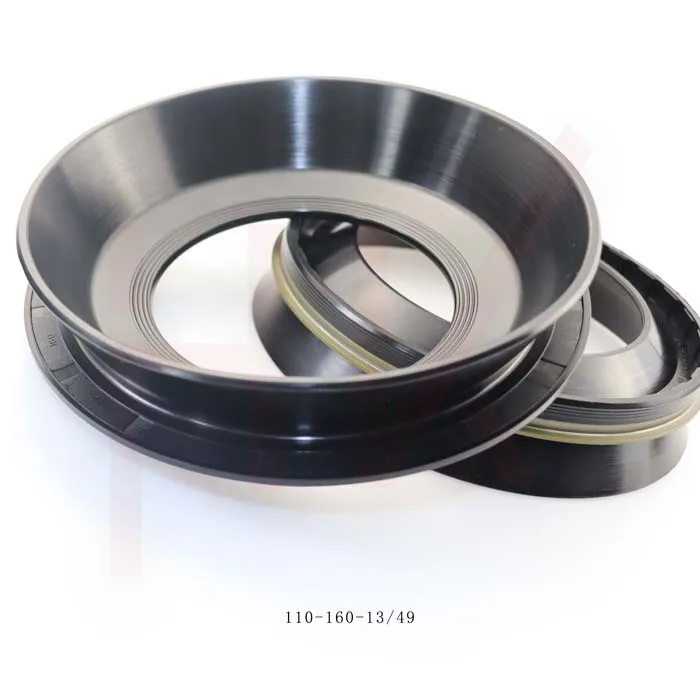
110*160*13/49 NBR reducerConcrete mixer truck oil seal
-
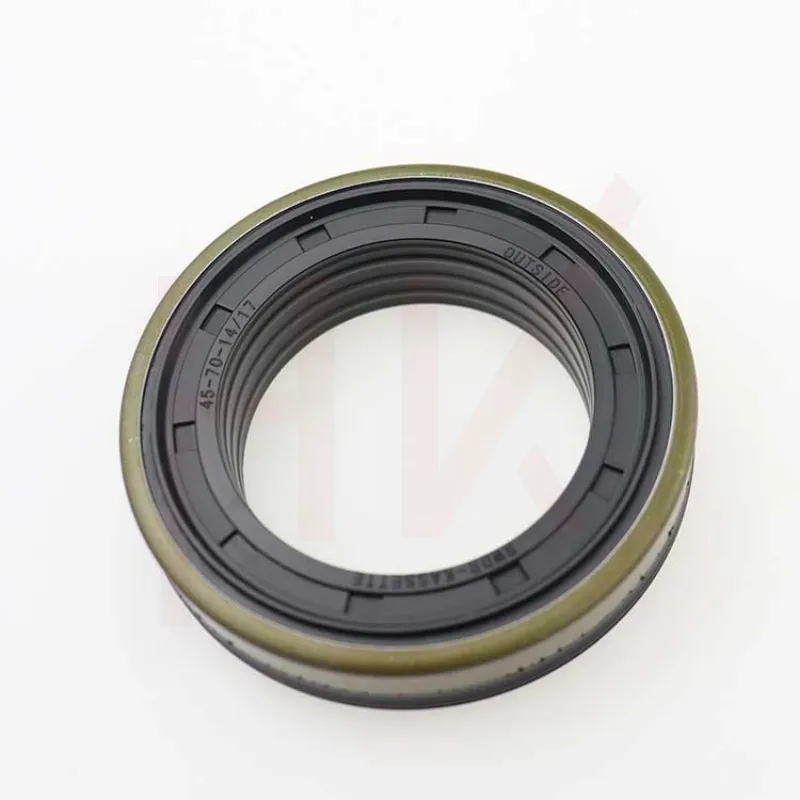
Hub oil seal 40*65*13/14.5 suitable for tractor Cat 12018035b
-
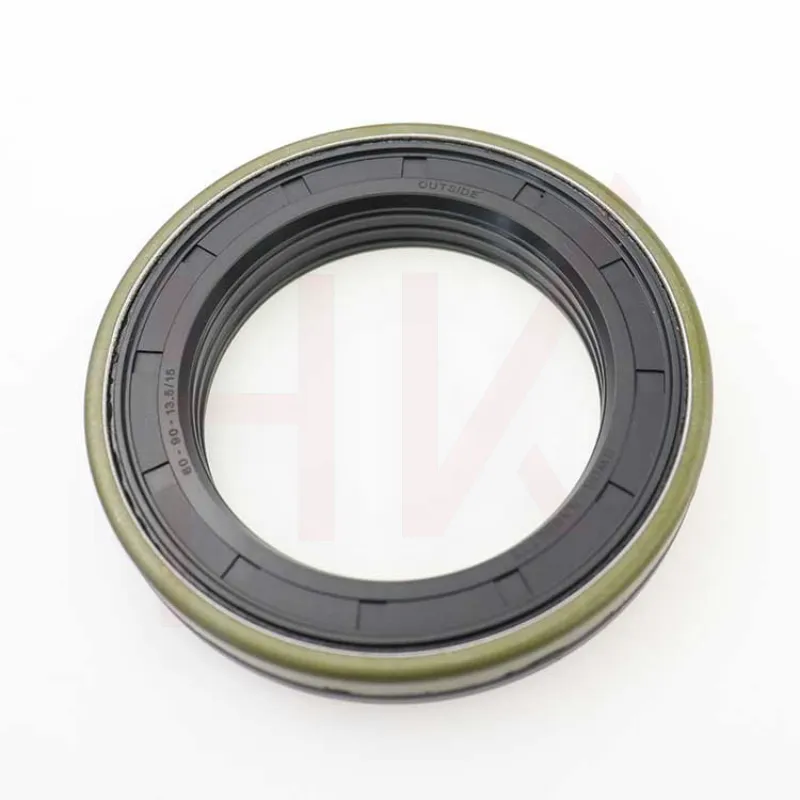
Tractor accessories cassette oil seal hub oil seal 60-90-13.5/15
-
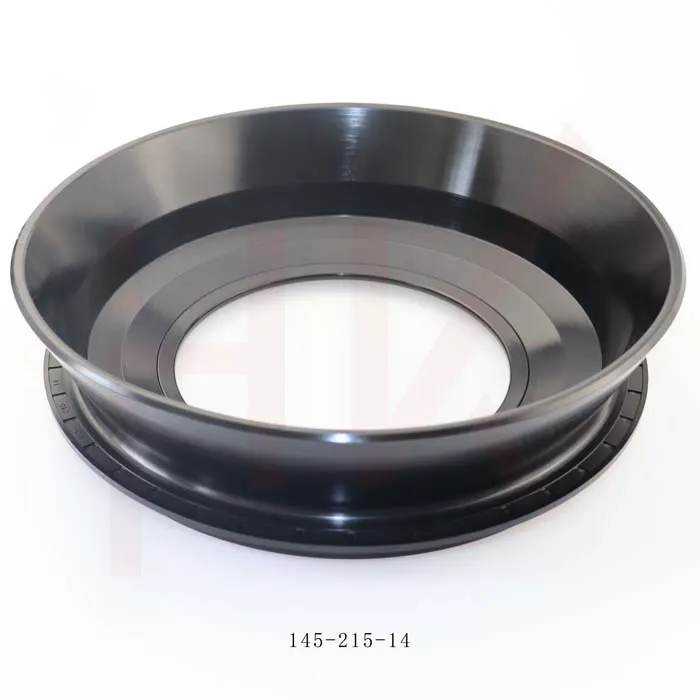
Factory concrete mixer truck oil seal 145*215*14 reducer gearbox oil seal
-
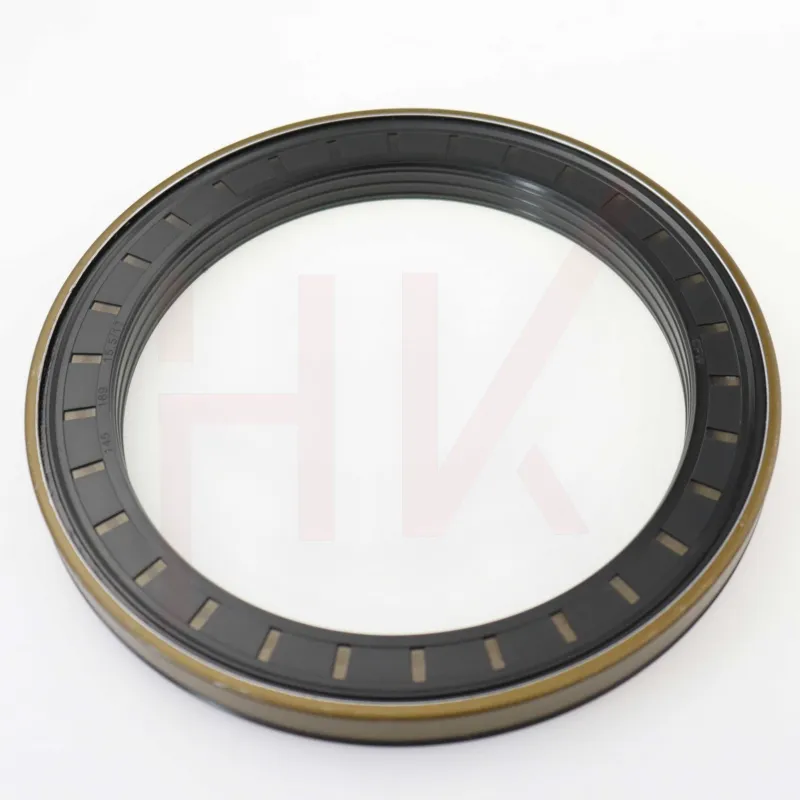
145*189*15.5/17 Cassette Seal NBR Hub Oil Seal 1508044
-
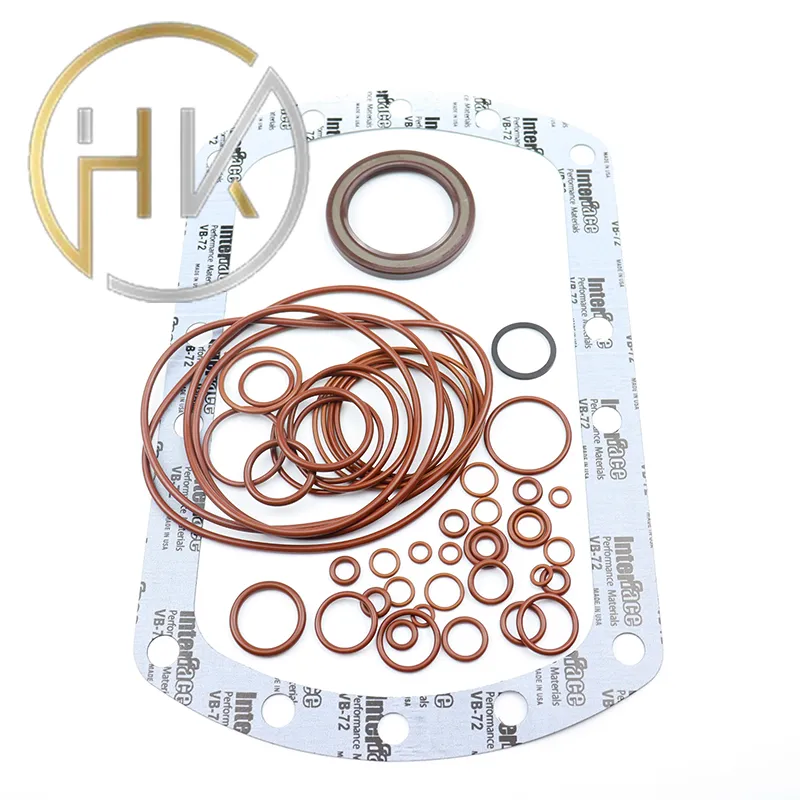
Factory direct sales hydraulic pump motor seal kit A8VO140
-
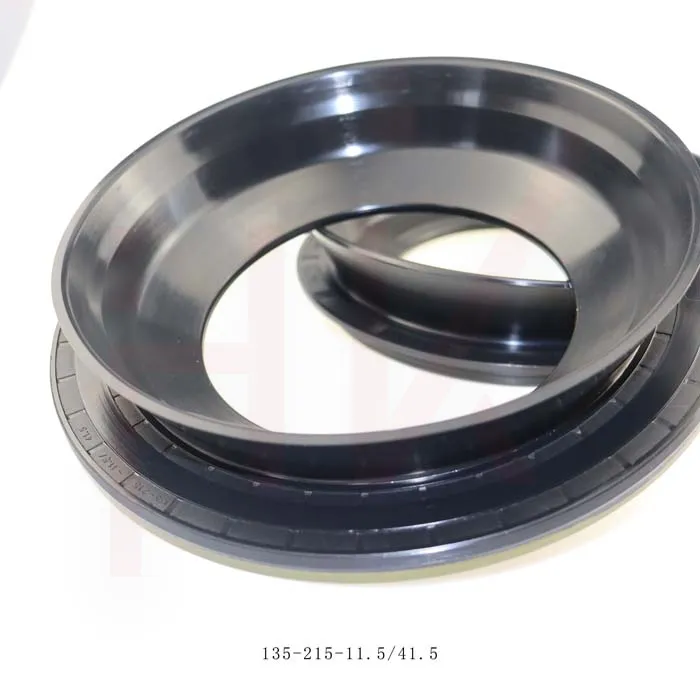
Brand new cement tanker oil seal 135*215*11.5/41.5 concrete mixer oil seal
-
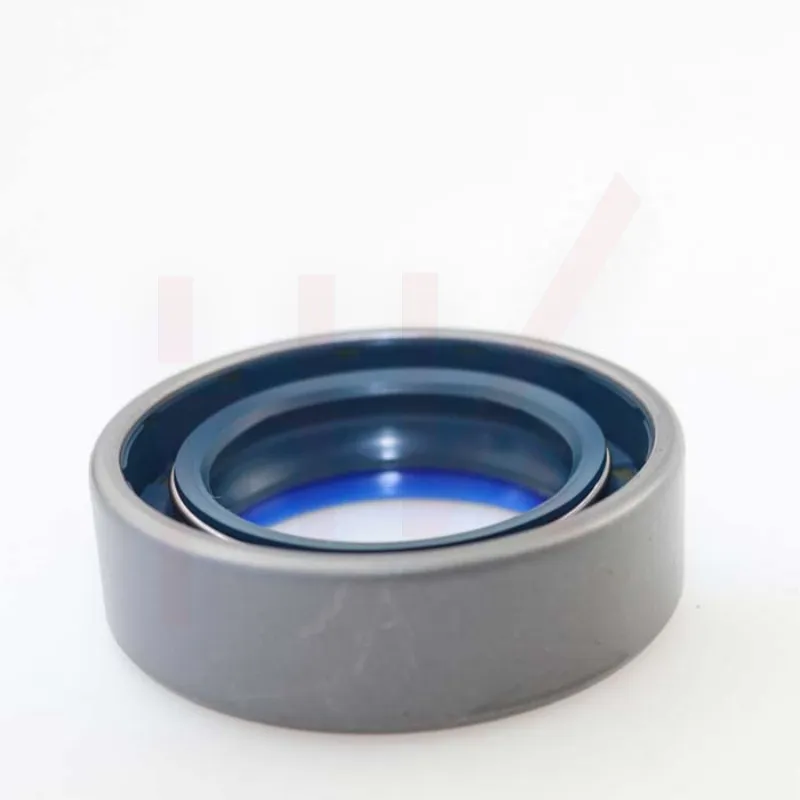
45*65*15 Combi oil seal JCB 90450009 COMBI SF1 SEAL
-
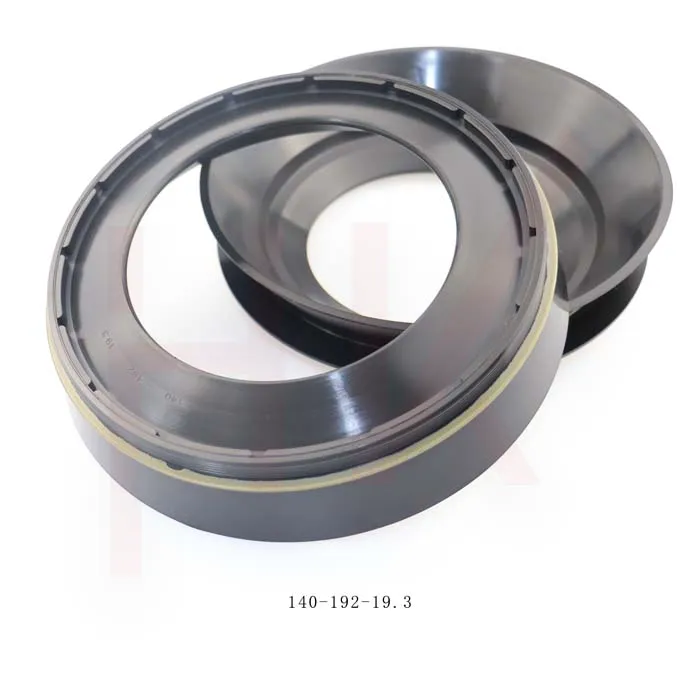
Gear box concrete mixer oil seal 140*192*19.3 nbr reducer oil seal
-
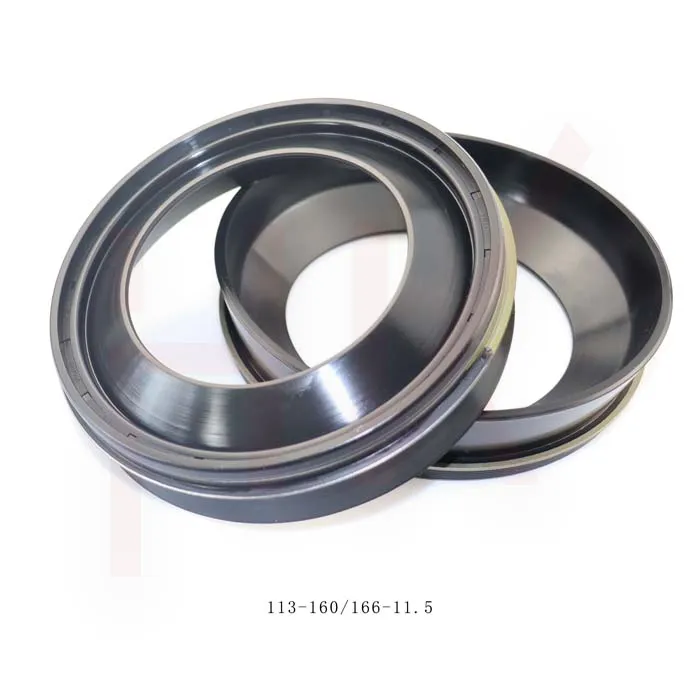
Seals factory direct sales 113*160/166*11.5/38 excavator truck reducer oil seal