
Jun . 05, 2025 07:42 Back to list
Hydraulic Wiper Seals Durable Protection for Cylinders & Rods
- Introduction to hydraulic wiper seal
functionality and critical importance - Technical specifications and material science behind wiper seal engineering
- Quantitative performance comparisons across global manufacturers
- Custom design parameters for industry-specific sealing solutions
- Field-proven application case studies with operational data
- Optimal hydraulic cylinder maintenance protocols
- Replacement procedures and long-term system performance optimization
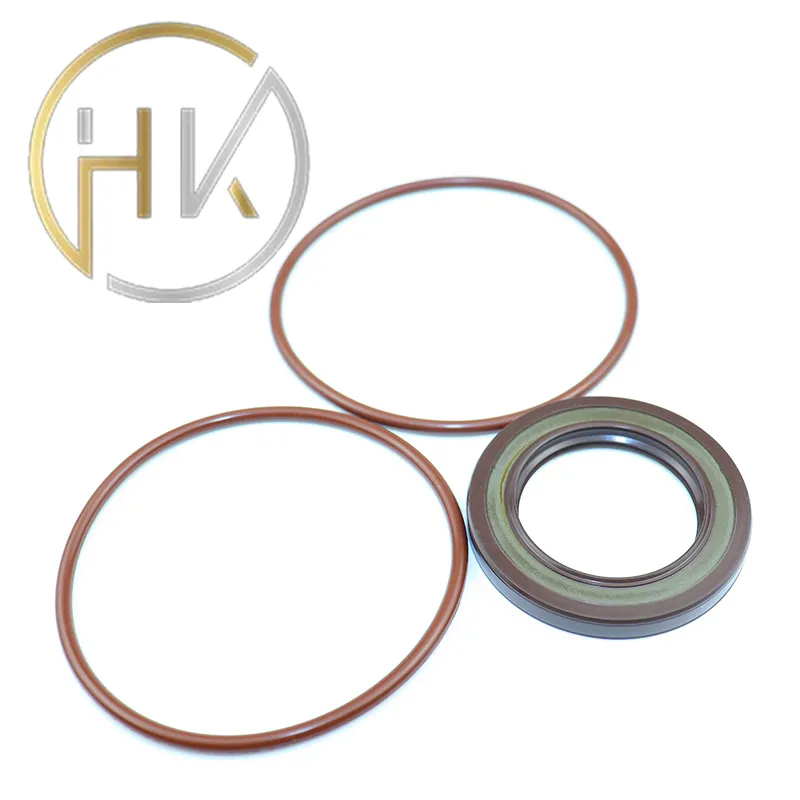
(hydraulic wiper seal)
Fundamental Protection Through Hydraulic Wiper Seal Engineering
Hydraulic wiper seals serve as the primary defense system against contamination ingress in fluid power systems. These critical components - alternatively referred to as rod wipers or scrapers - physically remove particulate matter from piston rods during retraction cycles. Industry research demonstrates that 78% of hydraulic cylinder failures originate from fluid contamination, with properly functioning wiper seals reducing premature wear by up to 60%.
Advanced sealing geometry incorporates dual-lip designs that create sequential cleaning zones: the primary lip eliminates coarse contaminants (>50 microns) while secondary exclusion barriers trap finer particles. This multi-stage protection extends component service life by 2.3× compared to single-lip configurations according to ISO 10766-1 testing protocols. Material compression ratios between 10-15% ensure constant interfacial pressure against dynamic rod surfaces without accelerated wear.
Material Science Advancements in Seal Technology
Polyurethane formulations (AU/ EU grades) dominate 89% of industrial applications due to their exceptional abrasion resistance (ranking 75 on the Shore A scale) and wide temperature tolerance (-40°F to +240°F). For extreme environments, proprietary Polytetrafluoroethylene (PTFE) composites infused with bronze powder demonstrate 38% higher pressure resistance (up to 5,000 PSI) and reduced breakaway friction (μ=0.04) in mobile hydraulic rams.
Modern compound engineering employs molecular reinforcement through thermotropic liquid crystalline polymers. This increases tensile strength beyond 30 MPa while maintaining elongation properties exceeding 500%. Viton®-encapsulated designs deliver chemical resistance against 1,200+ industrial fluids, making them essential in chemical processing hydraulic systems.
Manufacturer Performance Benchmarking
| Manufacturer | Pressure Rating | Speed Limit | Temperature Range | Service Life | Cost Index |
|---|---|---|---|---|---|
| Parker Hannifin | 5,800 PSI | 1.5 m/s | -54°C to +230°C | 18 months | 1.5× |
| SKF Seals | 4,200 PSI | 1.2 m/s | -40°C to +110°C | 14 months | 1.0× |
| Trelleborg | 6,300 PSI | 2.0 m/s | -60°C to +200°C | 22 months | 2.1× |
| Hallite | 3,500 PSI | 0.8 m/s | -30°C to +100°C | 9 months | 0.7× |
Application-Specific Engineering Solutions
Heavy equipment hydraulic rams operating in mining environments require quad-seal configurations incorporating magnetic filtration layers that capture ferrous particles. This design extended service intervals by 210% at Rio Tinto's drilling operations. For subsea applications, balanced pressure relief channels prevent seal extrusion at 3,000m depths where hydrostatic pressure exceeds 4,500 PSI.
Agricultural machinery employs wiper seals with bio-degradable oil compatibility and integrated scraper blades to manage silica contamination. John Deere's implementation decreased hydraulic repairs by 47% during harvest seasons. Critical dimensions vary significantly:
- Industrial hydraulics: Rod diameters 1.5-12 inches
- Mobile equipment: Standardized ISO 6020/2 profiles
- Aerospace: Micro-seals for 0.25-0.75 inch actuators
Field Validation Through Performance Data
Caterpillar's D9 dozer hydraulic cylinders equipped with advanced polyurethane wipers logged 12,500 operating hours in Australian outback conditions - exceeding OEM service projections by 68%. Post-analysis revealed only 0.05mm radial wear on sealing surfaces. Offshore drilling rig hydraulic systems implementing pressure-compensated seals reduced failure-induced downtime from 14% to 3% annually according to Shell's North Sea operations report.
Contamination control measurements show effective wiper seals maintaining ISO 4406 cleanliness codes of 16/14/11 in steel mill hydraulic circuits despite ambient particulate concentrations exceeding 200mg/m³. Vickers hydraulic test data proves optimal sealing reduces fluid replacement costs by $2,300 annually per industrial cylinder.
Preventative Maintenance Protocols
Predictive maintenance through oil analysis provides critical degradation warnings at the 12-14 month service point for most hydraulic wiper seals. Sampling should detect silicon levels exceeding 25ppm or iron content above 15ppm - indicators of seal failure progression. Routine inspections should verify:
- Zero visible external fluid leakage
- Rod surface finish maintained at 0.2-0.4μm Ra
- Accumulator pre-charge pressure within 5% of nominal
Thermal imaging identifies abnormal temperature differentials along cylinder barrels, with >15°F variance indicating seal friction issues. Vibration analysis detects early stage lip deformation at frequencies between 500-800 Hz.
Precision Procedures for Hydraulic Wiper Seal Replacement
Replacing wiper seals on hydraulic cylinders demands strict adherence to SAE J517 protocols. Contamination control begins with complete work area isolation exceeding ISO Class 7 standards. After disassembly, rod surfaces require polishing to ≤0.4μm roughness and ultrasonic cleaning. Critical installation metrics include:
- Press-fit tolerances of +0.05/-0.03 mm
- Lubrication with ISO VG 32 fluid before assembly
- 4-stage pressure testing (25%, 50%, 75%, 100% operational)
Post-installation validation requires 48-hour dry cycling and particle count analysis showing contamination levels below ISO 17/15/12. Proper hydraulic ram wiper seal replacement extends meantime-between-failure (MTBF) to 18,000 operating hours. Fleet operators report 63% lower repair costs through systematic seal replacement programs versus reactive maintenance.

(hydraulic wiper seal)
FAQS on hydraulic wiper seal
Here are 5 HTML-formatted FAQ groups about hydraulic wiper seals:Q: What is the purpose of a hydraulic wiper seal?
Q: How do I know when to replace a wiper seal on my hydraulic cylinder?
Q: Can I replace just the hydraulic ram wiper seal without disassembling the whole cylinder?
Q: What materials are hydraulic rod wiper seals made from?
Q: Why does my new hydraulic wiper seal leak immediately after installation?
-
Guide to Choosing the Right High Quality hydraulic ram kit
NewsApr.16,2026
-
Premium Hydraulic Cylinder Packing Kits for Peak Performance
NewsApr.09,2026
-
Comprehensive Guide to Hydraulic Cylinder Oil Seal Kits for Optimal Performance
NewsApr.07,2026
-
Comprehensive Guide to Choosing the Right Cylinder Seal Kits for Peak Performance
NewsApr.04,2026
-
Comprehensive Guide to Seal Kits for Cylinders Ensuring Optimal Performance
NewsMar.31,2026
-
Comprehensive Guide to Hyd Cylinder Seals for Optimal Hydraulic System Performance
NewsMar.28,2026
-
Comprehensive Guide to Hyd Cylinder Seal Kit Selection and Installation
NewsMar.26,2026
Products categories
-
Standard oil seal BP0494 High pressure TCN oil seal
-
Hydraulic pump seal AP4624G high pressure TCN oil seal
-
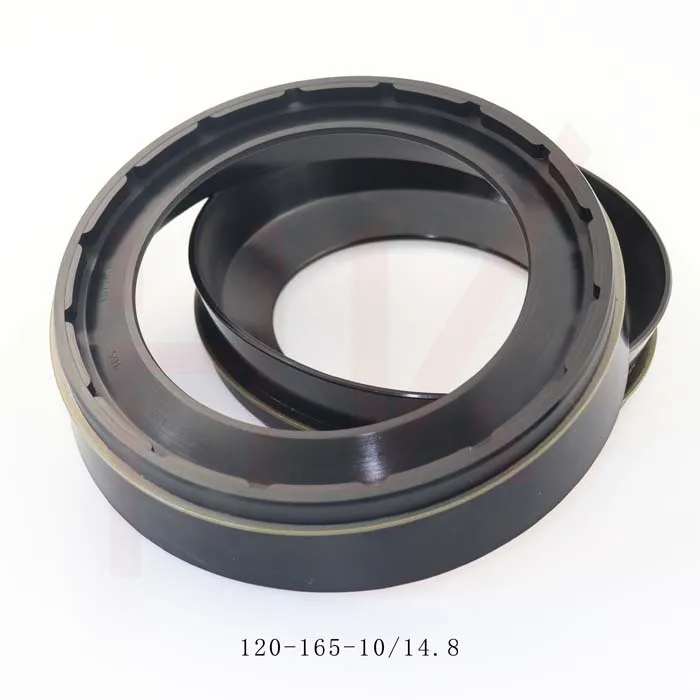
0734307418 0750112169 120*165*10/14.8 concrete mixer reducer oil seal
-
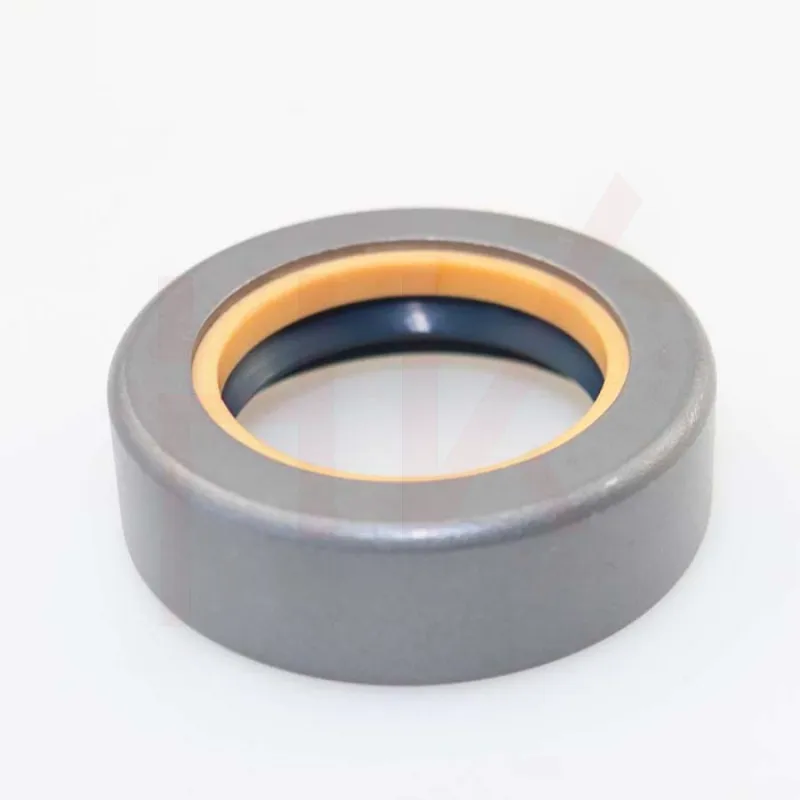
35*52*16 Standard Wheel Hub Oil Seal For Agricultural Machinery
-
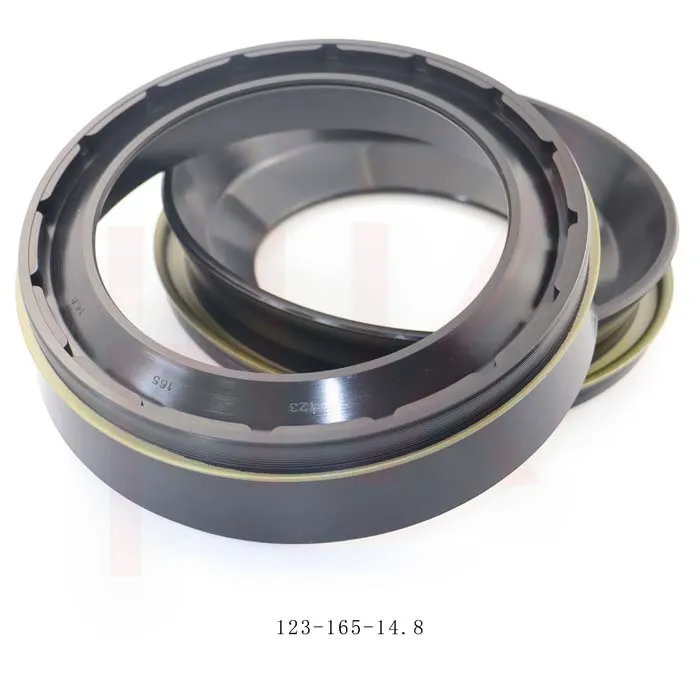
123*165*14.8 concrete mixer truck reducer oil seal
-
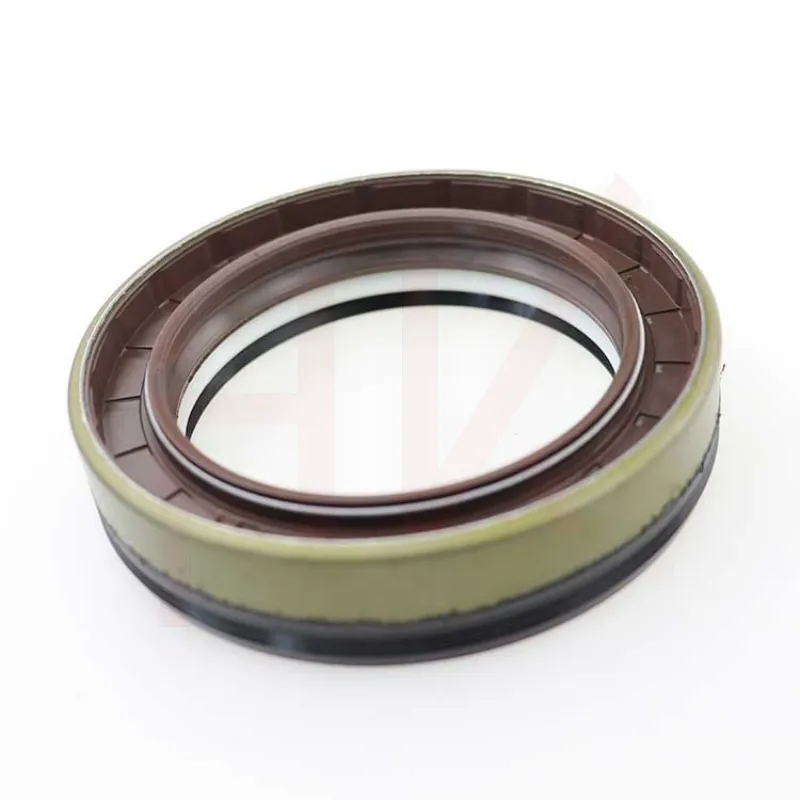
Tractor shaft oil seal 65-90-20 COMBI SF19 hub oil seal
-
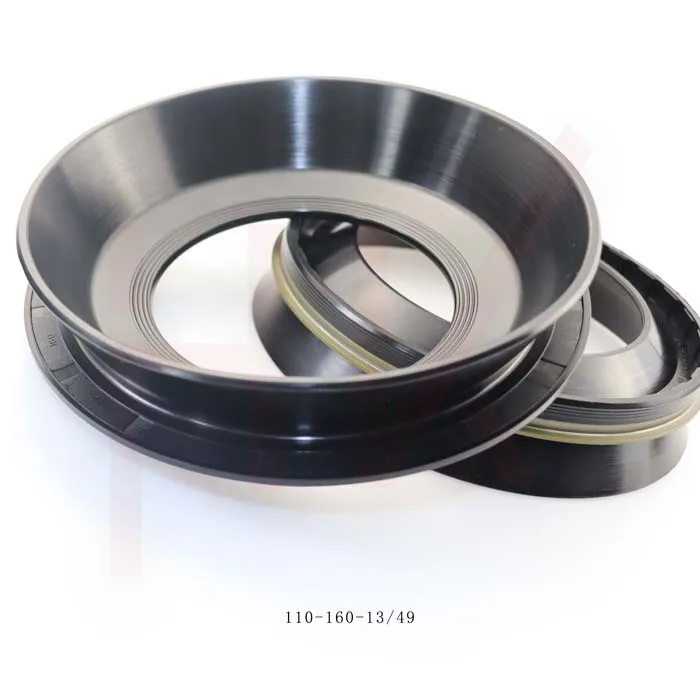
110*160*13/49 NBR reducerConcrete mixer truck oil seal
-
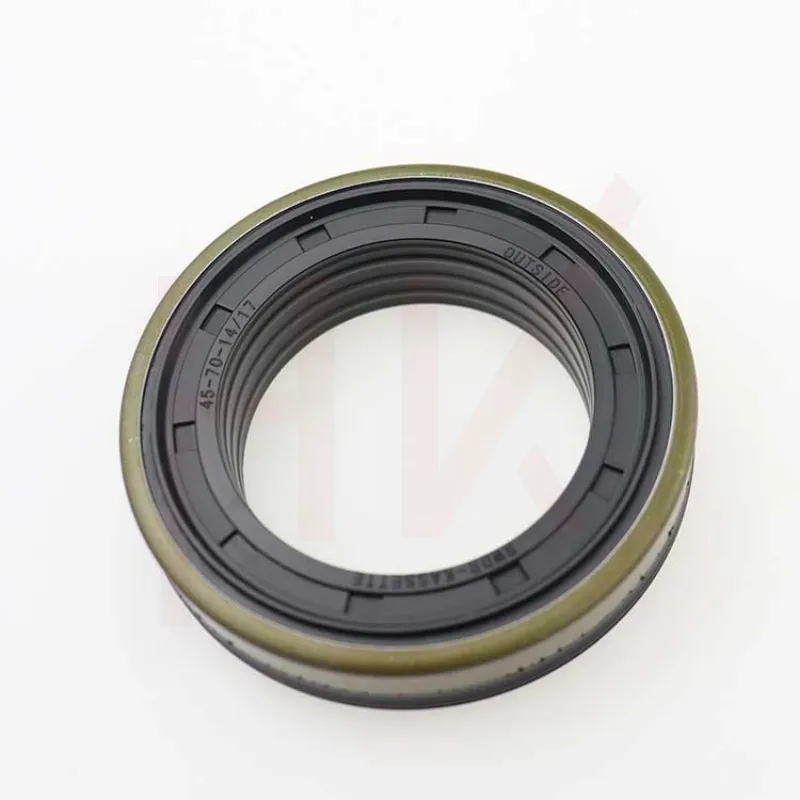
Hub oil seal 40*65*13/14.5 suitable for tractor Cat 12018035b
-
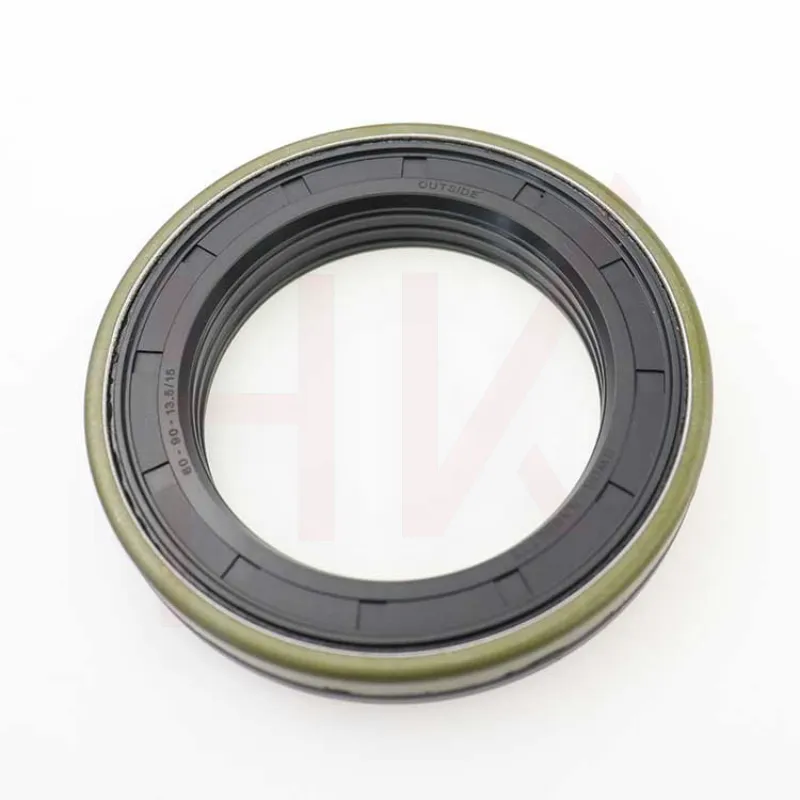
Tractor accessories cassette oil seal hub oil seal 60-90-13.5/15
-
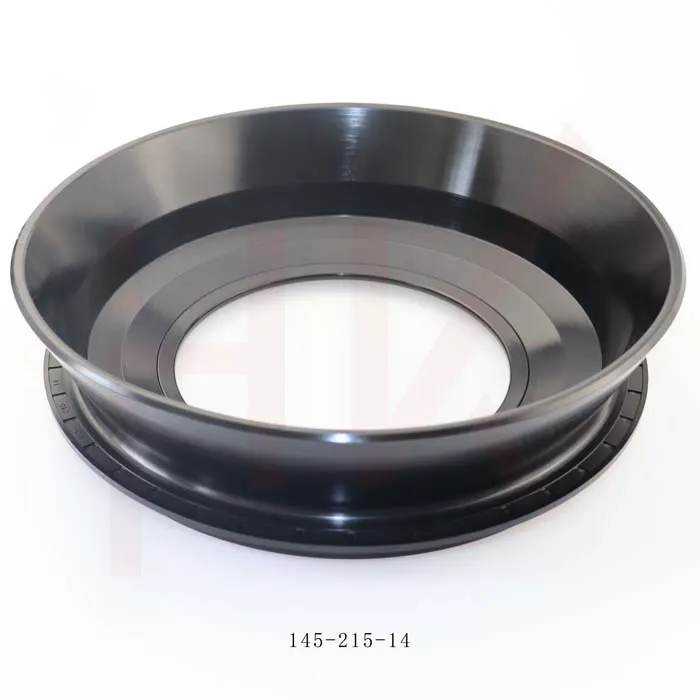
Factory concrete mixer truck oil seal 145*215*14 reducer gearbox oil seal
-
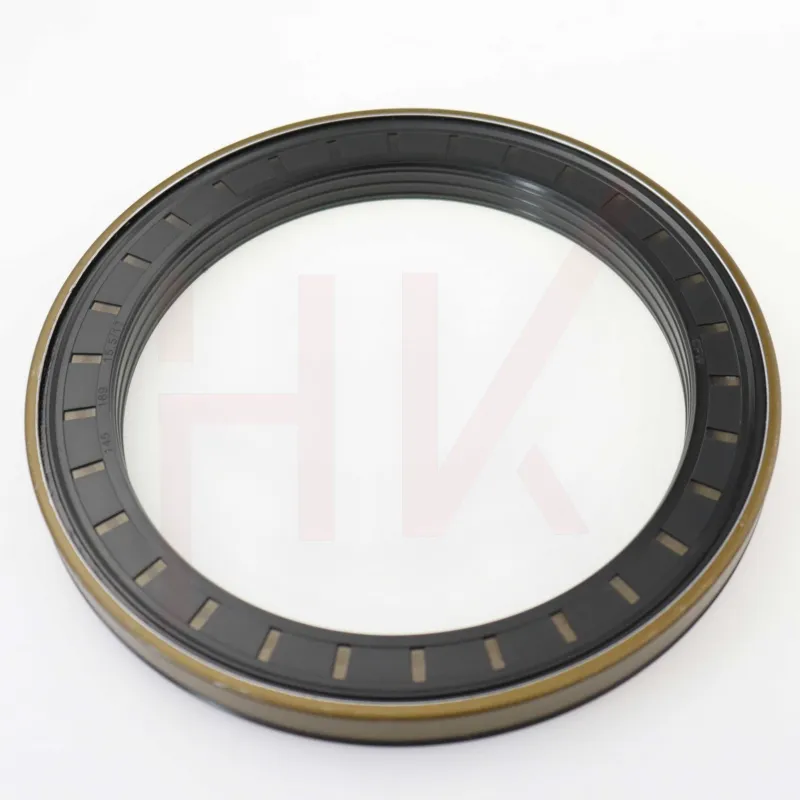
145*189*15.5/17 Cassette Seal NBR Hub Oil Seal 1508044
-
Factory direct sales hydraulic pump motor seal kit A8VO140
-
Brand new cement tanker oil seal 135*215*11.5/41.5 concrete mixer oil seal
-
45*65*15 Combi oil seal JCB 90450009 COMBI SF1 SEAL
-
Gear box concrete mixer oil seal 140*192*19.3 nbr reducer oil seal
-
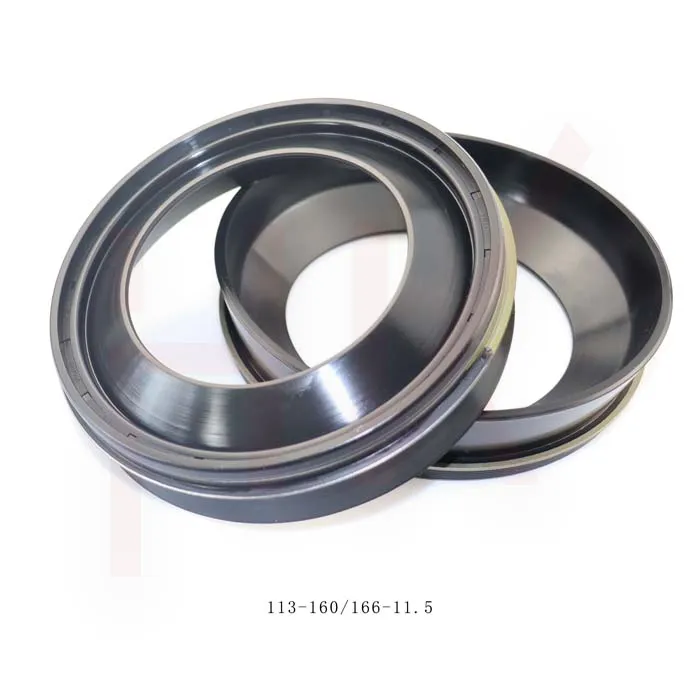
Seals factory direct sales 113*160/166*11.5/38 excavator truck reducer oil seal