
Nov . 29, 2025 04:50 Back to list
Hydraulic Motor Seals: The Essential Component for Reliable Hydraulic Systems
Understanding Hydraulic Motor Seals: Small Yet Mighty in Global Industry
Whenever you peek under the hood of any robust hydraulic motor, one element quietly keeps things running smoothly—hydraulic motor seals. They might be small, but they guard against leaks, pressure drops, and mechanical failures that can cost companies thousands of dollars worldwide. In real terms, understanding these seals’ importance explains not only why manufacturing lines run uninterrupted but also why heavy machinery can handle demanding tasks—from agriculture to offshore drilling.
Global industry relies on millions of fluid-driven machines every day, making hydraulic motor seals critical components of modern infrastructure. Plus, as automation and sustainable energy technology surge, the expectations on these seals are rising by the day — resistance to wear, efficiency preservation, and environmental safety being on top of many engineers’ wishlists.
Mini Takeaway: Though often overlooked, hydraulic motor seals play an indispensable role in maintaining operational efficiency and preventing costly downtime across multiple industries.
Hydraulic Motor Seals in a Global Context
As global manufacturing output edges closer to $15 trillion annually (World Bank, 2023), millions of hydraulic motors power factories, vehicles, and construction rigs. The relentless push for higher productivity and lower emissions brings the spotlight to component reliability—especially seals that keep hydraulic fluid contained under extreme pressure and temperature conditions.
Leakage is a global challenge. The International Organization for Standardization (ISO) notes that improper sealing accounts for nearly 30% of hydraulic system failures. These failures ripple through supply chains, inflating maintenance costs and increasing environmental hazards due to fluid leaks (ISO 5599-1:2019).
Without high-performance hydraulic motor seals, entire industries—from automotive manufacturing hubs in Germany to oil rigs in the North Sea—face operational risk. So the demand for better materials and seal designs isn't just about convenience; it's about preventing costly interruptions and enhancing sustainability worldwide.
What Exactly Are Hydraulic Motor Seals?
At their core, hydraulic motor seals are resilient rings or gaskets fitted around the motor shaft or cylinder interfaces. Their job? To prevent fluid—usually oil—from leaking while allowing rotating parts to move smoothly. Think of them as humble gatekeepers: blocking contaminants from entering, and fluid from escaping under the high pressure often exceeding 3000 PSI.
In simpler terms, they keep systems “wet and working,” ensuring the fluid dynamics powering equipment remain efficient and safe. This has broader significance; for instance, in humanitarian machinery like water pumps in remote villages, the seals ensure continuous operation, indirectly supporting critical needs.
Core Aspects Defining Hydraulic Motor Seals
Durability
These seals take a beating—temperature swings, abrasive particles, and constant friction. Modern seals utilize compounds like Viton® or polyurethane, which many engineers swear by for their excellent wear and chemical resistance.
Pressure Resistance
Hydraulic motors often operate under immense force. A seal that can't hold up will fail dramatically, causing leaks or damaging the system’s balance. Precision engineering and material science collaborate here to create seals that can sustain pressures upwards of 500 bar.
Compatibility with Fluids
From mineral oils to eco-friendly biodegradable fluids, the seal material must tolerate various chemistries without degradation. This ensures longevity and safety, especially in industries shifting towards green lubricants.
Temperature Range
Whether in Arctic pipelines or desert heavy machinery, seals function in temperature extremes. Selecting the right seal means matching its thermal tolerance to the environment—sometimes from -40°C to over 120°C.
Ease of Installation & Maintenance
Field technicians often appreciate seals designed for quick replacement without disassembling entire motor units, saving time and lowering repair costs.
Hydraulic Motor Seals in Action: A Global Tour
Hydraulic motor seals quietly support diverse sectors worldwide:
- Construction Equipment: In bustling Asian megacities, cranes and excavators depend on rugged seals to handle intense workloads.
- Renewable Energy: Wind turbines in Northern Europe use hydraulic drives sealed tightly to optimize performance even on gusty days.
- Agriculture: In Sub-Saharan Africa, hydraulic motors power irrigation systems; durable seals help maintain food production resilience in challenging climates.
- Disaster Relief: After floods, hydraulic pumps sealed with reliable components work tirelessly distributing water and clearing debris.
Such examples illustrate how these small components enable large-scale operations that drive economies and humanitarian efforts alike.
Mini Takeaway:
From megacities to remote farmlands, hydraulic motor seals are unsung heroes keeping critical infrastructure alive and well.
Advantages and Long-Term Impact of High-Quality Seals
Why invest in superior hydraulic motor seals? Here’s what companies and organizations stand to gain:
- Cost Reduction: Fewer leaks mean less fluid wasted and lower risk of equipment damage — which translates directly to savings.
- Environmental Stewardship: Minimizing leaks protects soil and water resources, aligning with sustainability goals.
- Safety: Preventing hydraulic fluid escape reduces hazards for operators and surroundings.
- Operational Reliability: Trustworthy seals reduce downtime and improve machine lifespan.
And beyond the ledger, these benefits contribute to a shared sense of trust among customers, suppliers, and communities—a factor often overlooked but immensely valuable.
Emerging Trends and Innovations in Hydraulic Motor Seals
The seal world isn’t standing still. Innovations to watch include:
- Advanced Materials: Graphene-reinforced and nano-composite seals boast exceptional wear resistance.
- Smart Seals: Embedded sensors that monitor wear or leaks in real-time, enabling predictive maintenance.
- Eco-Friendly Designs: Biodegradable or low-toxicity sealants syncing with global environmental policies.
- Digital Engineering: Simulation tools optimize seal design before physical production, saving money and time.
These trends reflect a broader shift towards integrating hydraulics with Industry 4.0 technologies — a truly fascinating evolution to keep an eye on.
Challenges and How Experts Tackle Them
Despite progress, several issues persist:
- Material Compatibility: Some fluids or contaminants still degrade seals prematurely.
- Installation Errors: Improper fitting causes early failures, a surprisingly common problem on complex sites.
- Cost vs. Performance: High-end seals can be pricey; balancing budget and quality remains a negotiation.
Manufacturers now offer better training, modular designs, and affordable premium options. Furthermore, industry partnerships, like those encouraged by ISO standards, help close knowledge gaps and improve overall quality assurance.
Quick FAQ on Hydraulic Motor Seals
- What’s the main purpose of hydraulic motor seals?
- They prevent fluid leaks and guard against contamination, ensuring efficient hydraulic system operation and longevity.
- How often should seals be inspected or replaced?
- Generally, every 12-24 months, but harsh conditions can require more frequent checks to avoid failures.
- Are all hydraulic motor seals compatible with eco-friendly fluids?
- No, some seal materials degrade with biofluids—but newer polymers are being developed to solve this.
- Can poor seals cause environmental hazards?
- Yes. Leaks release harmful oils or chemicals into soil or water, making quality seal selection critical for sustainability.
- Is installation difficult for non-expert technicians?
- Seal installation can be tricky. However, improved designs now allow easier, more foolproof installation with proper training.
Technical Specifications of a Popular Hydraulic Motor Seal Model
| Specification | Detail |
|---|---|
| Material | Viton® Fluoroelastomer |
| Operating Temperature Range | -40°C to 150°C |
| Max. Pressure | 500 bar (7,250 psi) |
| Fluid Compatibility | Mineral oils, synthetic oils, bio-based fluids |
| Shaft Diameter Range | 10mm – 200mm |
| Installation Type | Snap-in / Press fit |
Vendor Comparison: Top Hydraulic Motor Seal Suppliers
| Supplier | Material Range | Lead Time | Special Features | Typical Industries Served |
|---|---|---|---|---|
| HKA Seal Co. | Viton®, Polyurethane, NBR, PTFE | 2-4 weeks | Customized seal profiles, eco-friendly options | Construction, Renewable Energy, Agriculture |
| GlobalSeal Tech | NBR, Silicone, Fluorosilicone | 1-3 weeks | Rapid prototyping, specialty shapes | Automotive, Manufacturing, Oil & Gas |
| SealPro International | Polyurethane, PTFE, Viton® | 3-5 weeks | Long-life seals, hybrid materials | Heavy Industry, Marine, Aerospace |
Wrapping Up: Why Hydraulic Motor Seals Matter Now More Than Ever
To be honest, it’s easy to take hydraulic motor seals for granted until a leak or failure halts operations and sends maintenance crews scrambling. But as global industry presses on with bigger machines and cleaner energy demands, these humble parts deserve more respect. They are linchpins in sustainability, reliability, and safety.
If you’re sourcing seals or want to learn more about advanced options, I suggest checking out hydraulic motor seals that combine durability, precise engineering, and cutting-edge materials tailored to your needs.
After all, in the world of hydraulics, a good seal is the difference between trouble and smooth sailing.
References:
1. ISO 5599-1:2019 Hydraulic fluid power – Seals
2. World Bank Manufacturing Data
3. Hydraulic seal - Wikipedia
-
Guide to Choosing the Right High Quality hydraulic ram kit
NewsApr.16,2026
-
Premium Hydraulic Cylinder Packing Kits for Peak Performance
NewsApr.09,2026
-
Comprehensive Guide to Hydraulic Cylinder Oil Seal Kits for Optimal Performance
NewsApr.07,2026
-
Comprehensive Guide to Choosing the Right Cylinder Seal Kits for Peak Performance
NewsApr.04,2026
-
Comprehensive Guide to Seal Kits for Cylinders Ensuring Optimal Performance
NewsMar.31,2026
-
Comprehensive Guide to Hyd Cylinder Seals for Optimal Hydraulic System Performance
NewsMar.28,2026
-
Comprehensive Guide to Hyd Cylinder Seal Kit Selection and Installation
NewsMar.26,2026
Products categories
-
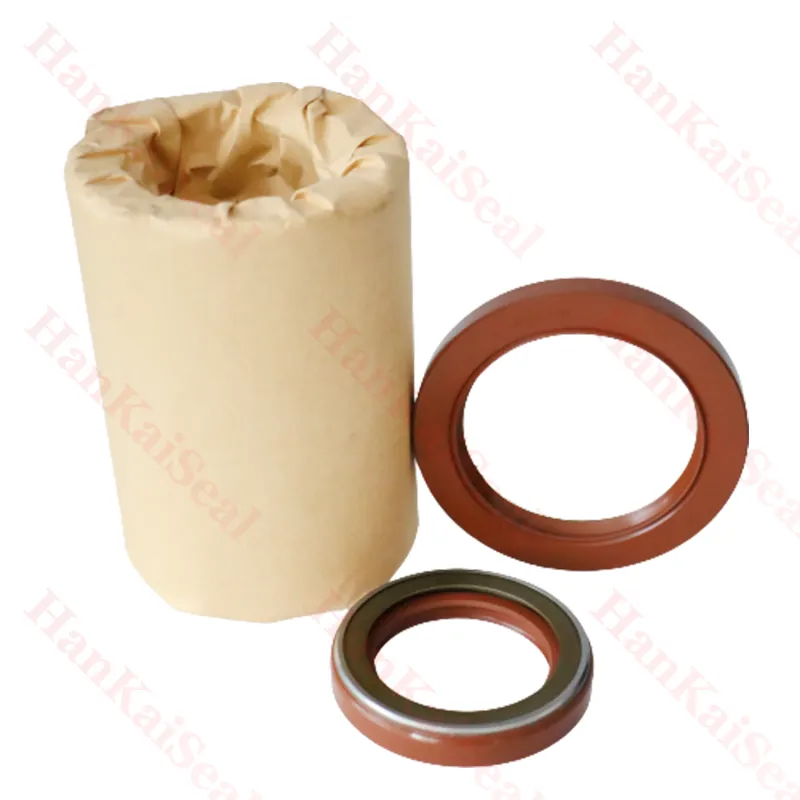
Standard oil seal BP0494 High pressure TCN oil seal
-
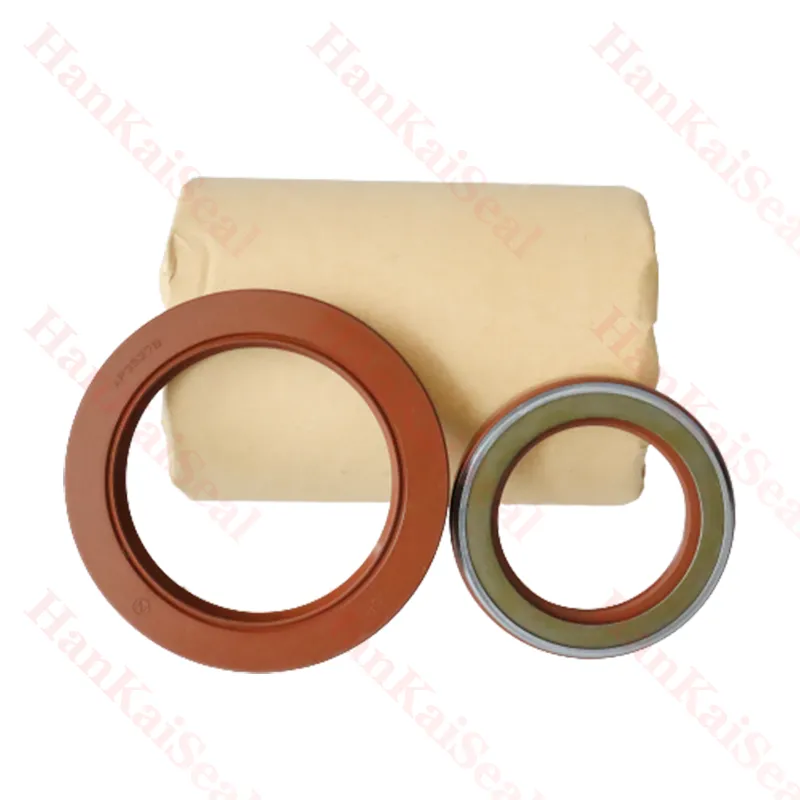
Hydraulic pump seal AP4624G high pressure TCN oil seal
-
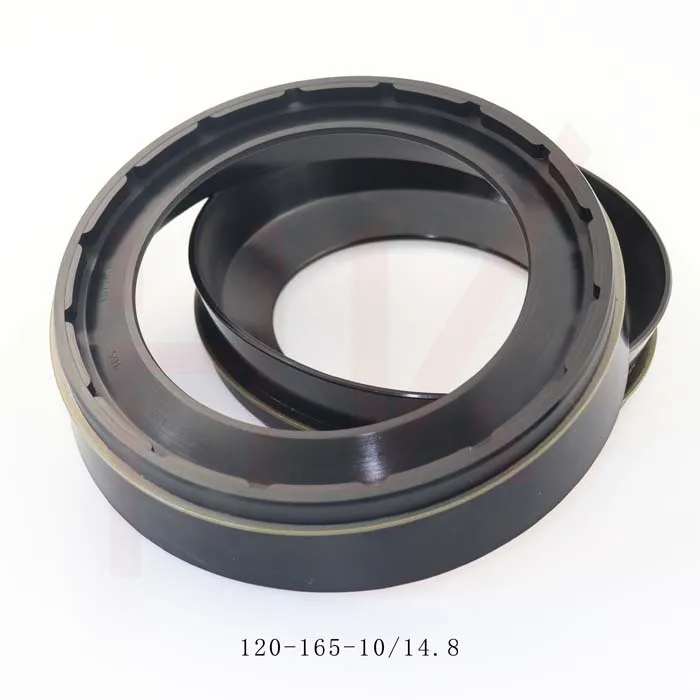
0734307418 0750112169 120*165*10/14.8 concrete mixer reducer oil seal
-
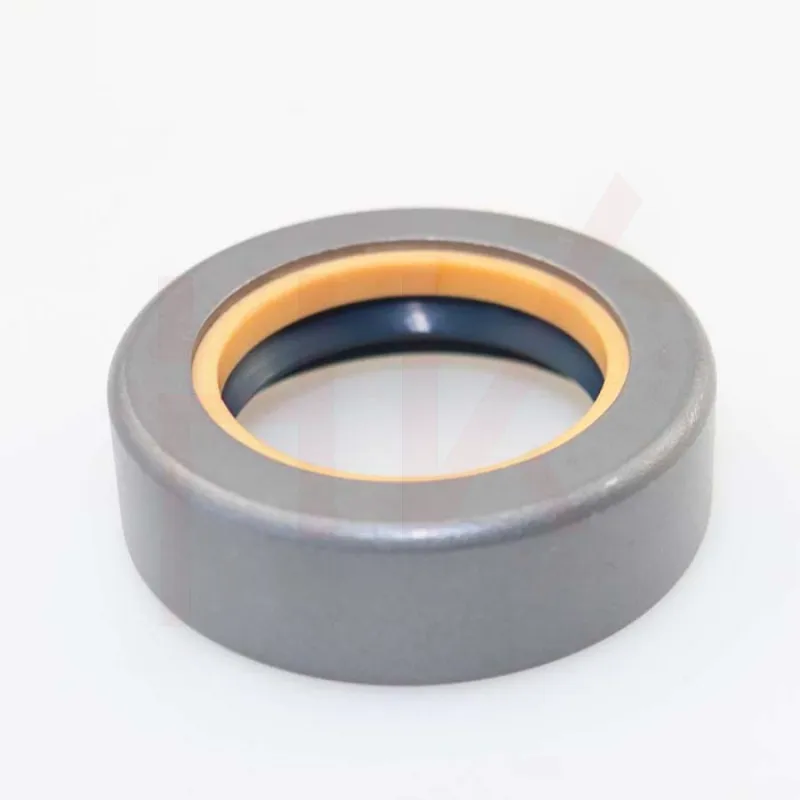
35*52*16 Standard Wheel Hub Oil Seal For Agricultural Machinery
-
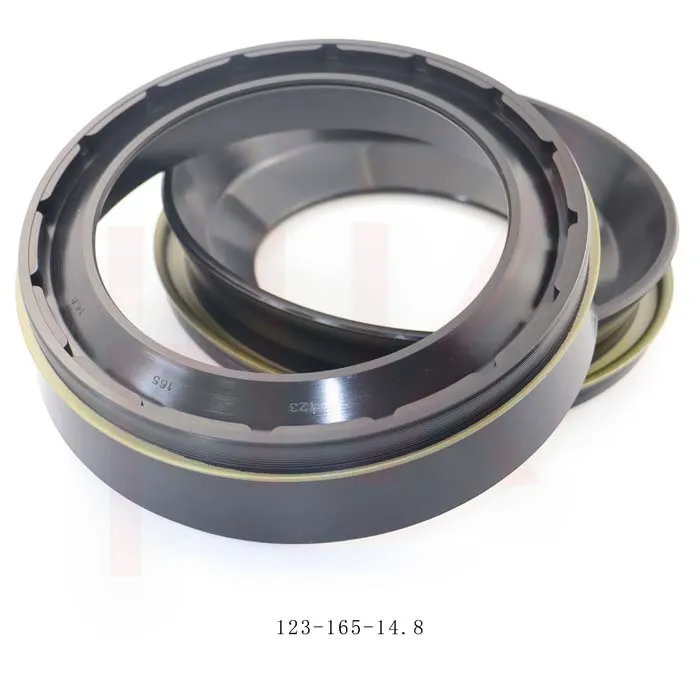
123*165*14.8 concrete mixer truck reducer oil seal
-
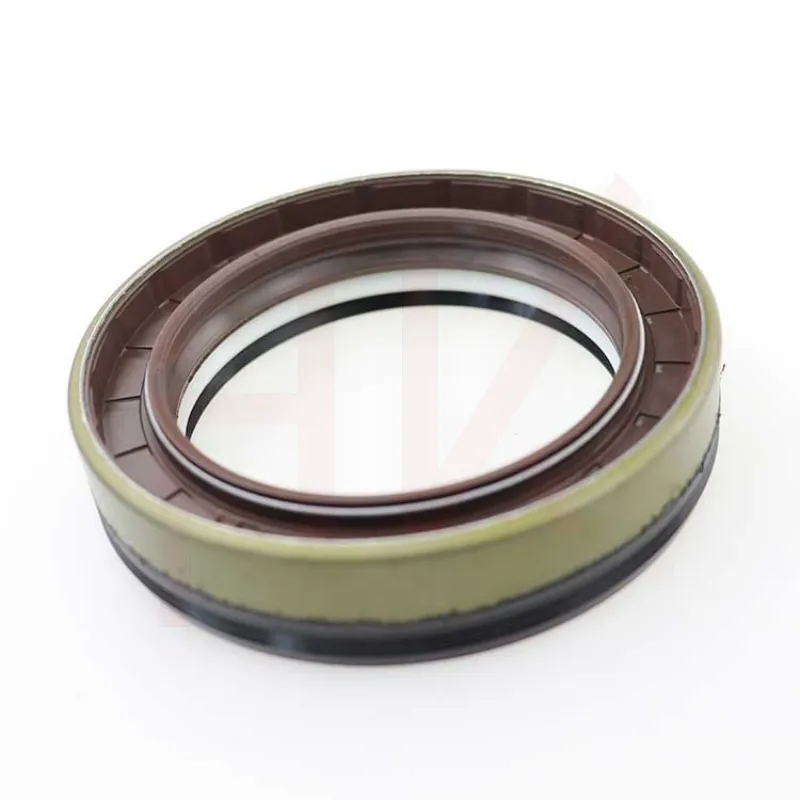
Tractor shaft oil seal 65-90-20 COMBI SF19 hub oil seal
-
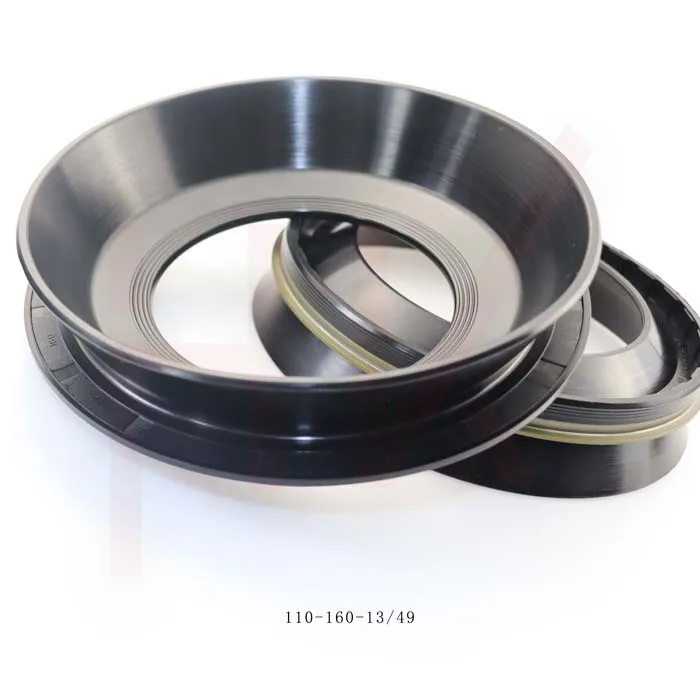
110*160*13/49 NBR reducerConcrete mixer truck oil seal
-
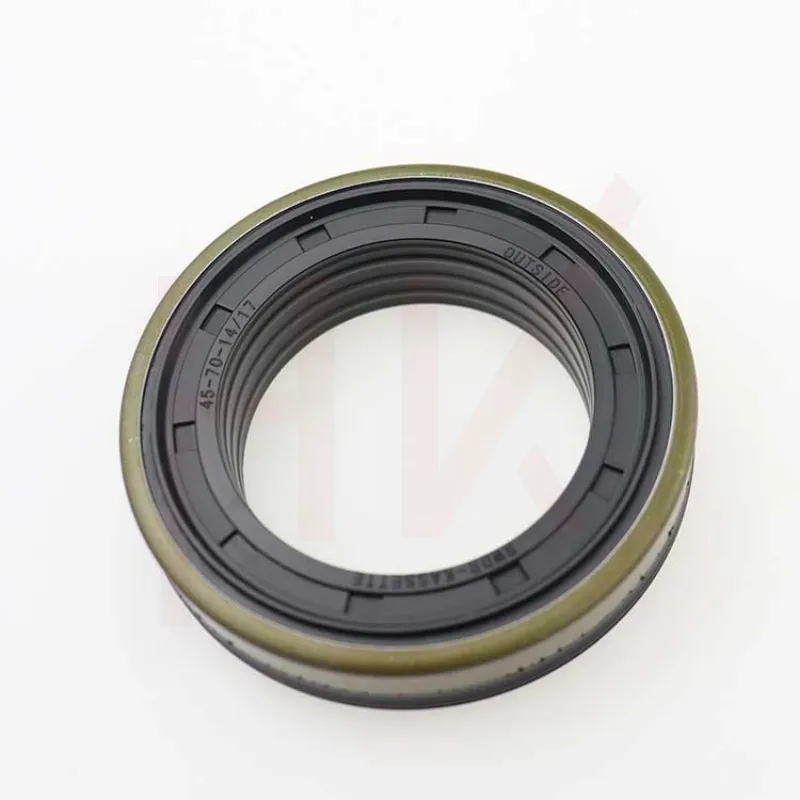
Hub oil seal 40*65*13/14.5 suitable for tractor Cat 12018035b
-
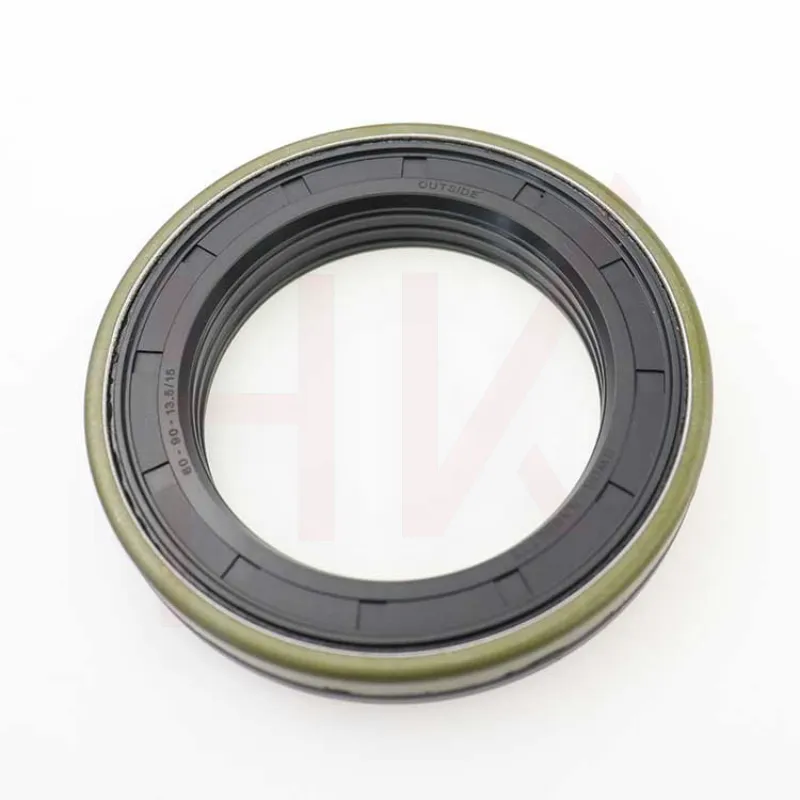
Tractor accessories cassette oil seal hub oil seal 60-90-13.5/15
-
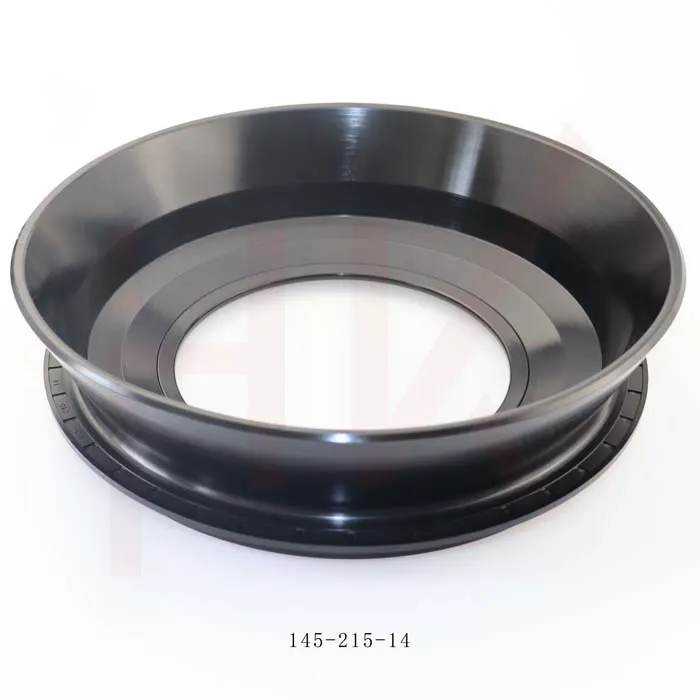
Factory concrete mixer truck oil seal 145*215*14 reducer gearbox oil seal
-
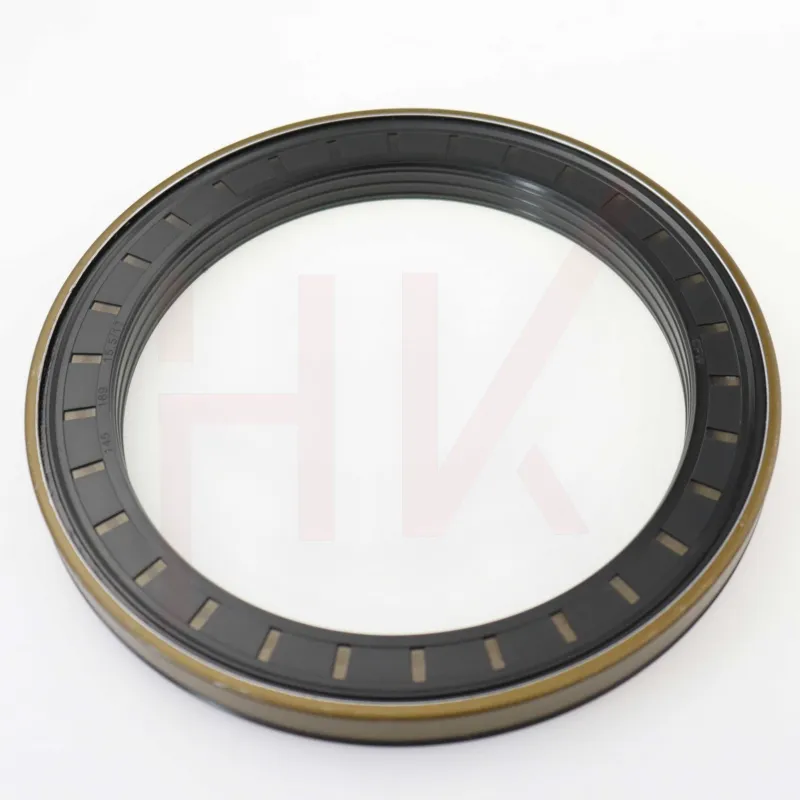
145*189*15.5/17 Cassette Seal NBR Hub Oil Seal 1508044
-
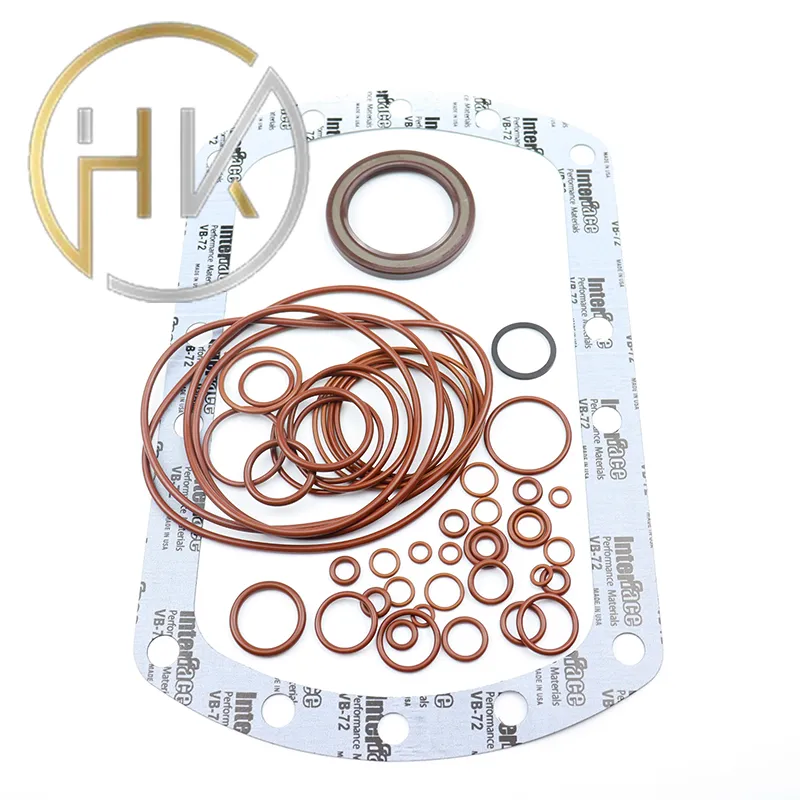
Factory direct sales hydraulic pump motor seal kit A8VO140
-
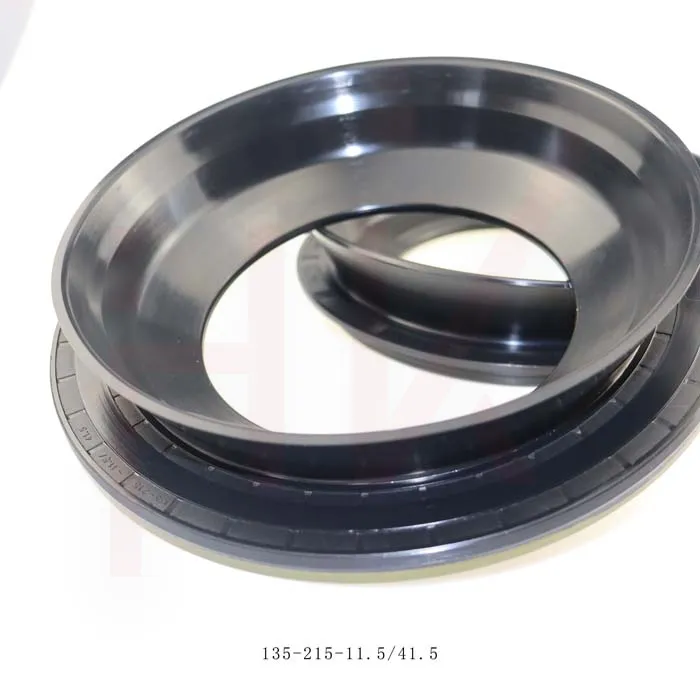
Brand new cement tanker oil seal 135*215*11.5/41.5 concrete mixer oil seal
-
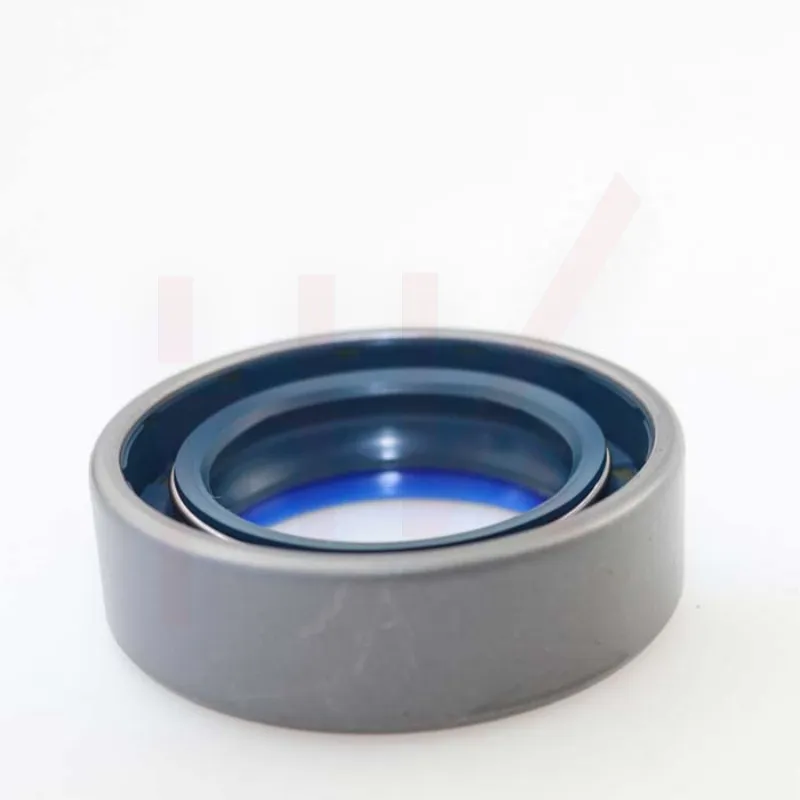
45*65*15 Combi oil seal JCB 90450009 COMBI SF1 SEAL
-
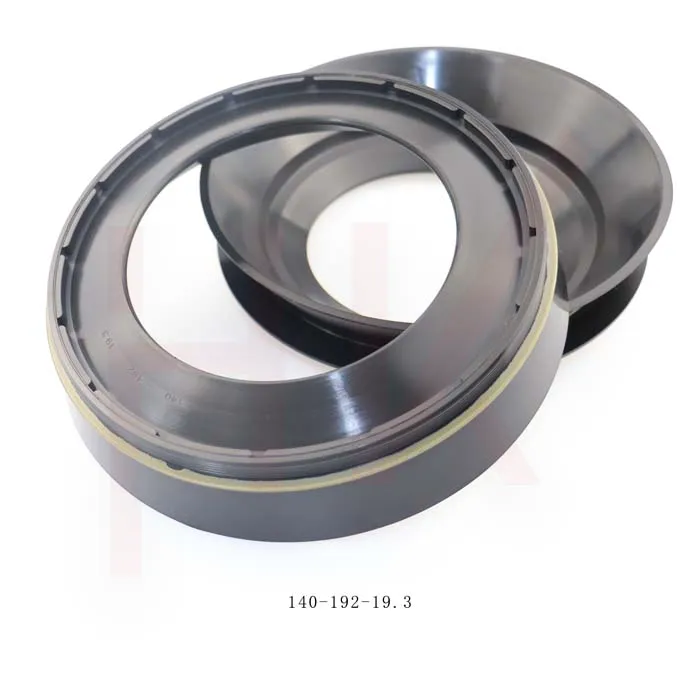
Gear box concrete mixer oil seal 140*192*19.3 nbr reducer oil seal
-
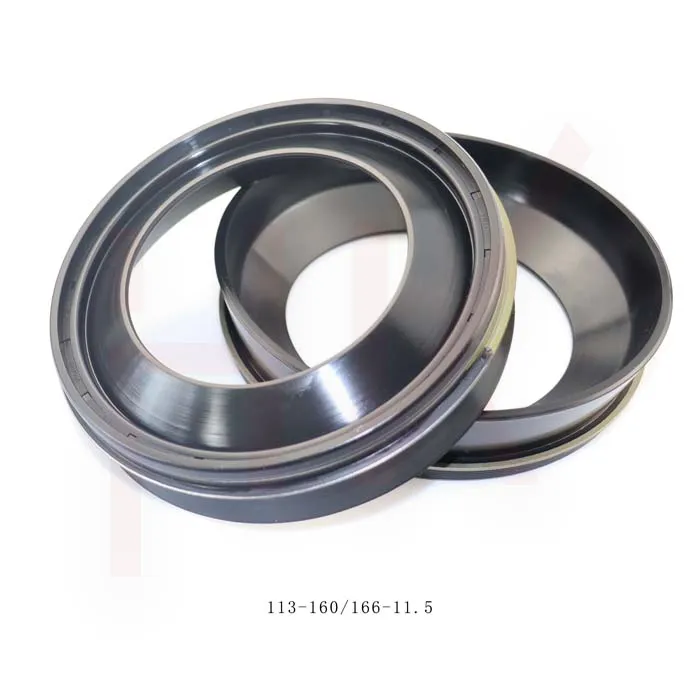
Seals factory direct sales 113*160/166*11.5/38 excavator truck reducer oil seal