Welcome to our online store!

High-Precision Rotary Oil Seals Solutions for Japanese Industrial Engineering

Engineering excellence in sealing technology, specifically tailored for Japan's rigorous manufacturing standards and high-performance machinery.

The State of Sealing Technology in Japan's Manufacturing Sector

Analyzing the intersection of Monozukuri philosophy and modern sealing requirements.

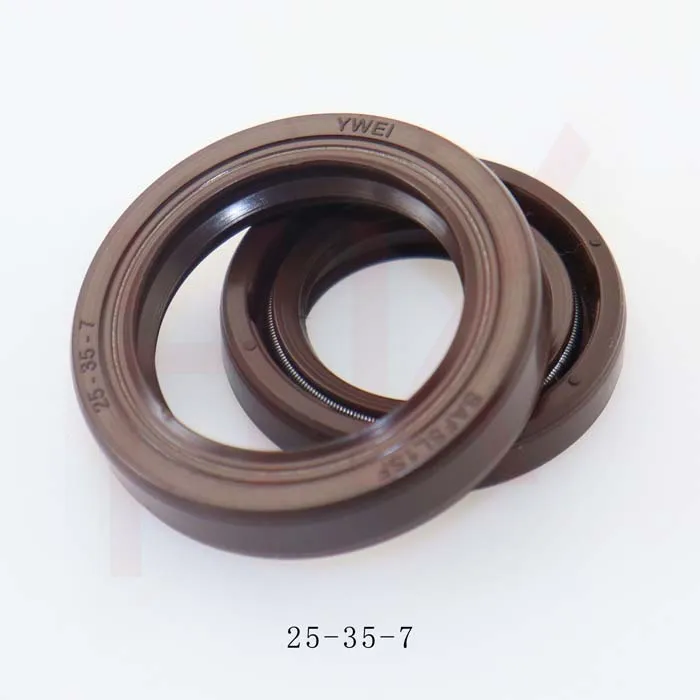
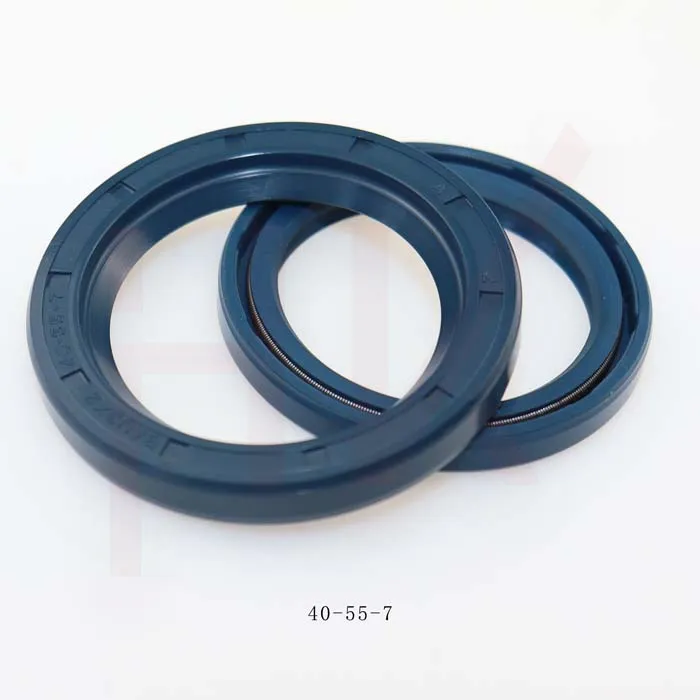
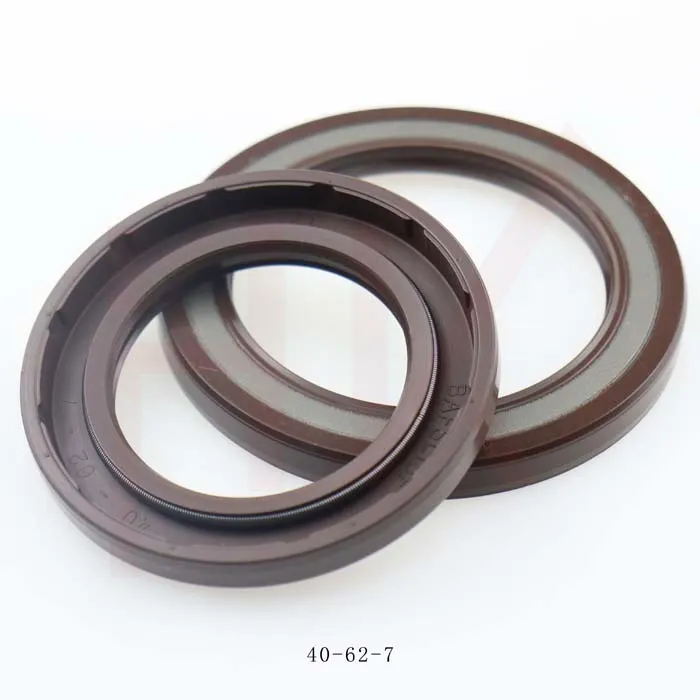
Japan's manufacturing landscape is characterized by an unwavering commitment to precision and quality, known as Monozukuri. In this environment, the demand for radial shaft seals is driven by the need for extreme durability in automotive and robotics sectors, where even a micron-level deviation can lead to system failure.

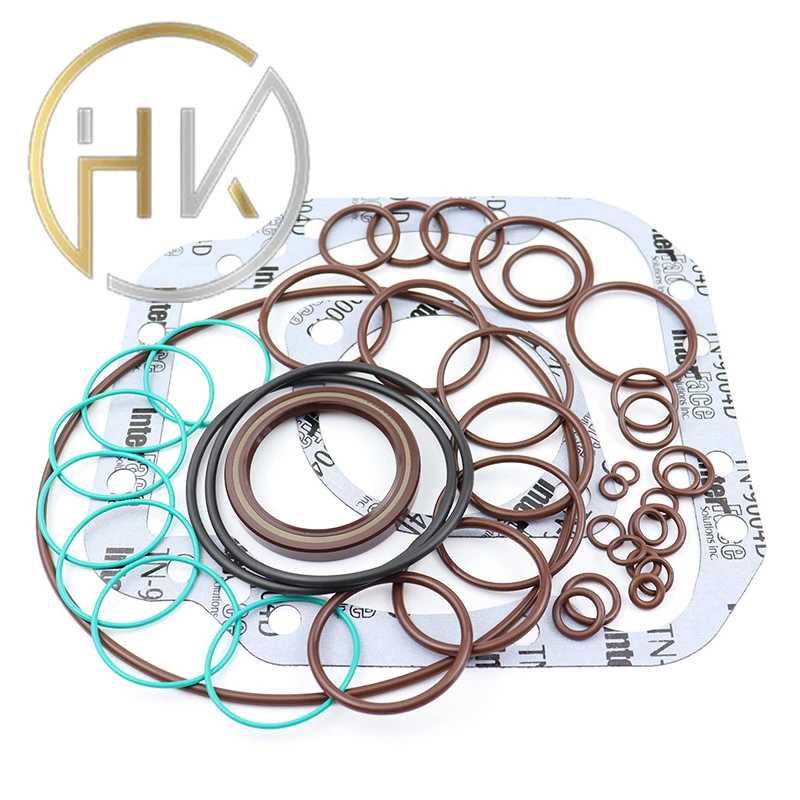
The local climate, featuring high humidity and significant temperature fluctuations between the Hokkaido and Okinawa regions, necessitates materials that resist thermal degradation and atmospheric oxidation. This has led to the widespread adoption of advanced fluorocarbon and silicone compounds in gearbox seals to maintain integrity under diverse environmental stresses.

Currently, the Japanese industry is shifting toward "Green Manufacturing," focusing on reducing lubricant consumption. This transition requires highly efficient rotary lip seal designs that minimize friction while maximizing containment, aligning with the national goal of carbon neutrality by 2050.
Evolution and Trajectory of Industrial Sealing in Japan

From traditional rubber compounds to smart sealing materials.

Market Development History

During the post-war industrial boom (1950s-1970s), Japan relied heavily on basic Nitrile (NBR) seals for its expanding automotive industry. The focus was on mass production and basic containment of lubricants in simple mechanical assemblies.

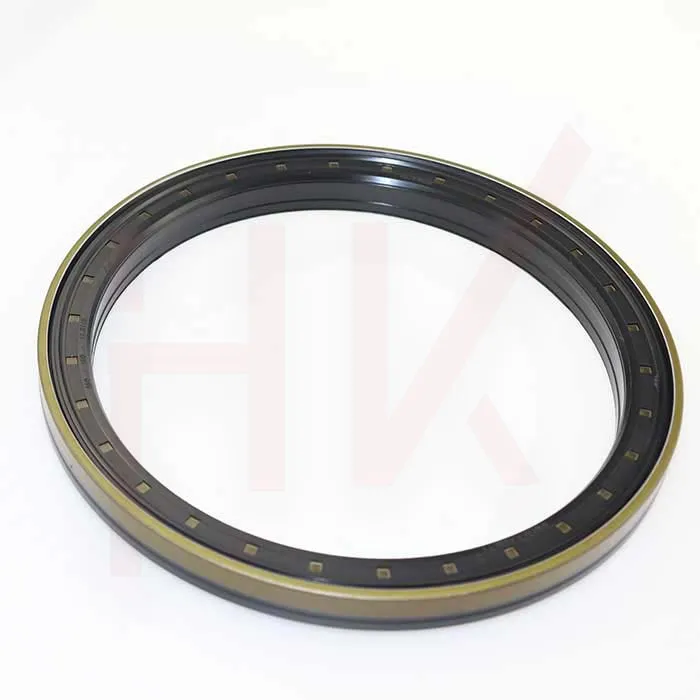
By the 1990s, the rise of high-speed rail and precision robotics demanded a leap in technology. This era saw the introduction of the cfw oil seal and other complex profiles to handle higher pressures and faster rotational speeds, reducing wear and tear on shaft surfaces.

Entering the 21st century, the integration of FKM (Viton) and PTFE materials became standard. The technical iteration moved from simple "leak prevention" to "friction management," optimizing the energy efficiency of every rotating component in the factory.

Future Development Trends

Smart Material Integration

The next 3-5 years will see the rise of self-lubricating polymers integrated into seals to eliminate the need for external grease in sterile environments.

Predictive Maintenance Compatibility

Integration of nano-sensors within seal housings to monitor wear in real-time, shifting from scheduled replacement to condition-based maintenance.

Eco-Friendly Elastomers

A shift toward bio-based rubbers to comply with increasingly strict Japanese environmental regulations regarding VOC emissions and recyclability.

Industry Outlook and Future Strategic Directions

Projecting the growth of sealing technology within the Asia-Pacific hub.

Ultra-Low Friction Design
Reducing parasitic loss in high-speed gearboxes to increase overall mechanical efficiency.
Thermal Resistance Scaling
Developing compounds capable of withstanding 250°C+ for next-gen electric vehicle drivetrains.
Precision Tolerancing
Implementing AI-driven molding to ensure absolute consistency in lip geometry.
Hybrid Material Fusion
Combining the chemical resistance of PTFE with the elasticity of rubber.

Industry Outlook

Based on Google search trends within the Japan region, there is a surging interest in "leak-free" and "maintenance-free" industrial components. This indicates a shift in the market from purchasing low-cost consumables to investing in high-value, long-lifecycle sealing systems.

The outlook for the next five years suggests that the rubber seals industry in Japan will merge with IoT ecosystems. We expect to see sealing solutions that provide data on shaft wear and lubricant health, turning a passive rubber component into an active diagnostic tool.

Localized Application Scenarios in Japan

Real-world implementation of high-performance seals across Japanese industries.

1. Automotive Powertrains in Toyota City

Implementation of high-temp FKM radial shaft seals in hybrid engine transmissions to withstand extreme heat and chemical aggressive oils.

2. Precision Robotics in Kanagawa

Utilizing ultra-low friction rotary lip seal components for robotic joints to ensure smooth, micro-accurate movement without lubricant leakage.

3. Heavy Machinery in Osaka

Deployment of heavy-duty gearbox seals in construction equipment to prevent contaminant ingress in dusty and muddy outdoor environments.

4. Semiconductor Equipment in Tokyo

Application of clean-room grade rotary oil seals in vacuum pumps to prevent volatile organic compound (VOC) leakage into sterile environments.

5. Marine Engineering in Yokohama

Integration of corrosion-resistant cfw oil seal designs in ship propulsion systems to combat the saline environment of the Pacific coast.

Brand Story

Global Development History of Xingtai Fengmao Trade Co., Ltd.

Foundation of Quality

Established with a vision to bridge the gap between industrial rubber production and the exacting needs of global machinery.

Technical Breakthroughs

Investing in R&D to master the chemistry of high-performance elastomers, specifically focusing on leak-proof technology.

Market Expansion

Expanding our footprint into the Japanese market by aligning our quality control processes with JIS standards.

Global Partnerships

Collaborating with world-leading OEMs to solve complex sealing challenges in extreme rotational environments.

Future Mission

Dedicated to becoming the most trusted partner for sustainable and zero-leakage sealing solutions worldwide.

Frequently Asked Questions - Japan Region

Expert answers to common technical queries regarding industrial seals.

How to select the right material for radial shaft seals in high-humidity environments?

For Japan's humid climate, we recommend FKM or HNBR materials, as they offer superior resistance to moisture-induced degradation and maintain elasticity over long periods.

What is the typical lifespan of gearbox seals in high-speed robotics?

With precision-engineered profiles and proper lubrication, our seals are designed to last 20,000+ operating hours, significantly reducing the downtime for Japanese automation lines.

Can a rotary lip seal handle high-pressure hydraulic fluids?

Standard lip seals are for oil containment; however, for high-pressure applications, we provide reinforced variants with metal casings to prevent lip extrusion.

What are the advantages of cfw oil seal designs over traditional ones?

CFW designs offer a more stable sealing lip and better dust exclusion, making them ideal for the heavy industrial machinery found in Osaka's manufacturing hubs.

Are your rotary oil seals compliant with JIS standards?

Yes, all our products are manufactured to meet or exceed the Japanese Industrial Standards (JIS), ensuring seamless integration into local machinery.

How do I prevent premature wear in radial shaft seals?

Ensure the shaft surface roughness is within specified limits and avoid over-compressing the seal during installation to prevent excessive heat buildup.

Consult Our Sealing Experts

Looking for high-precision sealing solutions for your operations in Japan? Our engineers are ready to help you optimize your machinery performance.

Contact Us Now

If you are interested in our products, you can choose to leave your information here, and we will be in touch with you shortly.