Welcome to our online store!

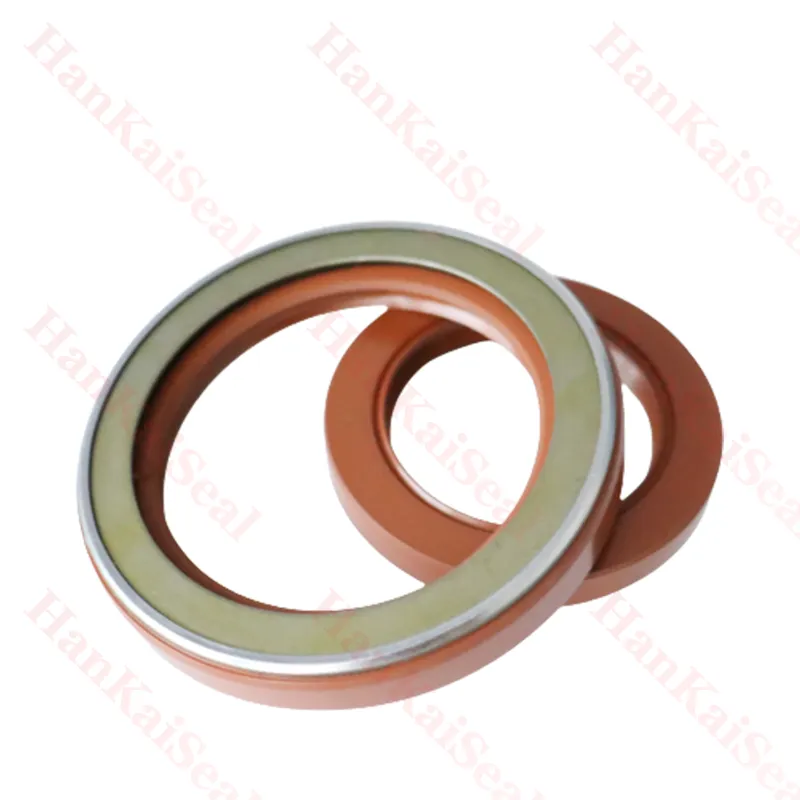
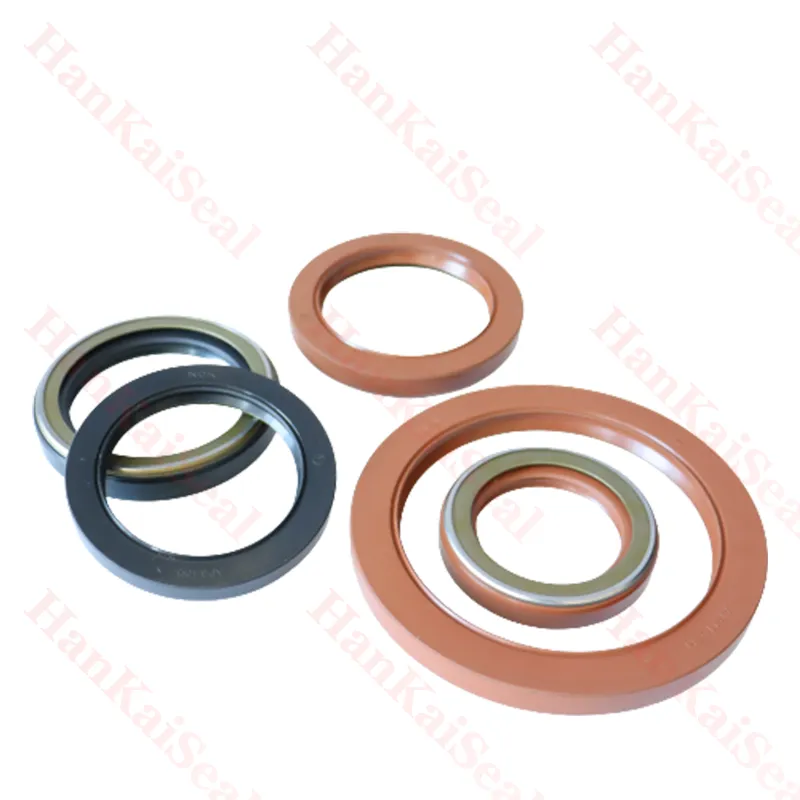
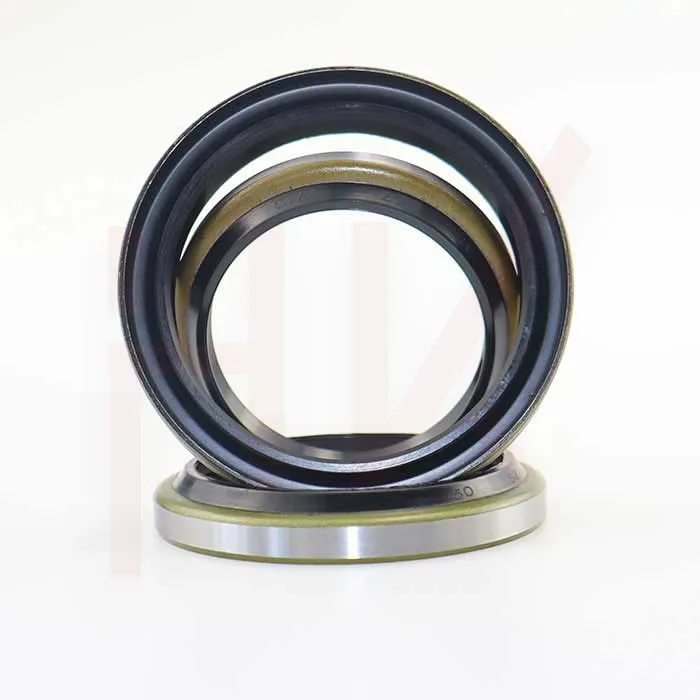
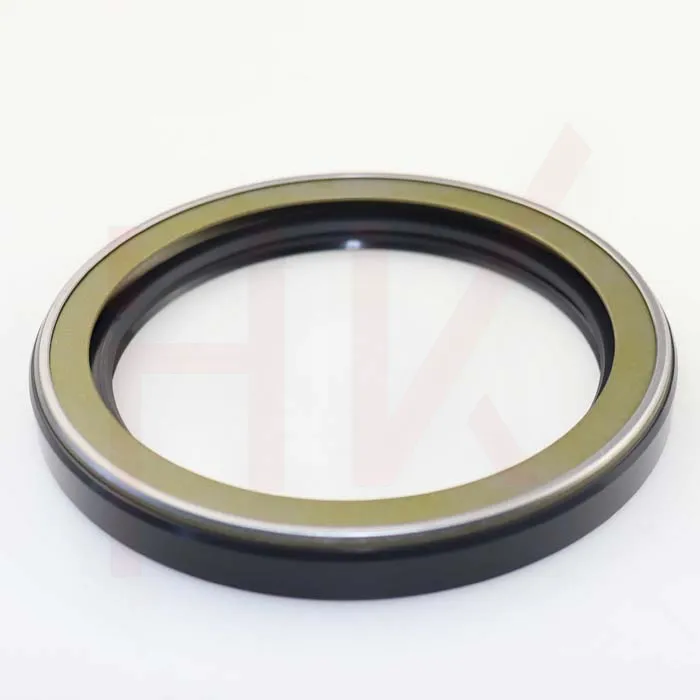
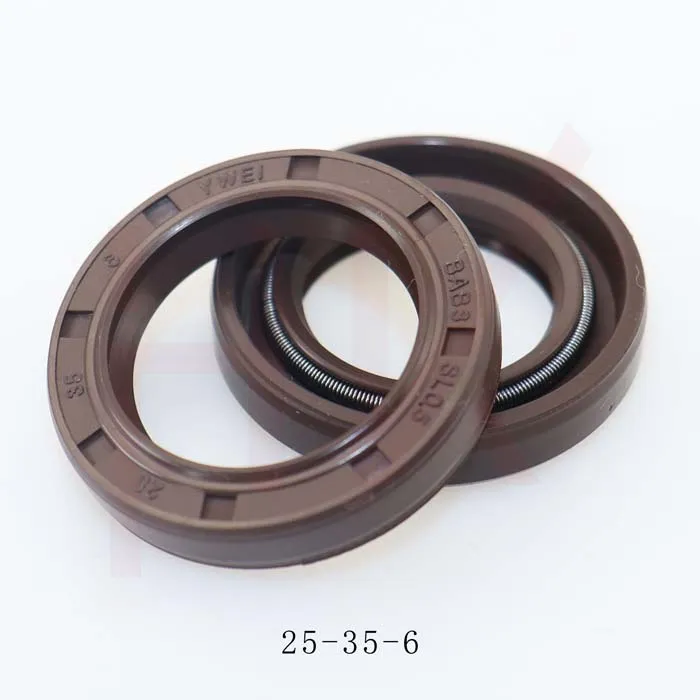
High-Performance rotary oil seals Solutions for Papua New Guinea

Engineered for extreme tropical humidity and heavy-duty industrial applications across PNG's mining and agriculture sectors.

Sealing Challenges in Papua New Guinea's Industry

Analyzing the impact of equatorial climates on rubber sealing components.

In Papua New Guinea, the combination of extreme humidity, high precipitation, and volcanic terrain creates a corrosive environment for machinery. Standard radial shaft seals often degrade prematurely due to moisture ingress and temperature fluctuations, leading to frequent downtime in remote mining sites like Ok Tedi or Lihir.

The prevalence of heavy-duty machinery in the forestry and construction sectors demands seals that can withstand abrasive dust and mud. Without high-grade gearbox seals, lubricants are quickly contaminated, causing catastrophic gear failure in the rugged Highlands region.

Current market trends show a shift from generic imports to specialized rubber compounds. Local operators are increasingly seeking rotary lip seal designs that offer enhanced ozone resistance and superior elasticity to combat the aggressive tropical weathering common across PNG.

Evolution of Sealing Technology in PNG

From basic rubber gaskets to advanced precision engineered seals.

Market Development History

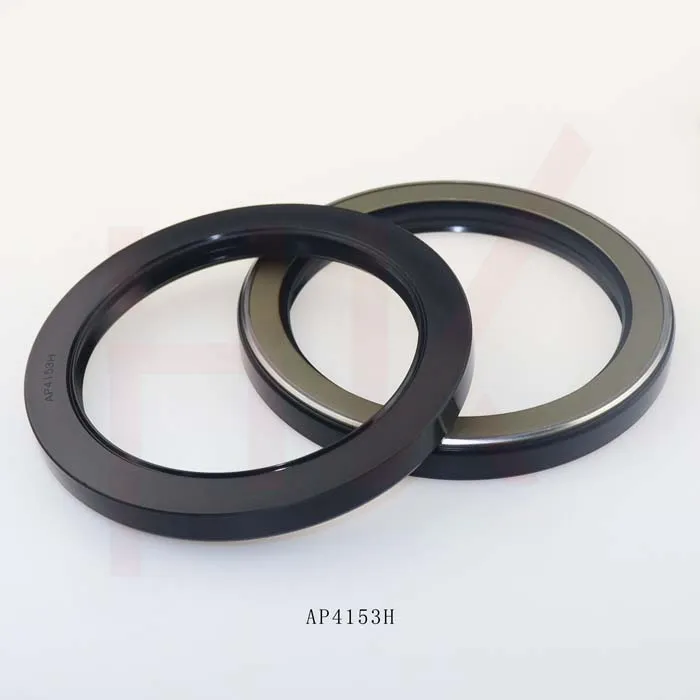
Prior to the 1990s, the PNG market relied heavily on basic natural rubber seals which suffered from rapid oxidation. The initial phase of industrialization focused on simple leak prevention without regard for long-term material fatigue.

Between 2000 and 2015, the expansion of the LNG projects introduced international standards, shifting the demand toward NBR and Viton materials. This era saw the widespread adoption of cfw oil seal technology to manage higher pressures and temperatures in energy infrastructure.

From 2016 to the present, the focus has transitioned to "Zero Leakage" goals. The integration of PTFE and advanced composite materials has allowed for seals that maintain integrity even under the extreme axial loads found in PNG's heavy mining equipment.

Future Development Trends

Material Hybridization

The shift toward hybrid polymers will reduce friction and heat generation, extending the life of seals in non-air-conditioned industrial settings.

Predictive Wear Monitoring

Integration of smart materials that signal wear before failure, reducing the cost of emergency logistics in remote PNG provinces.

Eco-Friendly Elastomers

Growing demand for biodegradable and low-toxicity rubber compounds to meet the environmental regulations of the Oceania region.

Future Outlook for Rubber Sealing in Oceania

Strategic directions for the next 3-5 years based on global search trends and local needs.

Climate-Adaptive Polymers
Developing rubber compounds specifically tuned for PNG's humidity to prevent hydrolysis.
Precision Tolerance Fit
Implementing CNC-machined seal housings to reduce installation errors in the field.
Anti-Abrasive Coating
Applying nano-coatings to lip seals to resist the volcanic grit of the PNG Highlands.
Supply Chain Digitization
Optimizing inventory for PNG's remote sites using AI-driven demand forecasting.

Industry Outlook

The outlook for the rubber sealing industry in Papua New Guinea is closely tied to the country's infrastructure growth. As mining and gas extraction move deeper into untapped territories, the demand for seals that can survive extreme pressure and chemical exposure will surge.

We anticipate a 15% increase in the adoption of specialized rotary oil seals as local companies move away from low-cost, low-quality alternatives toward TCO (Total Cost of Ownership) based procurement models.

Local Application Scenarios in Papua New Guinea

Real-world deployments of sealing solutions across PNG's key economic drivers.

01. Gold and Copper Mining Equipment

Deploying high-strength gearbox seals in massive crushers and conveyors to prevent mud and volcanic ash from infiltrating critical transmissions.

02. Oil and Gas Extraction Plants

Utilizing cfw oil seal designs in high-pressure pump systems to ensure zero leakage of hazardous fluids in the Gulf Province plants.

03. Palm Oil Processing Machinery

Applying heat-resistant rotary lip seal components in centrifugal separators and steam-heated presses to withstand organic acids.

04. Marine Logistics and Port Cranes

Implementing saltwater-resistant radial shaft seals for hydraulic cylinders in Port Moresby's port equipment to prevent corrosion.

05. Remote Power Generation Sets

Installing heavy-duty seals in diesel generator crankshafts to ensure stable power delivery in isolated Highlands villages.

Brand Story

The Global Development Journey of Xingtai Fengmao Trading Co., Ltd.

Foundation of Excellence

Established with a vision to bridge the gap between industrial demand and high-precision sealing engineering.

Technical Breakthroughs

Mastering the art of elastomer compounding to solve the "leakage pain" in heavy-duty manufacturing.

Global Reach Expansion

Expanding our footprint into the Oceania market, bringing world-class sealing standards to Papua New Guinea.

Sustainability Commitment

Investing in green manufacturing to ensure our rubber products meet modern environmental certifications.

Future Vision

Aiming to be the global leader in customized sealing solutions for the most extreme industrial climates.

Industrial Sealing FAQs for Papua New Guinea

Expert answers to the most common technical queries from PNG operators.

Which material is best for radial shaft seals in high-humidity tropical areas?

For the high humidity of PNG, we recommend Viton (FKM) or high-grade NBR with anti-oxidant additives to prevent the rubber from becoming brittle or swelling.

How often should gearbox seals be replaced in mining environments?

Due to the abrasive dust in PNG mining sites, we recommend a quarterly inspection and replacement every 12-18 months to avoid costly gearbox overhauls.

Can a rotary lip seal handle volcanic ash contamination?

Yes, provided you use a seal with a reinforced lip and a dust-guarding sleeve designed specifically for particulate-heavy environments.

What is the main advantage of cfw oil seal designs for LNG plants?

CFW designs offer superior stability under high pressure, ensuring that critical lubricants remain contained even during extreme temperature spikes.

Are rotary oil seals compatible with biodegradable lubricants?

Yes, but material compatibility must be verified. We offer specific elastomer blends that do not degrade when exposed to bio-based oils.

How do I prevent premature wear on shaft seals in remote PNG sites?

The best prevention is ensuring the shaft surface is polished and using a seal with a secondary wiper to keep debris away from the primary sealing lip.

Get Expert Sealing Advice

Optimize your machinery uptime with precision seals engineered for Papua New Guinea. Our technical team is ready to support your operations.

Contact Us Now

If you are interested in our products, you can choose to leave your information here, and we will be in touch with you shortly.