Welcome to our online store!

High-Performance Gearbox Seals Solutions for UK Manufacturing

Engineering precision sealing systems tailored for the United Kingdom's rigorous industrial standards and demanding environmental conditions.

Industrial Sealing Landscape in the United Kingdom

Analyzing the impact of UK climate and regulatory standards on rubber sealing requirements.

The United Kingdom's manufacturing sector, particularly in the Midlands and Northern England, faces unique challenges due to high humidity and saline coastal air, which accelerate the degradation of standard rotary oil seals. This environment necessitates materials with superior ozone and corrosion resistance to prevent premature failure in critical machinery.

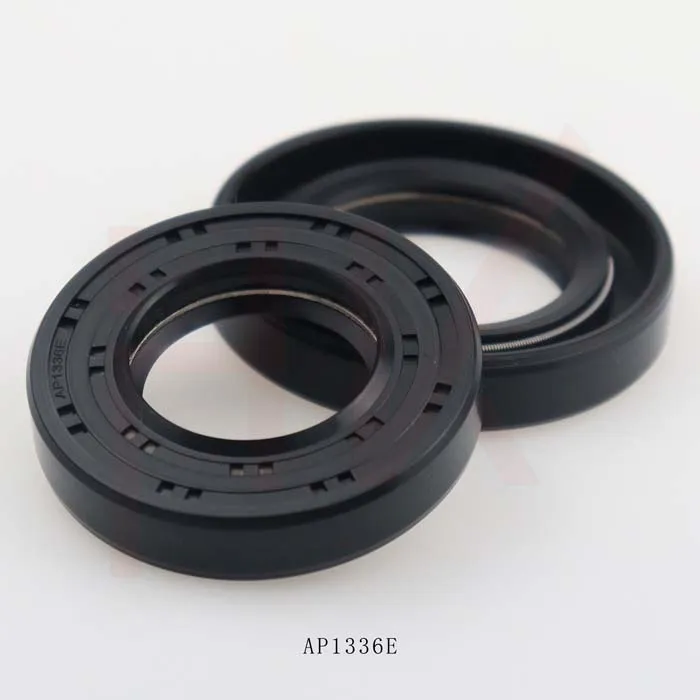
Strict British Standards (BS) and ISO certifications drive the demand for high-precision radial shaft seals. The UK market is shifting away from generic components toward engineered solutions that can withstand the specific thermal cycles associated with local energy and automotive production plants.

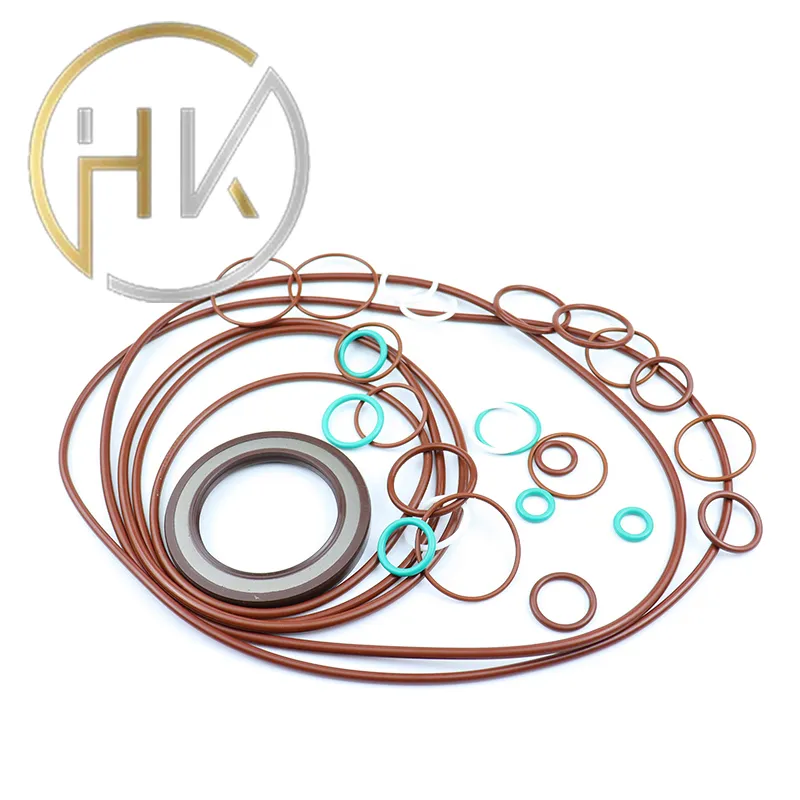
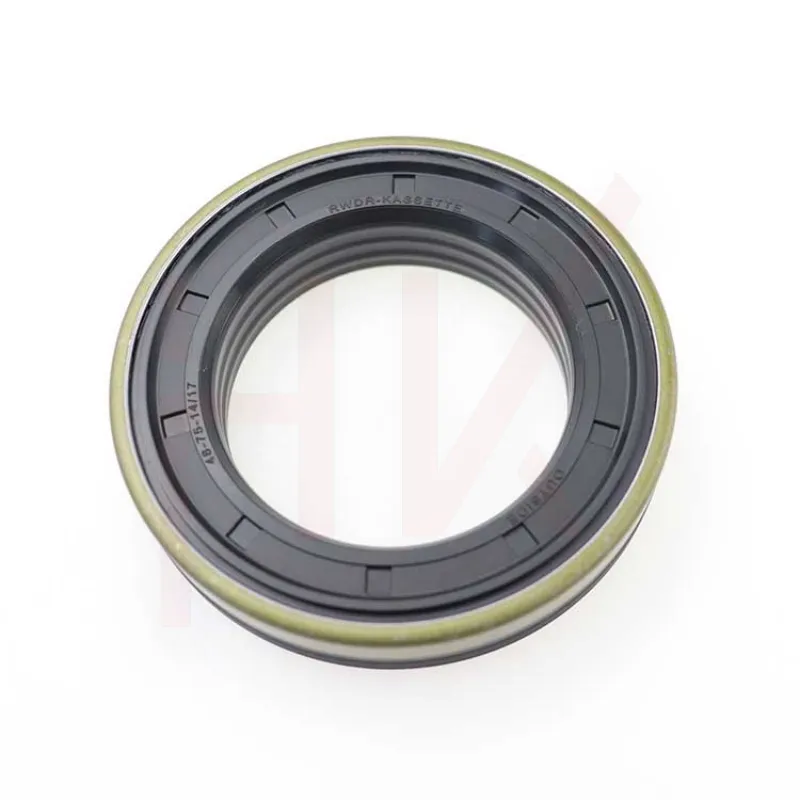
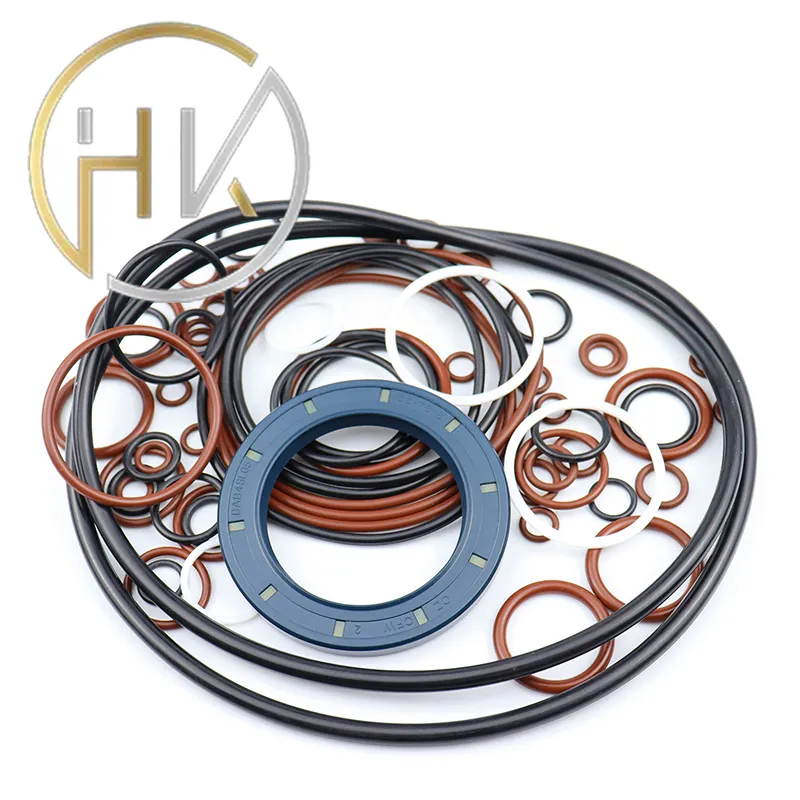
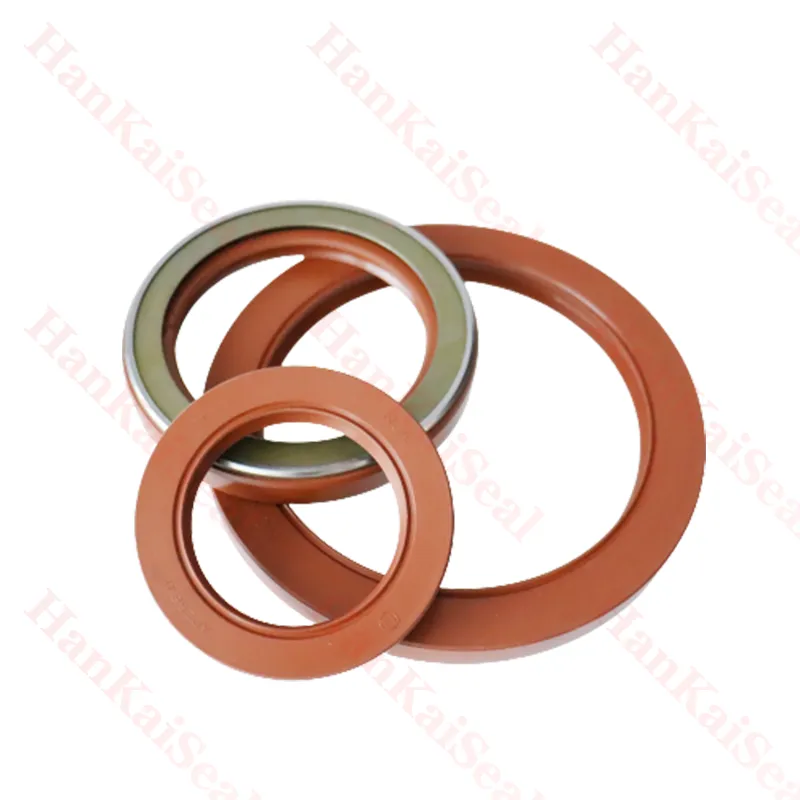
Economic pressures and the push for "Net Zero" in the UK have forced industries to prioritize longevity. Using high-grade cfw oil seal designs reduces maintenance downtime and lubricant waste, aligning with the UK's sustainability mandates for industrial operations.
Evolution and Trajectory of Sealing Technology

From traditional rubber compounds to advanced polymer engineering.

Market Development History

In the early industrial era of the UK, sealing was primarily achieved through basic leather or simple nitrile rubber rotary lip seal designs, which required frequent replacement and offered limited temperature resistance.

By the 1990s, the integration of FKM (Viton) and advanced PTFE materials allowed for a leap in performance. This era saw the standardization of gearbox seals capable of handling higher pressures and synthetic lubricants used in the growing aerospace sector.

From 2010 to the present, the focus has shifted toward "Zero Leakage" technology. The introduction of reinforced casing and optimized lip geometries has transformed the efficiency of power transmission systems across British factories.

Future Development Trends

Smart Sealing Integration

Integration of embedded sensors to monitor wear and temperature in real-time, moving from scheduled to predictive maintenance.

Eco-Friendly Elastomers

Development of bio-based rubber compounds to reduce the carbon footprint of seal production in line with UK environmental laws.

Extreme Friction Reduction

Application of nano-coatings to decrease friction coefficients, enhancing energy efficiency in high-speed rotary equipment.

Industry Trends and Future Outlook

Strategic directions for the next 3-5 years in rubber sealing technology.

Material Science Advance
Shift toward hybrid polymers that combine the flexibility of rubber with the chemical resistance of plastics.
Precision Engineering
Adoption of ultra-tight tolerances to meet the needs of high-RPM electric motors in UK EVs.
Digital Twin Design
Using virtual simulations to predict seal wear patterns before physical prototyping.
Sustainability Focus
Implementing closed-loop recycling for industrial rubber waste in UK plants.

Industry Outlook

Google search trends indicate a sharp increase in queries for "low-friction industrial seals" and "high-temperature elastomer seals" within the UK region. This suggests a market shift toward higher efficiency and specialized applications in the energy sector.

We anticipate that the next five years will see a convergence of sealing technology and IoT, where seals are no longer passive components but active diagnostic tools for the United Kingdom's smart factories.

Localized Application Scenarios in the UK

Real-world implementations of our sealing solutions across British industries.

01. North Sea Offshore Platforms

Deployment of corrosion-resistant rotary oil seals to protect pump shafts from extreme saline environments and high-pressure undersea conditions.

02. Midlands Automotive Assembly

High-precision radial shaft seals used in electric drivetrain gearboxes to ensure lubricant retention and dust exclusion in high-speed applications.

03. London Urban Infrastructure

Application of durable gearbox seals in heavy-duty tunnel boring machines and utility pumps to prevent groundwater contamination.

04. Scottish Wind Energy Turbines

Utilization of cfw oil seal technology in gearbox housings to withstand variable thermal loads and high rotational speeds in coastal wind farms.

05. UK Aerospace Manufacturing

Specialized rotary lip seal components engineered for hydraulic systems requiring zero leakage at high altitudes and temperature extremes.

Brand Story

Global Development Journey of Xingtai Fengmao Trading Co., Ltd.

Foundation and Vision

Established with a mission to eliminate industrial leakage, focusing on high-performance elastomer compounds for the manufacturing sector.

Technical Breakthroughs

Developed proprietary molding processes that significantly improved the wear resistance of rotary seals for heavy-duty applications.

Global Expansion

Expanded our footprint into Europe, establishing strong partnerships with UK engineering firms to localize sealing solutions.

Quality Certification

Achieved international quality certifications ensuring every seal meets the rigorous standards required by the global automotive and aerospace industries.

Future Innovation

Currently investing in sustainable rubber alternatives to lead the transition toward green manufacturing globally.

UK Industrial Sealing FAQ

Expert answers to common technical queries from our British clients.

What are the best materials for radial shaft seals in high-humidity UK environments?

For high-humidity and saline conditions, we recommend FKM or HNBR materials which offer superior chemical resistance and prevent degradation caused by atmospheric moisture.

How often should gearbox seals be replaced in heavy-duty British mining equipment?

Depending on the load, we recommend an inspection every 6 months and replacement every 24 months, or sooner if lubricant leakage is detected via predictive monitoring.

Can a rotary lip seal withstand the temperature fluctuations of Scottish winters?

Yes, by using low-temperature grade Nitrile or Silicone compounds, our seals maintain flexibility and sealing integrity even in sub-zero temperatures.

What is the primary advantage of a cfw oil seal over standard designs?

CFW seals provide enhanced stability and reduced friction, making them ideal for high-speed rotations where heat buildup is a concern.

How do rotary oil seals prevent contamination in food-grade manufacturing in the UK?

We use FDA-compliant, non-toxic elastomers that prevent lubricant from leaking into the production line while keeping external contaminants out.

Do your seals comply with the latest UK REACH chemical regulations?

Absolutely. All our rubber components are manufactured in full compliance with UK REACH and RoHS standards to ensure environmental and operator safety.

Get Expert Sealing Advice

Contact our technical team today for customized sealing solutions tailored to your specific industrial requirements in the United Kingdom.

Contact Us Now

If you are interested in our products, you can choose to leave your information here, and we will be in touch with you shortly.