
Dec . 02, 2025 15:14 Back to list
High Temp Oil Seal: Ultimate Guide to Heat-Resistant Industrial Sealing Solutions
Understanding High Temp Oil Seal: Why It Matters Globally
High temp oil seals—sounds niche, but they’re quietly critical to industries around the world. These components keep machinery running smoothly, especially under extreme heat, which is increasingly important as industries push equipment to perform in tougher environments. Think aerospace, automotive, and manufacturing plants operating in scorching climates. If seals fail, machinery leaks, fails, and costs soar. So understanding these seals isn’t just technical detail—it’s strategic for global reliability and sustainability.
Frankly, with the rise in industrial activity worldwide (the UN reports industrial production growing steadily in Asia and Africa), the demand for reliable high temp oil seals is only set to grow. They’re more than little gasket-like things—they’re safety nets for efficiency.
Introduction: The Global Context of High Temp Oil Seals
Across continents, whether in the deserts of the Middle East or the steamy factories of Southeast Asia, machinery working in high-temperature environments faces a common enemy—seal failure. According to ISO standards, improper sealing can lead to severe energy losses and costly downtime. Industrial downtime reportedly costs billions annually worldwide, and high temp oil seals help mitigate this by ensuring that oils and lubricants stay put, even at extreme temperatures.
Yet, challenges abound: rising ambient temperatures due to climate change mean seals need to perform beyond previous benchmarks. The high temp oil seal thus isn’t just an accessory—it’s a critical line of defense in an industry that’s global, complex, and demanding.
What is a High Temp Oil Seal?
Simply put, a high temp oil seal is a type of mechanical seal designed to prevent oil leakage in equipment that operates under high temperature conditions, typically above 150°C (300°F). It’s made from materials engineered to withstand thermal stress and chemical degradation.
Beyond industry, these seals help maintain equipment that supports everything from power generation to humanitarian aid logistics—without them, transport and manufacturing gear would struggle to stay operational in harsh climates.
Key Factors Driving High Temp Oil Seal Performance
1. Durability Under Heat Stress
Materials like fluorocarbon (Viton®) and silicone are essential because they resist breakdown and maintain elasticity at elevated temperatures. This durability ensures the seal doesn’t crack or deform, preventing leaks that could escalate to equipment failure.
2. Chemical Resistance
Oil seals face exposure to various oils, coolants, and sometimes harsh cleaning agents. A high temp oil seal must resist chemical attack to maintain integrity over long usage periods.
3. Precision Fit and Design
It’s not enough to pick a heat-resistant compound; the seal’s design—whether single lip, double lip, or with garter springs—affects leakage control and longevity. Matching the seal dimensions to the shaft and housing specs is crucial.
4. Cost Efficiency and Scalability
Of course, any solution must balance performance with cost, especially when OEMs order at scale. Material advances allow manufacturers to optimize cost without compromising quality, important for large deployments in sectors like automotive manufacturing.
5. Compliance with Industry Standards
Adhering to ISO 3601 standards and other certifications ensures the seal meets international benchmarks for quality and reliability, which is key for global supply chains.
Mini Takeaway:
High temp oil seal success hinges on material resilience, design precision, and cost-performance balance. These factors directly impact the operational reliability of high-temp machinery worldwide.
Product Specifications of a Popular High Temp Oil Seal
| Feature | Specification |
|---|---|
| Material | Viton® Fluorocarbon Rubber |
| Max Operating Temperature | 250°C (482°F) |
| Shaft Diameter Range | 10mm to 500mm |
| Sealing Lip Type | Single-Lip with Spring |
| Chemical Resistance | Oil, Grease, Fuels, Cleaning Solvents |
| Compliance | ISO 3601, SAE J1926 |
Global Applications and Use Cases
The impact of high-temp oil seals is surprisingly broad. In automotive manufacturing hubs like Germany and Japan, these seals maintain engine integrity despite prolonged heat cycles. Meanwhile, energy plants from Texas to Riyadh rely on them to protect turbines running around the clock under extreme temperatures.
Oddly enough, you’ll also find these seals in smaller, remote industrial zones in South America, where reliable equipment uptime directly affects local economies and employment. Post-disaster relief operations that deploy heavy machinery for rebuilding also depend on these seals; a failure there could delay recovery and costs lives.
Advantages and Long-Term Value
- Cost Savings: Reducing equipment downtime means less unplanned maintenance and replacements—big savings.
- Sustainability: Durable seals mean machines last longer, lowering waste and environmental footprint.
- Safety: Prevent oil leaks that are fire hazards or environmental threats.
- Trust & Reliability: Manufacturers can promise customers longer warranties and less disruption.
There’s also an emotional side here—knowing the product won't fail under stress builds confidence for operators working sometimes in hazardous conditions.
Emerging Trends & Future Innovations
Materials science is shifting fast towards bio-based and more recyclable elastomers for high-temp use, something that could reshape green manufacturing efforts worldwide. Digital tools like predictive maintenance software increasingly work hand-in-hand with sealing tech to monitor seal health before failure occurs.
Automation and Industry 4.0 concepts encourage custom seals integrated with sensors to provide real-time performance data—marking a shift from “passive” sealing to “smart” sealing components.
Challenges & Solutions
Sealing in ultra-high temperatures (above 300°C) still challenges engineers, alongside the need to reduce costs. Sometimes, a hard rubber compound resists heat but loses flexibility, making installation or reliable sealing tricky.
New compound blends and advanced PTFE composites are promising solutions, combining heat resistance with elasticity. Still, these materials require stringent testing before mass adoption, or unexpected failures can happen, which in turn erode trust.
Vendor Comparison: Leading High Temp Oil Seal Manufacturers
| Vendor | Typical Max Temp (°C) | Material Types | Custom Options | Global Reach |
|---|---|---|---|---|
| HKAI Seals | 250°C | Viton®, Silicone, PTFE | Wide range | Asia, Europe, Americas |
| SealTech Corp | 230°C | Nitrile, Viton® | Limited | Global |
| Global Seals Inc. | 270°C | Viton®, EPDM | Custom prototype | North America, Europe |
Frequently Asked Questions About High Temp Oil Seal
Q1: What materials are best for high temp oil seals?
A1: Typically, elastomers like Viton® (fluorocarbon rubber) and silicone offer the best heat resistance up to 250°C or more. They maintain elasticity and resist chemical degradation, critical for performance under stress.
Q2: How can I tell if my oil seal is failing due to heat?
A2: Signs include visible oil leaks, seal hardening or cracking, and unexpected temperature spikes near the seal. Scheduled inspections can catch early wear before catastrophic failure.
Q3: Are high temp oil seals customizable?
A3: Yes, many manufacturers offer custom sizing, materials, and sealing lip designs to match specific shaft dimensions, temperatures, and chemical exposures.
Q4: Can high temp oil seals withstand thermal cycling?
A4: Quality seals are designed to handle thermal cycling, but frequent and extreme cycles may degrade some materials faster. Selecting appropriate compounds and designs helps mitigate this.
Conclusion: Why Investing in High Temp Oil Seal Matters
In the long run, understanding high temp oil seals translates directly into stronger, safer, and more sustainable industrial operations across the globe. They’re small parts with big consequences—cost efficiency, environmental safety, and operational reliability all hang in the balance. So if you want your equipment to keep running hot and heavy, you can’t overlook these seals.
Interested in learning more or sourcing reliable high temp oil seal products? Visit our website to explore solutions designed to meet today’s toughest industrial challenges.
In real terms, these tiny components keep the wheels turning—literally.
Quick takeaway: Reliable high temp oil seals are unsung heroes ensuring machinery endurance and global industrial progress.
References:
1. ISO 3601 Standards – ISO.org
2. UN Industrial Development Reports – UNIDO
3. Viton Material Data – DuPont
-
Guide to Choosing the Right High Quality hydraulic ram kit
NewsApr.16,2026
-
Premium Hydraulic Cylinder Packing Kits for Peak Performance
NewsApr.09,2026
-
Comprehensive Guide to Hydraulic Cylinder Oil Seal Kits for Optimal Performance
NewsApr.07,2026
-
Comprehensive Guide to Choosing the Right Cylinder Seal Kits for Peak Performance
NewsApr.04,2026
-
Comprehensive Guide to Seal Kits for Cylinders Ensuring Optimal Performance
NewsMar.31,2026
-
Comprehensive Guide to Hyd Cylinder Seals for Optimal Hydraulic System Performance
NewsMar.28,2026
-
Comprehensive Guide to Hyd Cylinder Seal Kit Selection and Installation
NewsMar.26,2026
Products categories
-
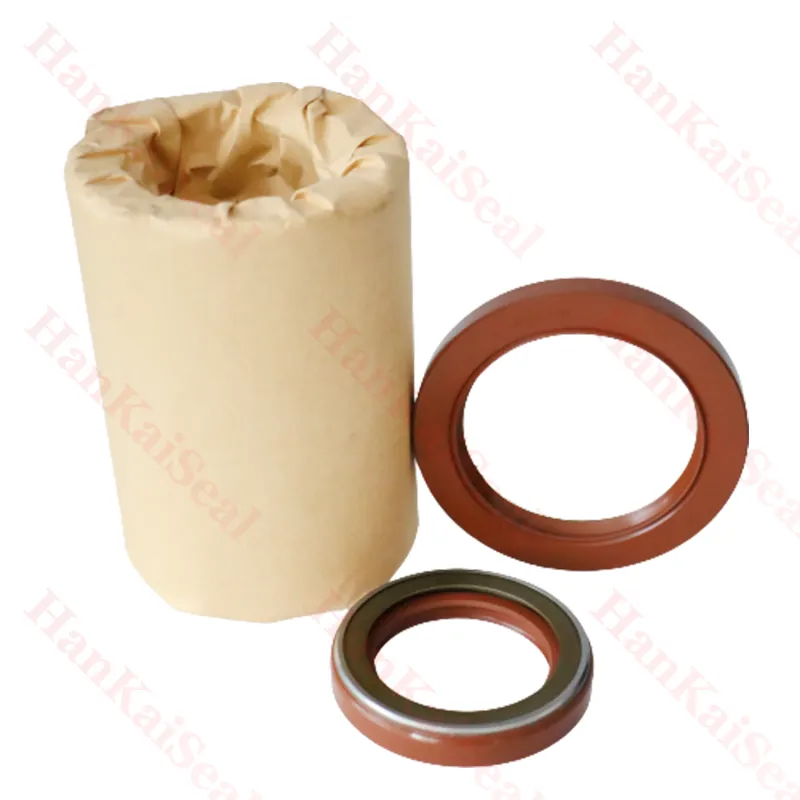
Standard oil seal BP0494 High pressure TCN oil seal
-
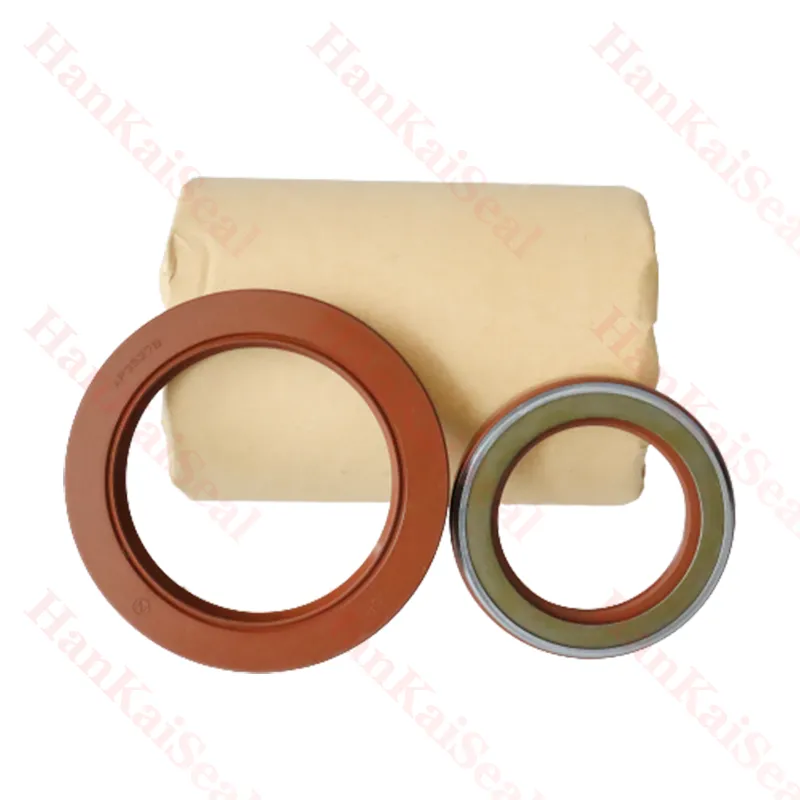
Hydraulic pump seal AP4624G high pressure TCN oil seal
-
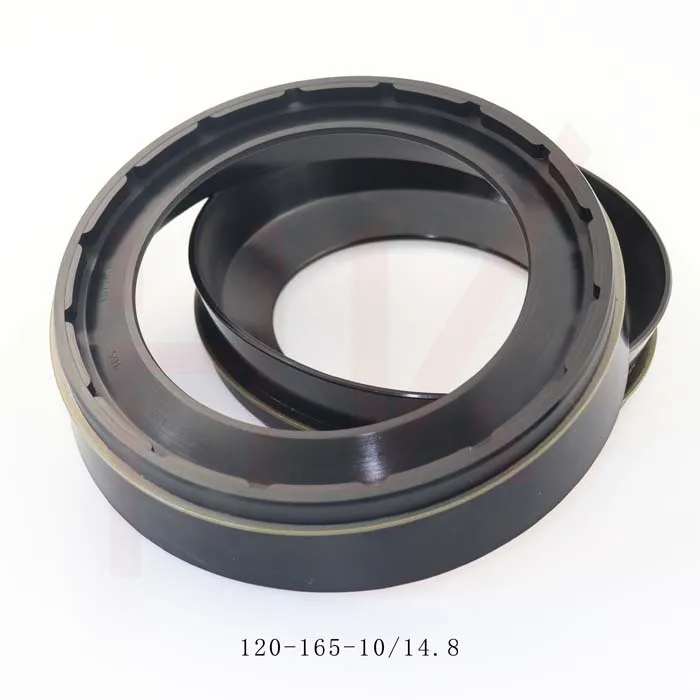
0734307418 0750112169 120*165*10/14.8 concrete mixer reducer oil seal
-
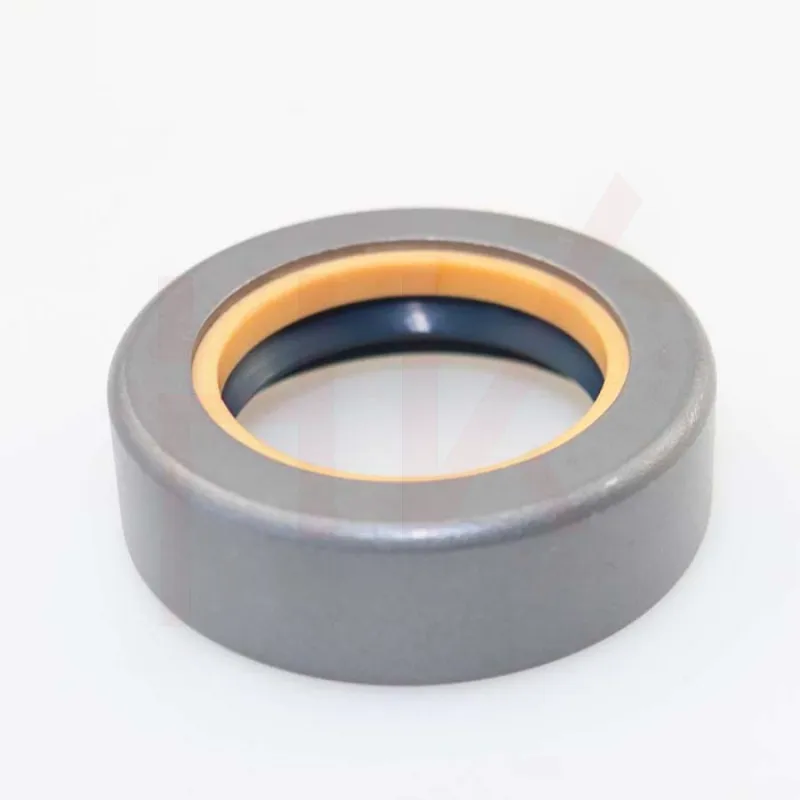
35*52*16 Standard Wheel Hub Oil Seal For Agricultural Machinery
-
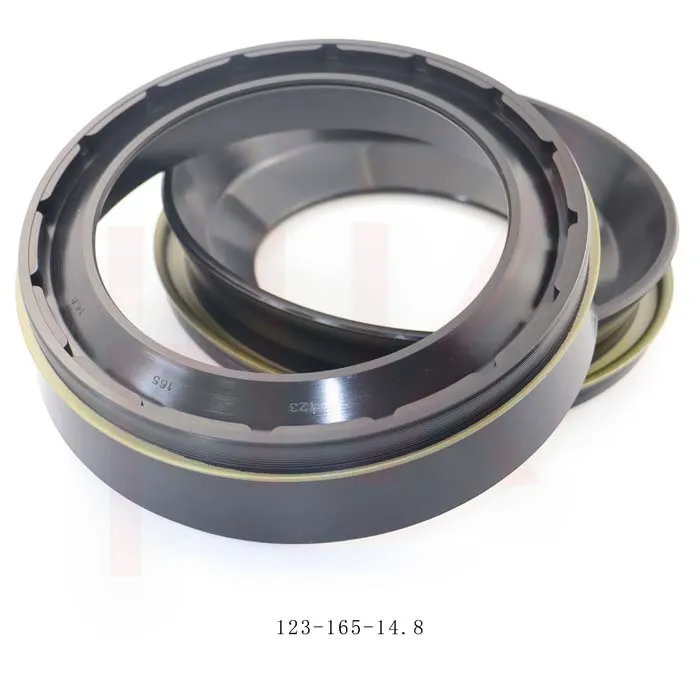
123*165*14.8 concrete mixer truck reducer oil seal
-
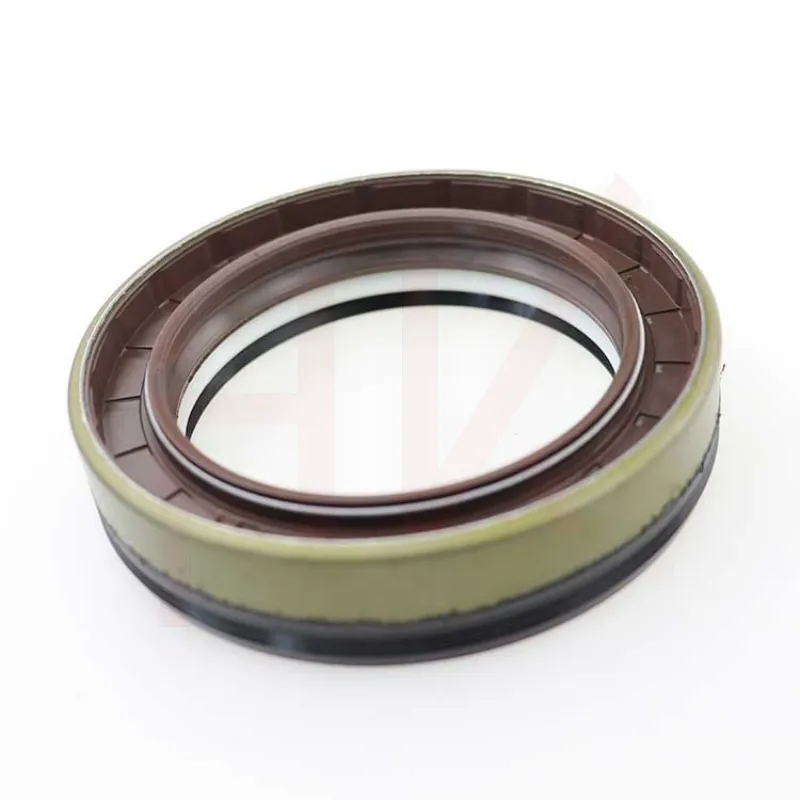
Tractor shaft oil seal 65-90-20 COMBI SF19 hub oil seal
-
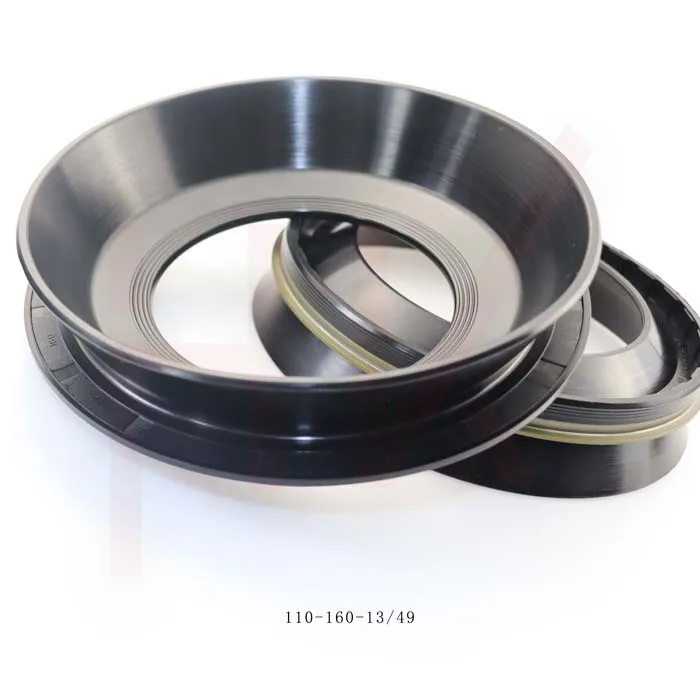
110*160*13/49 NBR reducerConcrete mixer truck oil seal
-
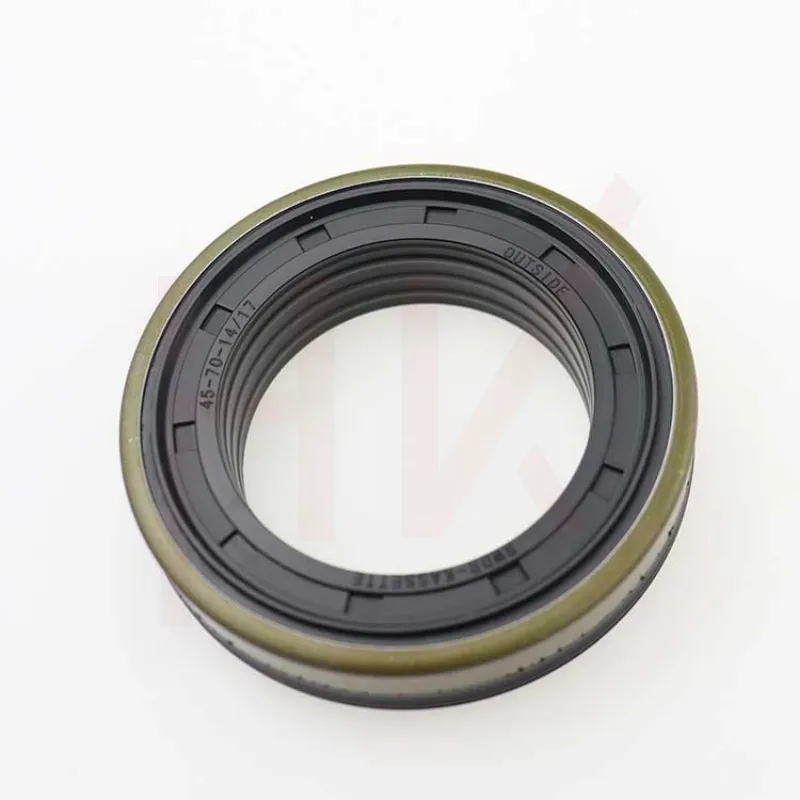
Hub oil seal 40*65*13/14.5 suitable for tractor Cat 12018035b
-
Tractor accessories cassette oil seal hub oil seal 60-90-13.5/15
-
Factory concrete mixer truck oil seal 145*215*14 reducer gearbox oil seal
-

145*189*15.5/17 Cassette Seal NBR Hub Oil Seal 1508044
-
Factory direct sales hydraulic pump motor seal kit A8VO140
-
Brand new cement tanker oil seal 135*215*11.5/41.5 concrete mixer oil seal
-
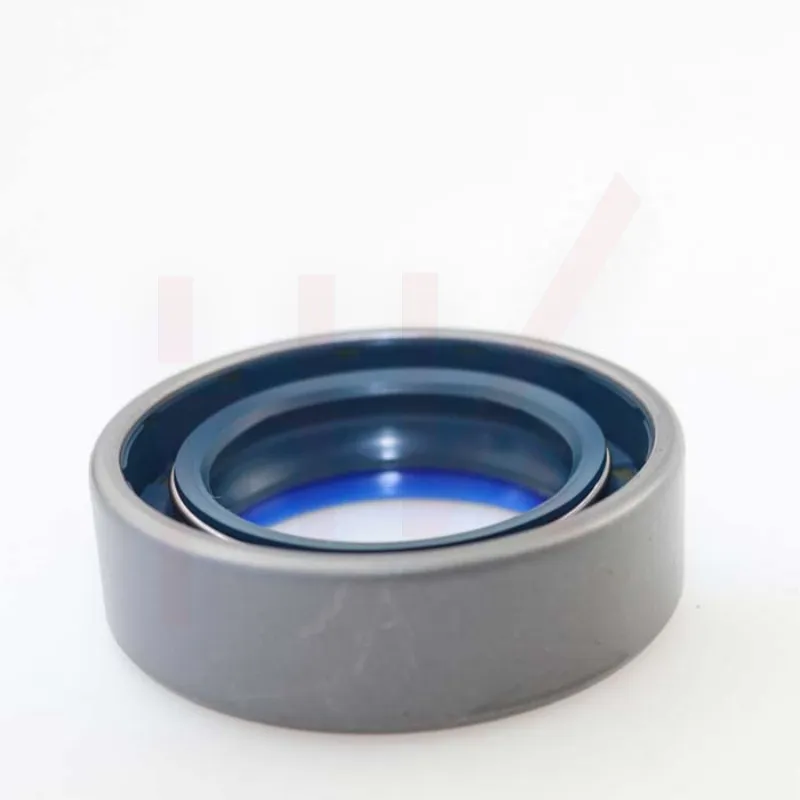
45*65*15 Combi oil seal JCB 90450009 COMBI SF1 SEAL
-
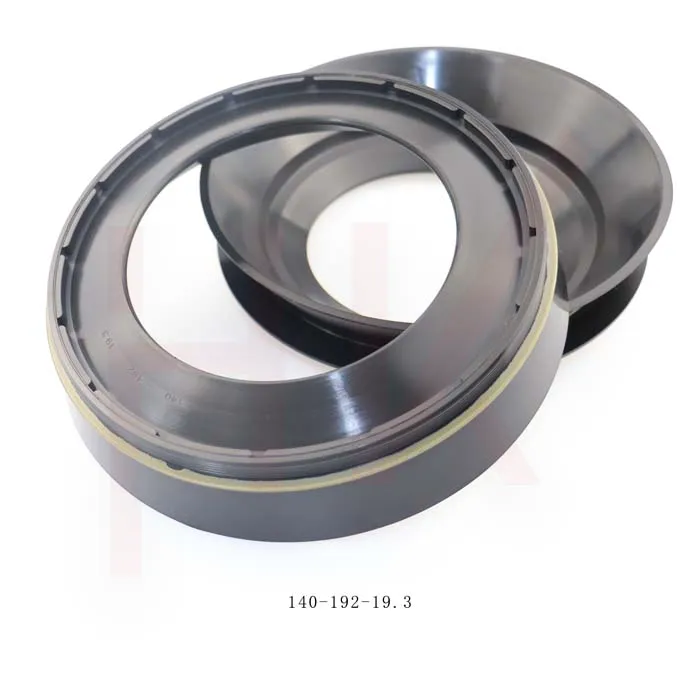
Gear box concrete mixer oil seal 140*192*19.3 nbr reducer oil seal
-
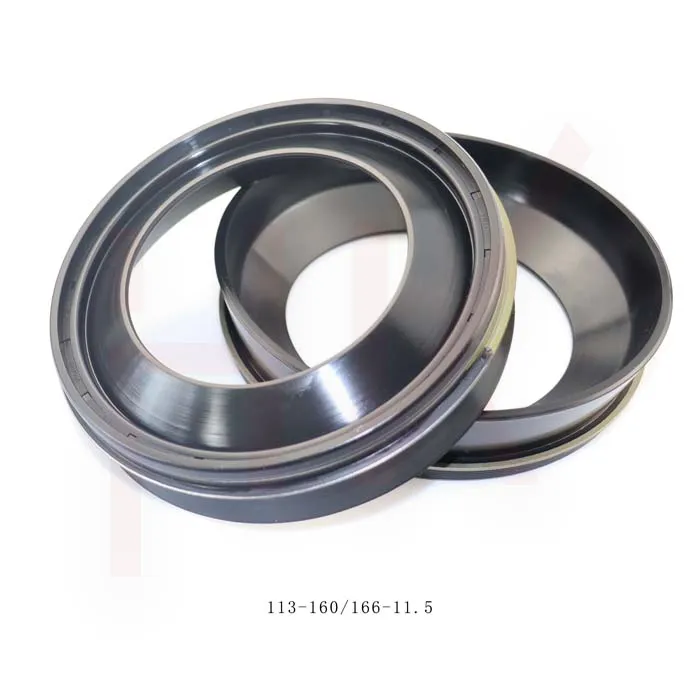
Seals factory direct sales 113*160/166*11.5/38 excavator truck reducer oil seal