Nov . 30, 2025 17:55 Back to list
Excavator Seal: Essential Hydraulic Components for Durable Heavy Machinery
The Importance of Excavator Seals: Small Components, Big Global Impact
At first glance, an excavator seal might seem like a tiny part in the vast, noisy world of heavy machinery. But if you stop and think about how indispensable excavators are—from construction sites in booming cities to humanitarian efforts in remote areas—you begin to appreciate just how crucial these seals really are. Not only do they protect the lifeblood of hydraulic systems, but they also boost efficiency, reduce downtime, and extend equipment lifespan. That, frankly, sparks ripple effects all over industries reliant on excavation—from infrastructure development to disaster recovery.
Understanding excavator seals isn't just an engineering curiosity; it's a key to unlocking smoother operations, environmental safety, and, yes, even economic development in many parts of the world.
Setting the Stage: Excavator Seals in Our Global Industry Landscape
According to the World Bank, urban infrastructure investment is expected to exceed $2.5 trillion annually worldwide by 2030. A significant chunk of this involves excavation work, making excavators pivotal tools. But here's the rub: hydraulic failures caused by faulty sealing components lead to about 30% of maintenance downtime in heavy machinery (ISO 14001 reports, 2021). It's a costly problem no one loves.
With climate change intensifying weather events, excavation plays a massive role in emergency responses—from building flood barriers to landslide recovery. Here, a durable excavator seal is not a luxury; it’s a necessity that can literally make or break recovery timelines.
What Exactly Is an Excavator Seal?
In simple terms, an excavator seal is a specialized component that prevents hydraulic fluid leaks within the moving parts of an excavator’s arm or cylinder. Think of it as a mini gatekeeper that keeps everything snugly contained so that cylinders can work smoothly under high pressure and extremely dirty or abrasive environments.
Without these seals, performance falters, breakdowns increase, and costly repairs stack up. But there’s more — well-designed seals contribute to environmental safeguards by preventing leaks of potentially harmful hydraulic fluids into the soil or groundwater.
Key Features That Define a Top-Performing Excavator Seal
1. Durability Under Tough Conditions
Excavators operate in mud, dust, extreme temperatures, and rough handling. The seal material must resist abrasion and chemical degradation to last thousands of hours without failing.
2. Precision Fit and Flexibility
The seal has to perfectly match cylinder dimensions while accommodating movement without cracking or warping — a delicate engineering balance.
3. Cost Efficiency and Easy Replacement
Sourcing seals that offer longevity yet remain affordable helps companies manage maintenance budgets and reduce equipment downtime.
4. Compatibility with Hydraulic Fluids
Seals must be chemically resistant to a variety of hydraulic oils and greases, including biodegradable and synthetic ones, which are increasingly popular.
5. Environmental Safety Standards
Advancements in seal design often target leak prevention to comply with ISO environmental norms and local regulations, especially around water sources.
How Excavator Seals Are Changing the Game Worldwide
In the sprawling mining belts of Australia, sealed cylinders keep giant excavators running nonstop for weeks, dramatically cutting shutdown time.
Meanwhile, in Asia’s expanding urban centers, construction companies depend on leak-proof hydraulic systems to meet intense project deadlines within limited environmental impact regulations.
Even NGOs engaged in post-disaster reconstruction—such as earthquakes in Nepal or hurricanes in the Caribbean—lean on excavators that won’t fail mid-crisis. The reliability of seals becomes a factor in how fast rubble is cleared or infrastructure rebuilt.
Excavator Seal Applications by Region and Industry
- North America: Energy sector and pipeline construction
- Africa: Infrastructure expansion and mining
- Europe: Renovation of urban transport networks
- South America: Agriculture-related land development
| Parameter | Specification | Notes |
|---|---|---|
| Material | Nitrile Rubber, Polyurethane, PTFE | Varies per application environment |
| Temperature Range | -40°C to +120°C | Covers most climates |
| Pressure Resistance | Up to 35 MPa | Suits high-pressure hydraulics |
| Expected Service Life | 5,000 – 10,000 hours | Depends on use conditions |
| Fluid Compatibility | Mineral oil, synthetic fluids, bio-hydraulic fluids | Environmentally conscious options |
Why Invest in Quality Excavator Seals? The Long Game
First, there's the obvious: fewer leaks mean less frequent maintenance, which means lower operational costs. That gets real quick in large fleets or high-intensity projects.
Second, reliable seals reduce environmental risks. Leaking hydraulic fluid doesn’t just gum up machines—it can contaminate soil and water. High-quality seals help operators meet environmental regulations without headaches.
Third, these robust components bolster safety on-site. When hydraulic pressures hold steady, the risk of sudden equipment failure diminishes — protecting operators and nearby personnel.
Finally, there’s a subtle but powerful factor: trust. Equipment managers know that quality seals underpin productivity and sustainability efforts. They help build brand reputation — whether you’re a contractor, miner, or NGO.
Excavator Seal Vendors: Comparing Performance and Value
| Vendor | Material Options | Average Lead Time | Price Range (per unit) | Worldwide Shipping |
|---|---|---|---|---|
| H.K.A.I Seal | Nitrile, PTFE, Polyurethane | 5-7 days | $7 - $15 | Yes |
| GlobalSeal Corp. | Polyurethane only | 10-14 days | $10 - $18 | Selective regions |
| SealTech International | Nitrile and specialty blends | 7-10 days | $12 - $20 | Yes |
Looking Ahead: Future Trends in Excavator Seal Technology
Innovators are experimenting with smart materials that can self-heal minor abrasions — that's pretty fascinating, honestly. Imagine seals that can repair themselves mid-operation, extending service life.
There’s also talk of integrating IoT sensors to monitor seal integrity remotely. This digital transformation could ultimately alert operators when seal performance dips before failures happen. Less guesswork, more uptime.
At the same time, sustainability demands are pushing manufacturers toward eco-friendly materials. Biodegradable polymers and eco-safe lubricants compatible with advanced seals are on the rise.
The Hiccups: Challenges and Cutting-Edge Solutions
Of course, no tech is without its challenges. Seals often face unpredictable temperature swings, abrasive particles, and chemical attacks all at once — a brutal mix. This can cause premature failures.
One solution many engineers swear by is multilayered seal designs that combine flexible lips with harder backing rings. It’s sort of like wearing a bulletproof vest under your jacket.
Moreover, improved testing standards using ISO hydraulic fluid compatibility protocols, combined with real-world stress testing, help catch problematic seals before they hit the field.
Frequently Asked Questions About Excavator Seal
- Q: How often should excavator seals be replaced?
- A: Under normal conditions, quality seals last roughly 5,000 to 10,000 operating hours. Still, environmental factors like abrasive soils or extreme temperatures can shorten this. Regular inspections are best to catch early wear.
- Q: Can seals be used with biodegradable hydraulic fluids?
- A: Yes, many modern seals are designed to be compatible with biodegradable and synthetic hydraulic fluids, which are often used to meet environmental regulations.
- Q: Are there custom seal designs for specific excavator models?
- A: Definitely. Many vendors, including H.K.A.I Seal, offer custom seals tailored to exact equipment specs, ensuring optimal fit and function.
- Q: What causes most excavator seal failures?
- A: The leading causes are usually contamination by mud or sand, incorrect installation, and exposure to incompatible fluids. Preventive maintenance and proper training reduce these issues.
Final Thoughts: Why Investing in Excavator Seals Pays Off
When all’s said and done, the excavator seal is a silent hero. It keeps complex hydraulic systems alive, supports environmental compliance, safeguards money, and ultimately keeps construction and recovery projects moving forward—sometimes in dire circumstances. It feels simple but is anything but.
For anyone managing heavy equipment fleets or involved in industrial procurement, understanding the value from quality excavator seal products — and choosing suppliers wisely — is a smart, long-term win.
If you want to see the latest in durable, dependable seals, check out H.K.A.I Seal, your go-to for high-quality excavator seals worldwide.
-
Guide to Choosing the Right High Quality hydraulic ram kit
NewsApr.16,2026
-
Premium Hydraulic Cylinder Packing Kits for Peak Performance
NewsApr.09,2026
-
Comprehensive Guide to Hydraulic Cylinder Oil Seal Kits for Optimal Performance
NewsApr.07,2026
-
Comprehensive Guide to Choosing the Right Cylinder Seal Kits for Peak Performance
NewsApr.04,2026
-
Comprehensive Guide to Seal Kits for Cylinders Ensuring Optimal Performance
NewsMar.31,2026
-
Comprehensive Guide to Hyd Cylinder Seals for Optimal Hydraulic System Performance
NewsMar.28,2026
-
Comprehensive Guide to Hyd Cylinder Seal Kit Selection and Installation
NewsMar.26,2026
Products categories
-
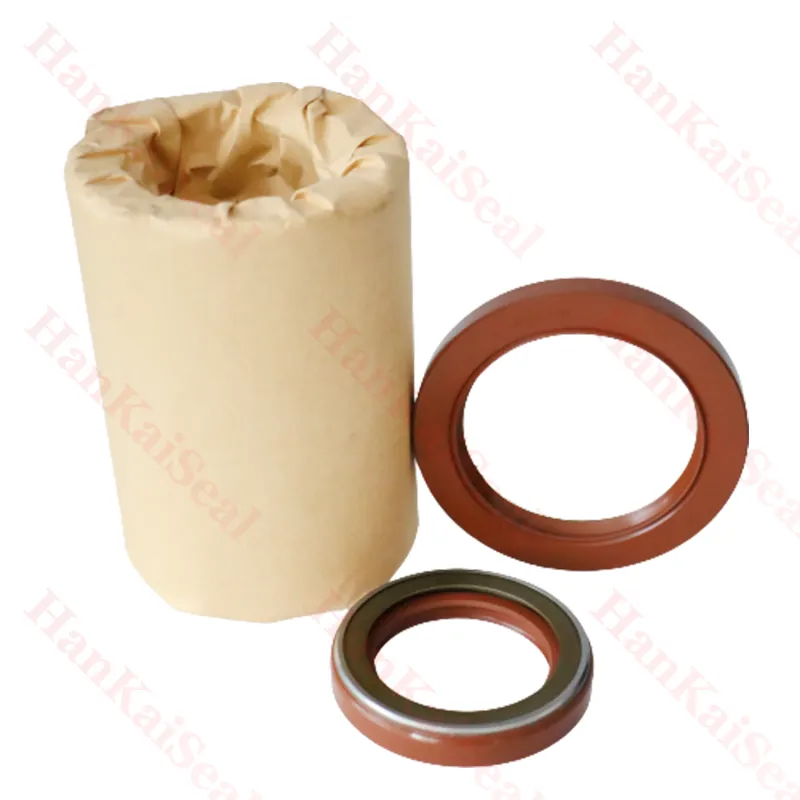
Standard oil seal BP0494 High pressure TCN oil seal
-
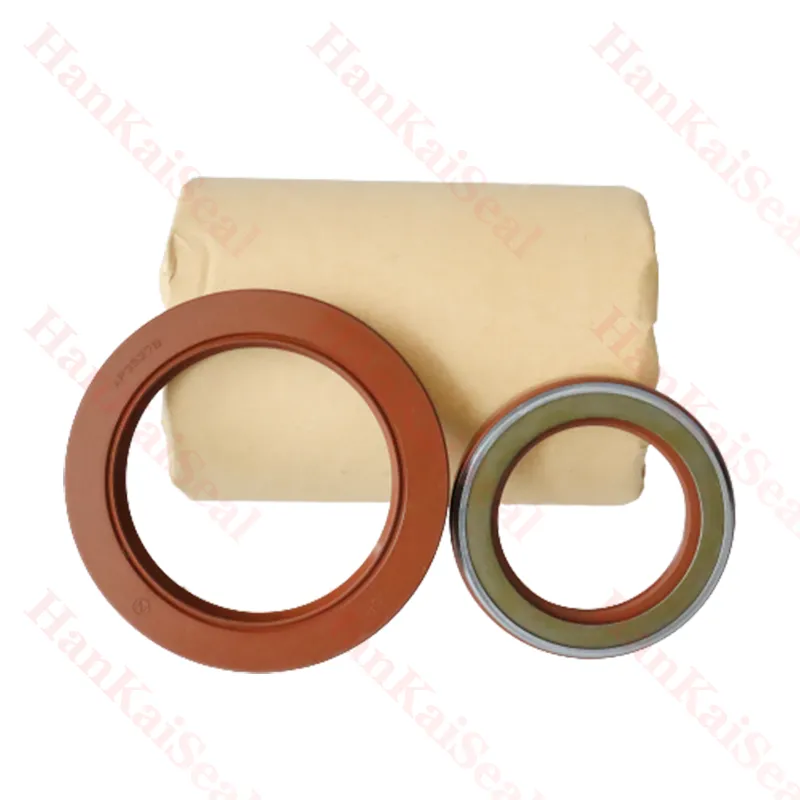
Hydraulic pump seal AP4624G high pressure TCN oil seal
-
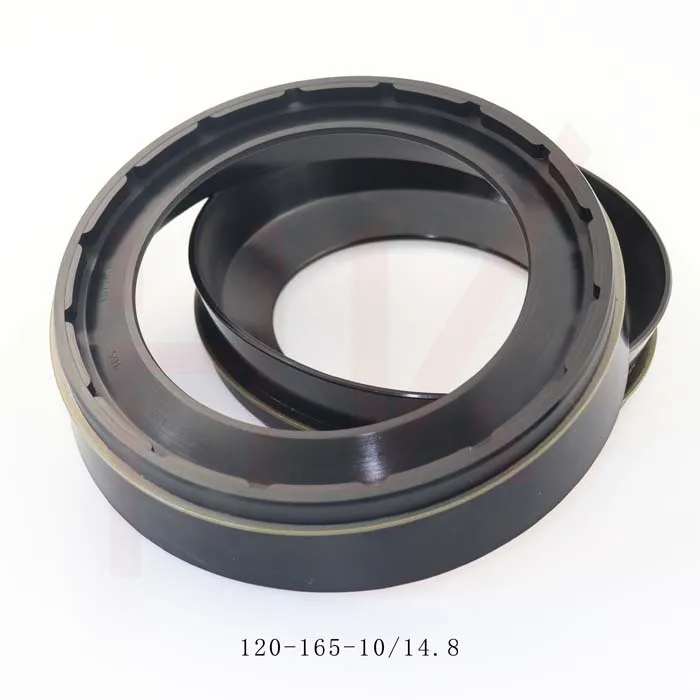
0734307418 0750112169 120*165*10/14.8 concrete mixer reducer oil seal
-
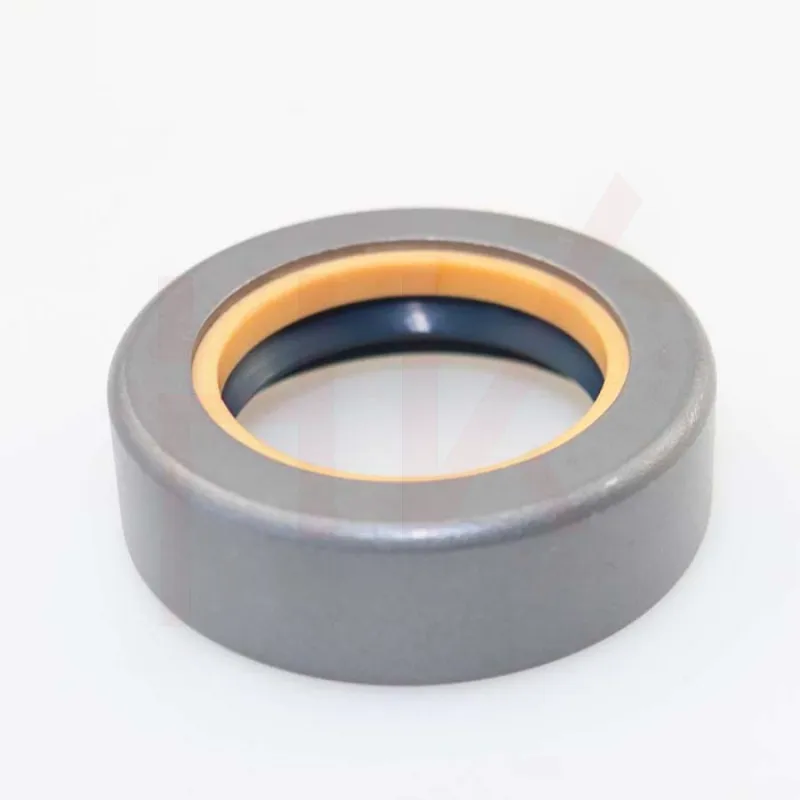
35*52*16 Standard Wheel Hub Oil Seal For Agricultural Machinery
-
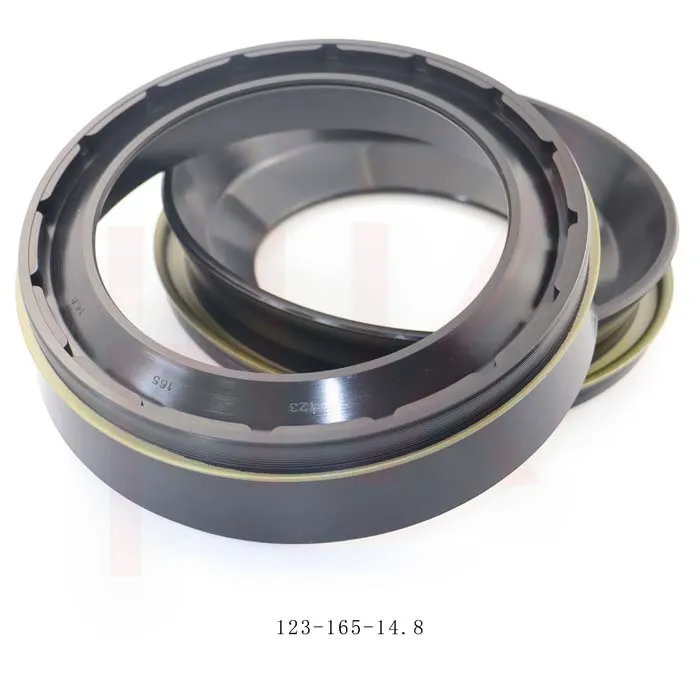
123*165*14.8 concrete mixer truck reducer oil seal
-
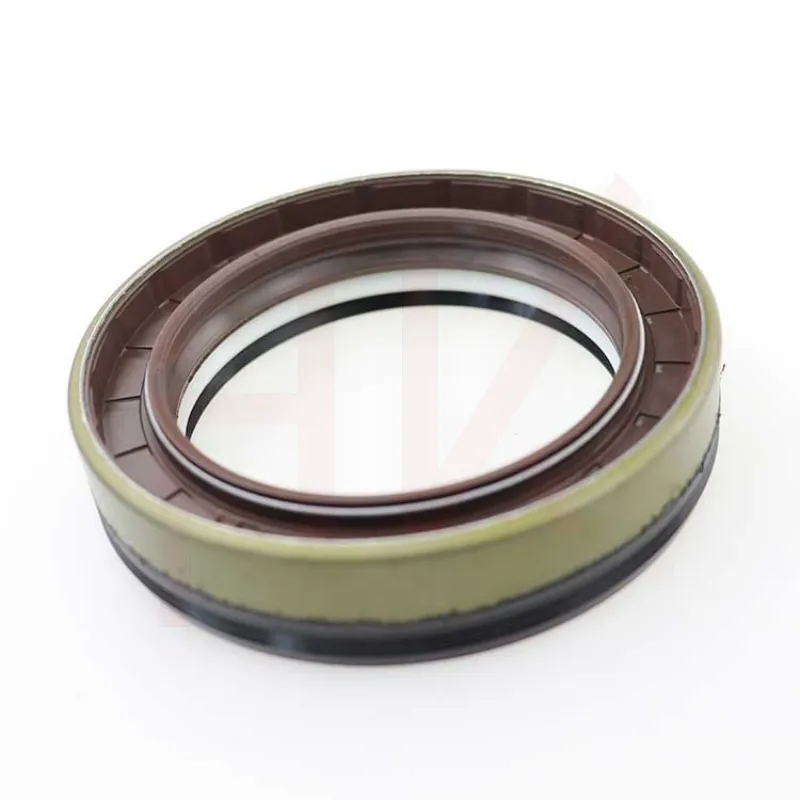
Tractor shaft oil seal 65-90-20 COMBI SF19 hub oil seal
-
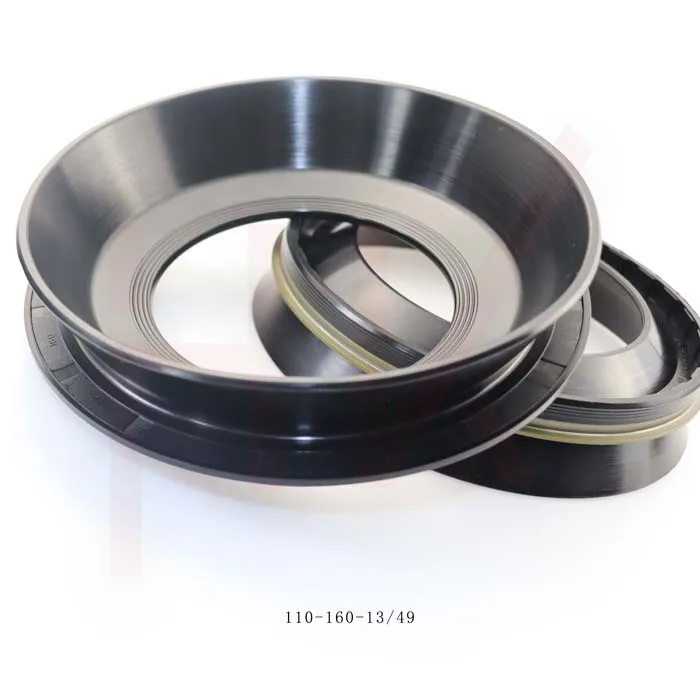
110*160*13/49 NBR reducerConcrete mixer truck oil seal
-
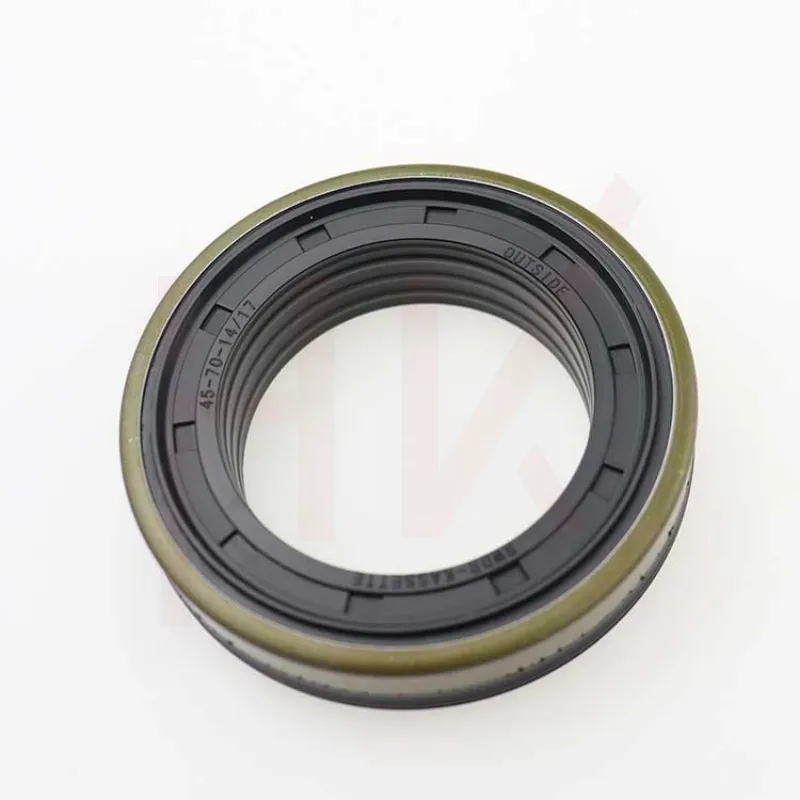
Hub oil seal 40*65*13/14.5 suitable for tractor Cat 12018035b
-
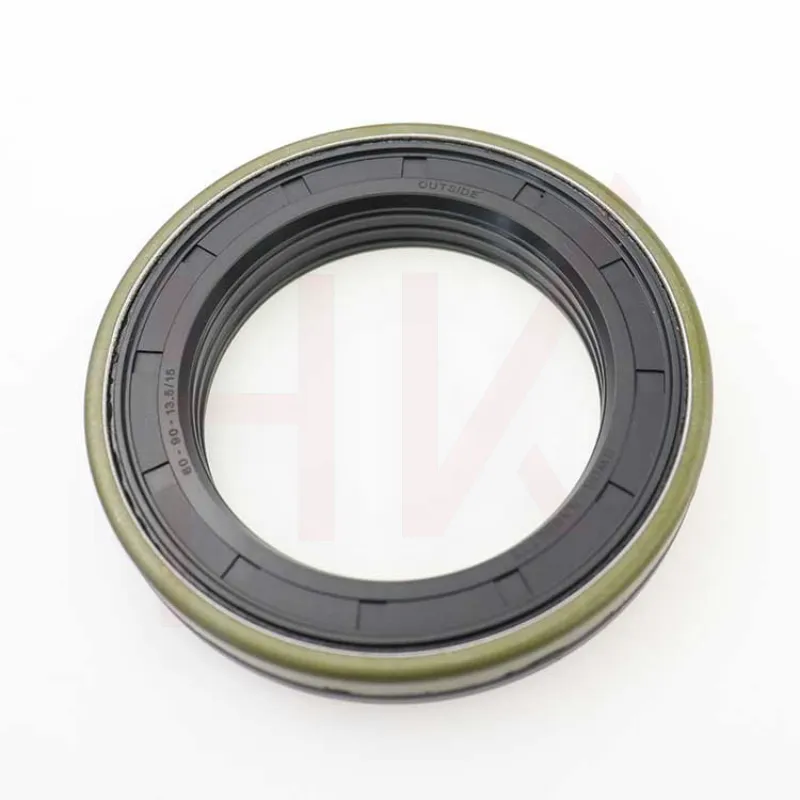
Tractor accessories cassette oil seal hub oil seal 60-90-13.5/15
-
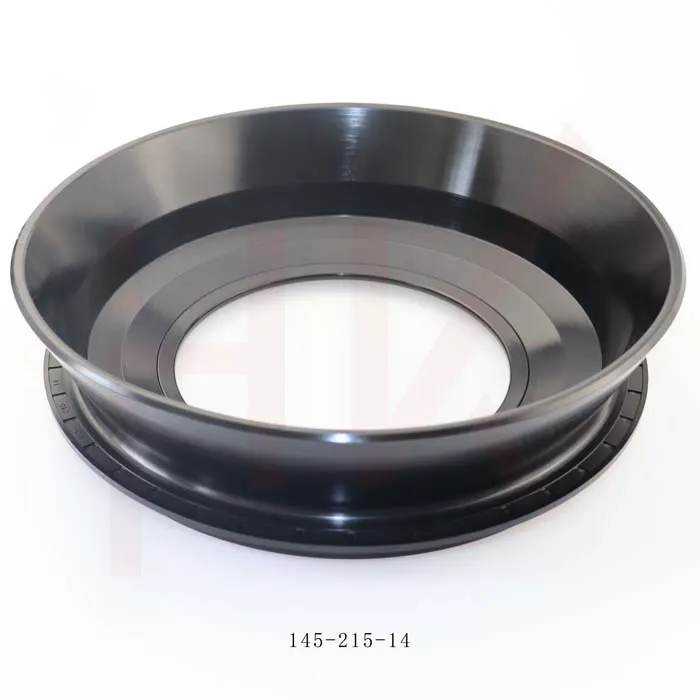
Factory concrete mixer truck oil seal 145*215*14 reducer gearbox oil seal
-
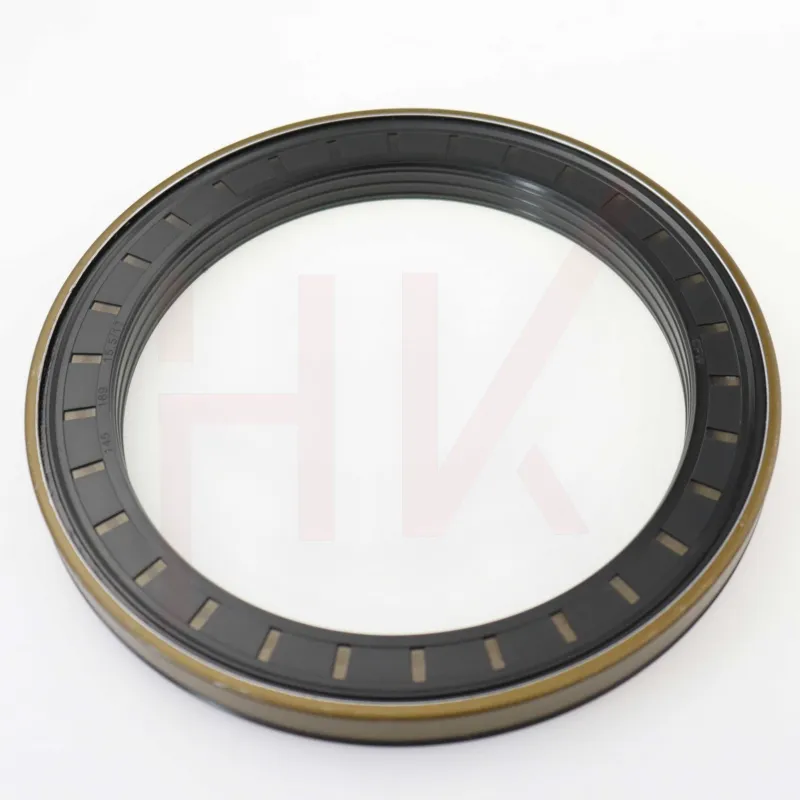
145*189*15.5/17 Cassette Seal NBR Hub Oil Seal 1508044
-
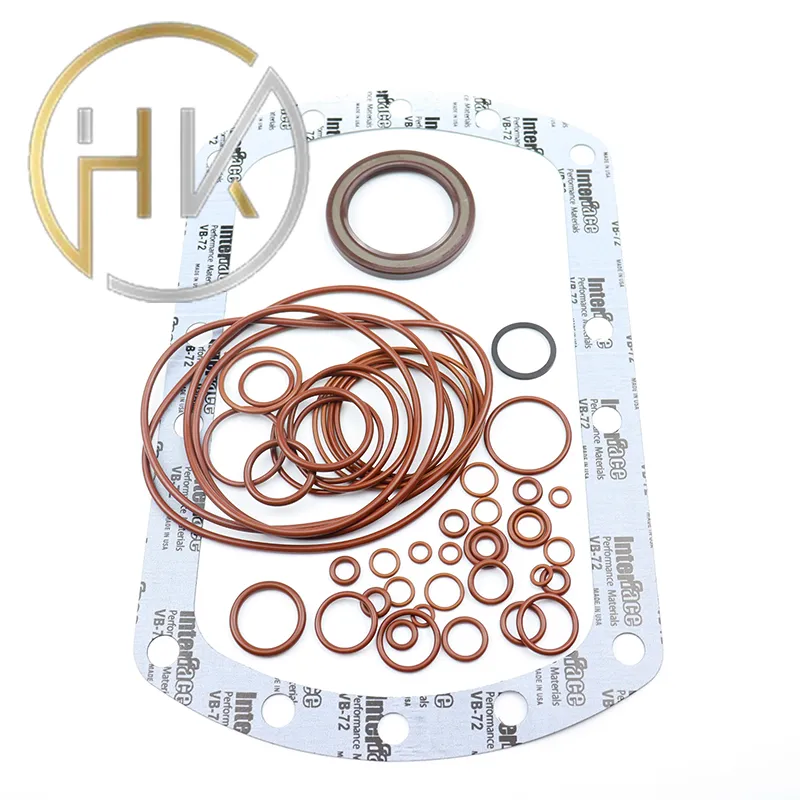
Factory direct sales hydraulic pump motor seal kit A8VO140
-
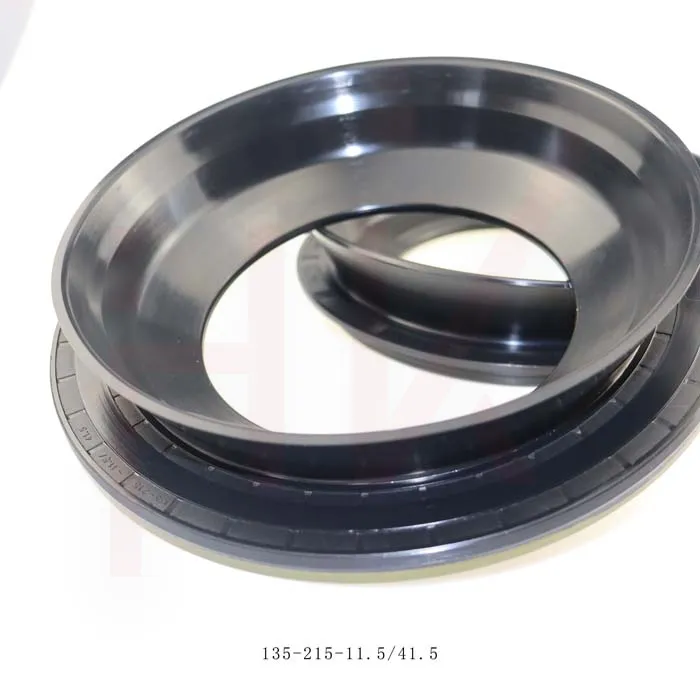
Brand new cement tanker oil seal 135*215*11.5/41.5 concrete mixer oil seal
-
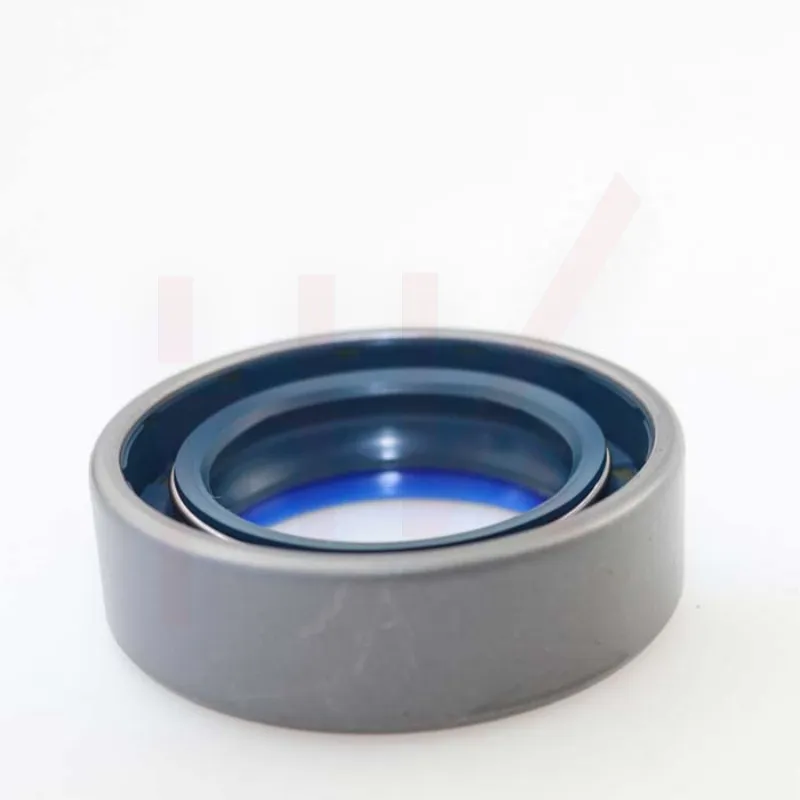
45*65*15 Combi oil seal JCB 90450009 COMBI SF1 SEAL
-
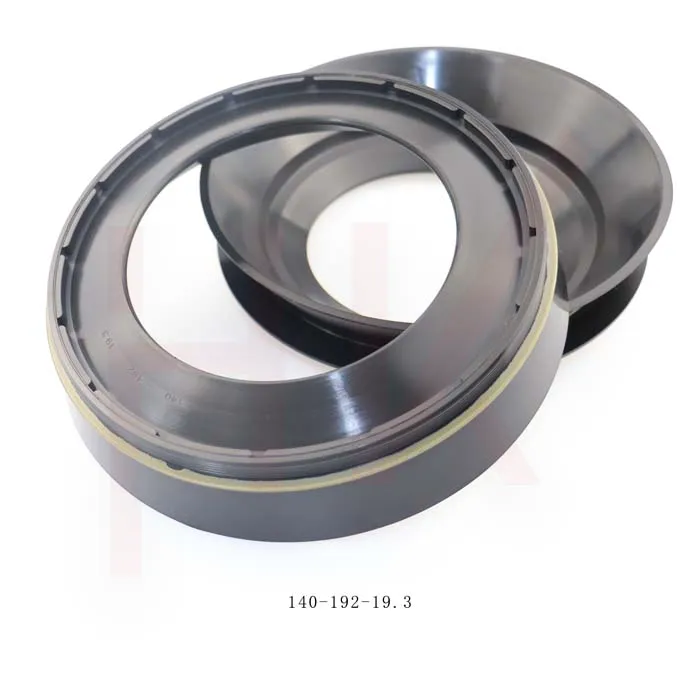
Gear box concrete mixer oil seal 140*192*19.3 nbr reducer oil seal
-
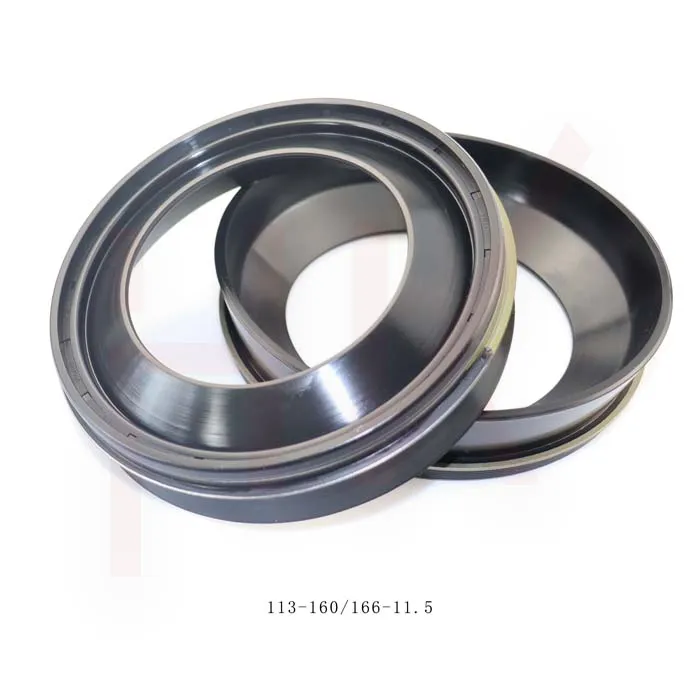
Seals factory direct sales 113*160/166*11.5/38 excavator truck reducer oil seal