Dec . 03, 2025 12:12 Back to list
Durable Motor Seal Solutions for Industrial Equipment | HKAIS
Motor Seal: The Unsung Hero in Industrial Equipment
Having spent a fair bit of time in the industrial equipment sector, I’ve learned to appreciate components that often go unnoticed but play a vital role in keeping machinery humming smoothly. Among those, the motor seal stands out for its reliability and sheer engineering subtlety.
Now, you might wonder, why all the fuss about a seal? Well, from pumps to motors, these tiny rings of engineered materials are the quiet protectors preventing leaks and contamination. Frankly, in harsh industrial environments — think abrasive slurries or high-pressure hydraulic systems — a good motor seal can mean the difference between routine maintenance and costly downtime.
The material science behind motor seals is fascinating. Usually crafted from nitrile rubber (NBR), fluorocarbon (FKM), or silicone, these materials must withstand temperature swings, chemical exposure, and mechanical wear. In some cases, PTFE or graphite compounds are added for enhanced performance. I once saw a project where seals had to perform flawlessly in a chemical plant running near 150°C — not your everyday task! The seal specs got pretty intricate.
Testing these seals is no joke either. Rigorous lab tests simulate real-world conditions — pressure, abrasion, temperature cycles — to ensure the seal can indeed “seal” under tough conditions. Many engineers I’ve known stress that quality testing is where you see the real difference among manufacturers. Some seals might look similar but don’t hold up under stress.
| Parameter | Typical Range | Remarks |
|---|---|---|
| Material | NBR, FKM, Silicone, PTFE | Depends on operating environment |
| Temperature Range | -40°C to 150°C | Varies by seal material |
| Pressure Rating | Up to 10 bar | Industrial standard |
| Shaft Speed | Up to 6000 RPM | For typical electric motors |
| Service Life | 12-24 months | Depends on operating conditions |
Having used several vendors over the years, I noticed the quality variations can be stark. Some suppliers focus on standardized parts, while others tailor seals to niche applications — which can be a game changer if you need extreme performance or enhanced durability.
| Vendor | Product Range | Customization | Lead Time | Price Range |
|---|---|---|---|---|
| HKAIS | Extensive (NBR, FKM, PTFE) | High – OEM specs available | 2-4 weeks | Medium |
| Vendor B | Limited (NBR only) | Low | 1-2 weeks | Low |
| Vendor C | Moderate (NBR, Silicone) | Medium | 3-5 weeks | High |
In one project I recall, a client was struggling with premature seal failure due to both chemical attack and high rotational speeds. Switching to a specialized motor seal designed with a FKM compound dramatically improved uptime. It’s moments like these that make you appreciate the engineering finesse behind such components.
Ultimately, a motor seal might seem like a simple ring of rubber or plastic, but it’s a critical defense line for motor longevity. If you’re sourcing seals, don’t just assume any seal will do — it pays to understand materials, sizes, and compatibility with your media and operating environment.
Oddly enough, something so small demands so much attention. But that’s industrial life for you: the devil (and the hero) is always in the details.
Takeaway: Selecting the right motor seal, like those from HKAIS, can not only extend equipment life but also help avoid unwanted downtime.
- Industrial Sealing Technology Journal, 2022.
- HKAIS Motor Seal Technical Datasheet, 2023.
- Personal experience, various industrial projects 2015-2023.
-
A8VO140 Hydraulic Piston Pump Repair Parts Kit Complete Overhaul Kit for Rexroth A8VO140 Excavator: Check Pump Fit Before Ordering
NewsNov.10,2026
-
A8VO140 Hydraulic Piston Pump Repair Parts Kit Complete Overhaul Kit for Rexroth A8VO140 Excavator: Buyer FAQs
NewsNov.05,2026
-
What Is the Function of Oil Seal? FAQ
NewsOct.30,2026
-
High Pressure TCN Seal Solutions for Industrial Machinery
NewsJul.01,2026
-
High Performance TCN Type Oil Seal for Industrial Machinery
NewsJun.29,2026
-
High Pressure Oil Seal TCN for Industrial Sealing Solutions
NewsJun.27,2026
-
Industrial High Speed Rotary Shaft Seals Performance Guide
NewsJun.26,2026
Products categories
-
Standard oil seal BP0494 High pressure TCN oil seal
-
Hydraulic pump seal AP4624G high pressure TCN oil seal
-
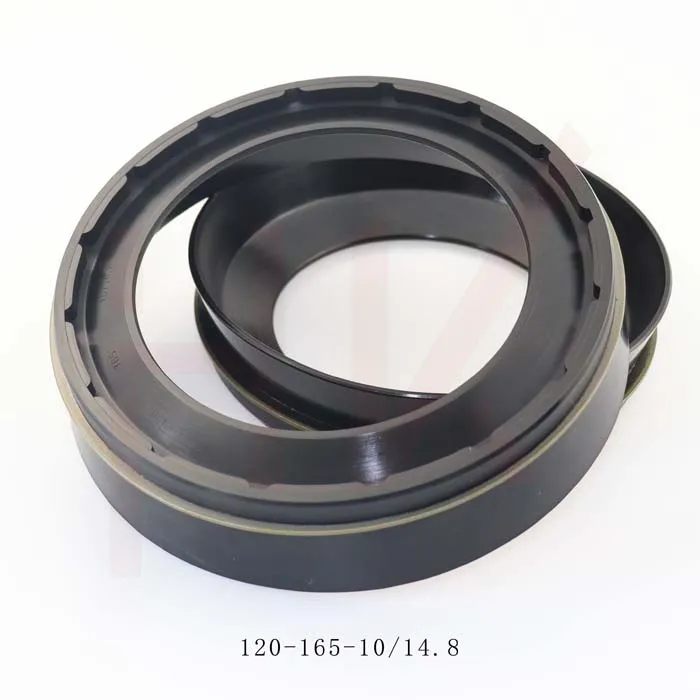
0734307418 0750112169 120*165*10/14.8 concrete mixer reducer oil seal
-
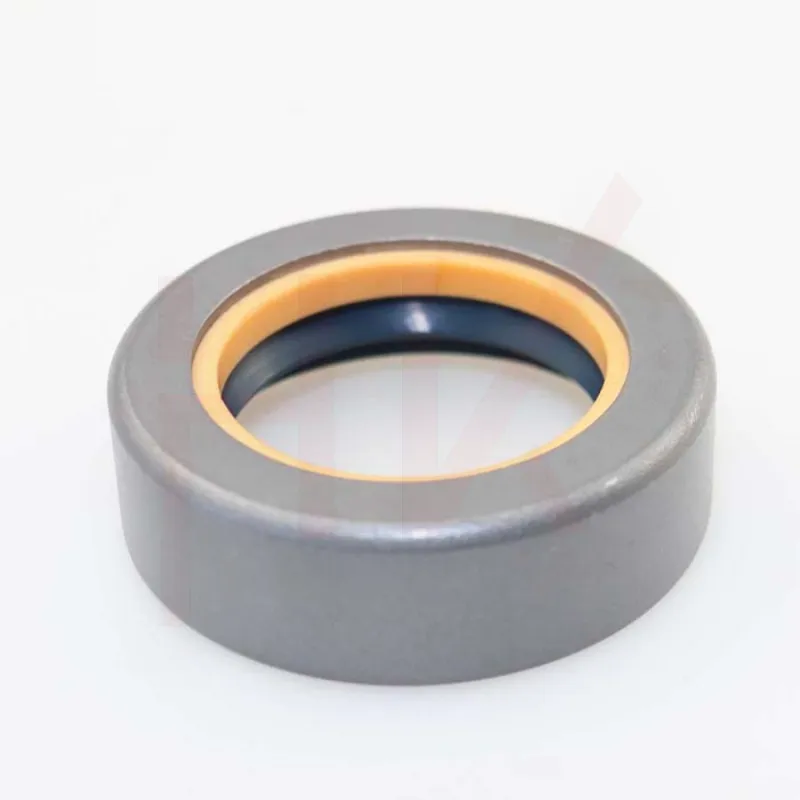
35*52*16 Standard Wheel Hub Oil Seal For Agricultural Machinery
-
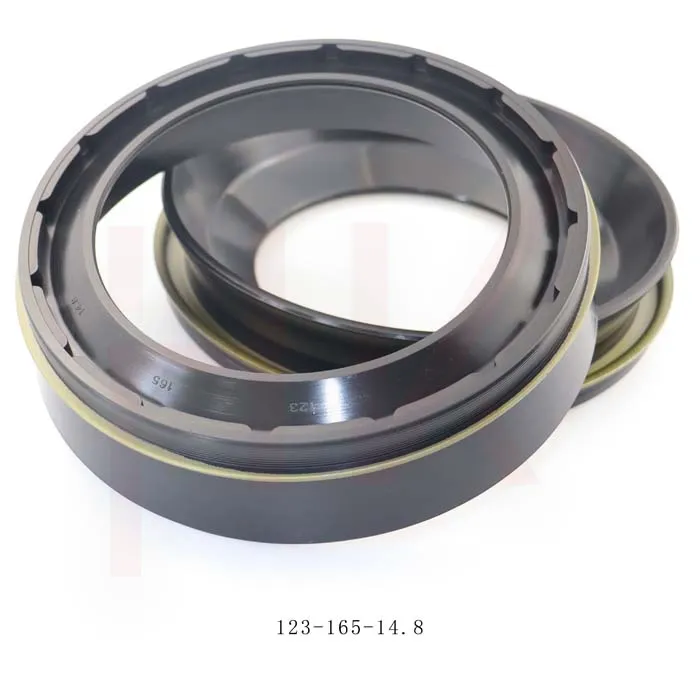
123*165*14.8 concrete mixer truck reducer oil seal
-
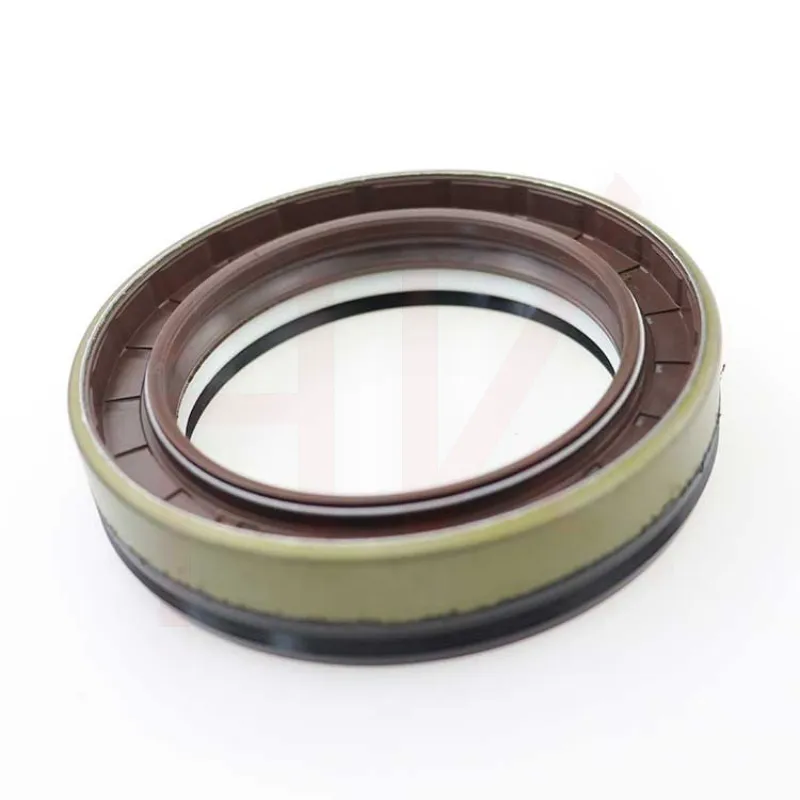
Tractor shaft oil seal 65-90-20 COMBI SF19 hub oil seal
-
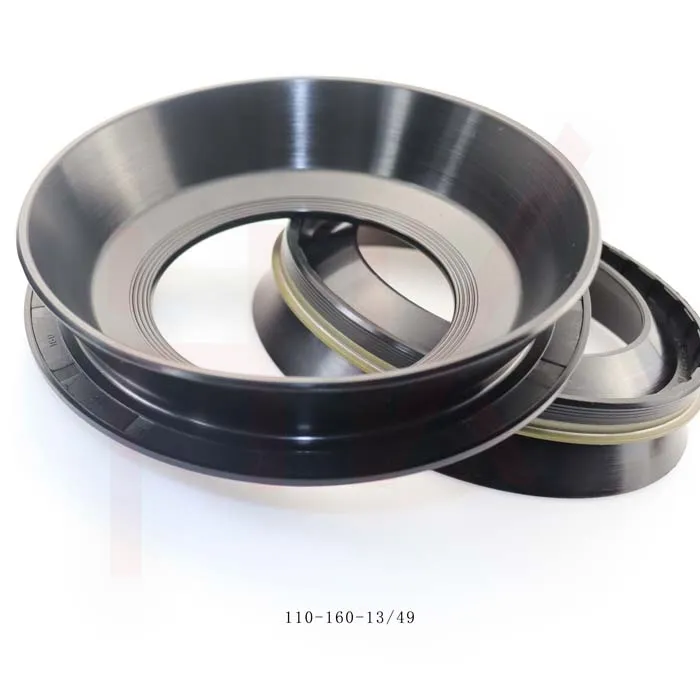
110*160*13/49 NBR reducerConcrete mixer truck oil seal
-
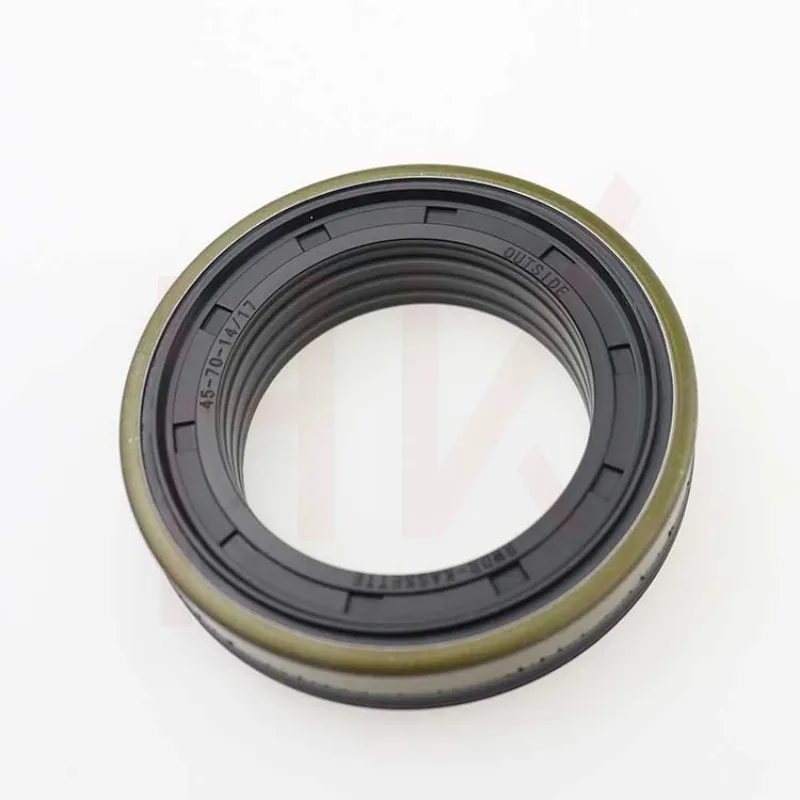
Hub oil seal 40*65*13/14.5 suitable for tractor Cat 12018035b
-
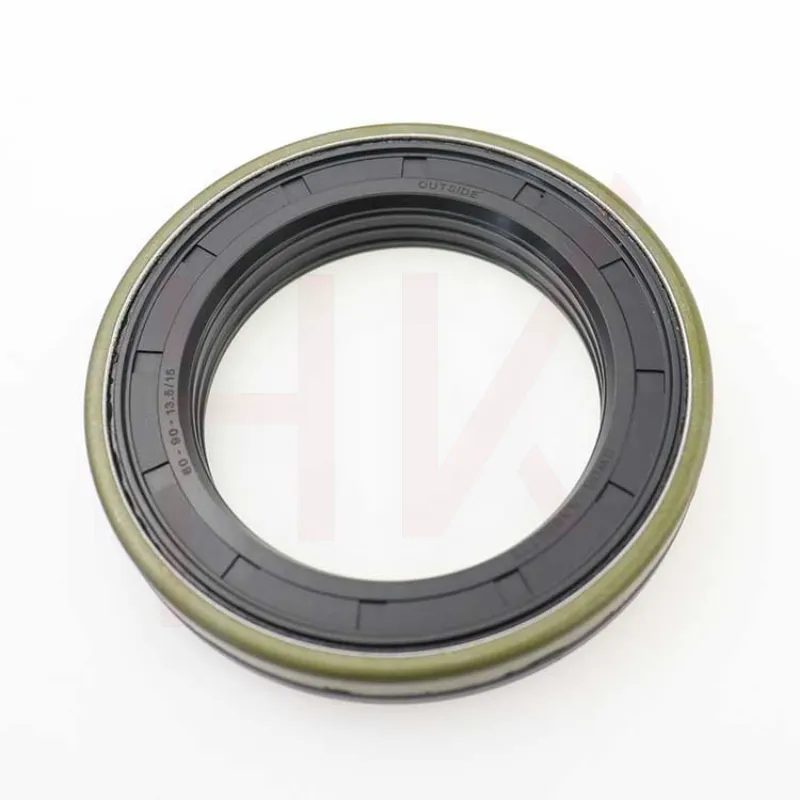
Tractor accessories cassette oil seal hub oil seal 60-90-13.5/15
-
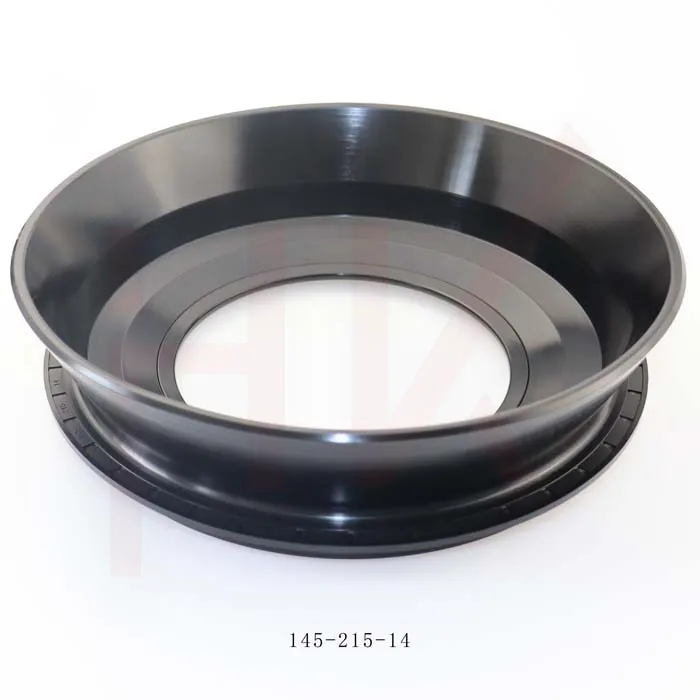
Factory concrete mixer truck oil seal 145*215*14 reducer gearbox oil seal
-
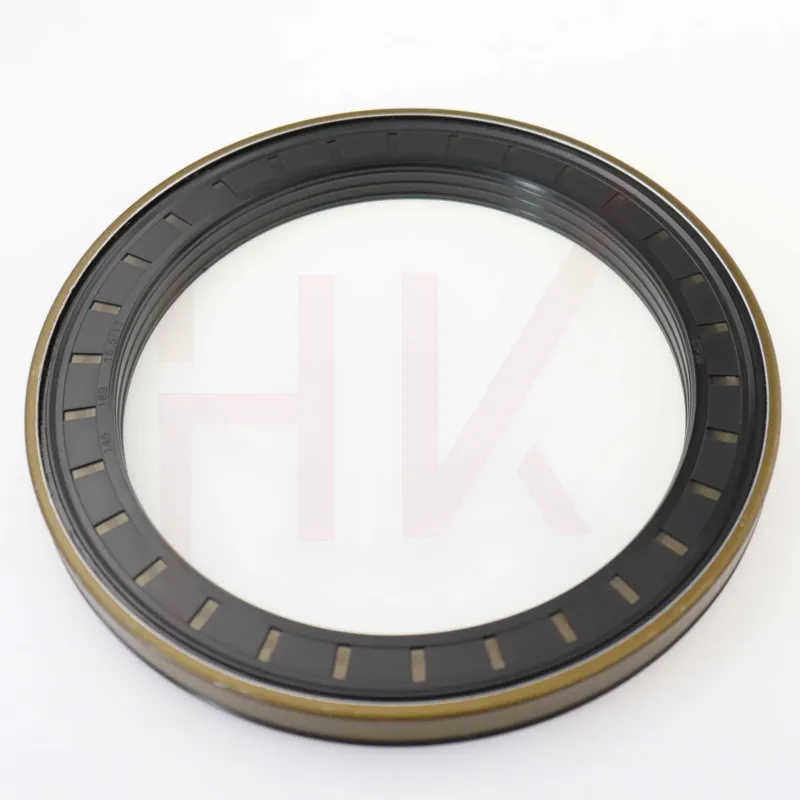
145*189*15.5/17 Cassette Seal NBR Hub Oil Seal 1508044
-
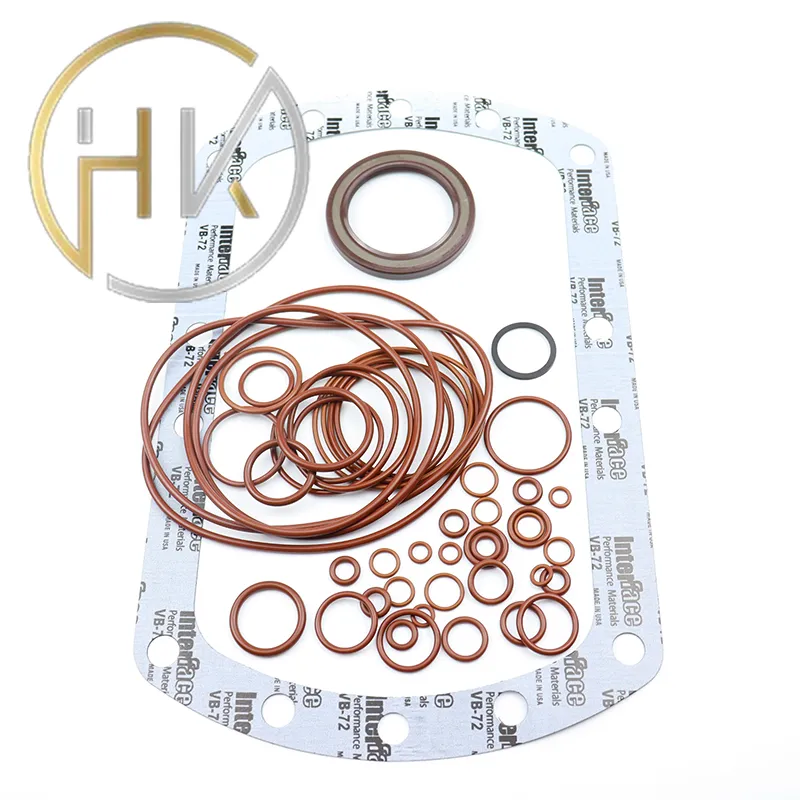
Factory direct sales hydraulic pump motor seal kit A8VO140
-
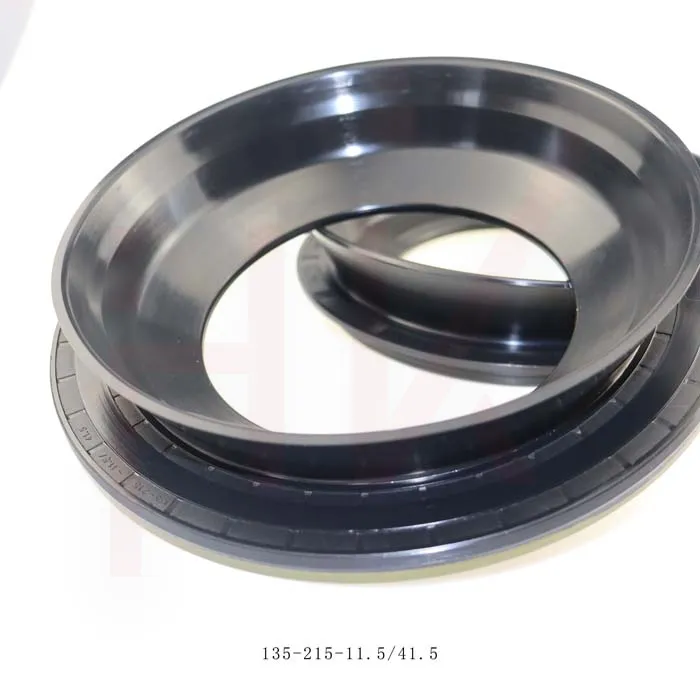
Brand new cement tanker oil seal 135*215*11.5/41.5 concrete mixer oil seal
-
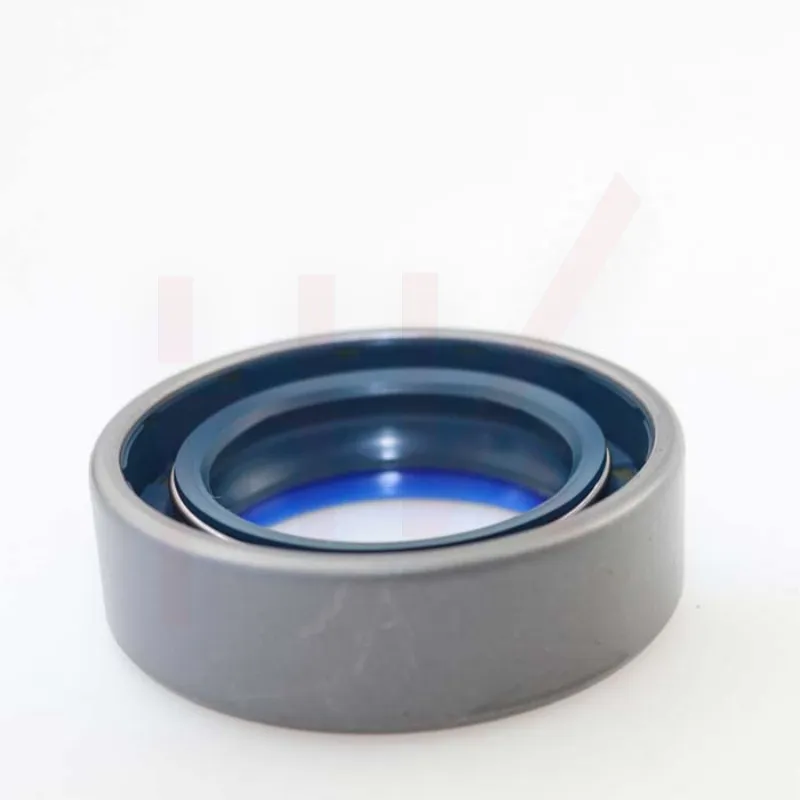
45*65*15 Combi oil seal JCB 90450009 COMBI SF1 SEAL
-

A4VG56 Seal Kit Hydraulic Piston Pump Repair Kit for Rexroth A4VG56 Pump Overhaul Service Kit Excavator Hydraulic Parts,40*67*7,R902002388/2593306F
-

12018740,2780603201,ZTAM-00716,148*170*14 Cassette Wheel Hub Oil Seal RWDR-Kombi NBR Oil Seal for Tractor Construction Machinery Axle Hub Seal