
Dec . 16, 2025 08:36 Back to list
Durable 12x22x7 Oil Seal - Essential Industrial Component
Why the 12x22x7 oil seal Remains a Go-To in Industrial Applications
Having spent a fair share of my career surrounded by spinning shafts, heavy-duty pumps, and noisy motors, I've come to appreciate some products more than others. The 12x22x7 oil seal — small in size but mighty in function — is one of those quietly essential components you don’t often hear about but absolutely can’t overlook. Oddly enough, people outside the industrial equipment sector rarely get how crucial seals like this are; they’re the unsung heroes preventing leaks, contamination, and costly downtime.
In real terms, a 12x22x7 oil seal refers to an oil seal with an inner diameter of 12 mm, an outer diameter of 22 mm, and a thickness (or width) of 7 mm. This size frequently pops up in applications such as gearboxes, motors, and hydraulic systems — pretty much where rotating shafts meet the stationary parts. What I find fascinating is how much engineering goes into what seems like a tiny rubber-and-metal ring.
The design typically involves a high-grade nitrile rubber lip facing the shaft, backed by a steel casing that holds form and fits tightly into housings. Some versions add a spring — a garter spring — that keeps the seal lip snug around the shaft, keeping oils in and dirt out even under vibration or pressure changes. It almost feels like a miniature guardian at every rotation.
Materials matter quite a bit. While nitrile (NBR) is the common workhorse material for these seals due to its oil resistance and flexibility, in harsher environments you might run into seals made from fluoroelastomer (FKM), which offers better temperature and chemical resistance. Based on years handling various equipment, I’ve seen nitrile-based 12x22x7 seals perform solidly from -30°C up to around 100°C — which covers most industrial zones. For higher temps, shifting to FKM makes sense, though it comes at a price.
Many engineers I chat with mention the importance of proper testing — including dynamic run tests to simulate actual shaft speed and pressure. Without this, you risk premature wear, leakage, and those heart-stopping machine shutdowns.
| Parameter | Value | Unit |
|---|---|---|
| Inner Diameter (ID) | 12 | mm |
| Outer Diameter (OD) | 22 | mm |
| Width (Thickness) | 7 | mm |
| Material | NBR (standard), FKM (optional) | - |
| Temperature Range | -30 to 100 (NBR) | °C |
| Speed Limit | up to 10 m/s | velocity |
Now, about choosing the right 12x22x7 oil seal vendor — honestly, it’s not just about specs but also consistency, lead time, and customization capabilities. I remember a recent project where we needed a batch with slightly reinforced lips for higher RPM usage; not all suppliers could handle that tweak without long delays.
| Vendor | Material Options | Customization | Typical Lead Time | Price Range |
|---|---|---|---|---|
| HKAI Seal | NBR, FKM | Yes (lip hardness, springs) | 1-2 weeks | $$ |
| Vendor B | Mostly NBR | Limited | 3-4 weeks | $ |
| Vendor C | NBR, Silicone | Yes | 2-3 weeks | $$$ |
Picking the right seal often boils down to balancing price with quality and availability. From what I’ve seen, HKAI Seal stands out for offering flexible customization with a surprisingly reasonable turnaround time, something crucial when machines are down and you are racing the clock.
One quick anecdote: In a dusty agricultural setup where I once worked, the 12x22x7 oil seal’s resilience was pivotal. The environment was unforgiving with fine soil particles everywhere — and without a proper seal, the gearbox would’ve been toast in months. The seal from a trusted vendor lasted well beyond expectations, saving serious headaches (and cost).
So, if you’re sourcing the 12x22x7 oil seal, it pays to think past the specs and consider material, supplier flexibility, and real-world durability. Frankly, these small parts make or break equipment health far more than people realize.
In conclusion, this little seal isn’t just a rubber ring; it’s a complex, engineered solution refined over decades to meet demanding conditions and keep mechanical systems running smoothly. Keep an eye on quality, test thoroughly, and don't hesitate to consult suppliers about custom options — your downtime clock will thank you.
— A.J., Industrial Equipment Specialist
References:
1. SKF. "Oil Seals: Design and Applications." SKF Group Technical Publications.
2. American Petroleum Institute. "Seal Engineering Guidelines." API Standards.
3. Industrial Machinery Digest, "Advances in Seal Materials and Testing, 2022."
-
Guide to Choosing the Right High Quality hydraulic ram kit
NewsApr.16,2026
-
Premium Hydraulic Cylinder Packing Kits for Peak Performance
NewsApr.09,2026
-
Comprehensive Guide to Hydraulic Cylinder Oil Seal Kits for Optimal Performance
NewsApr.07,2026
-
Comprehensive Guide to Choosing the Right Cylinder Seal Kits for Peak Performance
NewsApr.04,2026
-
Comprehensive Guide to Seal Kits for Cylinders Ensuring Optimal Performance
NewsMar.31,2026
-
Comprehensive Guide to Hyd Cylinder Seals for Optimal Hydraulic System Performance
NewsMar.28,2026
-
Comprehensive Guide to Hyd Cylinder Seal Kit Selection and Installation
NewsMar.26,2026
Products categories
-
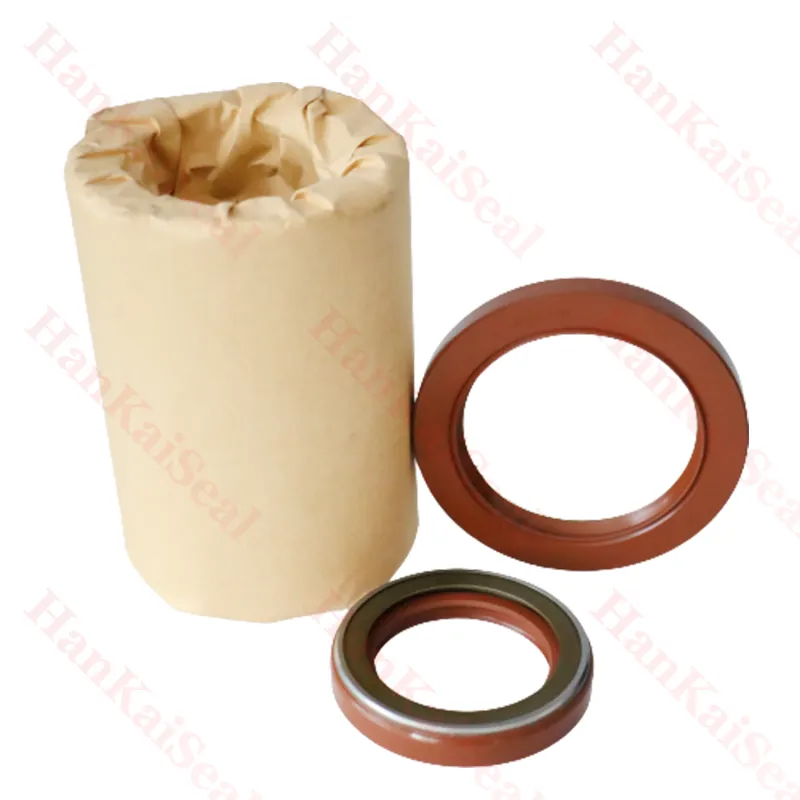
Standard oil seal BP0494 High pressure TCN oil seal
-
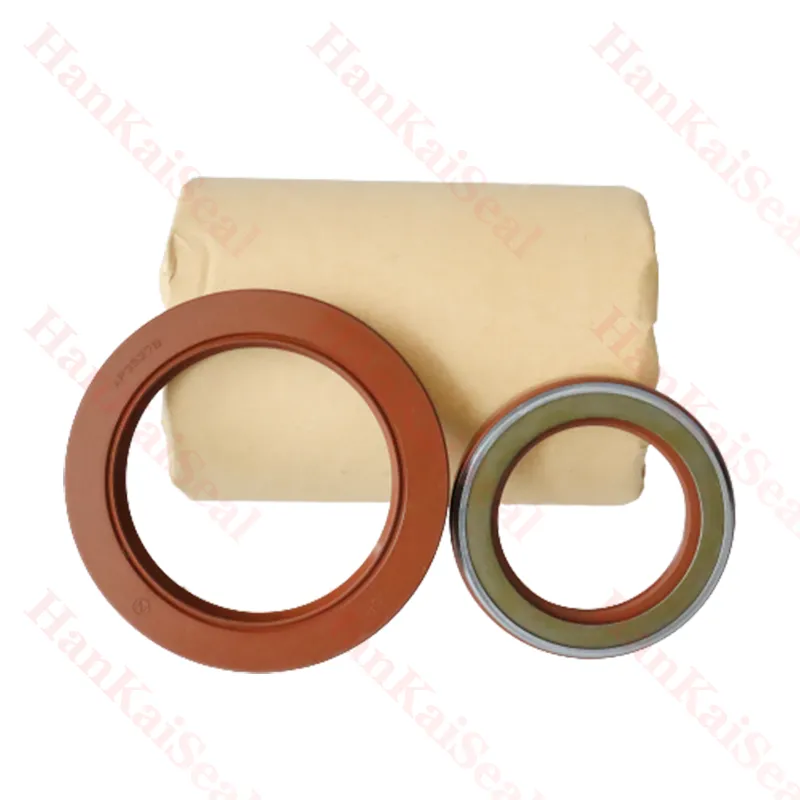
Hydraulic pump seal AP4624G high pressure TCN oil seal
-
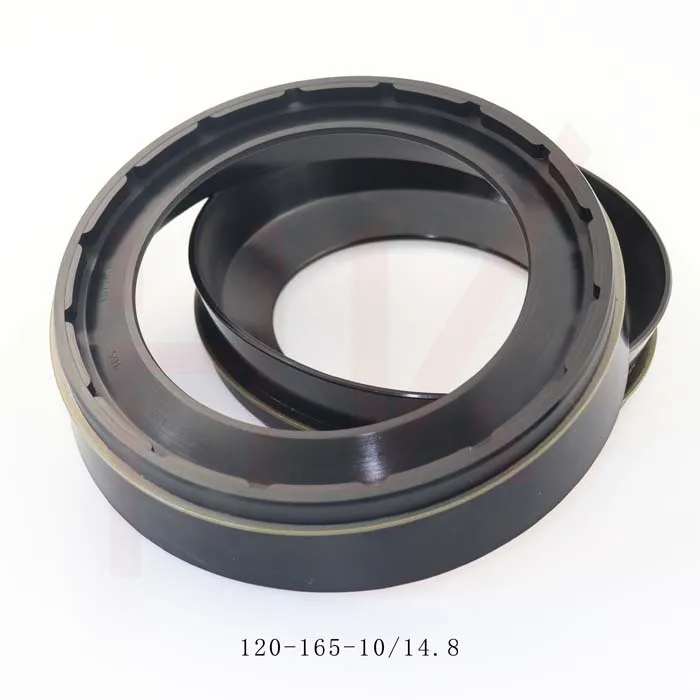
0734307418 0750112169 120*165*10/14.8 concrete mixer reducer oil seal
-
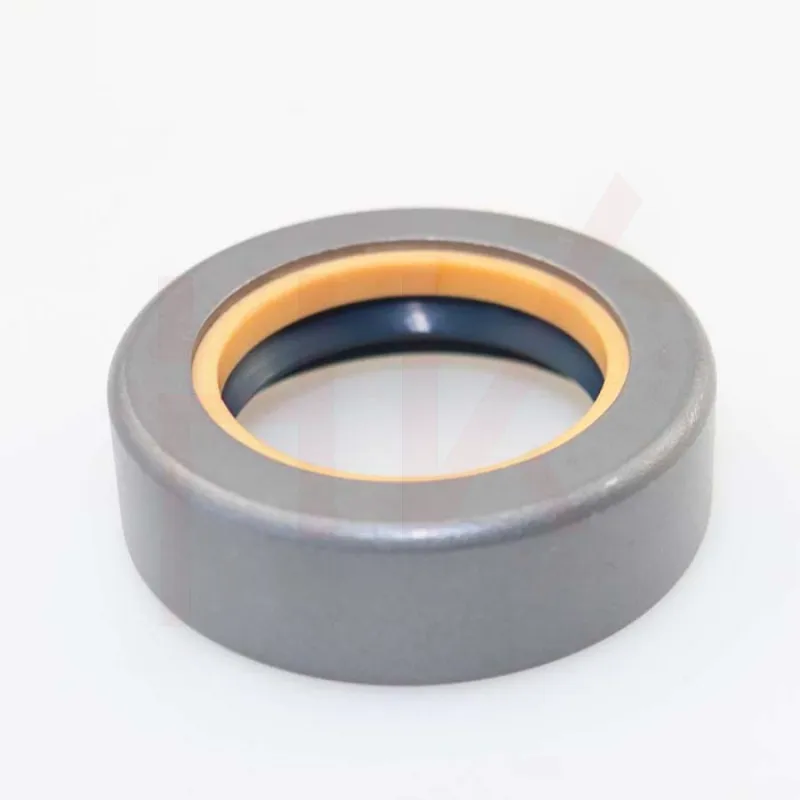
35*52*16 Standard Wheel Hub Oil Seal For Agricultural Machinery
-
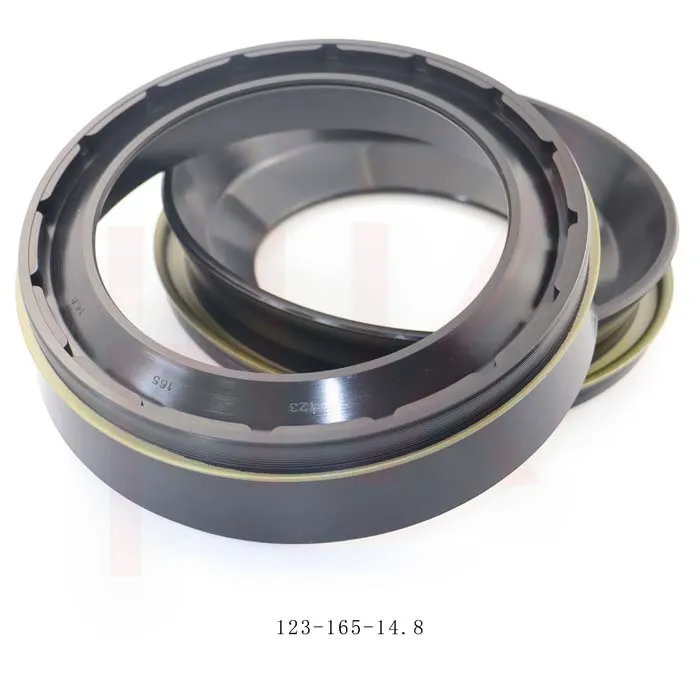
123*165*14.8 concrete mixer truck reducer oil seal
-
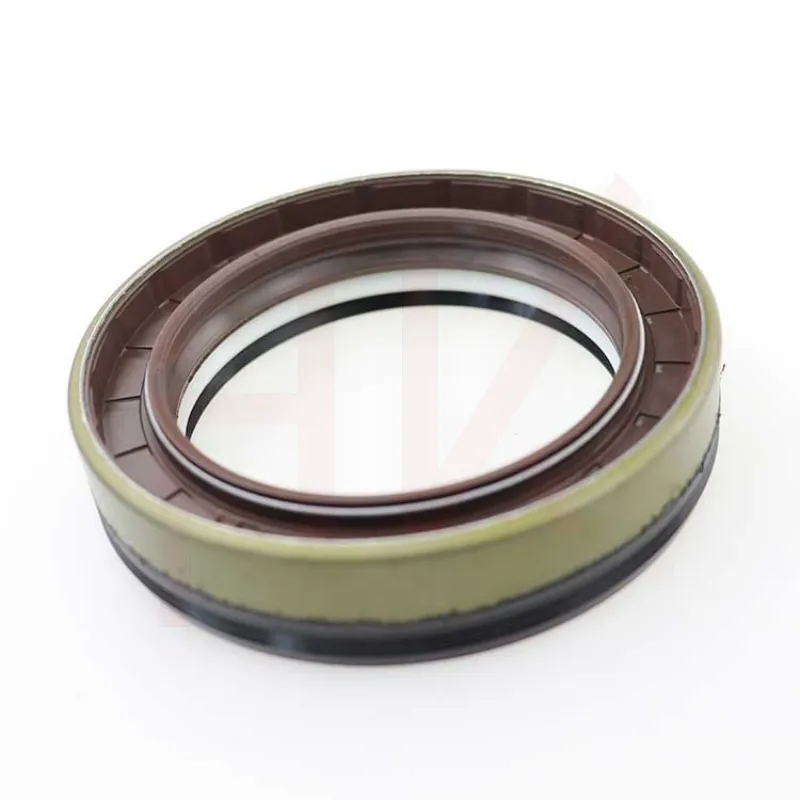
Tractor shaft oil seal 65-90-20 COMBI SF19 hub oil seal
-
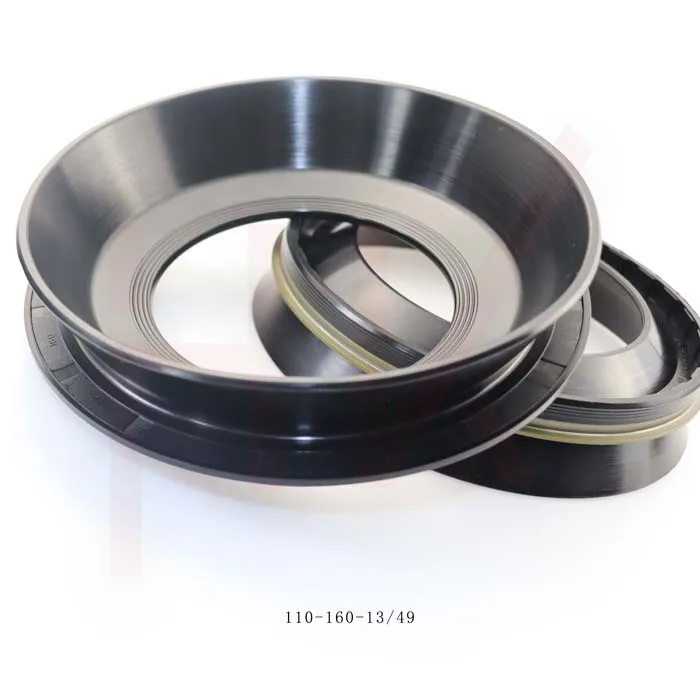
110*160*13/49 NBR reducerConcrete mixer truck oil seal
-
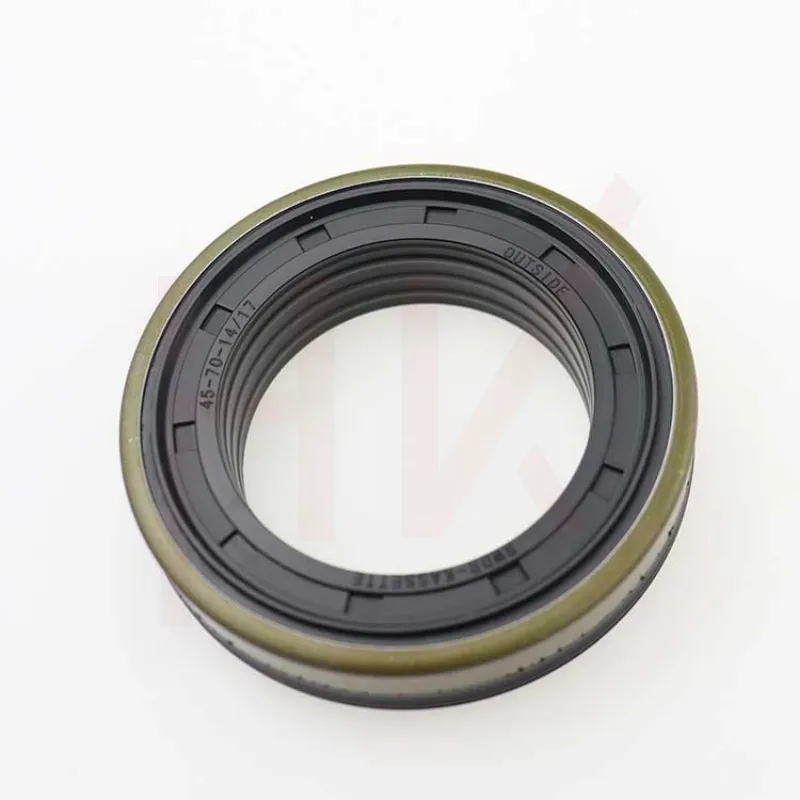
Hub oil seal 40*65*13/14.5 suitable for tractor Cat 12018035b
-
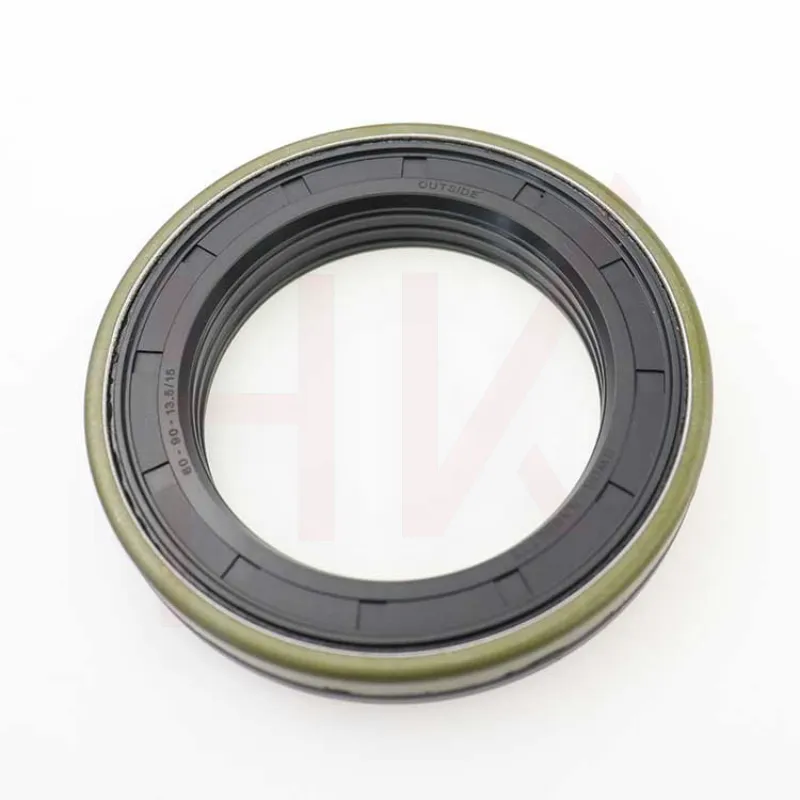
Tractor accessories cassette oil seal hub oil seal 60-90-13.5/15
-
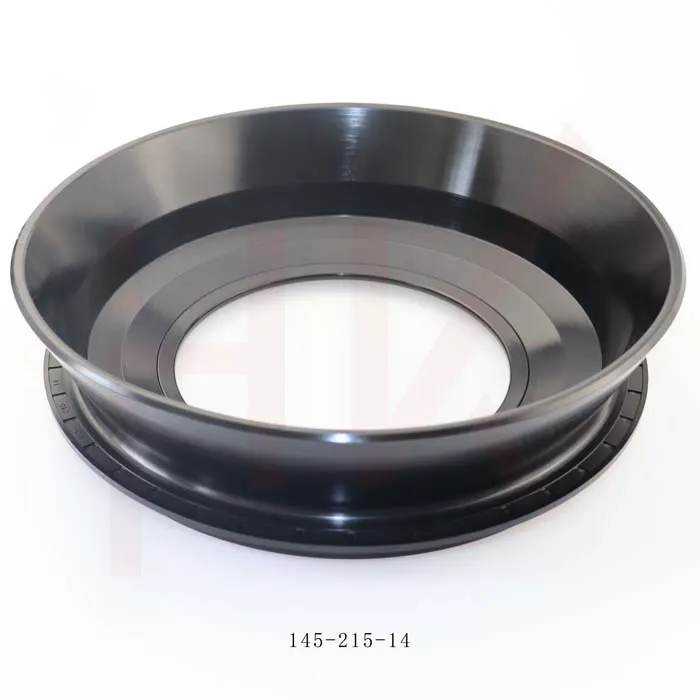
Factory concrete mixer truck oil seal 145*215*14 reducer gearbox oil seal
-
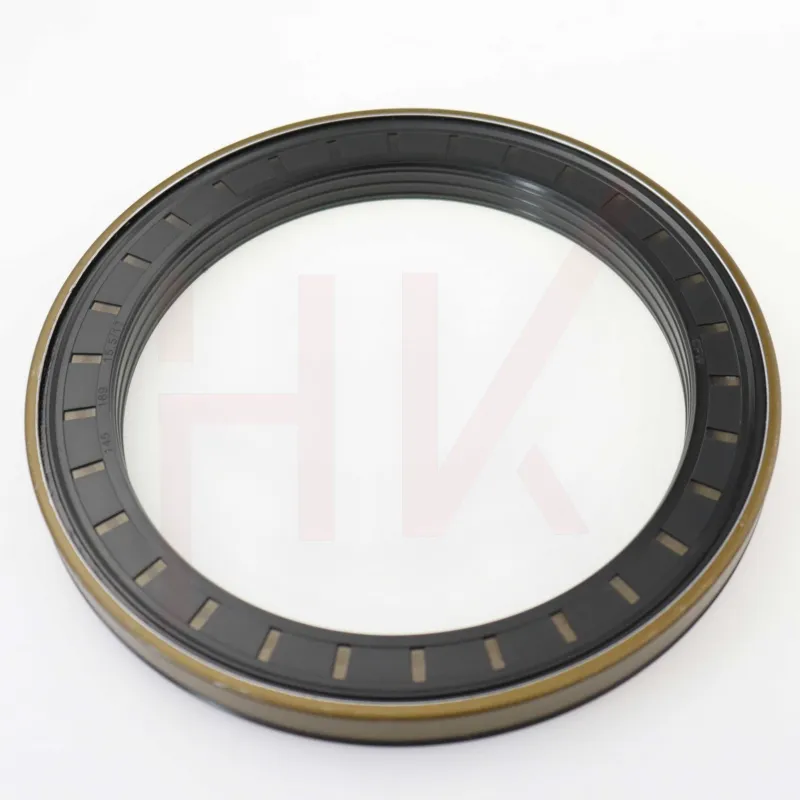
145*189*15.5/17 Cassette Seal NBR Hub Oil Seal 1508044
-
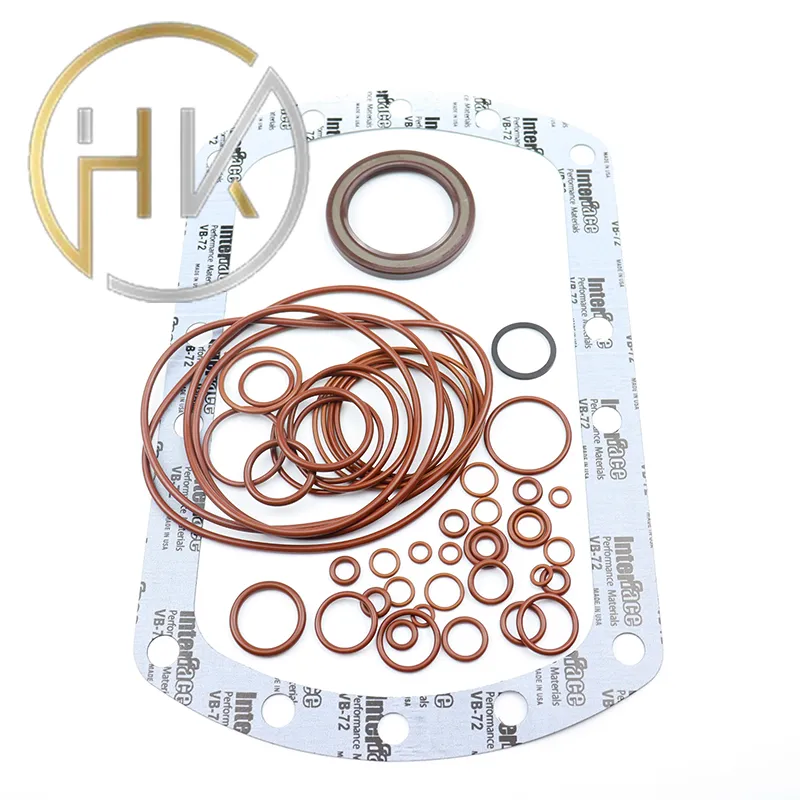
Factory direct sales hydraulic pump motor seal kit A8VO140
-
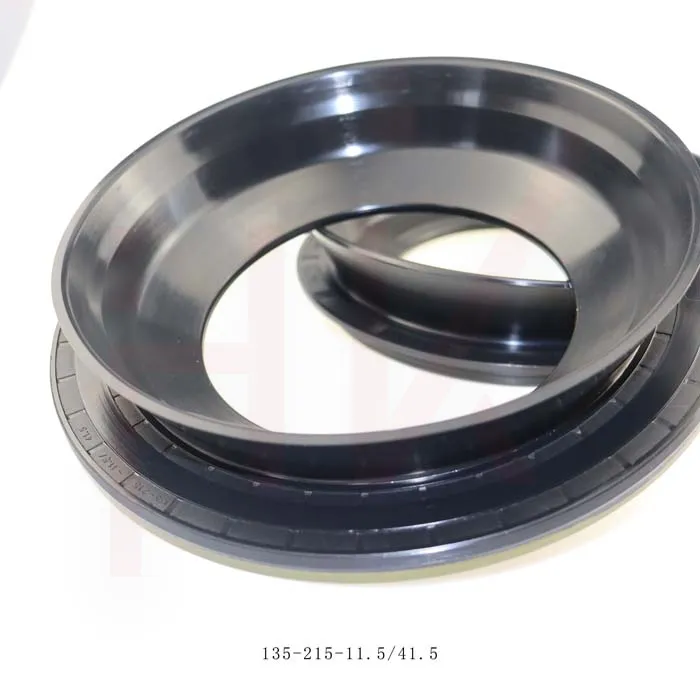
Brand new cement tanker oil seal 135*215*11.5/41.5 concrete mixer oil seal
-
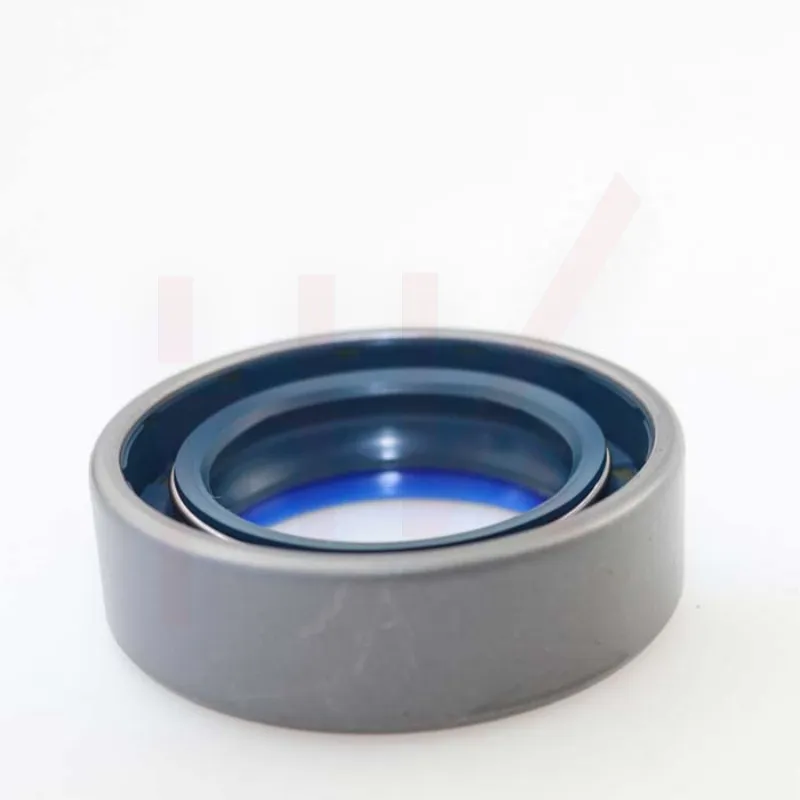
45*65*15 Combi oil seal JCB 90450009 COMBI SF1 SEAL
-
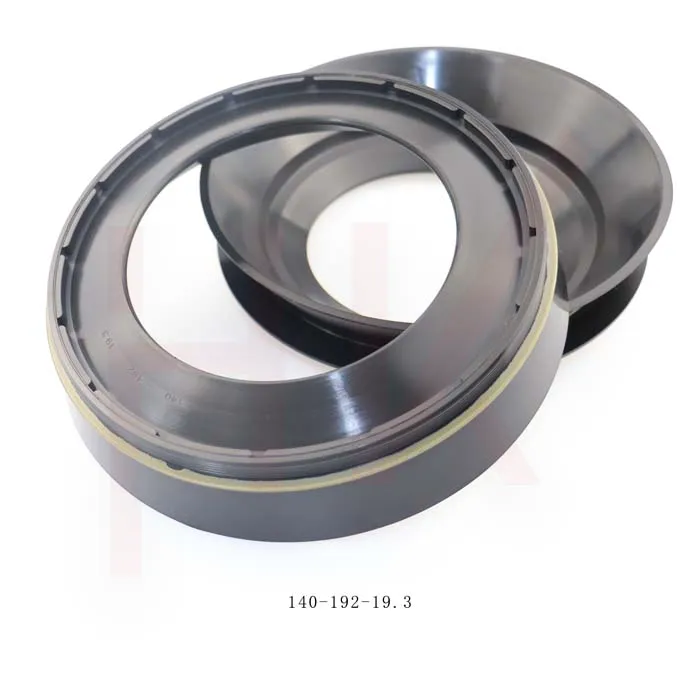
Gear box concrete mixer oil seal 140*192*19.3 nbr reducer oil seal
-
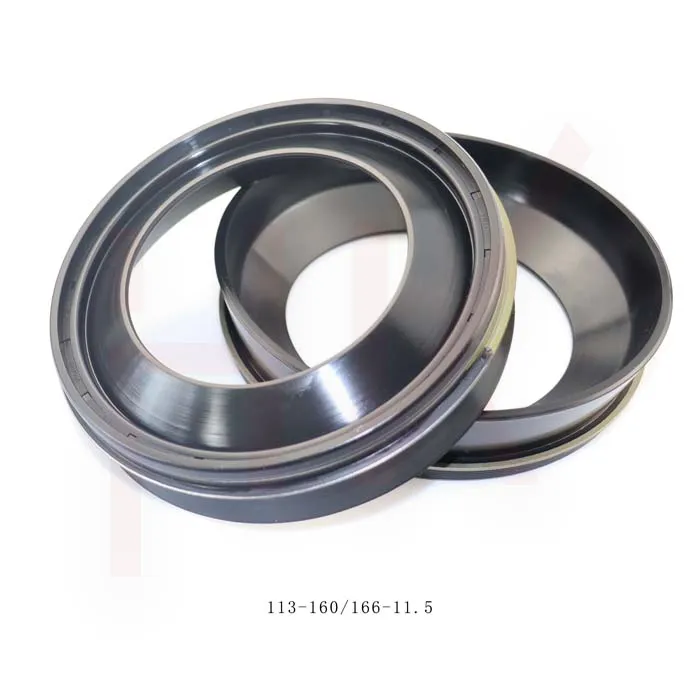
Seals factory direct sales 113*160/166*11.5/38 excavator truck reducer oil seal