
Dec . 02, 2025 17:29 Back to list
Comprehensive Guide to Seals and Wipers – Industrial Applications & Innovations
Seals and Wipers: The Unsung Heroes of Industrial Efficiency
When we think about complex machinery or heavy-duty hydraulics, seals and wipers rarely steal the spotlight. Yet, these modest components are absolutely critical. They keep systems sealed tight against dirt, dust, and moisture; they prevent leaks; and they ensure equipment runs smoothly and lasts longer. Globally, understanding seals and wipers—what they do, how they work, and why they matter—means saving billions in downtime and maintenance costs across industries ranging from automotive to aerospace.
Frankly, it’s a topic worth a closer look, especially if you deal in production or heavy machinery. Let’s see where these small parts fit into the big picture.
The Global Relevance of Seals and Wipers
The International Organization for Standardization (ISO) estimates that sealing technology affects at least 80% of all mechanical equipment worldwide. According to recent World Bank data, industries reliant on hydraulic and pneumatic systems—think construction, agriculture, and manufacturing—have seen a 15-20% improvement in uptime when upgrading to advanced seals and wiping technologies over the last decade.
Why does this matter? Consider the challenge of harsh environments: dust storms in the Middle East, heavy rain in Southeast Asia, freezing temperatures in northern Europe. All these conditions attack machinery relentlessly, often leading to corrosion, contamination, or leakage.
In short, seals and wipers combat these issues head-on. Without them, equipment fails faster, causing slowdowns or dangerous situations. For global industries working in these tough climates, seals and wipers are more than components—they’re vital safeguards.
Defining Seals and Wipers: What Are They Really?
To keep it simple, seals and wipers are components designed to prevent unwanted substances from entering or leaving a system. Seals focus on stopping fluid leaks—think oil, coolant, or hydraulic fluid—within an assembly. Wipers, on the other hand, are usually found on the outside: they “wipe” off dirt, dust, or contaminants from moving parts like piston rods, preventing grime from entering the system.
It’s fascinating how such simple principles have evolved into highly engineered parts made from specialized materials, like polyurethane, nitrile rubber, or PTFE. They’re everywhere—from your car’s shock absorbers to massive industrial presses—and play a surprisingly big role in modern engineering and even humanitarian machinery, such as water pumps or medical equipment used in aid operations.
Core Components and What Makes Them Tick
1. Material Durability
Materials must resist wear, chemicals, temperature extremes, and sometimes radiation. For instance, wipers used in Arctic conditions operate differently than those in the tropics. Polyurethane is popular for its abrasion resistance; meanwhile, fluoroelastomers resist aggressive fluids. Engineers often tailor materials based on application.
2. Seal Geometry and Design
The shape of a seal or a wiper affects how well it fits and functions. Some seals are simple rings, others have intricate lips or spring-loaded edges that maintain pressure. The better the design, the less leakage and wear.
3. Installation and Fit
Good seals need precise installation. It’s not just about putting a ring in a groove; improper fitting can cause premature wear or failure. Designers often include features for easy fitting or self-adjustment.
4. Cost Efficiency
While high-performance seals may cost more upfront, their long-term savings—through reduced maintenance and downtime—can be substantial. It pays to analyze total cost of ownership rather than just initial price.
5. Environmental Resistance
Seals and wipers often guard against extremes. UV radiation, ozone, hot oils, or freezing water challenge their integrity. Selecting the right compound can be the difference between thrice-yearly replacements and multi-year service.
Seals and Wipers Around the World: Real Applications
- Emergency Relief and Humanitarian Aid: In post-disaster zones, reliable water pumps and generators rely on excellent seals to keep running without contamination, ensuring clean water supply or power—sometimes literally life-saving.
- Agricultural Machinery in Africa: Dusty, rough conditions mean sealing technology must withstand dirt ingress to keep harvesters and tractors working through the season.
- European Automotive Industry: Rigorous environmental regulations have pushed manufacturers to upgrade sealing technology to reduce emissions and improve fuel efficiency.
- Mining Operations in Australia: Heavy hydraulic presses and excavators rely heavily on wipers to protect rods and pistons from abrasive soil and grit.
Beyond industries, governments and NGOs worldwide recognize seals and wipers’ importance in infrastructure resilience. Robust sealing prolongs equipment lifespan, which translates to more sustainable development.
Product Specification Snapshot: Popular Seal and Wiper Types
| Product | Material | Temperature Range | Typical Uses | Expected Lifespan |
|---|---|---|---|---|
| Polyurethane Wiper Seal | Polyurethane (PU) | -40° to 80° C | Hydraulics, Agricultural Machinery | 1-3 years |
| Fluoroelastomer O-Ring Seal | FKM (Viton) | -20° to 200° C | Chemical Plants, Automotive Engines | 3-5 years |
| PTFE Lip Seal | Polytetrafluoroethylene | -50° to 260° C | Food Processing, Pharmaceutical Equipment | 2-4 years |
Comparing Top Vendors of Seals and Wipers
| Vendor | Product Range | Customization | Lead Time | Global Reach |
|---|---|---|---|---|
| HKA Iseal | Seals, Wipers, Custom Solutions | High (Customer-specific materials & sizes) | Asia, Europe, N. America | |
| SKF | Seals, Bearings, Lubrication | Medium | 4-6 weeks | Global |
| Garlock | Industrial Sealing and Gaskets | Low-Medium | 5-7 weeks | N. America, Europe |
Advantages & Lasting Benefits
In real terms, good seals and wipers aren’t just about stopping leaks — they’re about trust. Trust that machinery won’t suddenly fail in a harsh environment, that repairs won’t cost you days or lots of money, that what you build lasts longer. Many engineers say that a top-tier sealing solution enhances safety by preventing hazardous fluid leaks and reduces environmental contamination, which in turn supports corporate responsibility efforts.
At a more emotional level, there’s peace of mind in knowing equipment is protected. For NGOs deploying pumps in flood zones, this can mean sustained relief delivery. For factories, that means less stress on maintenance teams.
Looking Ahead: Innovations in Seals and Wipers
Sealing technology is quietly embracing green tech and digitalization. Biodegradable seal materials, sensors embedded in seals to detect wear before failure, and more automated, precise manufacturing all hint at a smarter future.
Once considered "just parts," seals and wipers now factor into Industry 4.0 strategies, where predictive maintenance analytics rely on data from these components to flag potential downtime.
Challenges and Solutions in Sealing Tech
Of course, not all is perfect. Challenges include: selecting the right material for variable conditions, balancing cost and durability, and overcoming installation errors that cause premature wear. Advanced simulation software, improved training, and modular sealing kits offer practical solutions.
FAQ: Common Questions About Seals and Wipers
- How do I choose the right seal material for my machine?
Choosing depends on the operating temperature, fluid type, and environmental conditions. Consult material datasheets and speak with vendors to match parameters; polyurethane works for abrasion resistance, while FKM suits chemical exposure. - Can seals be repaired once damaged?
Generally no; seals and wipers are consumables meant to be replaced. Repairing risks leaks and failures. However, timely replacement during routine maintenance prevents bigger equipment issues. - Are all wipers compatible with hydraulic cylinders?
Not exactly. Wipers vary by diameter, shape, and material. Using incorrect wipers can cause damage or poor sealing. Always check manufacturer specs or get custom-made parts. - How often should seals be replaced in industrial machinery?
Replacement intervals depend on usage and environment but typically range from 1-3 years. Monitoring system performance and wear can help schedule timely replacements. - Where can I find customized seals and wipers quickly?
Vendors like HKA Iseal offer custom solutions with shorter lead times—often under 4 weeks—ideal for urgent or specialized needs.
Wrapping It Up
Seals and wipers might seem like small players, but they hold major responsibilities in keeping machinery safe, efficient, and long-lasting. Whether you’re managing farm equipment in Kenya or building automotive parts in Germany, understanding and investing in the right sealing technology pays off in reliability, cost savings, and trustworthiness.
Curious to explore advanced sealing and wiping solutions tailored for your needs? Visit our website at https://www.hkaiseal.com for more insights, product offerings, and expert support.
References
-
Guide to Choosing the Right High Quality hydraulic ram kit
NewsApr.16,2026
-
Premium Hydraulic Cylinder Packing Kits for Peak Performance
NewsApr.09,2026
-
Comprehensive Guide to Hydraulic Cylinder Oil Seal Kits for Optimal Performance
NewsApr.07,2026
-
Comprehensive Guide to Choosing the Right Cylinder Seal Kits for Peak Performance
NewsApr.04,2026
-
Comprehensive Guide to Seal Kits for Cylinders Ensuring Optimal Performance
NewsMar.31,2026
-
Comprehensive Guide to Hyd Cylinder Seals for Optimal Hydraulic System Performance
NewsMar.28,2026
-
Comprehensive Guide to Hyd Cylinder Seal Kit Selection and Installation
NewsMar.26,2026
Products categories
-
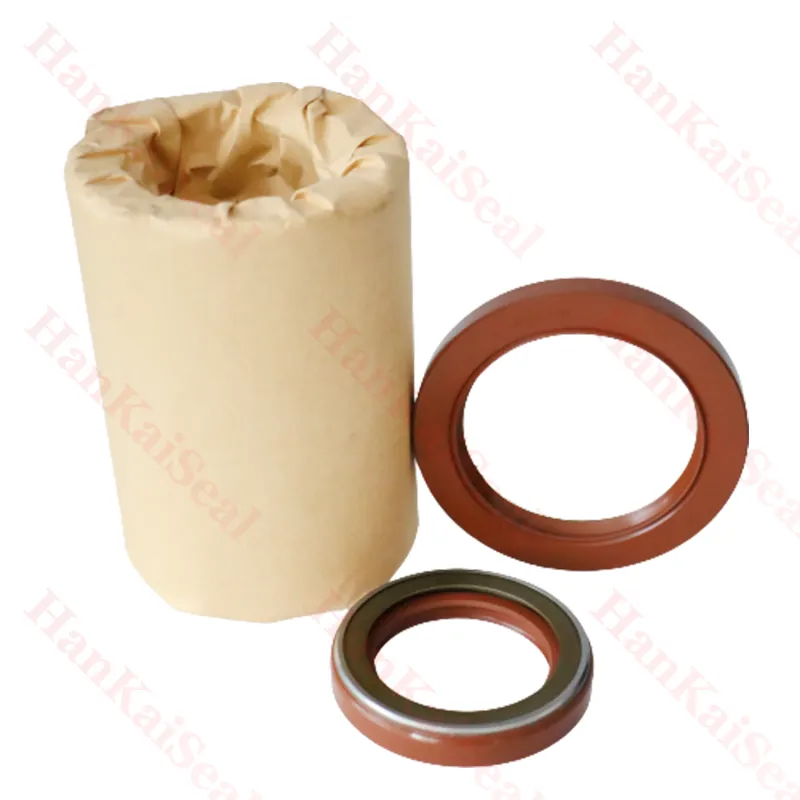
Standard oil seal BP0494 High pressure TCN oil seal
-
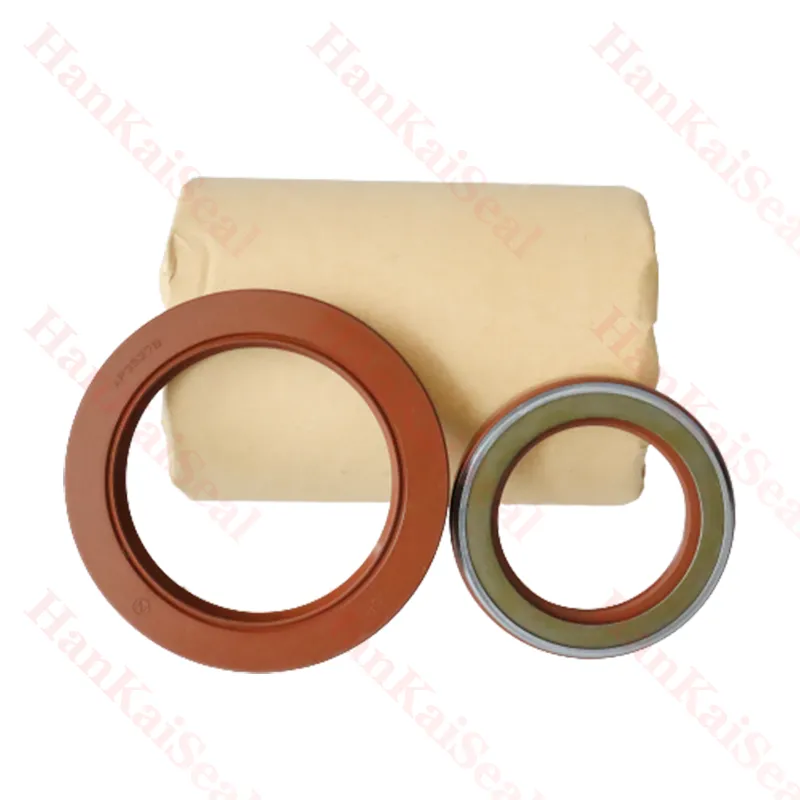
Hydraulic pump seal AP4624G high pressure TCN oil seal
-
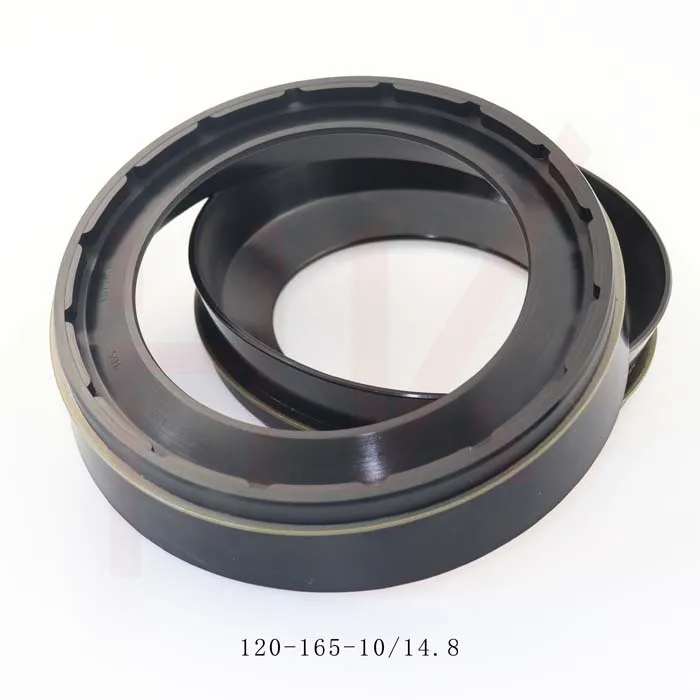
0734307418 0750112169 120*165*10/14.8 concrete mixer reducer oil seal
-
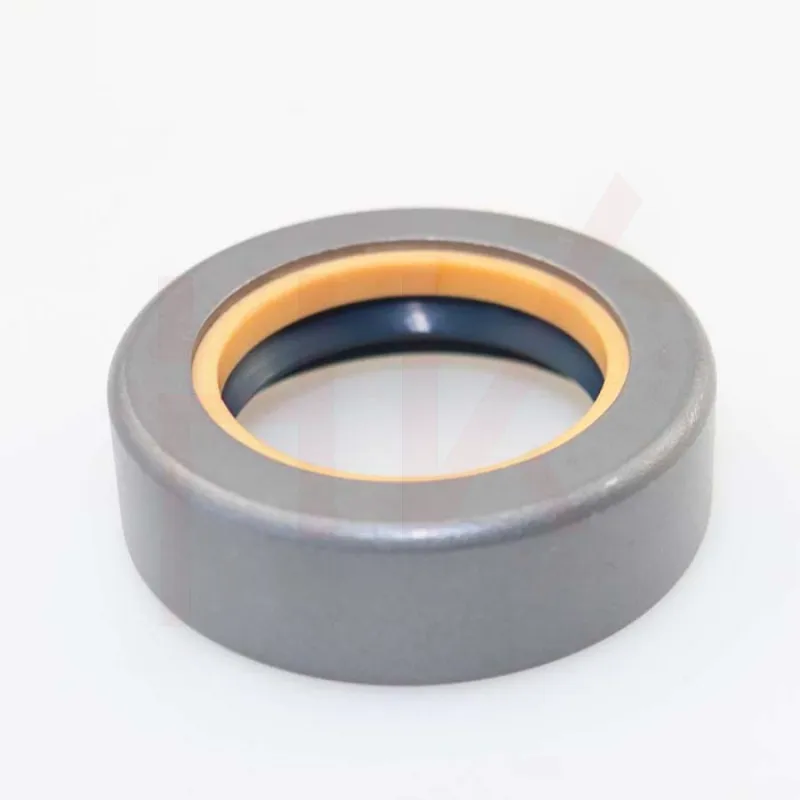
35*52*16 Standard Wheel Hub Oil Seal For Agricultural Machinery
-
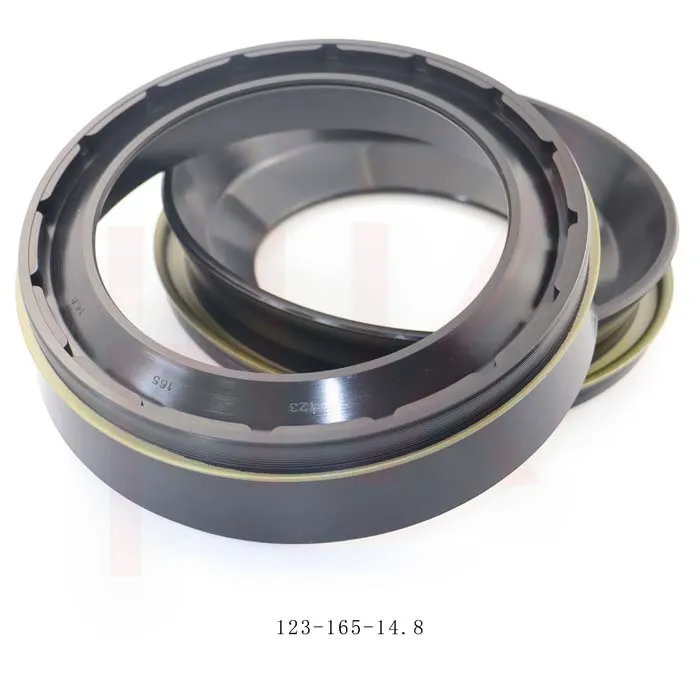
123*165*14.8 concrete mixer truck reducer oil seal
-
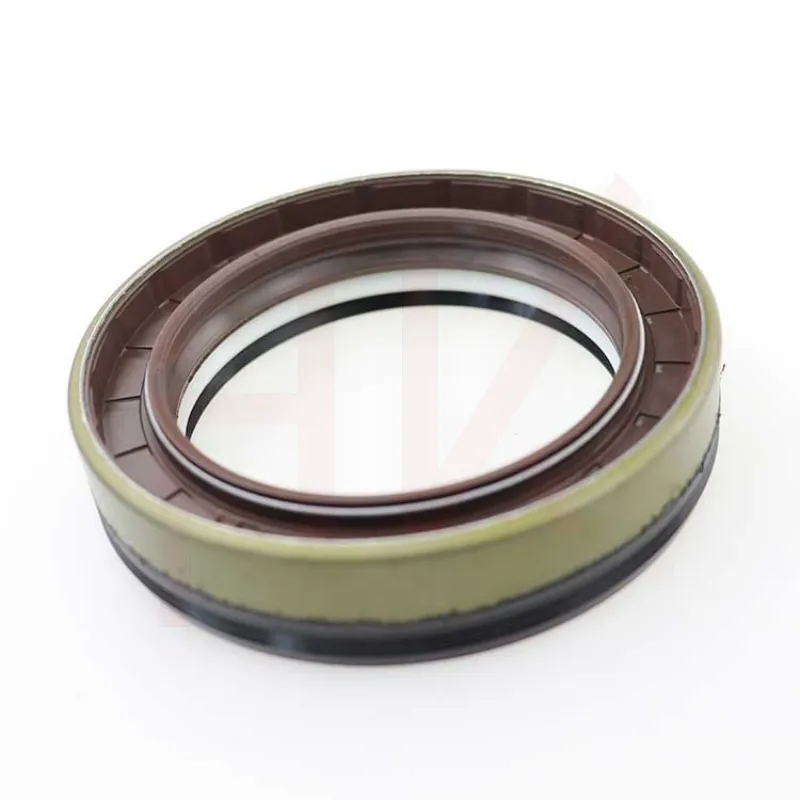
Tractor shaft oil seal 65-90-20 COMBI SF19 hub oil seal
-
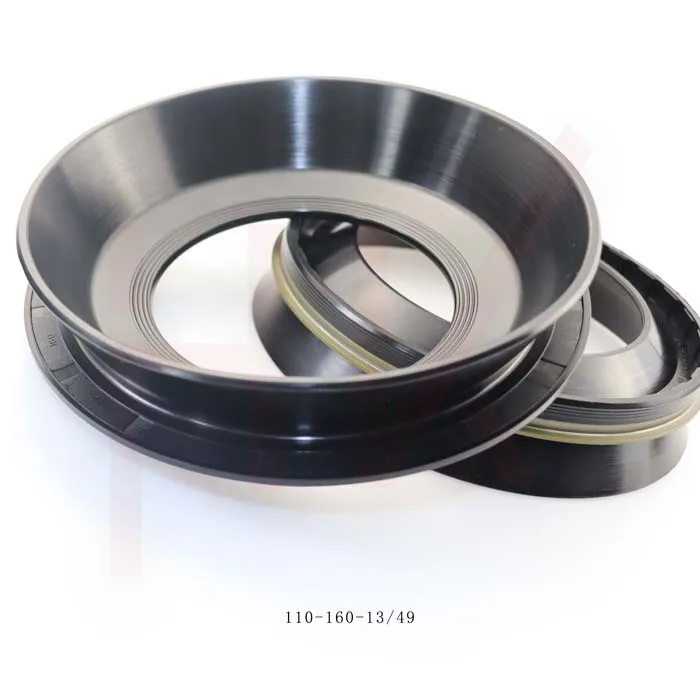
110*160*13/49 NBR reducerConcrete mixer truck oil seal
-
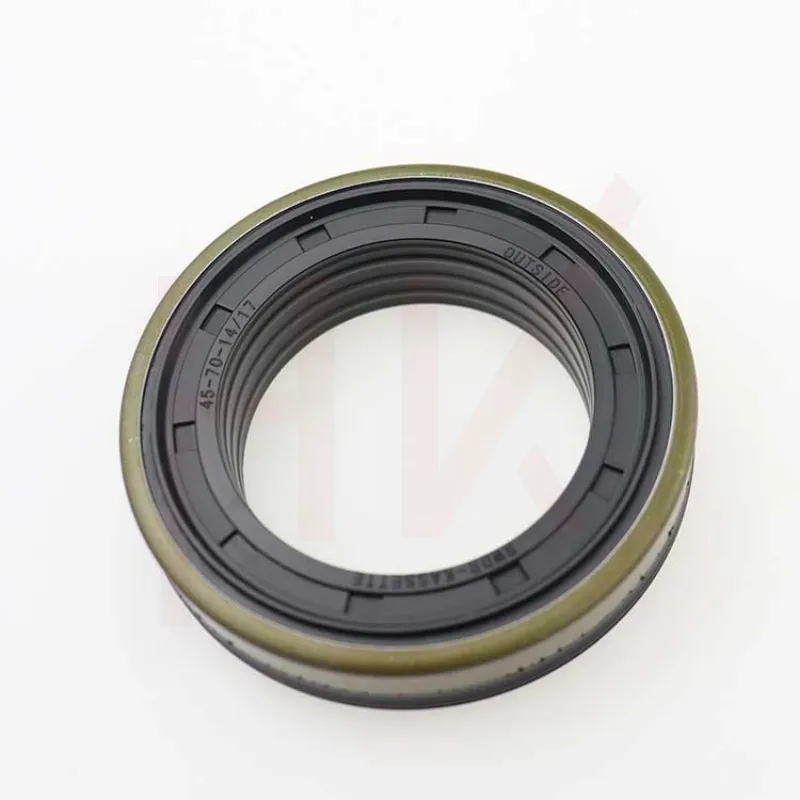
Hub oil seal 40*65*13/14.5 suitable for tractor Cat 12018035b
-
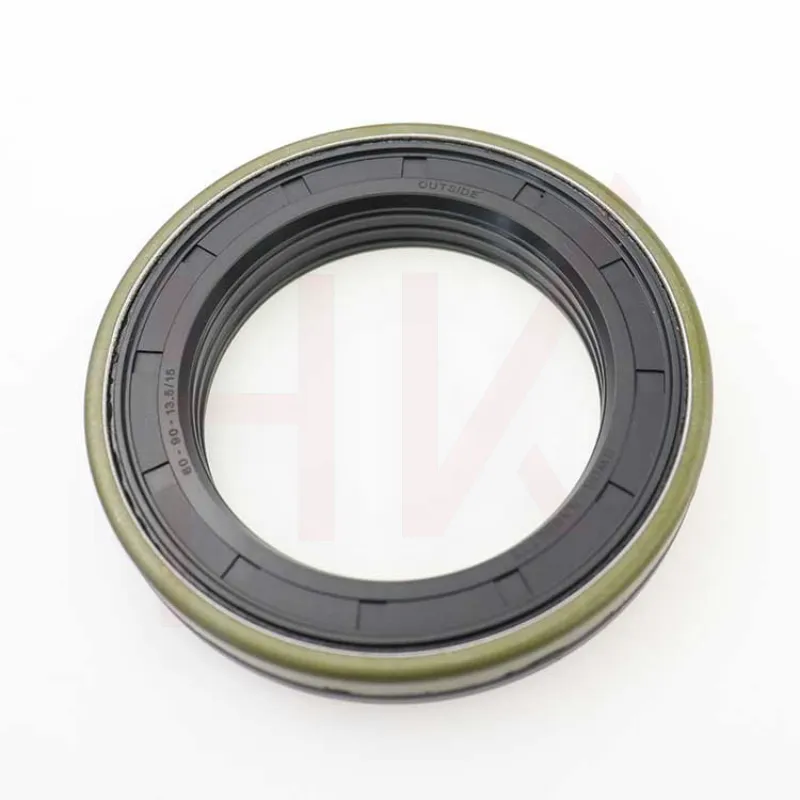
Tractor accessories cassette oil seal hub oil seal 60-90-13.5/15
-
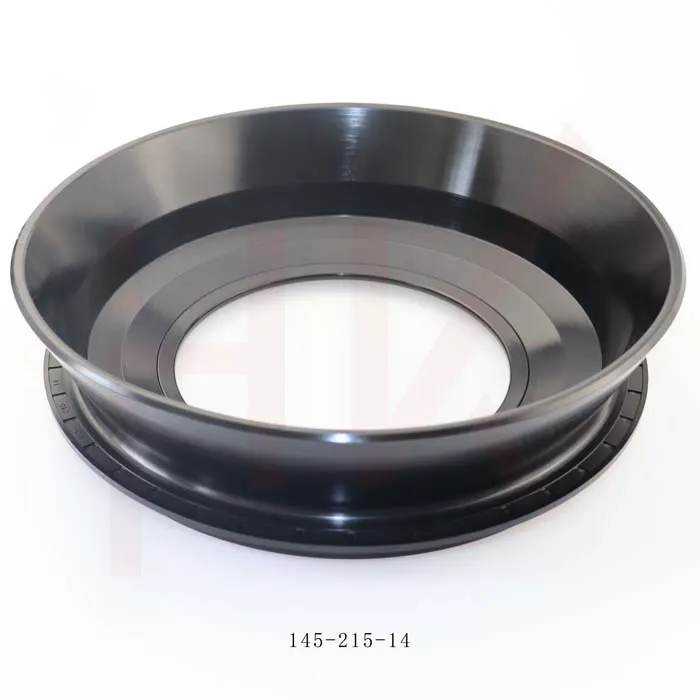
Factory concrete mixer truck oil seal 145*215*14 reducer gearbox oil seal
-
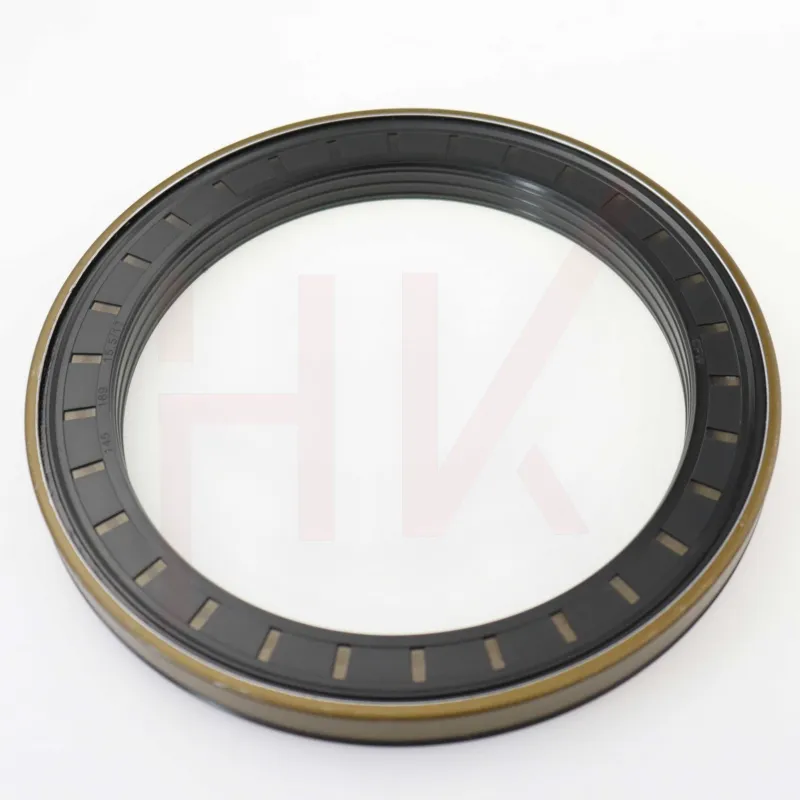
145*189*15.5/17 Cassette Seal NBR Hub Oil Seal 1508044
-
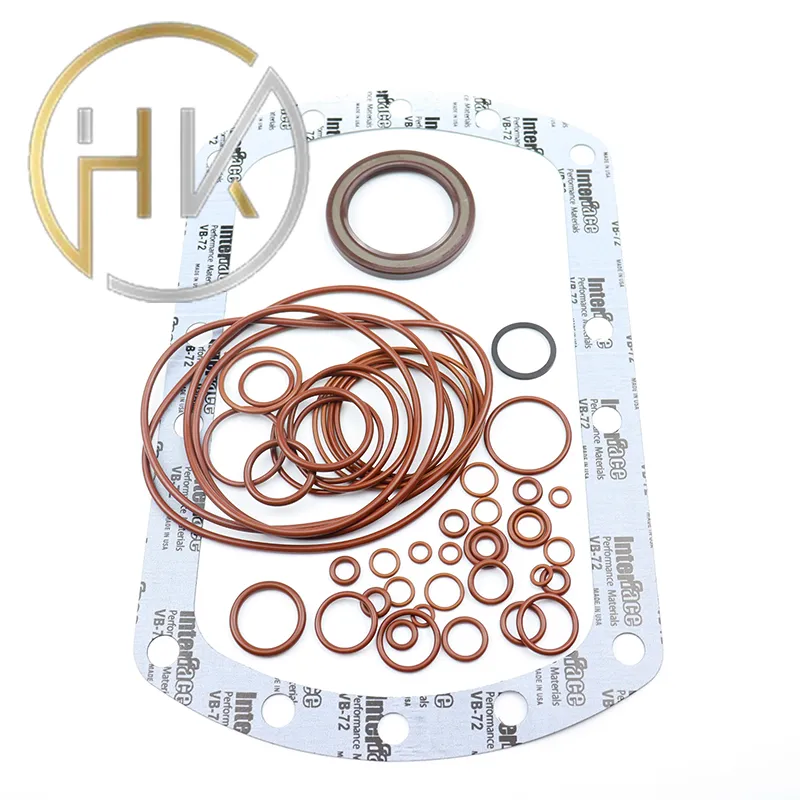
Factory direct sales hydraulic pump motor seal kit A8VO140
-
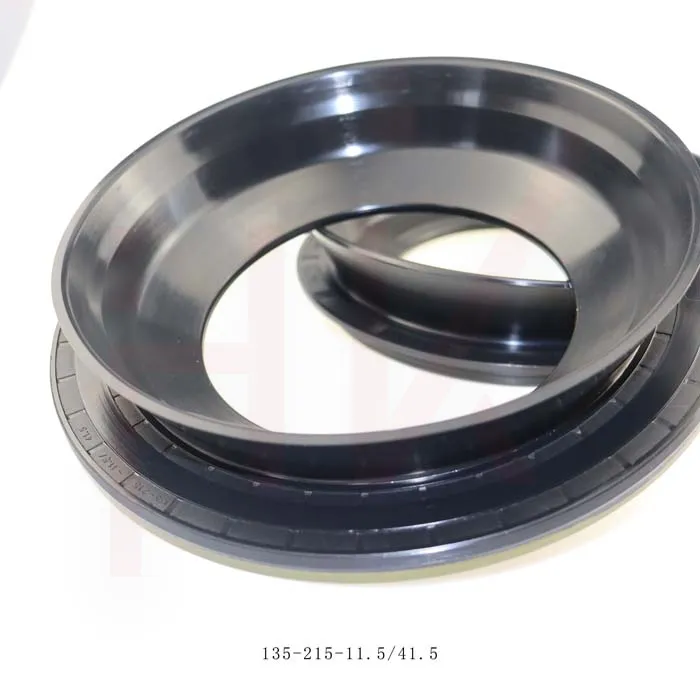
Brand new cement tanker oil seal 135*215*11.5/41.5 concrete mixer oil seal
-
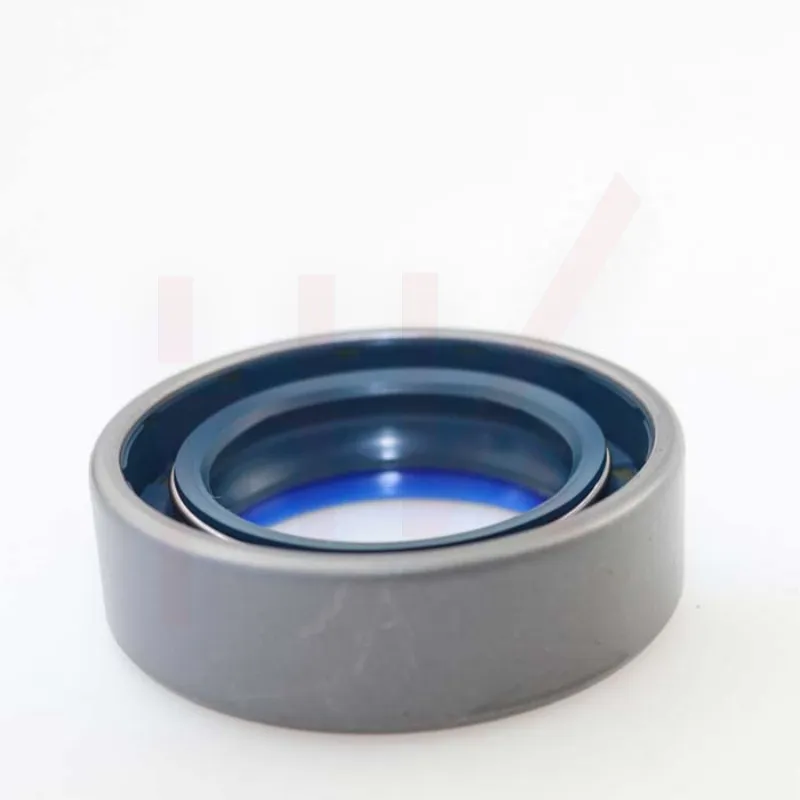
45*65*15 Combi oil seal JCB 90450009 COMBI SF1 SEAL
-
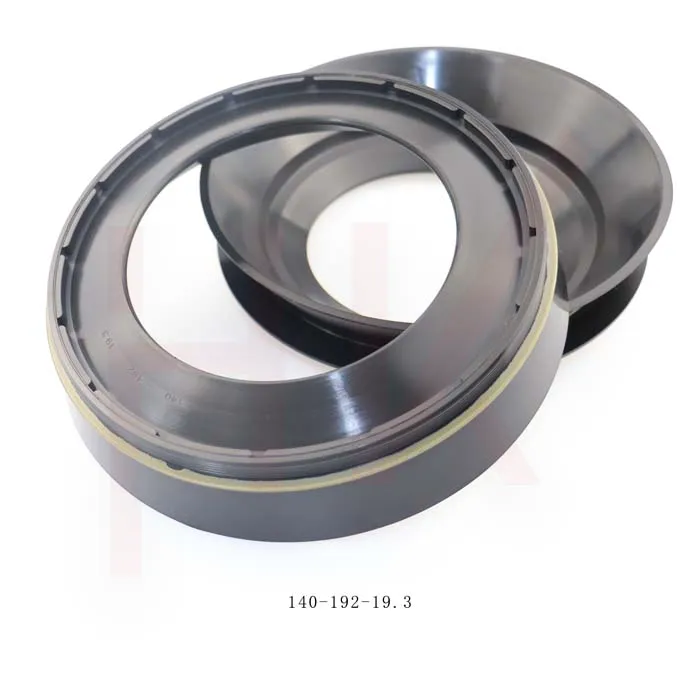
Gear box concrete mixer oil seal 140*192*19.3 nbr reducer oil seal
-
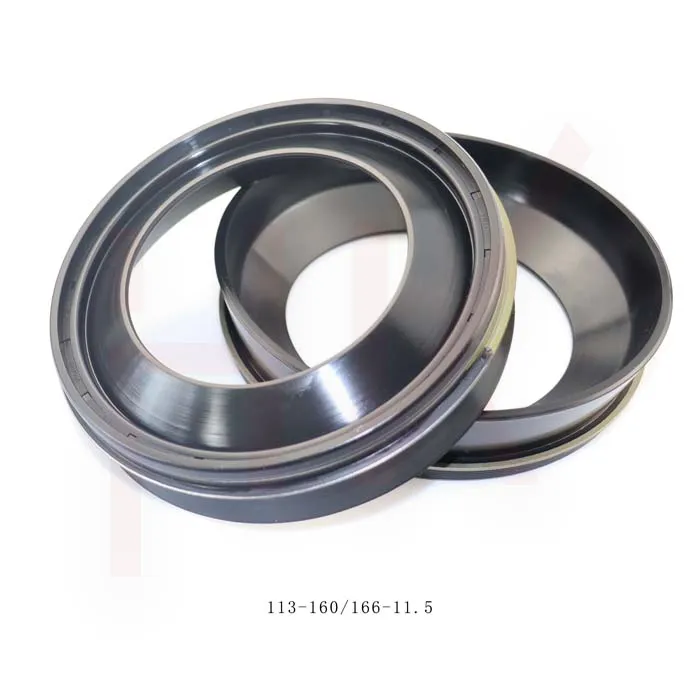
Seals factory direct sales 113*160/166*11.5/38 excavator truck reducer oil seal