Dec . 01, 2025 05:20 Back to list
Comprehensive Guide to Seal Repair Kits: Benefits, Specs & Industry Insights
Understanding Seal Repair Kits: Why They Matter in Industry and Beyond
If you work in maintenance, manufacturing, or even humanitarian aid, you’ve probably come across seal repair kits more than once. These compact, handy assemblies might seem simple at first glance, yet their global significance is pretty remarkable — especially when it comes to sustainability, cost savings, and operational continuity in complex systems.
Seal repair kits help fix leaks, maintain pressure integrity, and ultimately keep machines, pipelines, or containers running smoothly. Worldwide, the demand for reliable, adaptable repair solutions is rising alongside expanding industrialization and infrastructure challenges — climate change, remote operations, and resource scarcity included.
So, getting familiar with seal repair kits isn’t just practical; it touches on bigger themes of industrial resilience and environmental responsibility. Let’s unpack what these kits are all about, and why they deserve a spot in your toolbox.
The Global Picture: Seal Repair Kits in Today’s Industry
Globally, industries lose billions annually due to equipment downtime, many caused by leaks or seal failures. According to the International Organization for Standardization (ISO), sealing standards aim to increase efficiency, but real-world demands often outpace shop-floor resources.
Oil & gas, chemical processing, water treatment, and even humanitarian logistics in disaster-stricken areas rely heavily on maintaining seal integrity. The UN has underscored infrastructure resilience as key to sustainable development goals, especially in vulnerable regions where quick repairs prevent cascade failures.
Briefly, maintenance teams are frequently challenged by the need for fast, reliable fixes — also affected by rising labor costs and supply chain delays for replacement parts.
What Exactly Is a Seal Repair Kit?
Picture a small, well-organized package designed for field technicians or engineers to restore or patch faulty seals on pressurized systems. A seal repair kit typically includes replacement gaskets, O-rings, sealant compounds, sometimes specialty tools, and detailed instructions.
This kit helps extend equipment life without the need to replace entire components, which can be costly and time-consuming. Seal repair kits aren’t just industrial; in humanitarian contexts, they contribute to water security by fixing vital pipelines quickly, preventing contamination.
Core Components You’ll Usually Find
- Rubber O-rings: Various sizes and material hardness for precise sealing.
- Gaskets: Flat or contoured, to replace worn sealing surfaces.
- Sealant paste or adhesives: Enhances leak-proof bonds.
- Cleaning tools: Brushes or scrapers to prep surfaces.
- Installation tools: Simple devices like picks or mandrels.
Important Features to Consider in Seal Repair Kits
Durability and Material Compatibility
Seals face harsh chemical exposure and temperature swings, so kits with nitrile, Viton, or silicone components often perform better in corrosive or extreme environments.
Ease of Use and Portability
Field technicians favor compact, logically arranged kits with clear guides — speed matters when downtime translates to lost revenue.
Cost Efficiency
While some high-end kits cost more upfront, their ability to prevent larger system failures often justifies the price.
Customization
Tailored kits for specific industries or equipment types reduce guesswork and simplify maintenance operations.
Seal Repair Kits in Action: Real-World Applications
From offshore rigs in the North Sea to industrial plants in Southeast Asia, seal repair kits keep critical operations running. Oddly enough, in remote mining camps in South America, the ability to patch seals on heavy machinery without waiting for parts shipments is a literal goldmine for uptime.
In disaster relief zones, NGOs use seal repair kits to restore water pipelines damaged by flooding, ensuring clean water supplies faster than rebuilding infrastructure entirely. Even in urban municipal water systems, quick sealing repairs reduce water loss — a big deal as climate pressures mount worldwide.
Advantages Beyond the Obvious: What Makes Seal Repair Kits Valuable
- Cost Savings: Reduce need for expensive equipment replacements.
- Sustainability: Less waste, less scrap parts going to landfill.
- Operational Reliability: Keeps plants and infrastructure running smoothly.
- Safety: Prevents leaks of hazardous fluids protecting workers and communities.
- Emotional Impact: Peace of mind knowing a repair kit can avert major disasters.
Spotlight on Product Specs: What a Typical Seal Repair Kit Offers
| Feature | Specification | Notes |
|---|---|---|
| O-ring Materials | Nitrile, Viton, Silicone | Chemical & temperature resistant options |
| Sealant Type | PTFE-based paste & epoxy adhesive | For bonded seals or leak prevention |
| Tools Included | Cleaning picks, scrapers, insertion tools | Preps and installs seals |
| Packaging | Compact, rugged plastic case | For portability and protection |
Comparing Top Vendors: A Quick Look
| Vendor | Kit Customization | Industry Focus | Average Price (USD) |
|---|---|---|---|
| SealCo Solutions | High (custom sizes & materials) | Oil & Gas, Chemical | $450 |
| FlexiSeal Kits | Medium (standard bundles) | Water Treatment, Utilities | $300 |
| RapidFix Tech | Low (pre-packaged kits only) | Disaster Relief, Field Repair | $220 |
Looking Ahead: Trends and Innovations in Seal Repair
We’re seeing exciting tech leaps, like nanocoatings for ultra-tough sealing, or smart kits with embedded sensors that monitor seal integrity in real time. Green material alternatives — bio-based rubbers and recyclable packaging — are also gathering steam, aligning with global ESG demands.
Automation in seal maintenance, including robotic insertion for hard-to-reach places, may become mainstream sooner than we expect. For those of us who’ve watched seal failures cause costly delays — innovations like these feel like a lifeline.
Challenges in Current Seal Repair Approaches
Despite their usefulness, seal repair kits aren’t a magic fix. Limitations include compatibility errors if the wrong materials are used, limited shelf life of certain components, and the need for skilled labor to avoid improper installation.
Some vendors address these with better training programs, modular kits suited for rapid field assessment, and improved component durability. And frankly, user manuals are getting a lot better — illustrated steps matter more than ever.
FAQ: Practical Questions About Seal Repair Kits
How quickly can a seal repair kit be deployed in emergency situations?
Deployment time varies by kit complexity, but most streamlined kits allow trained personnel to perform basic repairs within 30 to 60 minutes. This rapidity can be crucial in mitigating environmental hazards or production losses.
Are seal repair kits reusable, or strictly single-use?
Generally, the sealing components like O-rings are single-use to ensure integrity. However, many kits include reusable tools and containers designed for multiple repair sessions.
Can non-specialists use seal repair kits effectively?
While kits are designed for ease, some technical knowledge is helpful to avoid improper installation that could cause leaks. Training or detailed guides are often recommended.
What industries benefit most from seal repair kits?
Besides manufacturing and energy, water utilities, chemical plants, and disaster resilience agencies rely heavily on these kits for maintaining infrastructure and critical services.
Is it possible to customize a seal repair kit for specific equipment?
Yes, many suppliers offer tailored kits to fit particular machine models or industrial needs, helping cut down downtime and material waste.
Wrapping Up: Why Investing in Seal Repair Kits Pays Off
In a nutshell, seal repair kits combine practicality with strategic value. They save money, reduce environmental impact, and protect critical operations from unexpected leaks or failures.
Whether you’re an engineer looking at preventive maintenance or a logistics planner prepping for emergency relief, having a reliable seal repair kit at hand is a smart move. It’s not just about fixing leaks; it’s about safeguarding processes, people, and the planet.
For more info and expert solutions, visit our website: https://www.hkaiseal.com.
Mini Takeaway: Seal repair kits are small packages with big impact — bridging the gap between urgent fixes and sustained industrial health. They touch everything from deep-sea rigs to humanitarian pipelines, proving that smart, simple tools still have a vital role in complex worlds.
References
-
Guide to Choosing the Right High Quality hydraulic ram kit
NewsApr.16,2026
-
Premium Hydraulic Cylinder Packing Kits for Peak Performance
NewsApr.09,2026
-
Comprehensive Guide to Hydraulic Cylinder Oil Seal Kits for Optimal Performance
NewsApr.07,2026
-
Comprehensive Guide to Choosing the Right Cylinder Seal Kits for Peak Performance
NewsApr.04,2026
-
Comprehensive Guide to Seal Kits for Cylinders Ensuring Optimal Performance
NewsMar.31,2026
-
Comprehensive Guide to Hyd Cylinder Seals for Optimal Hydraulic System Performance
NewsMar.28,2026
-
Comprehensive Guide to Hyd Cylinder Seal Kit Selection and Installation
NewsMar.26,2026
Products categories
-
Standard oil seal BP0494 High pressure TCN oil seal
-
Hydraulic pump seal AP4624G high pressure TCN oil seal
-
0734307418 0750112169 120*165*10/14.8 concrete mixer reducer oil seal
-
35*52*16 Standard Wheel Hub Oil Seal For Agricultural Machinery
-
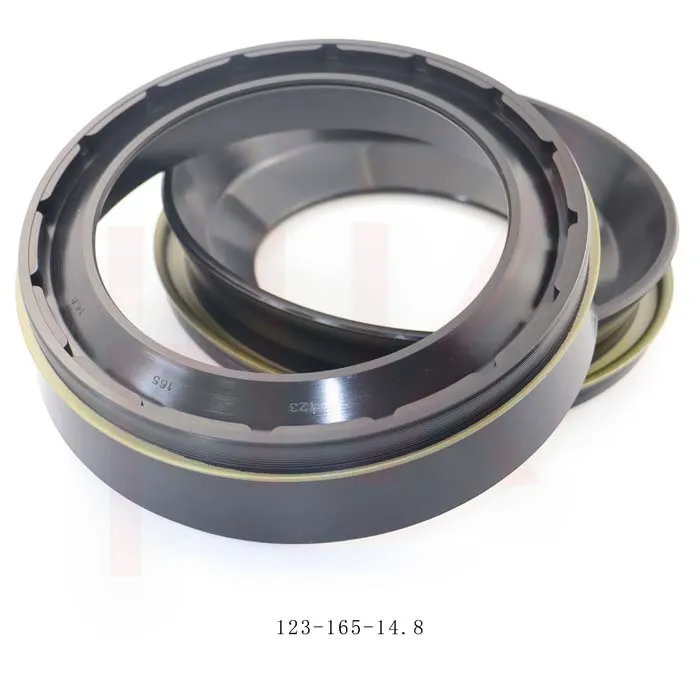
123*165*14.8 concrete mixer truck reducer oil seal
-
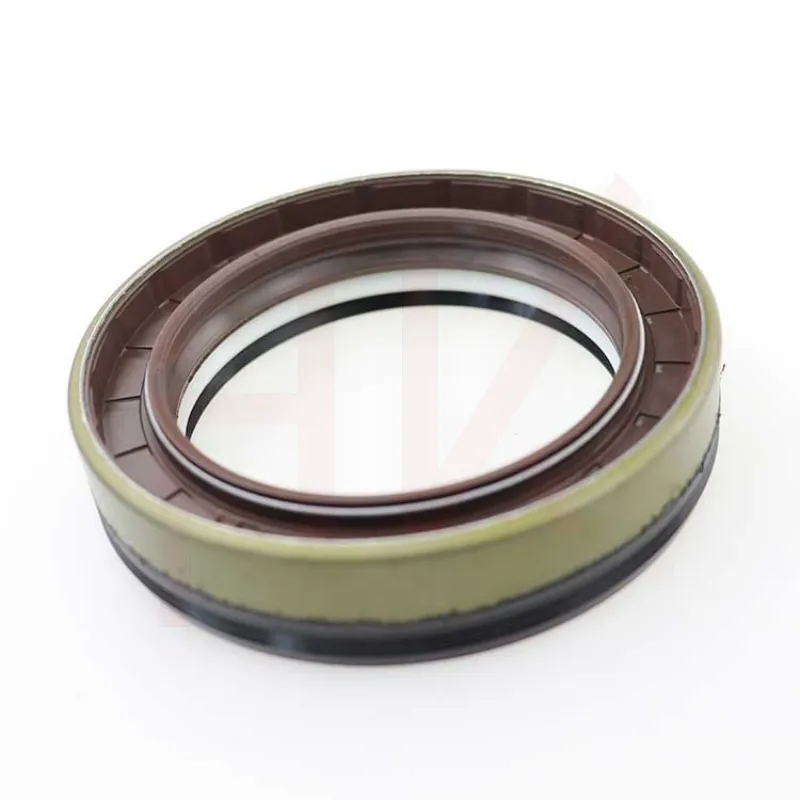
Tractor shaft oil seal 65-90-20 COMBI SF19 hub oil seal
-
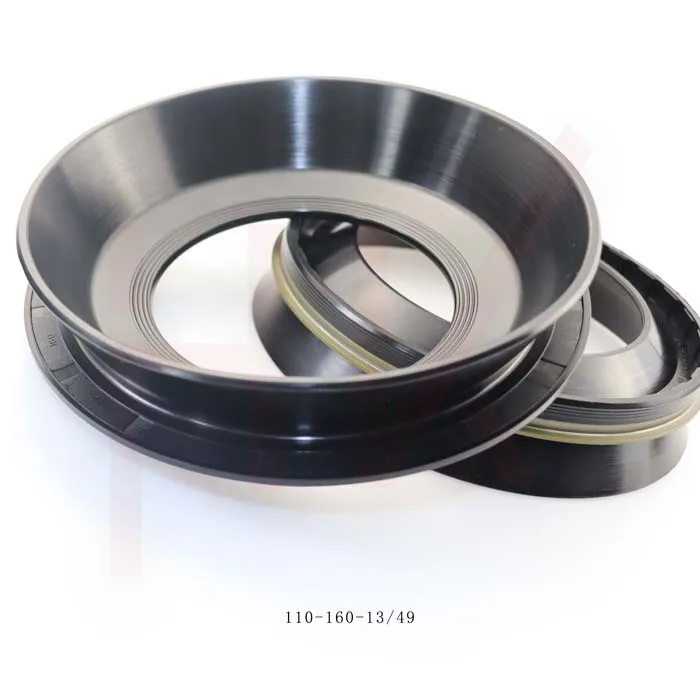
110*160*13/49 NBR reducerConcrete mixer truck oil seal
-
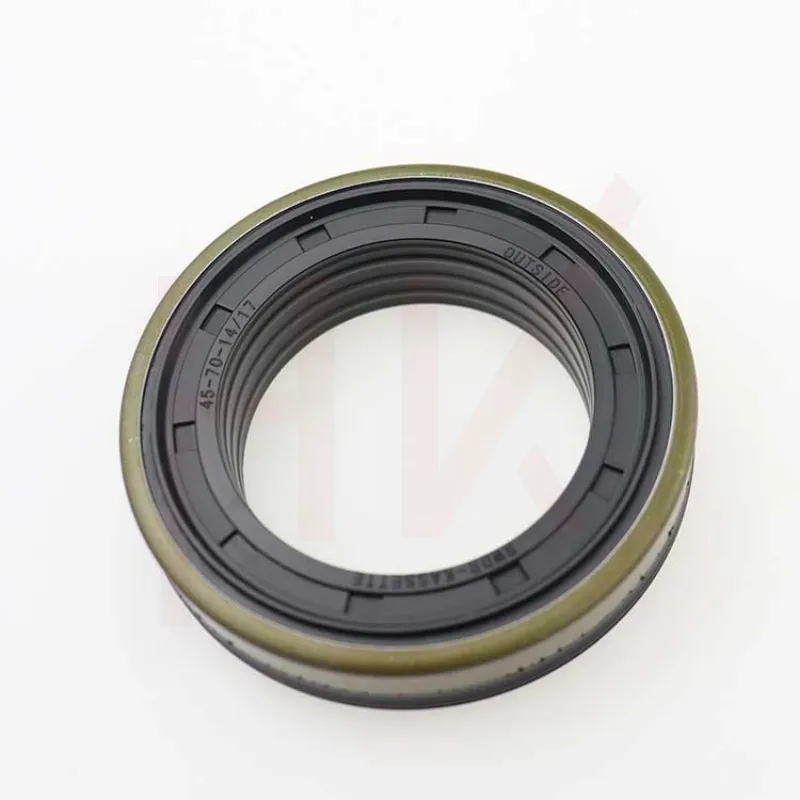
Hub oil seal 40*65*13/14.5 suitable for tractor Cat 12018035b
-
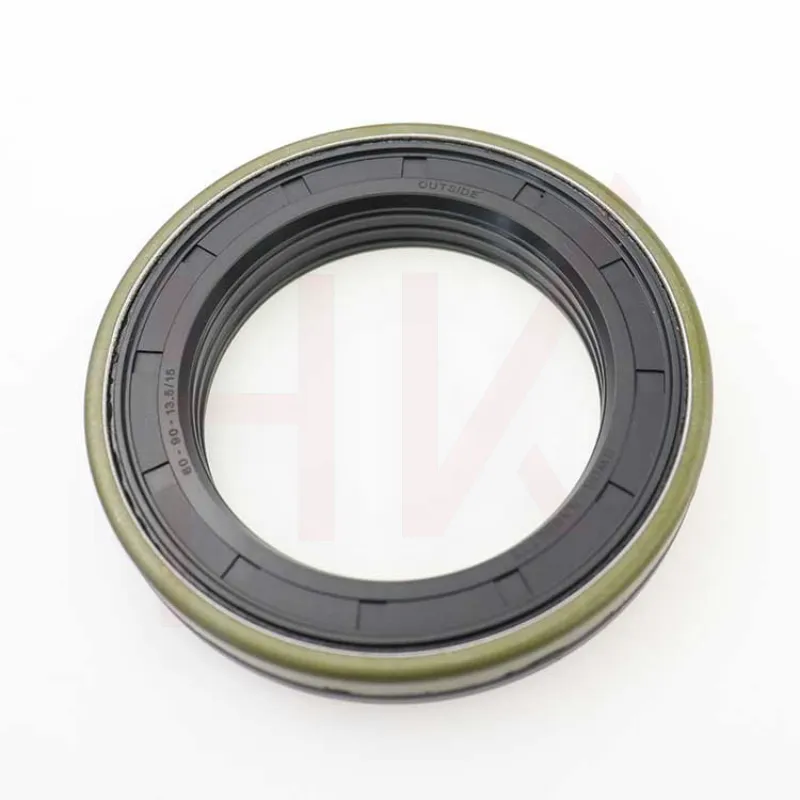
Tractor accessories cassette oil seal hub oil seal 60-90-13.5/15
-
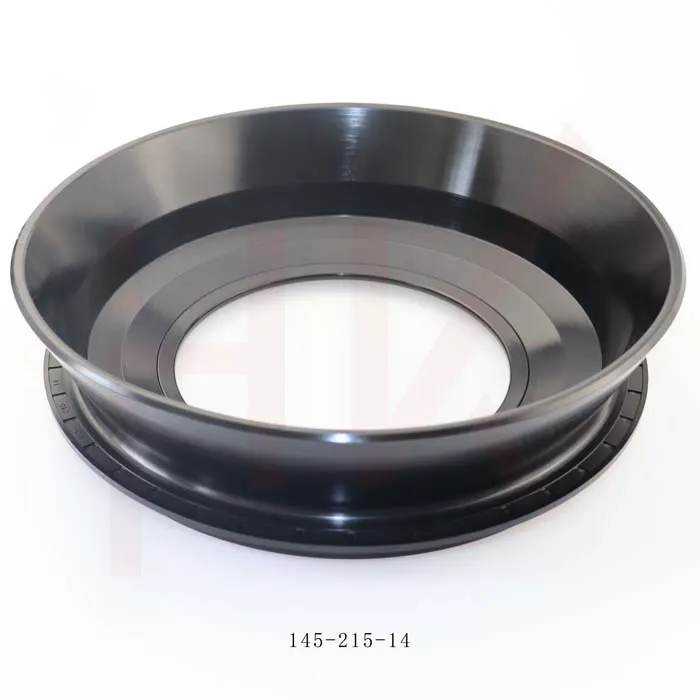
Factory concrete mixer truck oil seal 145*215*14 reducer gearbox oil seal
-

145*189*15.5/17 Cassette Seal NBR Hub Oil Seal 1508044
-
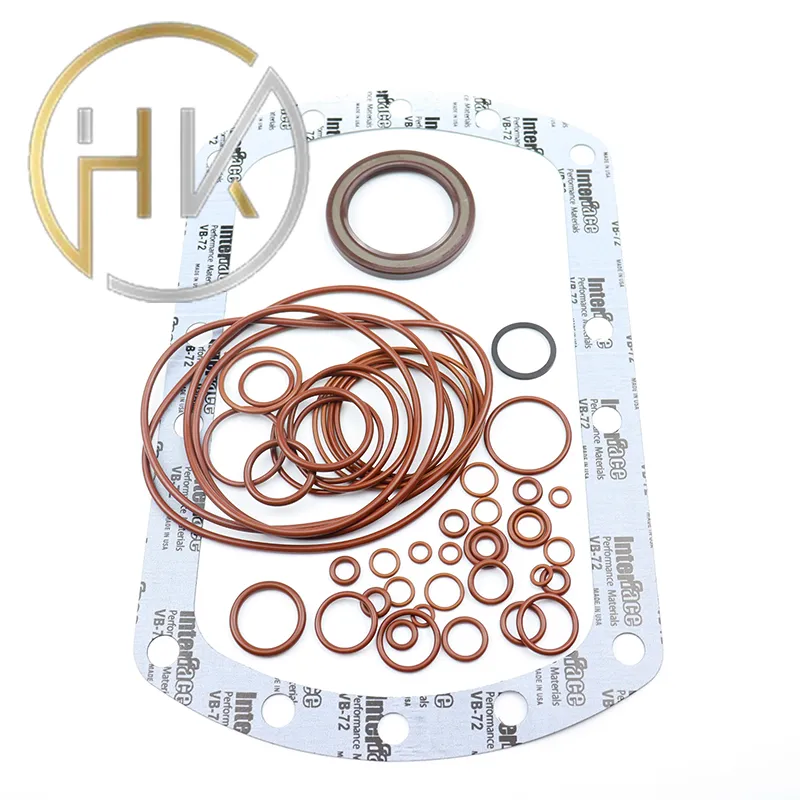
Factory direct sales hydraulic pump motor seal kit A8VO140
-
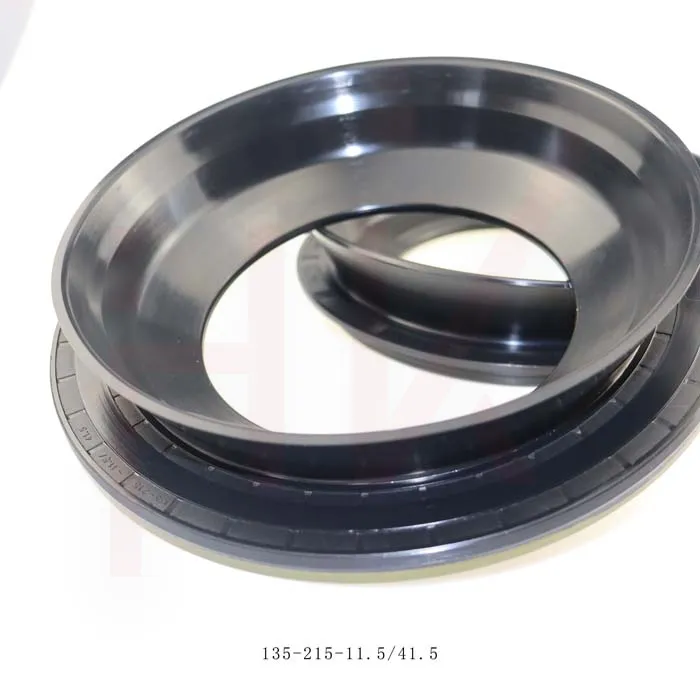
Brand new cement tanker oil seal 135*215*11.5/41.5 concrete mixer oil seal
-
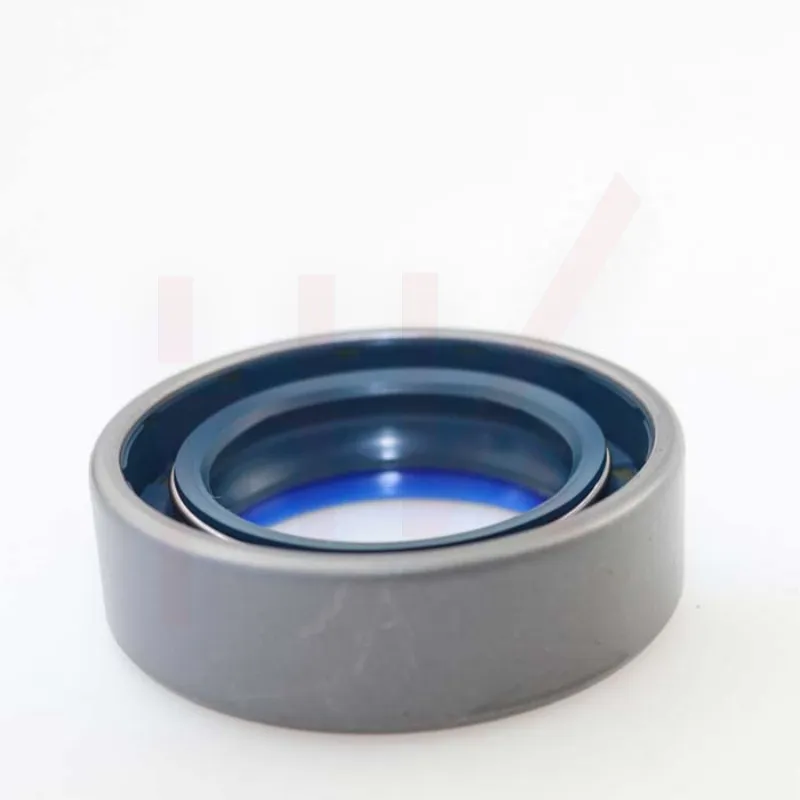
45*65*15 Combi oil seal JCB 90450009 COMBI SF1 SEAL
-
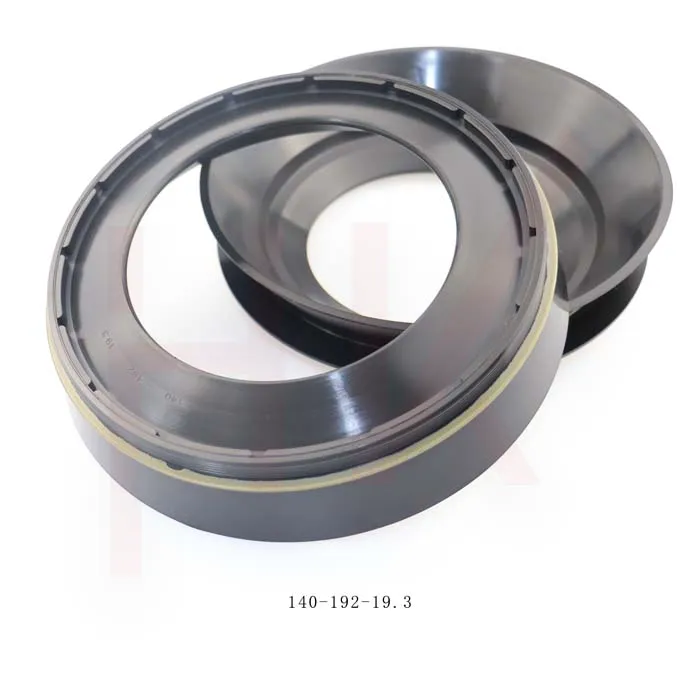
Gear box concrete mixer oil seal 140*192*19.3 nbr reducer oil seal
-
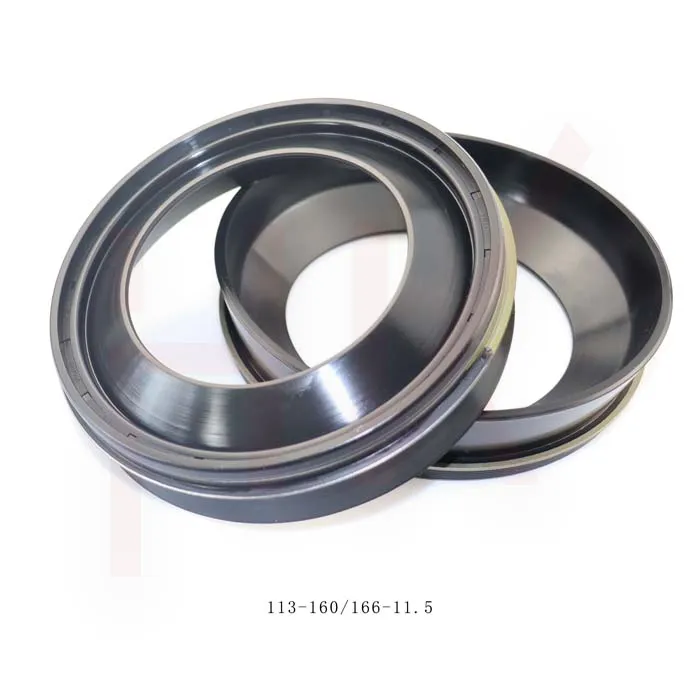
Seals factory direct sales 113*160/166*11.5/38 excavator truck reducer oil seal