Dec . 01, 2025 15:00 Back to list
Comprehensive Guide to Oil Seal Kits – Benefits, Applications & Innovations
Understanding Oil Seal Kits: Why They Matter Worldwide
Whether you’re a mechanic deep in an industrial plant or a logistics engineer managing supply chains, you’ve probably heard about oil seal kits. But why do these seemingly simple components punch well above their weight on the global stage? With billions of machines humming daily—cars, agricultural equipment, turbines, and more—sealing systems underpin the reliability and safety of modern life. They prevent costly leaks, protect against contaminants, and extend the lifespan of mechanical systems ranging from small engines to massive industrial machinery.
Globally, the demand for effective sealing solutions is tied closely to economic growth, energy efficiency, and sustainability goals, as industries aim to curb downtime and environmental damage caused by spills. Understanding oil seal kits means recognizing a vital piece of an often overlooked puzzle: how the smooth functioning of countless machines affects everything from global manufacturing to disaster relief efforts.
Setting the Stage: The Global Context of Oil Seal Kits
The global oil seal market is projected to grow significantly; according to an ISO report from 2023, industries consuming oil seal kits contribute over $100 billion annually to GDP worldwide. Think about engines alone—a world vehicle population surpassing 1.4 billion means billions of seals in use. The World Bank notes that with increasing mechanization in emerging economies, the need to maintain equipment reliability — and thus effective sealing components — is more vital than ever.
A nagging challenge across sectors is the failure of seals leading to oil leaks and system contamination, which not only causes equipment failure but spills that harm the environment. The oil seal kit addresses these issues effectively by offering modular solutions that assure containment and long-term durability.
Mini takeaway: Oil seal kits operate at the intersection of industrial reliability and environmental protection, proving themselves as unsung heroes in machinery worldwide.
What Exactly Is an Oil Seal Kit?
An oil seal kit is basically a collection of sealing components designed to prevent oil leakage from machinery. The kit typically includes multiple seals, gaskets, O-rings, and sometimes installation tools tailored to a particular machine or operation. By sealing the rotating shafts or moving parts, it stops lubricants from escaping and contaminants such as dust or water from entering the system.
Why does this matter beyond factory floors? Modern industries like renewable energy, automotive manufacturing, and humanitarian operations depend on reliable machinery, and in harsh conditions, sealing integrity is key. For example, during disaster relief efforts, transport vehicles with worn seals can’t operate safely in muddy, wet environments—delays that can cost lives.
Core Aspects of Oil Seal Kits
1. Durability and Material Composition
Many engineers swear by oil seal kits using advanced elastomers like nitrile rubber (NBR), fluorocarbon (FKM), or silicone that withstand high temperatures and chemicals. In practice, durability means fewer breakdowns and longer maintenance intervals — a cost saver nobody argues with.
2. Precision Fit and Scalability
An oil seal kit isn't off-the-shelf fluff; it's tailored for specific shaft sizes and operating environments. This precision ensures the seal performs without extra friction or leaks, preserving efficiency. Scalability is also crucial—kits can fit everything from small motorbikes to massive turbines.
3. Cost Efficiency
Replacing individual seals can be expensive and tricky. Oil seal kits bundle compatible seals so technicians can do complete maintenance in one go, cutting labor and downtime. In sectors like manufacturing, that efficiency translates into thousands of dollars saved per site per year.
4. Environmental Resistance
Seals face oil, chemicals, dust, water, and fluctuating temperatures daily. Modern kits are tested against these extremes per ISO standards to ensure they don't degrade prematurely—critical for machines in offshore wind farms or desert irrigation pumps.
5. Ease of Installation
Time is money, and in field repairs, a complicated seal replacement can lead to costly delays. Kits now often come with installation guides or tools to simplify the process, a small but notable enhancement from both vendor and user perspectives.
Mini takeaway: The best oil seal kits excel in material quality, bespoke sizing, cost-saving design, and adaptability to extreme conditions—all pivotal for real-world reliability.
Global Applications and Real-World Use Cases
Oil seal kits find homes literally everywhere. In Asia’s booming manufacturing hubs, these kits keep assembly lines running. In Europe’s wind farms, they prevent lubricant leaks in turbines exposed to coastal storms. In the Americas, agricultural machinery relies on them for robust sealing through muddy seasons.
Oddly enough, in humanitarian contexts — like earthquake zones in southern Asia or flood-prone parts of Africa — oil seal kits ensure that critical transport and water-pumping equipment maintain operability, facilitating relief efforts without mechanical hiccups that could cost precious time.
Industry Examples:
- Automobiles: Sealing rotating shafts in wheel hubs and transmissions
- Renewable Energy: Protecting lubricants in wind turbine gearboxes
- Agriculture: Maintaining irrigation pumps and tractor engines
- Marine: Safeguarding propeller shafts from seawater intrusion
Advantages and the Long-Term Value of Oil Seal Kits
In real terms, what does investing in quality oil seal kits buy you? Reduced downtime, lower repair costs, and less environmental waste, to name a few. This reliability translates into trust—in equipment, in suppliers, and ultimately, in the firmness of production schedules or delivery deadlines.
On a human note, think about the safety and dignity of operators in harsh conditions: efficient seals mean less oil spills, fewer hazardous exposures, and smoother operations. Innovation in seal kit technology reflects a commitment to sustainability and social responsibility, increasingly important for both companies and consumers.
Product Specification Table
| Specification | Typical Range | Notes |
|---|---|---|
| Material | NBR, FKM, Silicone | Based on environment and temperature |
| Temperature Range | -40°C to +200°C | Varies by seal type |
| Shaft Diameter | 5 mm to 300 mm | Custom sizing often available |
| Resistance | Oil, Water, Dust, Chemicals | Tested ISO 3601 standards |
| Installation Type | Manual or with Tools | Depends on kit and application |
Comparing Leading Oil Seal Kit Vendors
| Vendor | Material Options | Customization | Global Reach | Average Lead Time | Price Range |
|---|---|---|---|---|---|
| SealTech Pro | NBR, FKM, Silicone | High; bespoke designs | Worldwide | 3-5 days | $$$ |
| Global Seal Co. | NBR, FKM | Medium; standard kits | Asia, Europe, Americas | 5-7 days | $$ |
| EcoSeal Industries | Biodegradable polymers | Limited; eco-focused | Europe, North America | 7-10 days | $$$ |
Looking Ahead: Trends and Innovations Impacting Oil Seal Kits
Technology is quietly changing how oil seal kits perform. New materials, like advanced fluoropolymers and biodegradable elastomers, improve resistance and reduce environmental footprints. Automation in manufacturing ensures more consistent sealing dimensions, which engineers say makes a difference you can almost feel in reduced leak rates.
Digitally integrated predictive maintenance is trending too: sensors track seal performance in real time, hinting when replacement is due—preventing surprise shutdowns. In the green energy sector, seals must meet stricter sustainability profiles, lining them up for use in hydrogen fuel cells and electric vehicle components.
Challenges and Innovative Solutions
Despite progress, the challenge of seal degradation in extremely harsh environments remains. Oil seal kits can fail under intense pressure or corrosive chemicals. To tackle this, some firms develop composite seals with metal reinforcements or self-lubricating features.
Installation errors still cause many failures, which is why instructional kits and improved tool designs are emerging as standard. Provider-customer collaboration is also increasing, so kits incorporate end-user feedback—leading to smarter packing and easier onsite application.
FAQ: Your Top Questions About Oil Seal Kits Answered
- Q1: What makes an oil seal kit better than buying individual seals?
- An oil seal kit bundles all necessary seals and gaskets specifically matched for your machine or application, simplifying repairs and reducing errors. It also often includes tools and instructions, making maintenance faster and more cost-effective.
- Q2: How do I know which oil seal kit fits my machinery?
- Check the shaft diameter, temperature range, and media exposure (e.g., oil types) your machine requires. Vendors usually provide detailed size charts or customization options. Consulting your machine’s manual or oil seal kit supplier will ensure a perfect fit.
- Q3: Can oil seal kits be used in extreme climates or corrosive environments?
- Yes, many modern oil seal kits are designed for harsh environments, with materials resistant to heat, chemicals, saltwater, and abrasion. Confirm with your supplier that the kit meets ISO standards for your specific conditions.
- Q4: Are oil seal kits reusable after installation?
- Generally, oil seals are designed for single use as they deform during installation. Reusing seals risks leaks and equipment damage. It's best practice to replace seals with a new kit during maintenance.
- Q5: How long does an oil seal kit typically last?
- Lifespan varies widely but high-quality kits in optimal conditions can last years—often thousands of operating hours. Factors like environment, quality of installation, and maintenance schedules influence longevity.
In Closing: Why Oil Seal Kits Pay Off Over Time
Oiling the gears of global industry quietly needs robust sealing. Oil seal kits serve as a smart, scalable solution that boosts machine reliability, reduces waste, and supports safety goals in countless sectors. I suppose it’s these small but vital components that remind us how complex, interconnected modern engineering really is.
Ready to upgrade your sealing solutions? Visit our website: https://www.hkaiseal.com for the latest oil seal kit options, expert advice, and tailored support.
References
-
Guide to Choosing the Right High Quality hydraulic ram kit
NewsApr.16,2026
-
Premium Hydraulic Cylinder Packing Kits for Peak Performance
NewsApr.09,2026
-
Comprehensive Guide to Hydraulic Cylinder Oil Seal Kits for Optimal Performance
NewsApr.07,2026
-
Comprehensive Guide to Choosing the Right Cylinder Seal Kits for Peak Performance
NewsApr.04,2026
-
Comprehensive Guide to Seal Kits for Cylinders Ensuring Optimal Performance
NewsMar.31,2026
-
Comprehensive Guide to Hyd Cylinder Seals for Optimal Hydraulic System Performance
NewsMar.28,2026
-
Comprehensive Guide to Hyd Cylinder Seal Kit Selection and Installation
NewsMar.26,2026
Products categories
-
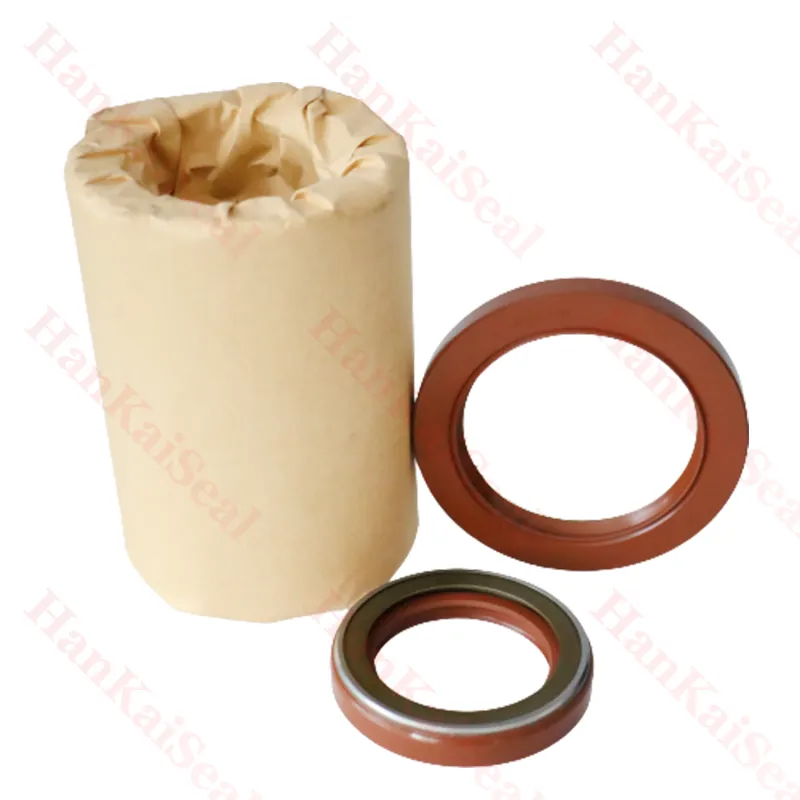
Standard oil seal BP0494 High pressure TCN oil seal
-
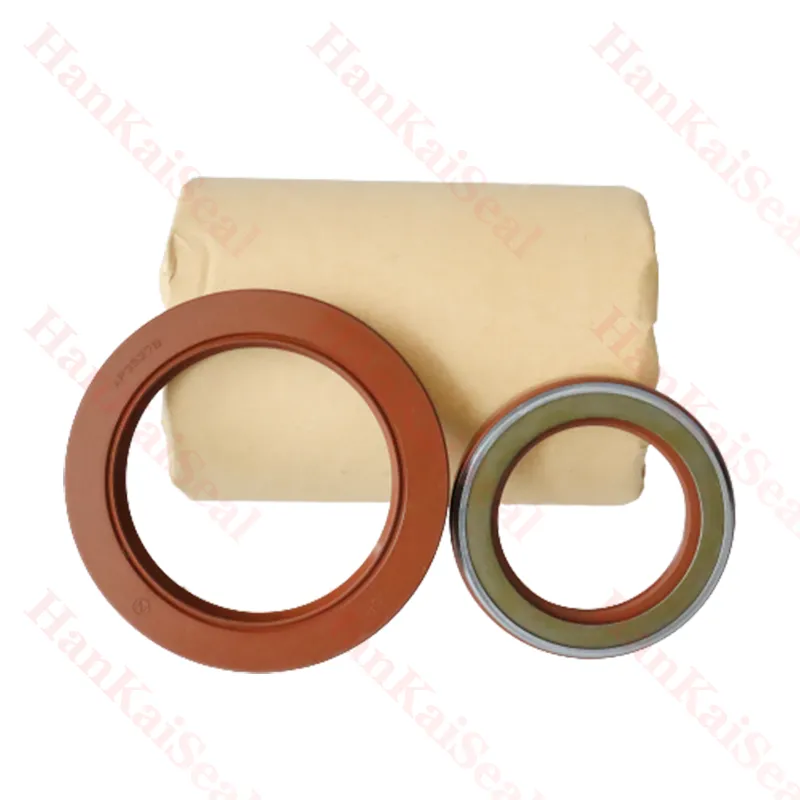
Hydraulic pump seal AP4624G high pressure TCN oil seal
-
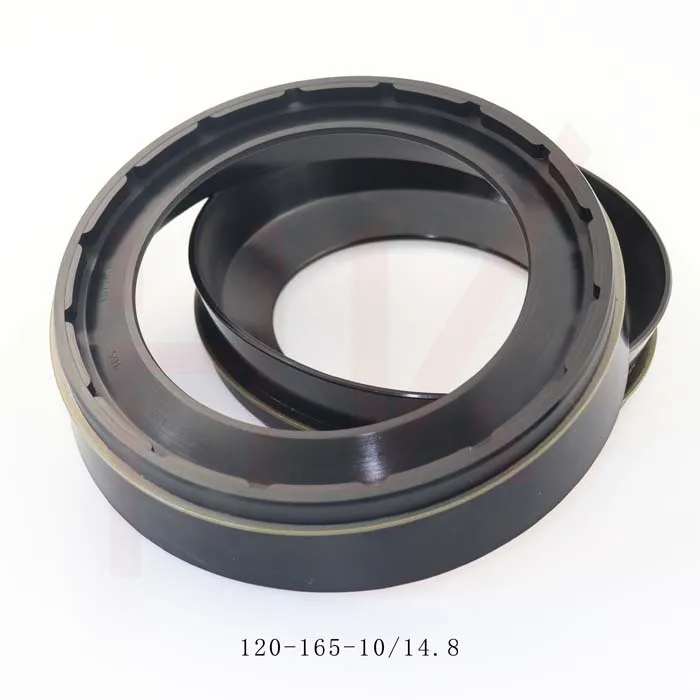
0734307418 0750112169 120*165*10/14.8 concrete mixer reducer oil seal
-
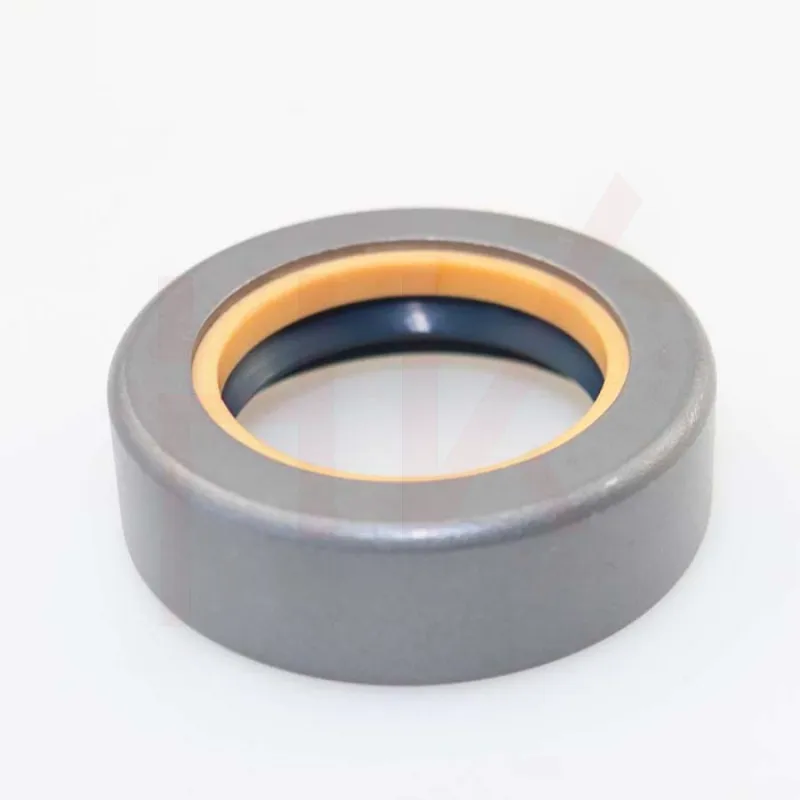
35*52*16 Standard Wheel Hub Oil Seal For Agricultural Machinery
-
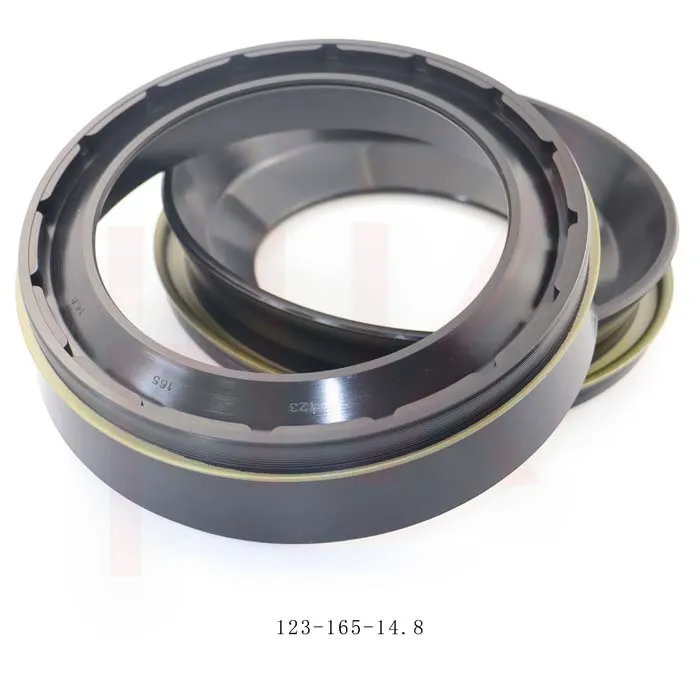
123*165*14.8 concrete mixer truck reducer oil seal
-
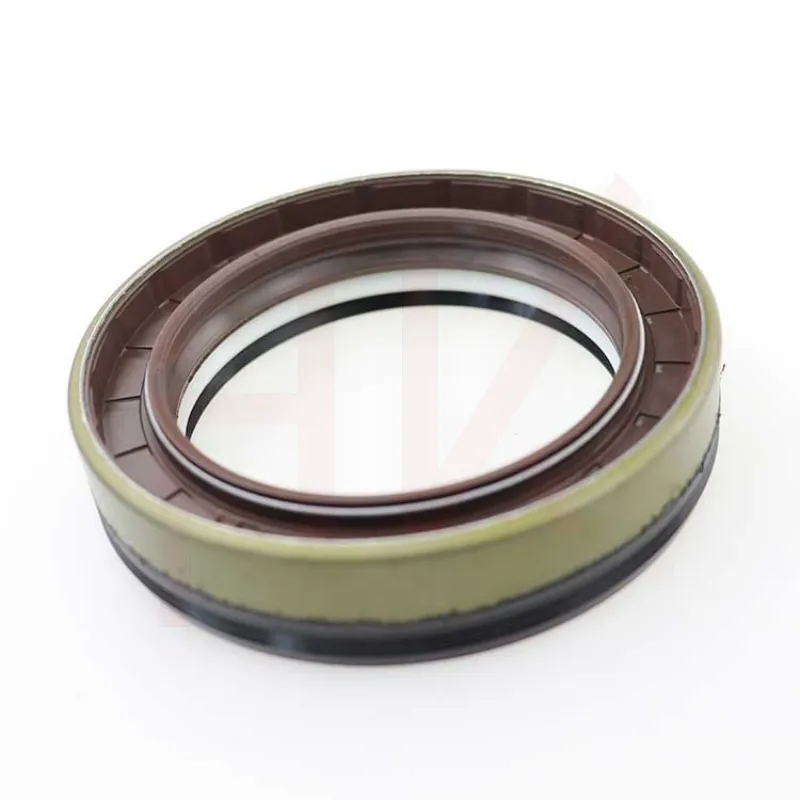
Tractor shaft oil seal 65-90-20 COMBI SF19 hub oil seal
-
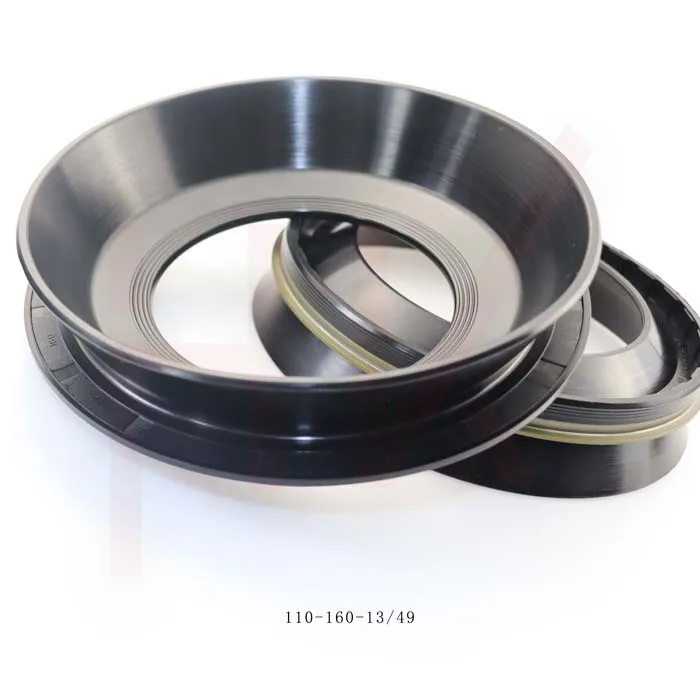
110*160*13/49 NBR reducerConcrete mixer truck oil seal
-
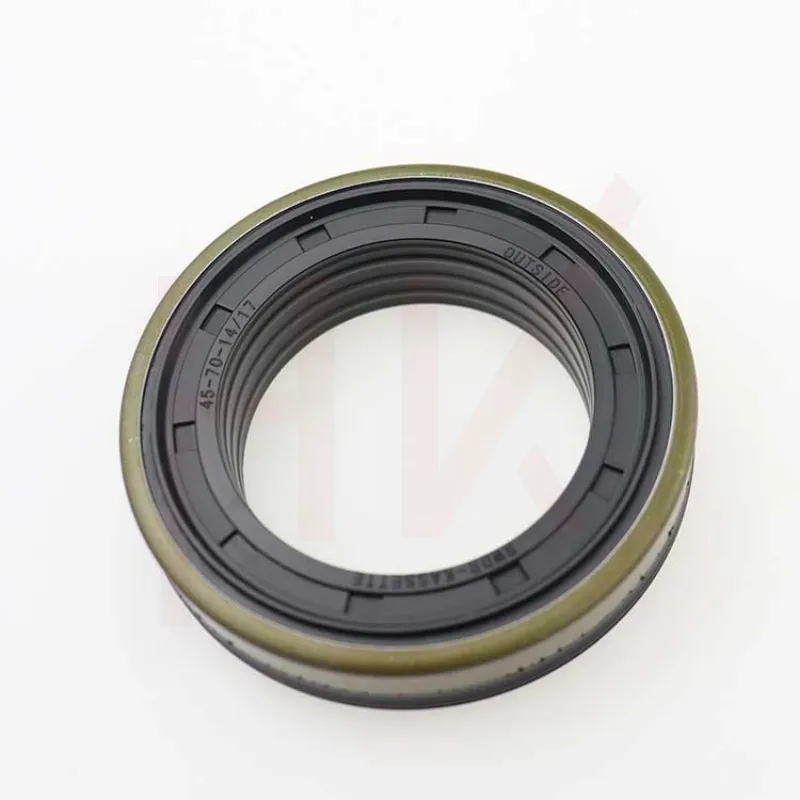
Hub oil seal 40*65*13/14.5 suitable for tractor Cat 12018035b
-
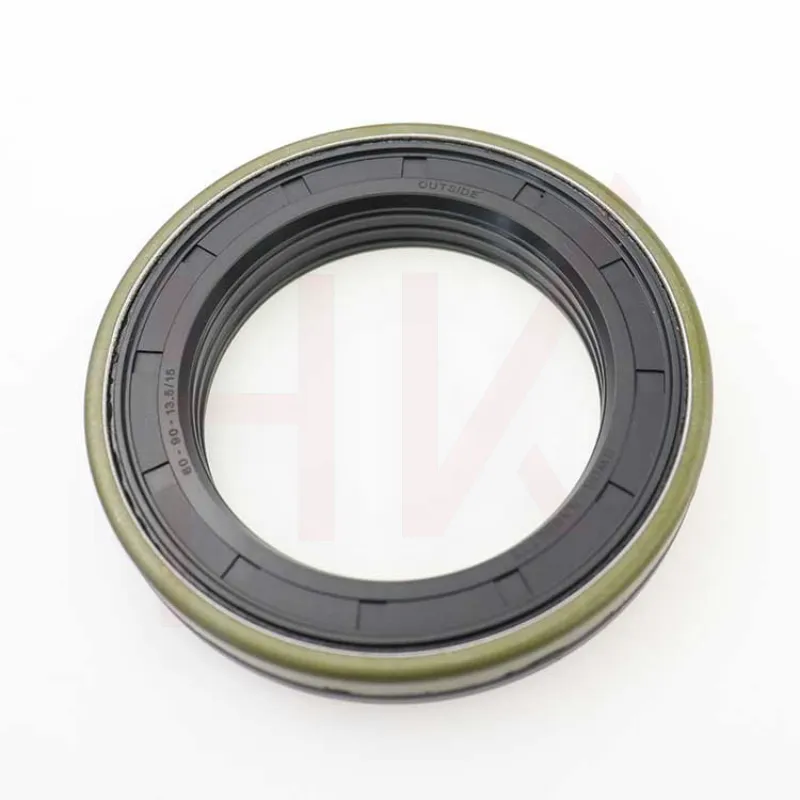
Tractor accessories cassette oil seal hub oil seal 60-90-13.5/15
-
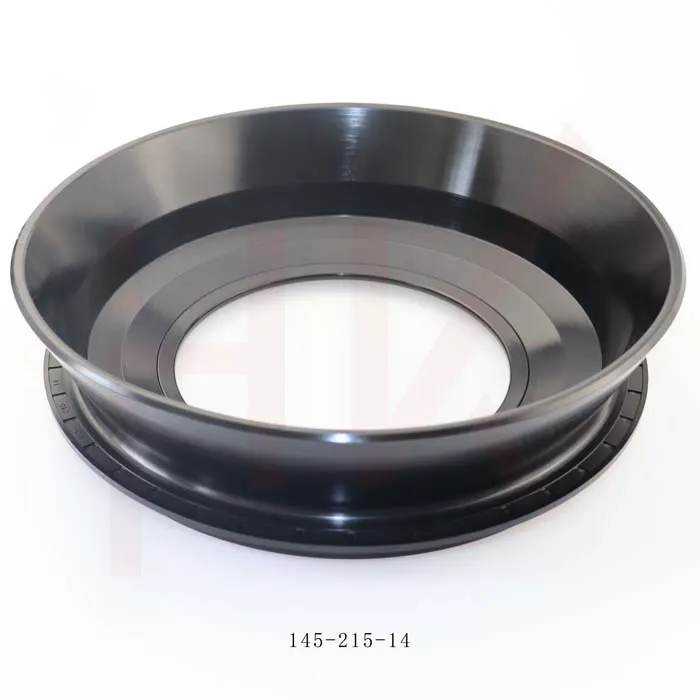
Factory concrete mixer truck oil seal 145*215*14 reducer gearbox oil seal
-

145*189*15.5/17 Cassette Seal NBR Hub Oil Seal 1508044
-
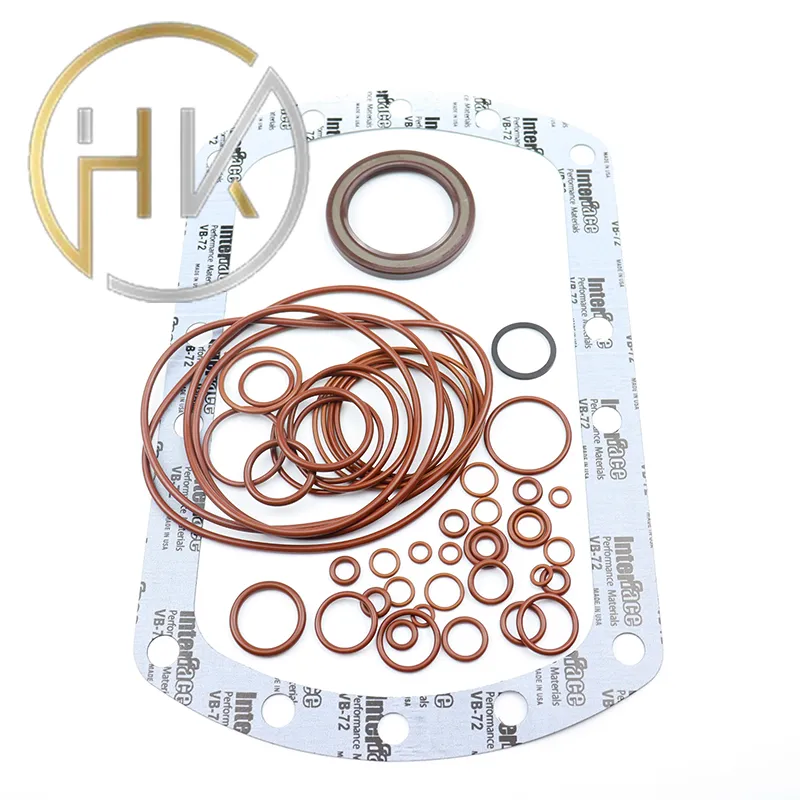
Factory direct sales hydraulic pump motor seal kit A8VO140
-
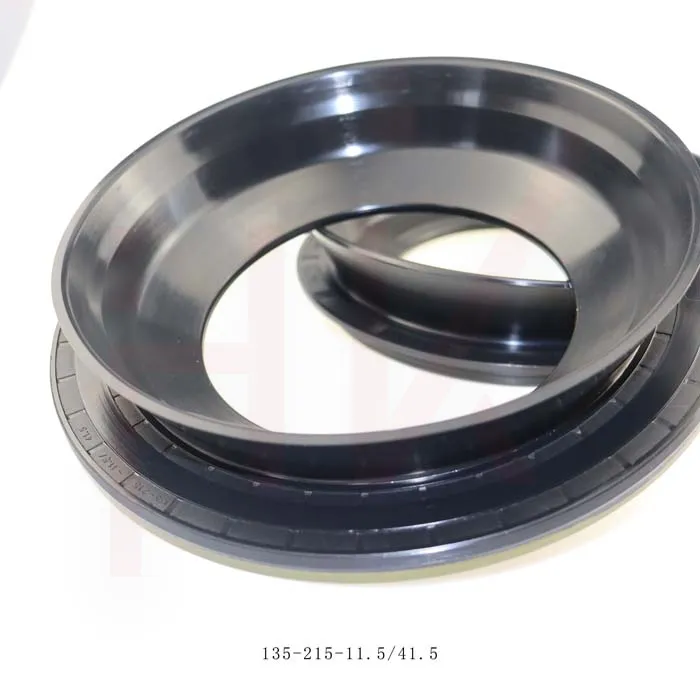
Brand new cement tanker oil seal 135*215*11.5/41.5 concrete mixer oil seal
-
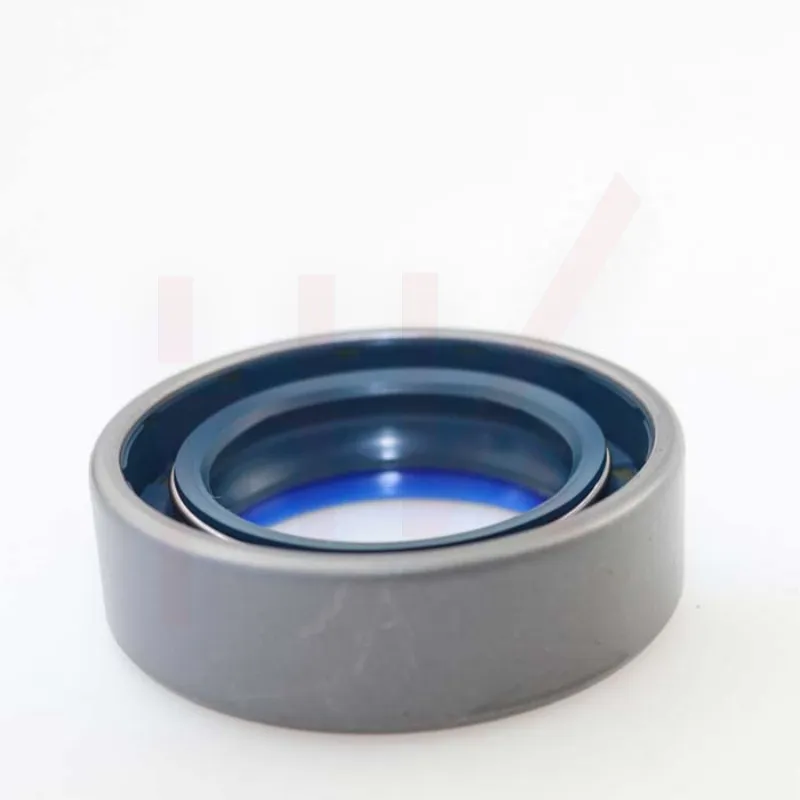
45*65*15 Combi oil seal JCB 90450009 COMBI SF1 SEAL
-
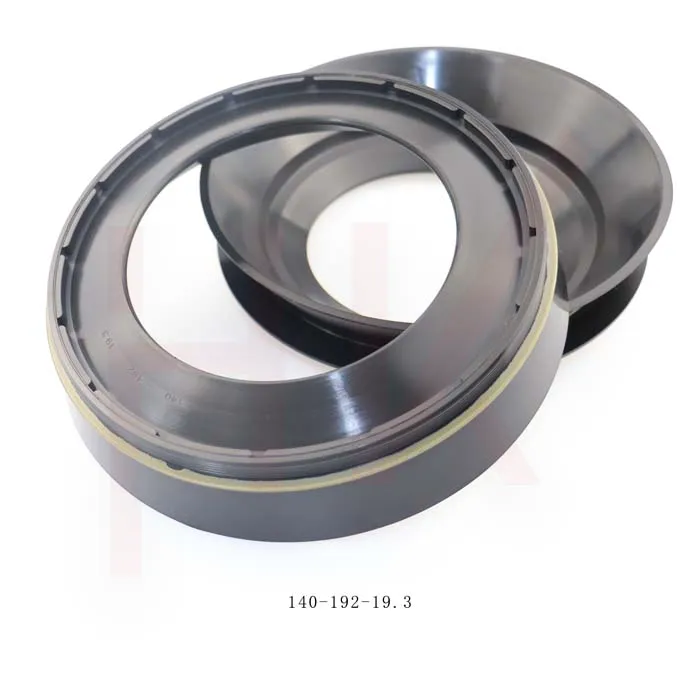
Gear box concrete mixer oil seal 140*192*19.3 nbr reducer oil seal
-
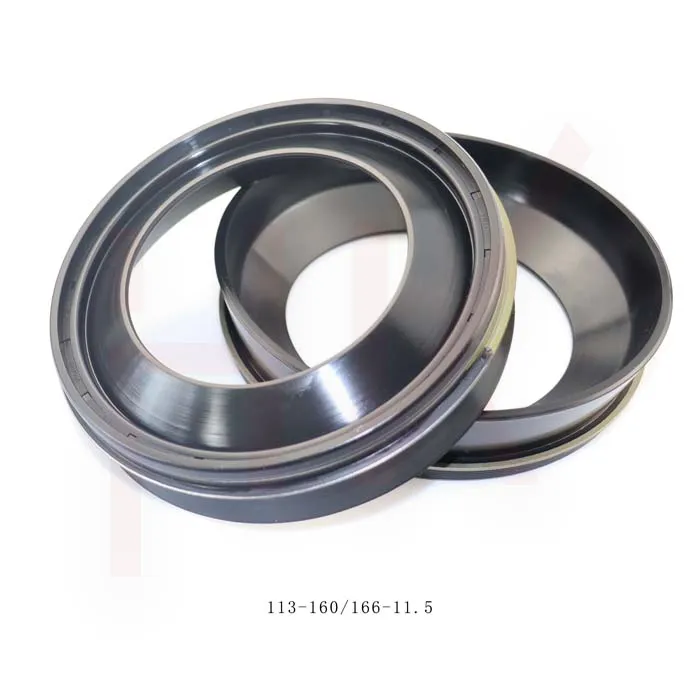
Seals factory direct sales 113*160/166*11.5/38 excavator truck reducer oil seal