Dec . 03, 2025 10:22 Back to list
Comprehensive Guide to Oil Seal Kit: Components, Uses, and Global Importance
Understanding the Oil Seal Kit: Why It Matters in Modern Industry
When you think about the complex machinery that drives today’s industries — from automotive to manufacturing — one seemingly small part quietly keeps everything running smoothly: the oil seal kit. But why does an oil seal kit hold such global importance? Frankly, it’s all about preventing leaks, maintaining lubrication, and extending machine life, which ultimately saves money and resources worldwide.
Globally, industries waste billions annually due to machinery downtime caused by seal failures and leaks (ISO estimates indicate that preventative maintenance can reduce this by up to 30%). That’s why a solid grasp of what oil seal kits are, their design, and applications is crucial for anyone involved in industrial operations. Plus, it’s fascinating to see how such small components contribute to global sustainability efforts and the smooth functioning of humanitarian logistics.
Introduction: The Global Reach of Oil Seal Kits
The global industrial market, worth trillions, depends heavily on the reliable operation of rotating shafts and equipment bearings. According to a 2023 report by the International Organization for Standardization (ISO), machinery failures related to lubricant leakage account for nearly 25% of total equipment failure causes worldwide. This loss does not only hit large companies but also ripples down to small manufacturers in developing economies.
Oil seal kits have become a solution to mitigate this by addressing a critical challenge: how to keep lubricants in and contaminants out under demanding conditions. Whether in harsh Arctic climates or dusty deserts, proper sealing technology reduces environmental harm and prevents costly breakdowns.
What Is an Oil Seal Kit?
In essence, an oil seal kit is a collection of parts designed to maintain the integrity of machine lubrication systems by preventing oil leaks and contamination ingress. Usually, it includes primary seals, gaskets, and sometimes O-rings or dust covers — all tailored to fit specific machinery components like shafts or gearboxes.
While that may sound straightforward, the design and materials of these kits have far-reaching impacts — affecting everything from the efficiency of industrial plants to emergency vehicles that rely on smooth-running engines. In humanitarian contexts, for example, reliable oil seal kits help ensure emergency generators and pumps remain operational, supporting relief efforts in remote or disaster-hit areas.
Key Components & Factors of Oil Seal Kits
1. Durability
High-quality sealing materials like nitrile rubber, fluorocarbon, or silicone influence wear resistance and longevity. Durability matters because replacements downtime can cost thousands in production losses.
2. Precision Fit
Seals must fit shafts and housings exactly to avoid leaks yet allow smooth rotation. Tolerances down to micrometers can make all the difference — many engineers stress how a perfect fit cuts maintenance headaches.
3. Chemical Resistance
Oil seal kits often see contact with varying lubricants and sometimes aggressive chemicals. Selecting compatible materials ensures seals don’t degrade prematurely.
4. Temperature Tolerance
Industries like automotive and energy demand seals that keep integrity across a wide temperature range—from freezing winters to intense heat.
5. Cost Efficiency
While premium seals may cost more upfront, their lifespan and reliability typically deliver better ROI compared to cheap alternatives that fail faster.
Mini Takeaway:
Choosing the right oil seal kit boils down to understanding durability, fit, chemical and temperature tolerance, wrapped in cost-conscious decisions.
Oil Seal Kit Specifications Overview
| Specification | Typical Range | Description |
|---|---|---|
| Seal Material | Nitrile, Viton, Silicone | Material determines chemical/temperature resistance |
| Temperature Range | -40°C to 200°C | Operating temperature capability |
| Pressure Rating | Up to 0.5 MPa | Max pressure seal can withstand |
| Shaft Size Compatibility | 5mm to 150mm | Range of shaft diameters the kit supports |
| Typical Lifespan | 2-5 years | Expected operational duration under normal use |
Global Applications & Use Cases
Industries across the globe rely on oil seal kits in versatile ways. For instance:
- Automotive manufacturing: High-performance oil seals keep engines leak-free and extend vehicle lifespan.
- Heavy machinery in mining: Seals protect lubricants against abrasive dust, especially in African and Australian mines.
- Renewable energy: Wind turbine gearboxes use advanced oil seal kits to maintain efficiency and reduce maintenance frequency.
- Humanitarian equipment: Portable diesel generators deployed in post-disaster areas—like after earthquakes or floods—depend on dependable seals to stay operational.
Oddly enough, an oil seal kit could be considered a silent hero in the remote, industrial landscapes where equipment uptime literally saves lives and livelihoods.
Mini Takeaway:
Oil seal kits aren’t just machine parts; they’re vital components in life-critical industrial and humanitarian operations worldwide.
Vendor Comparison: Oil Seal Kit Providers
| Vendor | Material Options | Custom Sizes | Price Range | Lead Time |
|---|---|---|---|---|
| SealTech Co. | Nitrile, Viton | Yes | $$ | 2 weeks |
| Global Seal Kits | Silicone, Nitrile | Limited | $$$ | 3-4 weeks |
| Prime Seal Solutions | Viton, Silicone, Specialty Alloys | Extensive | $$$$ | 1 week |
Advantages and Long-Term Value of Oil Seal Kits
The benefits of deploying quality oil seal kits are clear once you dig into the details. First, maintaining lubrication means less friction and wear on moving parts, translating to extended machinery life and fewer costly repairs over time.
There’s also a sustainability angle. Stopping leaks reduces environmental contamination—a priority for companies striving to meet ISO 14001 standards. On a more relatable note, operators gain peace of mind, knowing their equipment won’t fail at critical moments.
Aside from economic gains, reliable oil sealing supports social responsibility efforts by ensuring industrial and humanitarian machinery runs safely and efficiently.
Looking Ahead: Trends in Oil Seal Kit Technology
Innovation continues apace in this 'quiet corner' of manufacturing. Emerging materials with enhanced temperature and chemical resistance are being explored, like graphene-infused polymers. Automation and IoT sensors are also starting to monitor seal health in real time, drastically cutting unforeseen failures.
On a greener note, manufacturers are developing seals compatible with biodegradable lubricants—helping industries reduce their carbon footprints and comply with stricter environmental regulations.
Common Challenges & Expert Solutions
Despite advancements, challenges remain. Contamination ingress in extremely harsh environments sometimes outpaces seal capabilities. Additionally, improper installation or incorrect sizing is a widespread cause of premature failures.
Experts recommend thorough training for maintenance teams and investing in quality measurement tools to ensure precise seal fitting. Some vendors now offer custom kits with installation guides and online support—helping bridge knowledge gaps.
FAQ: Oil Seal Kit Basics
Q: How often should I replace my oil seal kit?
A: Typically, oil seal kits last 2-5 years depending on operating conditions. Regular inspection every 6-12 months helps catch wear early.
Q: Can I use a universal oil seal kit for different machines?
A: It’s generally better to use machine-specific kits to ensure the right fit and material compatibility for your equipment.
Q: Are oil seal kits easy to install by non-experts?
A: Installation can be tricky; it’s advisable to follow vendor instructions precisely or consult professionals to avoid leaks and damage.
Q: Do oil seal kits contribute to environmental sustainability?
A: Absolutely—proper sealing reduces lubricant leaks, limiting soil and water contamination, supporting corporate sustainability goals.
Conclusion
To sum up, an oil seal kit seems like a modest industrial part, but its impact is significant — extending equipment life, saving costs, protecting the environment, and supporting critical operations worldwide. For anyone managing machinery or involved in industrial supply, investing in quality seals is a smart, long-term decision.
Curious to learn more or ready to upgrade your sealing solutions? Visit our website at www.hkaiseal.com for expert products and support. Because sometimes it’s the smallest components that keep the world turning.
It feels like the humble oil seal kit deserves way more credit, doesn’t it?
References
-
A8VO140 Hydraulic Piston Pump Repair Parts Kit Complete Overhaul Kit for Rexroth A8VO140 Excavator: Check Pump Fit Before Ordering
NewsNov.10,2026
-
A8VO140 Hydraulic Piston Pump Repair Parts Kit Complete Overhaul Kit for Rexroth A8VO140 Excavator: Buyer FAQs
NewsNov.05,2026
-
What Is the Function of Oil Seal? FAQ
NewsOct.30,2026
-
High Pressure TCN Seal Solutions for Industrial Machinery
NewsJul.01,2026
-
High Performance TCN Type Oil Seal for Industrial Machinery
NewsJun.29,2026
-
High Pressure Oil Seal TCN for Industrial Sealing Solutions
NewsJun.27,2026
-
Industrial High Speed Rotary Shaft Seals Performance Guide
NewsJun.26,2026
Products categories
-
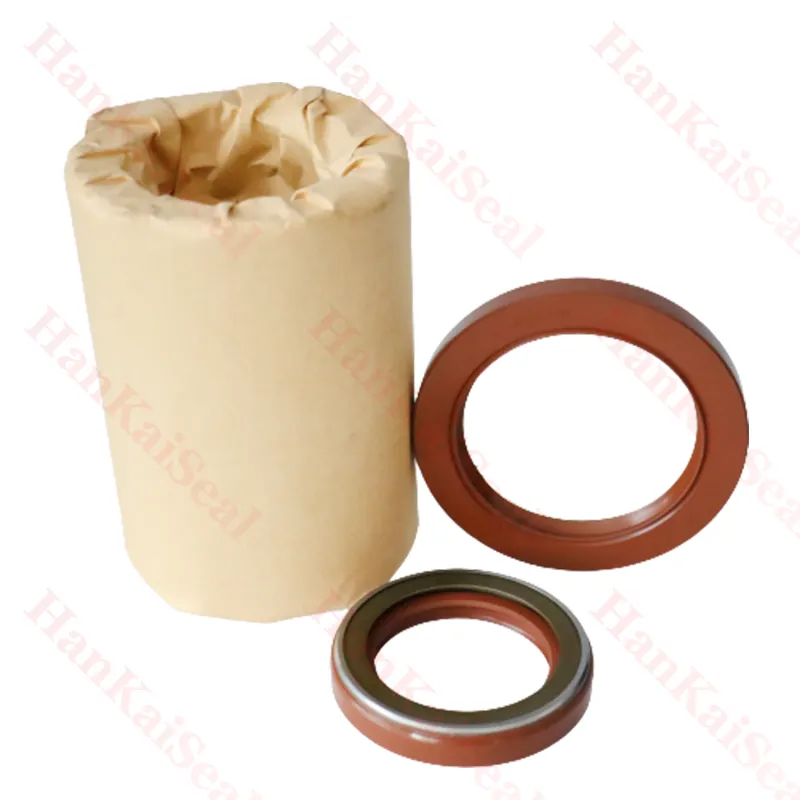
Standard oil seal BP0494 High pressure TCN oil seal
-
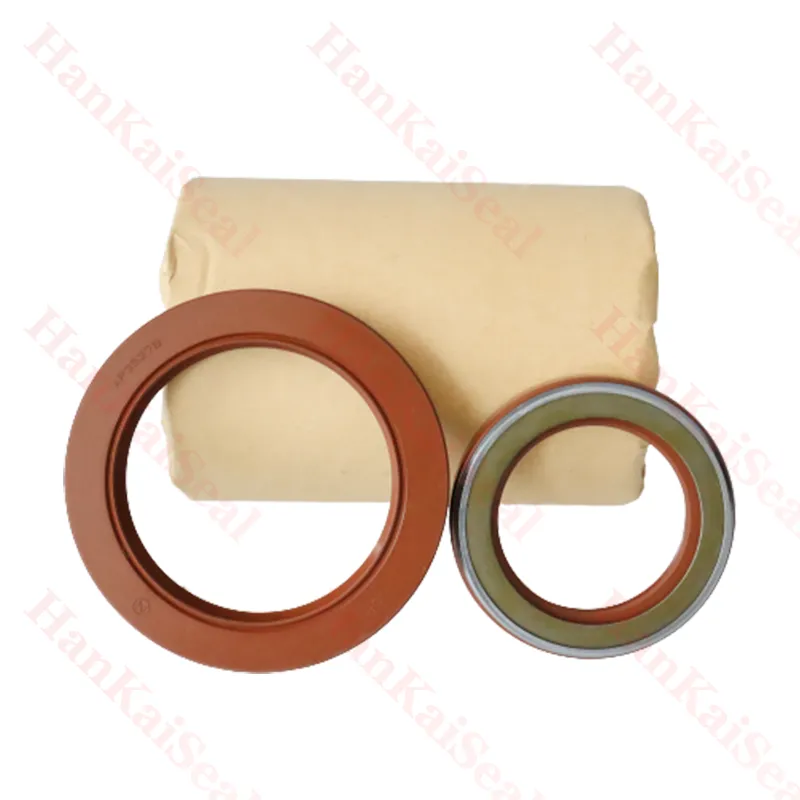
Hydraulic pump seal AP4624G high pressure TCN oil seal
-
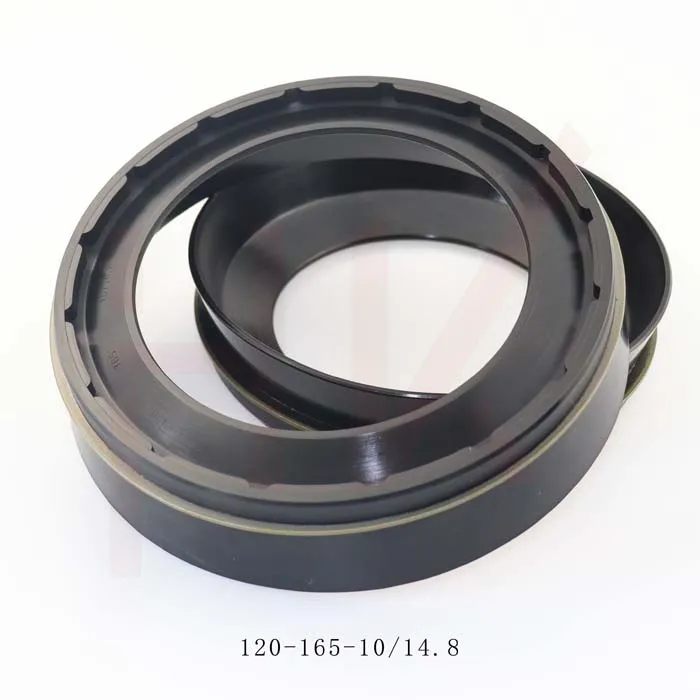
0734307418 0750112169 120*165*10/14.8 concrete mixer reducer oil seal
-
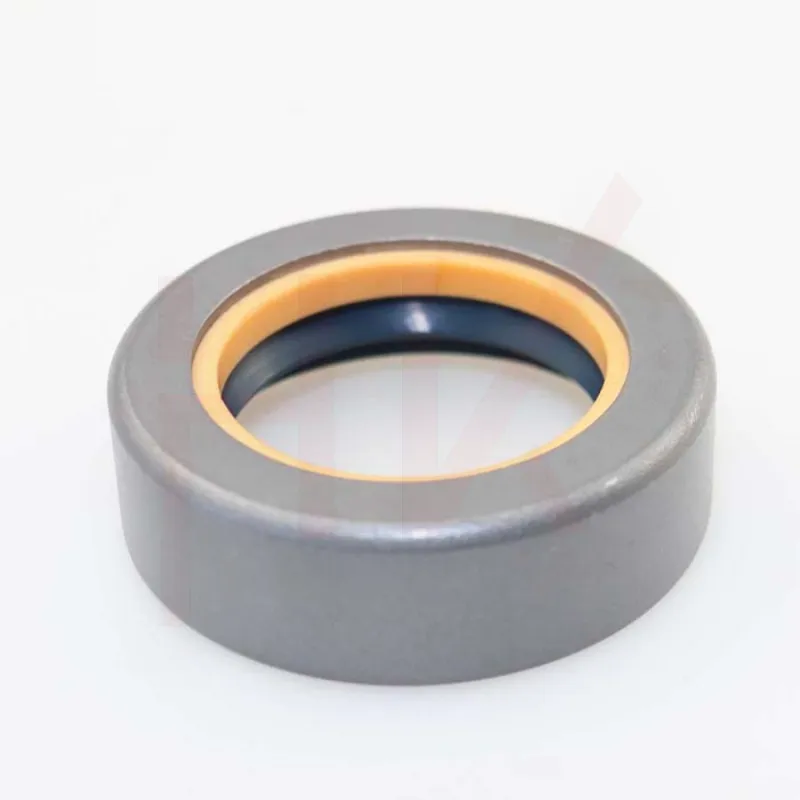
35*52*16 Standard Wheel Hub Oil Seal For Agricultural Machinery
-
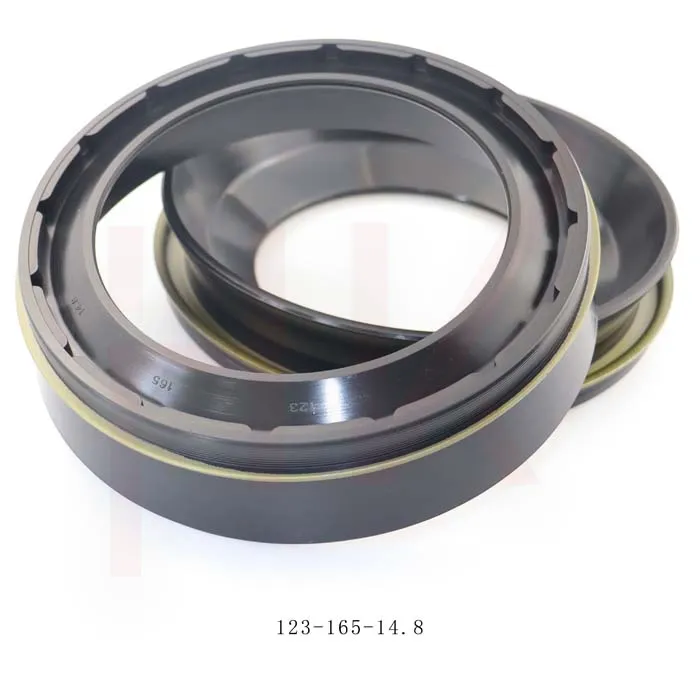
123*165*14.8 concrete mixer truck reducer oil seal
-
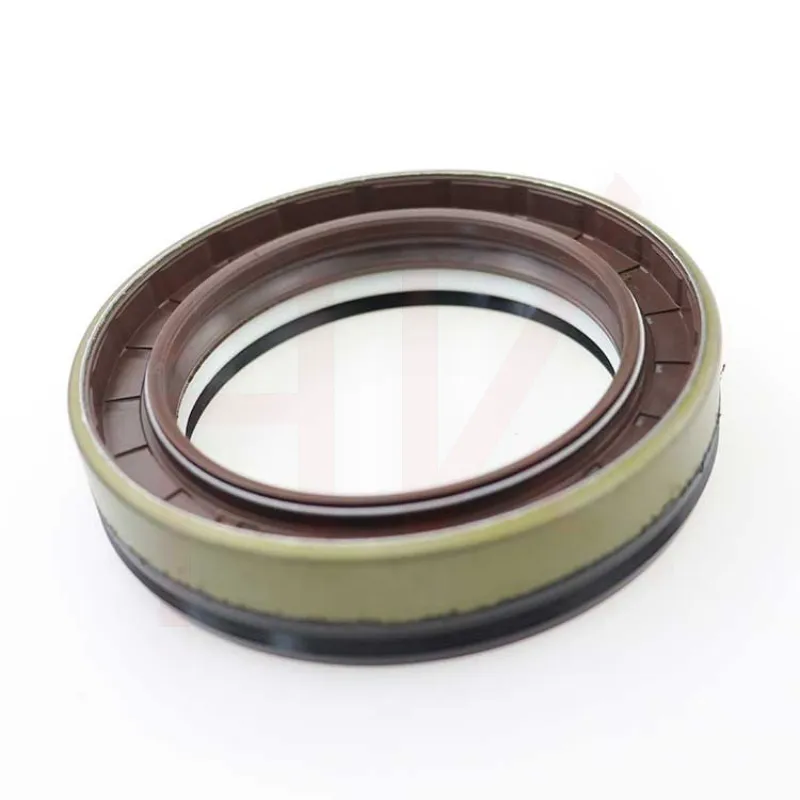
Tractor shaft oil seal 65-90-20 COMBI SF19 hub oil seal
-
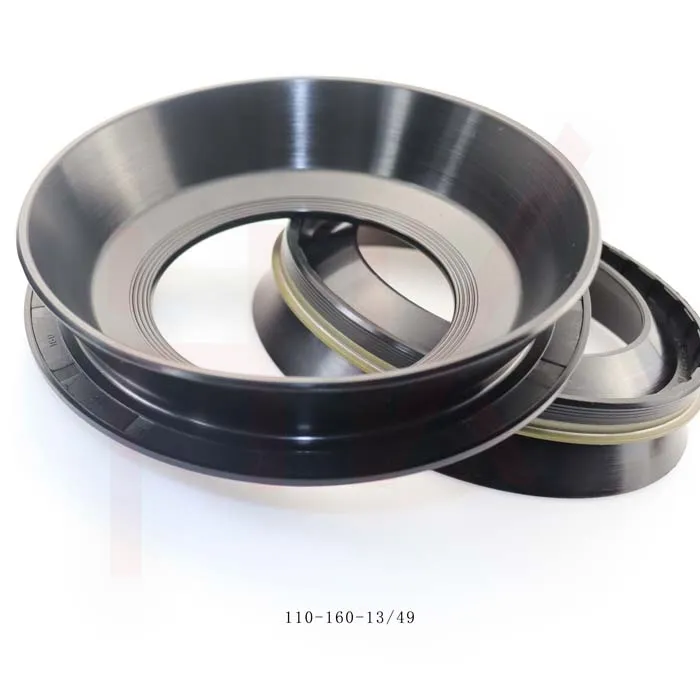
110*160*13/49 NBR reducerConcrete mixer truck oil seal
-
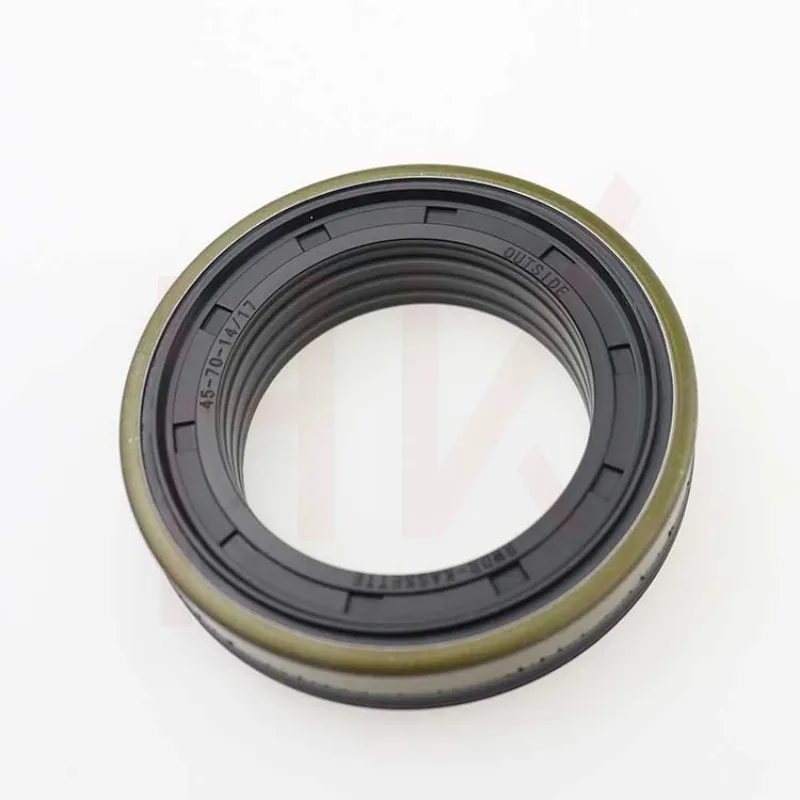
Hub oil seal 40*65*13/14.5 suitable for tractor Cat 12018035b
-
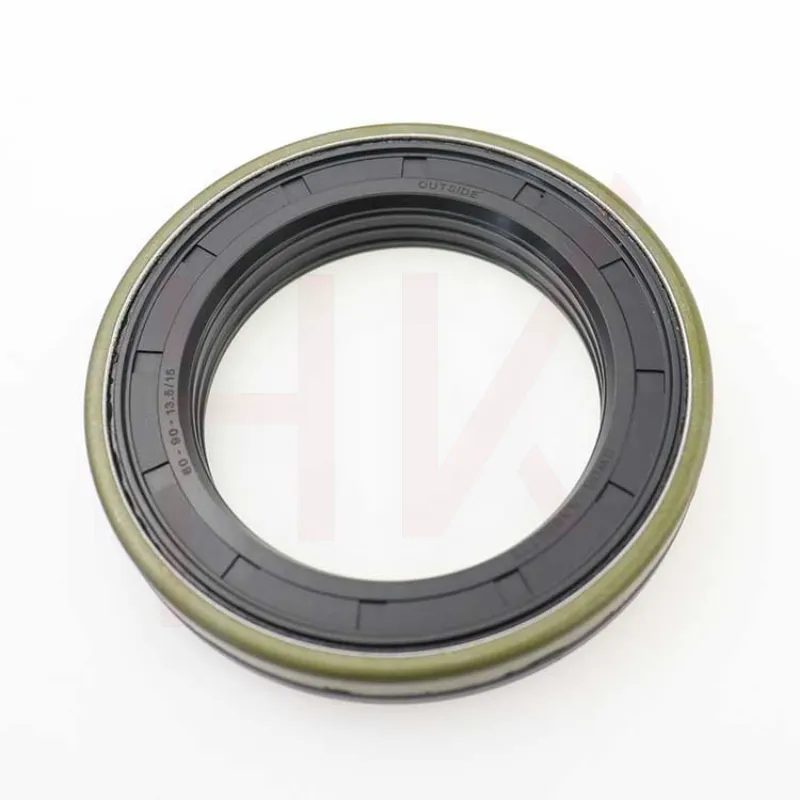
Tractor accessories cassette oil seal hub oil seal 60-90-13.5/15
-
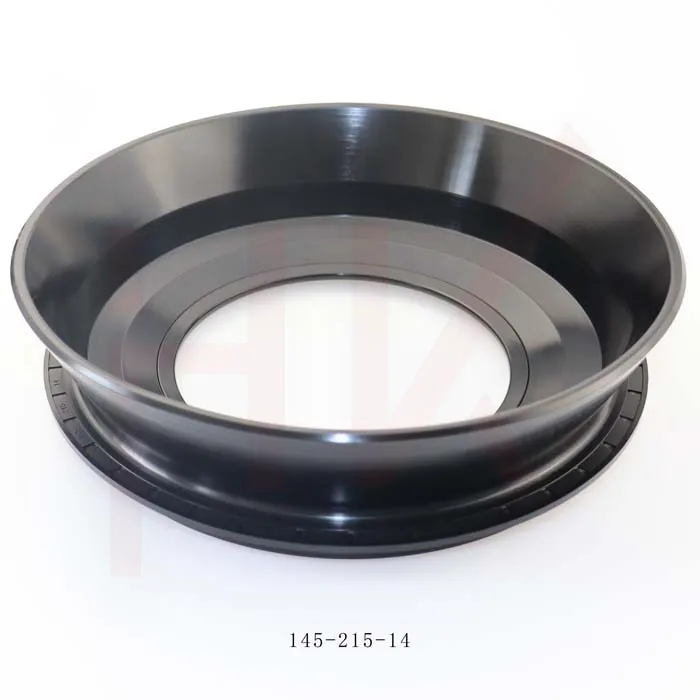
Factory concrete mixer truck oil seal 145*215*14 reducer gearbox oil seal
-
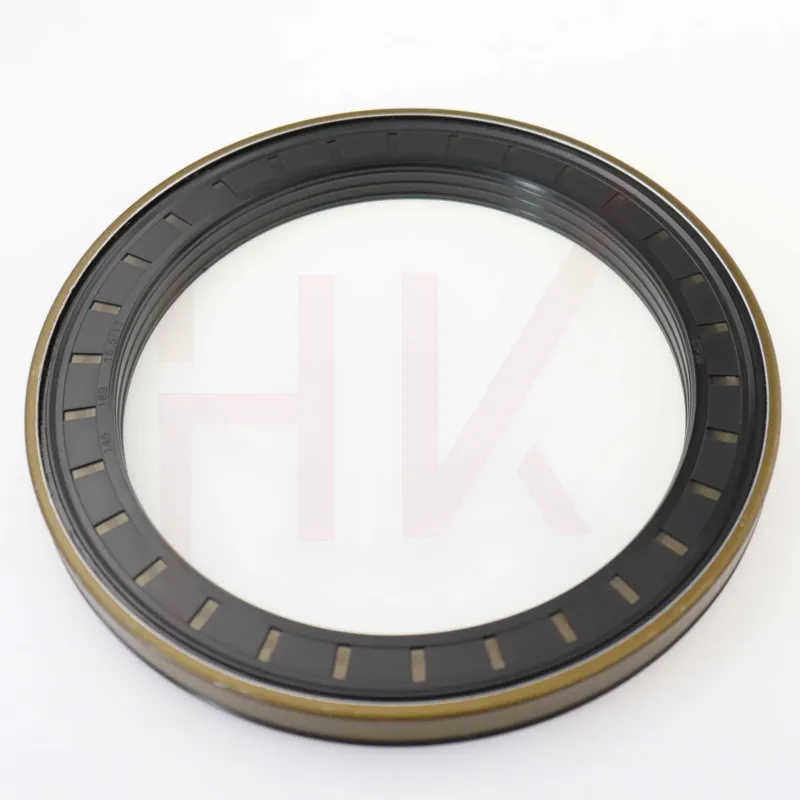
145*189*15.5/17 Cassette Seal NBR Hub Oil Seal 1508044
-
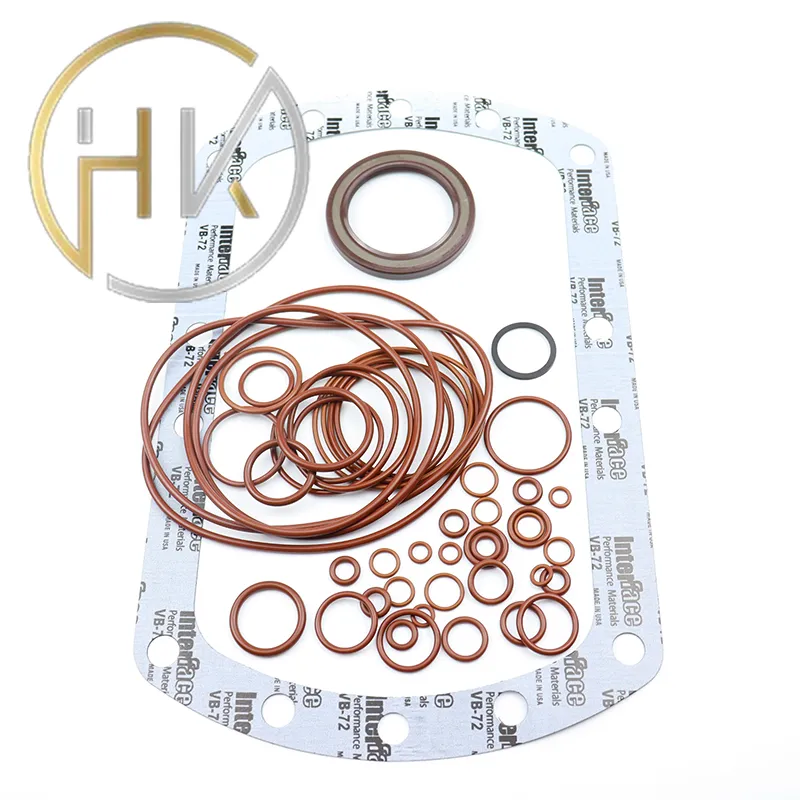
Factory direct sales hydraulic pump motor seal kit A8VO140
-
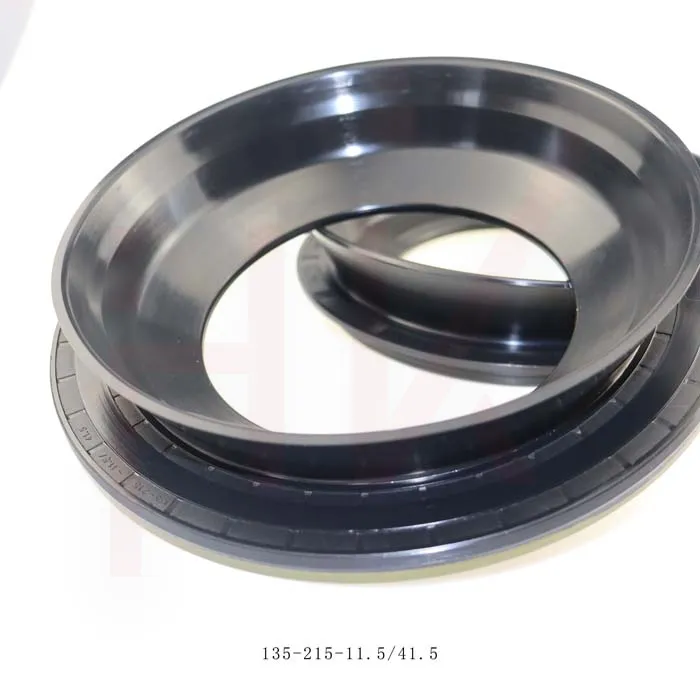
Brand new cement tanker oil seal 135*215*11.5/41.5 concrete mixer oil seal
-
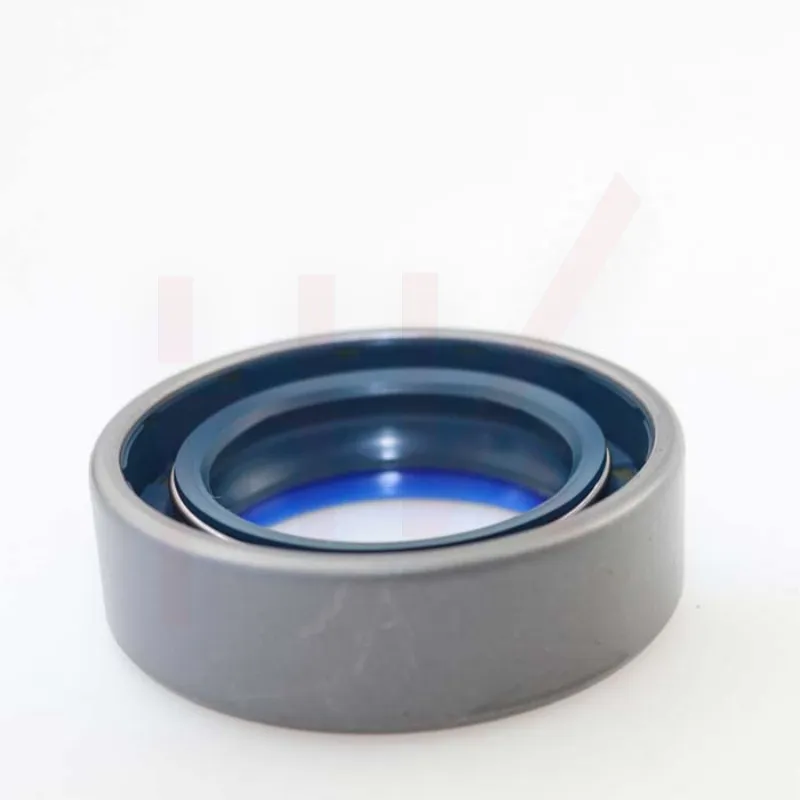
45*65*15 Combi oil seal JCB 90450009 COMBI SF1 SEAL
-

A4VG56 Seal Kit Hydraulic Piston Pump Repair Kit for Rexroth A4VG56 Pump Overhaul Service Kit Excavator Hydraulic Parts,40*67*7,R902002388/2593306F
-

12018740,2780603201,ZTAM-00716,148*170*14 Cassette Wheel Hub Oil Seal RWDR-Kombi NBR Oil Seal for Tractor Construction Machinery Axle Hub Seal