
Dec . 02, 2025 09:00 Back to list
Comprehensive Guide to Metric Shaft Seals: Applications, Benefits, and Innovations
Understanding Metric Shaft Seals: The Unsung Heroes of Industrial Machinery
When you hear “metric shaft seals,” you might think, “That sounds like niche engineering jargon,” and you wouldn’t be wrong. Yet, oddly enough, these small components play a massive role across countless industries worldwide—from automotive and aerospace to manufacturing and renewable energy. Metric shaft seals provide a crucial function: they prevent fluid leaks and keep contaminants out, protecting machinery and extending equipment life. Understanding them isn't just for engineers; it benefits industries, humanitarian missions, and even global sustainability efforts.
Globally, machinery failures due to seal breakdowns cost companies billions annually. According to ISO standards, proper sealing solutions improve machine reliability by up to 30%, which translates into fewer costly repairs and downtime. In fast-growing sectors, especially in regions adapting to metric standards, selecting the right metric shaft seal is no small matter—it can mean the difference between smooth operation and catastrophic failure.
metric shaft seals might seem like a tiny part, but they carry big responsibility in the grand industrial scale.What Are Metric Shaft Seals?
Simply put, a metric shaft seal is a mechanical component designed to keep lubricants in and contaminants like dust or water out around a rotating shaft. The “metric” part refers to the measurement system used for sizing—so engineers worldwide speak a common language when specifying them. These seals are essential for modern machinery that relies on tight tolerances and consistent performance.
In humanitarian contexts, especially in rugged relief operations or remote industrial areas, having durable, reliable seals means equipment won’t fail when it’s needed most. It’s a humble hero with an outsized impact.
Core Components and Key Factors of Metric Shaft Seals
1. Durability & Material Composition
Most metric shaft seals use elastomers like nitrile (NBR), fluoroelastomer (FKM), or polyurethane. These materials resist heat, chemicals, and wear. For harsh environments, like offshore or chemical plants, selecting the right material is critical. Over time, poor material choice can lead to cracks or deformation—something many engineers painfully learn the hard way.
2. Precision & Tolerances
Shaft seals must perfectly fit both the rotating shaft and housing bore. Metric sizing ensures international compatibility and accuracy. Even tiny deviations in dimensions, fractions of a millimeter, matter. This precision reduces friction and wear.
3. Scalability & Customization
Manufacturers offer metric shaft seals in a wide range of sizes and designs—from single lip seals for light-duty tasks to multi-lip seals for heavy industrial use. This versatility supports scalability and customization for diverse machinery types, whether automotive axles or wind turbine shafts.
4. Cost Efficiency & Lifecycle
Choosing the right seal upfront reduces maintenance costs. A good seal can last years before replacements, avoiding frequent machine shutdowns. Investing in quality saves money in the long run.
Global Applications & Real-World Use Cases
- Automotive Manufacturing: Leading car makers prefer metric shaft seals to standardize production lines globally.
- Renewable Energy: Wind turbines rely heavily on these seals to keep out moisture and salt in offshore installations.
- Heavy Industry: Mining companies in South America rely on rugged seals to ensure machinery doesn’t seize up under harsh conditions.
- Post-Disaster Relief: Portable generators use robust shaft seals so that emergency power sources remain reliable in chaotic conditions.
In all these contexts, metric shaft seals enable machinery to meet international quality standards and perform reliably across different environments.
Advantages and Long-Term Value of Metric Shaft Seals
Think about it: a tiny component preventing costly breakdowns and environmental hazards. That’s real value. Benefits include:
- Cost Savings: Reduces downtime and maintenance expenses.
- Environmental Protection: Prevents lubricant leaks that can contaminate soil and water.
- Safety & Trust: Prevents machinery failures that could harm users.
- Longevity: Extends operational life of mechanical systems.
Emotionally, it grants peace of mind for operators, manufacturers, or relief workers depending on machinery. A trusted seal quietly safeguards human safety and dignity on the frontlines or factory floors.
Product Specification Table: Typical Metric Shaft Seal
| Specification | Description |
|---|---|
| Material | Nitrile (NBR) / Fluoroelastomer (FKM) |
| Shaft Diameter Range | 10 mm to 200 mm |
| Temperature Range | -40°C to +150°C |
| Pressure Resistance | Up to 2 bar dynamic, 10 bar static |
| Standard | ISO 6194 |
Vendor Comparison: Leading Metric Shaft Seal Manufacturers
| Vendor | Material Options | Customization | Lead Time | Typical Industries Served |
|---|---|---|---|---|
| HKAI Seal | NBR, FKM, PU | Full custom designs on request | 2-4 weeks | Automotive, Wind, Oil & Gas |
| SealTech Corp. | NBR, Silicone | Limited sizes/customs | 4-6 weeks | Automotive, General Machinery |
| Global Seal Inc. | FKM, EPDM | Moderate customization | 3-5 weeks | Renewables, Heavy Industry |
Looking Ahead: Innovations & Trends in Metric Shaft Seals
Meticulously engineered metric shaft seals are evolving alongside broader industrial trends. The push for sustainability means more seals are now designed from bio-based elastomers or recyclable materials. Digital transformation isn’t just a buzzword here—sensor-integrated seals that monitor temperature, wear, or pressure conditions are emerging, paving the way for predictive maintenance.
Automation in assembly lines demands seals that can be installed with minimal human error and within seconds. Also, with the rise of electric vehicles and renewable energy, seals now face new challenges—like wider temperature ranges and exposure to novel fluids.
Challenges & Practical Solutions
Despite advances, some issues persist. One common challenge is premature seal failure due to improper installation or contamination. Misaligned shafts or rough surfaces shorten seal life dramatically. Manufacturers and operators combat this through improved training, stricter quality controls, and surface treatments.
Another hurdle is balancing cost with performance, especially for mass-produced seals in emerging markets. Here, advanced simulation tools help tailor materials and designs to exact needs, avoiding over-specification or underperformance.
FAQ: Your Questions About Metric Shaft Seals Answered
- Q: How do metric shaft seals differ from imperial seals?
- A: The primary difference lies in measurement units: metric seals use millimeters for sizing, which aligns with most international standards, whereas imperial seals use inches. Metric sizing facilitates global compatibility and standardization.
- Q: Can I use a metric shaft seal for high-temperature applications?
- A: Yes, but material choice is key. Fluoroelastomer (FKM) seals, for example, withstand high temperatures up to 150°C or more, unlike standard nitrile seals. Always check specifications closely before selecting.
- Q: How does one ensure correct installation of a metric shaft seal?
- A: Proper installation involves clean surfaces, correct shaft alignment, and using installation tools to avoid damaging the lip or seal body. Manufacturer guides should be followed rigorously.
- Q: Are metric shaft seals customizable for specific equipment?
- A: Absolutely. Vendors like HKAI Seal offer tailored designs in materials, lips, and sizes to match unique operational demands.
Conclusion: Why Understanding Metric Shaft Seals Matters
In real terms, metric shaft seals quietly drive reliability and sustainability in global industries. Their precise engineering, vast applicability, and evolving innovations mean they’re far more than just simple parts. For manufacturers, maintenance teams, and even humanitarian projects, a well-chosen seal uplifts entire operations—cutting costs, boosting safety, and safeguarding the environment.
So next time you encounter a machine humming smoothly, take a moment to think about those seemingly small, metric-sized miracles keeping it all running. For deeper dives into specification or sourcing, visit https://www.hkaiseal.com.
Takeaway: In the grand machinery of industry, even the smallest parts like metric shaft seals command outsized respect.
References
-
Guide to Choosing the Right High Quality hydraulic ram kit
NewsApr.16,2026
-
Premium Hydraulic Cylinder Packing Kits for Peak Performance
NewsApr.09,2026
-
Comprehensive Guide to Hydraulic Cylinder Oil Seal Kits for Optimal Performance
NewsApr.07,2026
-
Comprehensive Guide to Choosing the Right Cylinder Seal Kits for Peak Performance
NewsApr.04,2026
-
Comprehensive Guide to Seal Kits for Cylinders Ensuring Optimal Performance
NewsMar.31,2026
-
Comprehensive Guide to Hyd Cylinder Seals for Optimal Hydraulic System Performance
NewsMar.28,2026
-
Comprehensive Guide to Hyd Cylinder Seal Kit Selection and Installation
NewsMar.26,2026
Products categories
-
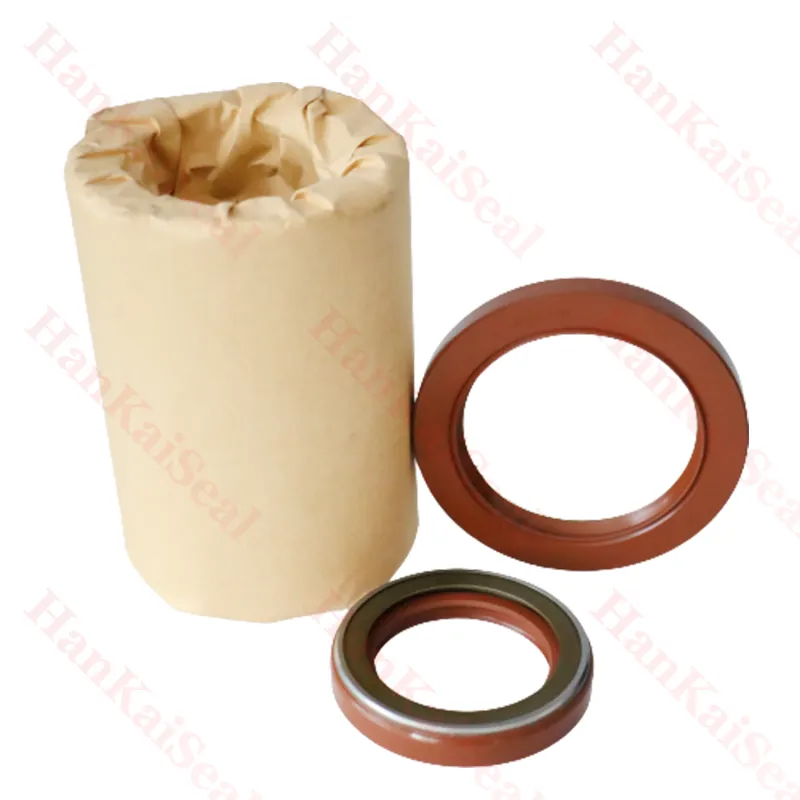
Standard oil seal BP0494 High pressure TCN oil seal
-
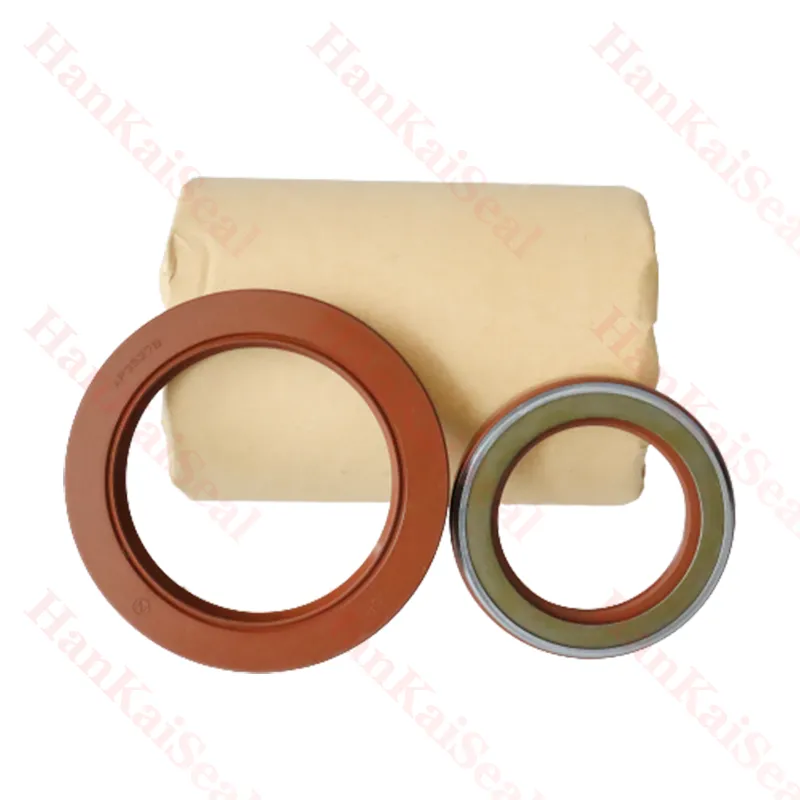
Hydraulic pump seal AP4624G high pressure TCN oil seal
-
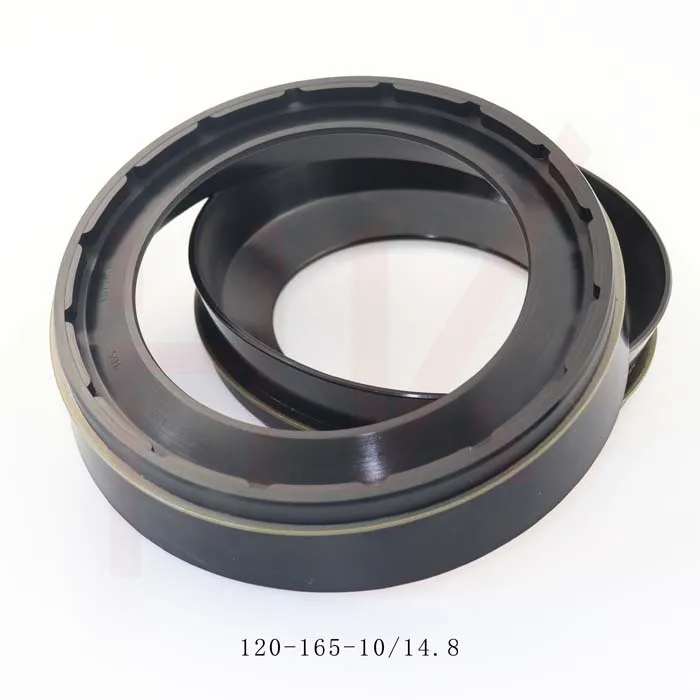
0734307418 0750112169 120*165*10/14.8 concrete mixer reducer oil seal
-
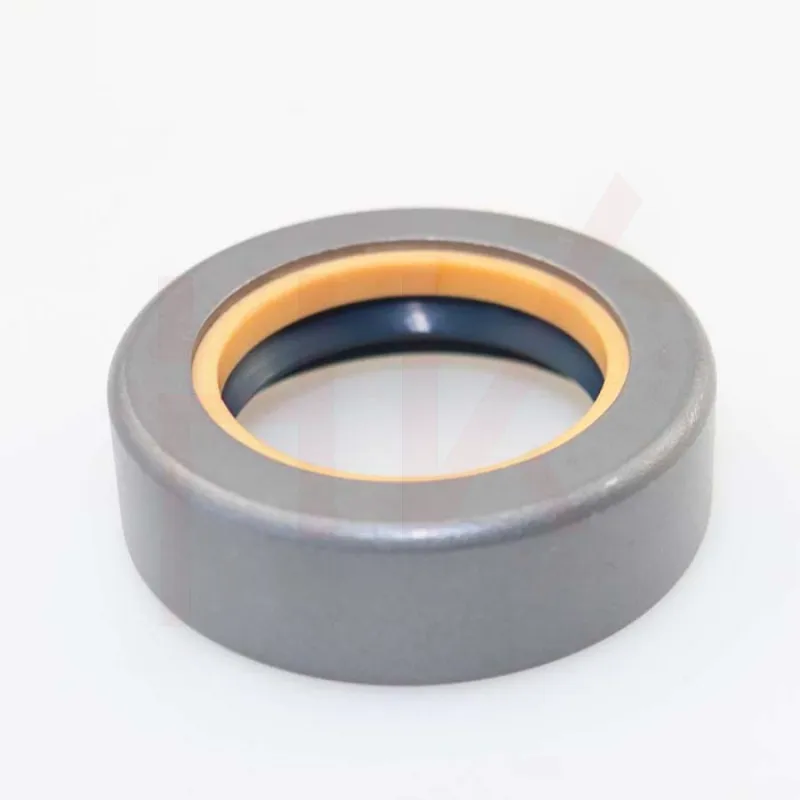
35*52*16 Standard Wheel Hub Oil Seal For Agricultural Machinery
-
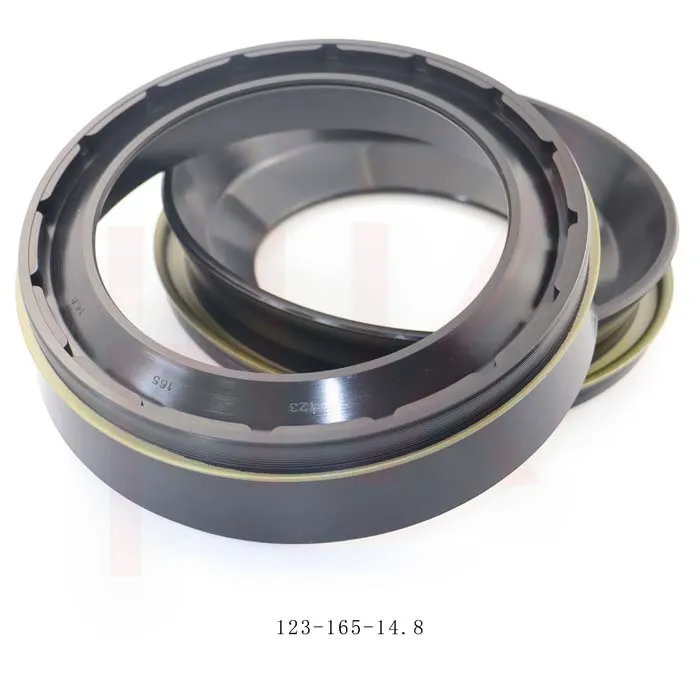
123*165*14.8 concrete mixer truck reducer oil seal
-
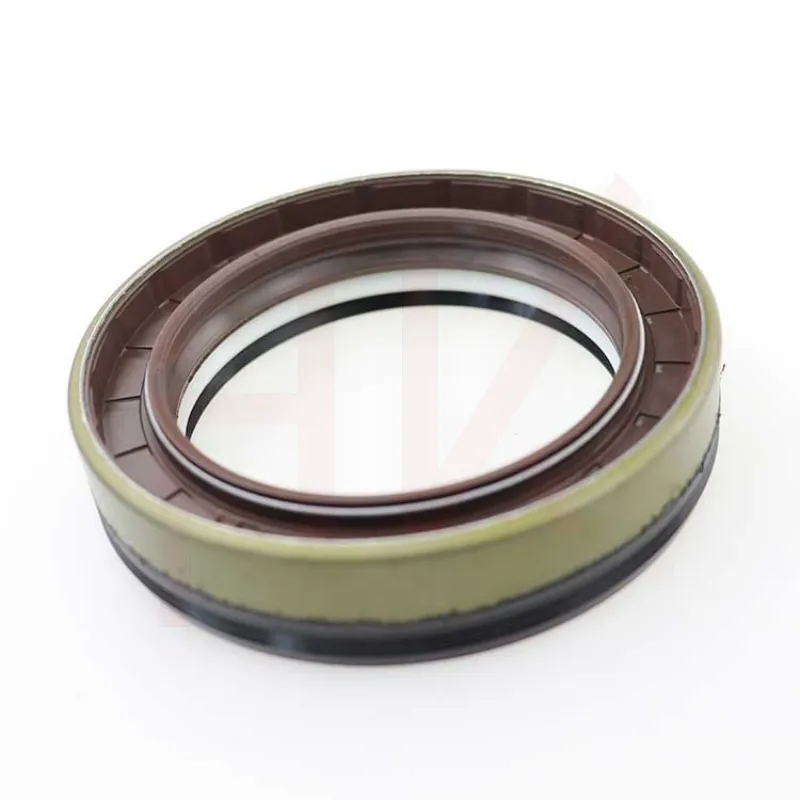
Tractor shaft oil seal 65-90-20 COMBI SF19 hub oil seal
-
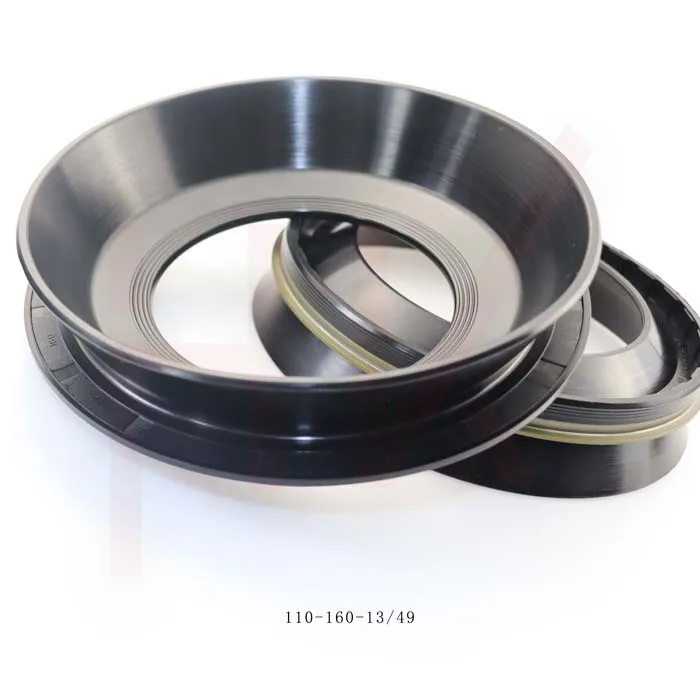
110*160*13/49 NBR reducerConcrete mixer truck oil seal
-
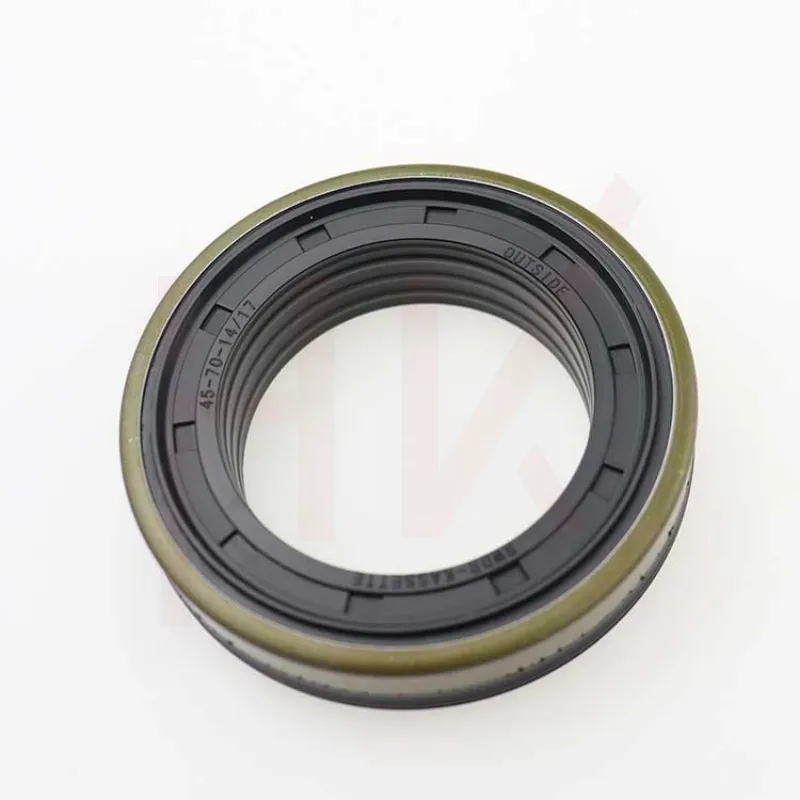
Hub oil seal 40*65*13/14.5 suitable for tractor Cat 12018035b
-
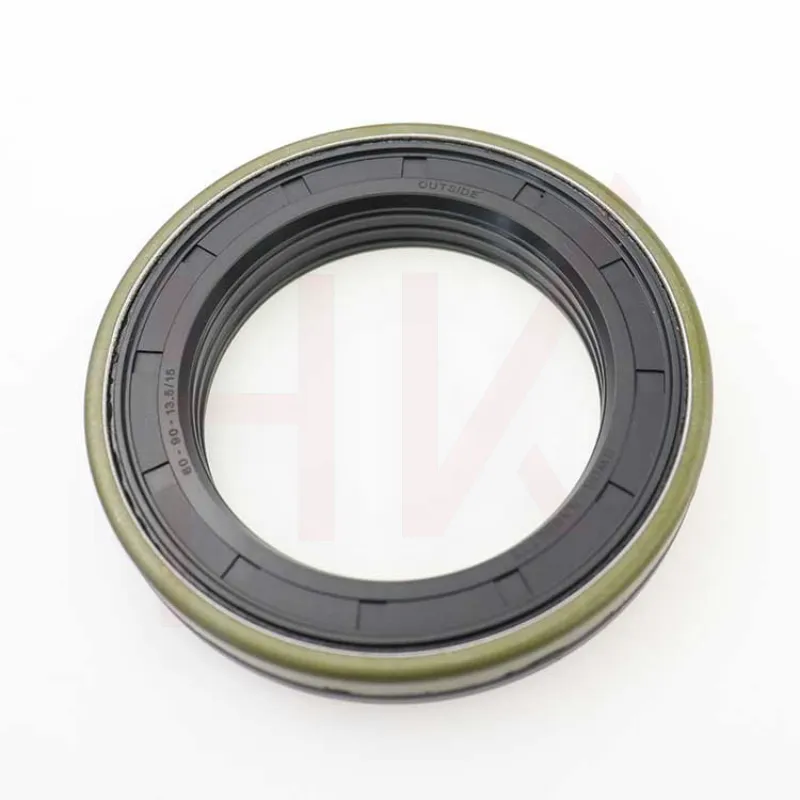
Tractor accessories cassette oil seal hub oil seal 60-90-13.5/15
-
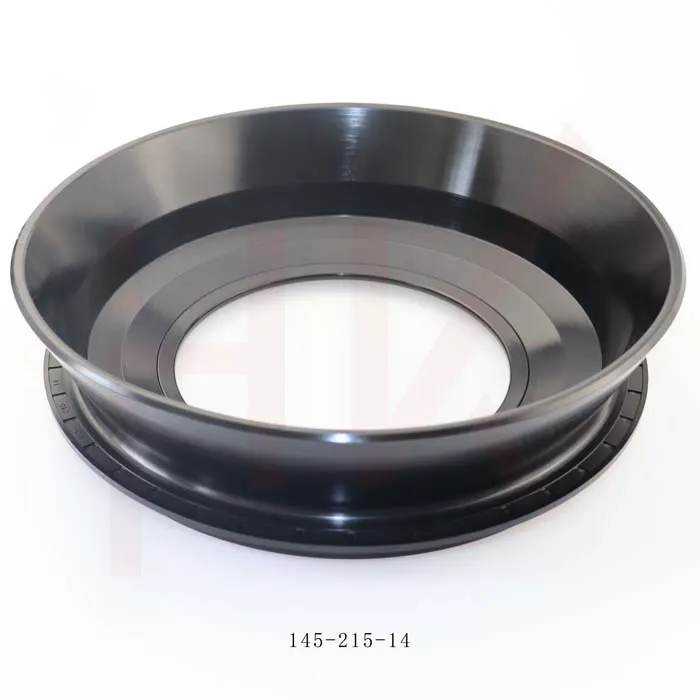
Factory concrete mixer truck oil seal 145*215*14 reducer gearbox oil seal
-
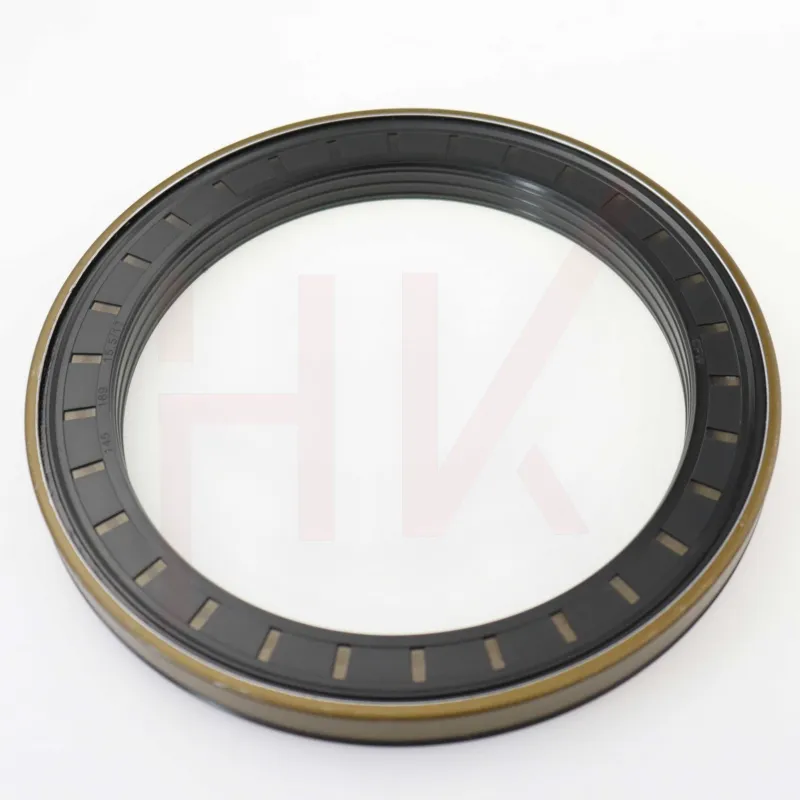
145*189*15.5/17 Cassette Seal NBR Hub Oil Seal 1508044
-
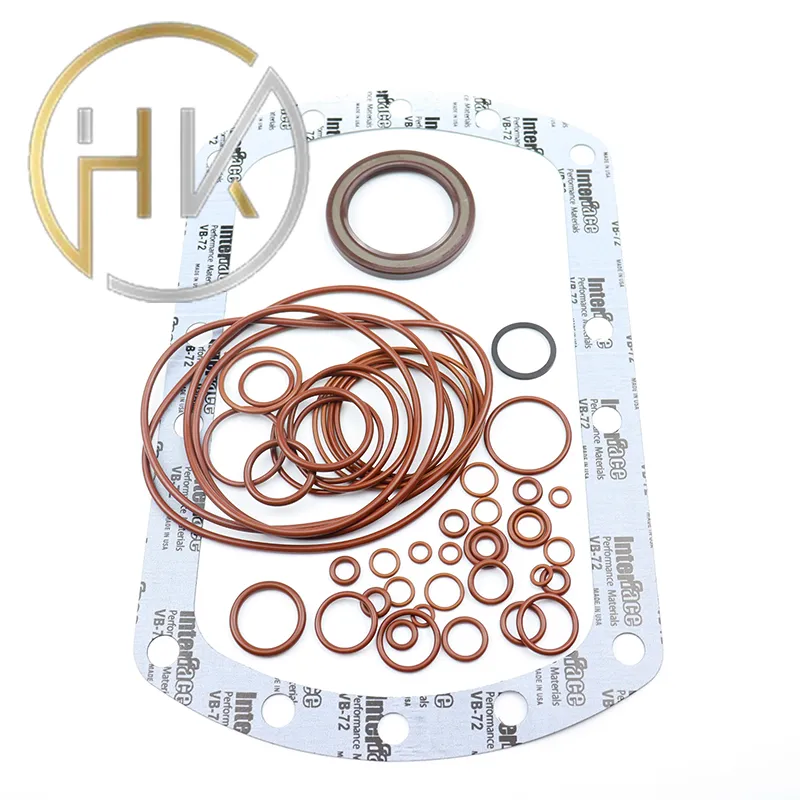
Factory direct sales hydraulic pump motor seal kit A8VO140
-
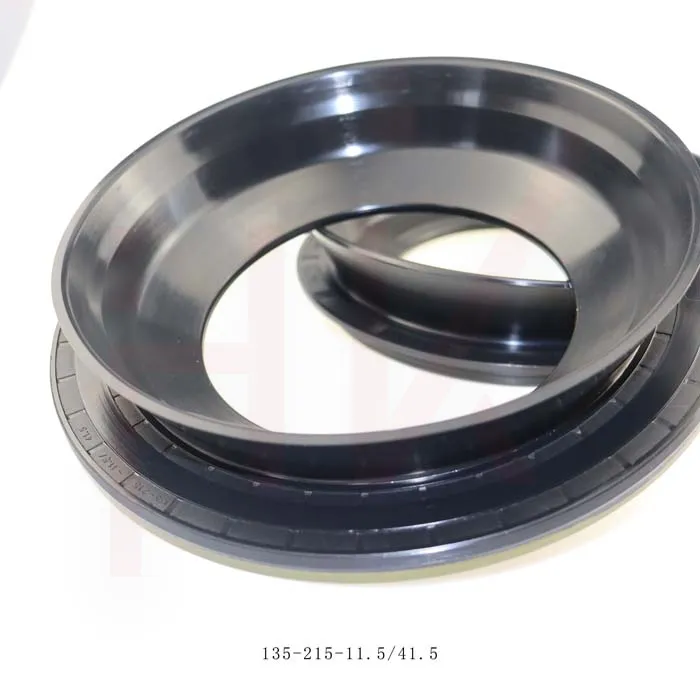
Brand new cement tanker oil seal 135*215*11.5/41.5 concrete mixer oil seal
-
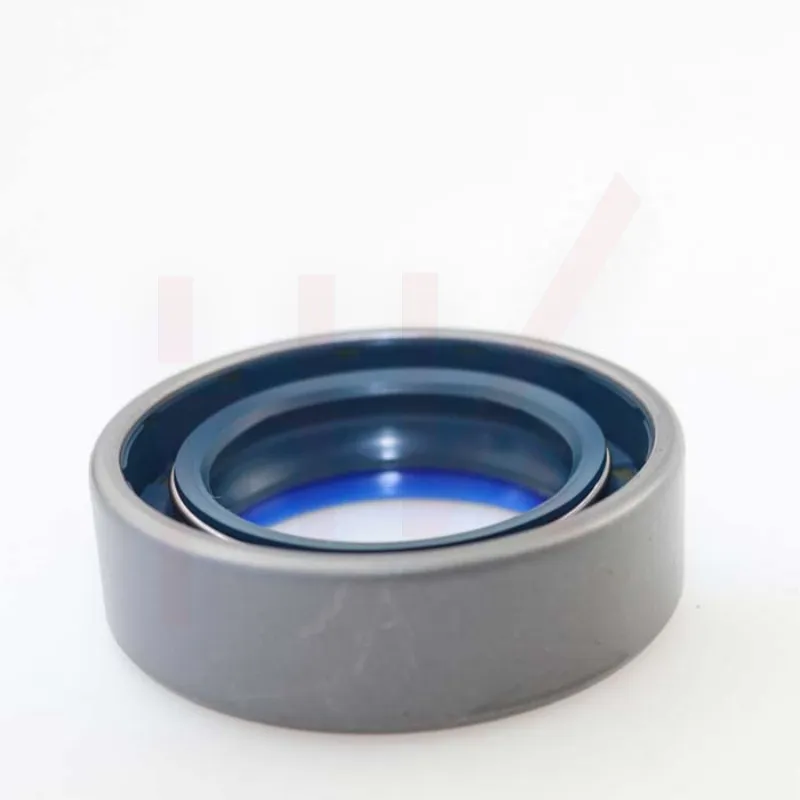
45*65*15 Combi oil seal JCB 90450009 COMBI SF1 SEAL
-
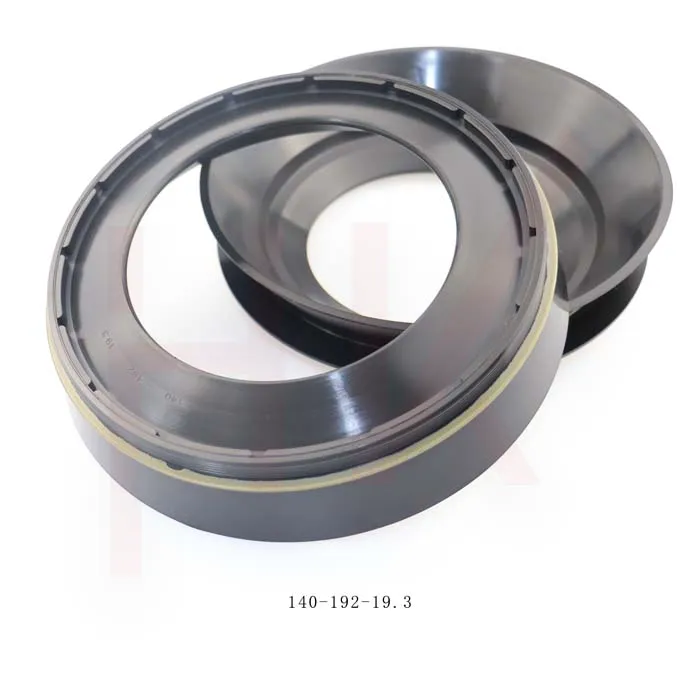
Gear box concrete mixer oil seal 140*192*19.3 nbr reducer oil seal
-
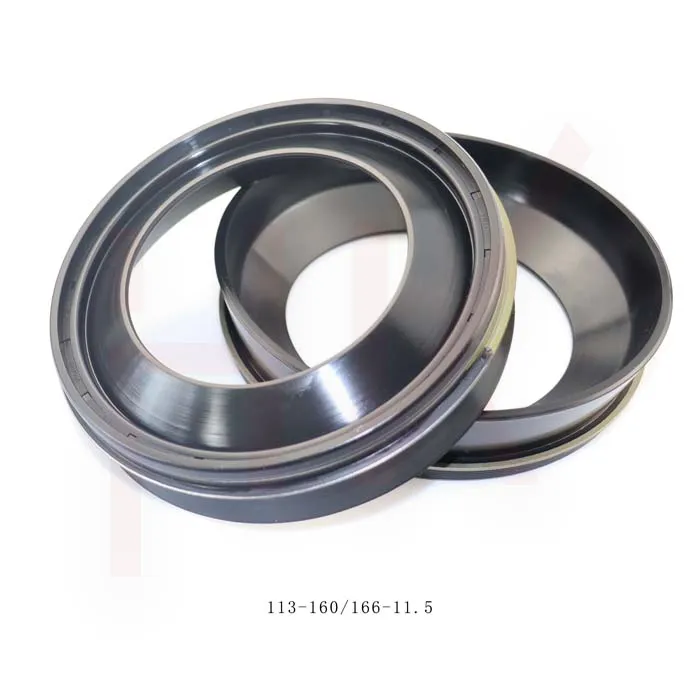
Seals factory direct sales 113*160/166*11.5/38 excavator truck reducer oil seal