Jun . 18, 2026 04:05 Back to list
Comprehensive Guide to Hydraulic Cylinder Oil Seal Price Factors
Understanding Hydraulic Cylinder Oil Seal Price: A Complete Buyer's Guide
When maintaining industrial machinery, understanding the factors that influence the hydraulic cylinder oil seal price is essential for balancing operational costs with equipment longevity. A seal may seem like a small component, but its failure can lead to catastrophic pressure loss, expensive downtime, and environmental hazards. Whether you are procuring for a single machine or managing a fleet of hydraulic systems, knowing how to evaluate price versus performance is key to maximizing your ROI. In this guide, we will break down the pricing structures and technical considerations to help you make an informed purchasing decision.

What Factors Influence the Hydraulic Cylinder Oil Seal Price?
The cost of a seal is rarely fixed and depends on several critical variables. First, the material composition plays a massive role; high-performance polymers like Polyurethane (PU) or Fluorocarbon (FKM) cost more than standard Nitrile (NBR) because they withstand higher temperatures and harsher chemicals. Second, the precision and tolerance required for the seal affect the manufacturing cost. Tight tolerances ensure a leak-proof fit but require more advanced machining. Finally, the volume of the order significantly impacts the unit price, as bulk procurement allows manufacturers to optimize production runs. When searching for a competitive hydraulic cylinder oil seal price, always consider the total cost of ownership, including the interval between replacements.
Price Drivers: Material grade (NBR vs FKM), Dimensional complexity, Pressure rating requirements, and Order quantity.
Comparing Seal Materials and Their Impact on Price
Choosing the wrong material to save on the initial hydraulic cylinder oil seal price often leads to premature failure. For instance, NBR is cost-effective for general use, but in high-heat environments, it will degrade rapidly, leading to leaks. In contrast, Viton (FKM) offers superior thermal stability but comes at a premium. The table below illustrates how different materials correlate with price and application suitability.
How to Analyze the Hydraulic Cylinder Oil Seal Price vs. Quality
In the global market, you will find a vast range of prices. A suspiciously low hydraulic cylinder oil seal price often indicates the use of recycled rubber or inferior fillers, which drastically reduces the seal's lifespan. Quality seals undergo rigorous testing for compression set and tensile strength. When comparing quotes, ask for material certification (TDS) and warranty terms. Investing in a high-quality seal from a reputable manufacturer like HKAI Seal may cost 20% more upfront but can reduce the frequency of maintenance by 50%, significantly lowering your long-term operating expenditure.

Technical Specifications Influencing Your Quote
To get an accurate hydraulic cylinder oil seal price, you must provide precise technical specifications. Ambiguous requirements lead to "safe" pricing—where suppliers quote the highest possible price to cover unknown risks. Key specifications include the inner diameter (ID), outer diameter (OD), height, and the maximum operating pressure. Below is a standard specification table used for quoting professional hydraulic seals.
Procurement Strategies for Optimizing Seal Costs
To optimize your spending, move away from emergency "spot buying" and transition to a planned maintenance schedule. Spot buying often results in higher hydraulic cylinder oil seal price due to urgent shipping and lack of volume discounts. By establishing a long-term partnership with a specialized supplier, you can secure contract pricing and ensure a consistent supply of high-quality seals. Additionally, implementing a "seal kit" approach—where all seals for a cylinder are replaced at once—reduces labor costs and prevents the common issue of a new seal failing because an old, worn-out secondary seal was left in place.
The Environmental and Economic Cost of Cheap Seals
It is tempting to choose the lowest quote, but the hidden costs of cheap seals are staggering. Oil leakage not only wastes expensive hydraulic fluid but can lead to soil and water contamination, resulting in heavy regulatory fines. Furthermore, a leaking cylinder loses efficiency, forcing the pump to work harder and increasing energy consumption. When you analyze the true hydraulic cylinder oil seal price, you must include the cost of leaked oil, energy loss, and the labor required for frequent repairs. In almost every industrial scenario, high-quality seals prove to be the most economical choice over a 24-month period.
Conclusion: Balancing Quality and Price for Peak Performance
Determining the right hydraulic cylinder oil seal price requires a shift in perspective from "lowest cost" to "best value." By considering material compatibility, precise technical specs, and long-term durability, you can protect your equipment and your bottom line. High-quality seals ensure that your hydraulic systems operate at peak efficiency with minimal downtime. Choose a partner who provides transparent pricing and technical expertise to ensure your machinery remains productive for years to come.
Frequently Asked Questions (FAQs)
Why is there such a large difference in hydraulic cylinder oil seal price between brands?
The price variance is typically driven by three factors: material purity, manufacturing precision, and brand reliability. Premium brands use virgin polymers and high-precision CNC molding, which ensures a perfect seal and a longer lifespan. Cheap alternatives may use recycled materials or less precise molds, which can lead to immediate leaks or premature wear. When you pay a higher price for a reputable seal, you are paying for the assurance that the component will perform under extreme pressure and temperature without failing.
Can I reduce the cost by using a standard size instead of a custom seal?
Yes, using standard sizes can significantly lower the hydraulic cylinder oil seal price because these are mass-produced and do not require custom tooling or molds. However, this is only recommended if the standard size fits within the original equipment manufacturer (OEM) tolerances. If a seal is slightly too loose or too tight, it will either leak or cause excessive friction, leading to cylinder damage. Always verify the exact dimensions before opting for a standard alternative.
How does the order quantity affect the unit price of seals?
In the sealing industry, the setup cost (preparing the machine, loading the material, and quality checking the first piece) is a significant portion of the cost. For small orders, this setup cost is spread across a few pieces, making the unit price higher. For bulk orders, the setup cost becomes negligible. By ordering a year's supply of seals at once, companies can often reduce the unit hydraulic cylinder oil seal price by 15% to 30% compared to buying small quantities monthly.
Will a more expensive seal really reduce my maintenance costs?
Absolutely. The cost of the seal itself is a tiny fraction of the total maintenance cost. The real expense lies in the labor to disassemble the cylinder, the cost of lost production (downtime), and the waste of hydraulic oil. A high-quality seal that lasts 24 months instead of 6 months effectively reduces your maintenance labor and downtime by 75%. When calculating your budget, always look at the "cost per hour of operation" rather than the "price per seal."
-
A8VO140 Hydraulic Piston Pump Repair Parts Kit Complete Overhaul Kit for Rexroth A8VO140 Excavator: Buyer FAQs
NewsNov.05,2026
-
What Is the Function of Oil Seal? FAQ
NewsOct.30,2026
-
High Pressure TCN Seal Solutions for Industrial Machinery
NewsJul.01,2026
-
High Performance TCN Type Oil Seal for Industrial Machinery
NewsJun.29,2026
-
High Pressure Oil Seal TCN for Industrial Sealing Solutions
NewsJun.27,2026
-
Industrial High Speed Rotary Shaft Seals Performance Guide
NewsJun.26,2026
-
High Pressure Oil Rail Seal Kit Guide for Industrial Machinery
NewsJun.25,2026
Products categories
-
Standard oil seal BP0494 High pressure TCN oil seal
-
Hydraulic pump seal AP4624G high pressure TCN oil seal
-
0734307418 0750112169 120*165*10/14.8 concrete mixer reducer oil seal
-
35*52*16 Standard Wheel Hub Oil Seal For Agricultural Machinery
-
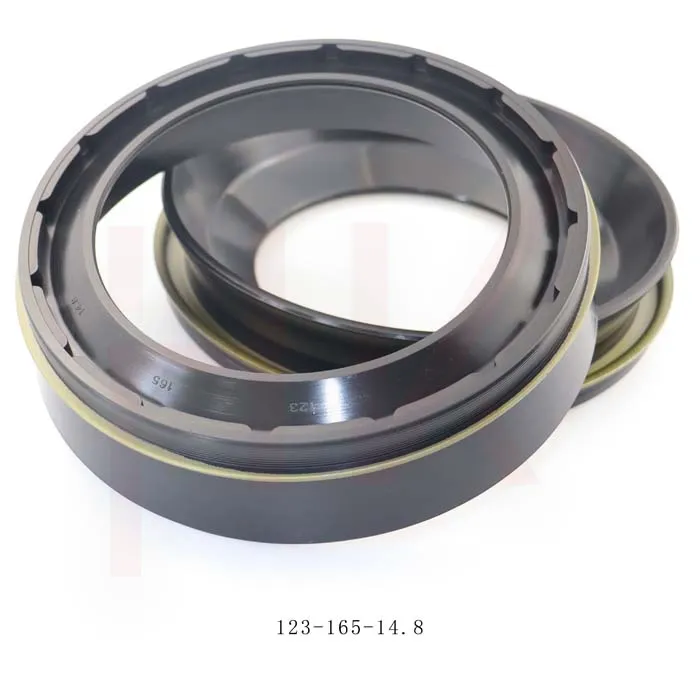
123*165*14.8 concrete mixer truck reducer oil seal
-
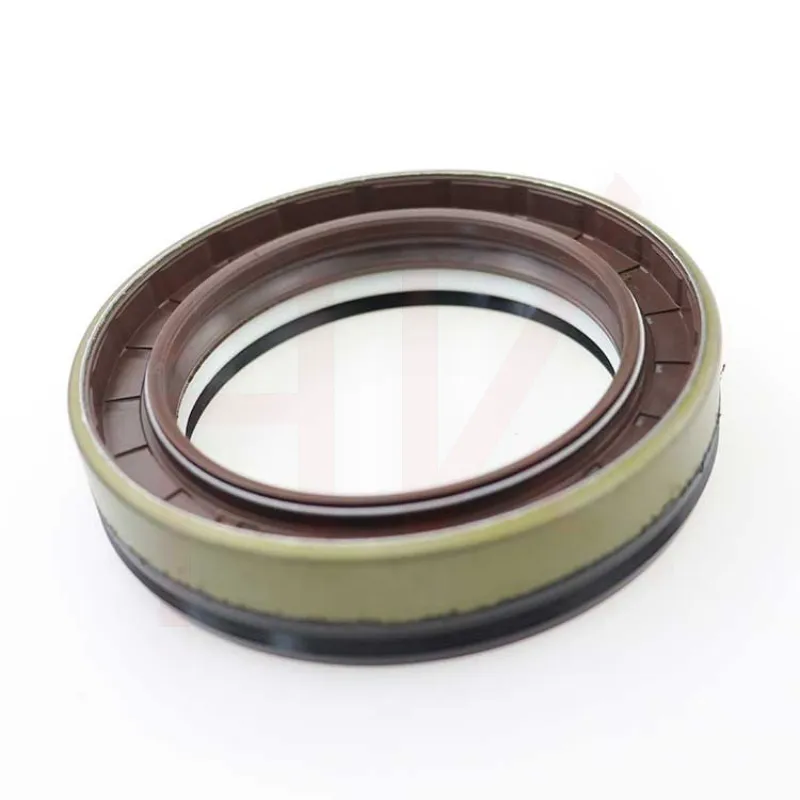
Tractor shaft oil seal 65-90-20 COMBI SF19 hub oil seal
-
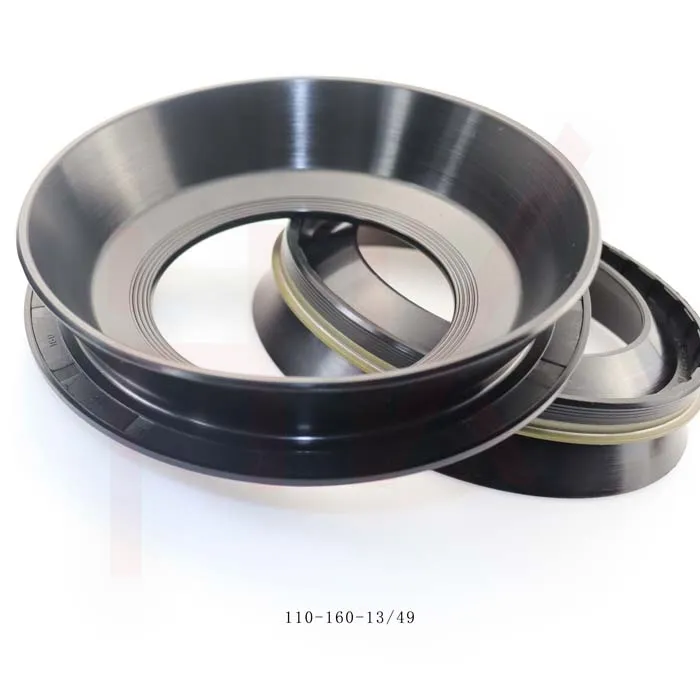
110*160*13/49 NBR reducerConcrete mixer truck oil seal
-
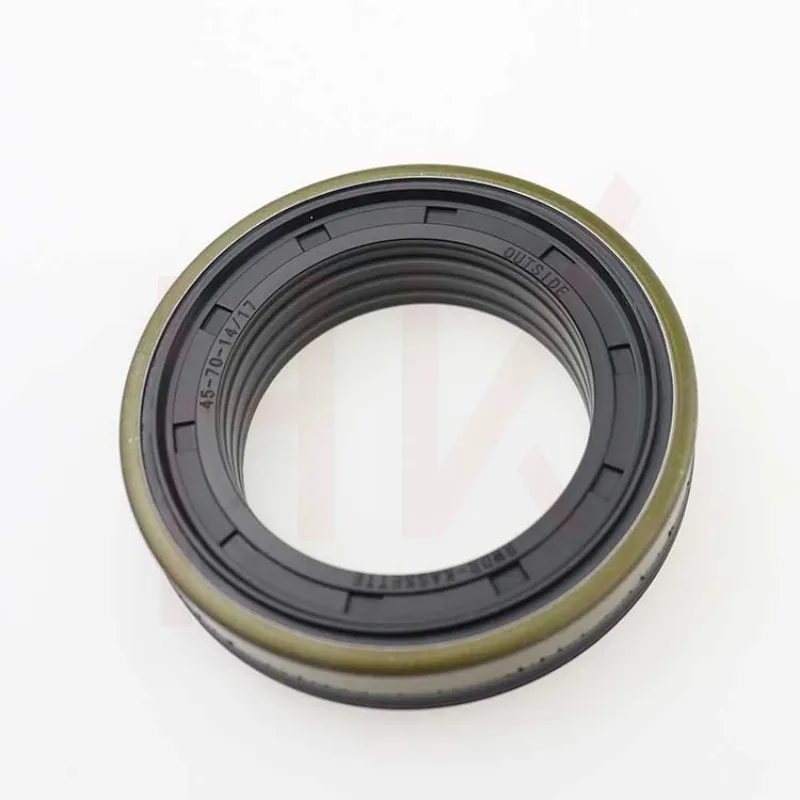
Hub oil seal 40*65*13/14.5 suitable for tractor Cat 12018035b
-
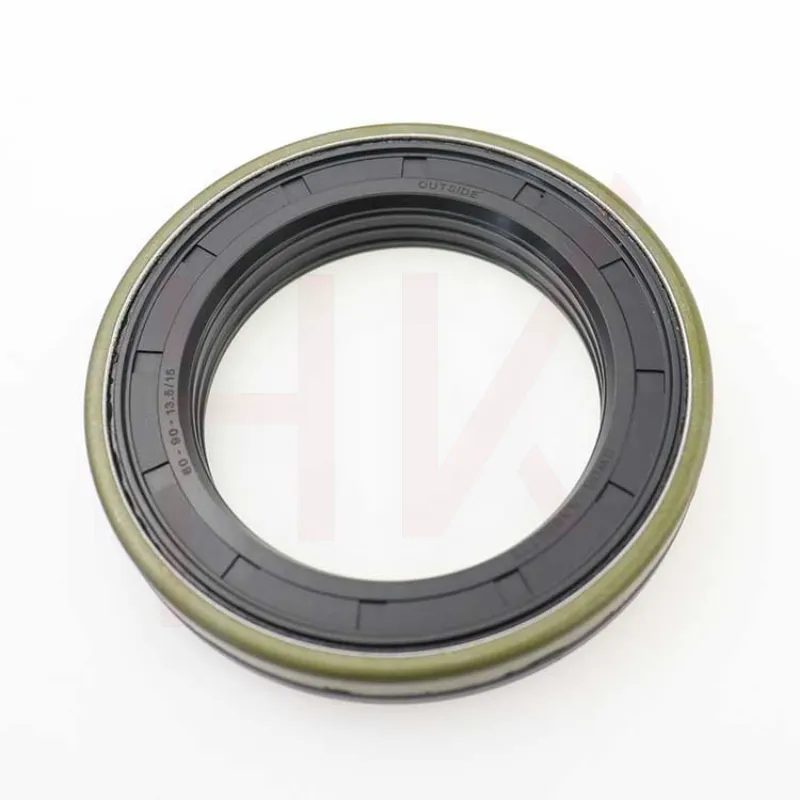
Tractor accessories cassette oil seal hub oil seal 60-90-13.5/15
-
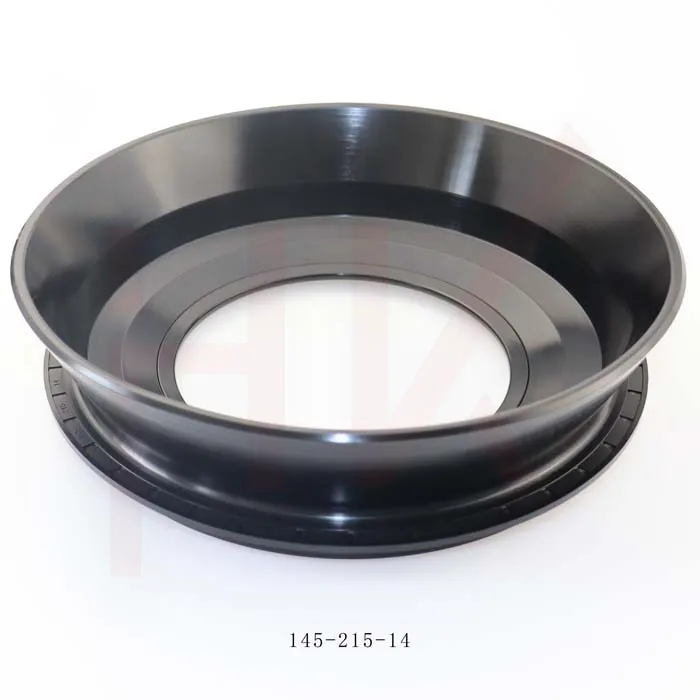
Factory concrete mixer truck oil seal 145*215*14 reducer gearbox oil seal
-
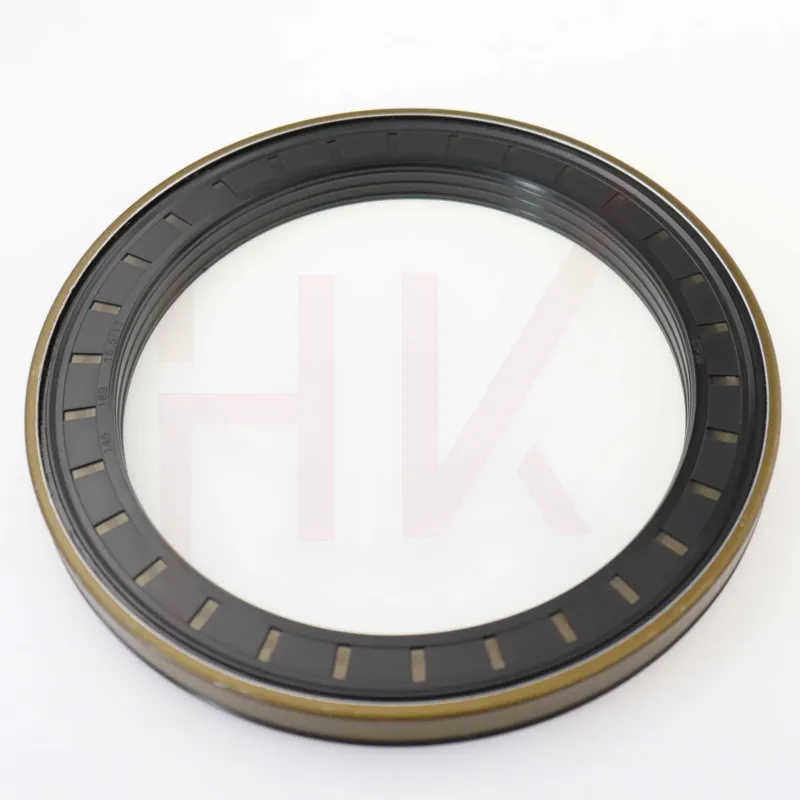
145*189*15.5/17 Cassette Seal NBR Hub Oil Seal 1508044
-
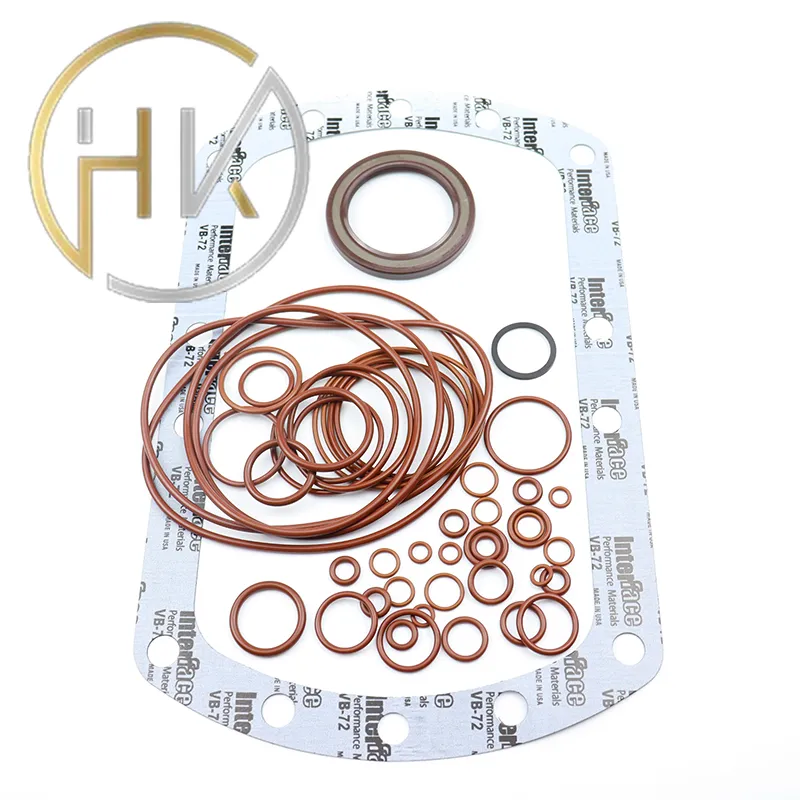
Factory direct sales hydraulic pump motor seal kit A8VO140
-
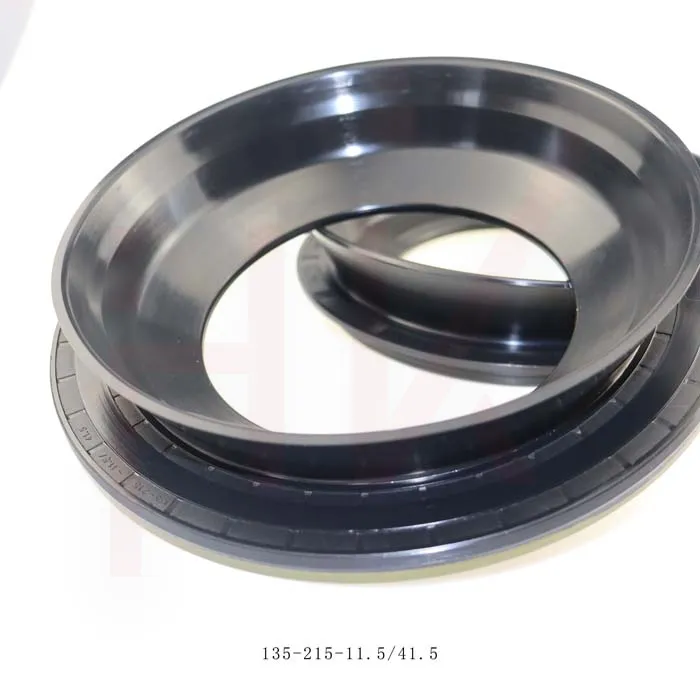
Brand new cement tanker oil seal 135*215*11.5/41.5 concrete mixer oil seal
-
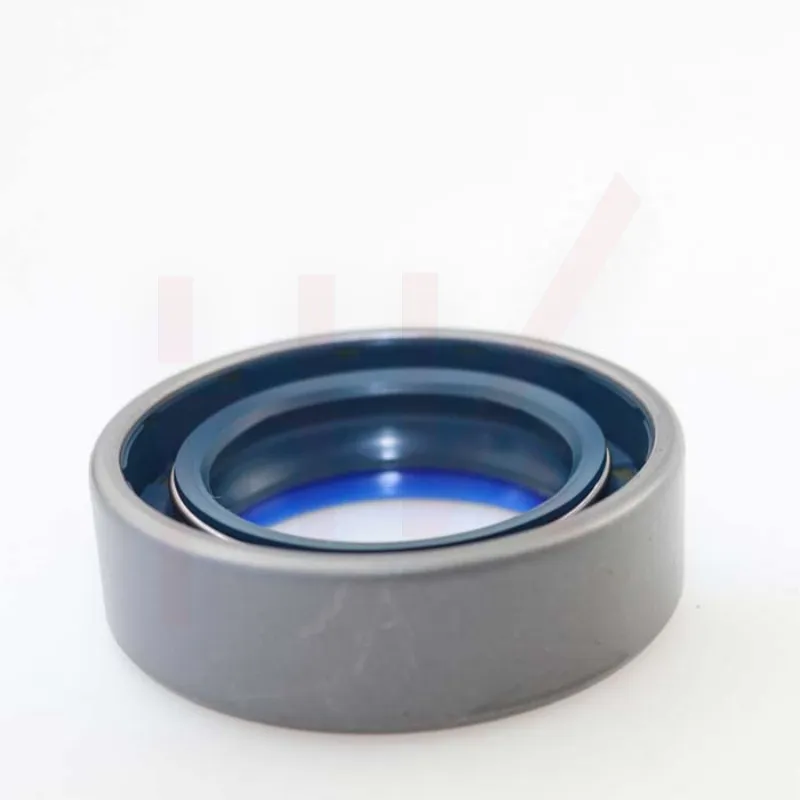
45*65*15 Combi oil seal JCB 90450009 COMBI SF1 SEAL
-

A4VG56 Seal Kit Hydraulic Piston Pump Repair Kit for Rexroth A4VG56 Pump Overhaul Service Kit Excavator Hydraulic Parts,40*67*7,R902002388/2593306F
-

12018740,2780603201,ZTAM-00716,148*170*14 Cassette Wheel Hub Oil Seal RWDR-Kombi NBR Oil Seal for Tractor Construction Machinery Axle Hub Seal