
Dec . 02, 2025 16:14 Back to list
Comprehensive Guide to 40x52x7 Oil Seal: Specifications, Applications & Trends
Understanding the 40x52x7 Oil Seal and Its Global Importance
If you’re wondering why a 40x52x7 oil seal keeps popping up in industrial specs and maintenance conversations, you’re in the right place. This tiny yet crucial component is a linchpin in modern machinery, helping seal oils and lubricants inside rotating shafts—preventing leaks, contamination, and costly breakdowns.
Globally, industries from automotive to manufacturing rely heavily on these seals. According to reports by the International Organization for Standardization (ISO), almost 40% of mechanical failures in rotating equipment come from seal failures. That’s huge when you realize these failures lead to downtime, environmental hazards, and expensive repairs. Understanding the 40x52x7 oil seal means comprehending a small but vital piece of the vast machinery puzzle that powers much of today’s industry and infrastructure.
What’s the Big Deal About the 40x52x7 Oil Seal?
This specific dimension—40x52x7—refers to the inner diameter, outer diameter, and thickness (all in millimeters). So, it’s a pretty standardized size, often used in transmissions, gearboxes, pumps, and a fair bit of automotive machinery worldwide. The seal’s job? Keeping lubricating oil inside while keeping dirt, moisture, and other contaminants out. Reliability here isn’t just about machine health; it’s about safety and environmental protection, frankly.
Key Factors That Define the 40x52x7 Oil Seal
Durability
These seals are typically made from high-grade nitrile rubber (NBR), fluorocarbon (FKM/Viton), or silicone, each chosen for temperature tolerance and chemical resistance. Durability really depends on the operating environment. For example, in harsh industrial settings, FKM seals may last longer due to their resistance to heat and oils.
Fit and Precision
The exact dimensions—40mm inner diameter, 52mm outer diameter, and 7mm thickness—ensure a snug fit. Too loose, and the seal leaks; too tight, and it wears out prematurely. It’s precision engineering at a micro level.
Temperature and Pressure Resistance
Depending on the design, these seals operate effectively between -40°C to 150°C and tolerate moderate pressure ranges. This makes them indispensable in engines and hydraulic systems where thermal cycles and pressure shifts are par for the course.
Material Compatibility
Choosing the right material depends on the type of lubricant—whether mineral oil, synthetic oil, water, or steam. The wrong selection can cause swelling, cracking, or early failure.
40x52x7 Oil Seal Specifications
| Specification | Details |
|---|---|
| Inner Diameter | 40 mm |
| Outer Diameter | 52 mm |
| Thickness | 7 mm |
| Common Material | Nitrile Rubber, FKM, Silicone |
| Temperature Range | -40°C to 150°C |
| Typical Applications | Automotive, Pumps, Gearboxes, Industrial Machinery |
Global Applications and Industry Use Cases
The 40x52x7 oil seal is everywhere—even if you don’t see it. Automotive manufacturers from Germany to Japan specify this size in their transmissions. Hydraulic equipment in Southeast Asia uses it to keep oil in and contaminants out in humid environments. Even the energy sector in Scandinavia depends on these seals to maintain wind turbines under harsh cold.
Oddly enough, post-disaster relief operations—like in earthquake-hit regions—use machinery fitted with these seals to keep generators and pumps running reliably. NGOs and engineers know that reliable sealing keeps machines working longer without breakdown, which is critical when every hour of power counts.
Vendor Comparison: 40x52x7 Oil Seal Suppliers
| Supplier | Material Options | Price Range (per unit) | Lead Time | Certifications |
|---|---|---|---|---|
| HKA Iseal | NBR, FKM, Silicone | $1.00 - $1.50 | 1-2 weeks | ISO 9001, RoHS |
| SealPro Industries | NBR only | $0.90 - $1.20 | 2-3 weeks | ISO 9001 |
| Global Seals Co. | FKM, Silicone | $1.50 - $2.00 | 3 days - 1 week | ISO 9001, API |
Why Choose 40x52x7 Oil Seals? Key Advantages
- Cost efficiency: Their standardized size means they’re affordable and easy to replace when compared to custom seals.
- Reliability: Preventing fluid leaks reduces machine downtime and environmental damage.
- Sustainability: Selecting the right seal material extends machinery lifespan, cuts waste, and helps reduce carbon footprints.
- Safety: Proper seals prevent lubricant contamination that can cause fires or accidents in industrial settings.
In essence, these seals might be modest in appearance but huge in impact. You know, it feels like they embody a perfect blend of engineering precision and practical necessity.
Future Trends and Emerging Innovations
Looking ahead, the 40x52x7 oil seal isn’t standing still. Material science is advancing with bio-based rubber and greener manufacturing processes. Digital manufacturing techniques, like 3D printing molds, allow for rapid prototyping of specialized seals, particularly for extreme conditions in aerospace or renewable energy sectors.
There’s also growing interest in smart seals equipped with sensors to detect early leaks or temperature spikes — the sort of innovation that could revolutionize predictive maintenance strategies worldwide.
Common Challenges and Expert Solutions
Despite these advantages, users often struggle with premature wear caused by improper installation or incompatible lubricants. Frankly, the challenging environments some seals operate in—dust, dirt, salt spray—push their limits.
Experts suggest training technicians meticulously and investing in high-quality seals tailored to specific applications. Some manufacturers now offer custom seals with enhanced lip geometry or special coating that resists wear and chemical attack better than generic options.
FAQ: Frequently Asked Questions About 40x52x7 Oil Seal
1. What types of oils are compatible with a 40x52x7 oil seal?
Generally, nitrile seals are suitable for mineral and synthetic oils, while fluorocarbon (FKM) seals handle a wider range of oils, including those with higher temperatures or aggressive chemicals. Always check manufacturer specs to ensure proper compatibility.
2. How often should a 40x52x7 oil seal be replaced in automotive applications?
Replacement intervals vary based on vehicle use and conditions but typically range between 50,000 to 100,000 miles. Signs like oil leakage or unusual noises suggest immediate inspection and possible replacement.
3. Can I reuse a 40x52x7 oil seal after removing it?
It’s generally not recommended. Removing a seal often damages its lips or distorts its shape, compromising its sealing ability. Installing a new seal is safer and more cost-effective long-term.
4. What are the installation best practices for these seals?
Clean the shaft and bore thoroughly, use proper tools to avoid lip damage, lubricate the seal before installation, and ensure the seal sits evenly without tilting or distortion.
5. Where can I purchase high-quality 40x52x7 oil seals?
Trusted suppliers like HKA Iseal offer a variety of materials and quick delivery options suitable for different industries.
Wrapping Up: Why the 40x52x7 Oil Seal Matters
To sum up, the humble 40x52x7 oil seal plays a powerful role in maintaining machine efficiency, safety, and sustainability worldwide. Whether in automotive, manufacturing, or energy sectors, it’s one of those quietly indispensable parts that keep the wheels turning. If you’re looking to source reliable seals or just want to learn more about how they operate, I suggest visiting HKA Iseal — they really know their stuff.
Keep an eye on evolving materials and smart seal tech moving forward, because — honestly — there’s more to these little rings than meets the eye.
Mini takeaway: Even the smallest components, like a 40x52x7 oil seal, have outsized impacts on industries and sustainability worldwide. Understanding their nuances empowers smarter, safer engineering decisions.
References
-
Guide to Choosing the Right High Quality hydraulic ram kit
NewsApr.16,2026
-
Premium Hydraulic Cylinder Packing Kits for Peak Performance
NewsApr.09,2026
-
Comprehensive Guide to Hydraulic Cylinder Oil Seal Kits for Optimal Performance
NewsApr.07,2026
-
Comprehensive Guide to Choosing the Right Cylinder Seal Kits for Peak Performance
NewsApr.04,2026
-
Comprehensive Guide to Seal Kits for Cylinders Ensuring Optimal Performance
NewsMar.31,2026
-
Comprehensive Guide to Hyd Cylinder Seals for Optimal Hydraulic System Performance
NewsMar.28,2026
-
Comprehensive Guide to Hyd Cylinder Seal Kit Selection and Installation
NewsMar.26,2026
Products categories
-
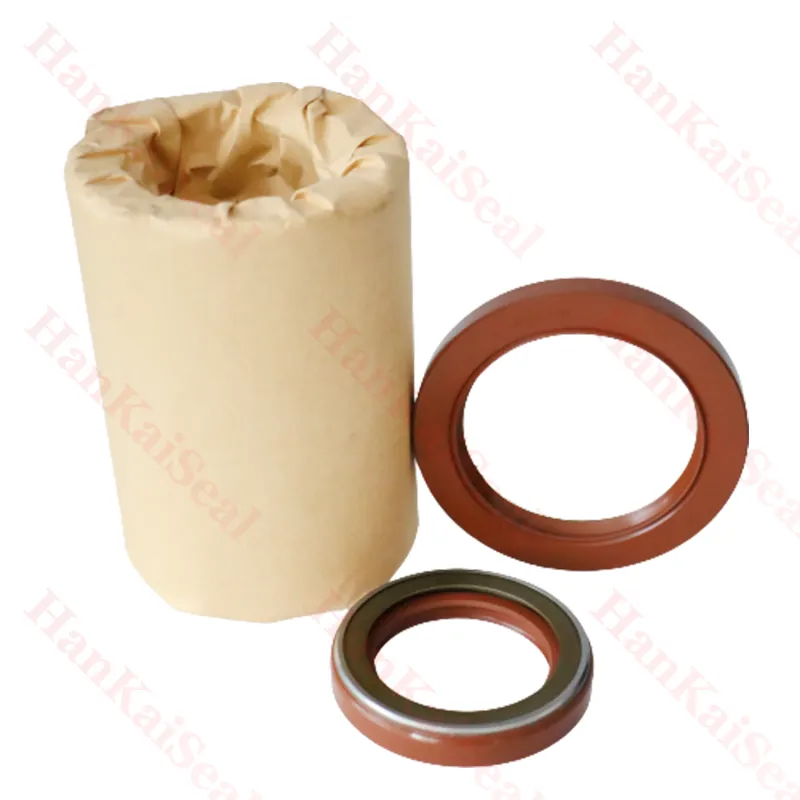
Standard oil seal BP0494 High pressure TCN oil seal
-
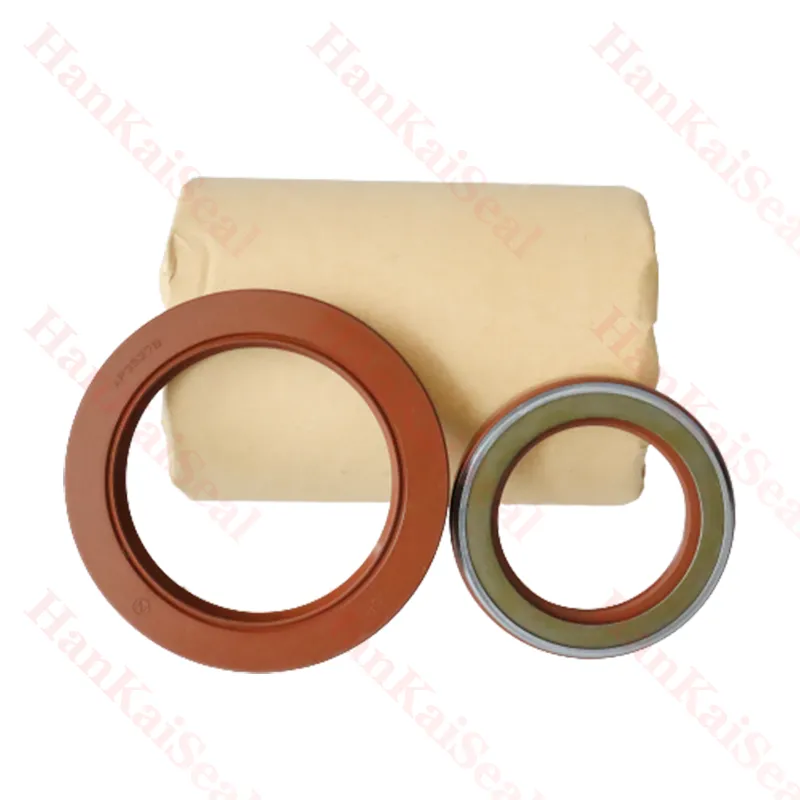
Hydraulic pump seal AP4624G high pressure TCN oil seal
-
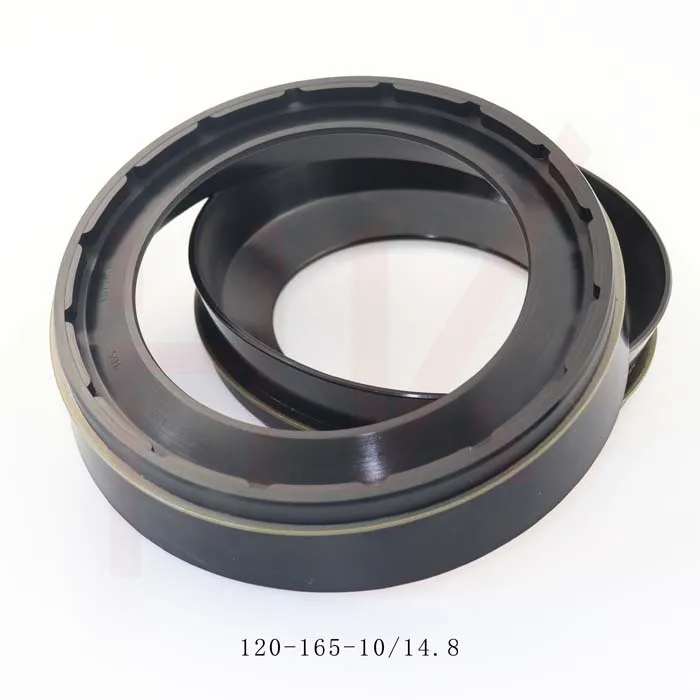
0734307418 0750112169 120*165*10/14.8 concrete mixer reducer oil seal
-
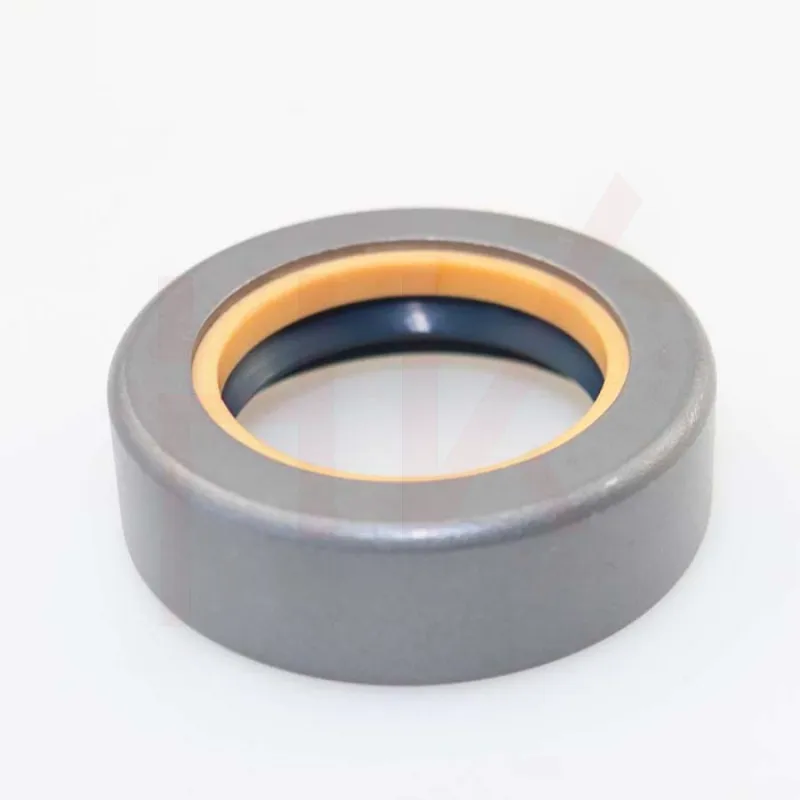
35*52*16 Standard Wheel Hub Oil Seal For Agricultural Machinery
-
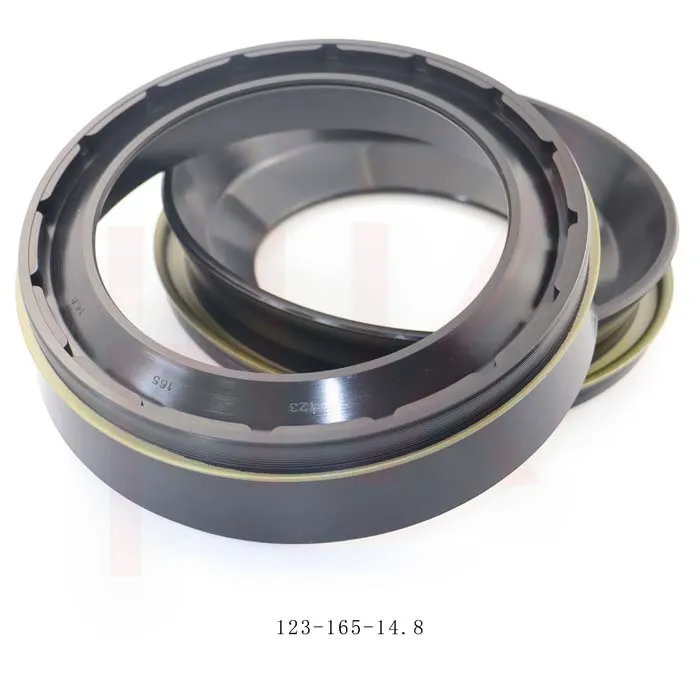
123*165*14.8 concrete mixer truck reducer oil seal
-
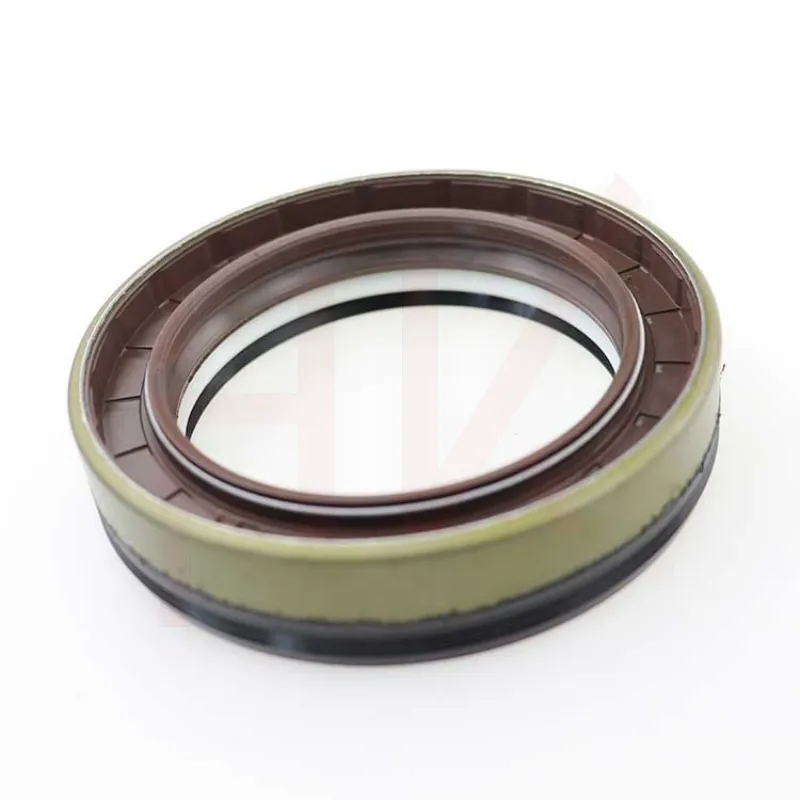
Tractor shaft oil seal 65-90-20 COMBI SF19 hub oil seal
-
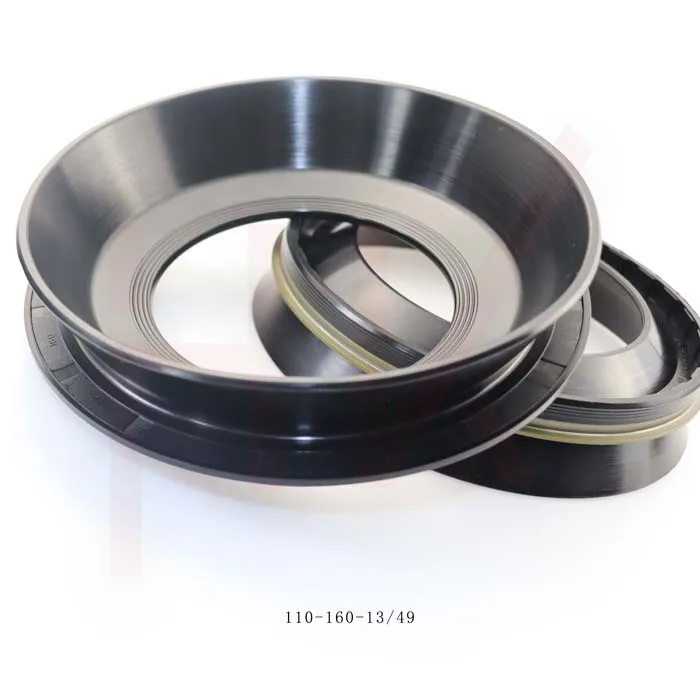
110*160*13/49 NBR reducerConcrete mixer truck oil seal
-
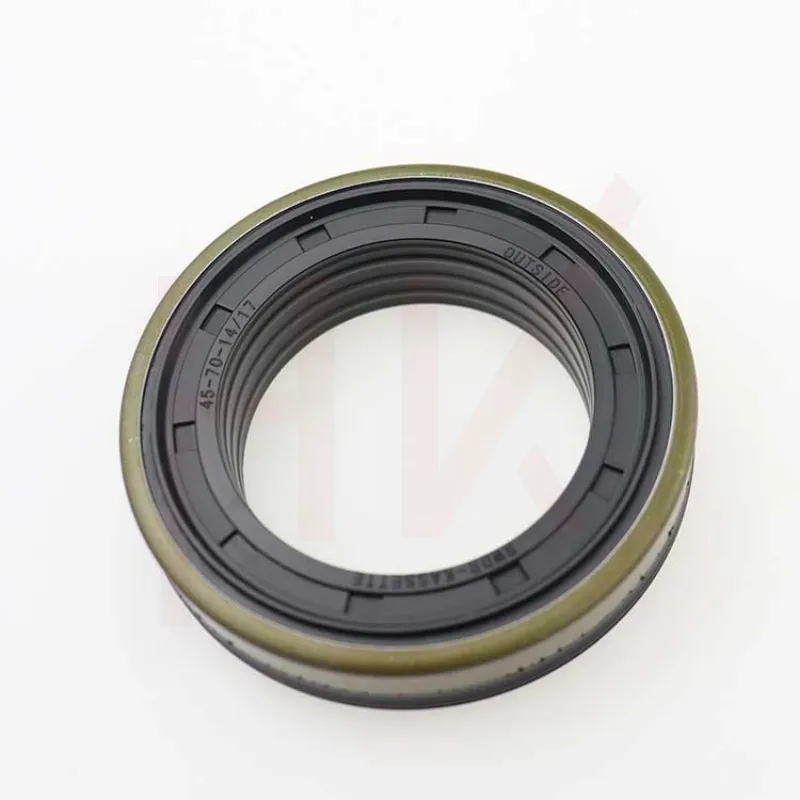
Hub oil seal 40*65*13/14.5 suitable for tractor Cat 12018035b
-
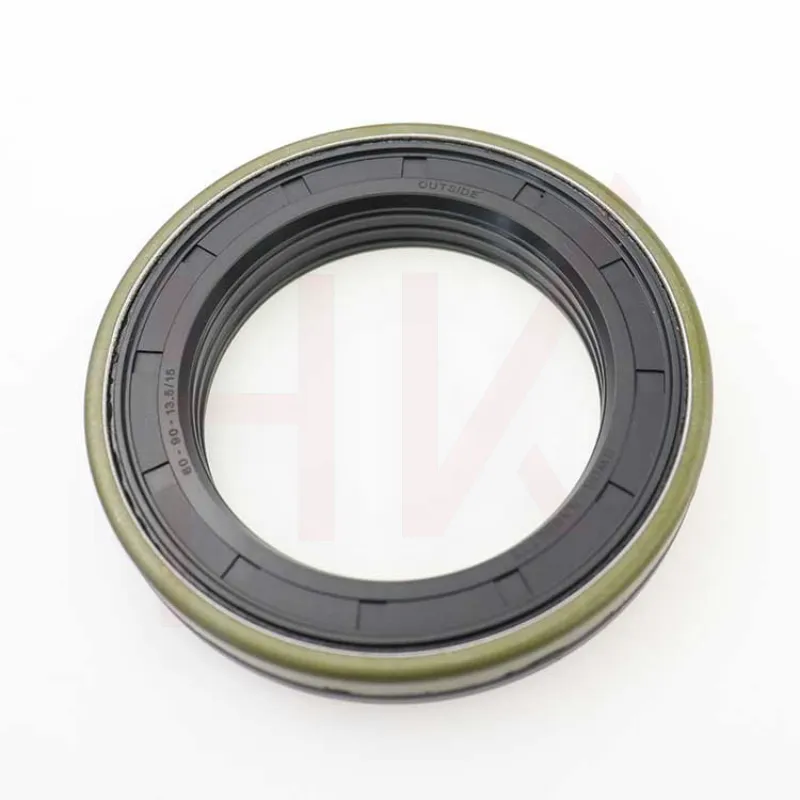
Tractor accessories cassette oil seal hub oil seal 60-90-13.5/15
-
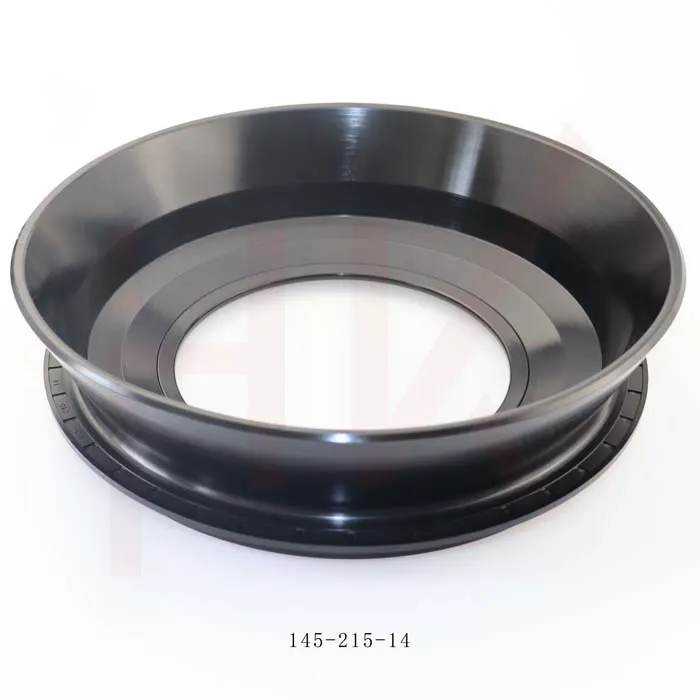
Factory concrete mixer truck oil seal 145*215*14 reducer gearbox oil seal
-
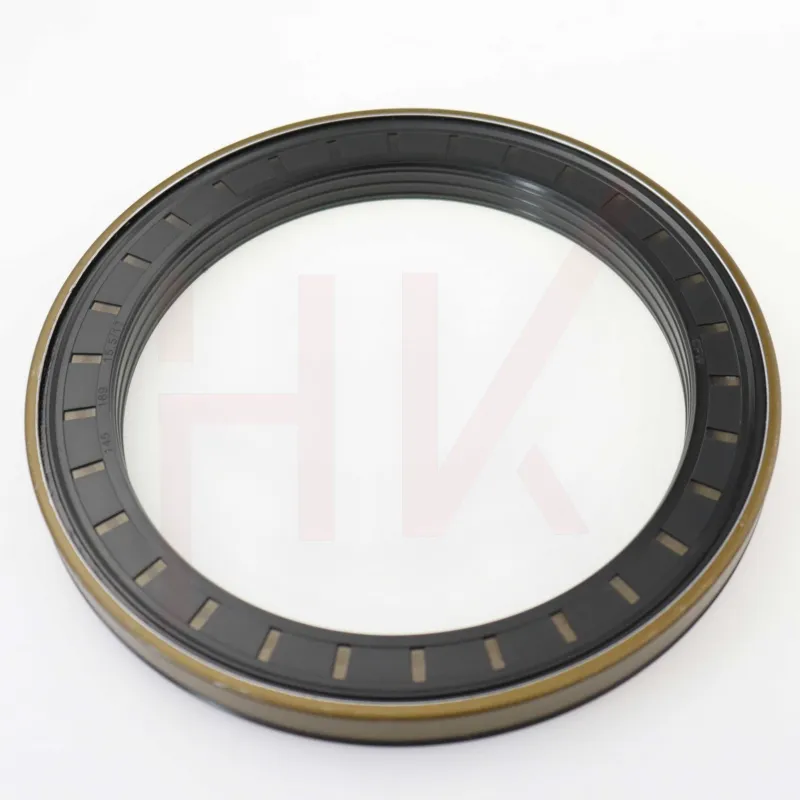
145*189*15.5/17 Cassette Seal NBR Hub Oil Seal 1508044
-
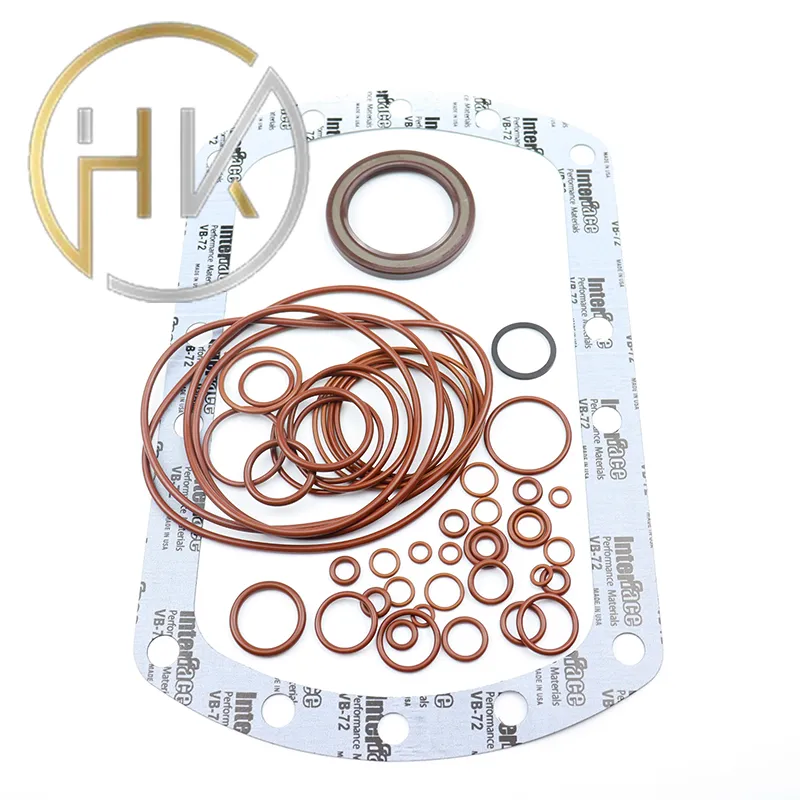
Factory direct sales hydraulic pump motor seal kit A8VO140
-
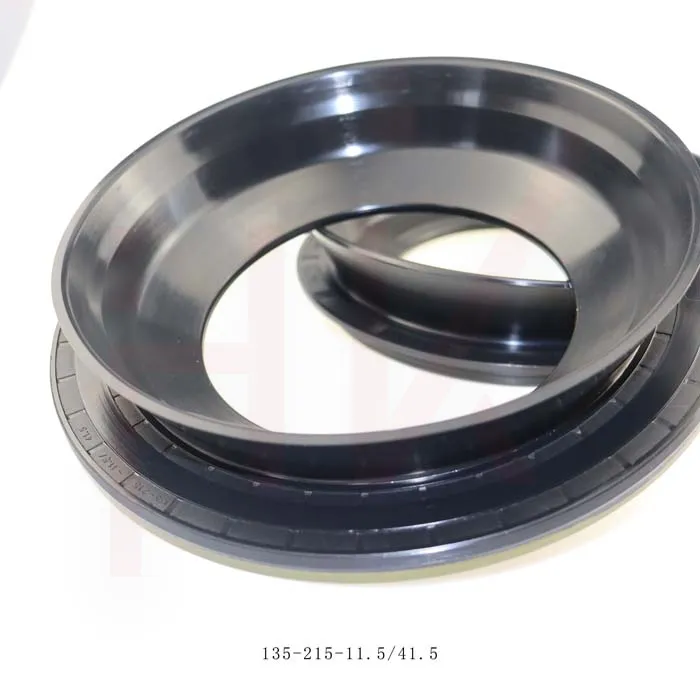
Brand new cement tanker oil seal 135*215*11.5/41.5 concrete mixer oil seal
-
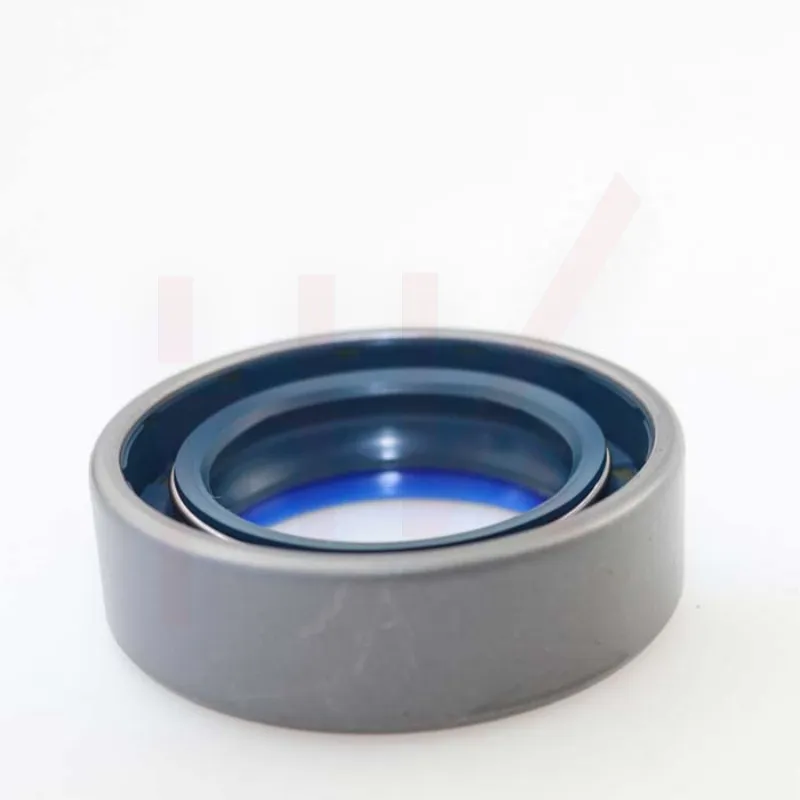
45*65*15 Combi oil seal JCB 90450009 COMBI SF1 SEAL
-
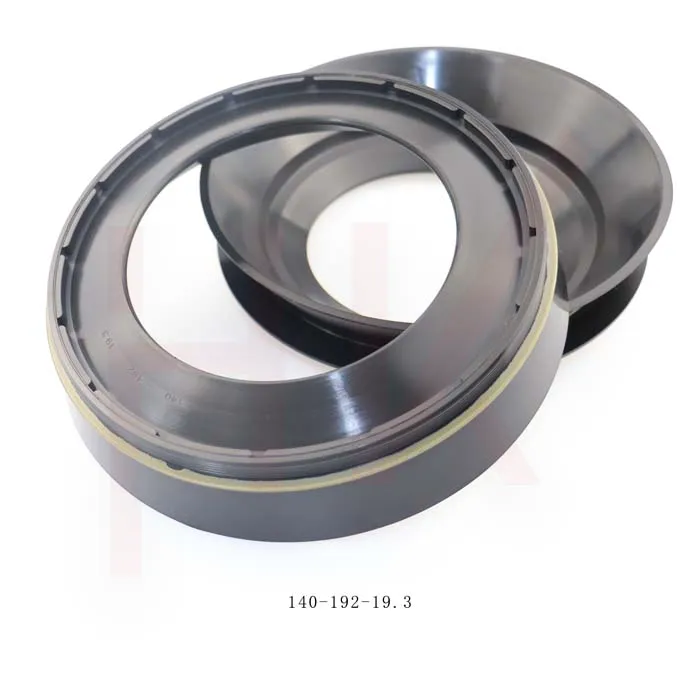
Gear box concrete mixer oil seal 140*192*19.3 nbr reducer oil seal
-
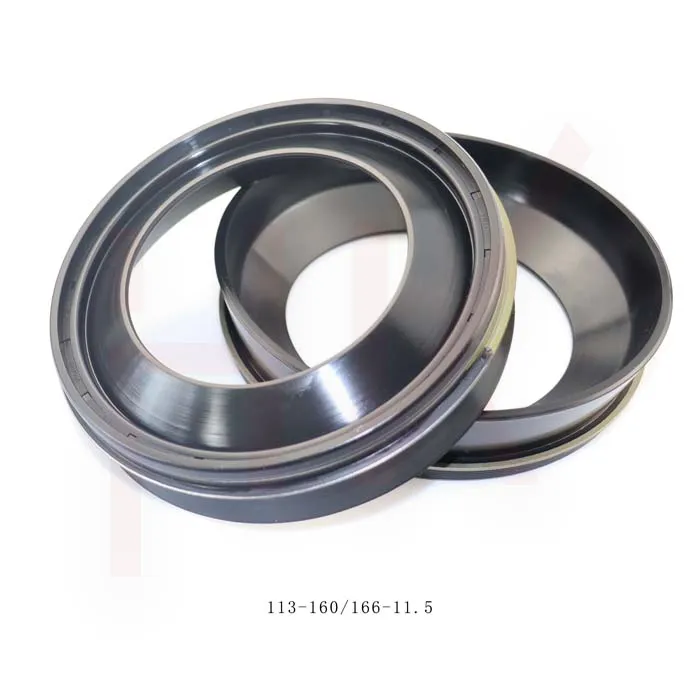
Seals factory direct sales 113*160/166*11.5/38 excavator truck reducer oil seal