
Dec . 02, 2025 15:44 Back to list
Comprehensive Guide to 35x47x7 Oil Seal: Specs, Applications & Future Trends
Understanding the 35x47x7 Oil Seal: Essential Component for Global Industry
If you’ve ever wondered what keeps machines humming smoothly—especially in sectors like automotive, manufacturing, or heavy industry—the answer often comes down to small parts with big jobs. The 35x47x7 oil seal is one such unsung hero. This modest-sized sealing device may seem trivial at first glance, but it plays a crucial role in maintaining mechanical integrity worldwide. Given the rise of automation and stringent industry standards, knowing about this type of oil seal isn’t just practical—it’s essential.
Global Context: Why the 35x47x7 Oil Seal Matters
Across industries, machine uptime is key to productivity and safety. According to the International Organization for Standardization (ISO), effective sealing solutions have a direct impact on reducing environmental contamination and extending equipment life span. The 35x47x7 oil seal is a standard dimension widely used in pumps, gearboxes, motors, and even aerospace applications. In a world increasingly leaning on machinery—from developing regions modernizing manufacturing to established economies improving sustainability—the role of reliable seals is neither glamorous nor optional.
Oddly enough, one stumbling block in many operations is leakage, which can cause costly downtime, environmental hazards, and worse, safety risks. So here’s where understanding the 35x47x7 oil seal becomes a business advantage.
What is a 35x47x7 Oil Seal?
In simple terms, an oil seal is a mechanical gasket designed to retain lubricants and exclude contaminants. The numbers 35x47x7 represent the seal’s dimensions—35mm inner diameter, 47mm outer diameter, and 7mm width. Think of it as a tiny yet vital barrier that prevents oil leakage around rotating shafts. Without it, machines would quickly suffer wear, overheating, or failure.
This petite component is a linchpin for industries ranging from automotive to agriculture, enabling machines to operate smoothly even under harsh conditions.
Key Components and Factors in 35x47x7 Oil Seals
Material Quality
Most oil seals use nitrile rubber, silicone, or fluoroelastomer to achieve flexibility and chemical resistance. Material selection determines temperature tolerance, wear resilience, and sealing effectiveness.
Seal Lip Design
The seal lip is where the magic happens—it’s the interface that presses against the shaft to prevent leaks. Some seals feature single or double lips, and the geometry here affects sealing reliability and friction.
Spring Tension
A garter spring often reinforces the seal lip to maintain consistent pressure on the shaft. This ensures lasting contact even with shaft misalignments or vibrations.
Dimensions & Tolerances
Precision is everything. A 35x47x7 oil seal must match shaft and bore dimensions tightly to prevent leakage or premature wear.
Compatibility with Lubricants
Different machines use various lubricants—petroleum-based, synthetic, or biodegradable. Compatibility affects the seal’s longevity.
35x47x7 Oil Seal Product Specifications
| Specification | Details |
|---|---|
| Inner Diameter (ID) | 35 mm |
| Outer Diameter (OD) | 47 mm |
| Width | 7 mm |
| Material | Nitrile Rubber (NBR), FKM Option Available |
| Temperature Range | -40°C to +120°C |
| Max Speed | Up to 10 m/s shaft speed |
| Applications | Automotive, Agricultural, Industrial Pumps, Electric Motors |
Global Applications and Use Cases
These seals are genuinely global workhorses. In Europe, precision manufacturing plants rely on 35x47x7 oil seals for their gearboxes and electric motors. In Asia, they’re indispensable in agricultural machinery, helping farmers protect equipment from muddy and dusty environments.
In North America, the automotive sector leans heavily on these seals for components that demand high reliability and extended maintenance intervals. Meanwhile, in remote industrial zones—think mining operations in Australia or Siberia—these seals stand up to extreme temperatures and abrasive contaminants.
One example I recall: a renewable energy company in Germany uses specialized 35x47x7 seals in wind turbines to guard against bearing lubricant leakage—critical for turbine longevity and safety.
Advantages and Long-Term Value
- Cost Efficiency: Prevents premature machine wear, reducing repair costs.
- Environmental Protection: Designed to stop oil leaks that can contaminate soil and waterways.
- Reliability: Enhances operational uptime—machines keep running smoother, longer.
- Safety: Reduces risk of equipment failure that could endanger workers.
There’s also an intangible benefit. When you trust your equipment won’t fail, it fosters a culture of safety and confidence on the factory floor. I suppose that’s often overlooked but deeply appreciated.
Future Trends and Innovations
The sealing industry is not immune to trends like sustainability and digitalization. Emerging materials—like bio-based elastomers—and coatings designed to lower friction are making oil seals even more efficient and environmentally responsible.
Additionally, sensor integration is on the horizon: imagine “smart” oil seals that monitor their own wear and send alerts before failure occurs. This fits neatly with the industrial Internet of Things (IIoT) wave transforming maintenance strategies.
Challenges and Expert Solutions
Let’s be honest—common challenges include material degradation in extreme environments, improper installation, and mismatched dimensions leading to leaks.
Experts advise rigorous quality control and training personnel on proper fitting techniques. Custom sealing solutions tailored to harsh conditions are another way to boost lifespan. Vendors offering tailored elastomer compounds help meet specific operational demands.
Vendor Comparison: 35x47x7 Oil Seal Suppliers
| Supplier | Material Options | Lead Time | Custom Services | Price Range |
|---|---|---|---|---|
| HKaiseal | NBR, FKM, Silicone | 1-2 weeks | Yes, OEM/ODM | Competitive |
| SealTech | NBR, EPDM | 2-3 weeks | Limited | Moderate |
| GlobalSeal | NBR, FKM, PTFE | 3-4 weeks | Yes, Extended R&D | Premium |
Frequently Asked Questions About 35x47x7 Oil Seal
- Q1: How do I know if a 35x47x7 oil seal fits my machine?
- You should verify your shaft and bore measurements carefully. The numbers represent inner diameter, outer diameter, and width (in millimeters). Consult your equipment manual or an experienced technician to avoid mismatches that cause leaks.
- Q2: What materials are best for extreme temperatures?
- Fluoroelastomer (FKM) seals are generally better suited for high temperatures (up to 200°C), while silicone performs well in low temperatures. For most applications, nitrile rubber balances durability and cost effectively.
- Q3: Can 35x47x7 oil seals be customized?
- Yes, many suppliers offer customizable seals in terms of material composition, lip design, and dimensions to suit your specific operating conditions.
- Q4: How often should oil seals be replaced?
- Replacement intervals depend on operating environment and load. However, routine inspection every 6–12 months is recommended to prevent unexpected failures.
Conclusion
The humble 35x47x7 oil seal may be small, but its impact on machinery reliability and global industrial efficiency is significant. From protecting critical equipment in manufacturing hubs to advancing sustainable practices in remote sectors, this seal safeguards both performance and the environment.
For dependable, high-quality seals tailored to your needs, check out HKaiseal’s selection. Ensuring your machinery runs leak-free is not just smart—it’s vital.
Mini takeaway: Mastering the specs and applications of 35x47x7 oil seals strengthens your operational resilience and supports a greener, safer industrial future.
References:
1. Wikipedia: Oil Seal
2. ISO Standards on Sealing Solutions
3. World Bank: Industry and Manufacturing
-
Guide to Choosing the Right High Quality hydraulic ram kit
NewsApr.16,2026
-
Premium Hydraulic Cylinder Packing Kits for Peak Performance
NewsApr.09,2026
-
Comprehensive Guide to Hydraulic Cylinder Oil Seal Kits for Optimal Performance
NewsApr.07,2026
-
Comprehensive Guide to Choosing the Right Cylinder Seal Kits for Peak Performance
NewsApr.04,2026
-
Comprehensive Guide to Seal Kits for Cylinders Ensuring Optimal Performance
NewsMar.31,2026
-
Comprehensive Guide to Hyd Cylinder Seals for Optimal Hydraulic System Performance
NewsMar.28,2026
-
Comprehensive Guide to Hyd Cylinder Seal Kit Selection and Installation
NewsMar.26,2026
Products categories
-
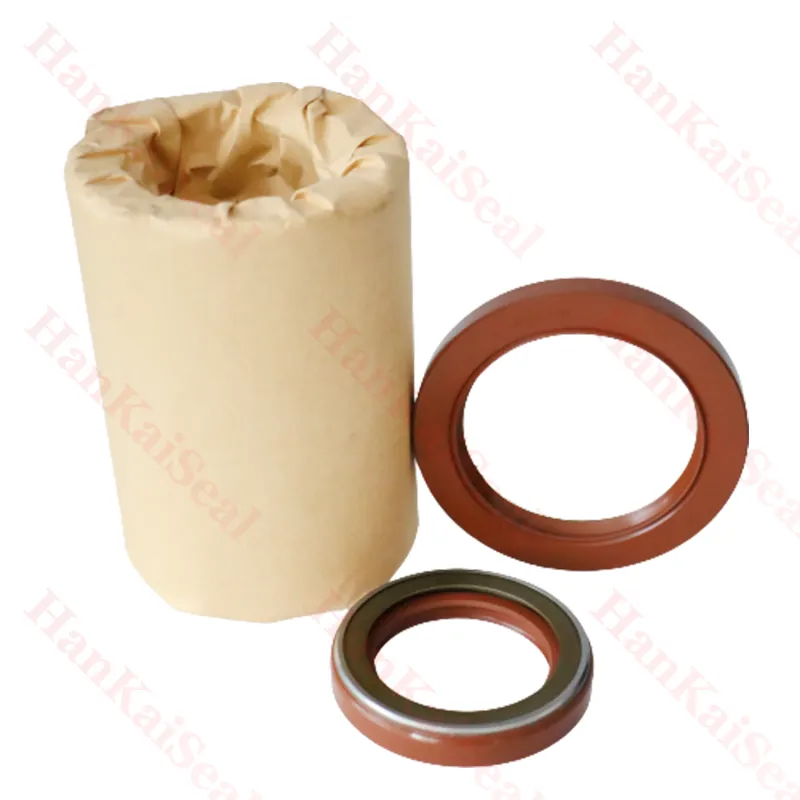
Standard oil seal BP0494 High pressure TCN oil seal
-
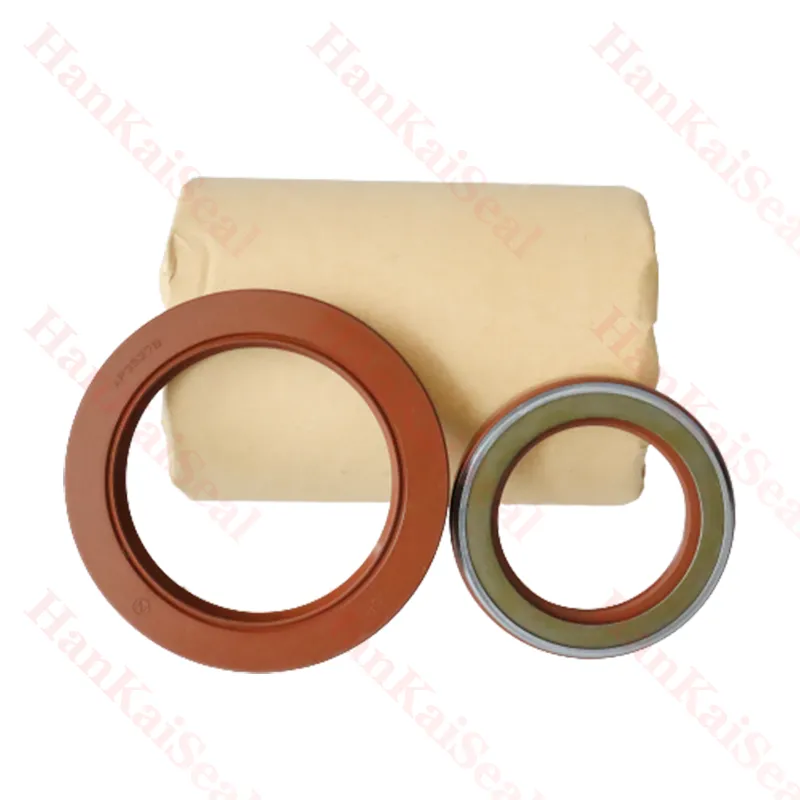
Hydraulic pump seal AP4624G high pressure TCN oil seal
-
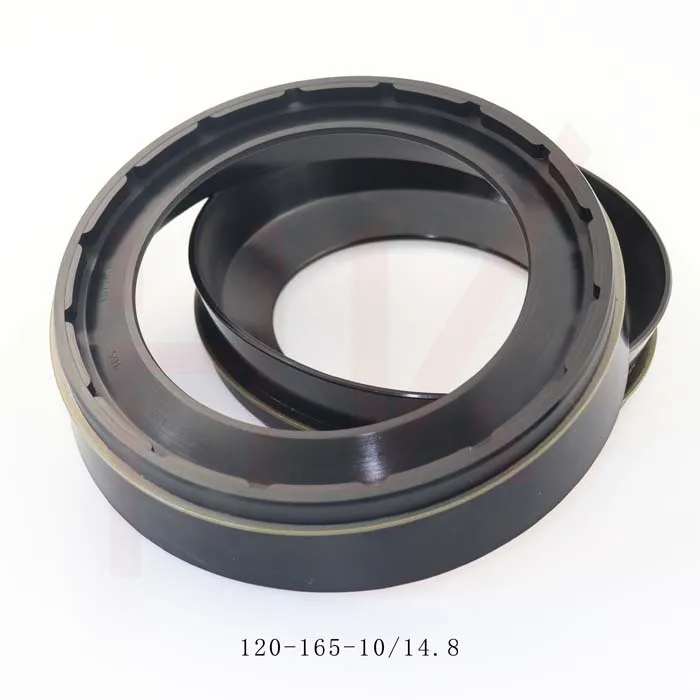
0734307418 0750112169 120*165*10/14.8 concrete mixer reducer oil seal
-
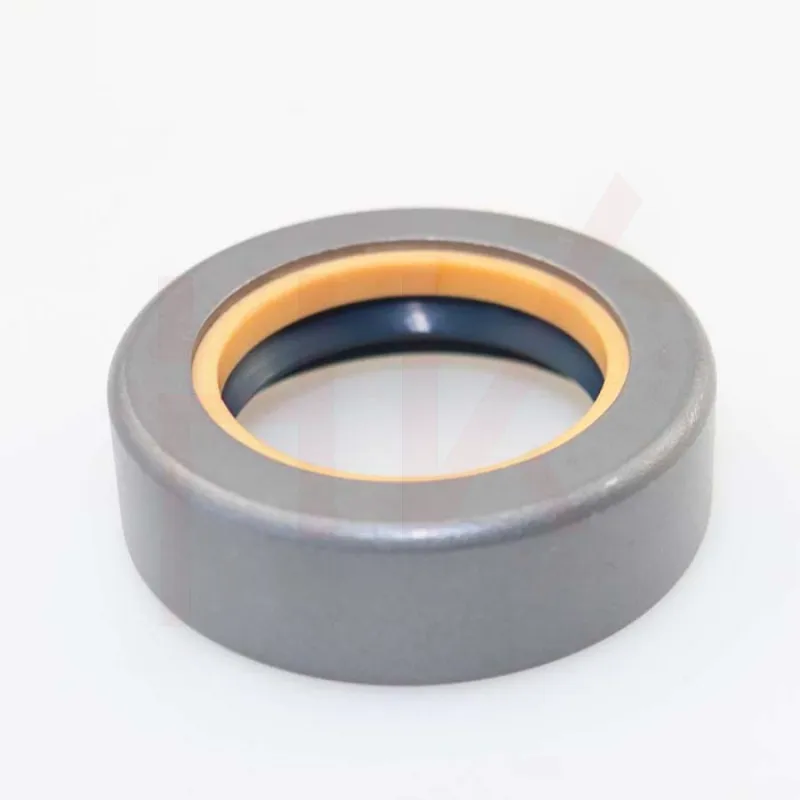
35*52*16 Standard Wheel Hub Oil Seal For Agricultural Machinery
-
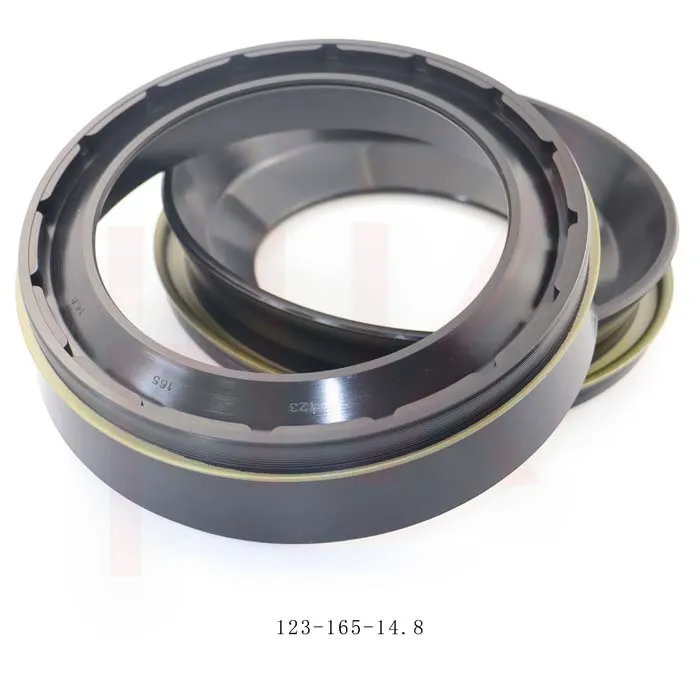
123*165*14.8 concrete mixer truck reducer oil seal
-
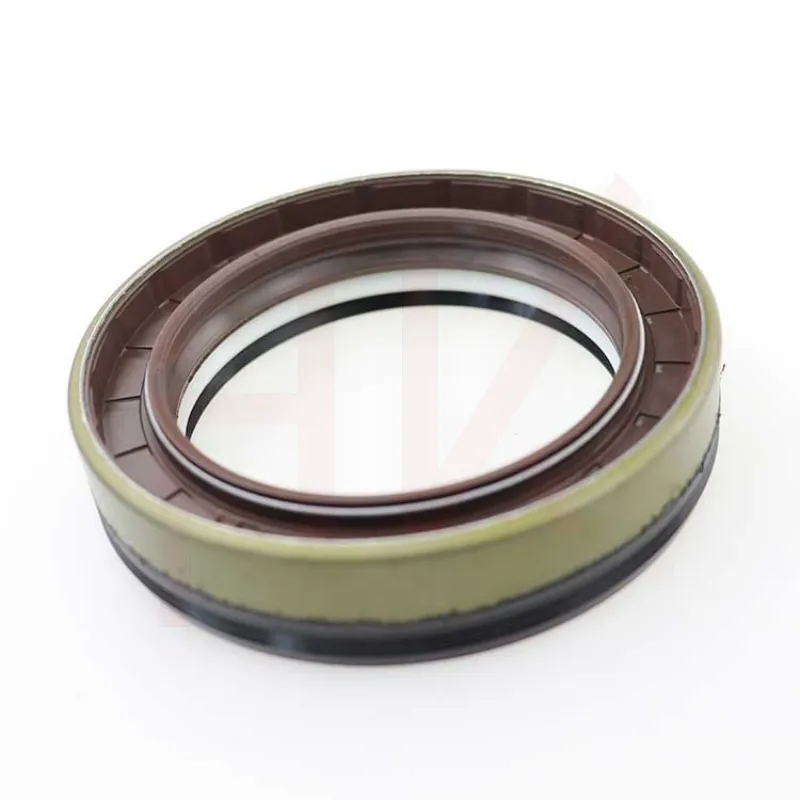
Tractor shaft oil seal 65-90-20 COMBI SF19 hub oil seal
-
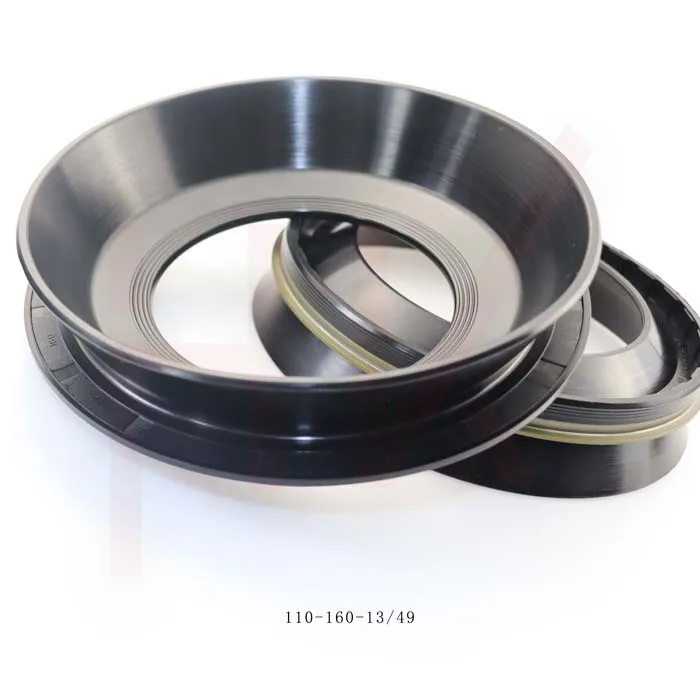
110*160*13/49 NBR reducerConcrete mixer truck oil seal
-
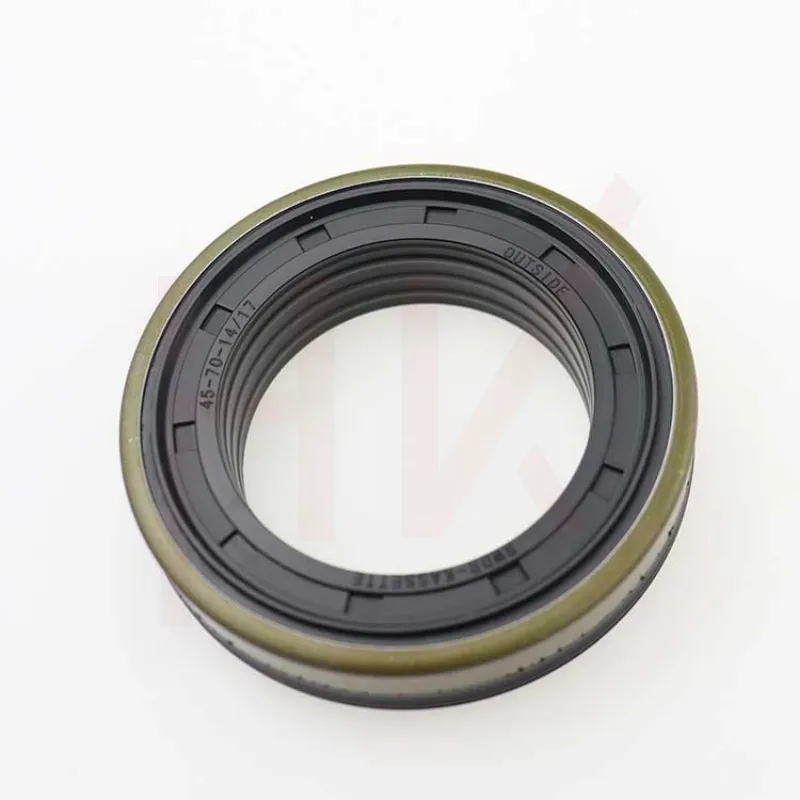
Hub oil seal 40*65*13/14.5 suitable for tractor Cat 12018035b
-
Tractor accessories cassette oil seal hub oil seal 60-90-13.5/15
-
Factory concrete mixer truck oil seal 145*215*14 reducer gearbox oil seal
-
145*189*15.5/17 Cassette Seal NBR Hub Oil Seal 1508044
-
Factory direct sales hydraulic pump motor seal kit A8VO140
-
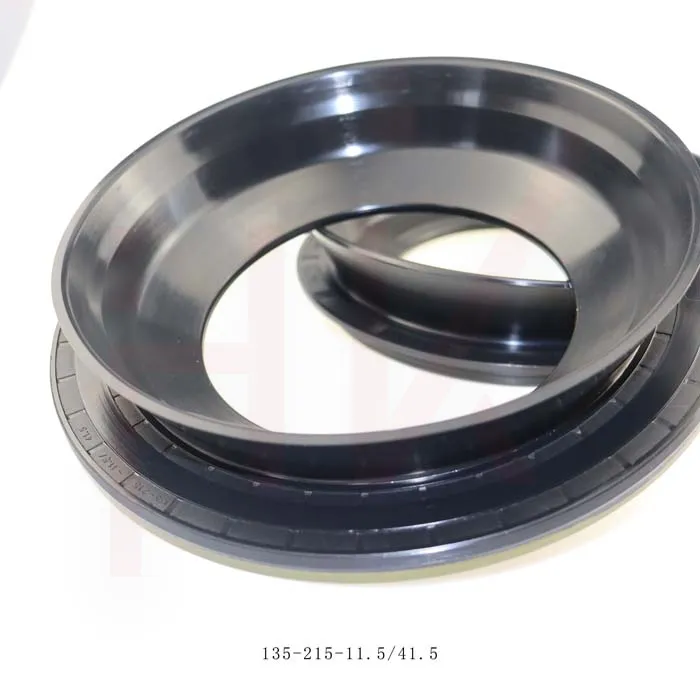
Brand new cement tanker oil seal 135*215*11.5/41.5 concrete mixer oil seal
-
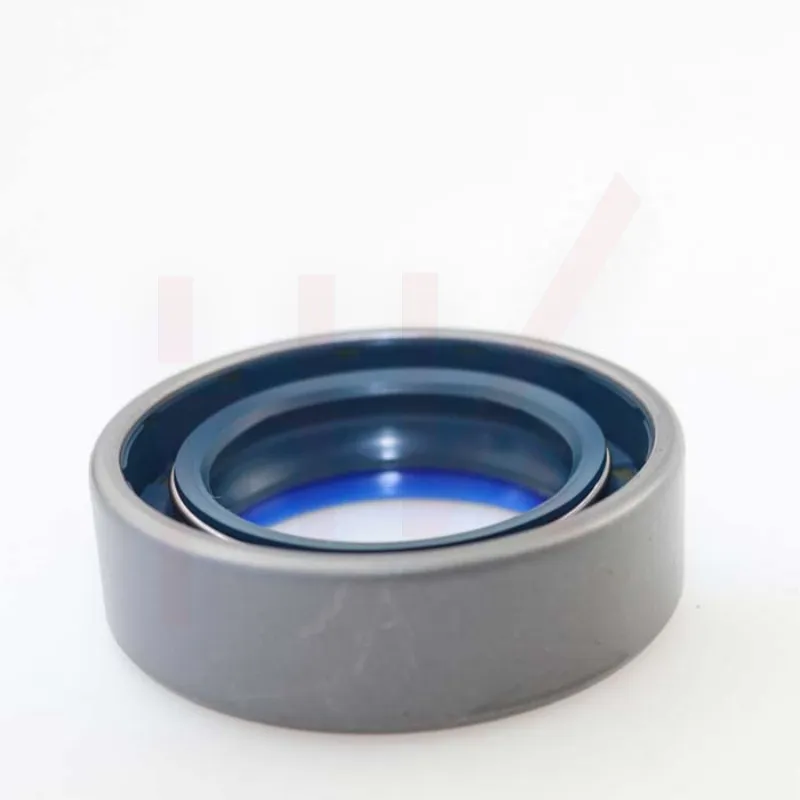
45*65*15 Combi oil seal JCB 90450009 COMBI SF1 SEAL
-
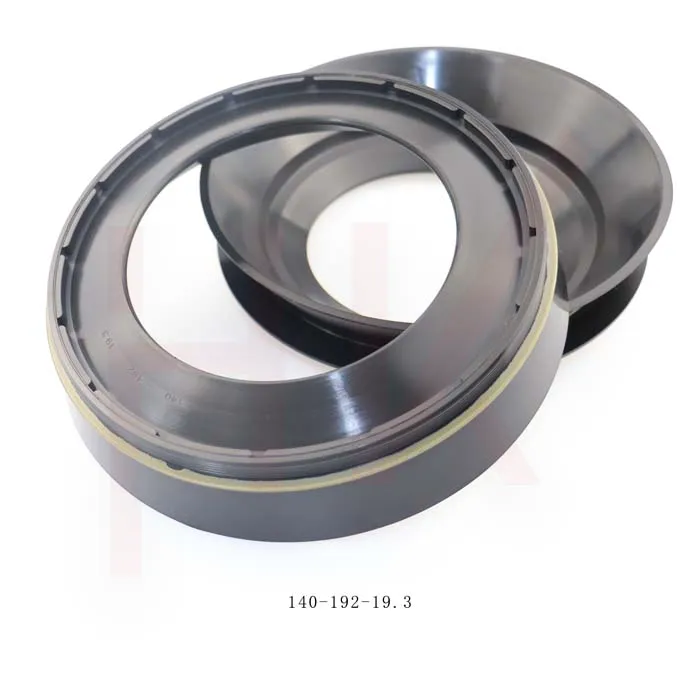
Gear box concrete mixer oil seal 140*192*19.3 nbr reducer oil seal
-
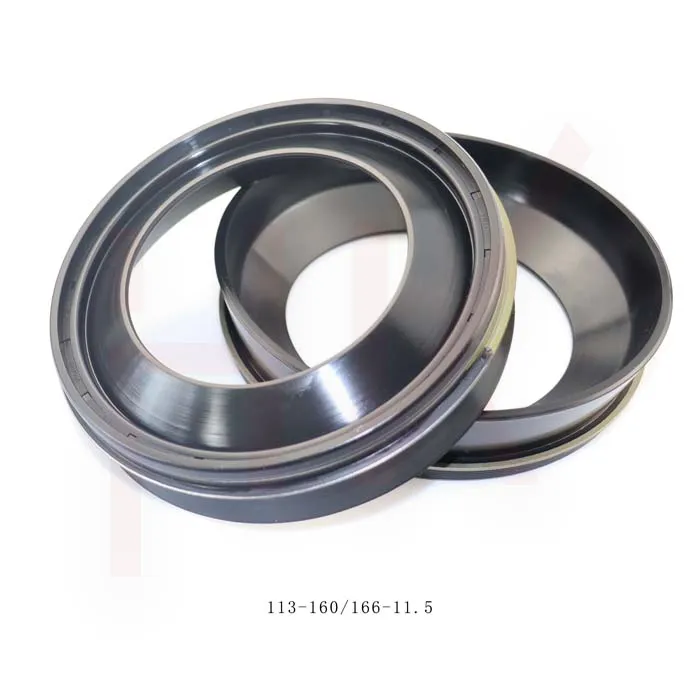
Seals factory direct sales 113*160/166*11.5/38 excavator truck reducer oil seal