
Dec . 02, 2025 16:42 Back to list
All You Need to Know About the 22x35x7 Oil Seal – Specs, Uses & Trends
Understanding the 22x35x7 Oil Seal: A Small Component with Big Global Impact
At first glance, the 22x35x7 oil seal might seem like a rather technical, even mundane product. But this tiny ring plays an outsized role in countless machines that keep industries running smoothly all over the world. In fact, understanding what exactly a 22x35x7 oil seal is, why it matters globally, and how it benefits businesses and communities could save downtime, reduce waste, and even improve sustainability efforts on an industrial scale.
Globally, manufacturing and mechanization depend heavily on components like oil seals to maintain system integrity. The World Bank estimates that industrial motor-driven equipment accounts for roughly 45% of global electricity use, and without dependable sealing solutions, energy efficiency can plummet. So, a small seal like the 22x35x7 is pivotal in protecting bearings by preventing leaks, contamination, and system failures. Knowing its value means understanding how one component keeps the wheels turning.
What Is a 22x35x7 Oil Seal?
Simply put, a 22x35x7 oil seal refers to a particular size of oil seal used in mechanical engineering. The numbers indicate the dimensions in millimeters: 22mm inner diameter, 35mm outer diameter, and 7mm thickness. Oil seals—sometimes called shaft seals, lip seals, or radial shaft seals—are designed to keep lubricants in and dirt or water out of rotating parts, typically around shafts and bearings.
In modern industry, they contribute directly to machine longevity and efficiency. Without dependable seals, bearings get damaged leading to costly repairs and unsafe operating conditions. Beyond industry, these seals indirectly support critical humanitarian and infrastructure projects by ensuring reliable operation of equipment used worldwide.
Key Components and Factors of 22x35x7 Oil Seals
1. Material CompositionCommonly made of Nitrile Rubber (NBR), Fluoroelastomer (FKM), or Silicone, the material selection balances chemical resistance, temperature tolerance, and cost. NBR is most popular for its versatility, but FKM is preferred where high temperatures or harsh chemicals are involved.
2. Design of the LipThe sealing lip, usually reinforced with a garter spring, maintains constant pressure on the shaft to prevent leakage. Its flexibility and shape influence durability and seal reliability.
3. Durability and Temperature Range22x35x7 oil seals can typically operate effectively between -40°C and +120°C, depending on the elastomer. This makes them suitable for automotive, industrial, and even some aerospace uses.
4. Surface Finish & Shaft CompatibilityThey require shafts with a defined surface finish and hardness to guarantee effective sealing without excessive wear.
5. Installation & MaintenanceEase of installation affects downtime and operational reliability. Oils seals must be carefully fitted to avoid damage while ensuring a tight seal.
Product Specifications of Common 22x35x7 Oil Seals
| Feature | Specification |
|---|---|
| Inner Diameter | 22 mm |
| Outer Diameter | 35 mm |
| Thickness Width | 7 mm |
| Material | Nitrile (NBR), Fluoroelastomer (FKM) |
| Temperature Range | -40°C to +120°C |
| Operating Speed | Up to 12 m/s (shaft surface speed) |
Global Applications and Use Cases
Believe it or not, 22x35x7 oil seals are everywhere. In the automotive industry, they protect wheel bearings and transmissions. In manufacturing plants across Europe, Asia, and the Americas, they keep motors and conveyor equipment sealed tight. Even in harsh environments like mining operations in Australia or oil drilling rigs in the North Sea, their robust design makes them indispensable.
In emerging markets, from heavy machinery in Africa’s construction sector to agricultural equipment in South America, these seals ensure longevity and reduce costly failures. Also, humanitarian organizations employing mechanized water pumps or power generators in remote disaster zones rely on reliable seals to maintain uninterrupted operation.
Vendor Comparison for 22x35x7 Oil Seals
| Brand | Material Options | Price Range (per unit) | Lead Time | Special Features |
|---|---|---|---|---|
| HKA iSeal | NBR, FKM, Silicone | $0.50 - $1.20 | 1-2 weeks | Custom sizing, eco-friendly compounds |
| SealTech Pro | NBR, Viton | $0.65 - $1.50 | 2-3 weeks | High-temp resistance, reinforced spring lips |
| GlobalSeal | NBR only | $0.40 - $0.90 | 3-4 weeks | Bulk orders, standard sizing only |
Advantages & Long-Term Value of Choosing Quality 22x35x7 Oil Seals
- Cost Efficiency: By preventing leaks and failures, these seals reduce maintenance expenses and downtime.
- Sustainability: Durable seals extend machine lifespan and reduce waste, aligning with ISO 14001 environmental management goals.
- Reliability & Safety: Proper seals prevent catastrophic mechanical failures, protecting workers and equipment alike.
- Innovation & Trust: With newer eco-compounds emerging, brands are responding to the need for greener industrial parts.
Emerging Trends & Future Innovations
The industry isn’t standing still. There’s a clear push toward green chemistry, developing seals made from bio-based elastomers to reduce petroleum dependency. Digital transformation is also here—smart sensors embedded near seals monitor wear and predict failures, which is a game-changer for predictive maintenance.
Meanwhile, additive manufacturing opens doors for customized sealing solutions, especially in specialized equipment. As sustainability standards evolve globally, expect more pressure for manufacturers to reduce lifecycle impacts of these otherwise “invisible” components.
Challenges & Solutions in the Use of 22x35x7 Oil Seals
Oddly enough, one challenge is ensuring compatibility with shaft materials and surface finishes, which can vary widely across industries. Moreover, improper installation can damage seals leading to premature failure.
Education and training around seal handling, alongside stricter standards for shaft prep, often mitigate these issues. Vendors offering custom-fit products and installation guides are increasingly valued. Also, expert-designed lip geometries now better accommodate shaft misalignments and shaft vibrations.
FAQ: Frequently Asked Questions About 22x35x7 Oil Seals
Q1: How do I know if the 22x35x7 size oil seal fits my application?
A1: Measure the shaft and housing bore diameters carefully. The 22x35x7 dimensions correspond to the seal’s inner, outer diameters, and thickness. Double-check OEM specs or consult a vendor with your machine model to ensure compatibility.
Q2: What materials are best for high-temperature environments?
A2: Fluoroelastomer (FKM) seals excel at temperatures up to 200°C. For moderate high temps (up to 120°C), NBR is usually sufficient. Seal selection depends also on chemicals in the operating environment.
Q3: Can these oil seals be reused after removing?
A3: Generally, it’s recommended to replace oil seals after removal. Reinstalling old seals can compromise their ability to seal properly, risking leaks and damage.
Q4: How can I source environmentally friendly 22x35x7 oil seals?
A4: Look for vendors like HKA iSeal that offer bio-based rubber compounds or recycled materials, and verify their environmental certifications.
Q5: How long do these seals typically last in moderate industrial conditions?
A5: Lifespan varies but a quality 22x35x7 oil seal can last 3–5 years with proper installation and maintenance under normal usage.
Conclusion: Why Investing in Quality 22x35x7 Oil Seals Makes Sense
So, after all this, it feels clear that the humble 22x35x7 oil seal is no mere triviality. It’s a component that safeguards machines, cuts costs, supports sustainability, and ultimately keeps industries moving forward. If you want reliability or improved environmental footprint in your operations, consider investing in high-quality seals—you might be surprised how much difference they make.
For a closer look at reliable, eco-friendly 22x35x7 oil seal options, visit https://www.hkaiseal.com and explore their range tailored for diverse global needs.
2. World Bank Industry Energy Use Report, 2022
3. United Nations Environment Programme (UNEP) - Sustainable Manufacturing
-
Guide to Choosing the Right High Quality hydraulic ram kit
NewsApr.16,2026
-
Premium Hydraulic Cylinder Packing Kits for Peak Performance
NewsApr.09,2026
-
Comprehensive Guide to Hydraulic Cylinder Oil Seal Kits for Optimal Performance
NewsApr.07,2026
-
Comprehensive Guide to Choosing the Right Cylinder Seal Kits for Peak Performance
NewsApr.04,2026
-
Comprehensive Guide to Seal Kits for Cylinders Ensuring Optimal Performance
NewsMar.31,2026
-
Comprehensive Guide to Hyd Cylinder Seals for Optimal Hydraulic System Performance
NewsMar.28,2026
-
Comprehensive Guide to Hyd Cylinder Seal Kit Selection and Installation
NewsMar.26,2026
Products categories
-
Standard oil seal BP0494 High pressure TCN oil seal
-
Hydraulic pump seal AP4624G high pressure TCN oil seal
-
0734307418 0750112169 120*165*10/14.8 concrete mixer reducer oil seal
-
35*52*16 Standard Wheel Hub Oil Seal For Agricultural Machinery
-
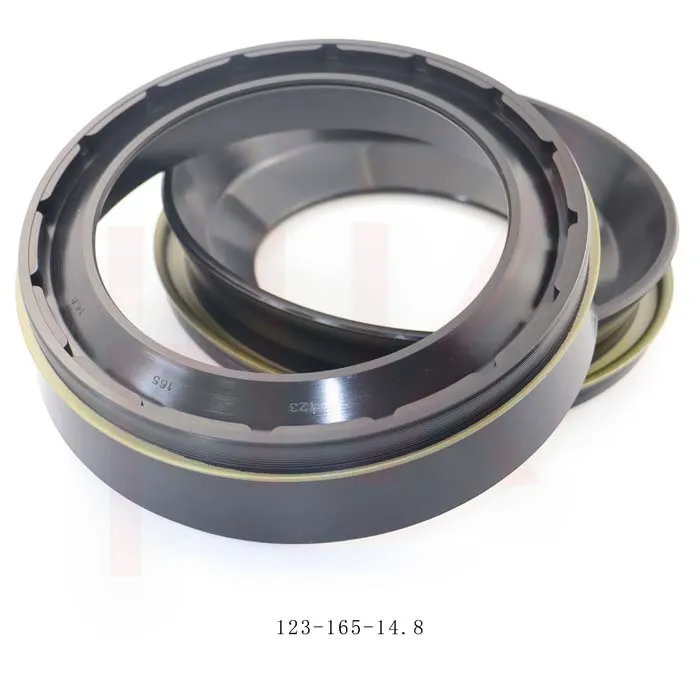
123*165*14.8 concrete mixer truck reducer oil seal
-
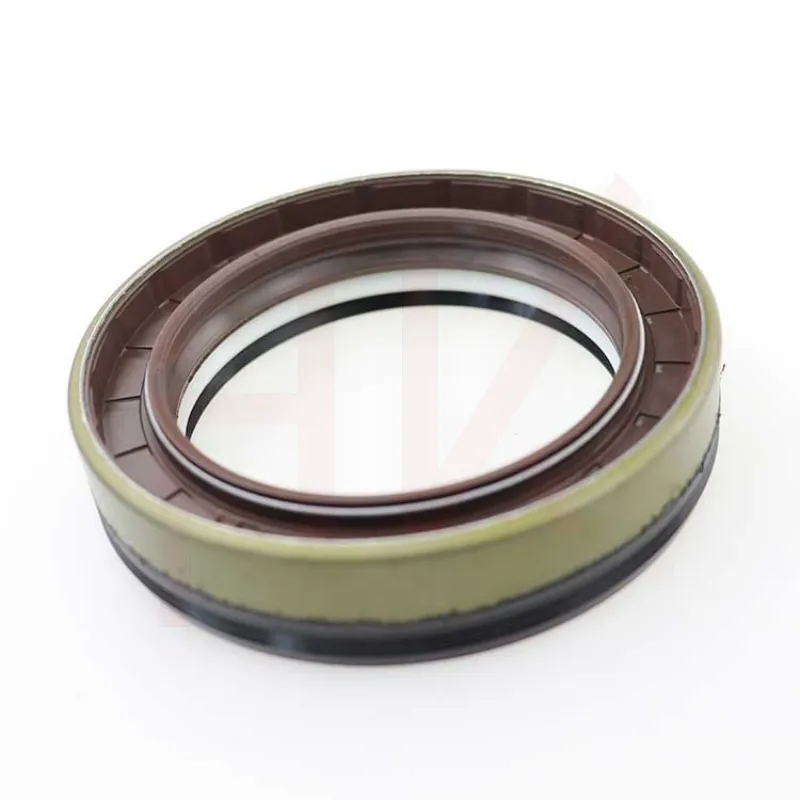
Tractor shaft oil seal 65-90-20 COMBI SF19 hub oil seal
-
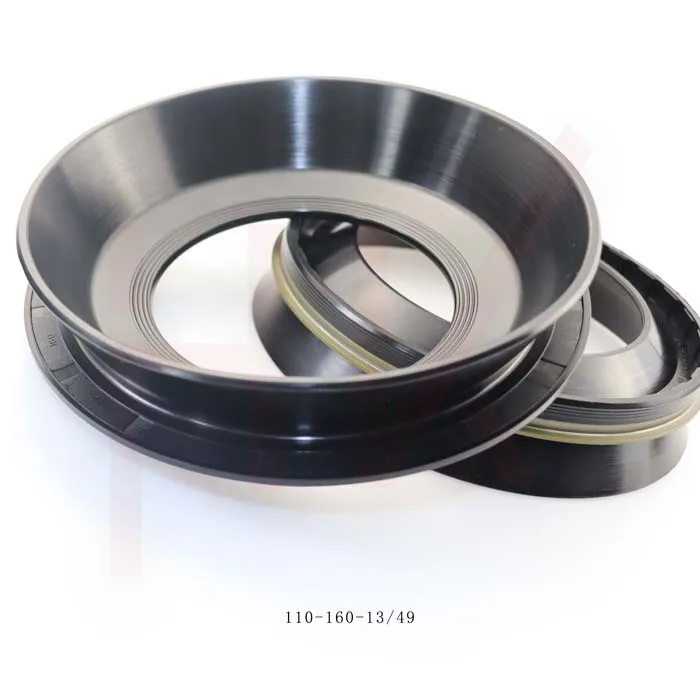
110*160*13/49 NBR reducerConcrete mixer truck oil seal
-
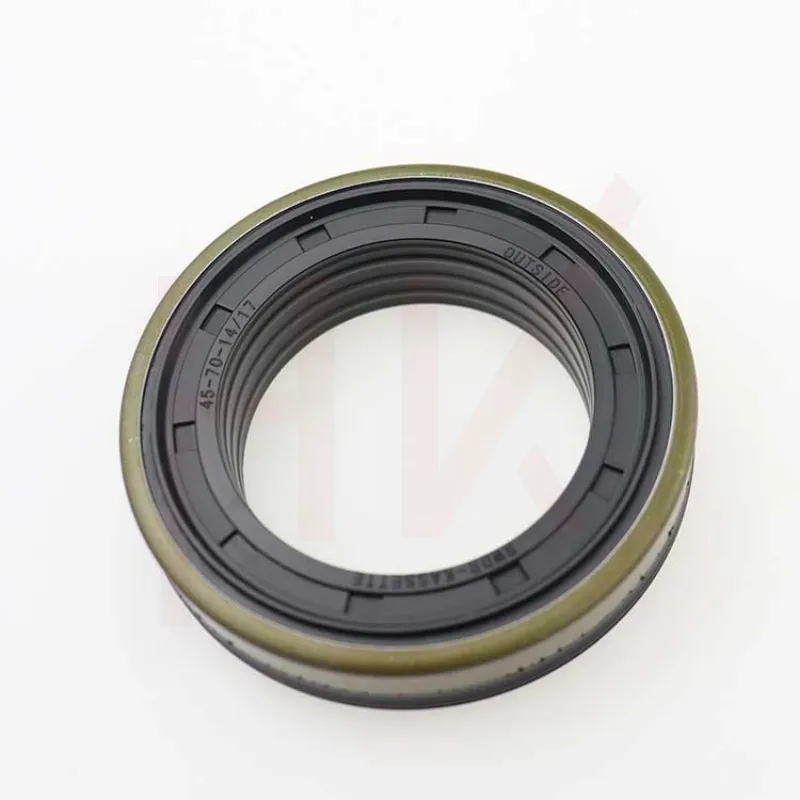
Hub oil seal 40*65*13/14.5 suitable for tractor Cat 12018035b
-
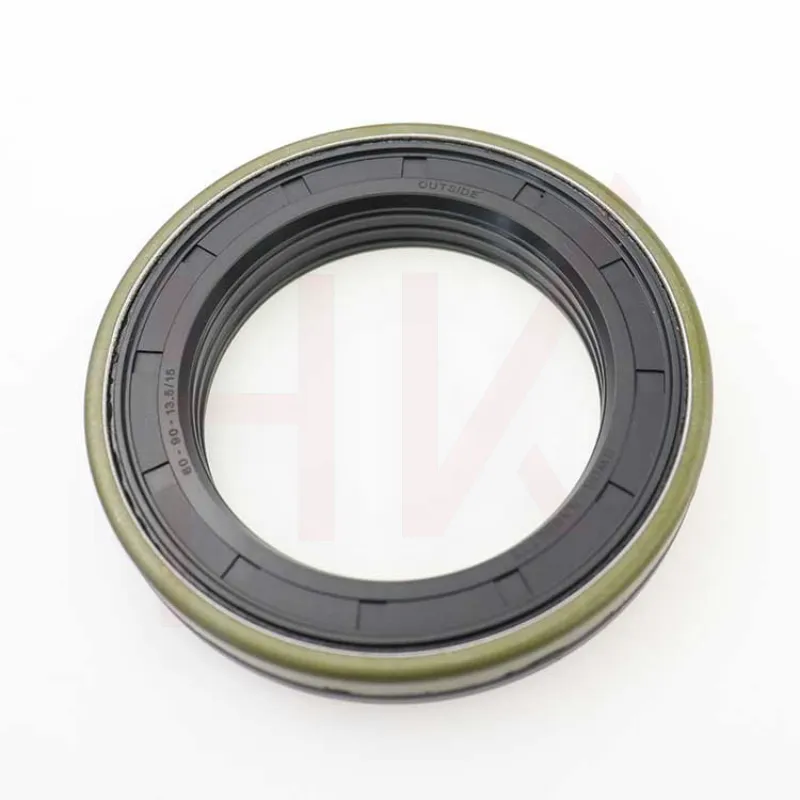
Tractor accessories cassette oil seal hub oil seal 60-90-13.5/15
-
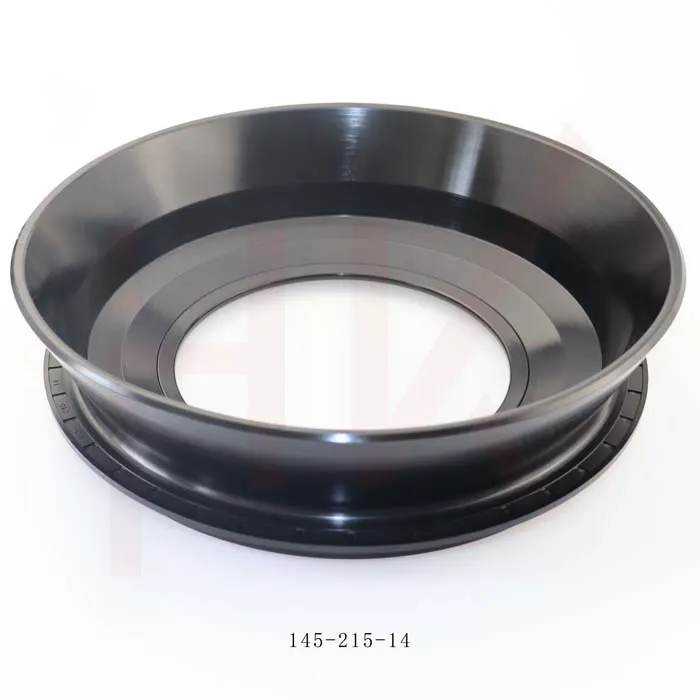
Factory concrete mixer truck oil seal 145*215*14 reducer gearbox oil seal
-
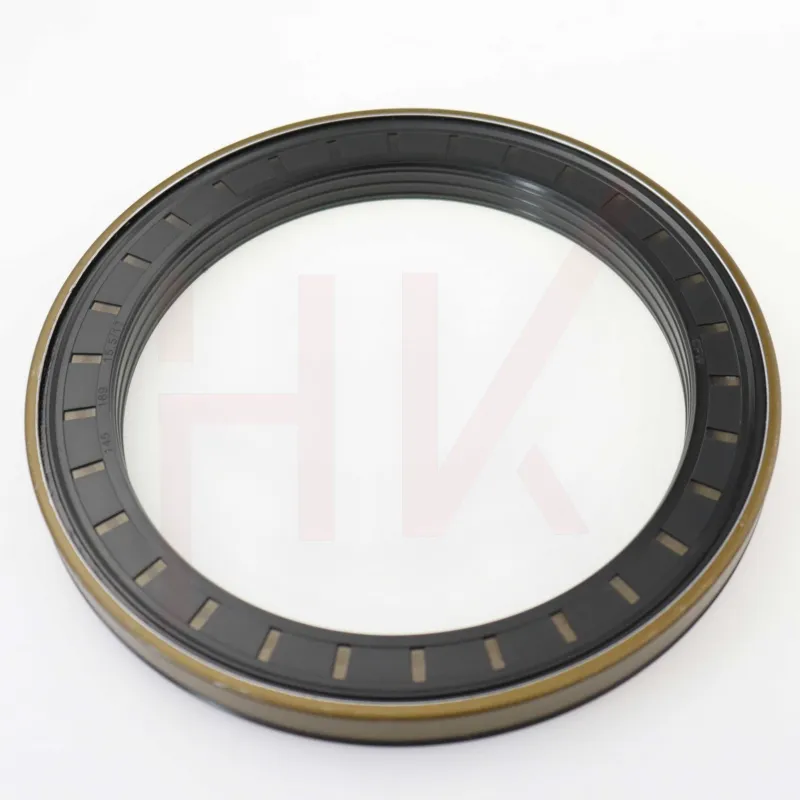
145*189*15.5/17 Cassette Seal NBR Hub Oil Seal 1508044
-
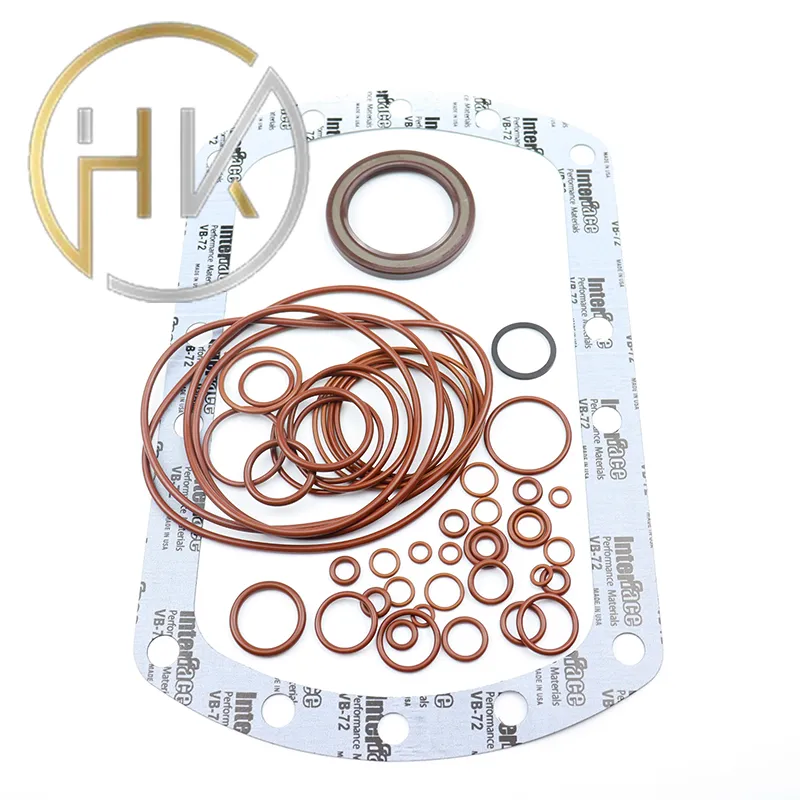
Factory direct sales hydraulic pump motor seal kit A8VO140
-
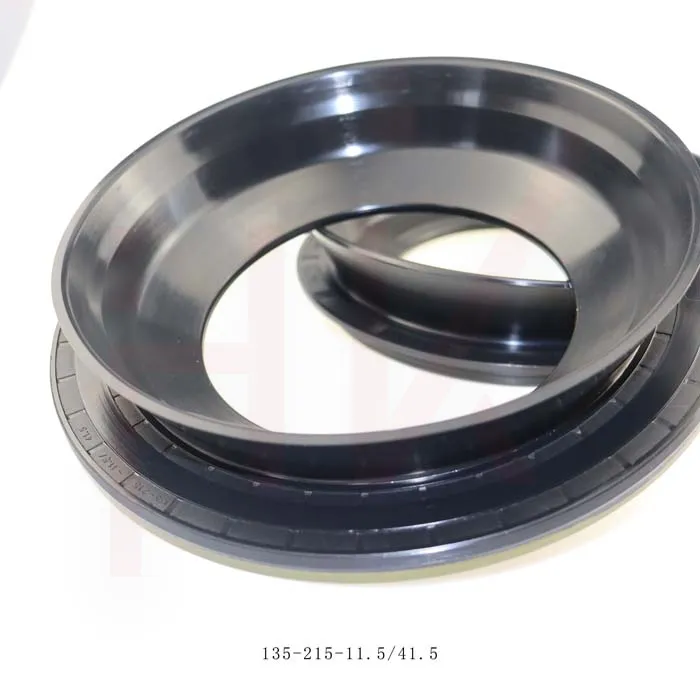
Brand new cement tanker oil seal 135*215*11.5/41.5 concrete mixer oil seal
-
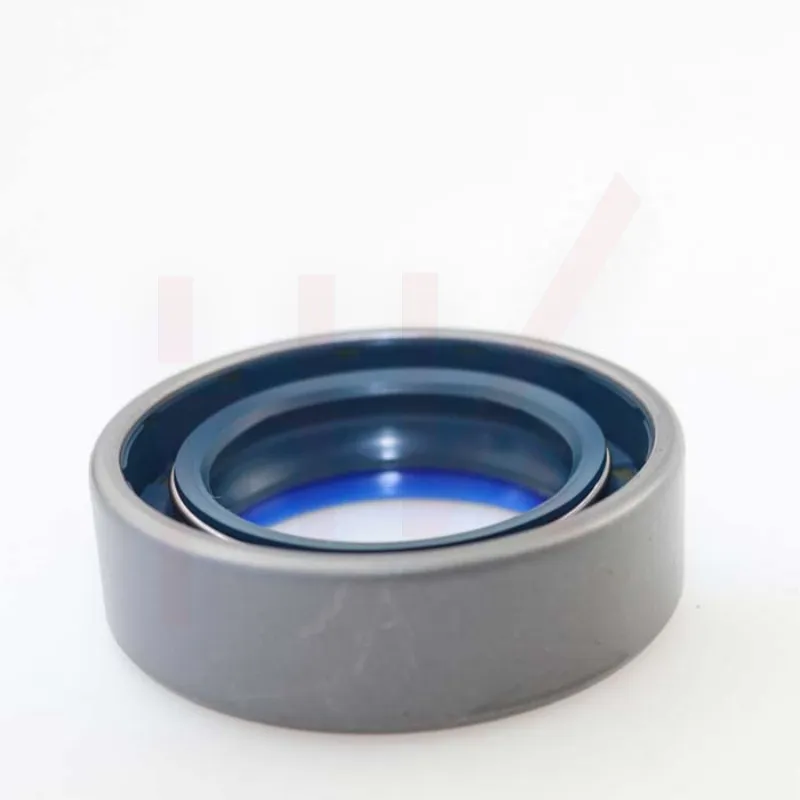
45*65*15 Combi oil seal JCB 90450009 COMBI SF1 SEAL
-
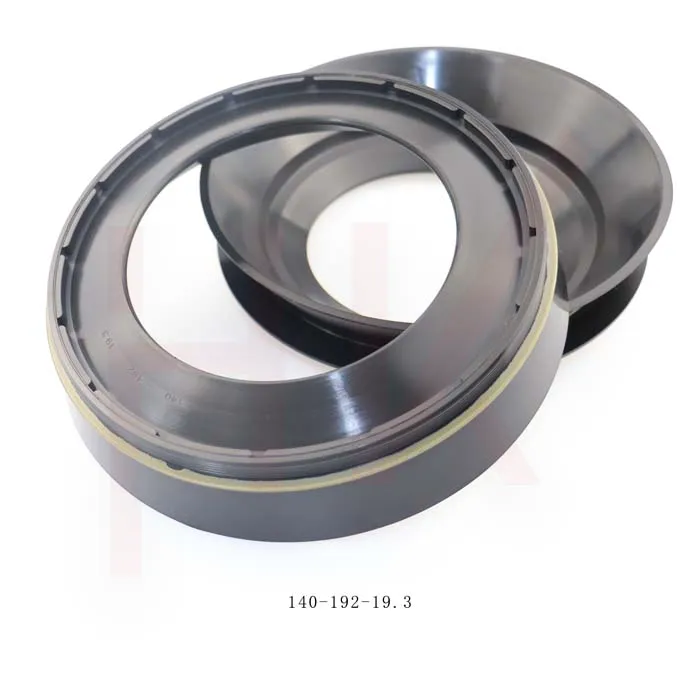
Gear box concrete mixer oil seal 140*192*19.3 nbr reducer oil seal
-
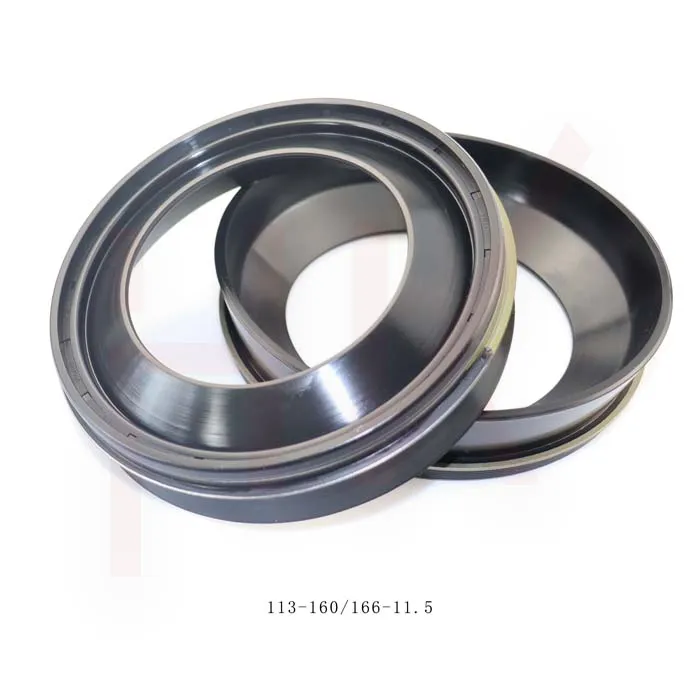
Seals factory direct sales 113*160/166*11.5/38 excavator truck reducer oil seal