
Nov . 05, 2024 02:41 Back to list
50x90x10 oil seal
Understanding the 50x90x10 Oil Seal Functionality and Importance
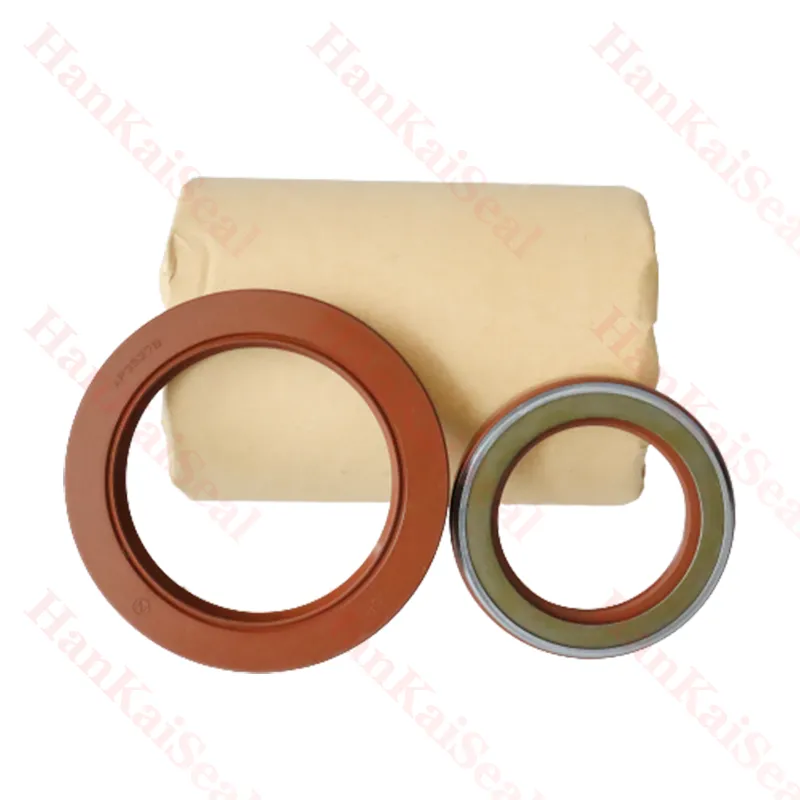
Oil seals, also known as shaft seals or radial shaft seals, play a crucial role in various mechanical applications. One particularly common dimension is the 50x90x10 oil seal. This designation indicates the seal's internal diameter (50mm), external diameter (90mm), and width (10mm). Such seals are essential in preventing leakage and contamination in machinery by isolating lubricants and keeping them within the designated areas.
Design and Material
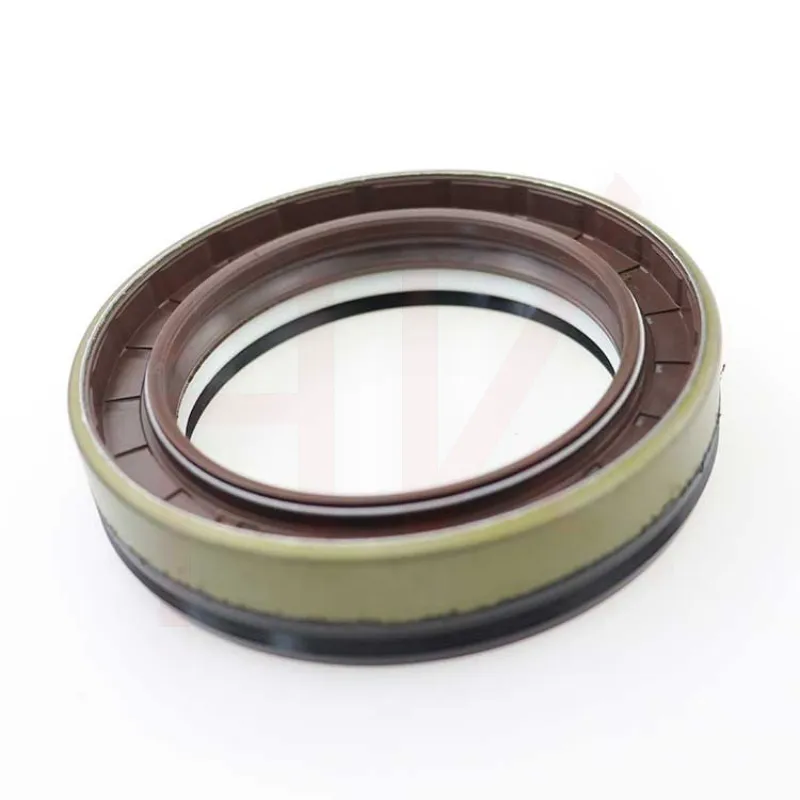
The design of the 50x90x10 oil seal features a flexible lip that fits tightly against the shaft, forming a barrier against both oil and contaminants
. The material used in these seals is typically elastomeric, such as Nitrile Rubber (NBR) or Viton, depending on the application. NBR is resistant to petroleum-based oils and is often chosen for its excellent sealing properties at moderate temperatures. In contrast, Viton offers high-temperature resistance and better compatibility with aggressive chemicals, making it suitable for specific industrial applications.Functionality
The primary function of an oil seal is to retain lubricants in machinery or engines, thus reducing wear and tear on moving parts. By preventing the escape of oil, these seals help maintain optimal lubrication, which is vital for the smooth operation of rotating shafts. Moreover, they keep dirt, dust, and moisture out, protecting the internal components from environmental contaminants that could lead to premature failure.
50x90x10 oil seal
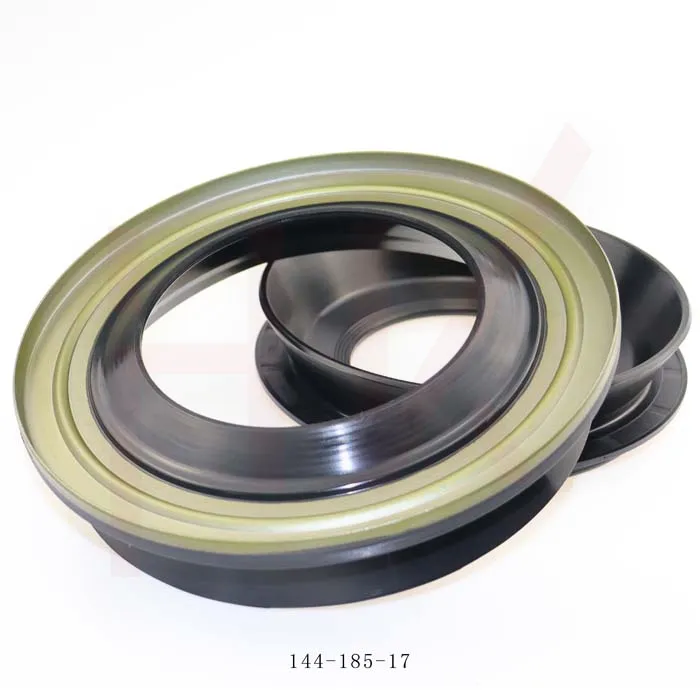
Applications
Oil seals like the 50x90x10 are widely used across various industries, including automotive, manufacturing, and aerospace. They are commonly found in gearboxes, transmissions, pumps, and motors. For instance, in automotive applications, these seals are critical in engines to ensure that motor oil remains contained, preventing leaks that could lead to significant performance issues.
Maintenance and Replacement
Regular inspection of oil seals is important to ensure their longevity and effectiveness. Signs of wear, such as oil leakage around the seal, may indicate that replacement is necessary. When replacing oil seals, it’s essential to choose the right dimension and material to match the specific application. Accurate installation is also critical; improper fitting can lead to premature failure and costly repairs.
Conclusion
In conclusion, the 50x90x10 oil seal is a small but vital component in mechanical systems. Its ability to prevent leaks and protect sensitive machinery from contaminants underscores its importance in ensuring operational efficiency. By understanding the functionality, applications, and maintenance of oil seals, engineers and technicians can ensure the longevity and reliability of their equipment, ultimately leading to improved performance and reduced downtime.
-
Wiper Oil Seal: Our Commitment to Clean Hydraulics
NewsAug.13,2025
-
Hydraulic Oil Seal for Self Discharging Cars
NewsAug.13,2025
-
Hub Oil Seal for Agricultural Tractor Hubs
NewsAug.13,2025
-
Skeleton Oil Seal with NBR Material
NewsAug.13,2025
-
Rotary Lip Seal for High Pressure Applications
NewsAug.13,2025
-
Cylinder Seal Kits Our Legacy of Hydraulic Trust
NewsAug.13,2025
-
Unlocking the Potential of Hydraulic Systems with Essential Sealing Solutions
NewsAug.06,2025
Products categories
-
0734307418 0750112169 120*165*10/14.8 concrete mixer reducer oil seal
-
35*52*16 Standard Wheel Hub Oil Seal For Agricultural Machinery
-
123*165*14.8 concrete mixer truck reducer oil seal
-
Tractor shaft oil seal 65-90-20 COMBI SF19 hub oil seal
-
110*160*13/49 NBR reducerConcrete mixer truck oil seal
-
Hub oil seal 40*65*13/14.5 suitable for tractor Cat 12018035b
-
Cement tank truck bowl-shaped oil seal 135*175*11/38 K713 concrete mixer reducer oil seal
-
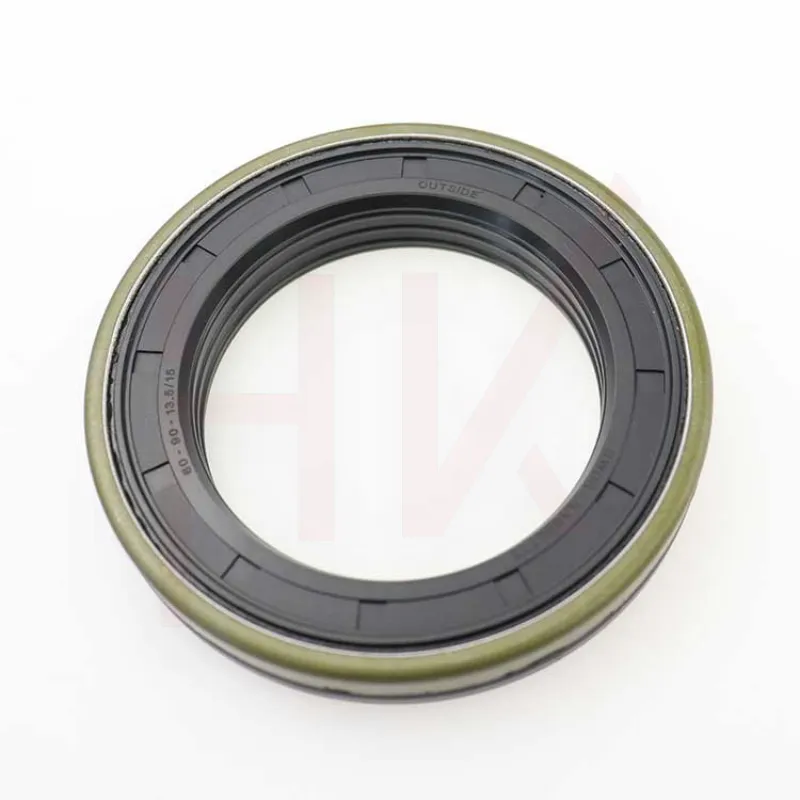
Tractor accessories cassette oil seal hub oil seal 60-90-13.5/15
-
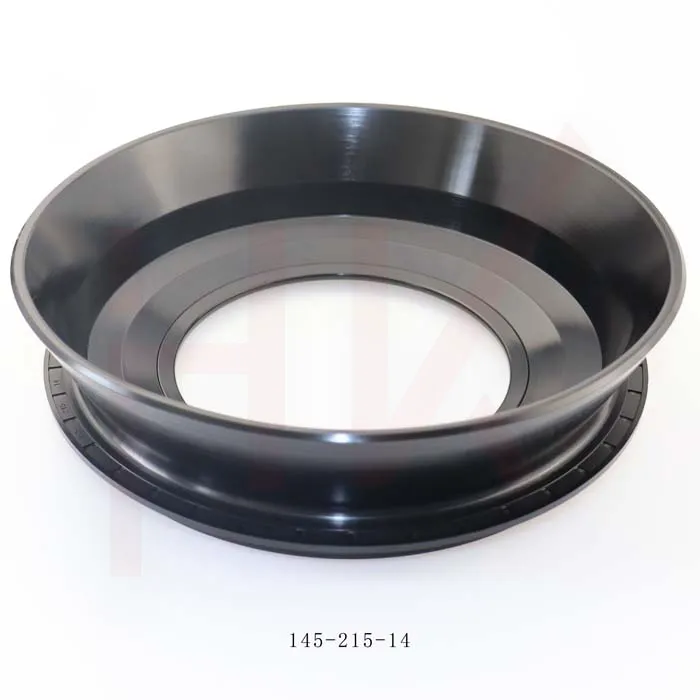
Factory concrete mixer truck oil seal 145*215*14 reducer gearbox oil seal
-
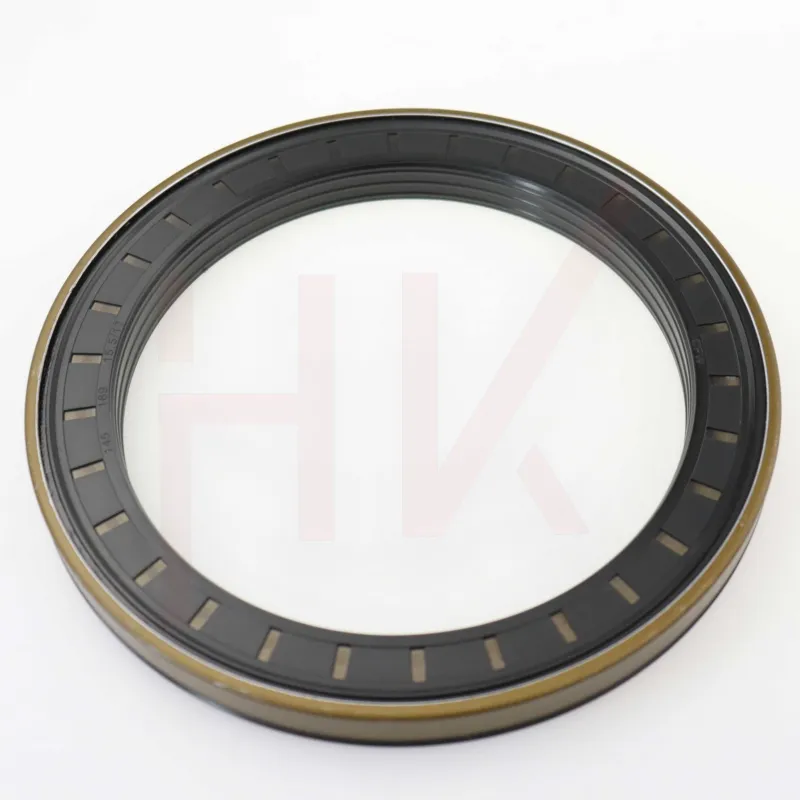
145*189*15.5/17 Cassette Seal NBR Hub Oil Seal 1508044
-
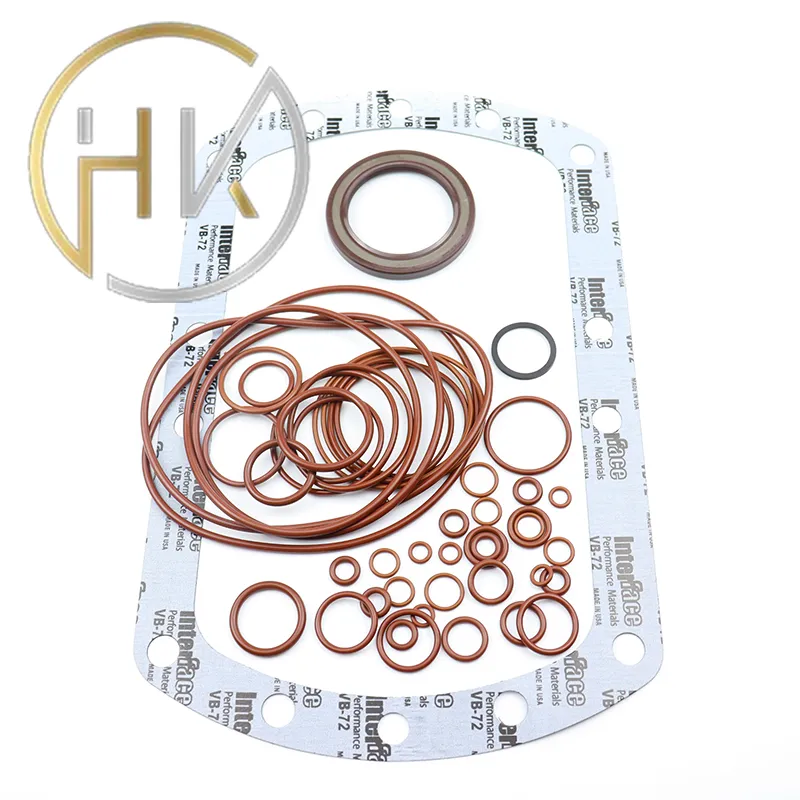
Factory direct sales hydraulic pump motor seal kit A8VO140
-
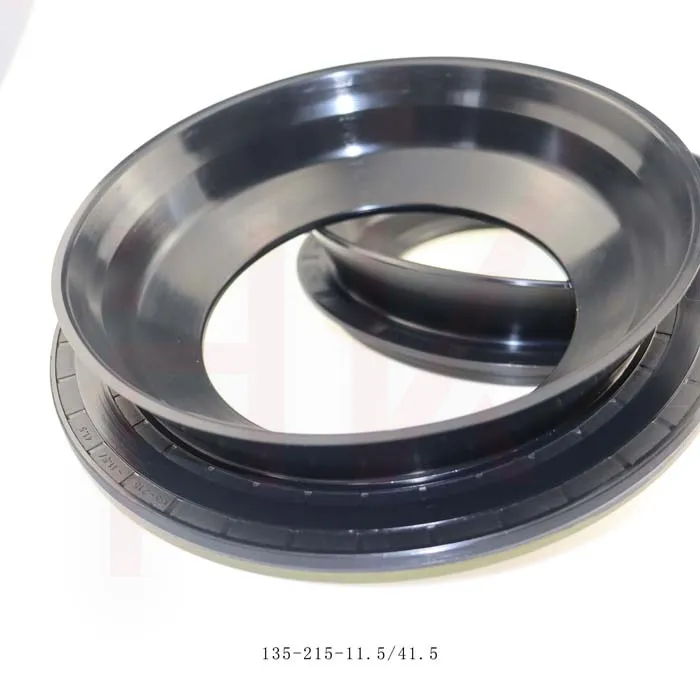
Brand new cement tanker oil seal 135*215*11.5/41.5 concrete mixer oil seal
-
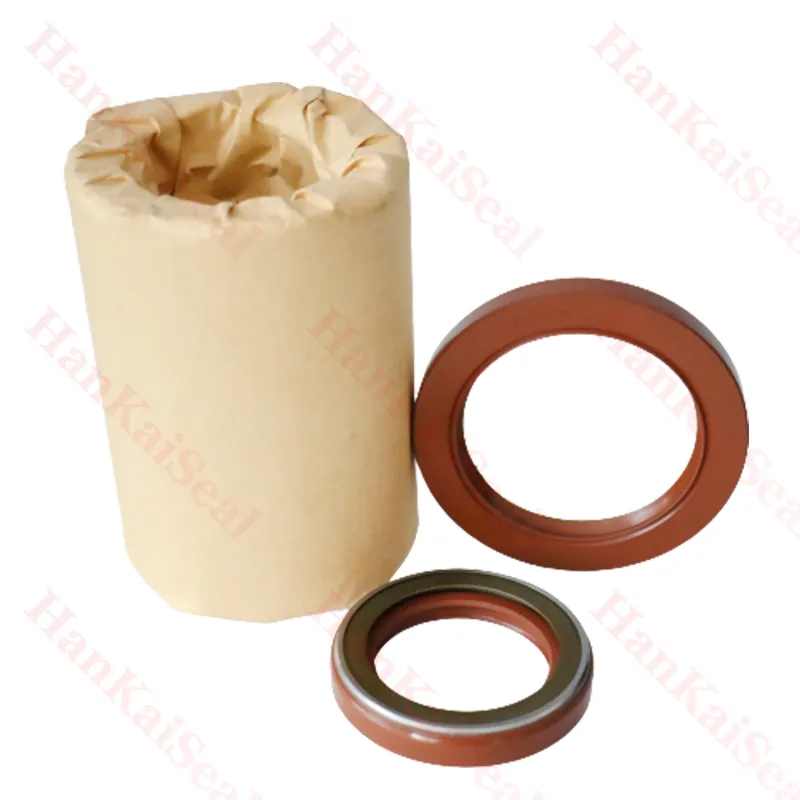
Standard oil seal BP0494 High pressure TCN oil seal
-
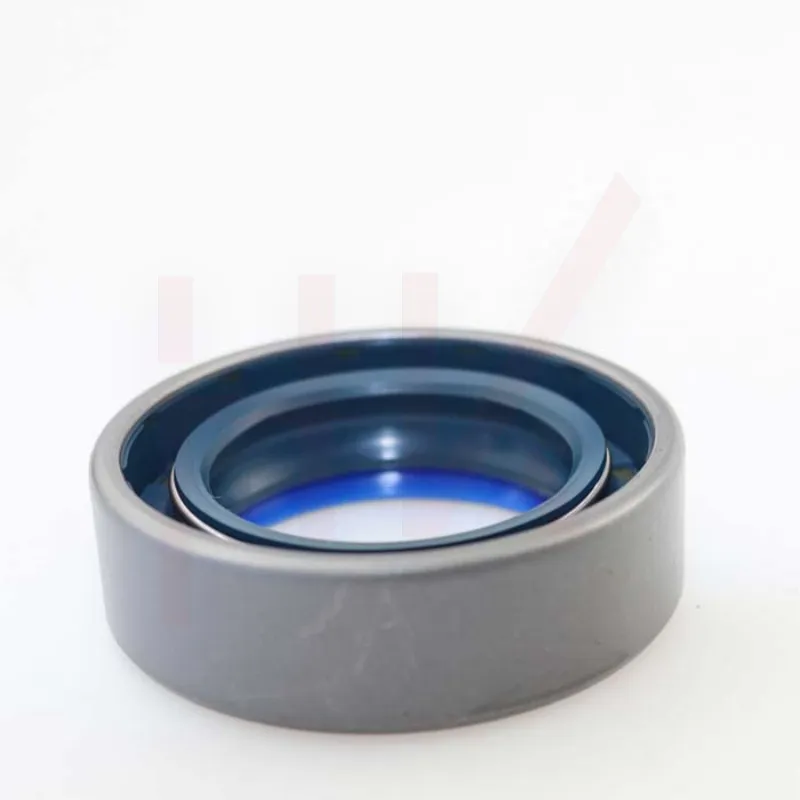
45*65*15 Combi oil seal JCB 90450009 COMBI SF1 SEAL
-
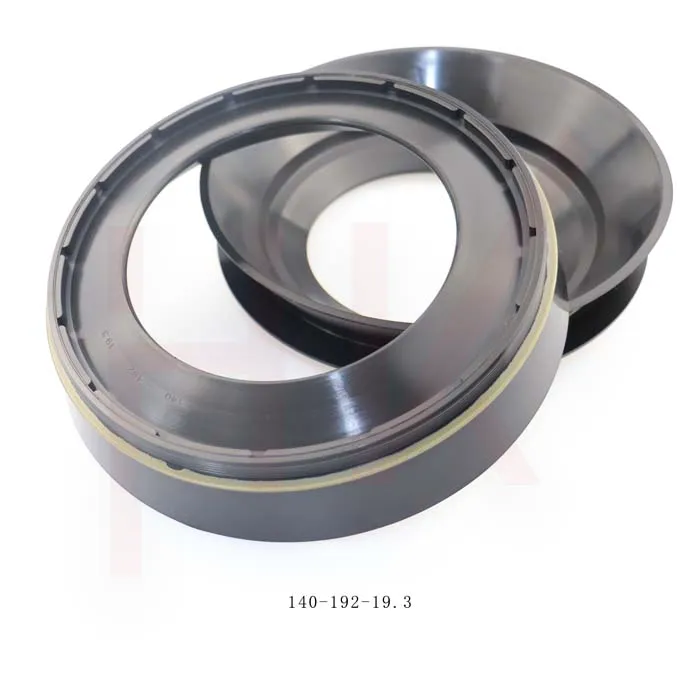
Gear box concrete mixer oil seal 140*192*19.3 nbr reducer oil seal
-
Hydraulic pump seal AP4624G high pressure TCN oil seal