
Nov . 25, 2025 08:33 Back to list
Comprehensive Guide to Shaft Seal Wheel Hub – Design, Application & Future Trends
Understanding the Shaft Seal Wheel Hub: Why This Tiny Component Matters So Much
When we talk about something as seemingly small as a shaft seal wheel hub, most folks might shrug and ask, “Why bother?” But—believe it or not—that little piece plays a significant role in ensuring safety, efficiency, and durability across multiple industries worldwide.
From automobiles to heavy machinery and beyond, this seal is fundamental to the smooth operation of countless devices. Understanding its function and importance isn't just for engineers or mechanics; it’s key to appreciating how the modern world keeps turning reliably beneath our feet and wheels.
Whether you’re a manufacturer, a supplier, or even a curious bystander, this primer will walk you through what a shaft seal wheel hub really is, why it’s globally relevant, and the evolving trends shaping its future.
The Global Context: Why Shaft Seal Wheel Hubs Are Crucial in a Connected World
Worldwide demand for efficient, durable machinery is growing at a pace that’s hard to ignore. The International Organization for Standardization (ISO) notes that standardizations in mechanical seals have helped reduce equipment failures by nearly 20% over the last decade.
Globally, one challenge remains unchanged: protecting the integrity of moving parts under extreme conditions while preventing contamination and lubricant loss. Shaft seal wheel hubs address these head-on. In industries ranging from automotive manufacturing in Germany, logistics in Japan, to mining operations in South America, their reliability directly influences operational uptime and safety.
Oddly enough, despite being so standard, inefficiencies in shaft sealing can still cause hefty maintenance costs and environmental hazards worldwide. The global push for sustainability, precision engineering, and cost-cutting means the shaft seal wheel hub is under more scrutiny than ever.
What Is a Shaft Seal Wheel Hub? Breaking Down the Basics
Put simply: a shaft seal wheel hub is a sealing component designed to prevent leakage around a rotating shaft in a wheel hub assembly. Imagine the wheel hub as a sort of central axis where the wheel connects to the vehicle or machine, and the shaft seal maintains the separation between lubricants inside the hub and the external environment.
Without a reliable seal, dust, water, or other contaminants can sneak in, causing accelerated wear, corrosion, or catastrophic failure. This not only disrupts machinery but can also lead to costly repairs or safety risks on the road or job site.
This technology isn’t just about keeping grease in place; it’s about preserving trust in moving mechanical parts wherever they’re used. From bulking up humanitarian aid vehicles operating in remote regions to boosting efficiency in automated factories, this little piece is a quiet hero.
Core Components and Factors Affecting Shaft Seal Wheel Hub Performance
Durability and Material Selection
The choice of materials—usually high-grade rubber compounds combined with metal rings—dictates how well the seal withstands temperature extremes, chemical exposure, and abrasion. Many engineers swear by fluorocarbon elastomers for harsh industrial environments, whereas standard nitrile might suffice for lighter applications.
Precision Fit and Compatibility
The seal’s design must tightly match the shaft diameter and housing bore to prevent slippage and leaks. Take too loose or too tight, and you risk premature failure. Customization here plays a major role, especially when dealing with bespoke machinery or retrofitting older equipment.
Scalability and Adaptability
From compact scooters to massive earth-moving equipment, shaft seal wheel hubs need to scale efficiently without losing performance integrity. A well-crafted seal can be adapted to a wide range of sizes and rotational speeds, making it a versatile component.
Cost Efficiency Over Lifecycle
Though some premium seals cost more upfront, their extended lifespan and reduced downtime typically translate into better ROI. Balancing initial investment against operational savings is something procurement teams often debate.
Environmental Resistance
Effective seals must withstand dirt, water, salt, and even chemical exposure. IP (Ingress Protection) ratings often spotlight how well a given seal holds up in different use scenarios, influencing choices in marine, agricultural, or desert settings.
Mini takeaway: A shaft seal wheel hub isn’t just about plugging a gap; it’s an engineered blend of materials and design vital for long-term reliability.
How Shaft Seal Wheel Hubs Are Used Around the World
In practical terms, these seals show up everywhere. Automotive hubs rely on them to keep wheel bearings lubricated and free from contaminants. In industrial settings, heavy machinery operations in mining regions of Africa and Australia count on trustworthy shaft seals to minimize downtime and protect expensive components.
Humanitarian efforts deploy rugged vehicles with enhanced shaft seal wheel hubs for rough terrain — think post-disaster relief in Southeast Asia or remote health transport in mountainous South America.
Moreover, manufacturers in Europe and North America often implement multilayer sealing systems for electric vehicles and automated robotics, indicating a growing trend toward multifunctional seals that handle vibration and thermal stresses.
Specification Snapshot: Typical Shaft Seal Wheel Hub
| Feature | Description |
|---|---|
| Seal Type | Single-lip or double-lip mechanical seal |
| Materials | Nitrile rubber, Fluoroelastomer, Stainless steel rings |
| Operating Temperature | -40°C to 150°C |
| Max RPM | Up to 10,000 RPM |
| Ingress Protection | IP67 or higher (dust tight, water resistant) |
Mini takeaway: Different industries demand different specs, but the core goal remains consistent — always keep the hub clean, lubricated, and turning smoothly.
Advantages and Long-Term Value of Reliable Shaft Seal Wheel Hubs
Investing in quality shaft seal wheel hubs pays dividends. Reduced maintenance costs, fewer unexpected breakdowns, and safer equipment operations rank high on the benefits list. But it’s not all dollars and cents — there’s a genuine social impact, too.
When disaster relief vehicles equipped with robust seals can reach survivors without failure, dignity and safety are preserved in ways that textbooks rarely cover. Plus, improved seal performance cuts down on hazardous lubricant leaks, supporting environmental goals critical in today’s green-conscious climate.
In real terms, many engineers tell me that a good hub seal feels like insurance — silent but indispensable. They also mention that improved sealing solutions can lay groundwork for newer tech integrations, such as predictive maintenance sensors nestled in or near the hub.
Future Trends: What’s Next for Shaft Seal Wheel Hub Technology?
Digitalization and smart machinery hint at a future where sensors inside the shaft seal wheel hub monitor seal wear and lubricant condition in real-time. This “intelligent sealing” could minimize downtime even further and anticipate failures before they happen.
Material advances, especially bio-based elastomers and nano-enhanced coatings, promise seals that perform better at extreme temperatures and resist chemical attacks with less environmental impact.
Moreover, policy trends toward sustainability will likely encourage manufacturers to design shaft seals that are not only durable but also easier to recycle or refurbish.
Challenges and Practical Solutions in Today’s Seal Designs
Most shafts face tough conditions: dirt, shocks, rapid rotation, and chemical exposure. Seals that fail early cause headaches — and sometimes worse. Common trouble areas include improper installation, incompatible materials, or operating outside the specified temperature range.
Proactive training on installation and maintenance, coupled with selecting seals fit exactly for the environment — no “one size fits all” here — substantially reduces these risks. Additionally, some vendors now offer modular or easily replaceable seal cartridges that cut downtime dramatically.
Vendor Comparison: Leading Shaft Seal Wheel Hub Brands
| Brand | Material Options | Customization | Price Range | Availability |
|---|---|---|---|---|
| HKA ISeal | NBR, FKM, Silicone | High – Custom diameters & profiles | $$ | Global distribution |
| SealTech Pro | NBR, PTFE | Medium – Standard sizes | $ | North America, Europe |
| OmniSeal Works | FKM, Silicone | Custom design only | $$$ | Asia-Pacific focus |
Frequently Asked Questions About Shaft Seal Wheel Hubs
Q1: How do I know if my shaft seal wheel hub needs replacement?
A1: Signs include unusual noises near the hub, grease leakage, or wheel vibration. Regular inspections every 12,000 miles or during scheduled maintenance help catch issues early.
Q2: Are all shaft seal wheel hubs interchangeable between different machines?
A2: No, compatibility depends on shaft diameter, width, and operating conditions. It's best to consult manufacturer specs or work with suppliers like shaft seal wheel hub experts for proper fitment.
Q3: Can shaft seal wheel hubs withstand harsh environments like saltwater exposure?
A3: Yes, seals made from specialized materials such as FKM or silicone with proper metal components can resist corrosion and maintain sealing even in marine environments.
Q4: How important is professional installation for these seals?
A4: Very important. Even the best seals fail if installed incorrectly. Using proper tools and techniques ensures longevity and prevents issues down the road.
Q5: What advancements should I watch for in future shaft seal technologies?
A5: Look for smart seals with embedded sensors, bio-based materials, and designs enhancing ease of replacement. These are set to improve durability and maintenance efficiency.
Wrapping Up: Why the Shaft Seal Wheel Hub Deserves Your Attention
In the great mechanical symphony that powers much of industry, the shaft seal wheel hub may not win the spotlight, but it sure runs the show quietly. Its blend of design ingenuity, material science, and practical necessity underpins safety, reliability, and cost-effectiveness worldwide.
To explore high-quality shaft seal wheel hubs and find the right fit for your operations, visit https://www.hkaiseal.com — a trusted source delivering durable, customizable sealing solutions globally.
After all, in real terms, the smooth turning of the wheel depends as much on a tiny seal as on the engine that drives it.
References:
-
Guide to Choosing the Right High Quality hydraulic ram kit
NewsApr.16,2026
-
Premium Hydraulic Cylinder Packing Kits for Peak Performance
NewsApr.09,2026
-
Comprehensive Guide to Hydraulic Cylinder Oil Seal Kits for Optimal Performance
NewsApr.07,2026
-
Comprehensive Guide to Choosing the Right Cylinder Seal Kits for Peak Performance
NewsApr.04,2026
-
Comprehensive Guide to Seal Kits for Cylinders Ensuring Optimal Performance
NewsMar.31,2026
-
Comprehensive Guide to Hyd Cylinder Seals for Optimal Hydraulic System Performance
NewsMar.28,2026
-
Comprehensive Guide to Hyd Cylinder Seal Kit Selection and Installation
NewsMar.26,2026
Products categories
-
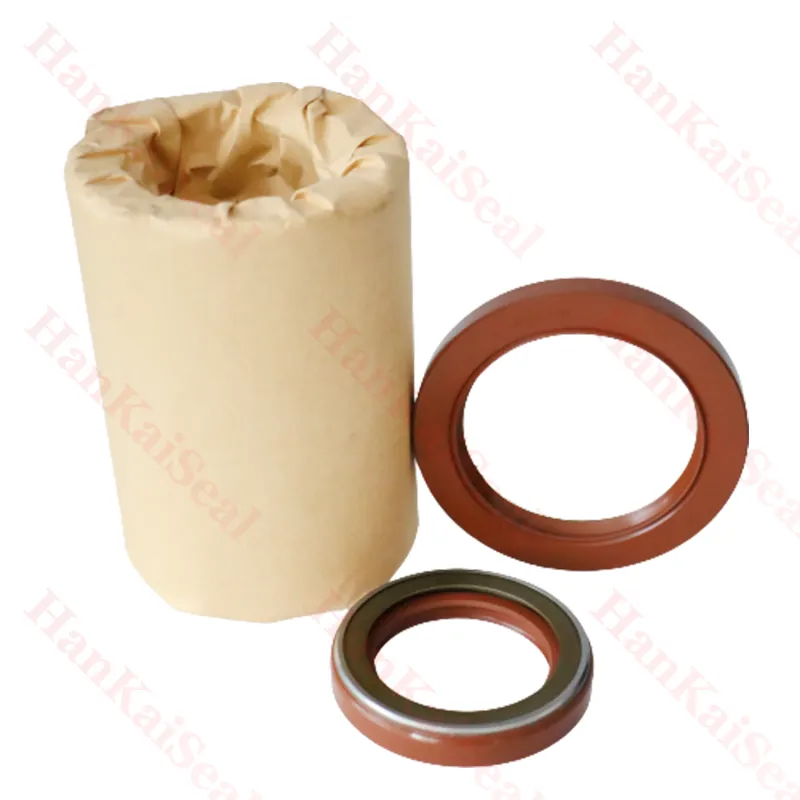
Standard oil seal BP0494 High pressure TCN oil seal
-
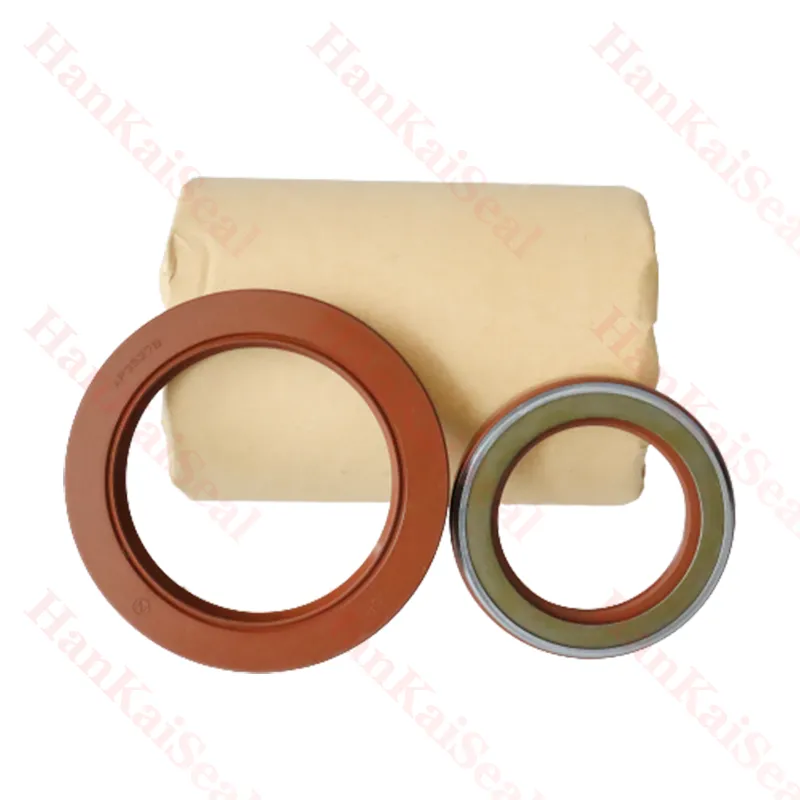
Hydraulic pump seal AP4624G high pressure TCN oil seal
-
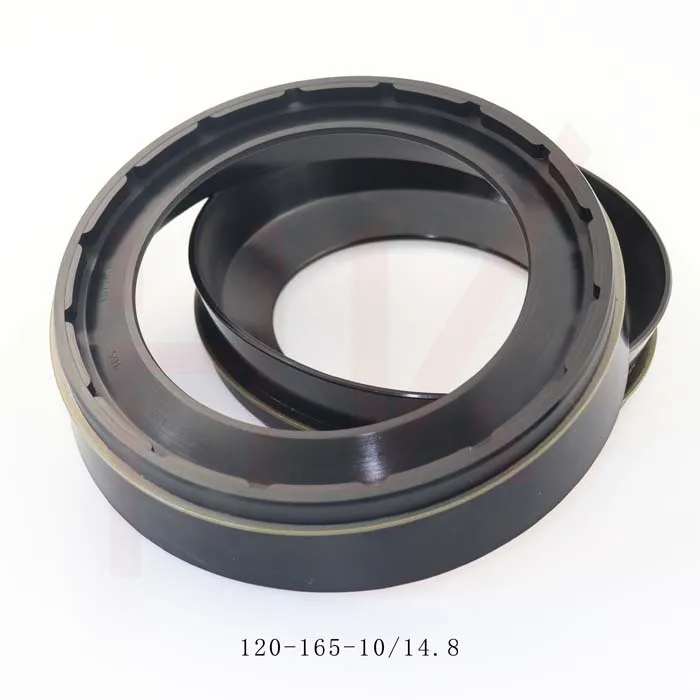
0734307418 0750112169 120*165*10/14.8 concrete mixer reducer oil seal
-
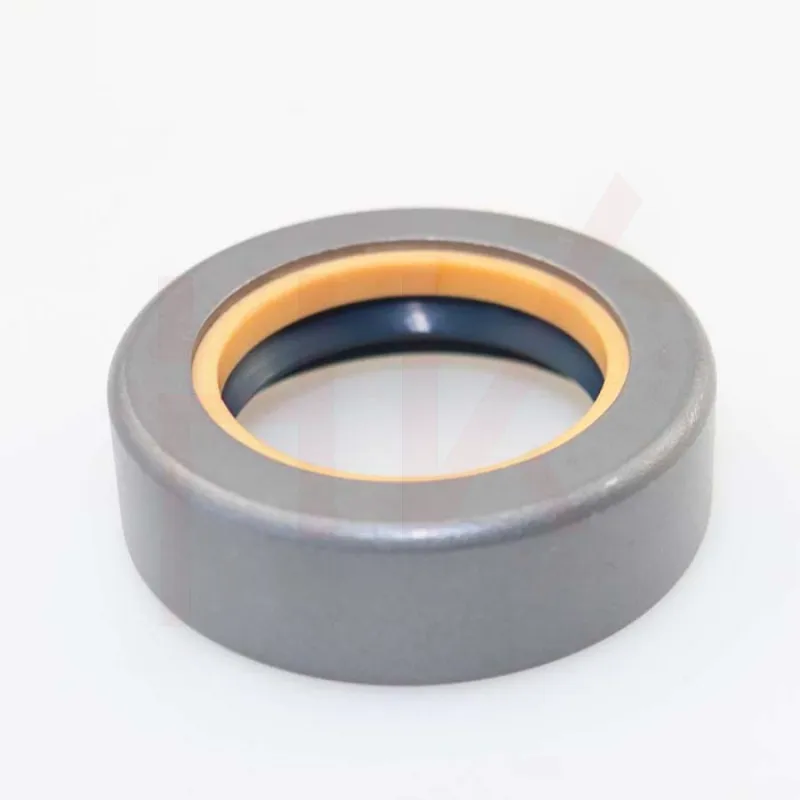
35*52*16 Standard Wheel Hub Oil Seal For Agricultural Machinery
-
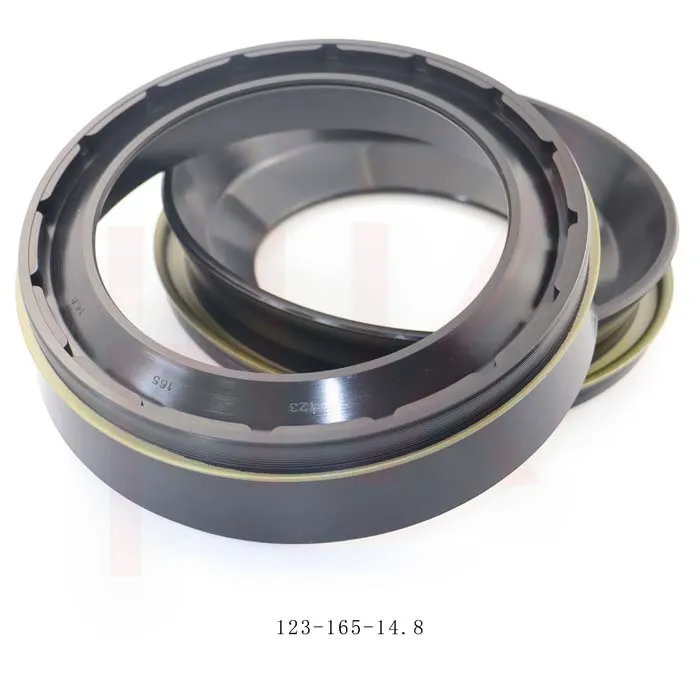
123*165*14.8 concrete mixer truck reducer oil seal
-
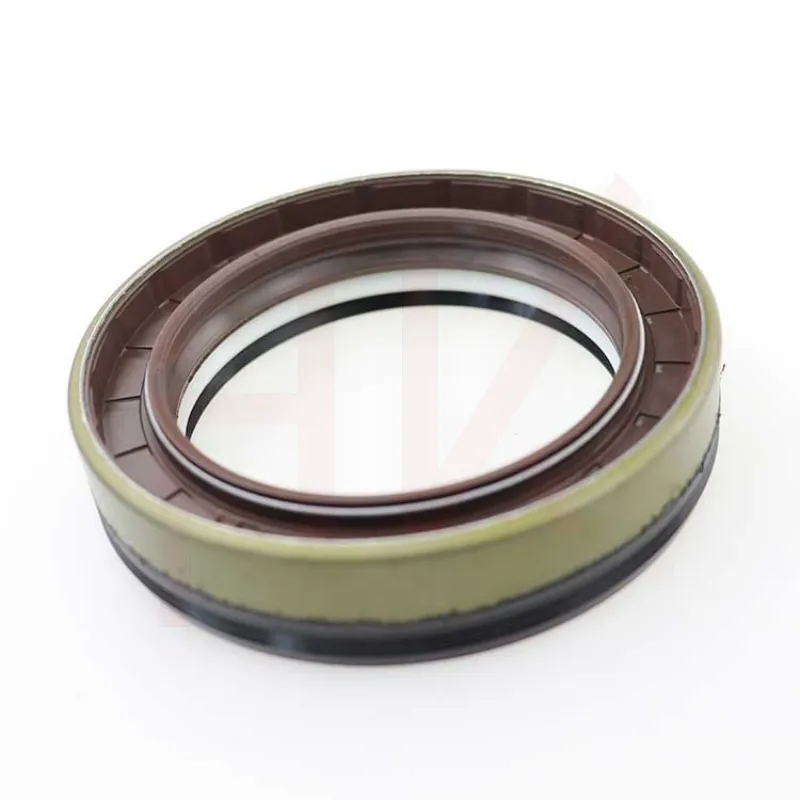
Tractor shaft oil seal 65-90-20 COMBI SF19 hub oil seal
-
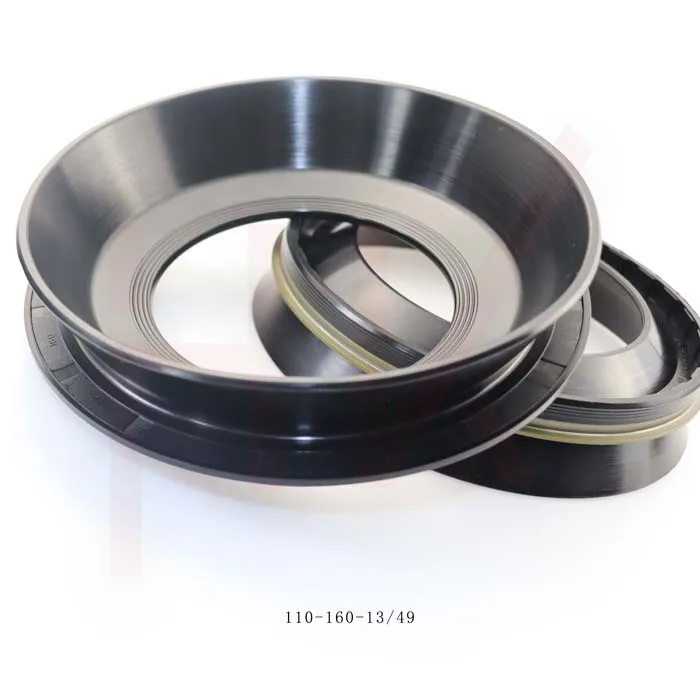
110*160*13/49 NBR reducerConcrete mixer truck oil seal
-
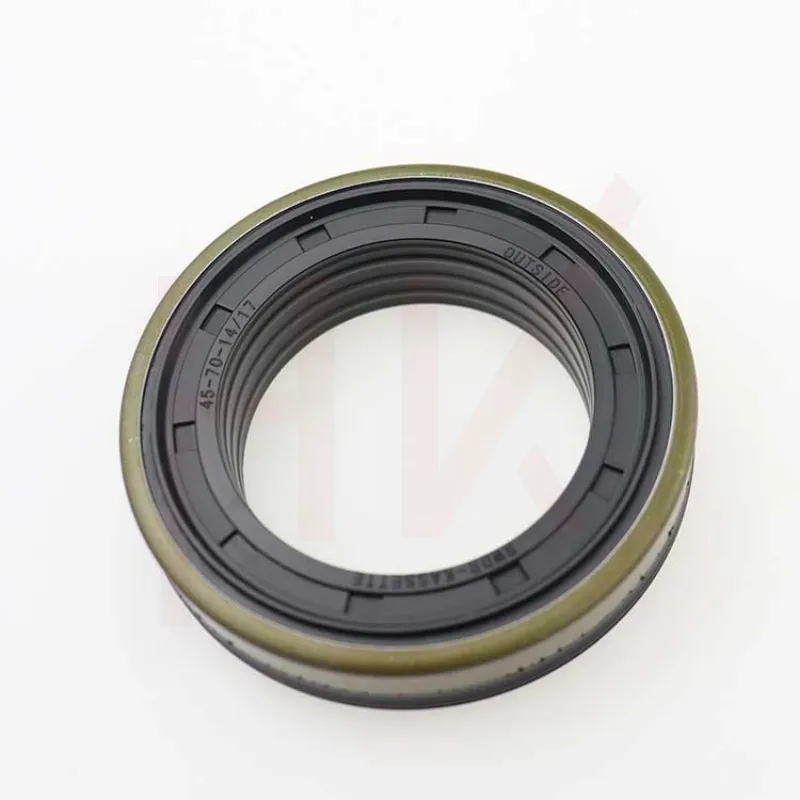
Hub oil seal 40*65*13/14.5 suitable for tractor Cat 12018035b
-
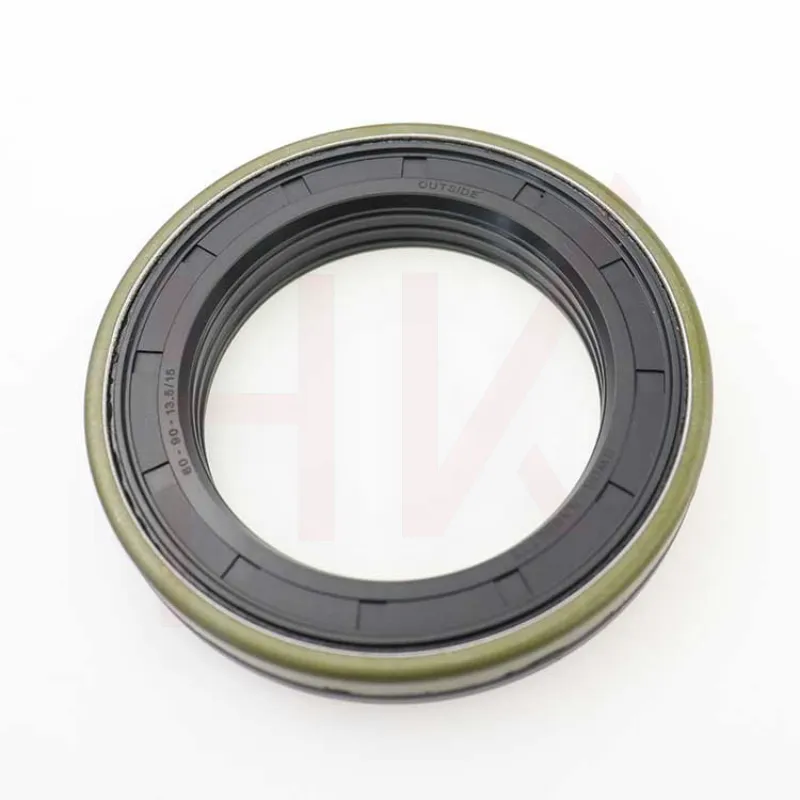
Tractor accessories cassette oil seal hub oil seal 60-90-13.5/15
-
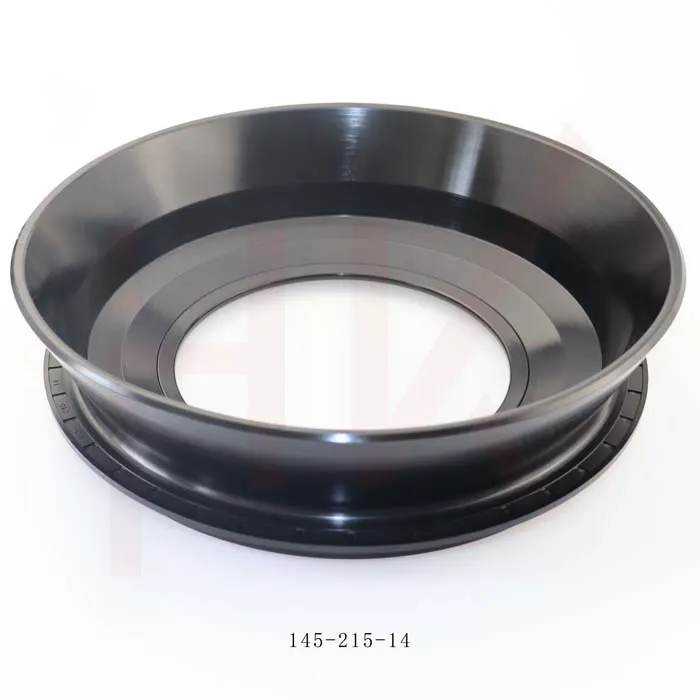
Factory concrete mixer truck oil seal 145*215*14 reducer gearbox oil seal
-
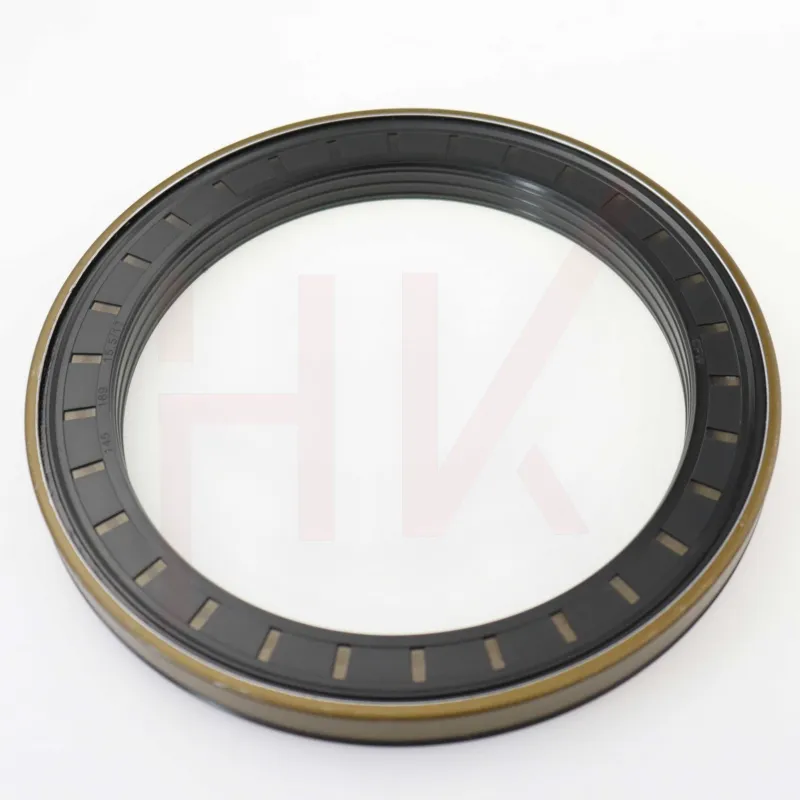
145*189*15.5/17 Cassette Seal NBR Hub Oil Seal 1508044
-
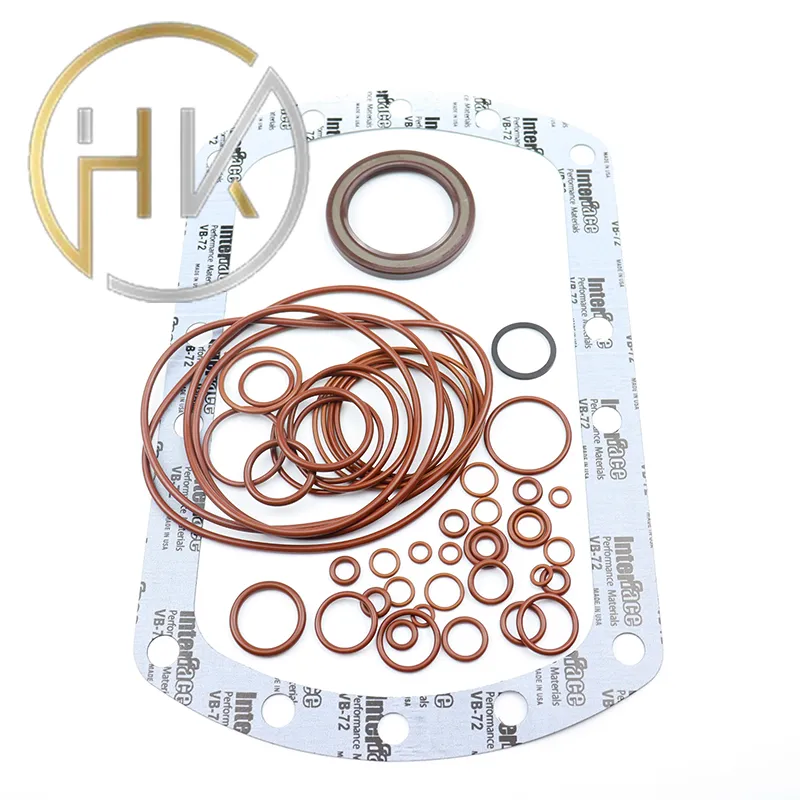
Factory direct sales hydraulic pump motor seal kit A8VO140
-
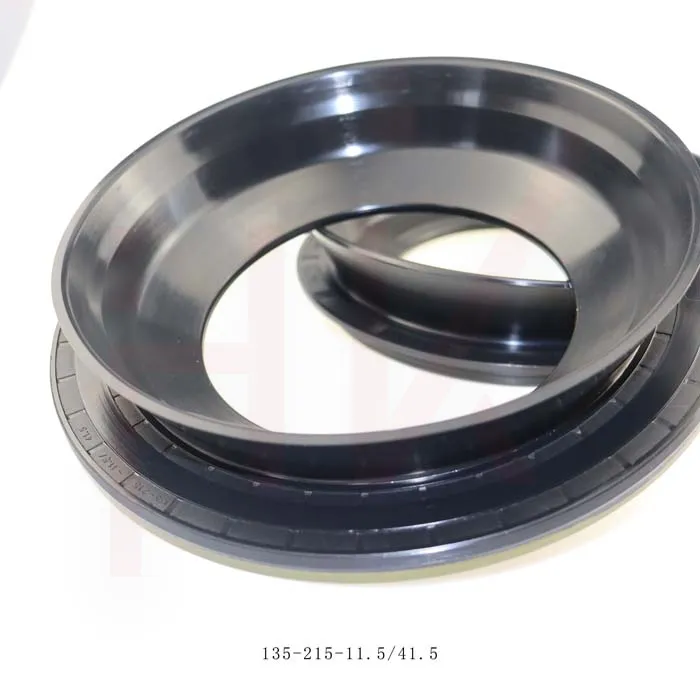
Brand new cement tanker oil seal 135*215*11.5/41.5 concrete mixer oil seal
-
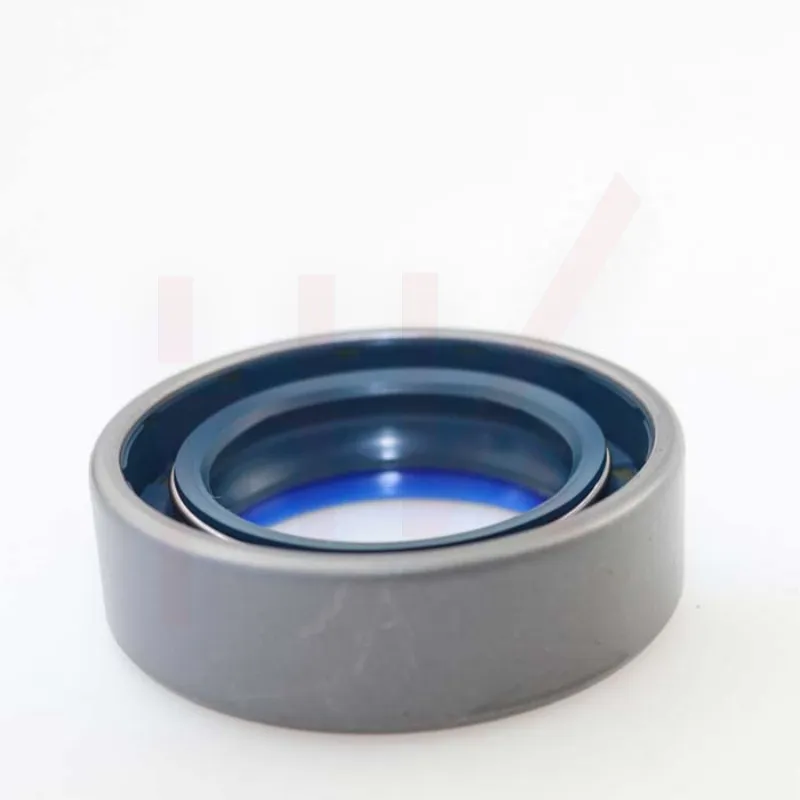
45*65*15 Combi oil seal JCB 90450009 COMBI SF1 SEAL
-
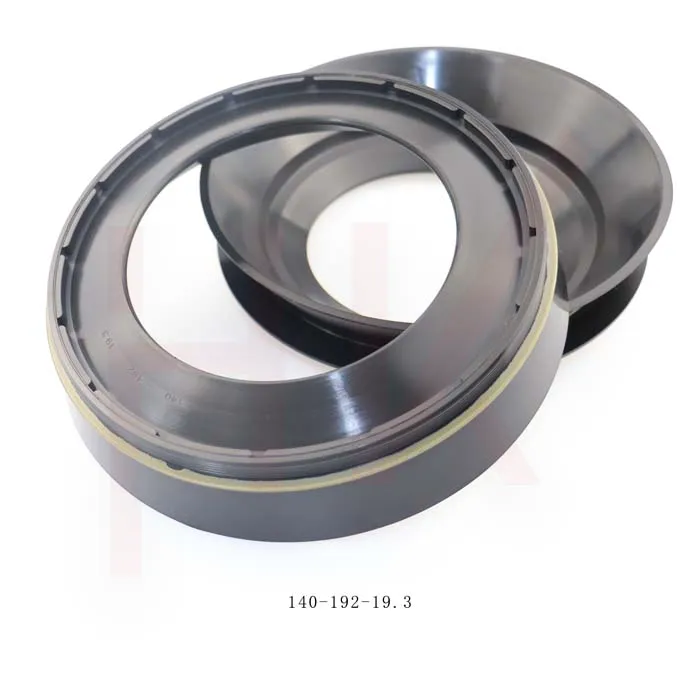
Gear box concrete mixer oil seal 140*192*19.3 nbr reducer oil seal
-
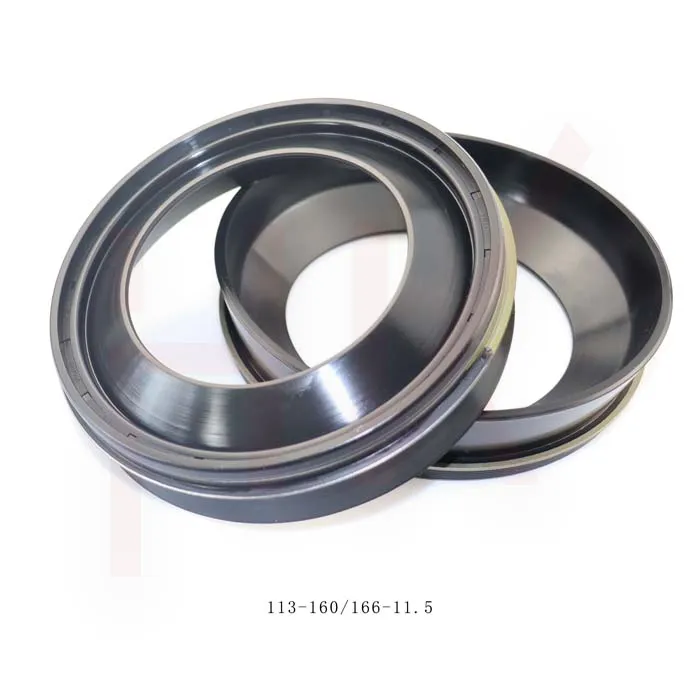
Seals factory direct sales 113*160/166*11.5/38 excavator truck reducer oil seal