
Apr . 16, 2026 02:05 Back to list
Guide to Choosing the Right High Quality hydraulic ram kit
The Ultimate Guide to Choosing the Right Hydraulic Ram Kit
Maintaining the efficiency of heavy machinery requires precision and high-quality components. A hydraulic ram kit is essential for the repair and revitalization of hydraulic cylinders, ensuring that your equipment operates at peak performance without unexpected downtime. Whether you are managing a construction fleet or industrial manufacturing plant, understanding the nuances of seal selection and kit composition can save thousands in operational costs. In this guide, we will explore everything from material compatibility to installation best practices, helping you make an informed decision for your machinery's longevity.

What Exactly is a Hydraulic Ram Kit?
At its core, a hydraulic ram kit is a comprehensive set of seals, O-rings, wipers, and backup rings designed to replace worn-out components within a hydraulic cylinder. Over time, friction, pressure spikes, and environmental contaminants cause seals to degrade, leading to fluid leaks and loss of pressure. By replacing these components as a complete kit rather than individual parts, you ensure that all seals are manufactured from compatible materials and designed to work in harmony, which prevents premature failure. High-quality kits typically include a rod seal to prevent external leaks and a piston seal to maintain internal pressure.
Pro Tip: Always check the bore and rod diameters of your cylinder before ordering a kit, as even a millimeter of difference can lead to complete seal failure.
Material Selection for Your Hydraulic Ram Kit
Not all seals are created equal. The material of your hydraulic ram kit must be matched to the operating environment, including temperature, fluid type, and pressure. For instance, Nitrile (NBR) is excellent for general purpose oil applications, while Polyurethane (PU) is preferred for high-wear and high-pressure environments due to its superior abrasion resistance. For extreme temperatures or chemical exposure, Viton (FKM) is the industry standard. Choosing the wrong material can lead to seal shrinkage or swelling, resulting in catastrophic leaks.
Common Material Applications:
• NBR: Standard hydraulic oils, moderate temperatures.
• PU: Heavy-duty construction equipment, high-pressure rams.
• FKM: High-heat industrial processes and corrosive chemicals.
• PTFE: Low friction requirements and extreme chemical resistance.
Comparing OEM vs. Aftermarket Hydraulic Ram Kit Options
Many operators face the dilemma of choosing between Original Equipment Manufacturer (OEM) kits and high-quality aftermarket alternatives. While OEM kits offer guaranteed compatibility, they often come with a significant price premium and longer lead times. A professional-grade hydraulic ram kit from a specialized seal manufacturer often provides equal or superior performance by utilizing more modern material compounds. The key is to ensure the aftermarket provider adheres to international precision standards.
Signs You Need a New Hydraulic Ram Kit
Identifying the need for a hydraulic ram kit before a total failure occurs is the mark of a professional maintenance program. The most obvious sign is visible leakage around the rod seal or the cylinder head. However, internal leaks—where oil bypasses the piston seal—are more insidious. These manifest as "cylinder drift," where the ram slowly retracts or extends under load. Additionally, jerky movements or a decrease in lifting capacity often indicate that the internal seals are no longer maintaining the necessary pressure differential.
Standard Specifications for High-Performance Kits
To ensure a perfect fit and long-term durability, it is vital to understand the technical specifications that define a quality hydraulic ram kit. Precision tolerances are key; seals must be tight enough to prevent leakage but not so tight that they create excessive friction and heat. Most industrial kits are designed to withstand pressures up to 350 bar (5000 psi), though custom kits can be engineered for even higher requirements. Below is a typical specification table for a standard industrial ram kit.
Best Practices for Installing Your Hydraulic Ram Kit
Installing a hydraulic ram kit is as much about cleanliness as it is about mechanics. The most common cause of early seal failure is contamination during installation. Even a tiny speck of dust or a metal shaving can score the seal or the cylinder wall, creating a leak path. Always clean the cylinder bore and the rod thoroughly using a lint-free cloth. When installing the seals, avoid using sharp tools to push them into place; instead, use plastic installation tools or lubricants provided with the kit to prevent nicking the rubber. Finally, ensure all seals are seated squarely to avoid "twisting" during the final assembly.
Conclusion: Maximizing Equipment Life with Quality Seals
Investing in a premium hydraulic ram kit is one of the most cost-effective ways to extend the life of your machinery. By selecting the correct materials, monitoring for early signs of wear, and following strict installation protocols, you can minimize downtime and ensure the safety of your operators. Don't wait for a total blowout—proactive seal replacement is the key to industrial efficiency and reliability.
Frequently Asked Questions (FAQs)
How often should I replace my hydraulic ram seals?
There is no one-size-fits-all schedule, as it depends on the environment. However, for heavy-duty construction equipment operating in dusty or abrasive conditions, a biennial inspection and seal replacement are recommended. In clean industrial settings, seals may last 5 years or more. The best approach is "predictive maintenance"—replacing the hydraulic ram kit whenever you notice a slight increase in oil consumption or minor cylinder drift, rather than waiting for a failure.
Can I replace just one seal instead of the whole kit?
While it is technically possible to replace a single O-ring, it is highly discouraged. When one seal fails, it usually indicates that the other seals in the cylinder are also nearing the end of their service life. Replacing only one seal often leads to the next one failing shortly after, requiring you to tear down the machine again. Using a complete hydraulic ram kit ensures consistency in material and pressure rating across the entire assembly.
What causes seals in a hydraulic ram to fail prematurely?
The primary causes of premature failure are contamination and incorrect material selection. Abrasive particles like sand or metal shavings can scratch the seal lips, causing leaks. Additionally, using an NBR seal in a high-temperature environment will cause the rubber to harden and crack. Over-pressurizing the system beyond the kit's rating can also "blow out" the seals. Maintaining clean oil and using the correct grade of hydraulic ram kit components is the best defense.
How do I ensure I have the correct size kit for my cylinder?
To ensure accuracy, you should measure the inner diameter (bore) of the cylinder and the outer diameter of the piston rod using a digital caliper. Alternatively, check the manufacturer's part number on the cylinder housing. If you are unsure, many professional suppliers like HKAISeal can help you identify the correct hydraulic ram kit based on the equipment model and serial number. Never rely on "approximate" measurements, as hydraulic seals require precision fits to function.
This is the last article
-
Premium Hydraulic Cylinder Packing Kits for Peak Performance
NewsApr.09,2026
-
Comprehensive Guide to Hydraulic Cylinder Oil Seal Kits for Optimal Performance
NewsApr.07,2026
-
Comprehensive Guide to Choosing the Right Cylinder Seal Kits for Peak Performance
NewsApr.04,2026
-
Comprehensive Guide to Seal Kits for Cylinders Ensuring Optimal Performance
NewsMar.31,2026
-
Comprehensive Guide to Hyd Cylinder Seals for Optimal Hydraulic System Performance
NewsMar.28,2026
-
Comprehensive Guide to Hyd Cylinder Seal Kit Selection and Installation
NewsMar.26,2026
-
Comprehensive Guide to Hydraulic Cylinder Seal Kits for Optimal Performance
NewsMar.24,2026
Products categories
-
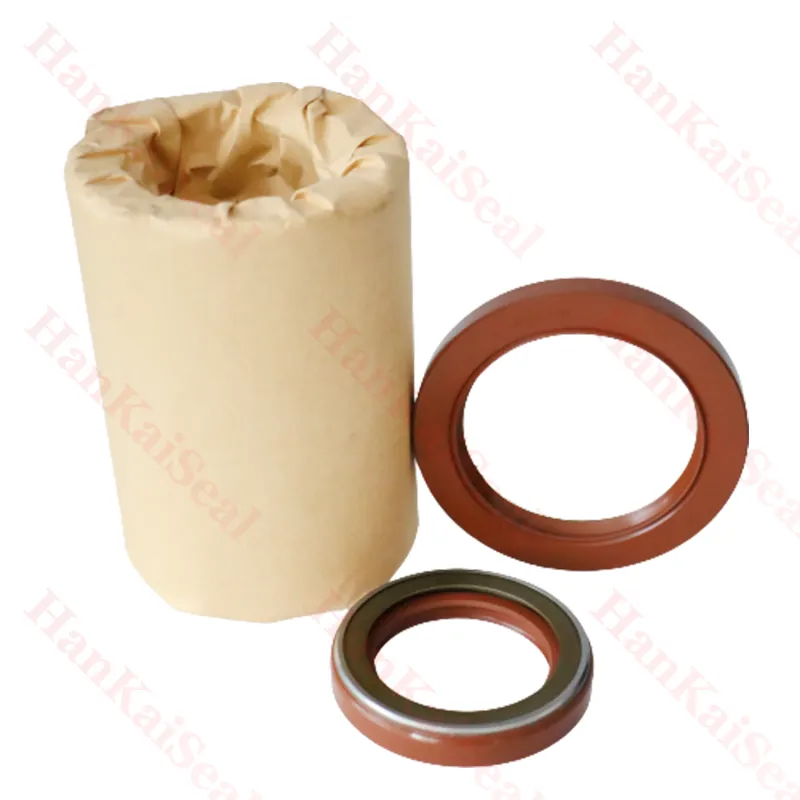
Standard oil seal BP0494 High pressure TCN oil seal
-
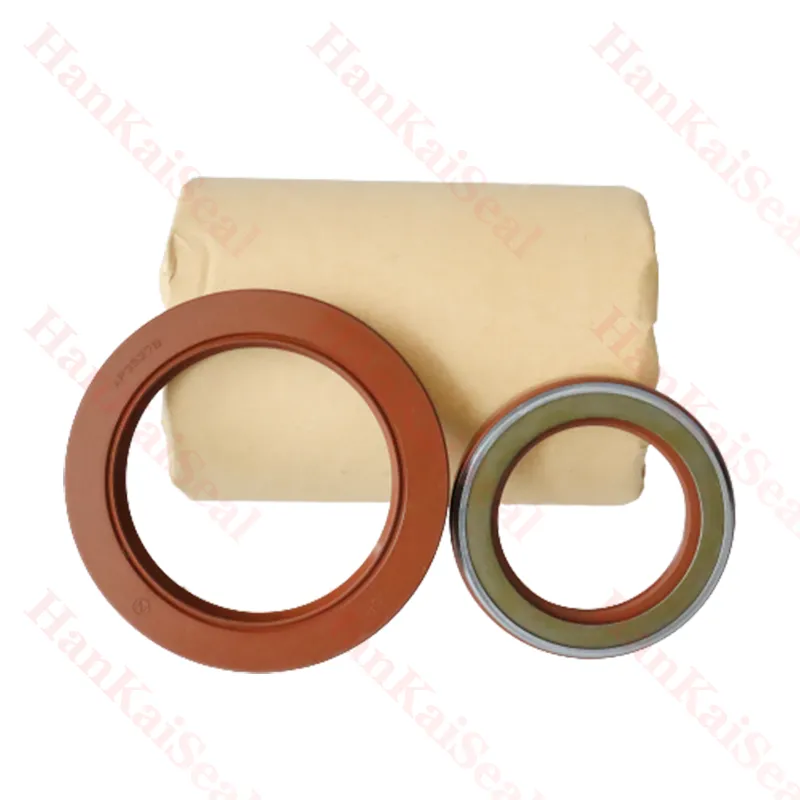
Hydraulic pump seal AP4624G high pressure TCN oil seal
-
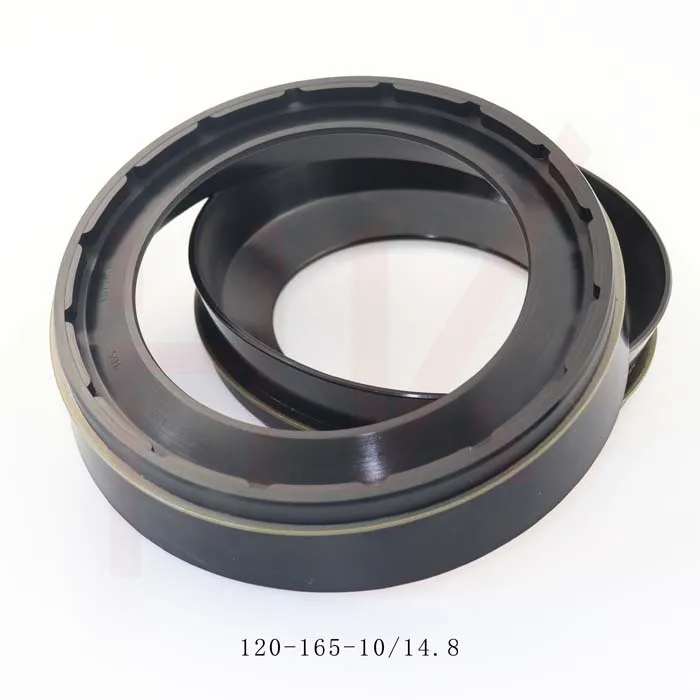
0734307418 0750112169 120*165*10/14.8 concrete mixer reducer oil seal
-
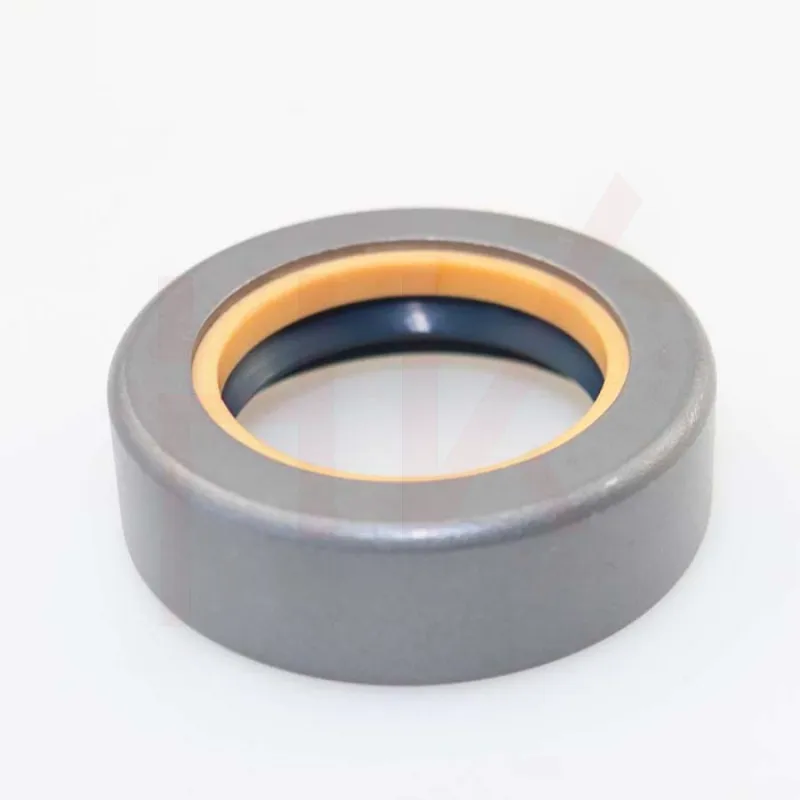
35*52*16 Standard Wheel Hub Oil Seal For Agricultural Machinery
-
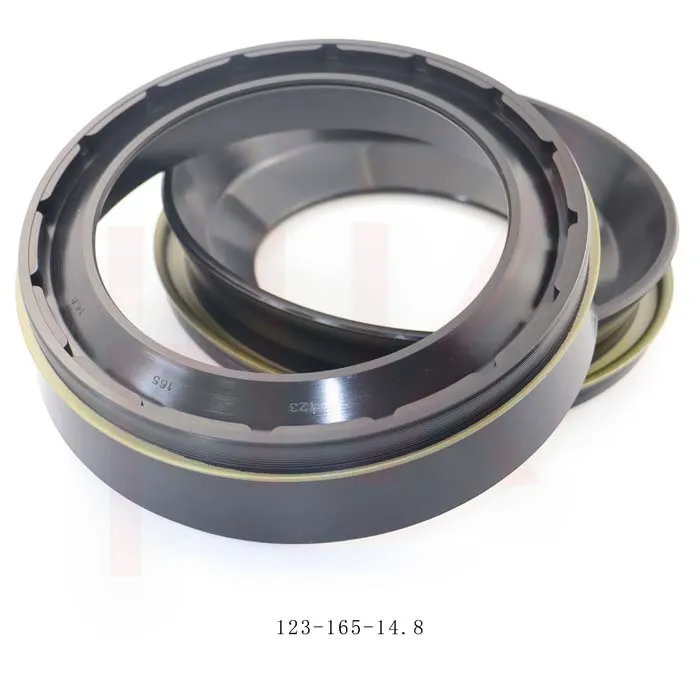
123*165*14.8 concrete mixer truck reducer oil seal
-
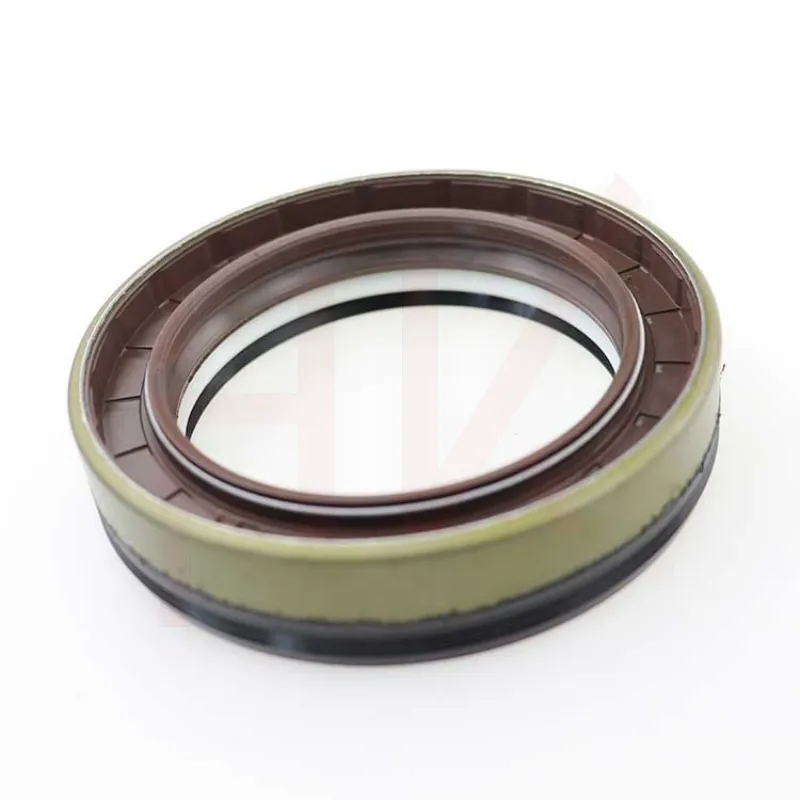
Tractor shaft oil seal 65-90-20 COMBI SF19 hub oil seal
-
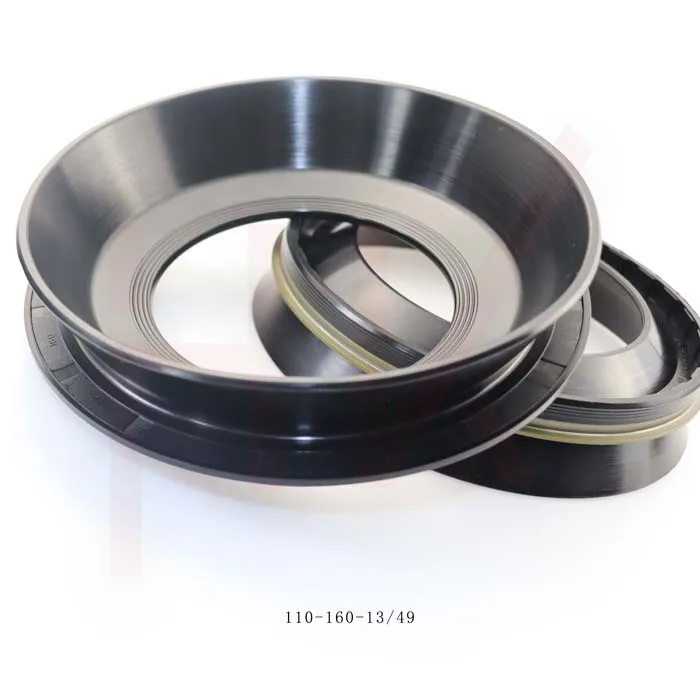
110*160*13/49 NBR reducerConcrete mixer truck oil seal
-
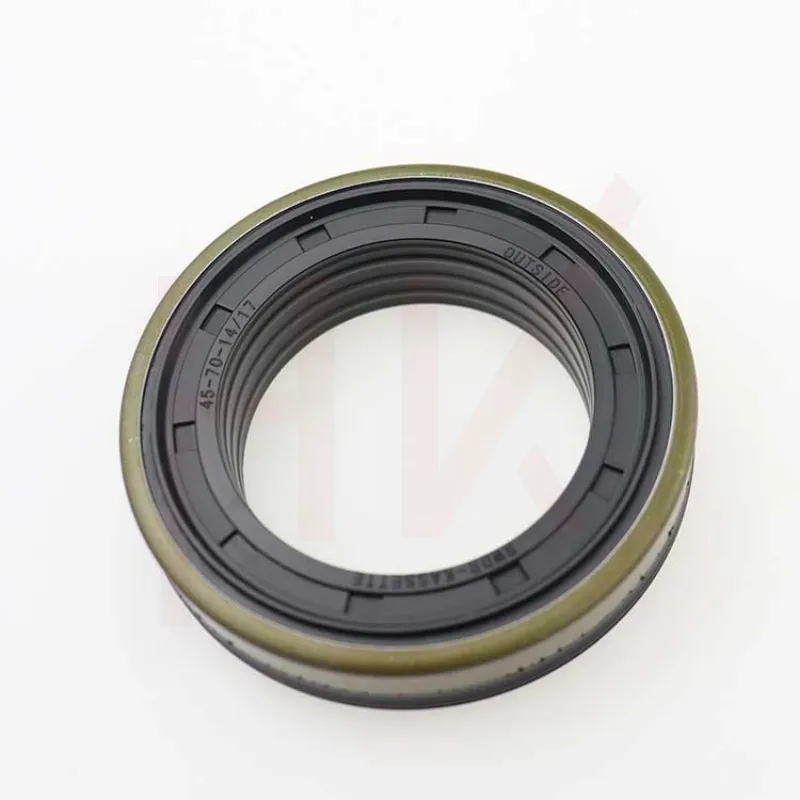
Hub oil seal 40*65*13/14.5 suitable for tractor Cat 12018035b
-
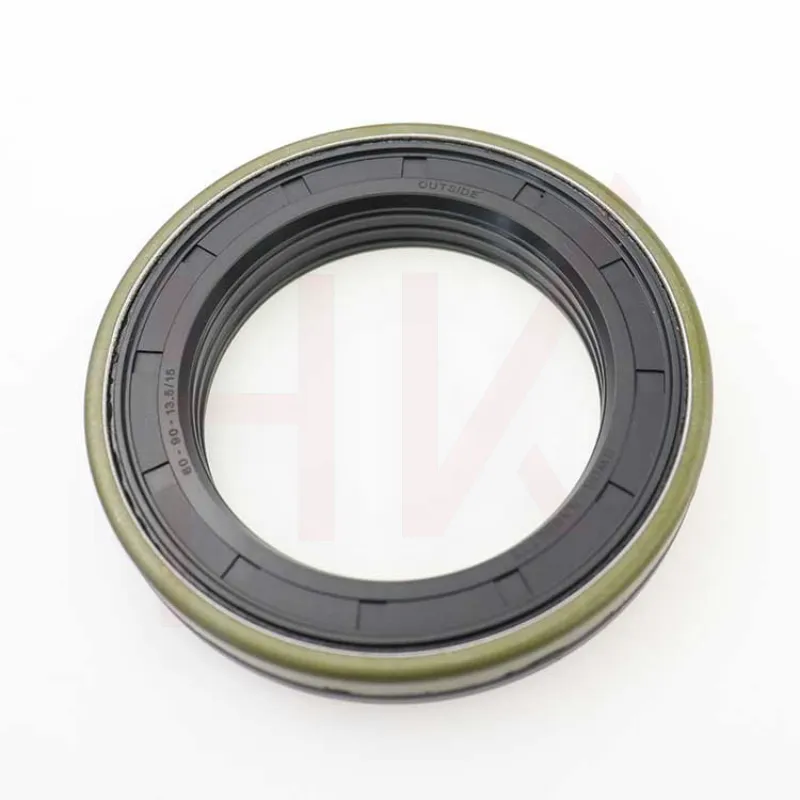
Tractor accessories cassette oil seal hub oil seal 60-90-13.5/15
-
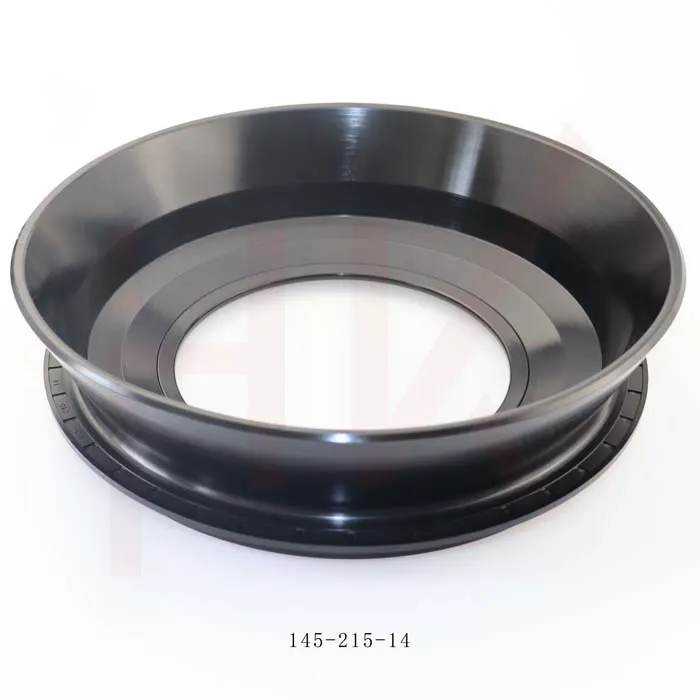
Factory concrete mixer truck oil seal 145*215*14 reducer gearbox oil seal
-
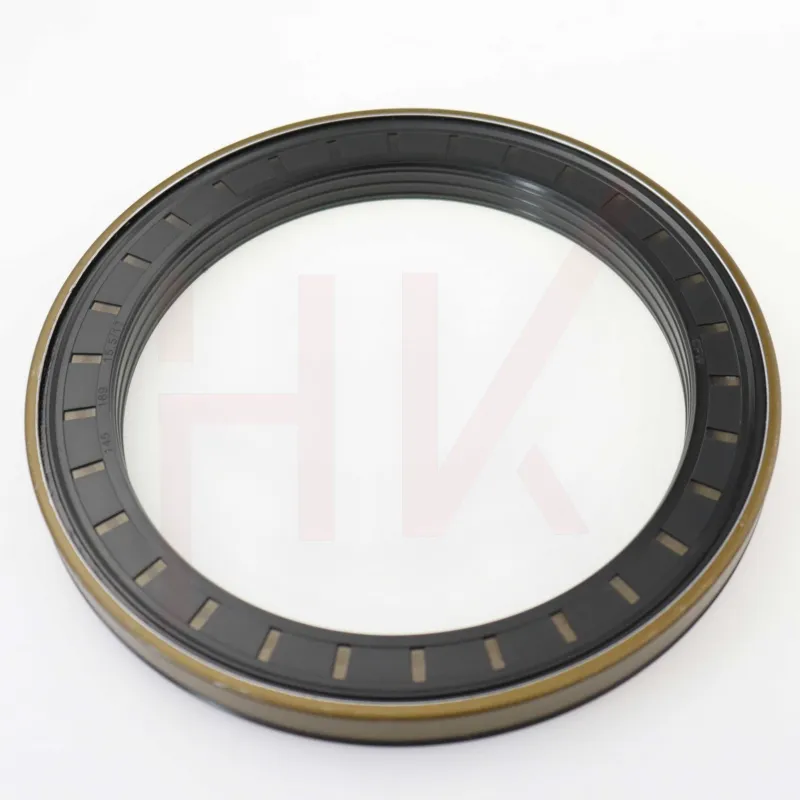
145*189*15.5/17 Cassette Seal NBR Hub Oil Seal 1508044
-
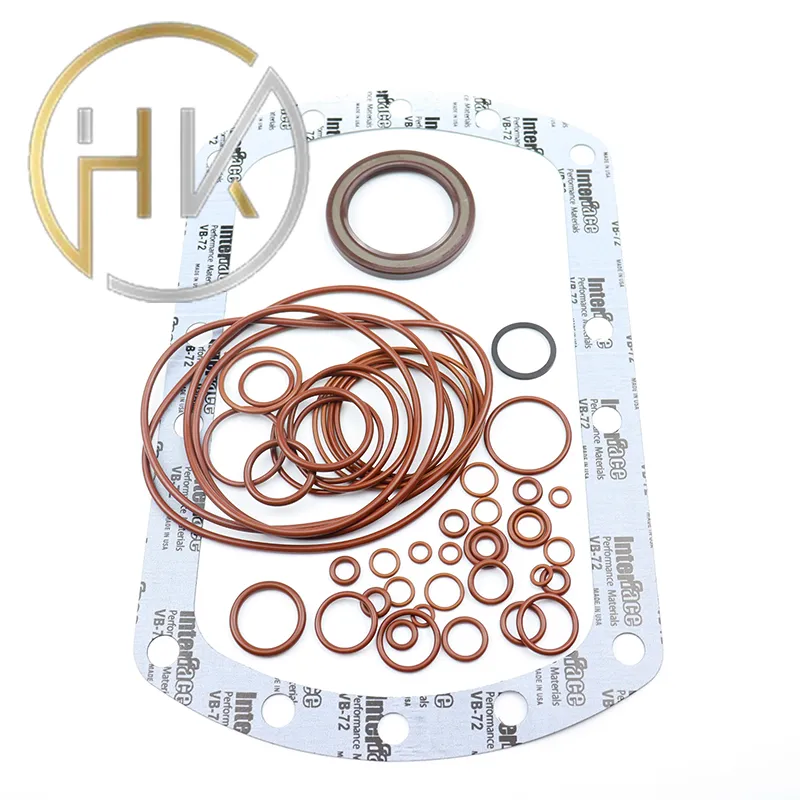
Factory direct sales hydraulic pump motor seal kit A8VO140
-
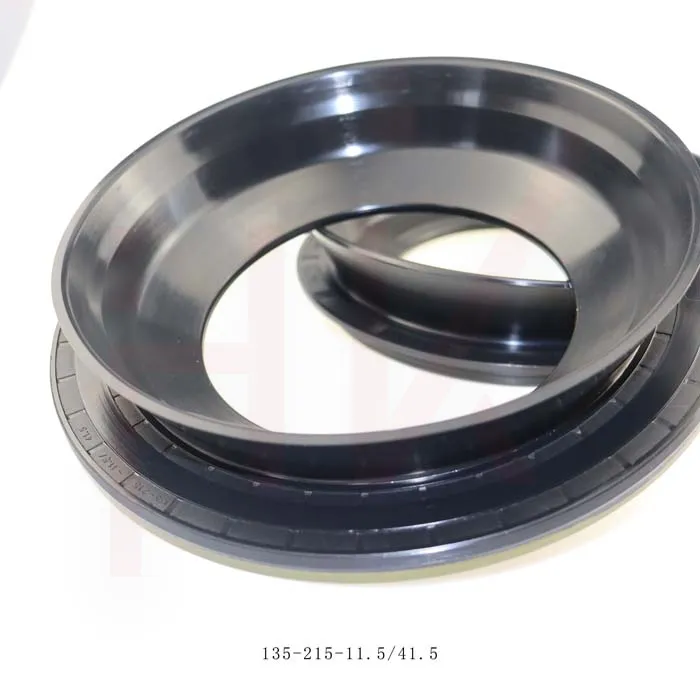
Brand new cement tanker oil seal 135*215*11.5/41.5 concrete mixer oil seal
-
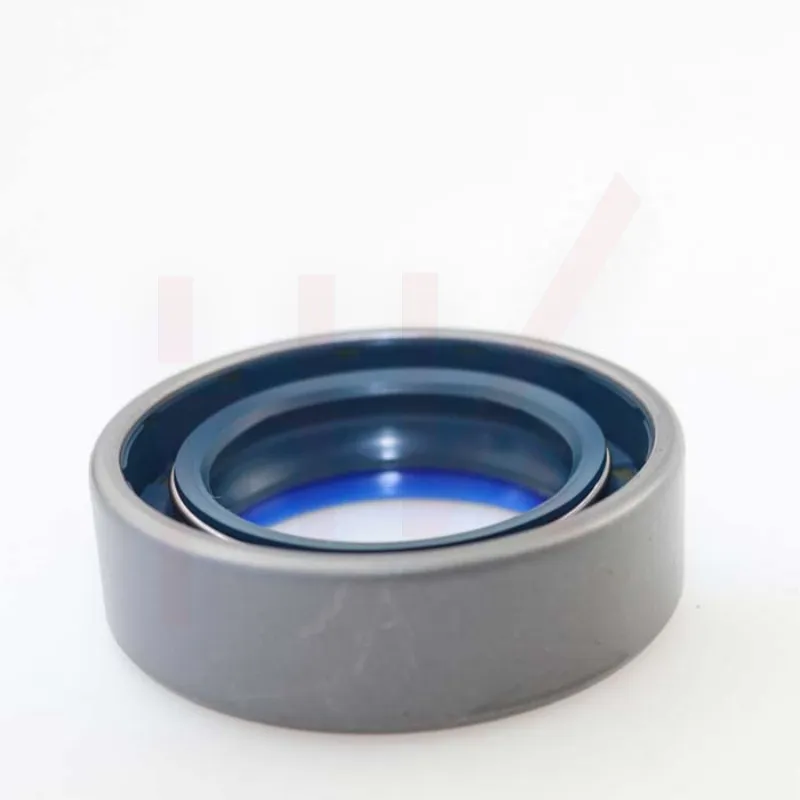
45*65*15 Combi oil seal JCB 90450009 COMBI SF1 SEAL
-
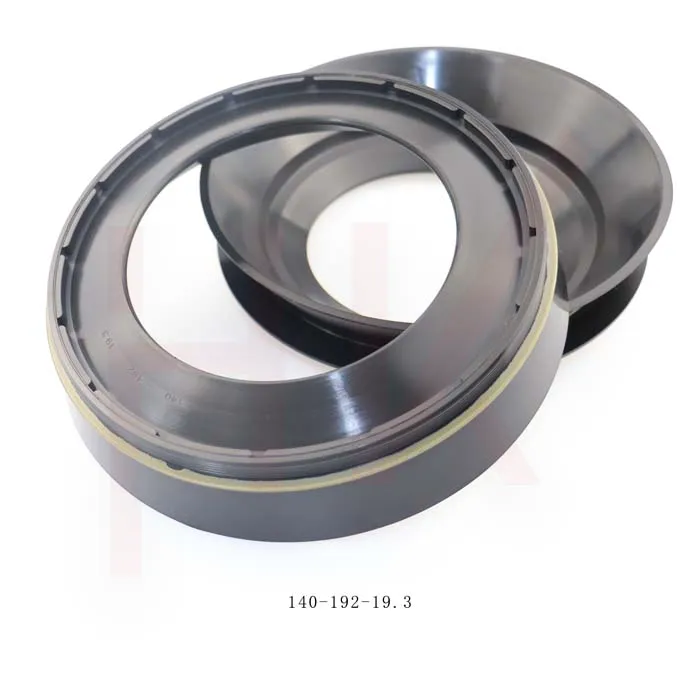
Gear box concrete mixer oil seal 140*192*19.3 nbr reducer oil seal
-
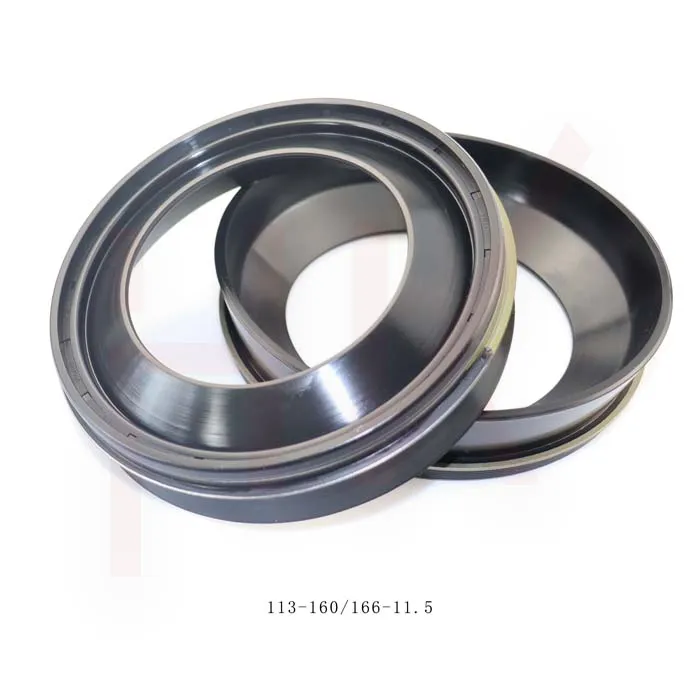
Seals factory direct sales 113*160/166*11.5/38 excavator truck reducer oil seal