
Dec . 02, 2025 17:29 Back to list
Comprehensive Guide to Pump Seal Kit Replacement | Reliable & Sustainable Solutions
Why Pump Seal Kit Replacement Matters in Industry and Beyond
At first glance, “pump seal kit replacement” sounds like just another maintenance chore. But here’s the thing: these seals keep pumps from leaking fluids – fluids often vital to industries powering cities, feeding communities, or purifying water. Without proper seals, pumps fail, and disruptions ripple outwards, sometimes with costly or dangerous consequences. Globally, understanding when and how to replace pump seals is crucial for sustainability, safety, and efficiency.
Whether you’re in manufacturing, water treatment, or even disaster relief logistics, knowing the ins and outs of pump seal kit replacement means fewer breakdowns, longer equipment life, and, frankly, peace of mind. It’s a foundational piece in keeping countless systems up and running smoothly.
Setting the Stage: Why Pump Seal Kit Replacement Is a Worldwide Concern
It might surprise many, but pumps are everywhere—moving water in cities, chemicals in factories, or fuel in remote mining sites. According to the ISO standards and reports, up to 30% of industrial pump downtime results from seal failures. Now, imagine that downtime extending hours, even days. That’s a costly headache.
On a global scale, the World Bank estimates about 40% of water is lost due to leaking infrastructure, and pump failures play a big role. In developing regions, where infrastructure is already fragile, a leaking or failed pump seal can mean no clean water or interrupted power. In humanitarian crises like floods or earthquakes, the ability to quickly replace pump seal kits can keep critical systems online. So, this seemingly small maintenance task is actually a lifeline in many contexts.
What Exactly Is a Pump Seal Kit Replacement?
Simply put, a pump seal kit replacement involves swapping out worn or damaged seals from a pump’s shaft assembly. These seals prevent fluids—liquids or gases—from leaking out as the shaft spins. A “kit” usually contains several components: the actual seal faces, gaskets, O-rings, and sometimes set screws or springs depending on design.
This isn’t just “plug and play” stuff—each pump and application needs a precise seal type tailored to pressures, temperatures, and fluids involved. Think of it as changing the tires on a race car: you want the perfect fit or else performance—and safety—can quickly nosedive.
Key Factors Influencing Pump Seal Kit Replacement Decisions
1. Durability and Material Compatibility
Seal materials vary from carbon, ceramic, and silicon carbide to elastomers like Viton or EPDM. Each serves different temperature ranges and chemical compatibilities. For example, pumps handling corrosive acids need seals made from materials that won’t degrade fast. When choosing a replacement kit, knowing the fluid and operating environment is essential to avoid premature seal failure.
2. Cost vs. Longevity
It’s tempting to go for the cheapest seal kit, but many engineers caution about the “false economy.” Higher-quality seals often last longer, reducing labor and downtime expenses. One maintenance manager told me, “We now budget for better seals upfront because swapping them repeatedly costs us triple.”
3. Ease of Installation
Some kits come with detailed instructions, even video guides nowadays. Quick, correct installation minimizes risk of leaks. Custom-fit kits or those with modular parts can be game changers, especially in hard-to-access environments.
4. Environmental Impact
Fluids escaping due to bad seals aren’t just waste—they can pollute. An effective seal kit replacement reduces environmental risks. Some firms are moving toward eco-friendly seal materials, aligning with global sustainability goals.
Mini Takeaway:
Durability, cost-effectiveness, installability, and environmental impact all weave into the story of pump seal kit replacement. Ignore any one, and you might find yourself back at square one quicker than expected.
Real-World Applications: From Industrial Giants to Remote Areas
In manufacturing hubs across Europe and North America, pump seal kit replacement follows tight schedules to avoid production halts. In fact, many chemical plants have a “spare parts locker” stocked precisely for these replacements. In contrast, remote mining sites in Australia or Africa face the challenge of logistical delays, making it essential to choose seal kits that are both durable and easy to install without expert help.
Interestingly, humanitarian organizations operating post-disaster heavily rely on quick pump seal replacements to keep water treatment plants operating. For example, after the 2020 Cyclone in Mozambique, aid groups brought pump seal kits with them as part of water purification efforts. This shows the critical role of pump seal maintenance in life-saving infrastructure.
Advantages of Timely Pump Seal Kit Replacement
- Cost Savings: Avoid expensive downtime and pump damage.
- Safety: Prevent hazardous leaks of chemicals or fuels.
- Sustainability: Reduce fluid loss and environmental contamination.
- Reliability: Prolong pump life, supporting consistent operations.
- Emotional reassurance: Knowing your critical systems won’t fail unexpectedly.
Put differently, timely pump seal kit replacement isn’t just maintenance; it’s a smart investment in trust and longevity.
Insights Into Future Trends & Innovations
What’s next for pump seal replacements? Many manufacturers are adopting smarter materials and IoT-enabled sensors embedded near seals to detect wear before failure. Also, “green” seals made from bio-compatible or recyclable materials are gaining traction in response to strict environmental regulations.
Automation and predictive maintenance software increasingly suggest the best times for these replacements, reducing guesswork. Some newer pump designs feature easier-to-access seal chambers, making field replacement less of a hassle.
All this signals a more sustainable, data-driven future where pump seal kit replacement becomes even more efficient and less disruptive.
Common Challenges and How to Overcome Them
One issue often seen: incorrect seal selection due to incomplete fluid or pump data. This leads to rapid failure. The fix? Better documentation and communication between operations and maintenance teams.
Another challenge is supply chain delays—sometimes the right kit isn’t on hand when needed. Here, having reliable vendors and stocked inventories is vital. Many companies now establish local warehouses or partner with distributors to cut downtime.
Finally, installation errors can negate the best kit’s benefits. Training and access to digital resources help technicians get replacements right the first time.
Product Specification Table: Sample Pump Seal Kit Features
| Feature | Description | Value |
|---|---|---|
| Seal Material | Primary sealing components | Silicon Carbide / Viton Elastomer |
| Temperature Range | Operating temperature of seal | -20°C to 180°C |
| Pressure Rating | Maximum operating pressure | Up to 16 bar |
| Kit Components | Included items in kit | Seal faces, O-rings, Gaskets, Springs |
| Compatibility | Pump models supported | ANSI, API 610 Standard Pumps |
Vendor Comparison Table for Pump Seal Kit Replacements
| Vendor | Material Quality | Lead Time | Technical Support | Price Range |
|---|---|---|---|---|
| SealPro Inc. | High-grade ceramics & elastomers | 3-5 days | 24/7 support with onsite training | $$$ |
| PumpSeal Solutions | Standard industrial seal materials | 7-10 days | Email and phone support | $$ |
| EcoSeal Technologies | Bio-based and recyclable materials | 5-7 days | Dedicated consultant access | $$$ |
Frequently Asked Questions About Pump Seal Kit Replacement
Q1: How often should I replace pump seal kits?
A1: The frequency depends on pump usage, operating conditions, and seal material, but many recommend inspecting seals every 6 months and replacing them every 12 to 24 months to avoid unexpected failures.
Q2: Can I replace a pump seal kit myself, or do I need a professional?
A2: If you have basic mechanical knowledge and the right tools, you might handle simple replacements. However, complex or high-pressure pumps often require skilled technicians to ensure proper installation and prevent leaks.
Q3: What are the risks of using the wrong seal kit?
A3: Using incorrect seals can cause premature wear, leaks, environmental hazards, and costly pump repairs or replacements. Always check compatibility with your pump’s specifications.
Q4: Are eco-friendly seal kits just as durable as traditional ones?
A4: Many eco-friendly seal kits now match or exceed traditional durability, especially those using advanced polymers and composites. They also reduce environmental impact, making them a sustainable choice.
Q5: Where can I find reliable pump seal kit replacement suppliers?
A5: Trusted suppliers often have strong technical support, materials certified by ISO standards, and positive reviews. Vendors like SealPro Inc., PumpSeal Solutions, and EcoSeal Technologies are good starting points.
Wrapping Up: Why Investing in Pump Seal Kit Replacement Pays Off
Thinking long-term, pump seal kit replacement isn’t a mundane task but a vital component of operational reliability and environmental responsibility. By staying informed on best materials, keeping up with installation practices, and choosing reputable providers, you save money, avoid downtime, and support sustainability.
Curious to learn more or need kits tailored to your needs? Visit our website at https://www.hkaiseal.com for expert guidance and premium products.
Mini Takeaway:
Excellent pump seal maintenance is kind of like good dental hygiene: a little effort regularly saves big headaches later. Seal your success with the right kit — and keep things flowing smoothly.
References
-
Premium Hydraulic Cylinder Packing Kits for Peak Performance
NewsApr.09,2026
-
Comprehensive Guide to Hydraulic Cylinder Oil Seal Kits for Optimal Performance
NewsApr.07,2026
-
Comprehensive Guide to Choosing the Right Cylinder Seal Kits for Peak Performance
NewsApr.04,2026
-
Comprehensive Guide to Seal Kits for Cylinders Ensuring Optimal Performance
NewsMar.31,2026
-
Comprehensive Guide to Hyd Cylinder Seals for Optimal Hydraulic System Performance
NewsMar.28,2026
-
Comprehensive Guide to Hyd Cylinder Seal Kit Selection and Installation
NewsMar.26,2026
-
Comprehensive Guide to Hydraulic Cylinder Seal Kits for Optimal Performance
NewsMar.24,2026
Products categories
-
Standard oil seal BP0494 High pressure TCN oil seal
-
Hydraulic pump seal AP4624G high pressure TCN oil seal
-
0734307418 0750112169 120*165*10/14.8 concrete mixer reducer oil seal
-
35*52*16 Standard Wheel Hub Oil Seal For Agricultural Machinery
-
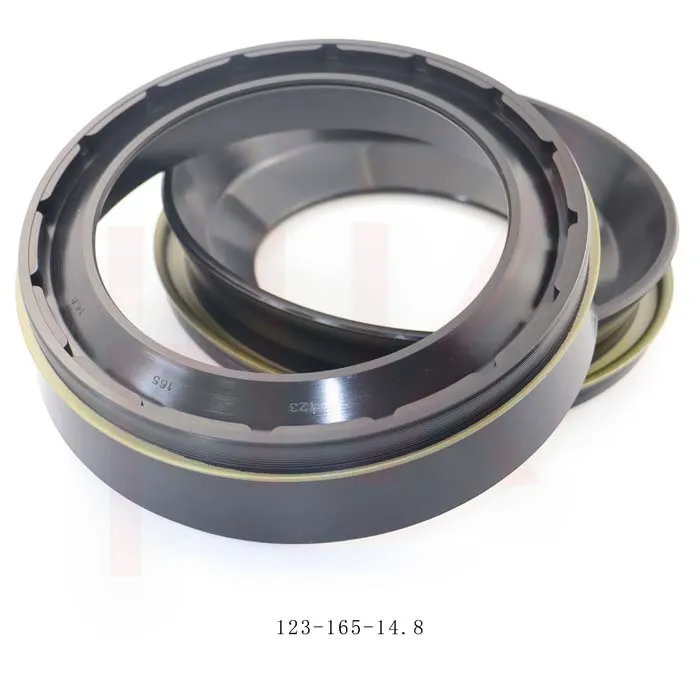
123*165*14.8 concrete mixer truck reducer oil seal
-
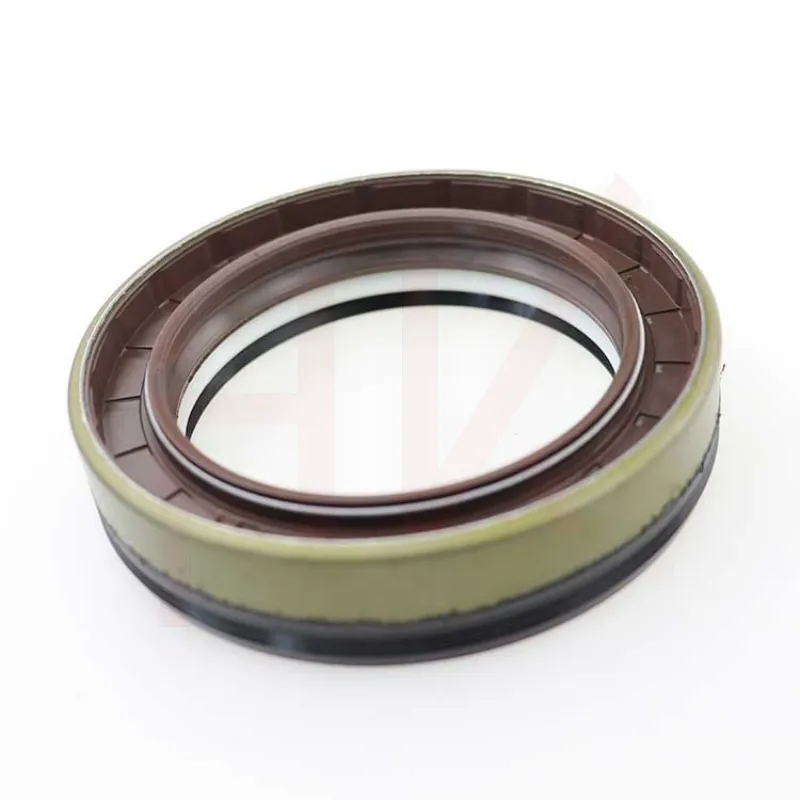
Tractor shaft oil seal 65-90-20 COMBI SF19 hub oil seal
-
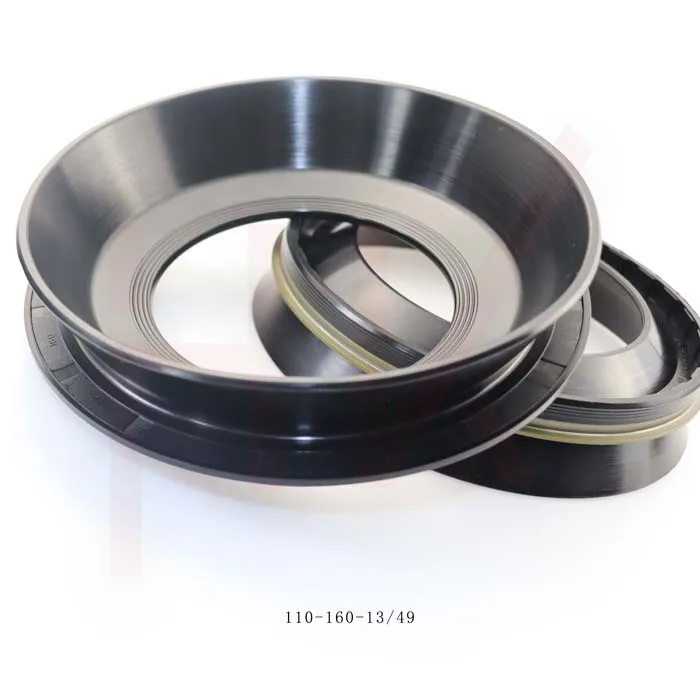
110*160*13/49 NBR reducerConcrete mixer truck oil seal
-
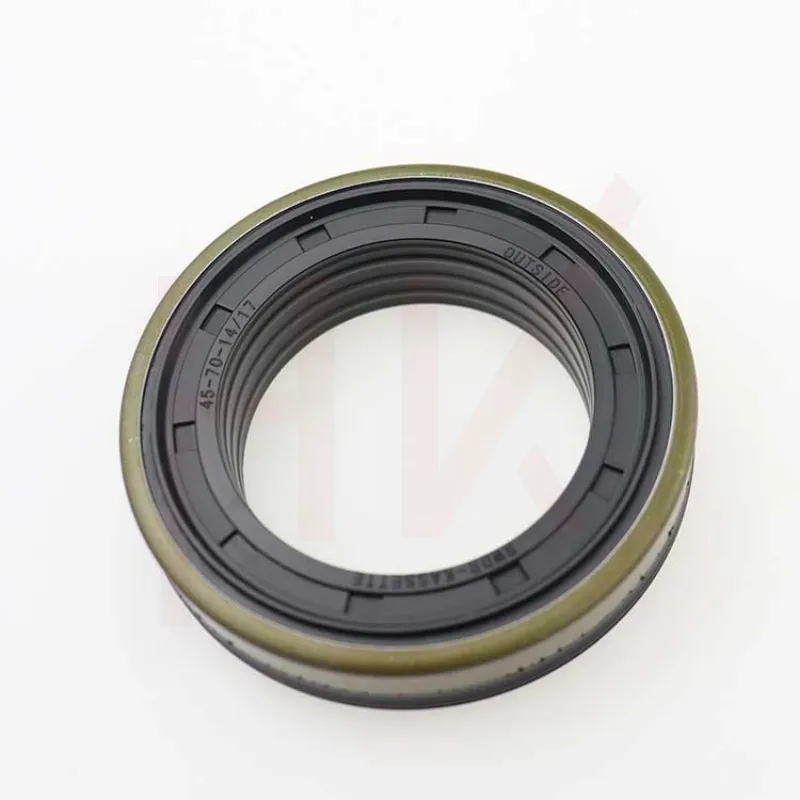
Hub oil seal 40*65*13/14.5 suitable for tractor Cat 12018035b
-
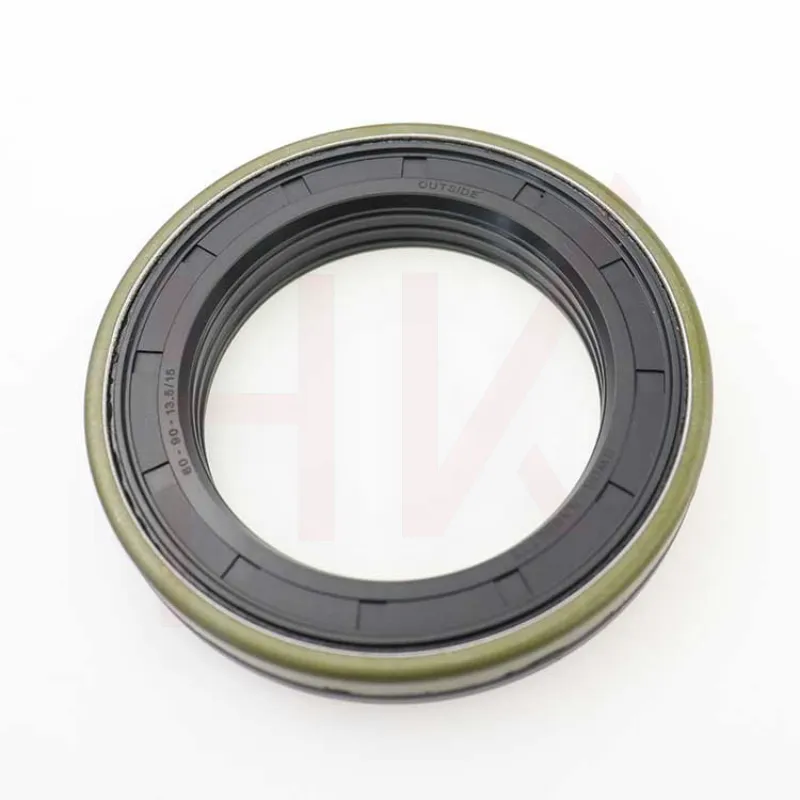
Tractor accessories cassette oil seal hub oil seal 60-90-13.5/15
-
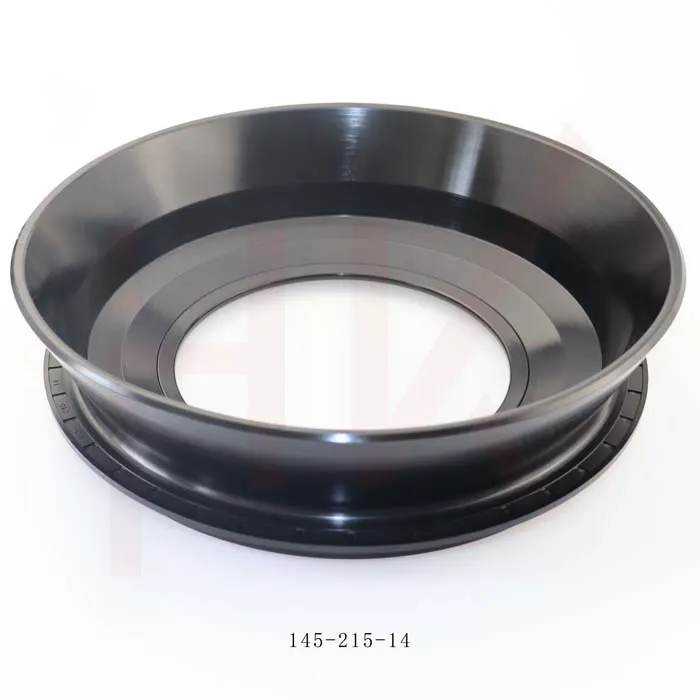
Factory concrete mixer truck oil seal 145*215*14 reducer gearbox oil seal
-
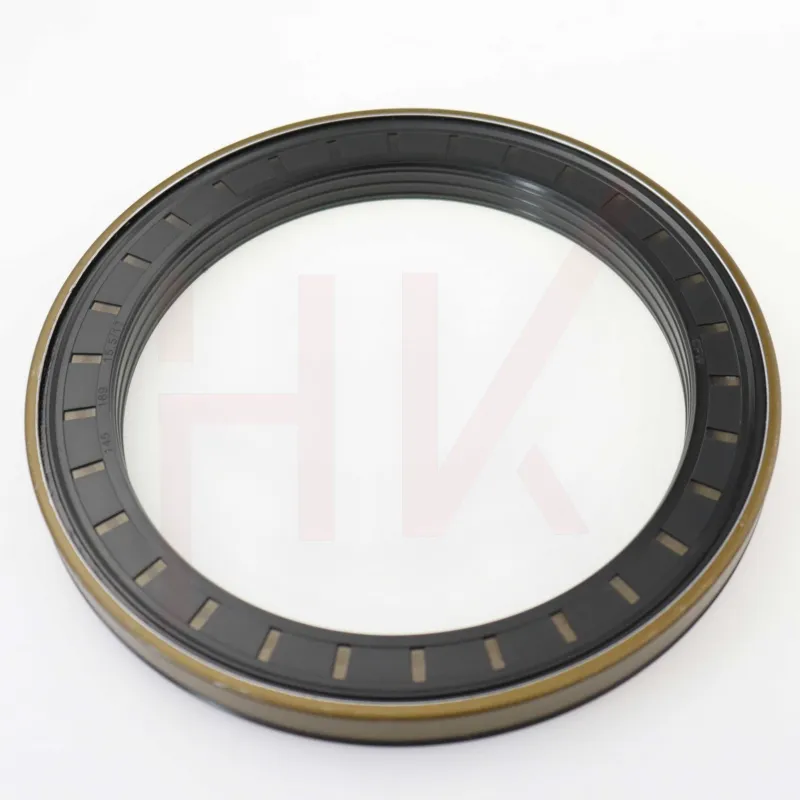
145*189*15.5/17 Cassette Seal NBR Hub Oil Seal 1508044
-
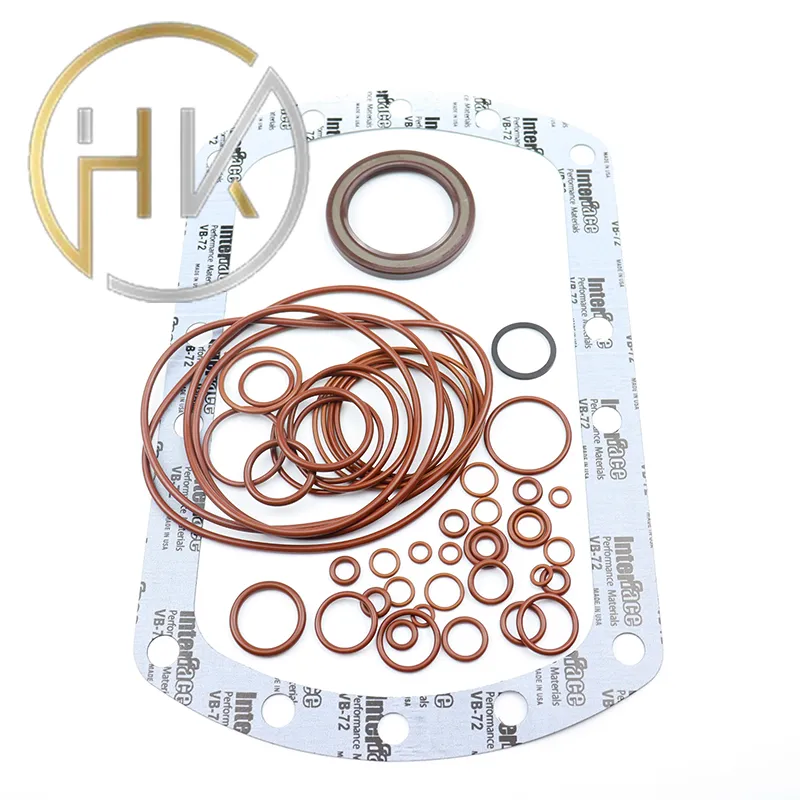
Factory direct sales hydraulic pump motor seal kit A8VO140
-
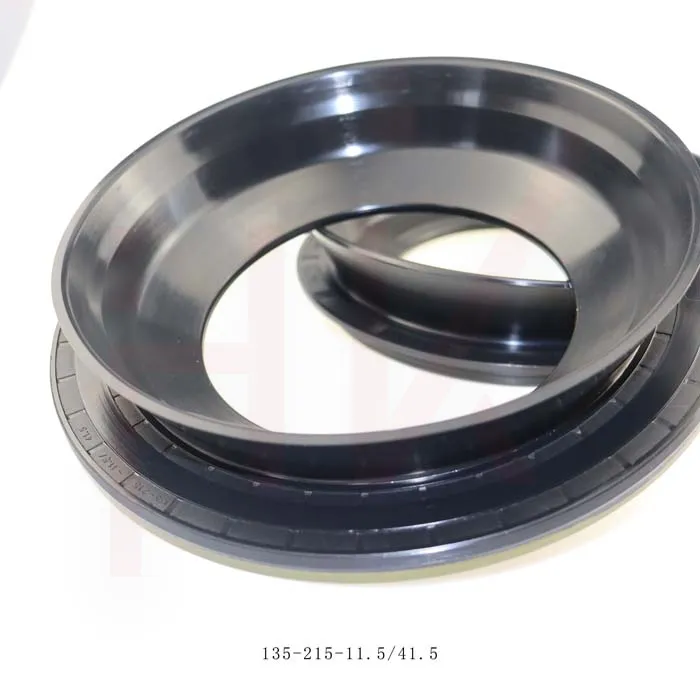
Brand new cement tanker oil seal 135*215*11.5/41.5 concrete mixer oil seal
-
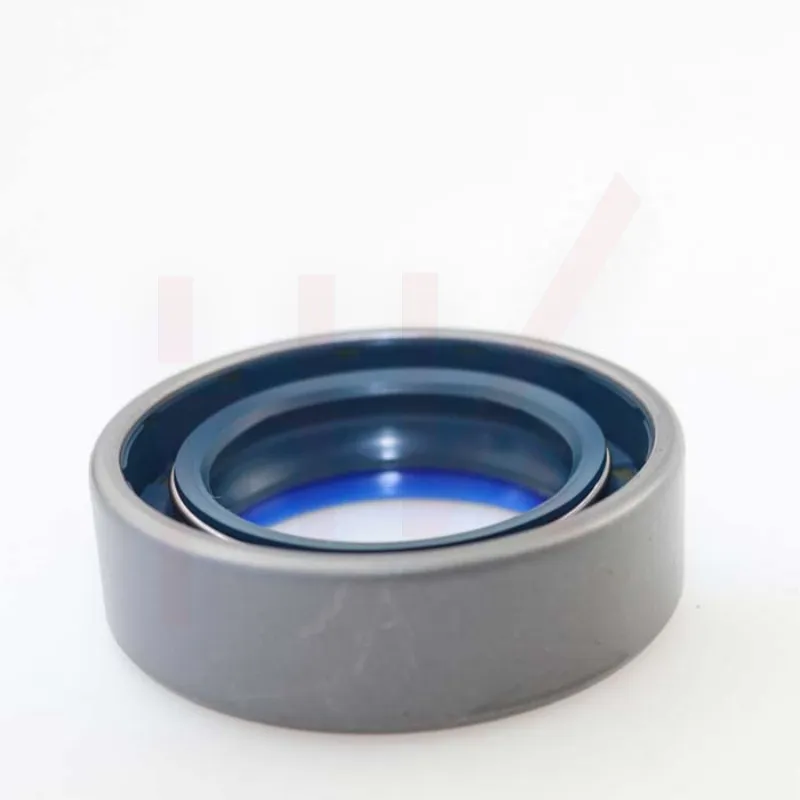
45*65*15 Combi oil seal JCB 90450009 COMBI SF1 SEAL
-
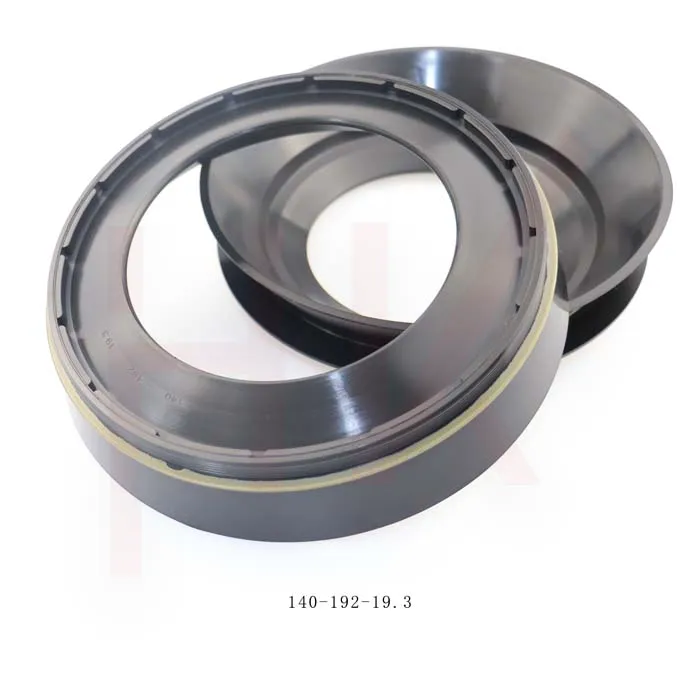
Gear box concrete mixer oil seal 140*192*19.3 nbr reducer oil seal
-
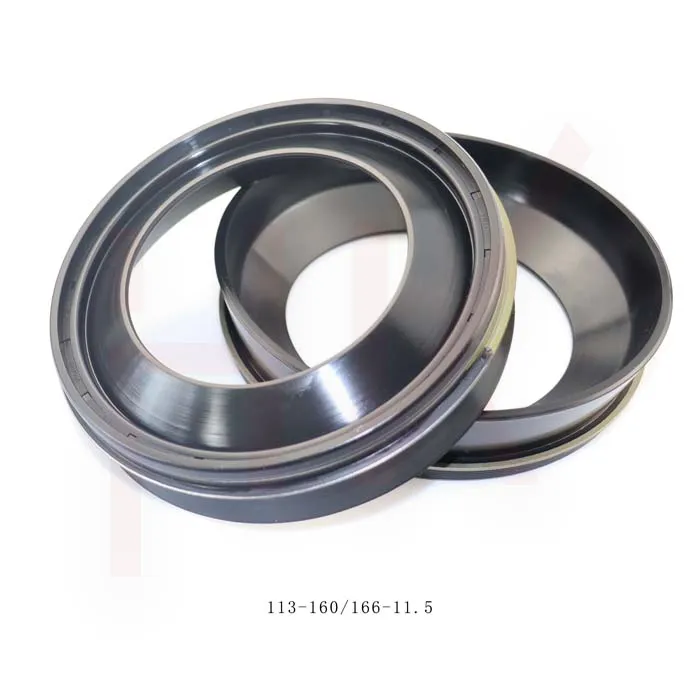
Seals factory direct sales 113*160/166*11.5/38 excavator truck reducer oil seal